
 IN
INDining Tables (4-Seater, 6-Seater, Extendable)
44 products available
Key Features and Specifications
Common Applications and Use Cases
Product Variants and Subcategories
Benefits and Advantages
Buying Guide for B2B Buyers
Compliance and Certifications




Frequently Asked Questions
What are Dining Tables (4-Seater, 6-Seater, Extendable)?
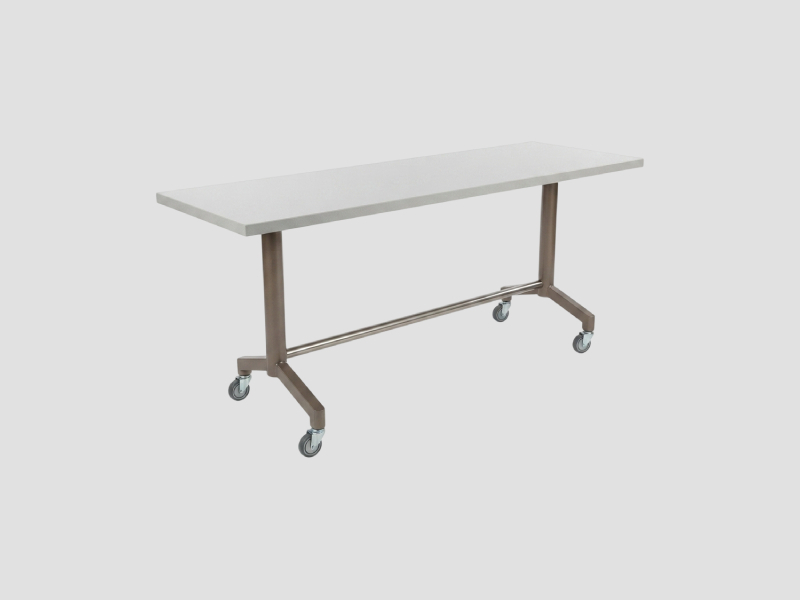
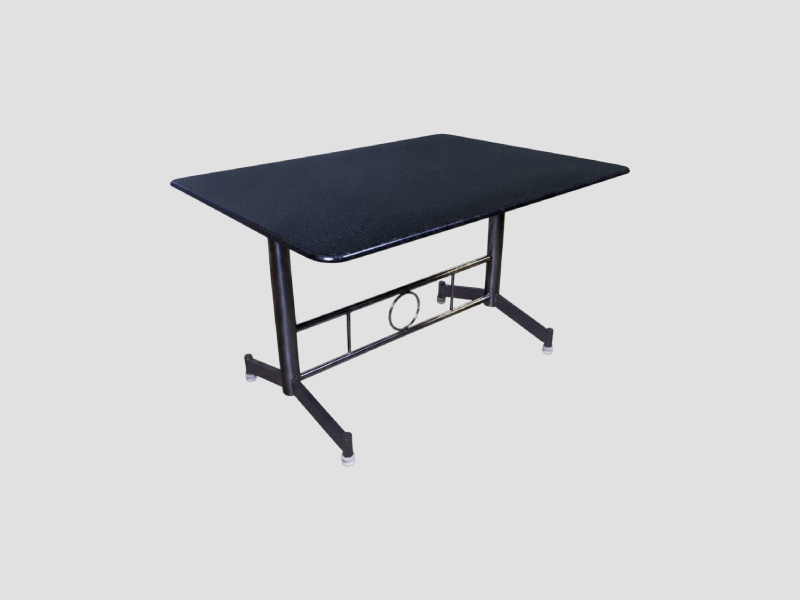
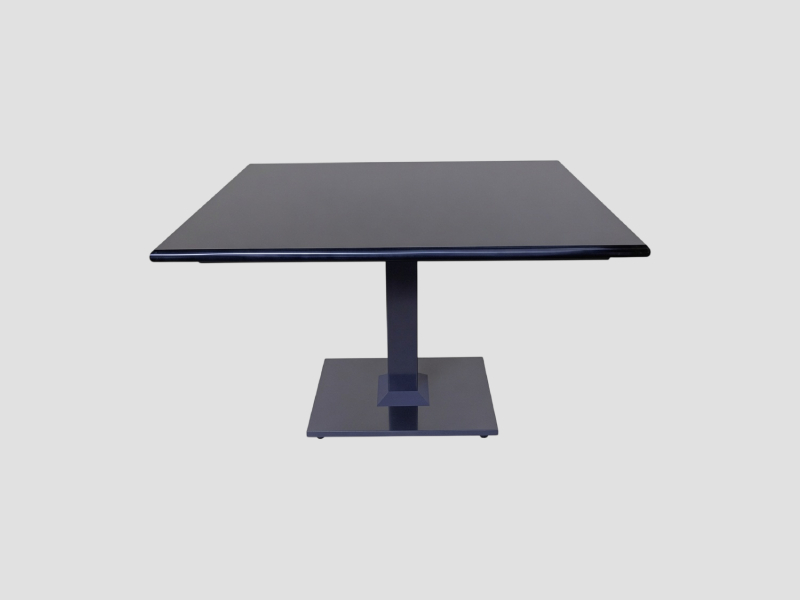
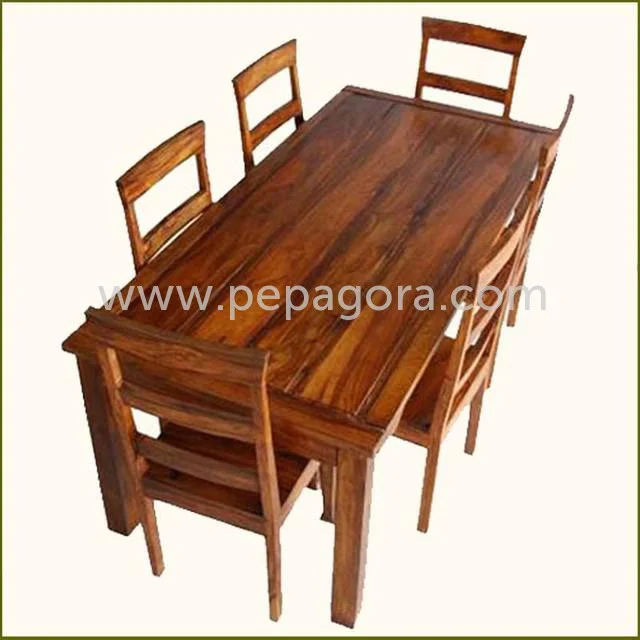
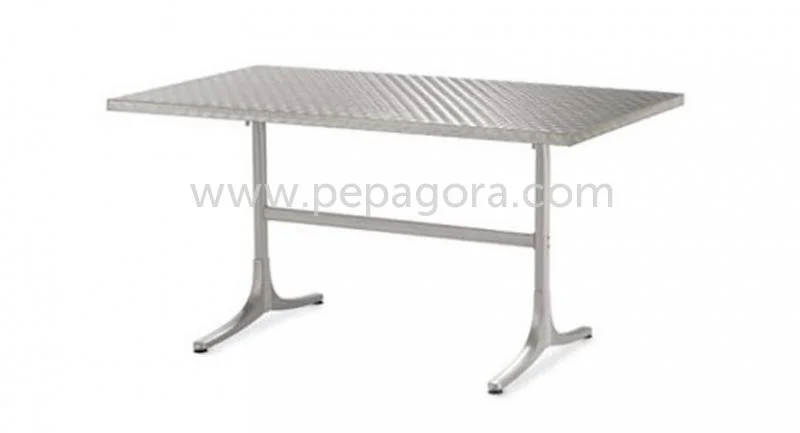
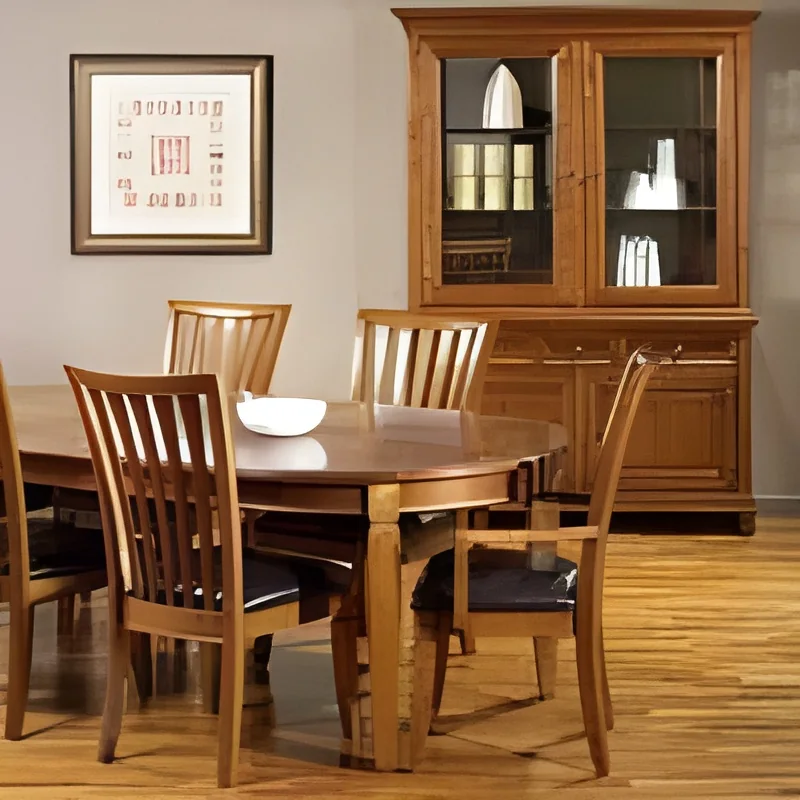
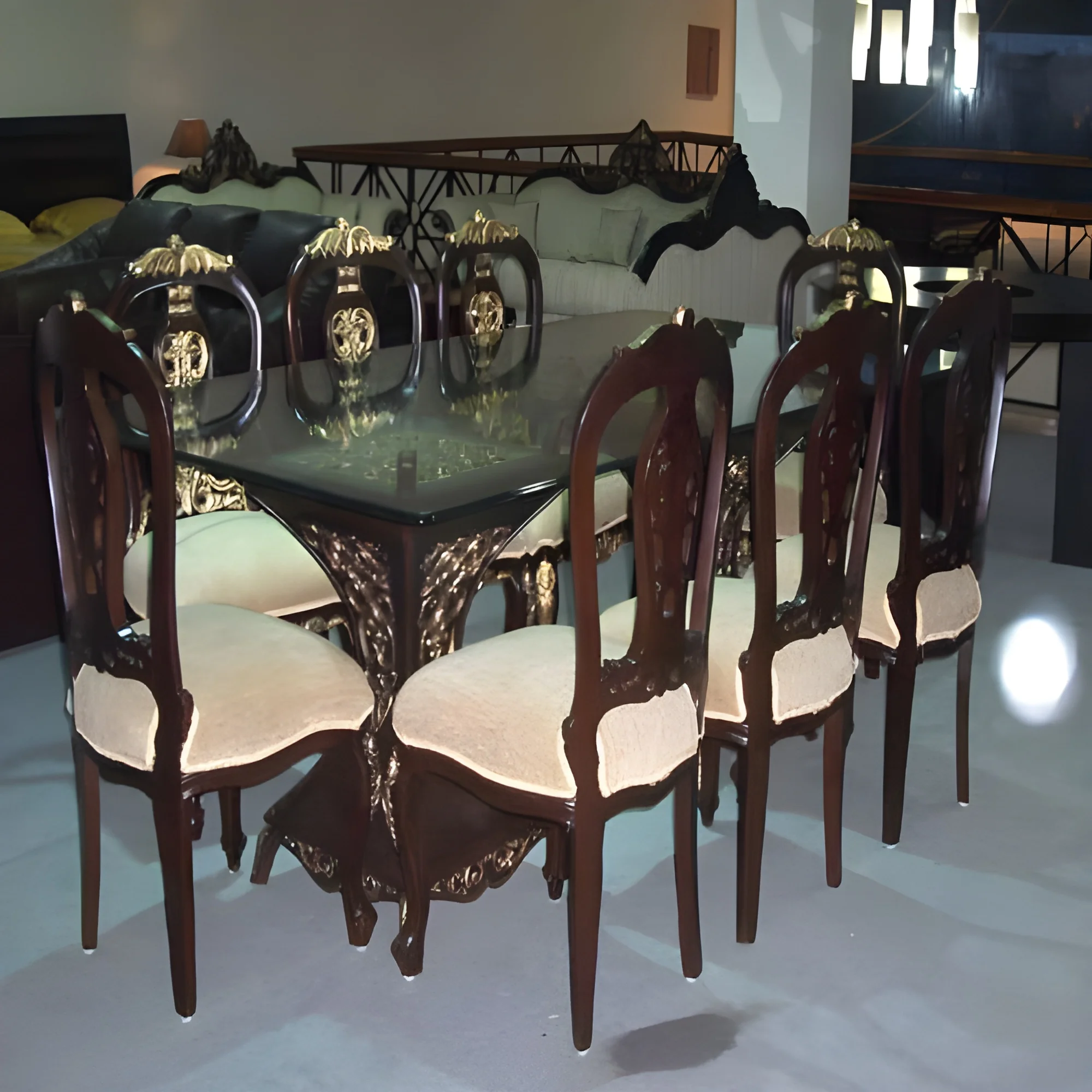
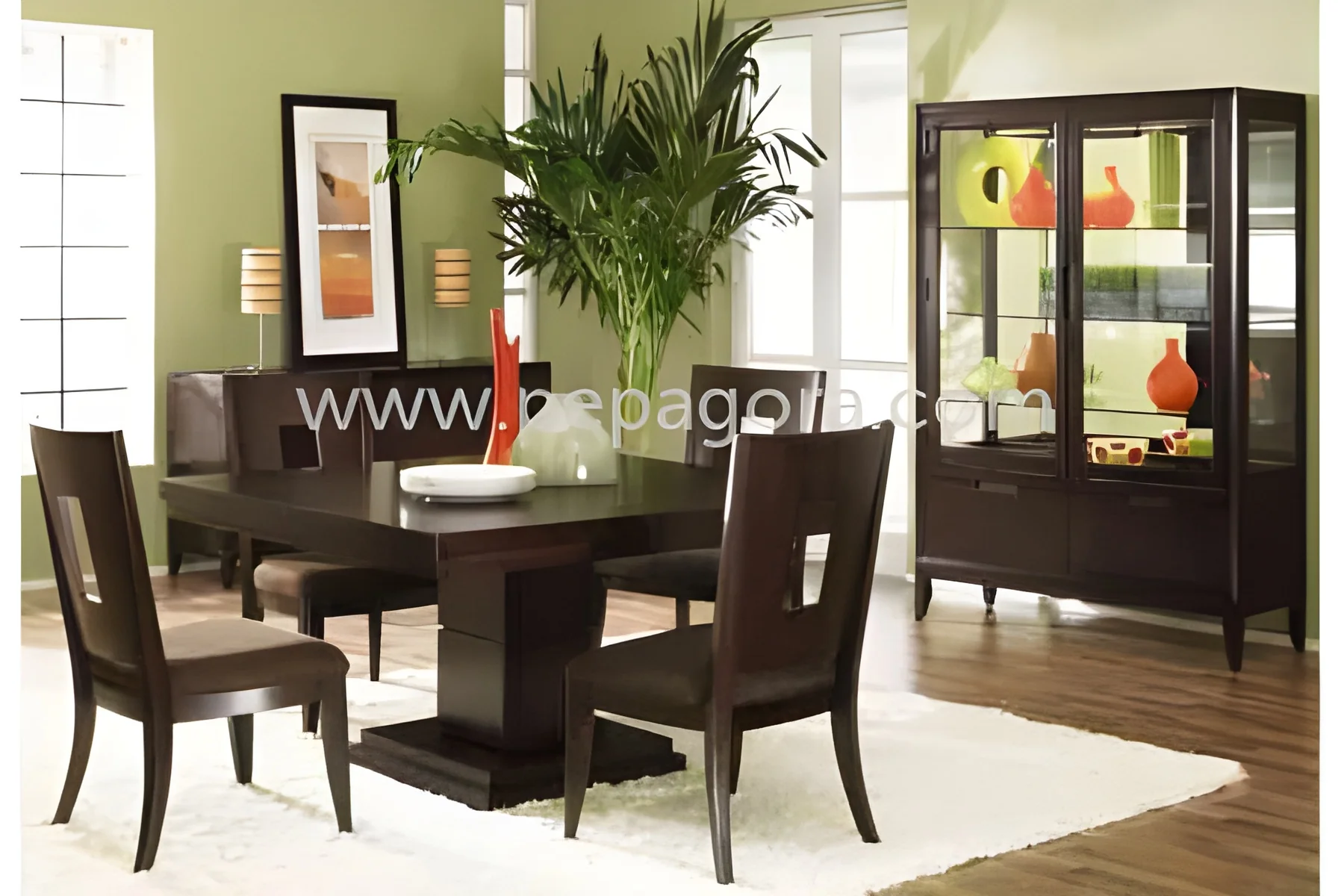
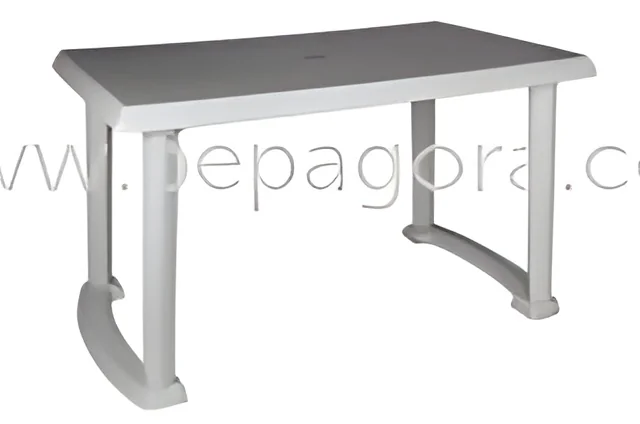
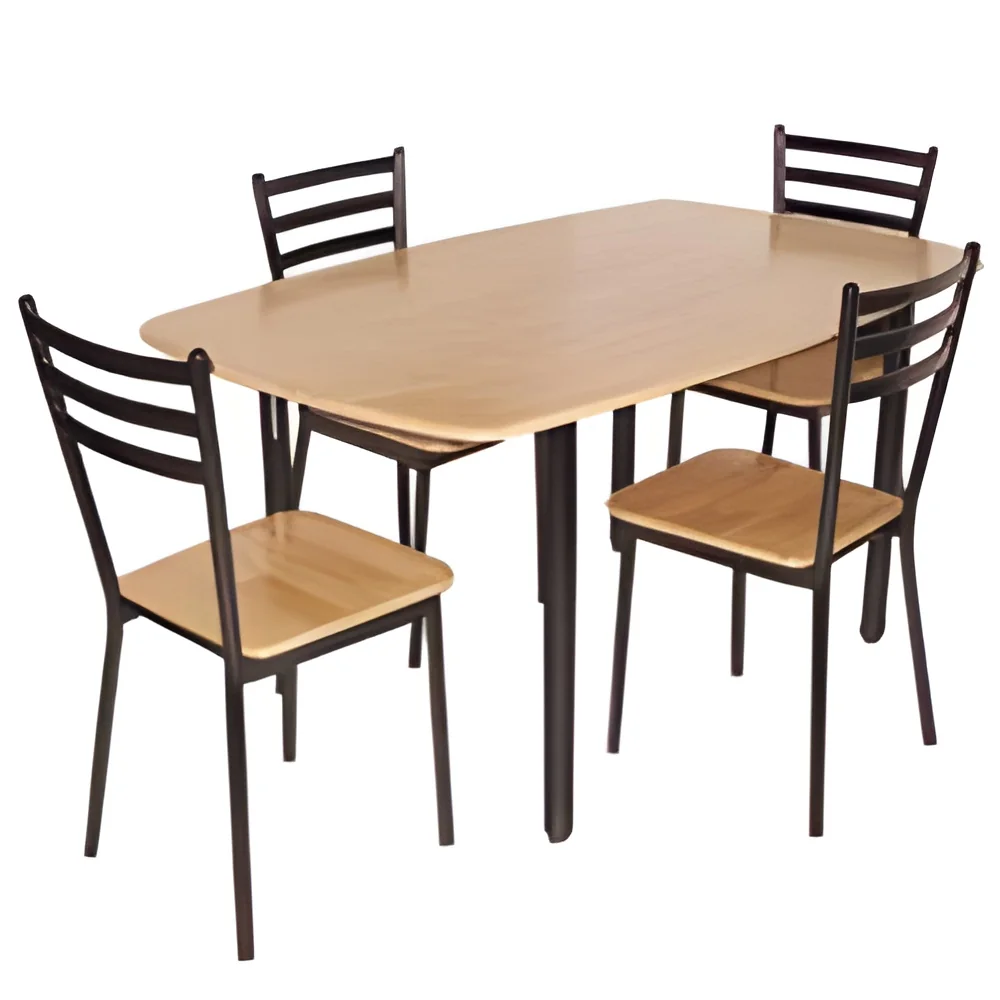
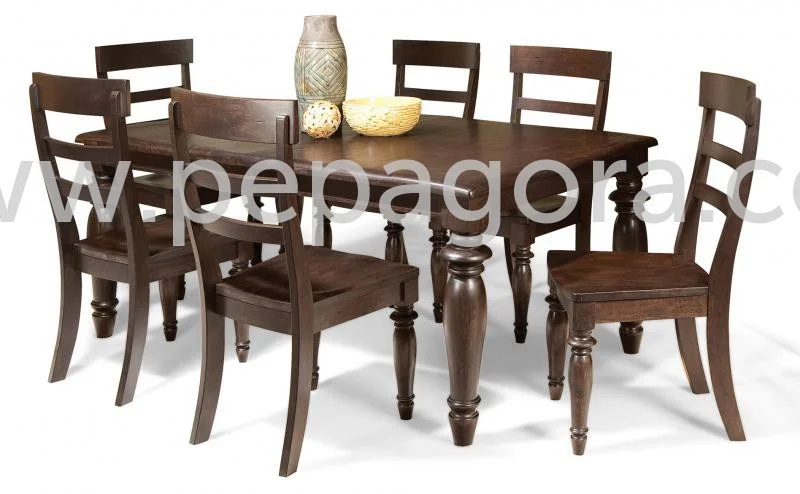
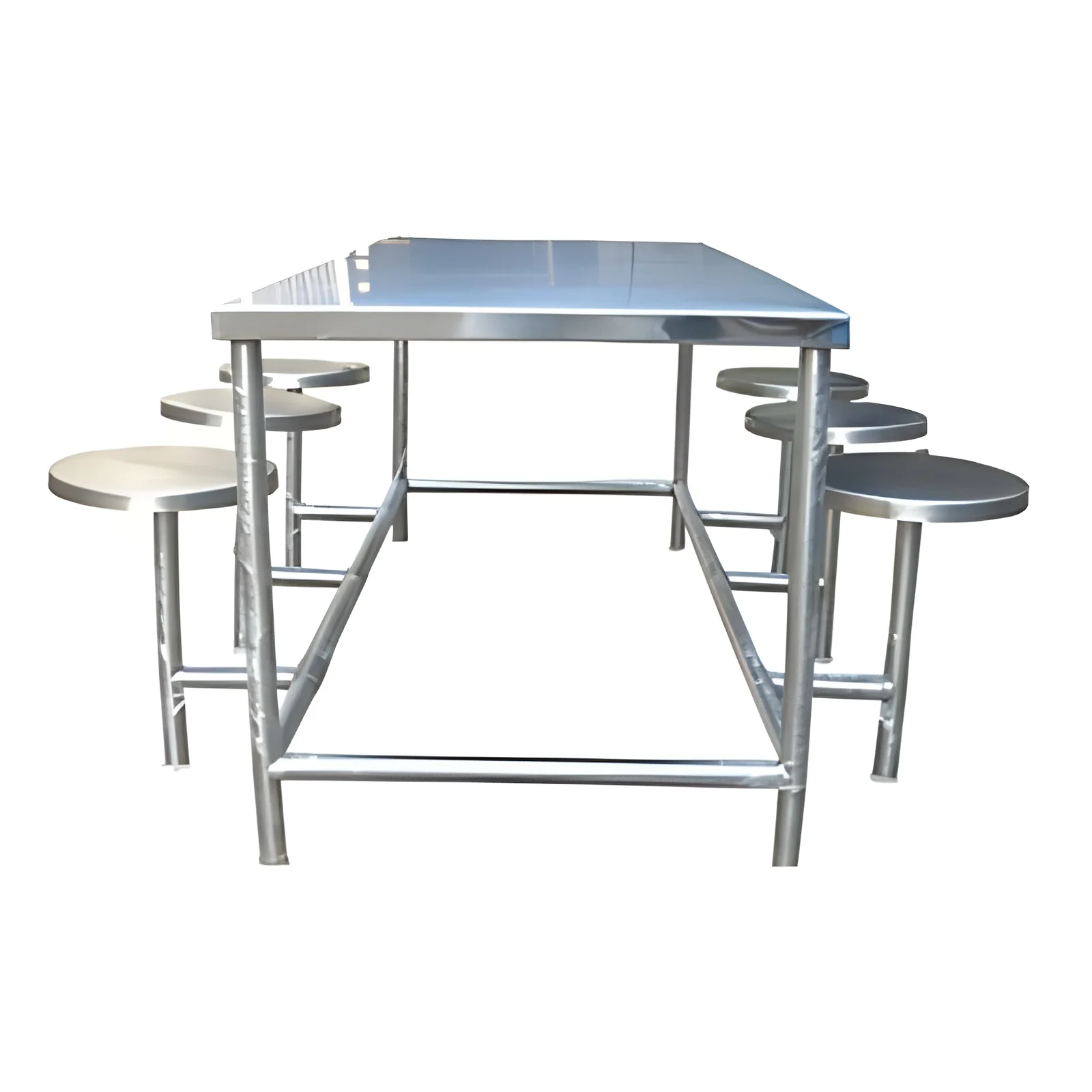
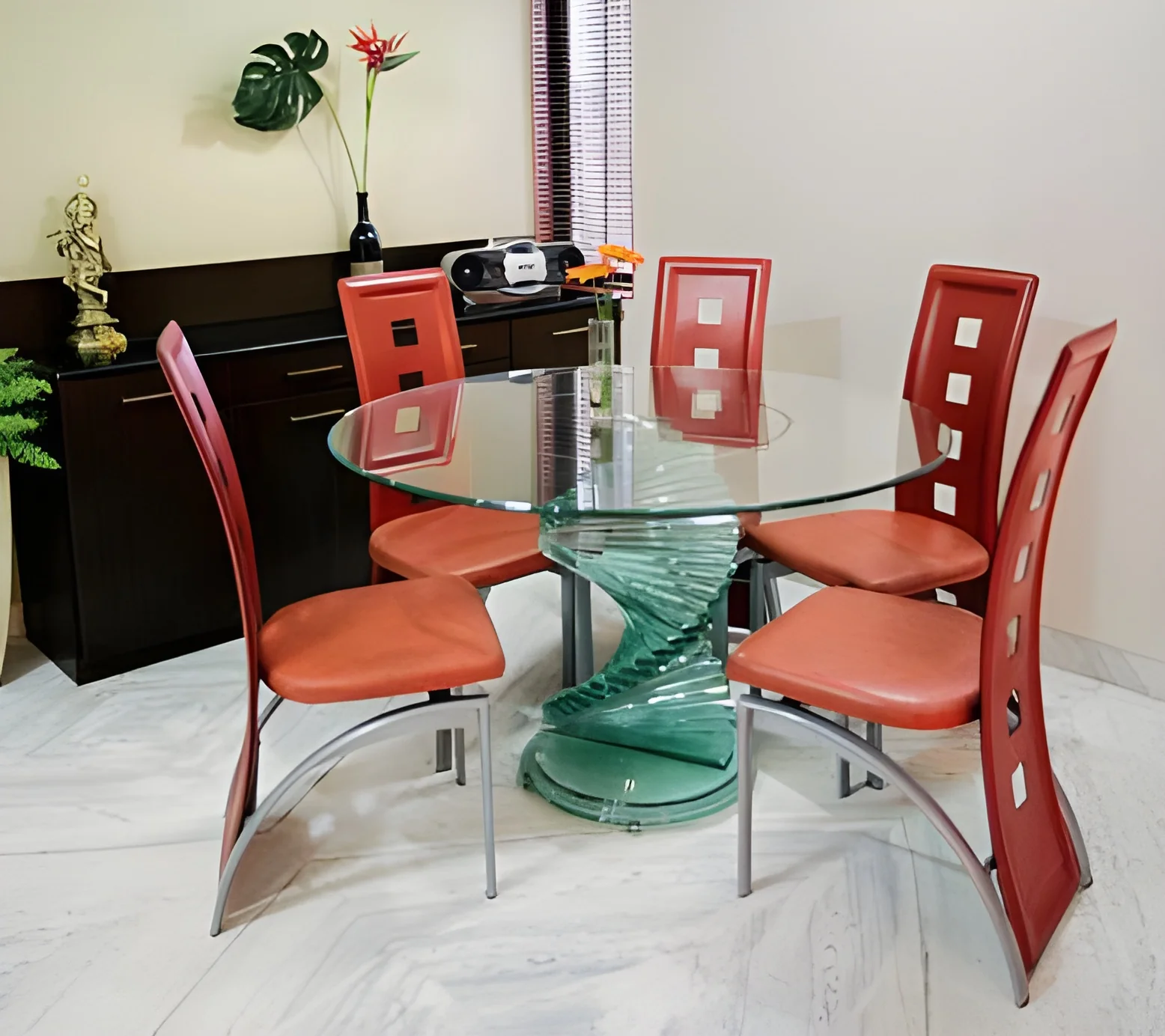
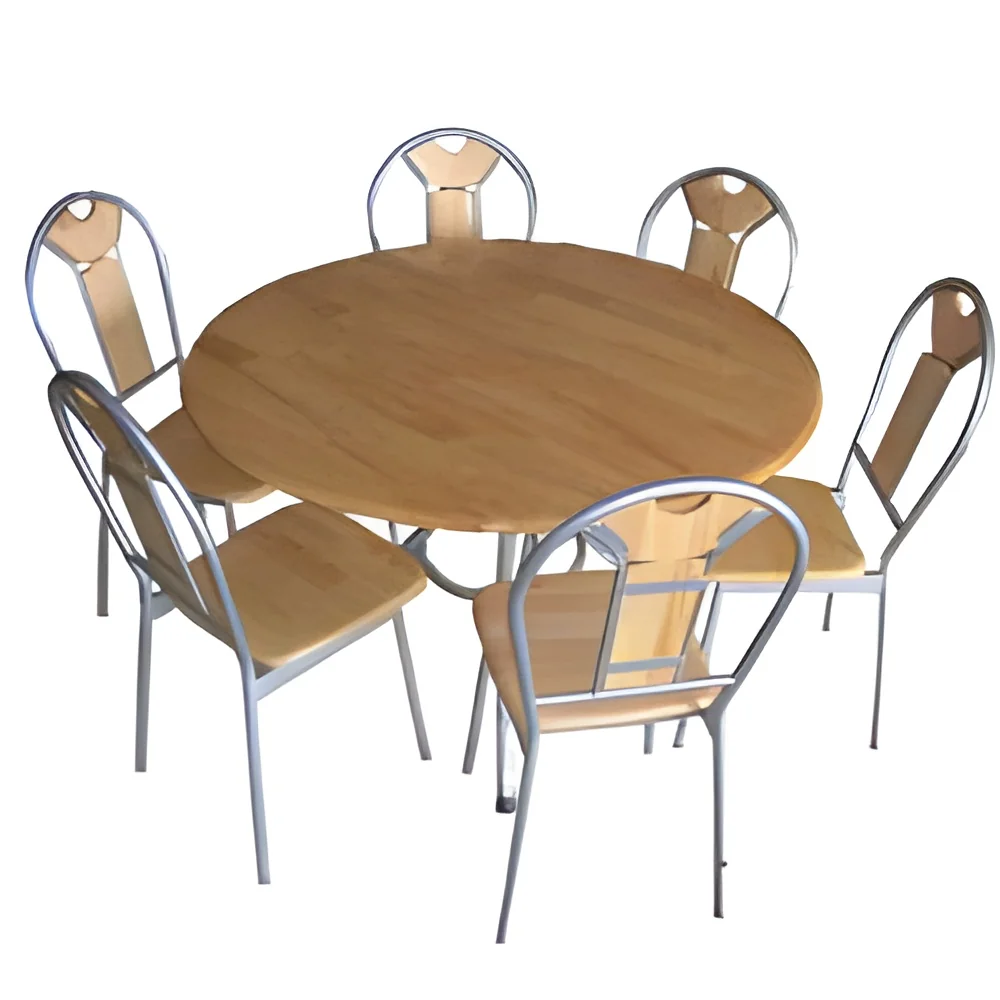
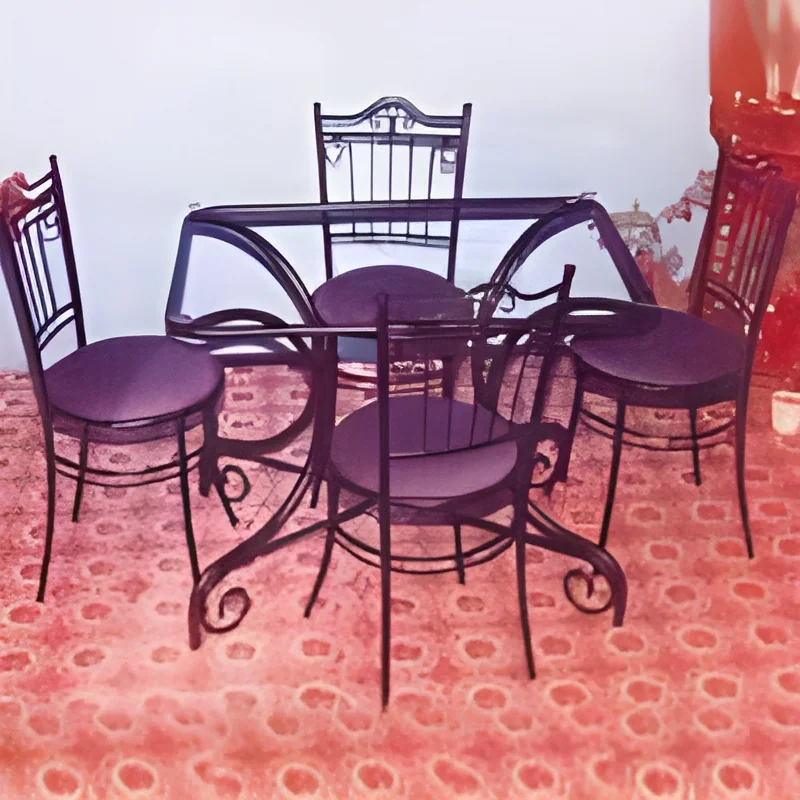
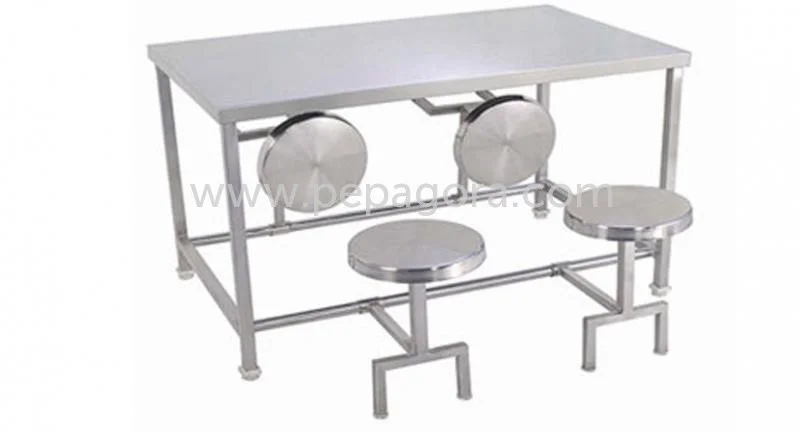
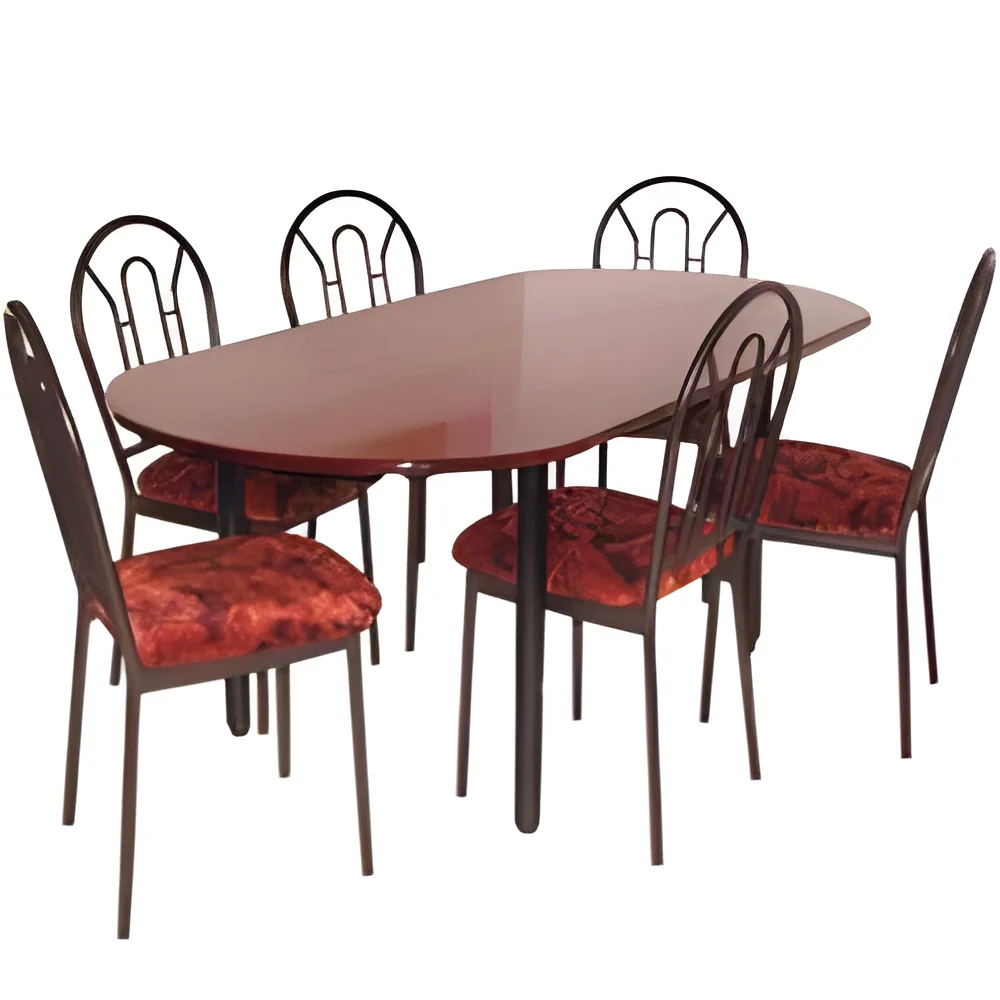
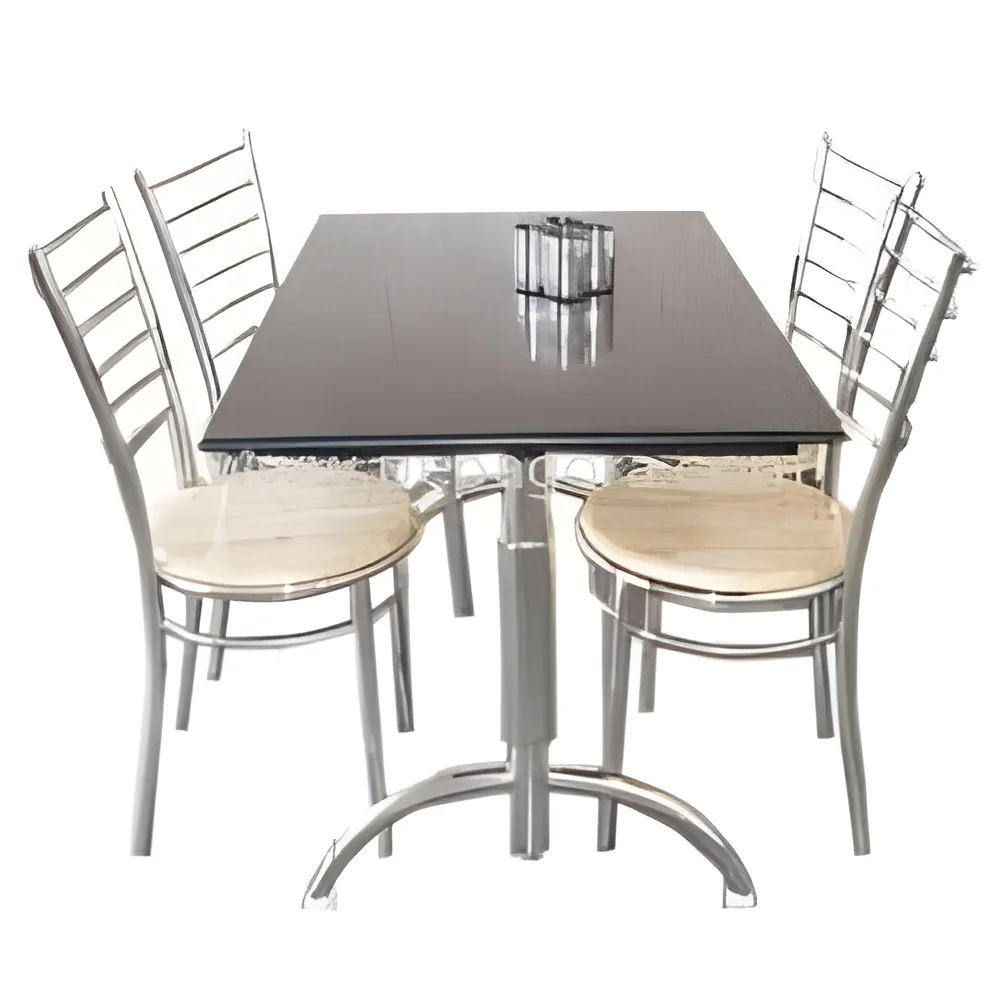
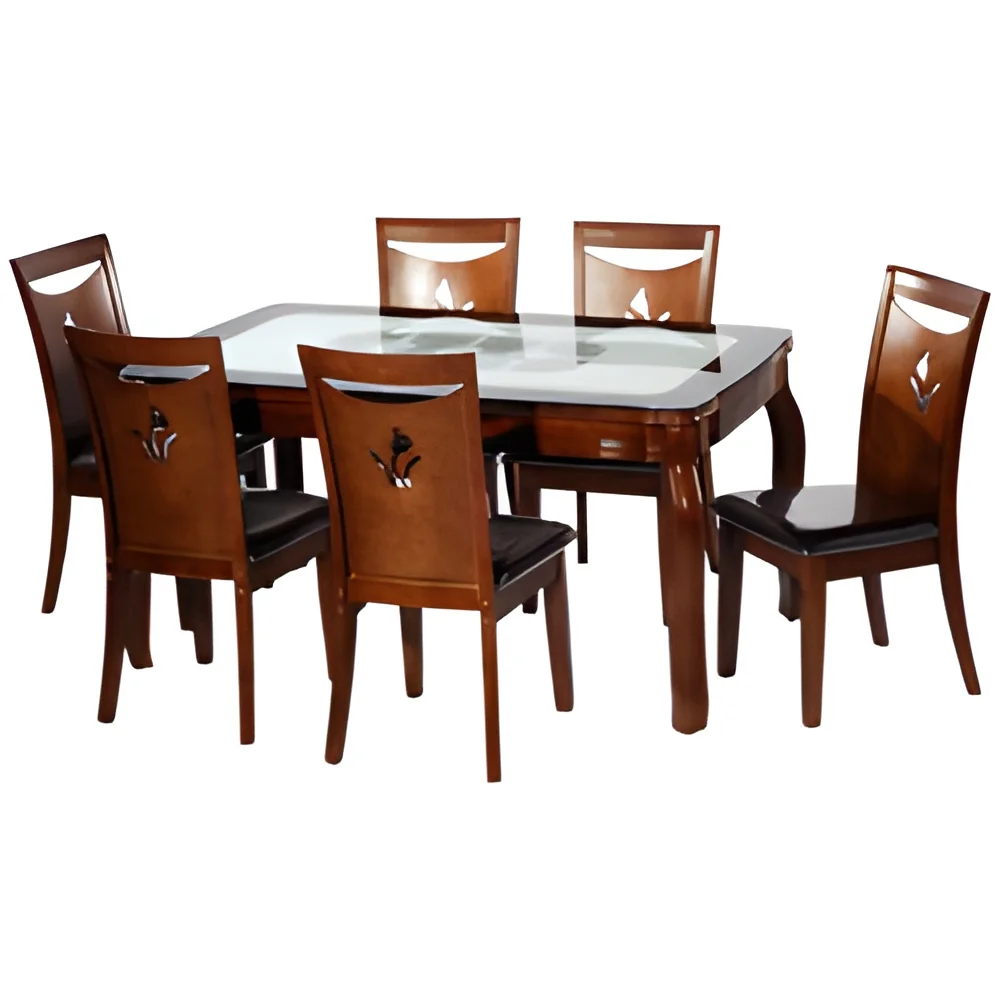
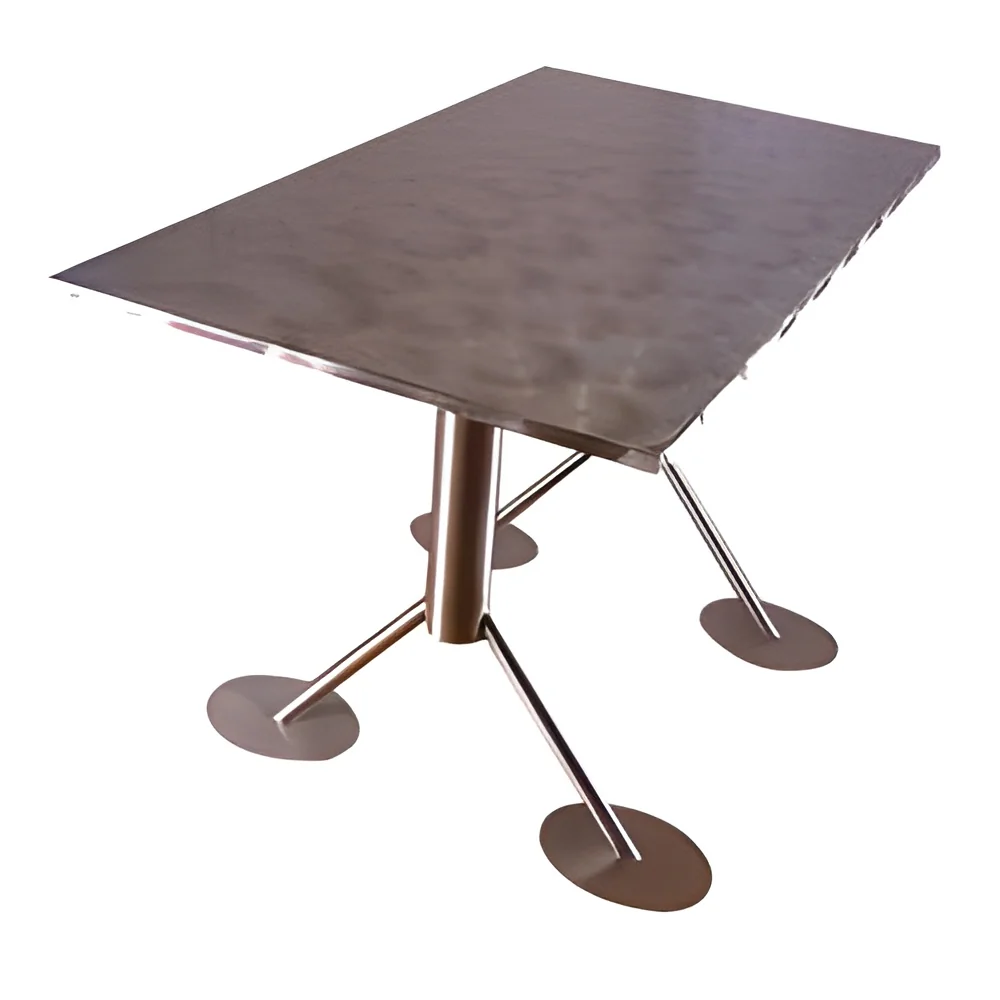
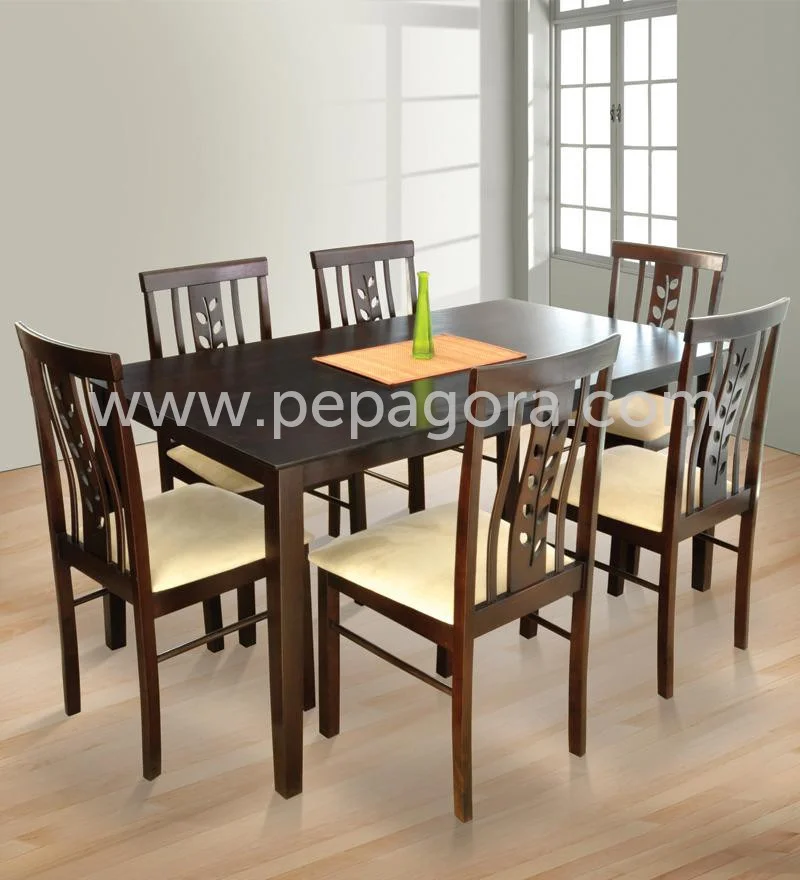
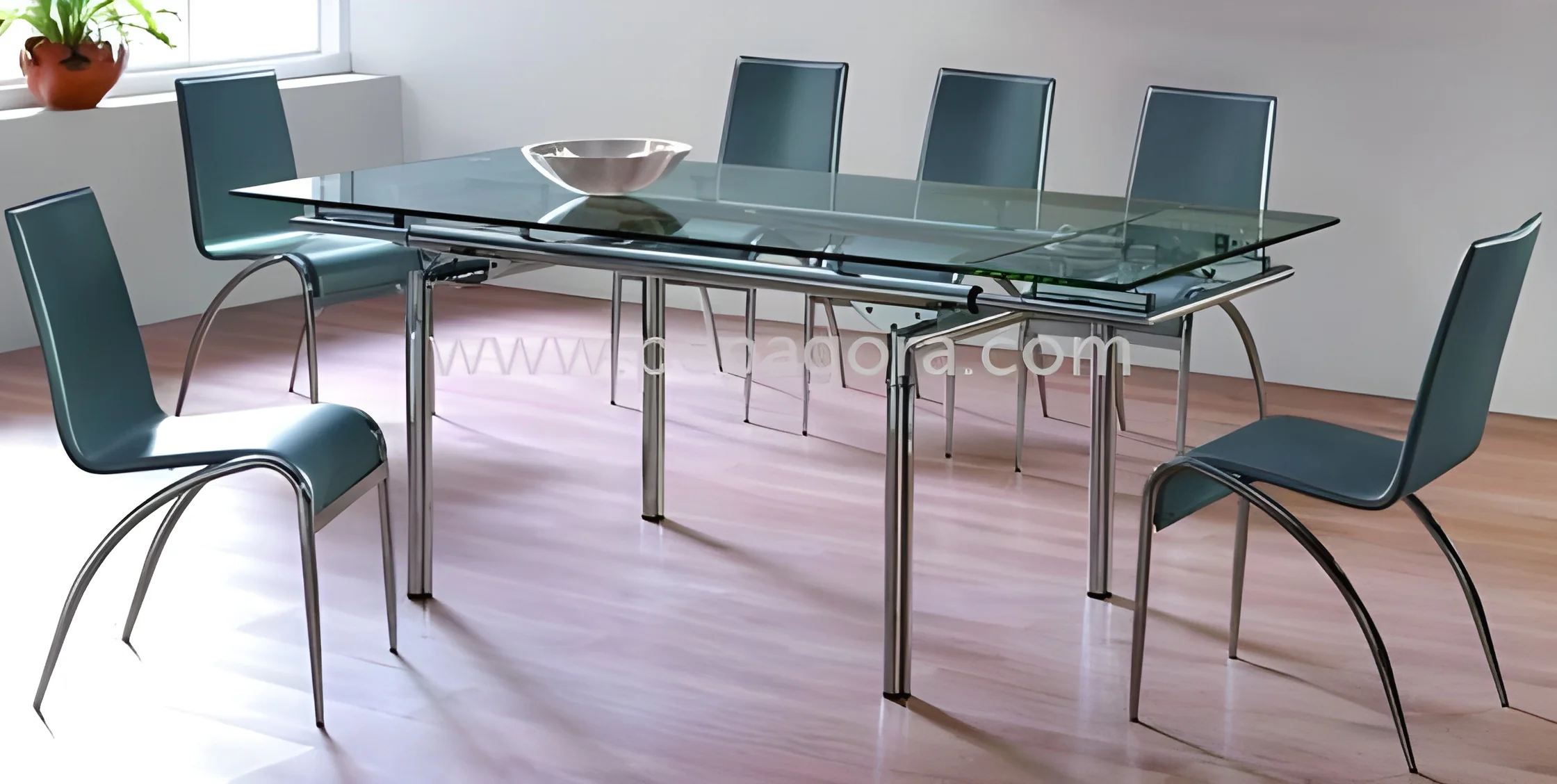
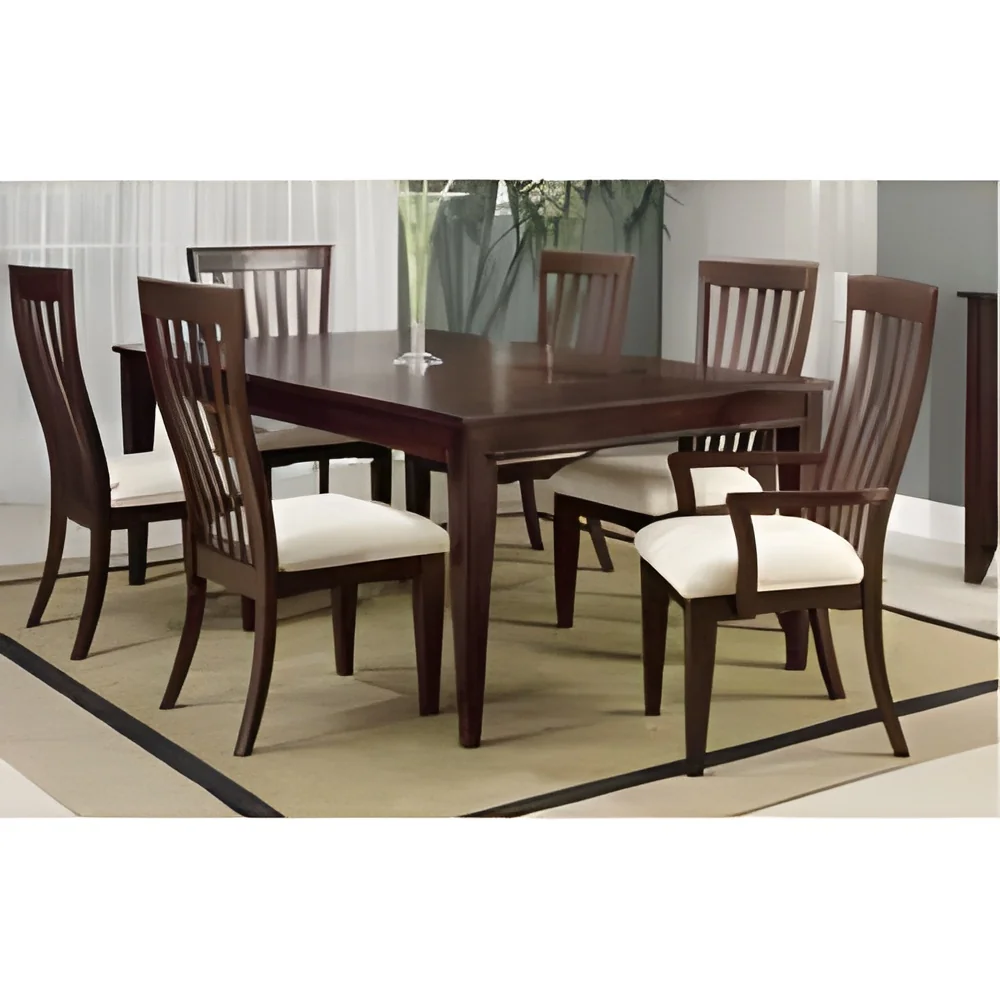
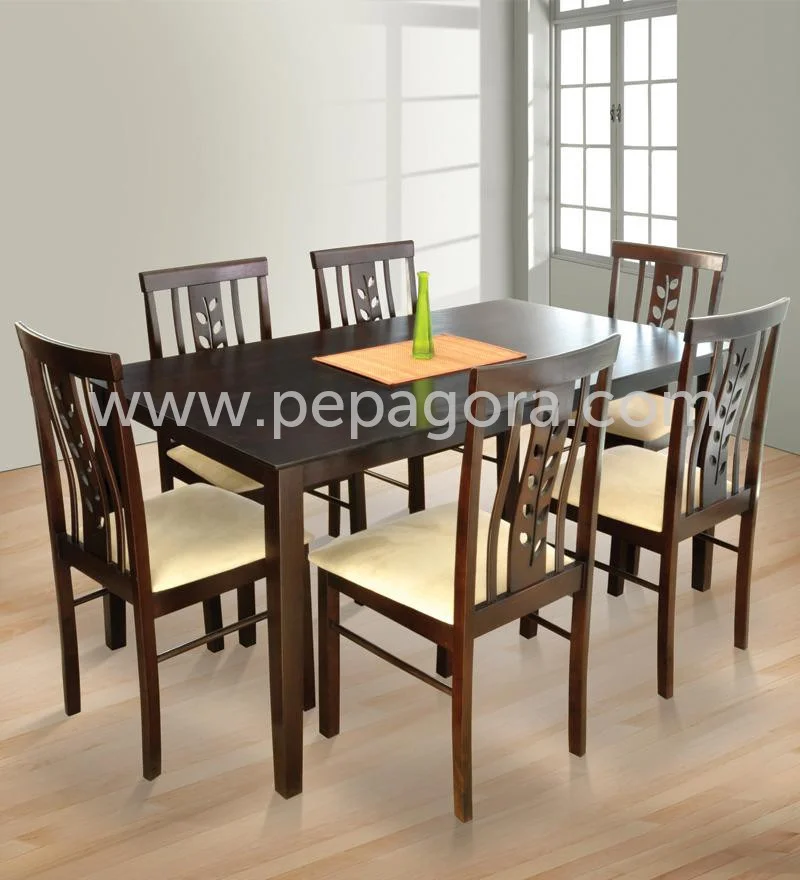
Dining Tables (4-Seater, 6-Seater, Extendable) are furniture pieces designed for dining purposes, accommodating either four or six people. Extendable tables come with mechanisms that allow the table size to increase, making them versatile for different group sizes and occasions.
What are the different types of Dining Tables (4-Seater, 6-Seater, Extendable)?
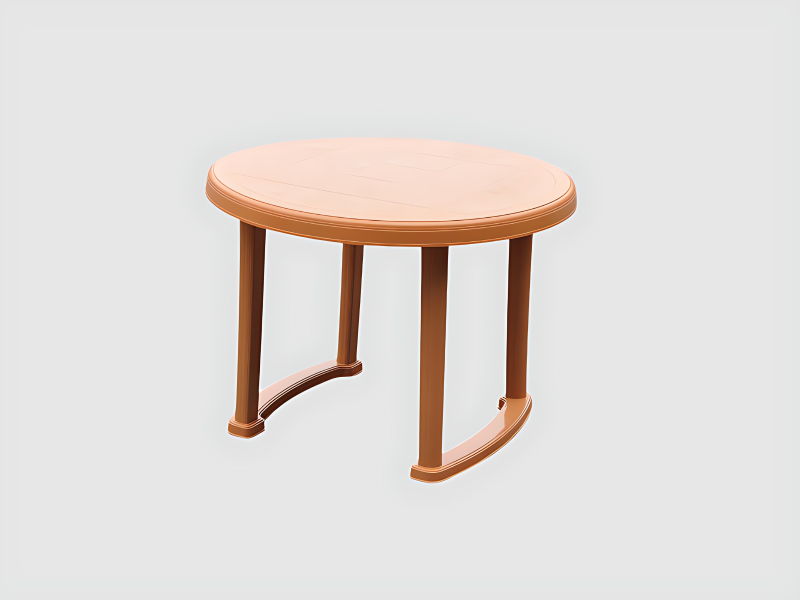
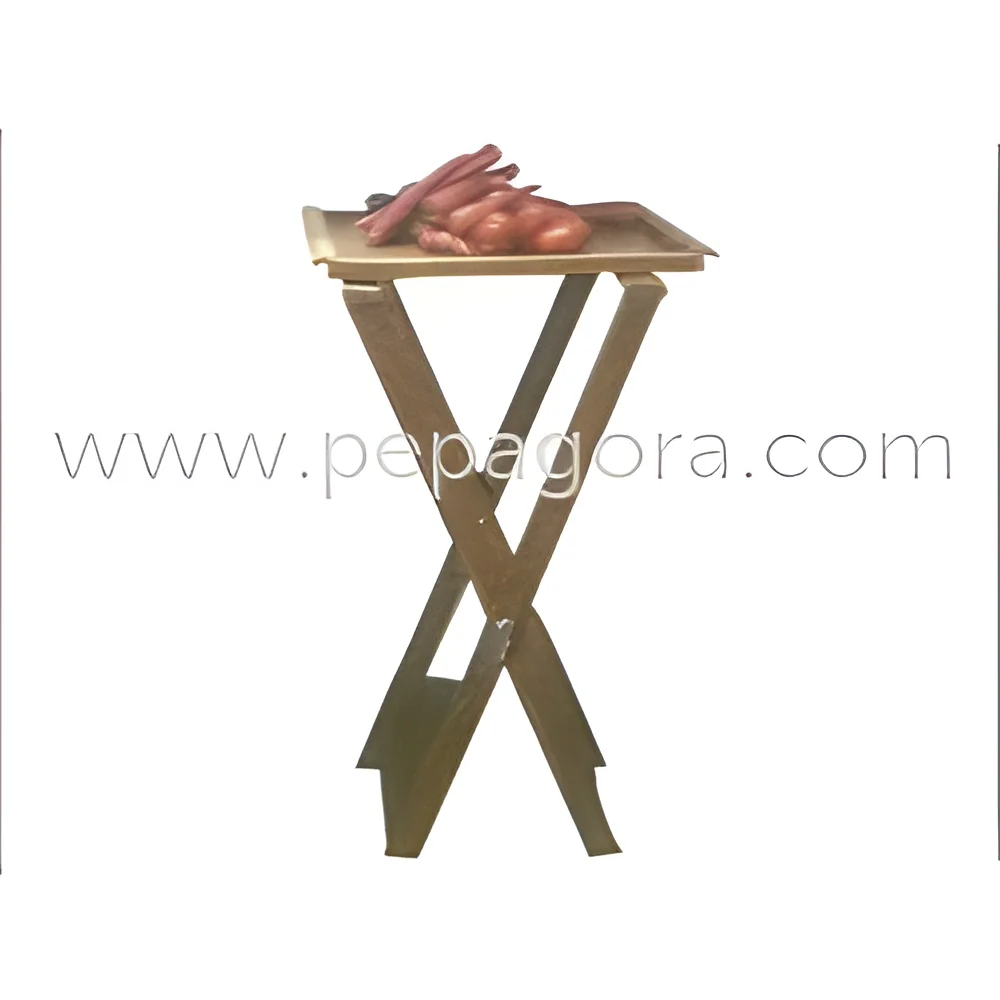
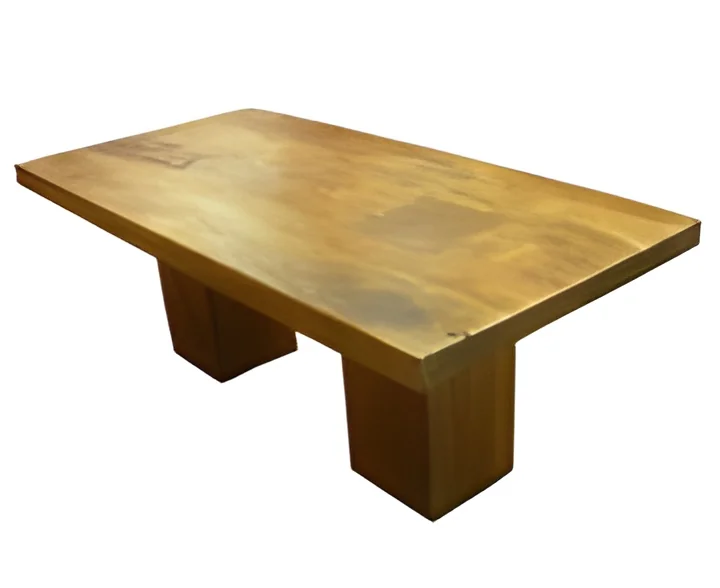
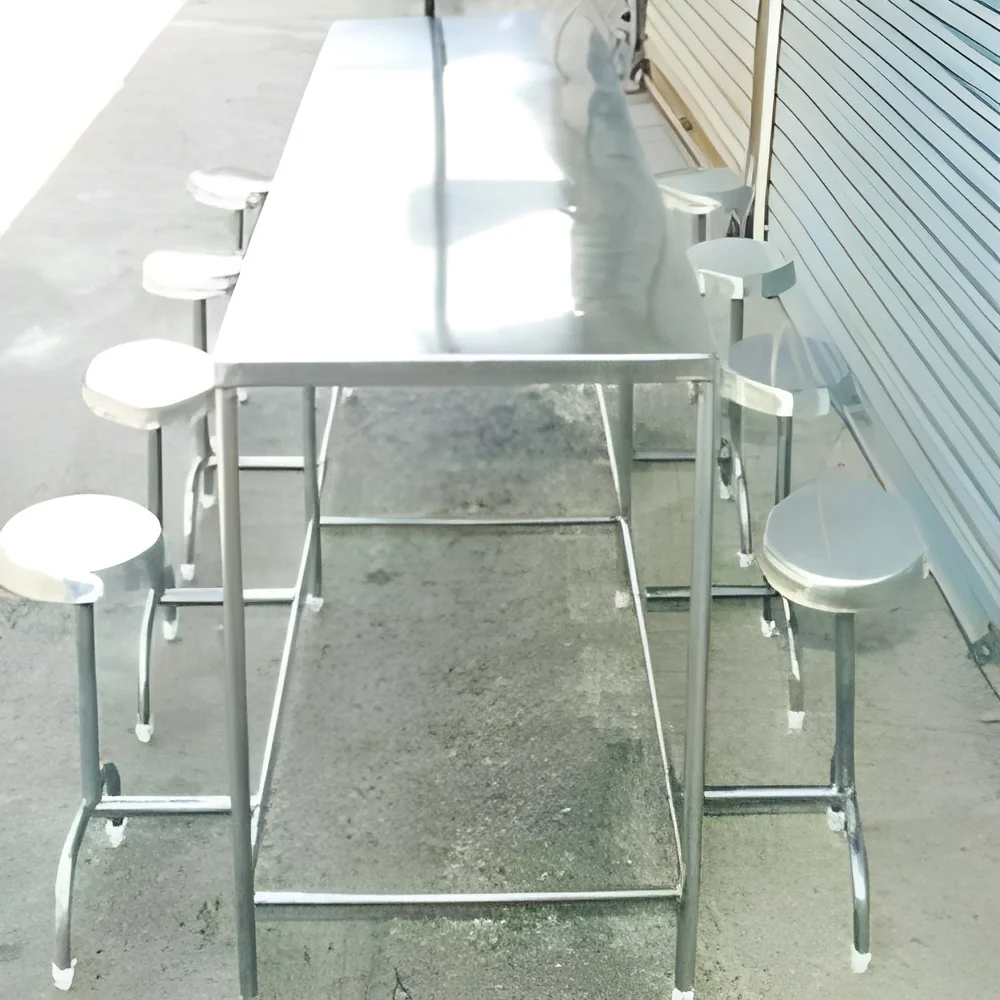
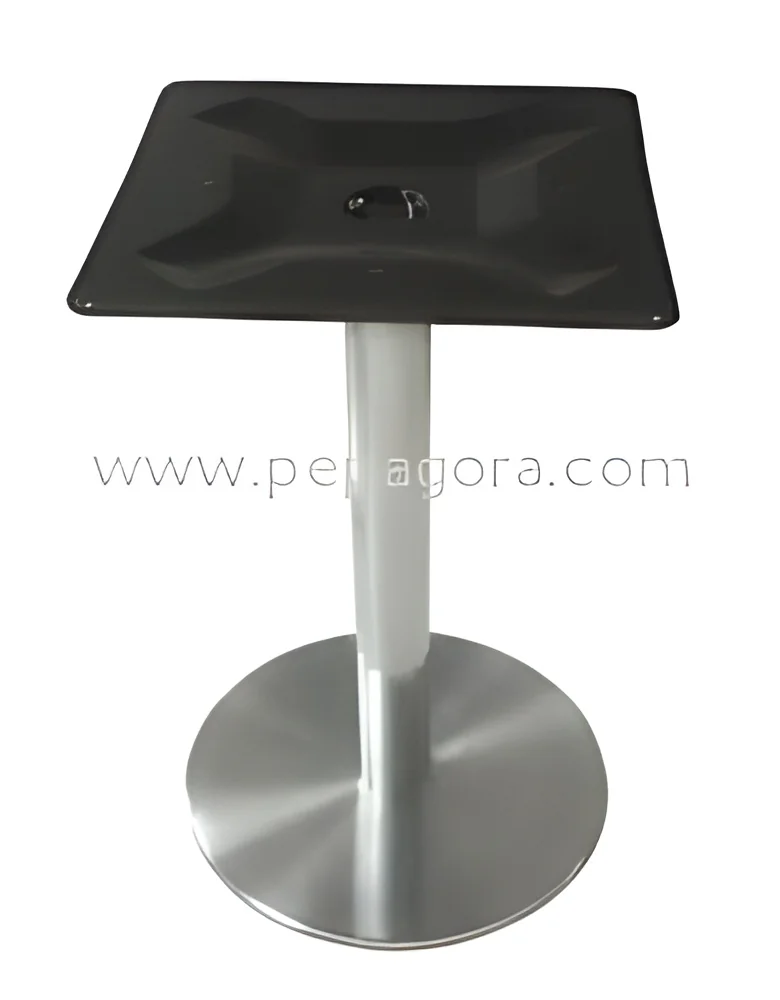
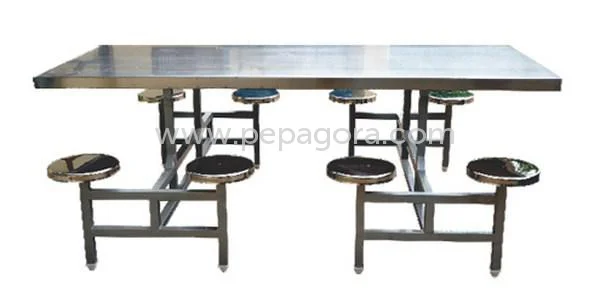
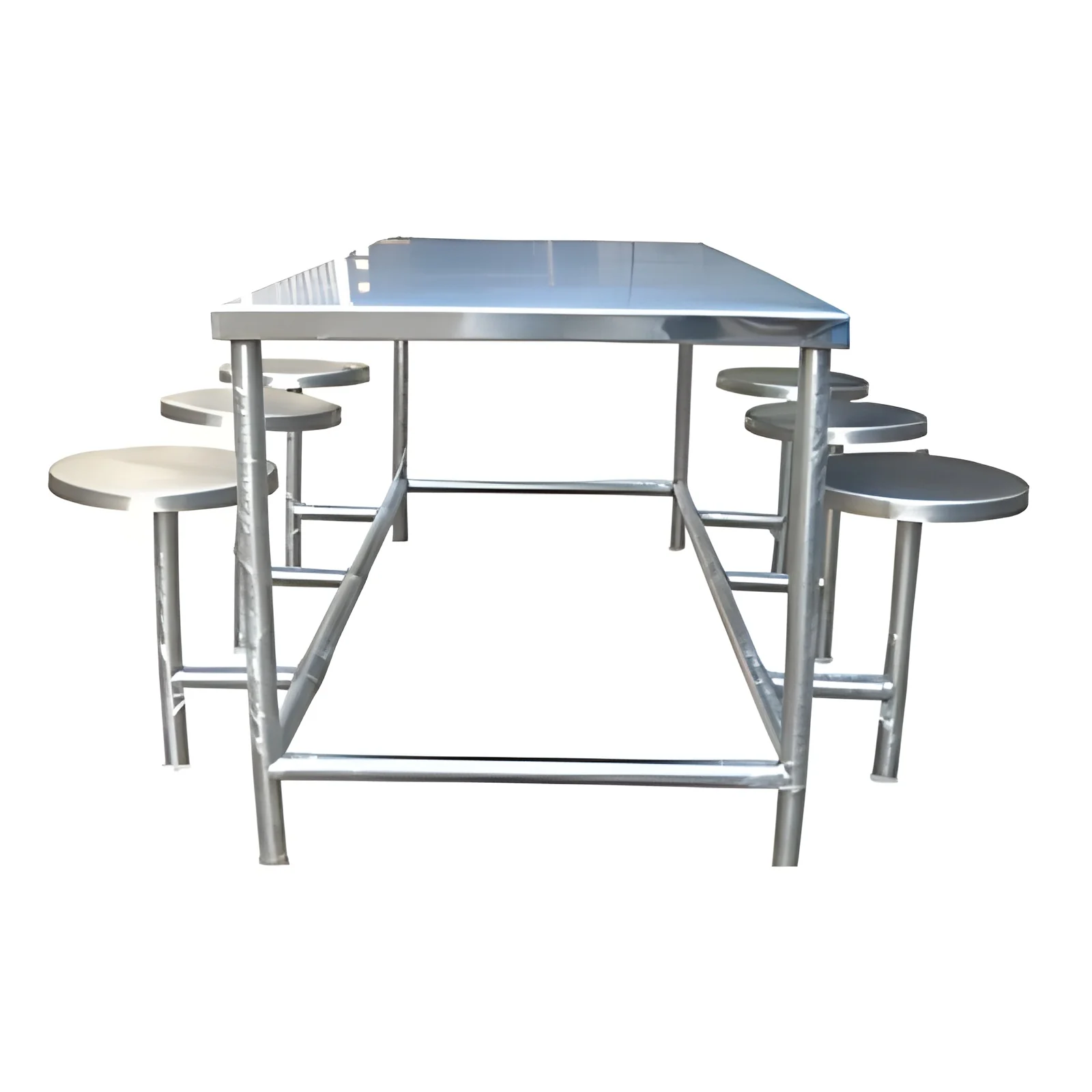
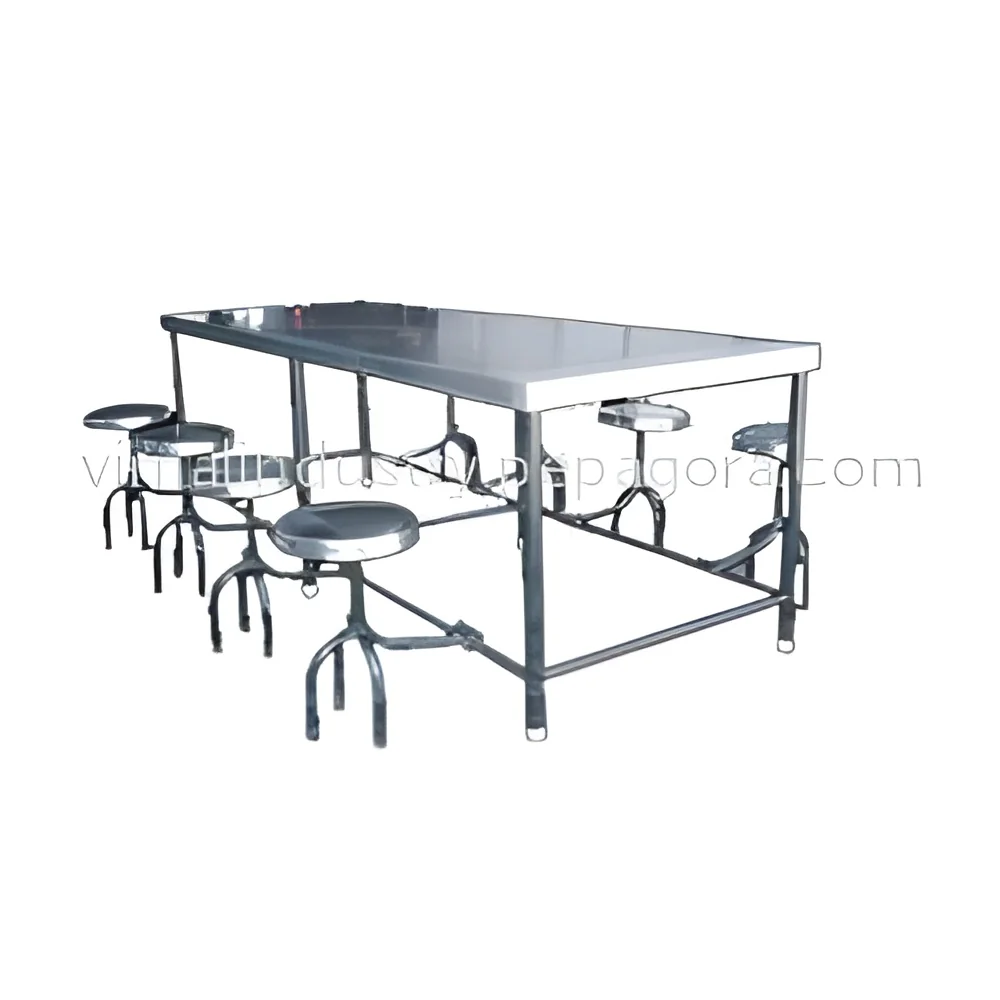
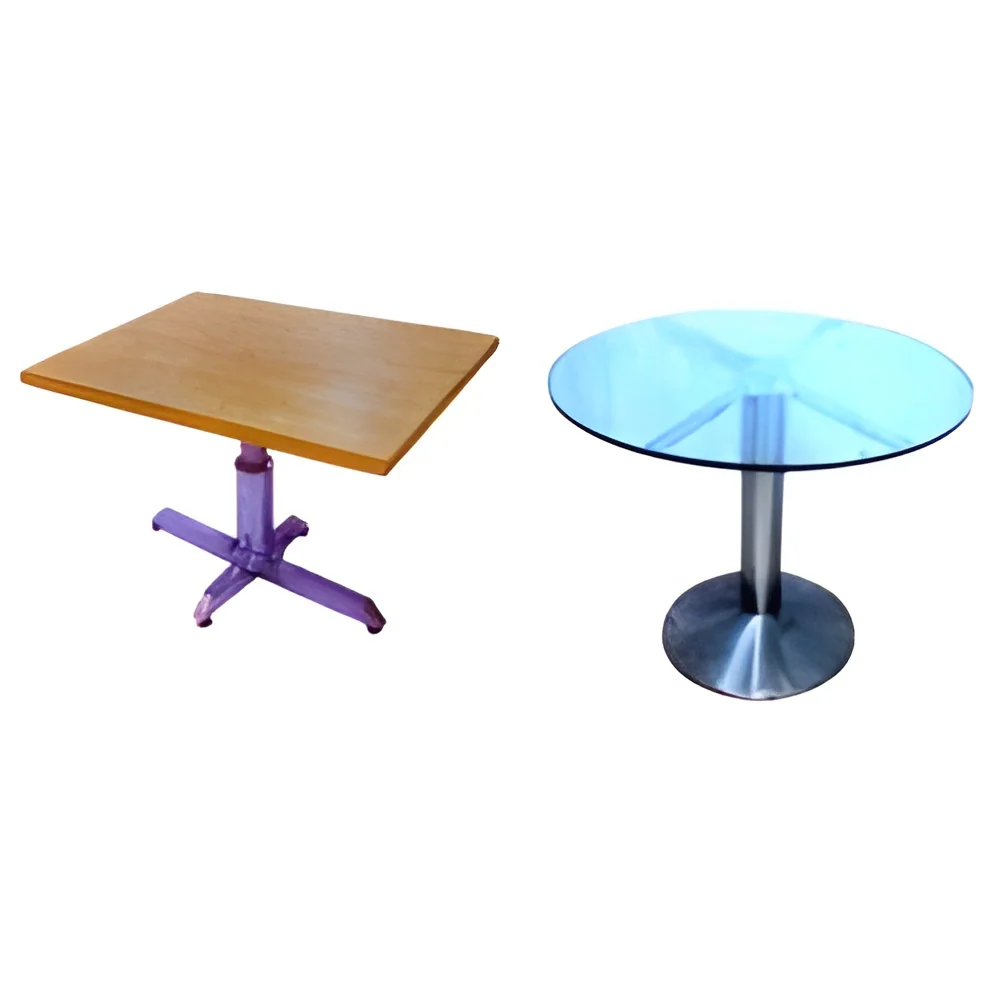
The different types of Dining Tables include fixed-size tables, which are either 4-seater or 6-seater, and extendable tables that can adjust their length. Additionally, there are various styles such as round, rectangular, and square, each suited for different dining spaces and aesthetics.
How do I choose the right Dining Tables (4-Seater, 6-Seater, Extendable)?
Choosing the right Dining Table involves considering the available space, the number of users, and the table's style that complements your decor. Additionally, you should evaluate the material for durability and ease of maintenance.
What are the standard specifications for Dining Tables (4-Seater, 6-Seater, Extendable)?
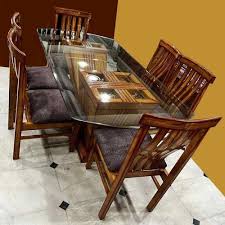
Standard specifications for Dining Tables generally include dimensions, which for 4-seater tables are around 60-72 inches in length, while 6-seater tables are typically 72-96 inches long. The height is usually around 28-30 inches, with materials varying from wood and metal to glass.
What is the price range for Dining Tables (4-Seater, 6-Seater, Extendable)?
The price range for Dining Tables can vary widely based on size, material, and design, typically starting from INR 5,000 to INR 25,000 for standard options. Custom designs or high-end materials may result in higher prices.
What quality standards apply to Dining Tables (4-Seater, 6-Seater, Extendable)?
Quality standards for Dining Tables often include durability, stability, and finish quality. It's important to ensure that tables are made from non-toxic materials and meet safety regulations, especially for household use.
Where can I find Dining Tables (4-Seater, 6-Seater, Extendable) suppliers in India?
You can find Dining Tables suppliers in India through online B2B marketplaces like Pepagora.com, local furniture showrooms, and trade exhibitions. It is advisable to check supplier ratings and reviews to ensure reliability.
Can Dining Tables (4-Seater, 6-Seater, Extendable) be customized?
Yes, many manufacturers offer customization options for Dining Tables, allowing you to select the size, material, color, and design that fits your specific needs. Customization can enhance the table's suitability for your space and style.
What is the typical minimum order quantity for Dining Tables (4-Seater, 6-Seater, Extendable)?
The typical minimum order quantity (MOQ) for Dining Tables can range from 5 to 20 units, depending on the supplier and the specific model. It's best to confirm with the supplier for their specific MOQ requirements.
What is the typical lead time for Dining Tables (4-Seater, 6-Seater, Extendable)?
The typical lead time for Dining Tables can vary, generally ranging from 2 to 6 weeks depending on the supplier, customization, and production schedule. It's advisable to discuss lead times during the ordering process to manage expectations.
Why Businesses Trust Pepagora
Thousands of companies trust Pepagora to source smarter and sell faster
Expand Your Sales Globally

Source Smarter,Grow Faster
