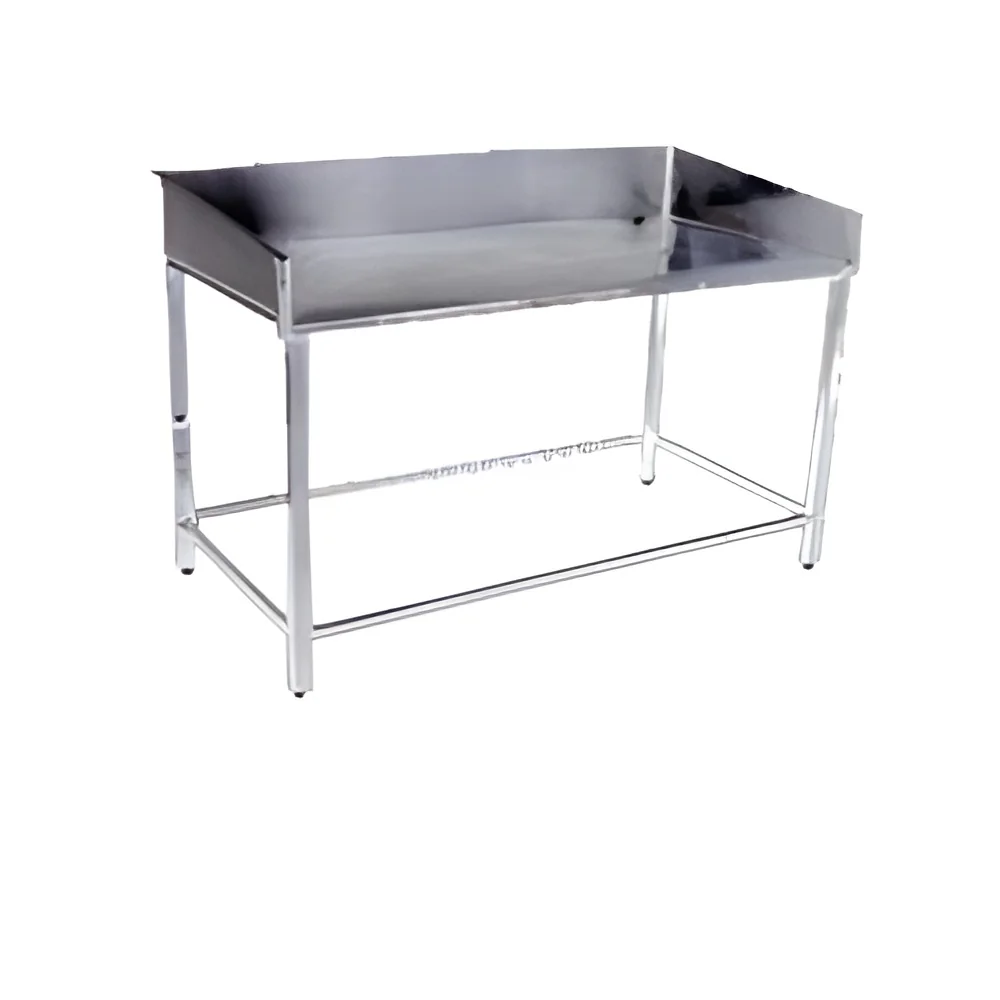
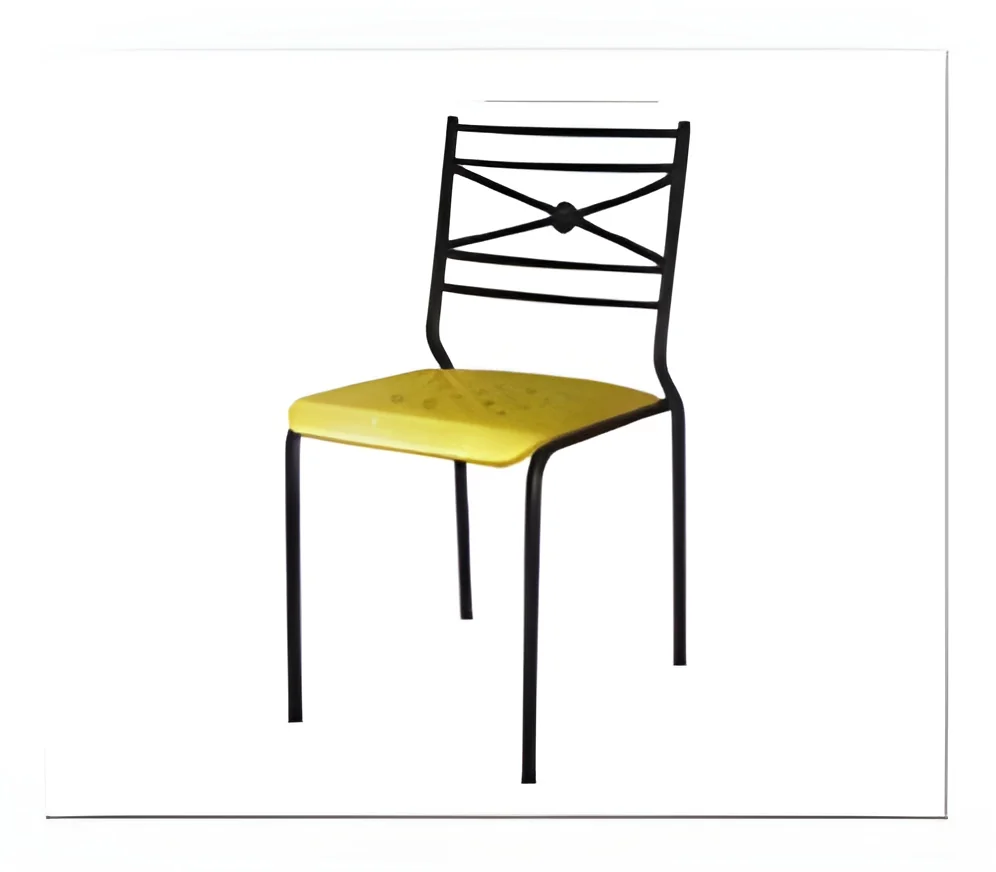
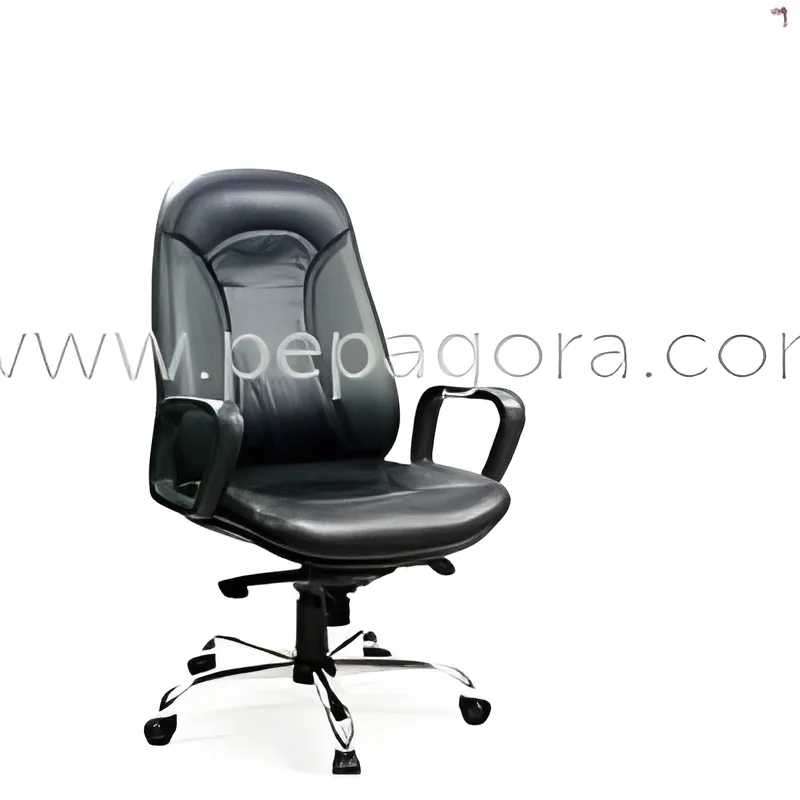
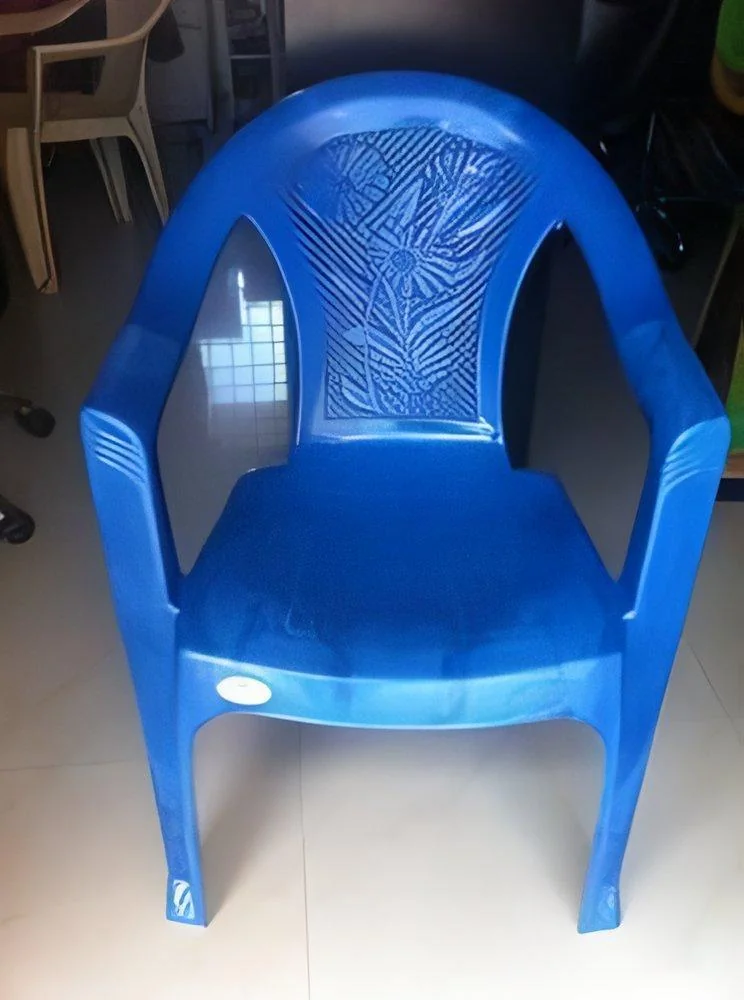
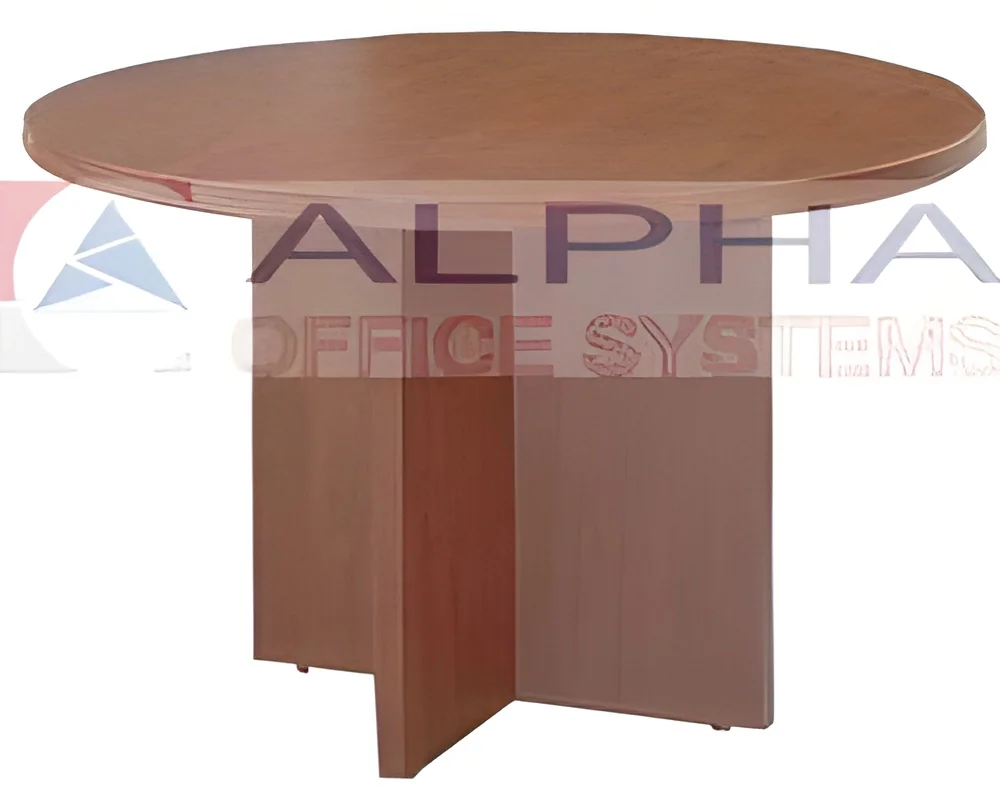
What are Dining Room Furniture?
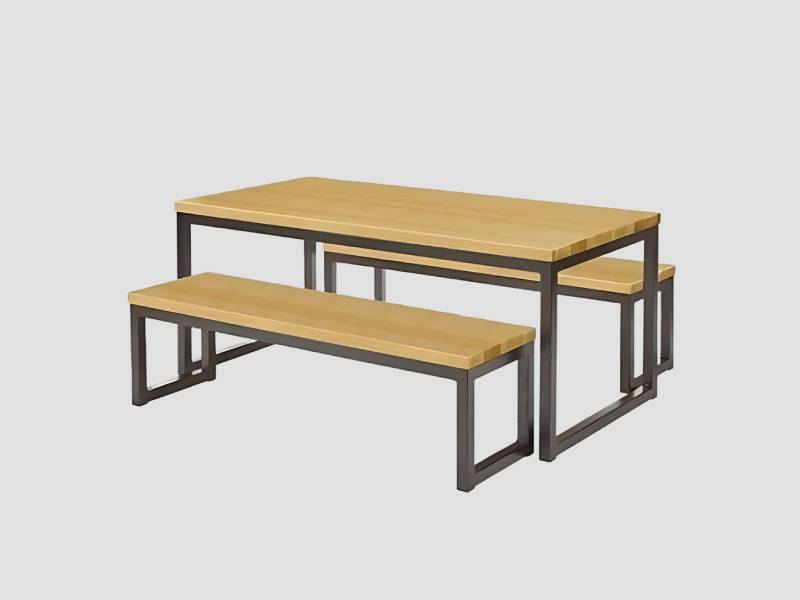
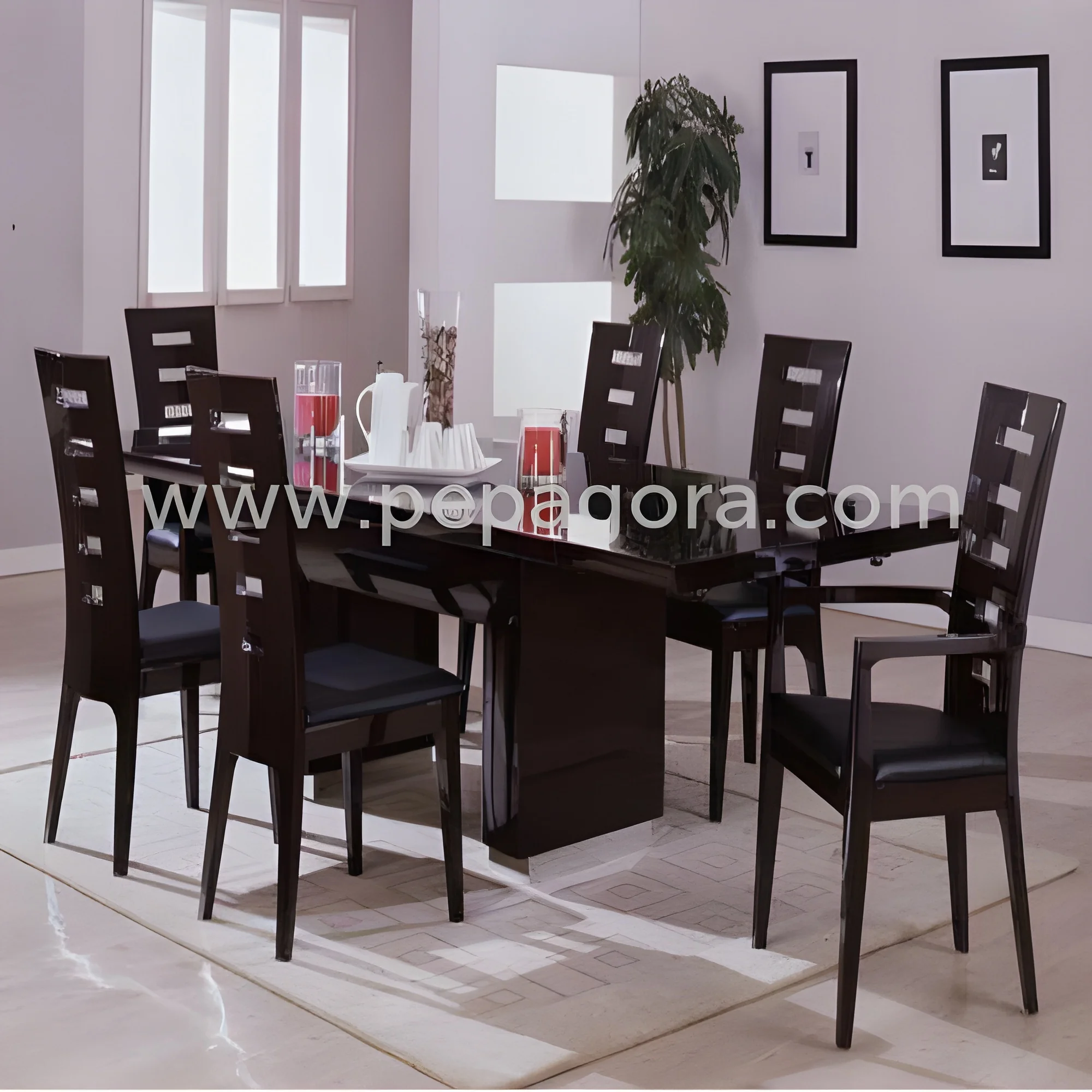
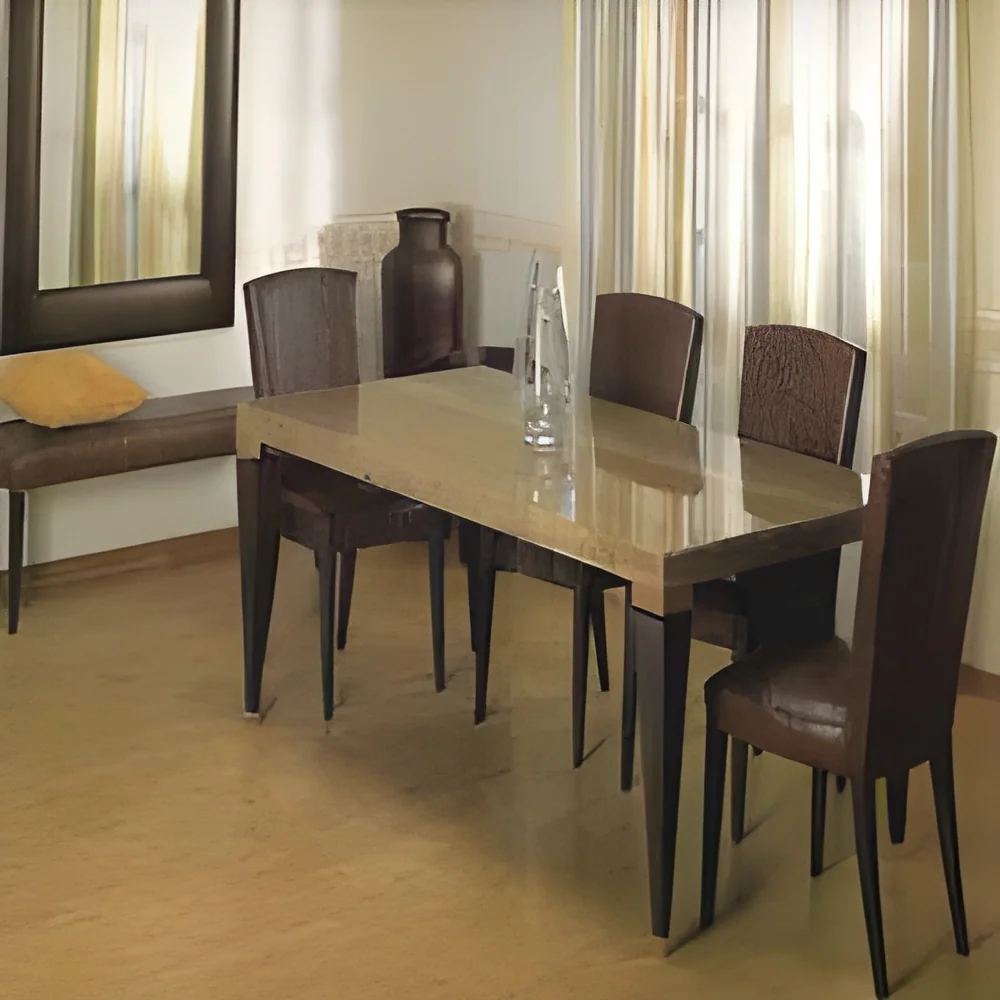
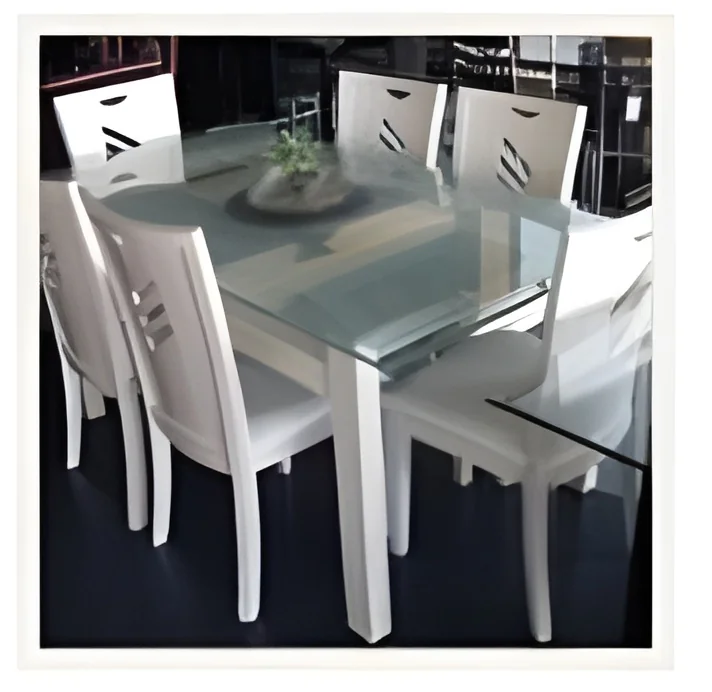
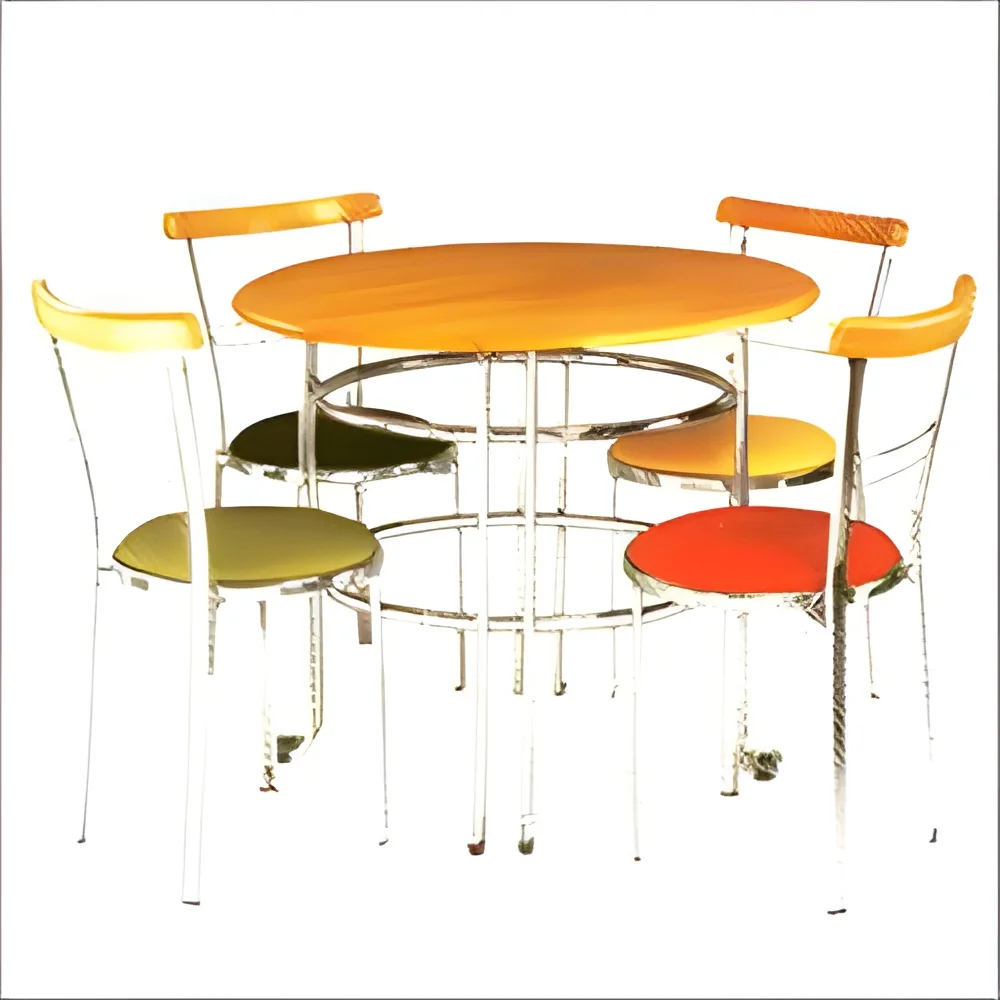
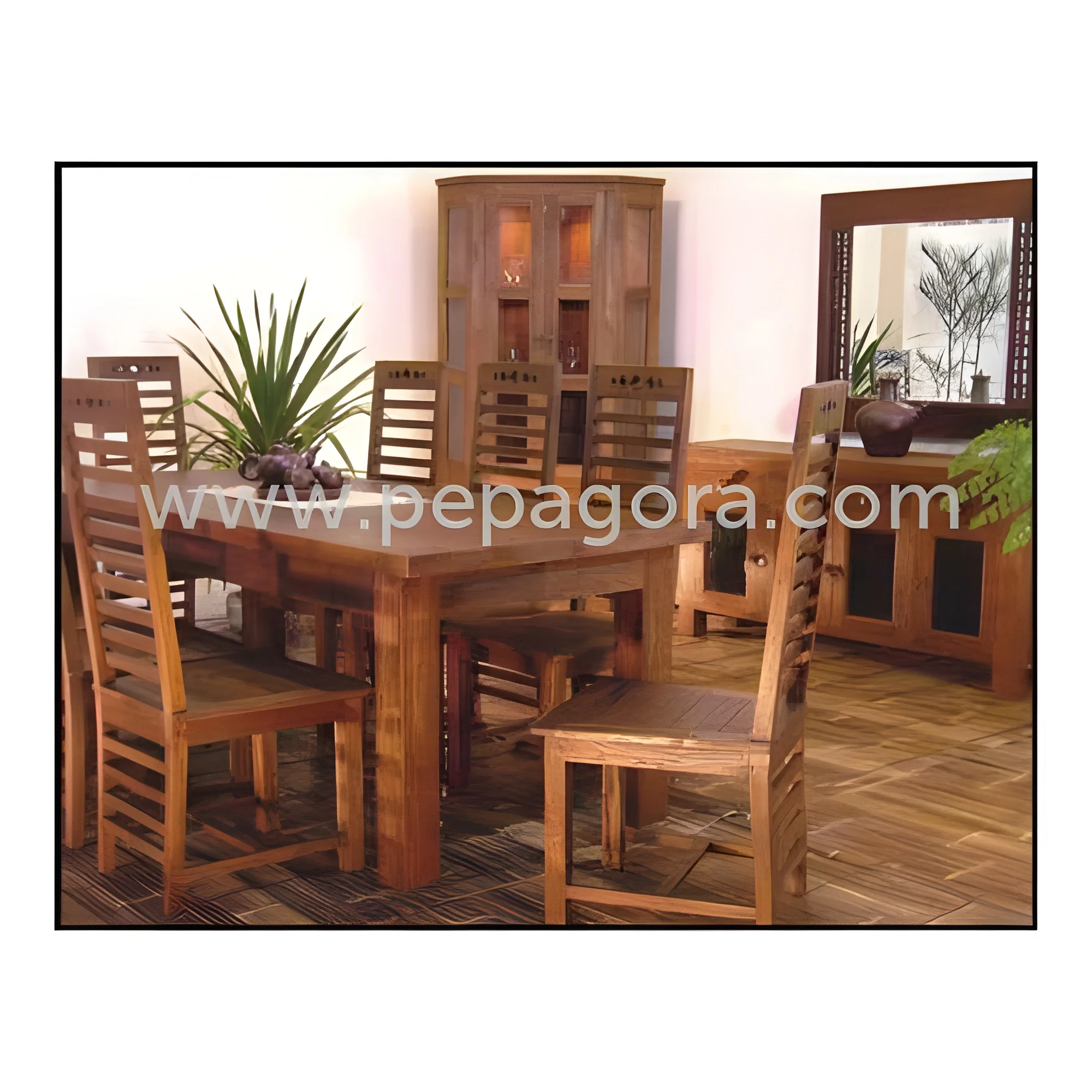
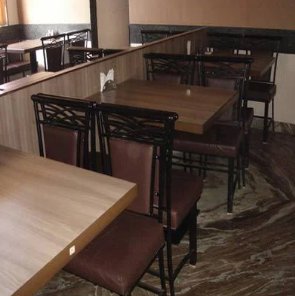
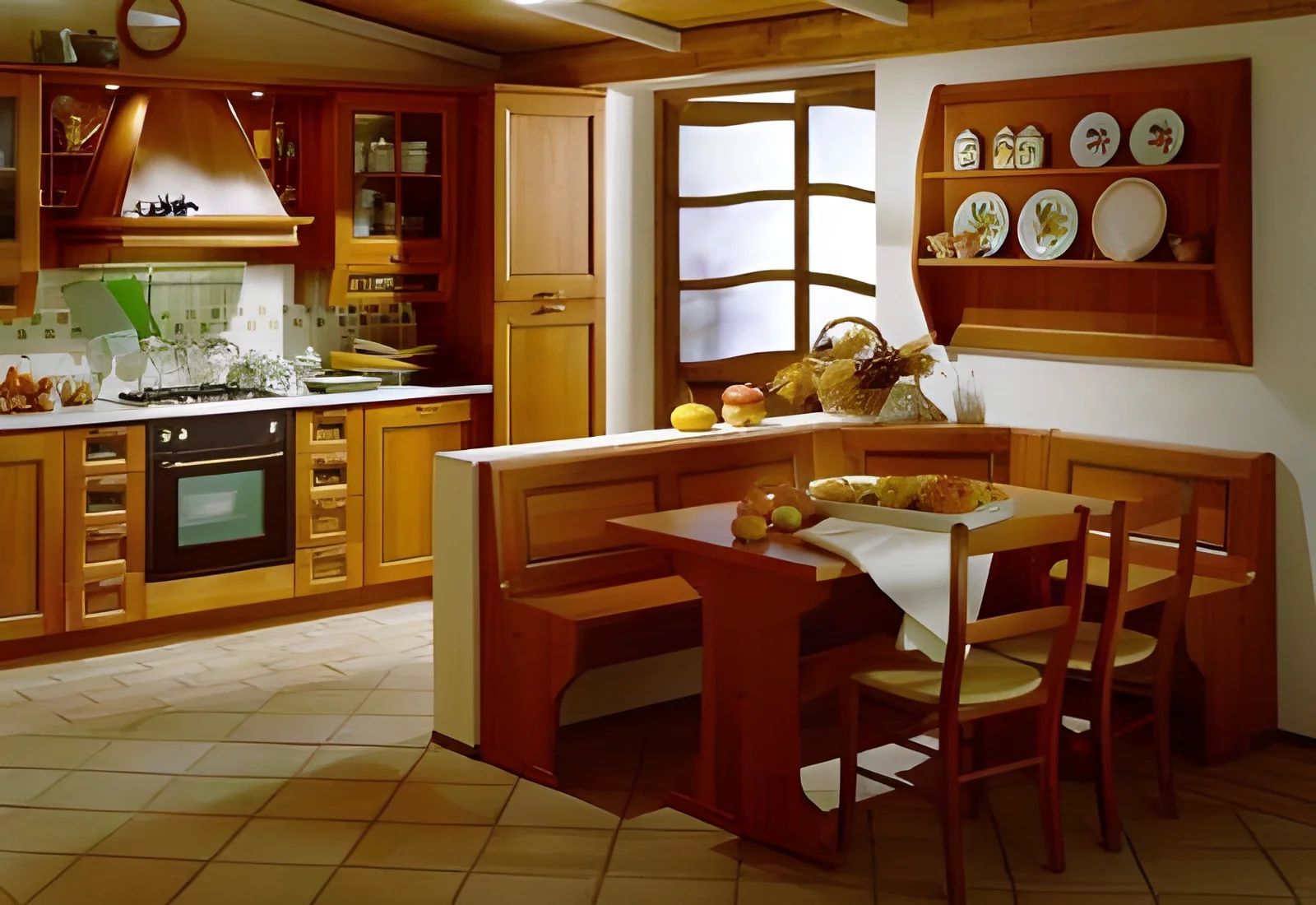
Dining room furniture encompasses a wide range of items designed specifically for dining spaces. This category includes essential pieces such as dining tables, chairs, sideboards, buffets, and cabinets. The primary function of this furniture is to facilitate meals and gatherings, providing a comfortable and aesthetically pleasing environment for dining experiences.
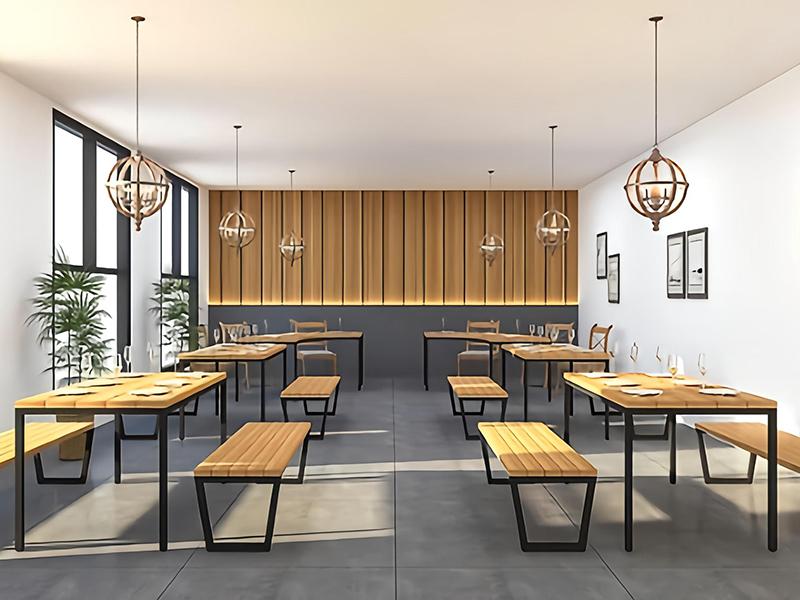
In business applications, dining room furniture is utilized in various settings, including restaurants, hotels, and corporate dining facilities. These environments require durable and stylish options that can withstand frequent use while maintaining an inviting atmosphere. The industry relevance of dining room furniture is significant, as it plays a crucial role in enhancing dining experiences and influencing customer satisfaction. With ongoing trends in design and functionality, the market continually evolves to meet the preferences of consumers and businesses alike.
Key Features and Specifications
Dining room furniture features a variety of specifications that cater to different needs and preferences. The materials used, design styles, and functionality are crucial in determining the suitability of a piece for specific environments.
Key specifications include:
1. Material
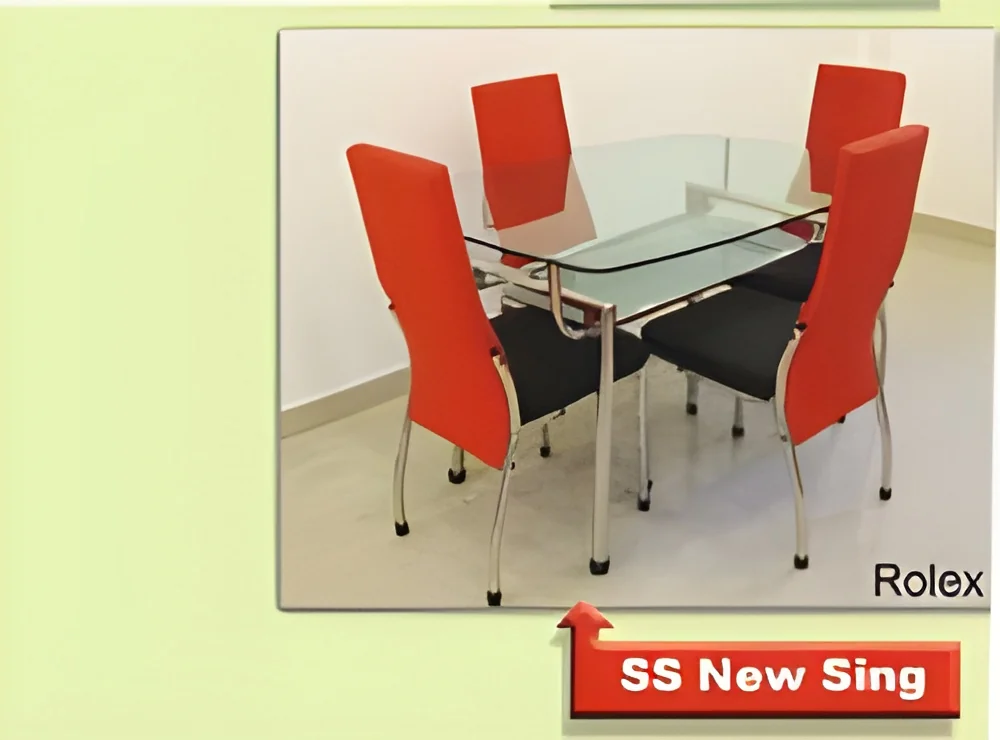
- Common materials include wood, metal, glass, and upholstery.
- Each material has distinct durability and aesthetic characteristics.
2. Dimensions
- Various sizes are available to accommodate different space requirements.
- Standard dining table heights typically range from 28 to 30 inches.
3. Design Style
- Options include contemporary, traditional, rustic, and industrial styles.
- Each style caters to different aesthetic preferences and branding.
4. Seating Capacity
- Available configurations usually range from two to twelve seats.
- Seating arrangements can be adjusted based on the table size and shape.
5. Finish Options
- Common finishes include stained, painted, or natural wood.
- Finishes impact both durability and visual appeal.
6. Functionality
- Some dining furniture includes extendable tables or storage capabilities.
- Multi-functional pieces enhance space efficiency.
7. Weight Capacity
- Each item has a specified weight limit to ensure safety and durability.
- It is essential to consider the intended use when selecting furniture.
8. Compliance Standards
- Furniture should meet industry safety and quality standards, including CE certification.
- Compliance ensures that products are safe for consumer use.
In summary, understanding the key features and specifications of dining room furniture can help buyers make informed decisions that align with their operational needs.
Common Applications and Use Cases
Dining room furniture serves various industries, each with distinct requirements.
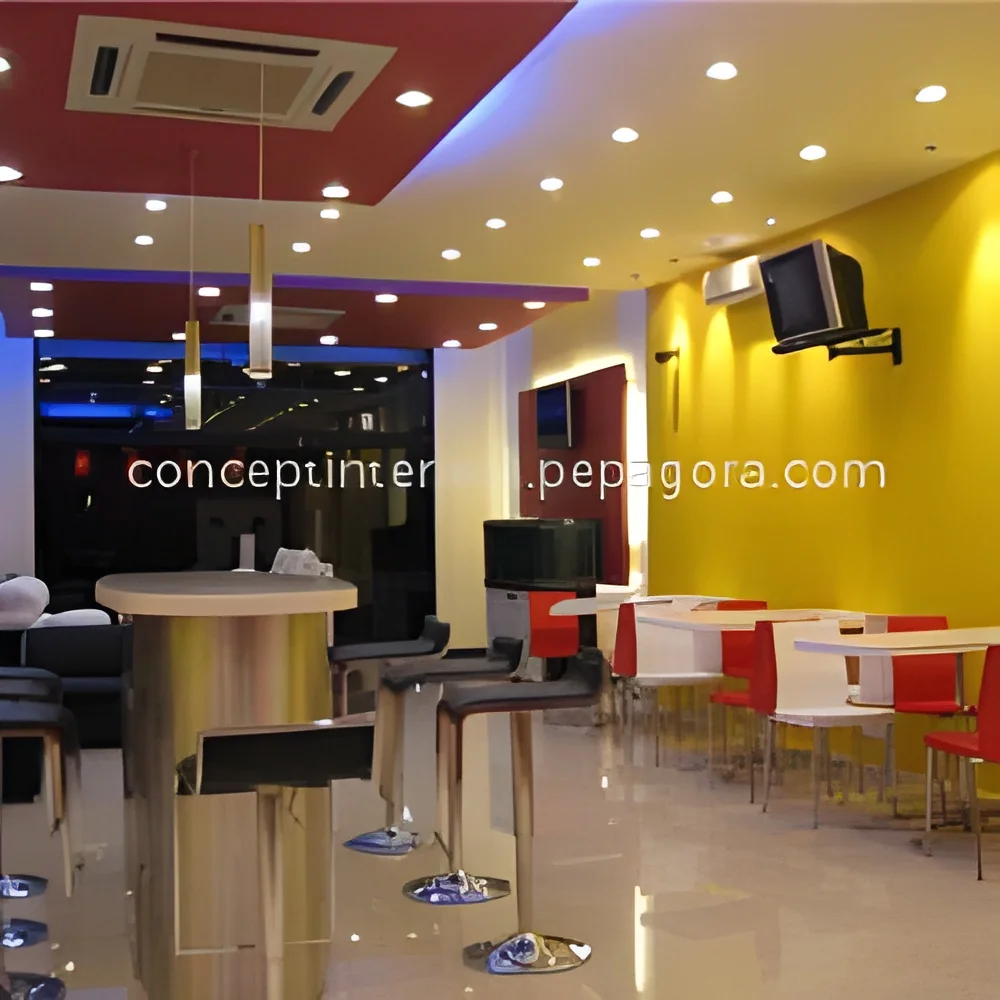
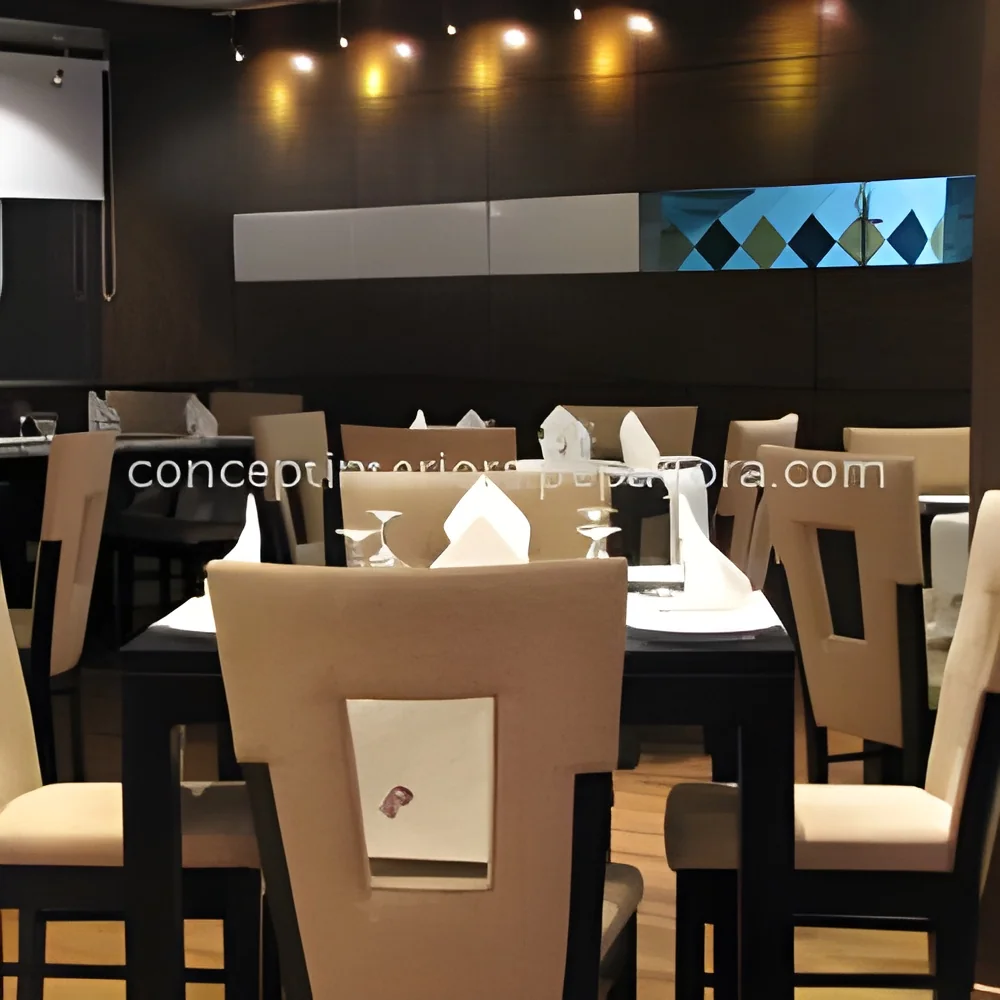
1. Hospitality Industry: Restaurants and cafes rely on durable and stylish dining furniture to enhance customer experiences. Tables and chairs are often selected based on their ability to withstand high traffic and frequent use.
2. Corporate Sector: Businesses utilize dining furniture in cafeterias and break rooms to promote employee wellness. The design and comfort of the furniture contribute to a positive workplace atmosphere.
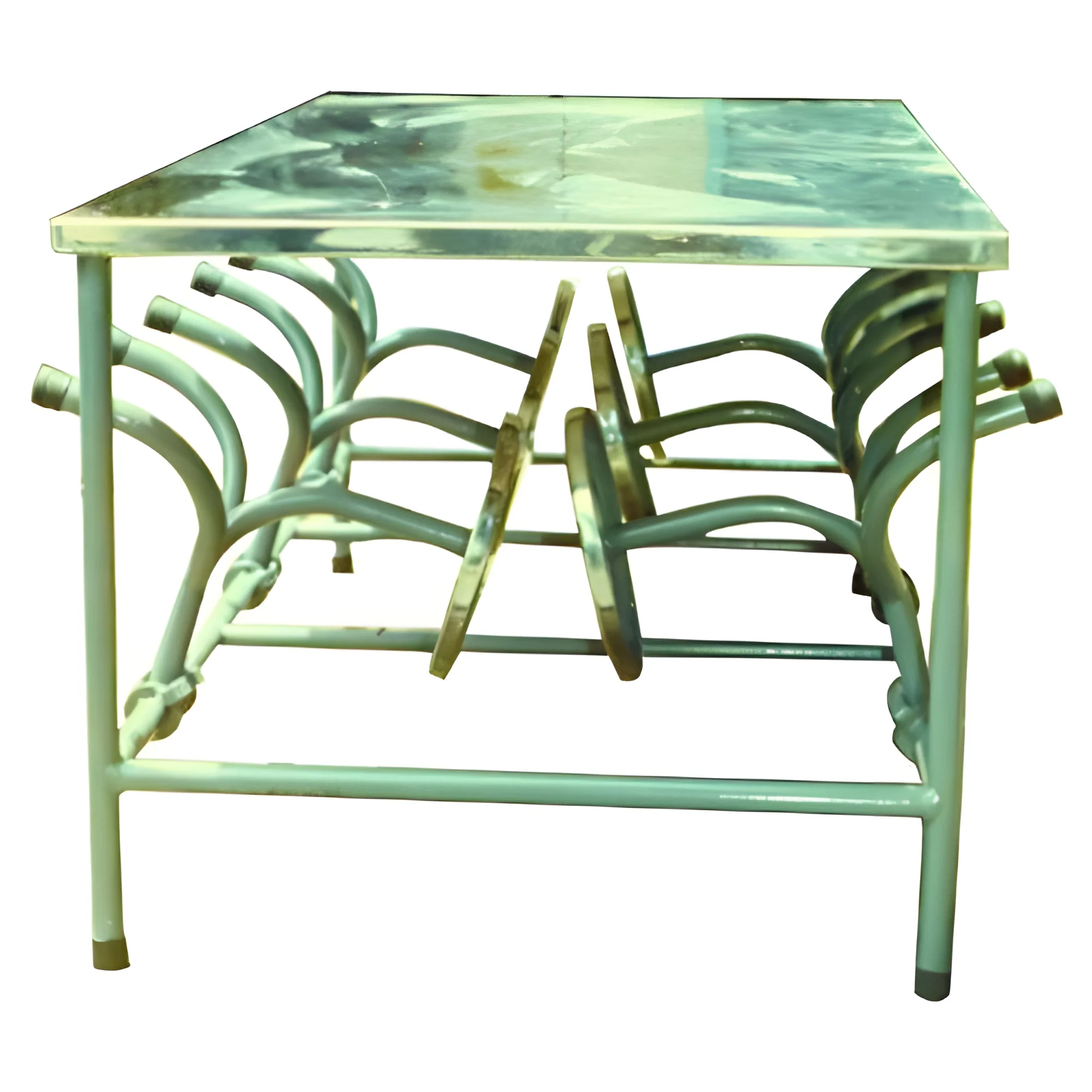
3. Educational Institutions: Schools and universities require dining solutions for cafeterias and dining halls. The focus is on functionality, durability, and ease of maintenance.
4. Event Venues: Banquet halls and event spaces need versatile dining furniture that can be easily rearranged for different functions. Lightweight and stackable options are often preferred.
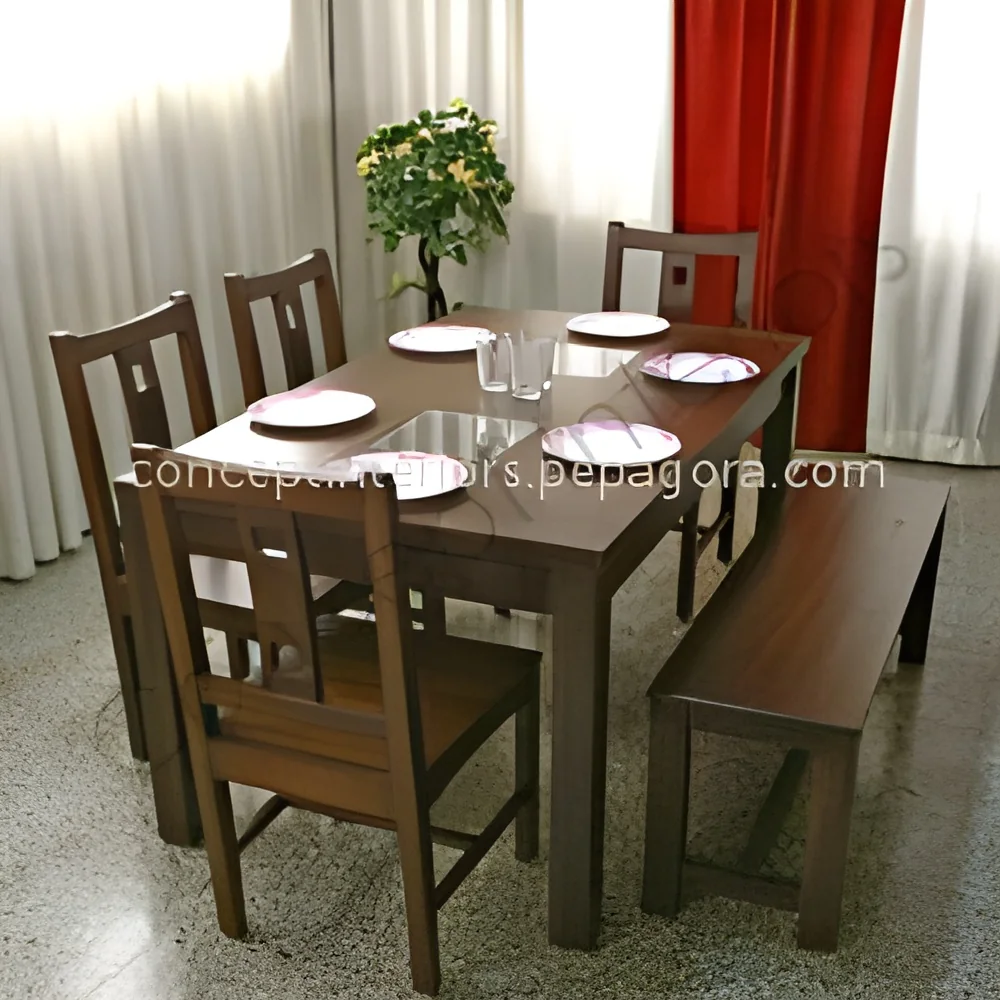
5. Residential Market: Homeowners seek dining furniture that balances aesthetics with comfort. Style and family size often dictate the choice of table and seating arrangements.
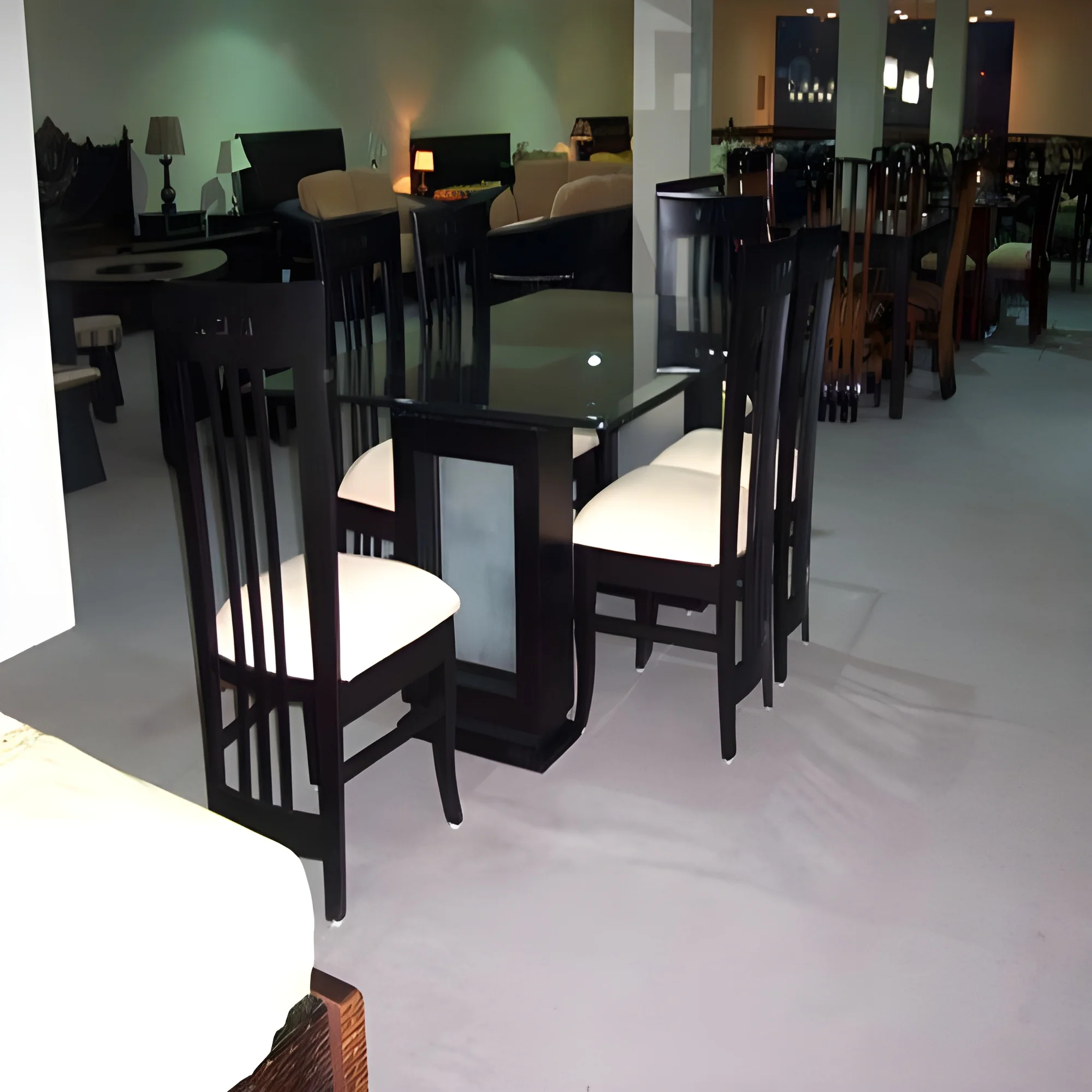
6. Retail Spaces: Furniture stores and showrooms showcase dining collections to attract customers. The display of various styles and configurations is essential for sales.
7. Healthcare Facilities: Hospitals and care homes require dining furniture that is easy to clean and accommodates individuals with varying needs. Safety and accessibility are critical considerations.
Product Variants and Subcategories
Dining room furniture offers a diverse range of products to suit different preferences and functions.
Dining Tables
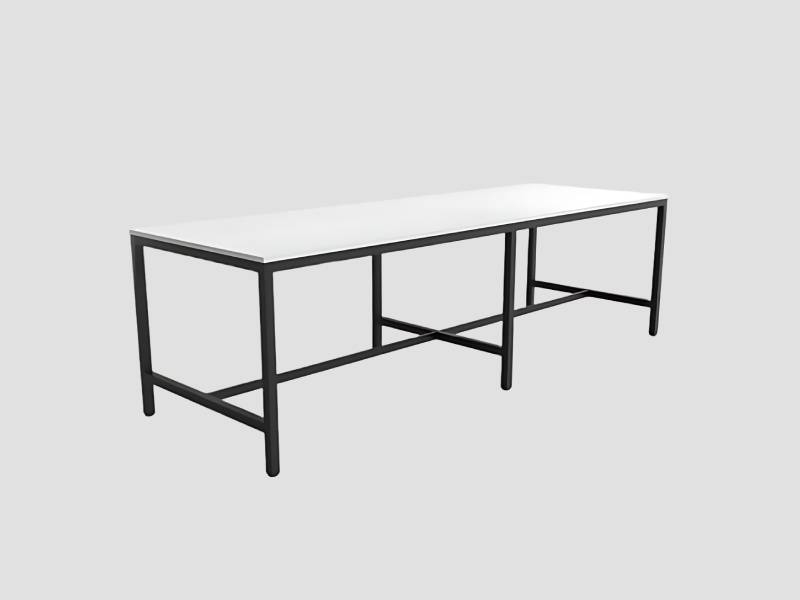
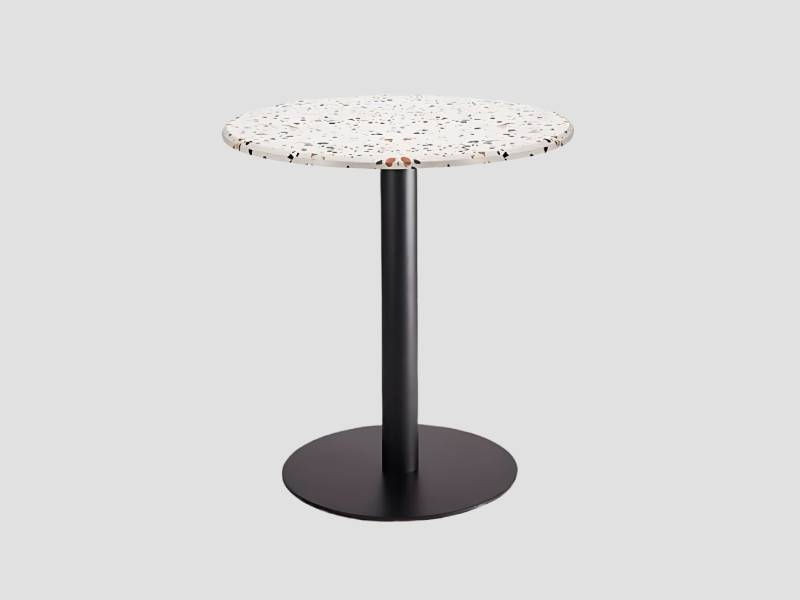
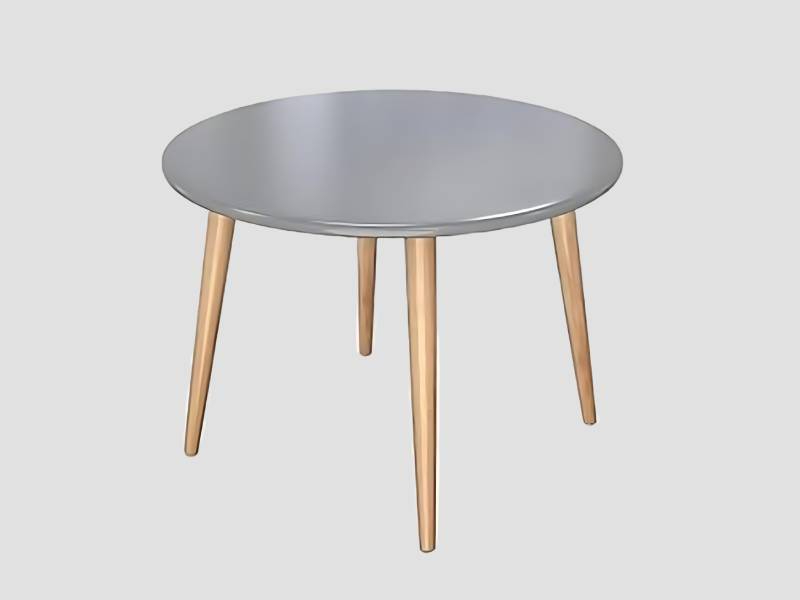
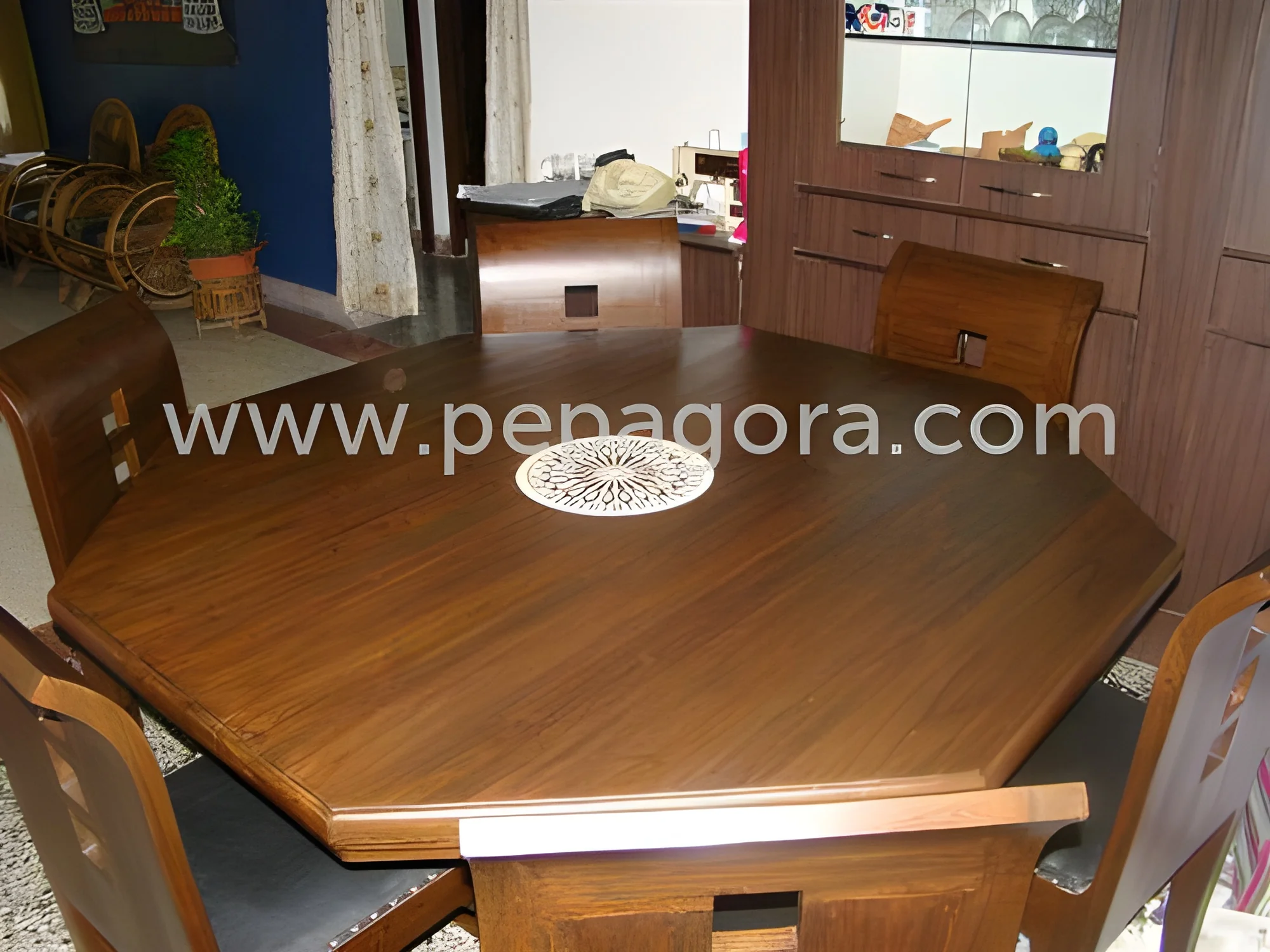
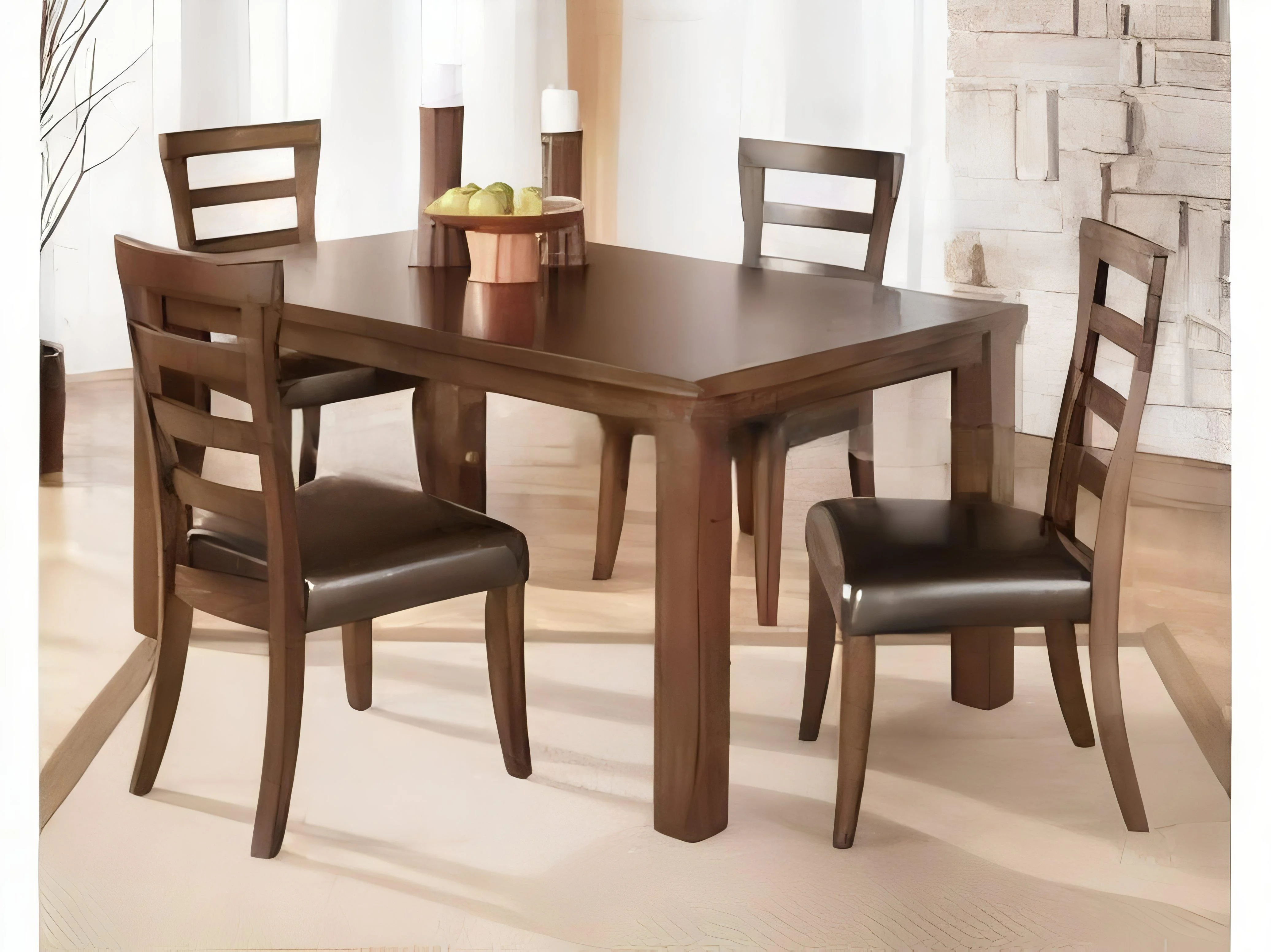
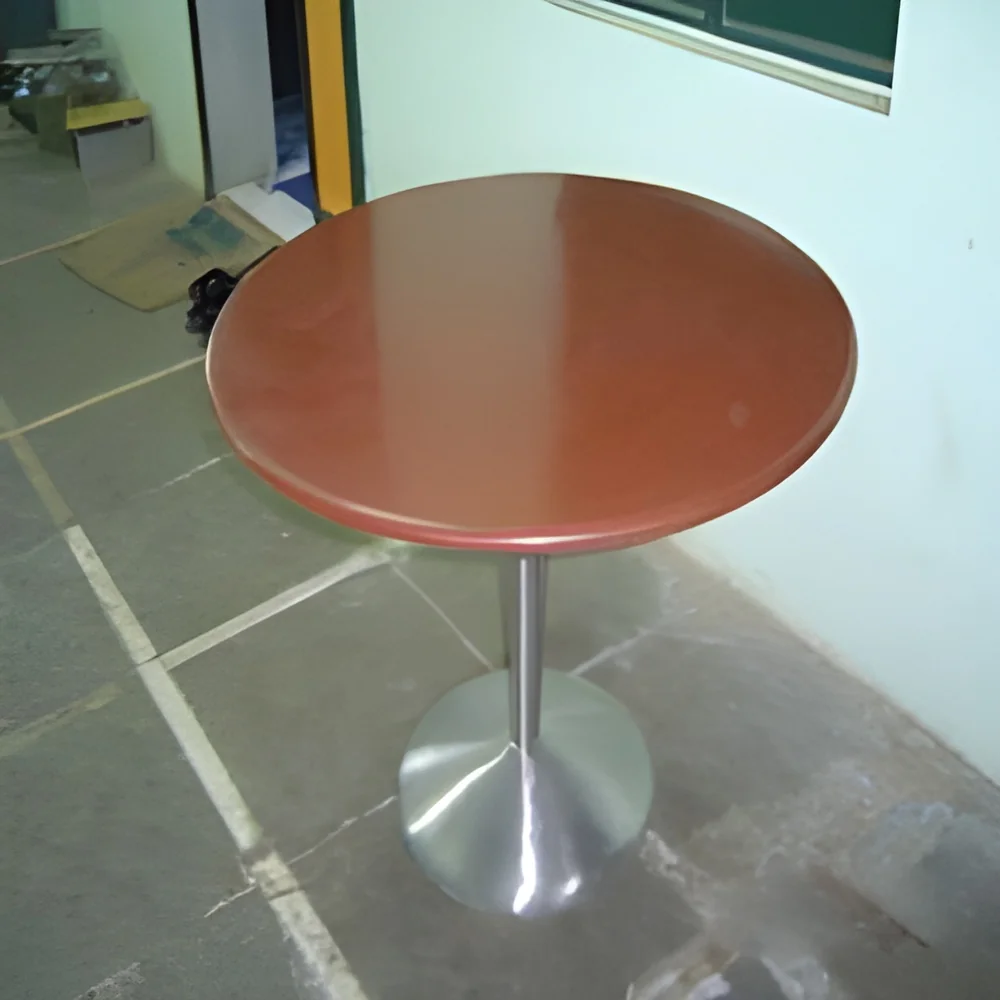
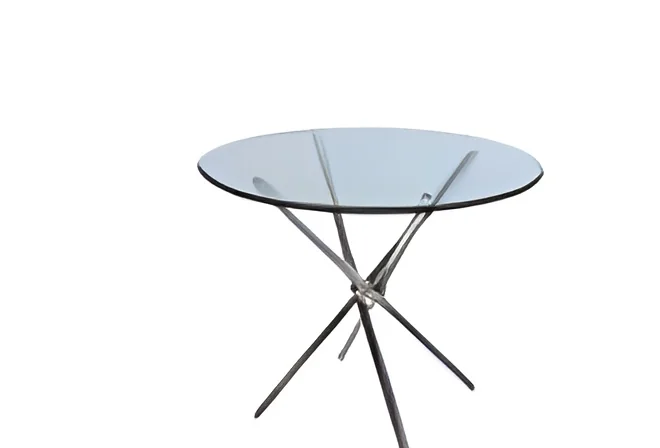
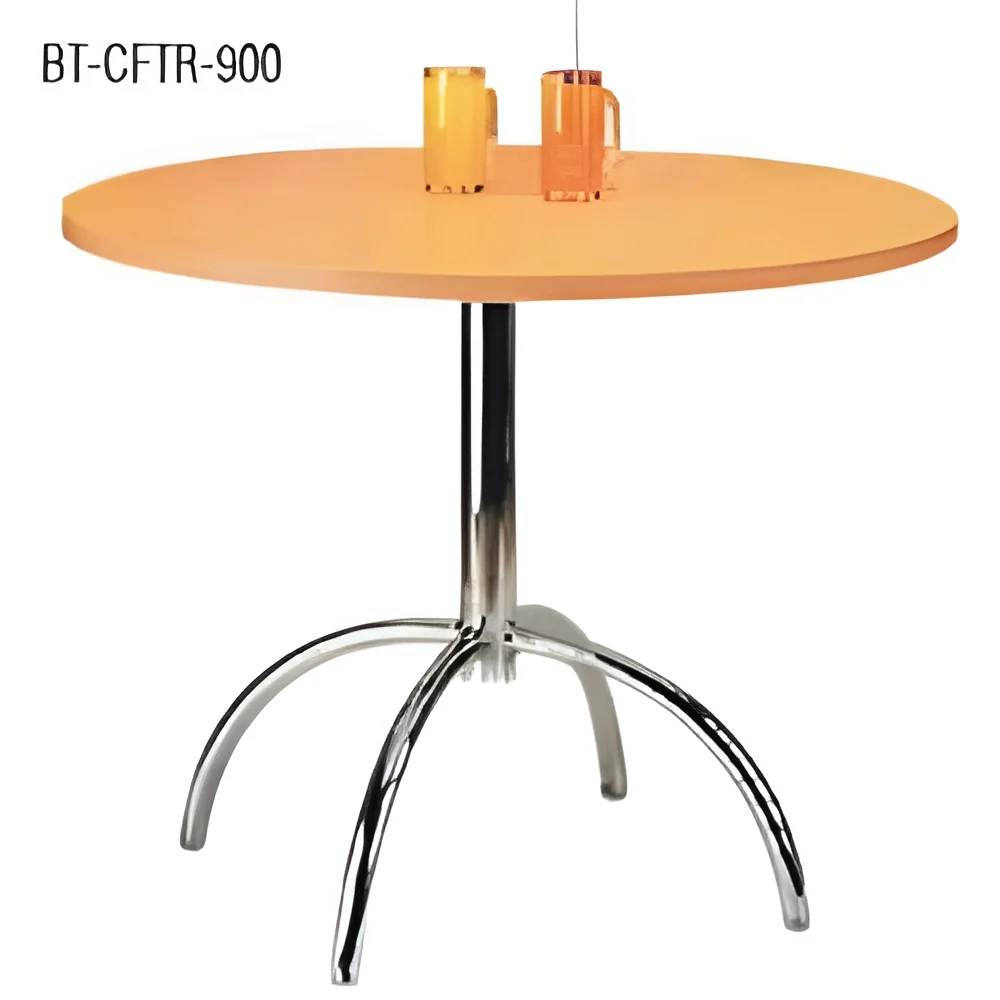
These are available in various shapes, including rectangular, round, and square. Features may include extendable options for flexibility in seating capacity, making them ideal for both everyday use and special occasions.
Dining Chairs
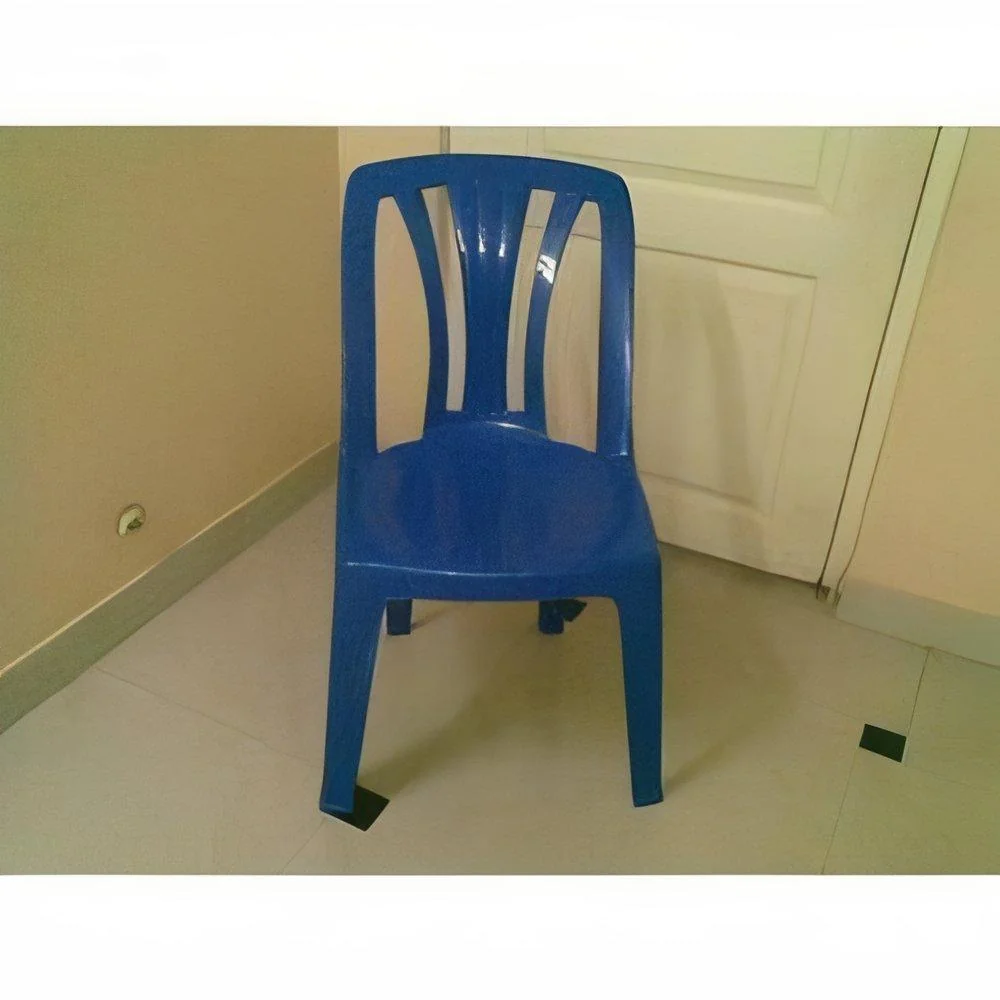
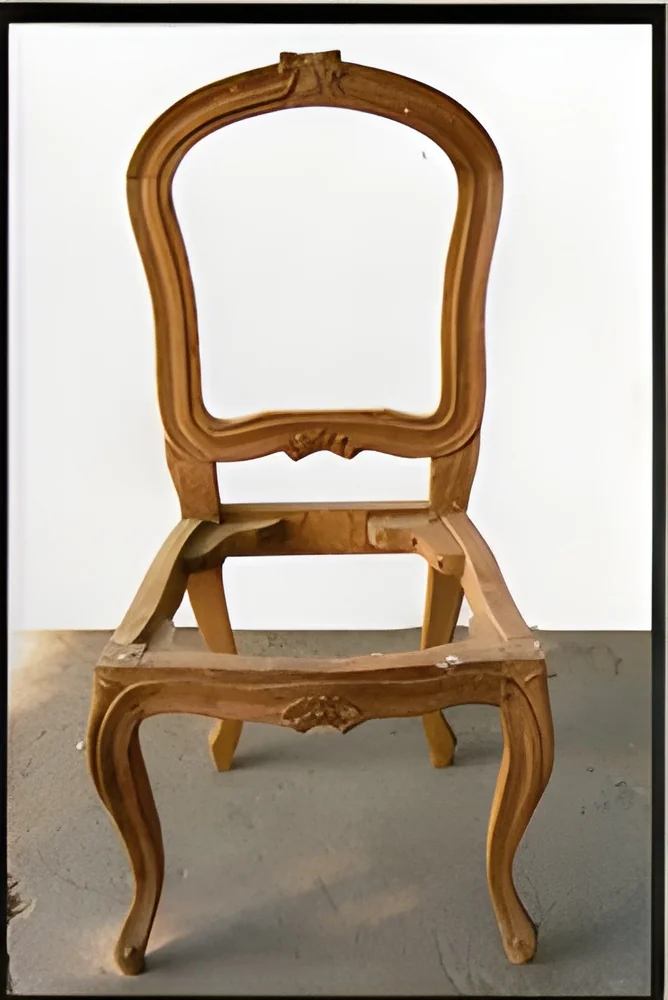
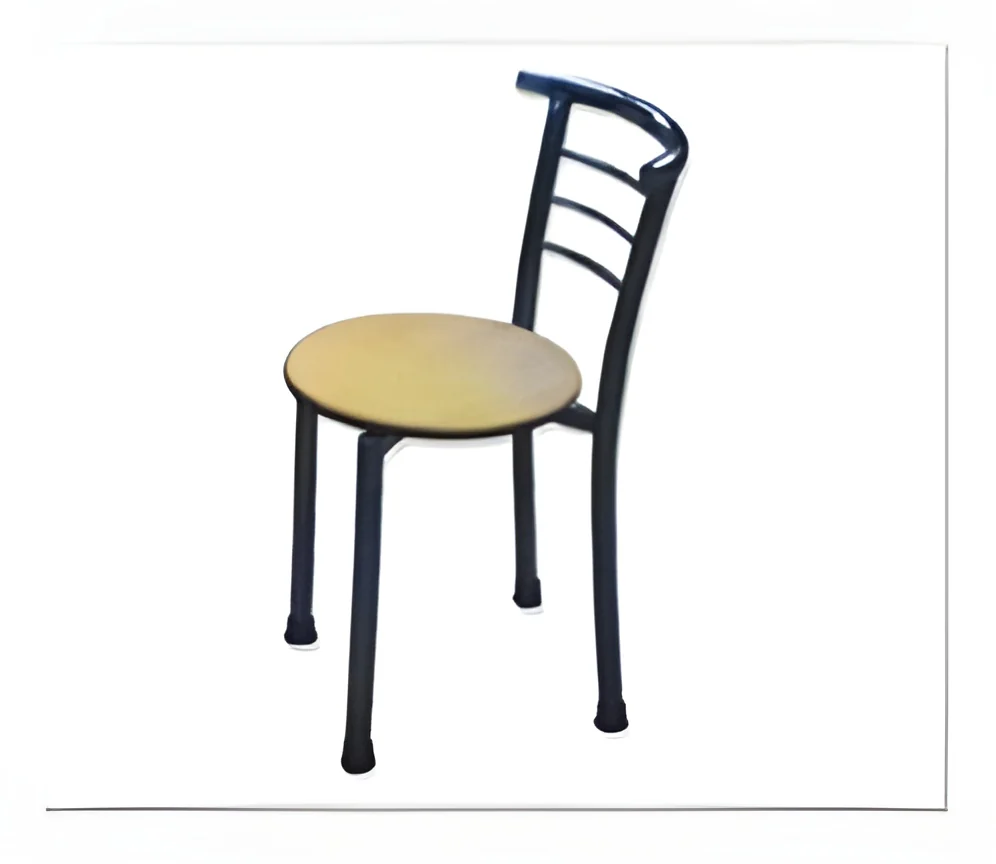
Chairs can be upholstered or wooden and may come with armrests or be armless. They are designed for comfort and style, aligning with the overall dining room aesthetic.
Sideboards and Buffets
These storage solutions provide space for tableware and dining essentials. They often feature drawers and cabinets, adding functionality to dining areas.
Bar Stools
Used in casual dining settings or at kitchen islands, bar stools come in various heights and designs. They often offer a modern touch and can be made from various materials.
Benefits and Advantages
Sourcing quality dining room furniture offers several advantages for businesses.
1. Enhanced Customer Experience: Well-designed furniture greatly improves the dining experience, encouraging repeat business and positive reviews.
2. Durability: Investing in high-quality materials ensures longevity, reducing the need for frequent replacements and maintenance.
3. Aesthetic Appeal: Stylish furniture contributes to the overall ambiance, attracting customers and enhancing brand identity.
4. Comfort: Ergonomically designed pieces promote comfort, allowing customers to enjoy their meals for longer periods.
5. Versatility: Many dining furniture options are adaptable for different settings, providing flexibility for various events and occasions.
6. Increased Functionality: Multi-purpose items maximize space utilization, allowing businesses to serve more customers efficiently.
Buying Guide for B2B Buyers
When sourcing dining room furniture, it is essential for B2B buyers to consider multiple factors to ensure the right fit for their needs.
1. Quality Assessment: Evaluate materials and construction quality to ensure longevity and durability. Look for signs of craftsmanship and check for warranties.
2. Supplier Verification: Vet suppliers by checking references and reviews. A reliable supplier should have a history of delivering quality products on time.
3. Pricing and MOQ: Understand the pricing structures and minimum order quantities. Compare multiple suppliers to get competitive pricing while ensuring quality is not compromised.
4. Delivery and Lead Times: Confirm expected delivery schedules and lead times. Reliable logistics are crucial for maintaining operational timelines.
5. Compliance Requirements: Ensure that the furniture complies with industry regulations and standards, such as CE certification, to guarantee safety and quality.
Compliance and Certifications
Dining room furniture must adhere to various quality and safety standards to ensure both durability and consumer safety.
Relevant quality standards include ISO 9001, which emphasizes consistent quality management, and HACCP, which is essential for food safety in dining environments. Compliance with these standards assures buyers of reliable products that meet industry expectations.
Industry certifications, such as CE, indicate that the furniture complies with European health, safety, and environmental protection standards. This certification is vital for suppliers aiming to enter international markets.
Safety and testing requirements are also significant. Manufacturers should conduct thorough testing to ensure that products can withstand normal use without compromising safety.
Additionally, regional compliance considerations may vary, so it is crucial for buyers to be aware of local regulations regarding furniture safety and material standards.
Why Source Dining Room Furniture from Pepagora?
Pepagora provides a trusted platform for sourcing dining room furniture, ensuring that buyers have access to quality products and reliable suppliers.
Verified Supplier Network: Pepagora boasts a comprehensive network of verified suppliers. Each supplier undergoes a stringent vetting process to ensure the delivery of quality furniture.
Streamlined RFQ Process: The request for quotation (RFQ) system simplifies the sourcing process, allowing buyers to easily compare offers and select options that meet their needs.
Trade Assurance and Support: Pepagora offers trade assurance, providing buyers with protection throughout the purchasing process. This support helps to build trust and confidence in transactions.
Regional Coverage: With a strong presence in India, GCC, and Southeast Asia, Pepagora connects buyers with suppliers across diverse regions, facilitating access to a broad range of dining room furniture options.

 IN
IN