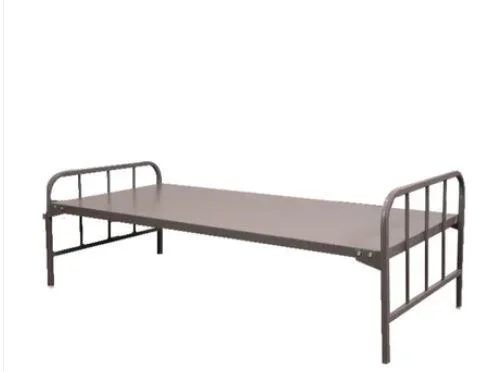
What are Single Beds & Bunk Beds?
Single beds and bunk beds are essential furniture pieces in various settings, including homes, hotels, and institutional environments. A single bed typically accommodates one person and features a standard mattress size, providing a comfortable sleep space. Bunk beds consist of two or more beds stacked on top of each other, optimizing vertical space and allowing for multiple sleeping arrangements in a compact design.
These beds are commonly used in hospitality, educational institutions, and residential spaces, catering to the needs of diverse users. Single beds are often found in guest rooms and children’s rooms, while bunk beds are popular in dormitories and shared living spaces. The ability to maximize sleeping capacity without sacrificing floor space makes these beds highly functional and desirable.
In today's market, single beds and bunk beds are increasingly relevant due to the growing demand for space-saving solutions. As urban living continues to evolve, more consumers and businesses seek versatile and efficient furniture options. This trend drives innovation in design and materials, resulting in a wider selection of beds that meet both aesthetic and functional requirements.
Key Features and Specifications
Single beds and bunk beds come with a variety of features to enhance comfort, safety, and usability. When selecting these products, it is essential to consider their specifications to ensure they meet the intended purpose.
Key specifications include:
1. Mattress Size
- Standard single bed mattresses typically measure 90 cm x 190 cm
- Bunk bed mattresses may vary but generally align with standard sizes
2. Weight Capacity
- Single beds can support weight capacities ranging from 150 kg to 250 kg
- Bunk beds often have a maximum weight limit of 200 kg per sleeping surface
3. Material Composition
- Common materials include solid wood, metal, and engineered wood
- Materials should ensure durability and stability for long-term use
4. Safety Features
- Bunk beds must include guardrails on the upper bunk
- Ladders should be securely attached and easy to use
5. Assembly Type
- Some beds come pre-assembled, while others require assembly upon delivery
- Assembly instructions should be clear and straightforward
6. Design Options
- Available in various styles, including contemporary, traditional, and minimalist
- Finishes may include natural wood, painted surfaces, or metal coatings
7. Customization Options
- Many manufacturers offer customization in sizes, colors, and materials
- Tailored solutions can meet specific business needs
8. Warranty and Support
- Warranties typically range from one to five years depending on the manufacturer
- Support services should be available for maintenance and repairs
In summary, understanding the key features and specifications of single beds and bunk beds is crucial for making informed purchasing decisions. Buyers should assess their specific needs and ensure that the selected products comply with industry standards.
Common Applications and Use Cases
Single beds and bunk beds serve various industries and applications, providing flexible sleeping solutions.
1. Hospitality: Hotels and guesthouses utilize single beds for single occupancy rooms, ensuring comfort for travelers. Bunk beds are common in hostels, allowing for affordable accommodation options.
2. Education: Schools and universities often implement bunk beds in dormitories to maximize space and provide students with shared living arrangements. Single beds may also be used in teacher housing.
3. Healthcare: Hospitals and care facilities may use single beds in patient rooms to offer privacy and comfort during recovery. Bunk beds can be found in pediatric wards to accommodate multiple young patients.
4. Residential: In family homes, single beds are standard in children's rooms, while bunk beds provide efficient sleeping arrangements for siblings or guests in smaller spaces.
5. Military: Barracks utilize bunk beds to accommodate multiple personnel, optimizing space in living quarters while ensuring safety and functionality.
6. Camping and Outdoor Activities: Bunk beds are popular in cabins and campsites, providing sleeping options that maximize limited space for groups.
7. Emergency Shelters: During crises, bunk beds are deployed in shelters to efficiently house displaced individuals, ensuring they have a safe place to sleep.
Product Variants and Subcategories
The diversity of single beds and bunk beds caters to various needs and preferences in the market.
Metal Bunk Beds
These bunk beds are typically lightweight and durable, making them easy to transport and set up. They often feature a modern design and are ideal for environments like hostels and summer camps.
Wooden Single Beds
Wooden single beds offer a classic aesthetic and robust construction. They are perfect for residential applications and can be customized in various finishes to match room decor.
Loft Beds
Loft beds are similar to bunk beds but feature only one sleeping area elevated above the ground. This design allows for the use of the space beneath for storage or a desk, making them ideal for small apartments or children's rooms.
Folding Bunk Beds
These beds are designed for versatility and can be folded away when not in use. They are suitable for multi-purpose rooms or where space is limited.
Benefits and Advantages
Choosing single beds and bunk beds offers numerous benefits for both consumers and businesses.
1. Space Efficiency: Bunk beds allow for multiple sleeping arrangements in limited spaces, making them ideal for smaller rooms.
2. Versatility: Single beds can serve various applications, from guest accommodations to children's rooms, providing flexibility in usage.
3. Cost-Effective: By optimizing sleeping capacity, bunk beds can reduce accommodation costs in hospitality and institutional settings.
4. Customization: Many manufacturers offer options for customization, enabling businesses to tailor products to their specific needs.
5. Safety Features: Modern bunk beds come equipped with safety rails and sturdy construction, ensuring user safety for all ages.
6. Aesthetic Appeal: Both single beds and bunk beds are available in various styles and finishes, enhancing the overall look of a room.
Buying Guide for B2B Buyers
When sourcing single beds and bunk beds, it is essential for B2B buyers to consider several key factors.
1. Quality Assessment: Evaluate the materials and construction quality of beds. Look for durability and stability to ensure long-term use, especially in high-traffic environments.
2. Supplier Verification: Vet suppliers thoroughly to ensure they meet industry standards and have a good reputation. Request references and check reviews to gauge reliability.
3. Pricing and MOQ: Understand the pricing structure and minimum order quantities. Compare costs across suppliers to find the best deal while ensuring quality is not compromised.
4. Delivery and Lead Times: Inquire about delivery schedules and lead times. Timely delivery is crucial for meeting project deadlines and accommodating customer needs.
5. Compliance Requirements: Familiarize yourself with regulatory needs related to safety and quality standards. Ensure that the products meet local compliance requirements, such as CE certification.
Compliance and Certifications
Compliance and certifications are critical factors in the manufacturing and sourcing of single beds and bunk beds. Adhering to relevant quality standards ensures that products meet safety and performance criteria.
ISO 9001 is a widely recognized standard that ensures organizations maintain effective quality management systems. Manufacturers of beds should comply with this standard to demonstrate their commitment to quality.
CE certification indicates that products meet European safety, health, and environmental protection standards. For bunk beds, this certification is essential to ensure safety features are adequately implemented.
Testing requirements may include load testing for weight capacity and safety checks for stability and durability. Manufacturers should provide evidence of compliance with these standards.
Regional compliance may vary, so understanding local regulations is crucial, particularly for businesses operating in multiple regions. Buyers should ensure that products are certified according to the specific requirements of the markets they serve.
Why Source Single Beds & Bunk Beds from Pepagora?
Pepagora provides a trusted platform for sourcing single beds and bunk beds, offering several key advantages that benefit B2B buyers.
Verified Supplier Network: Pepagora connects buyers with verified suppliers, ensuring that all listed manufacturers adhere to industry standards. This reduces the risks associated with sourcing and guarantees quality products.
Streamlined RFQ Process: The request for quotation (RFQ) process on Pepagora is designed to be straightforward and efficient. Buyers can quickly compare multiple quotes, making it easier to find the best pricing and terms.
Trade Assurance and Support: Pepagora offers trade assurance to protect buyers in their transactions. This includes support for resolving disputes and ensuring compliance with agreed terms, providing peace of mind during the purchasing process.
Regional Coverage: With a strong presence in India, the GCC, and Southeast Asia, Pepagora facilitates access to a wide range of suppliers. This geographic reach allows buyers to source products that cater to regional preferences and standards, enhancing their purchasing experience.

 IN
IN