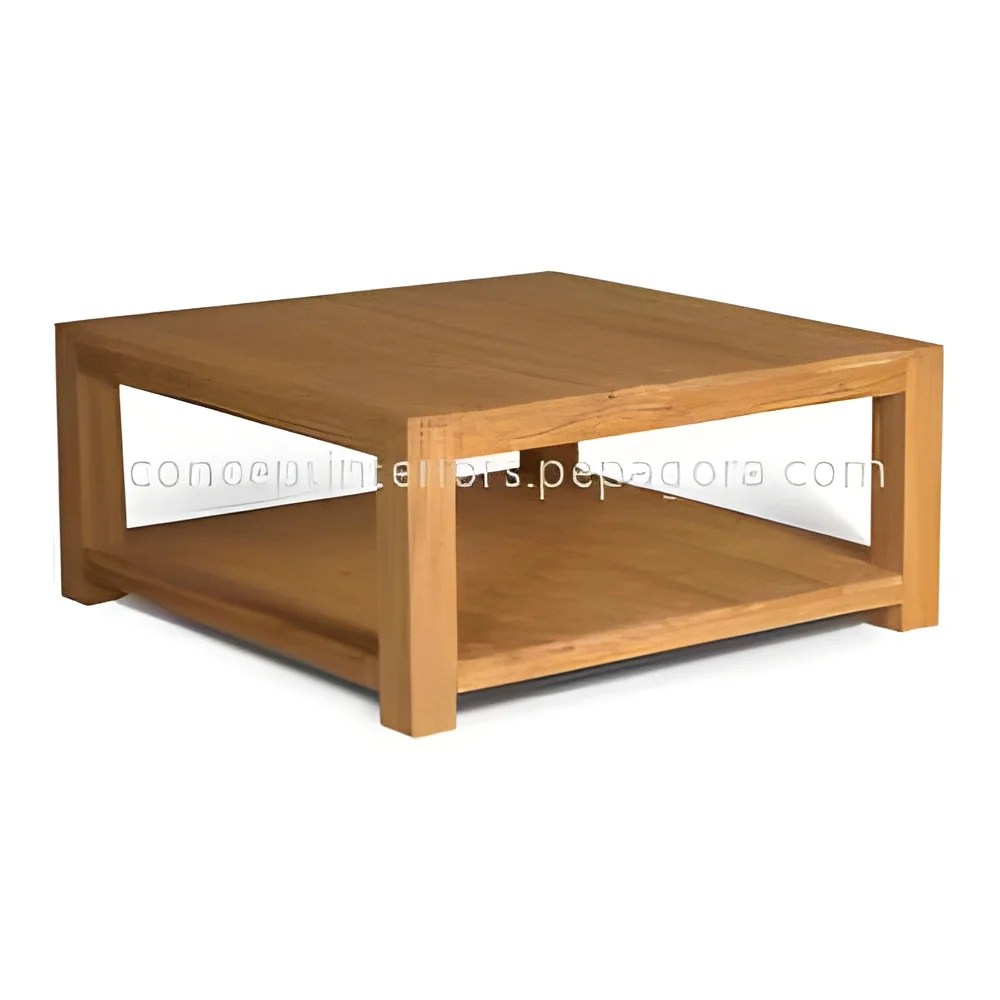
What are Other Home Furniture?
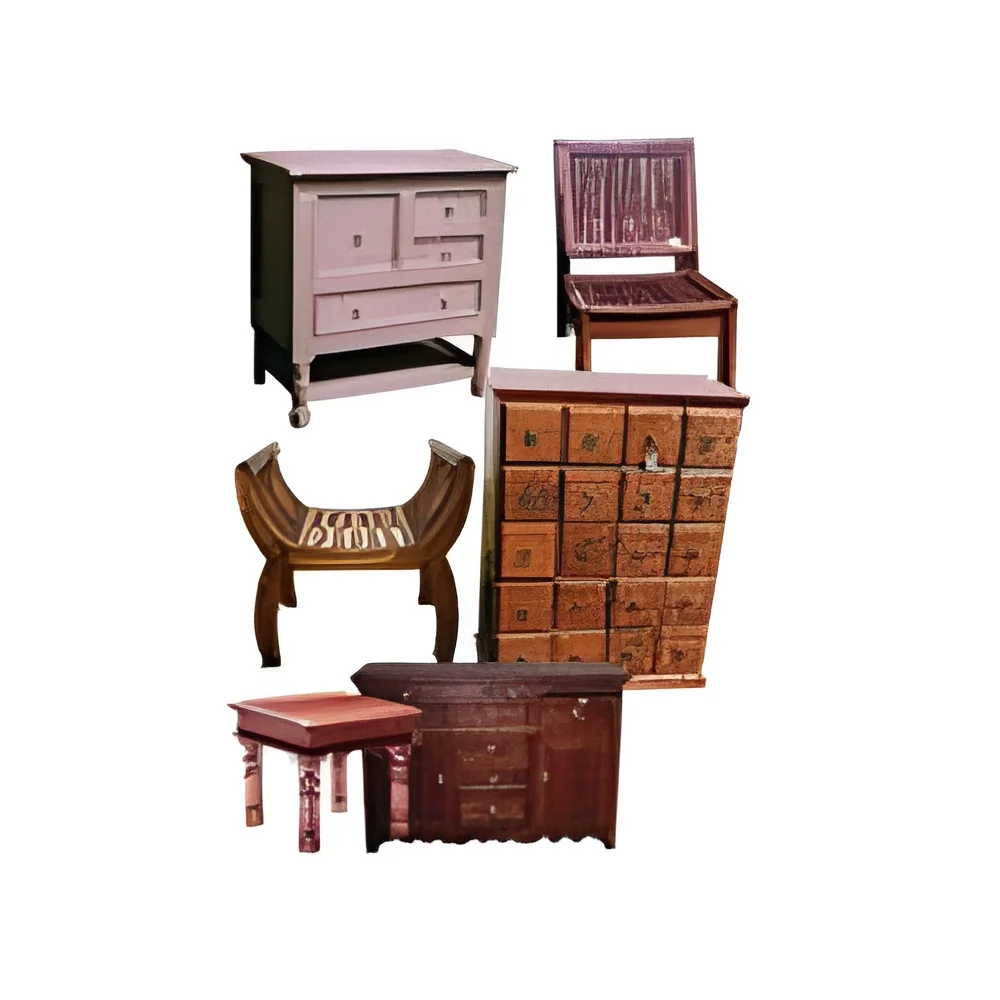
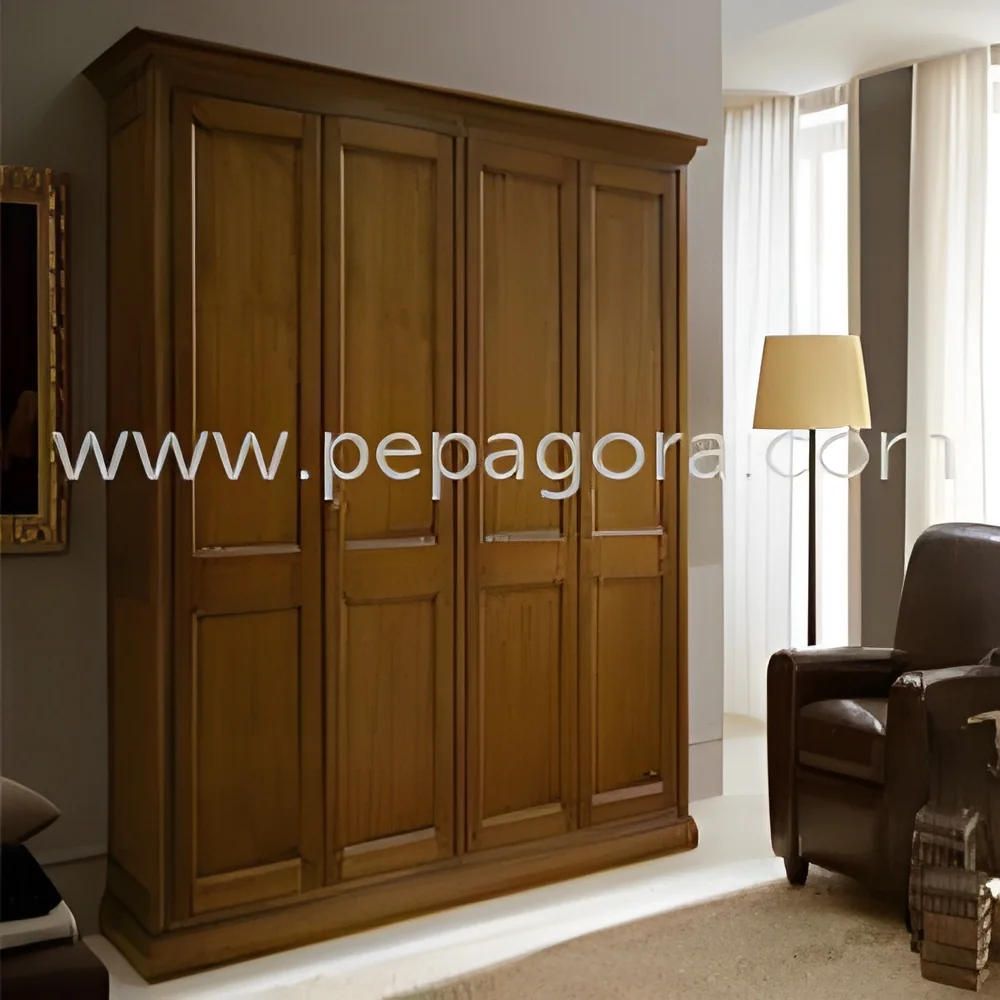
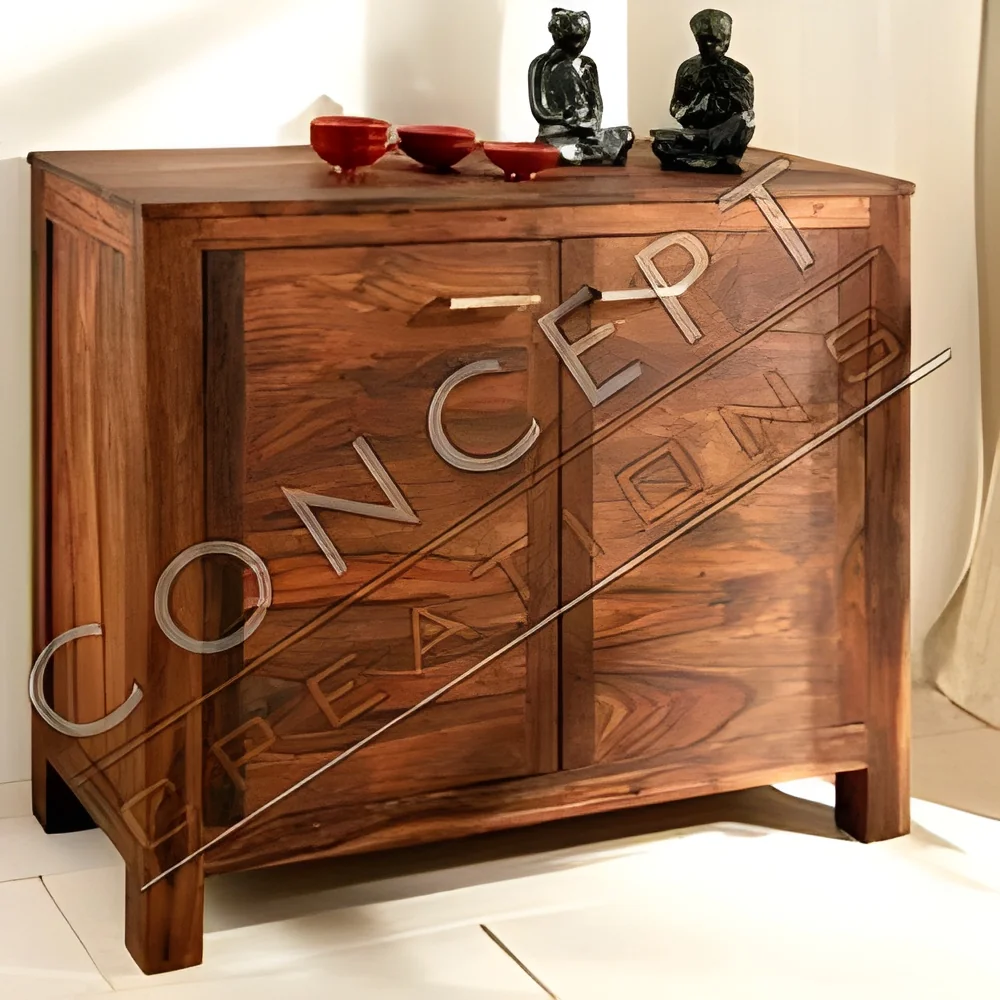
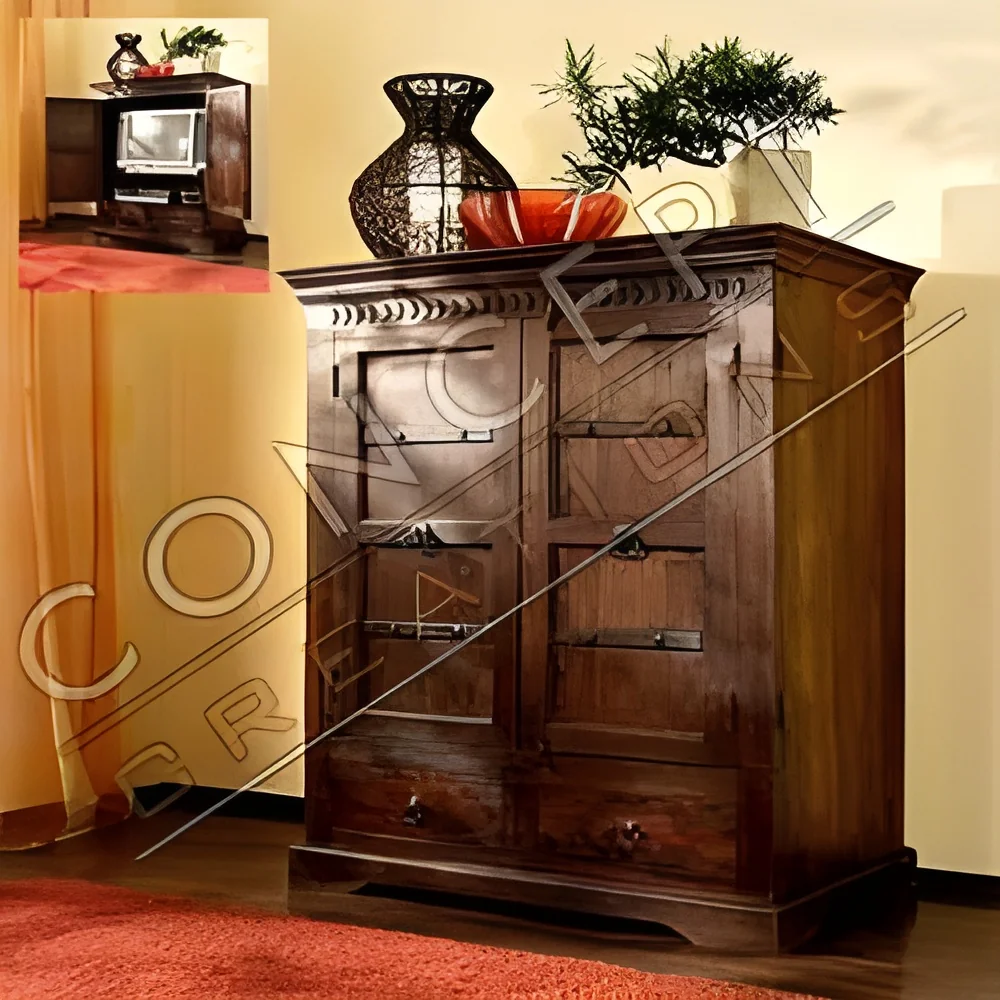
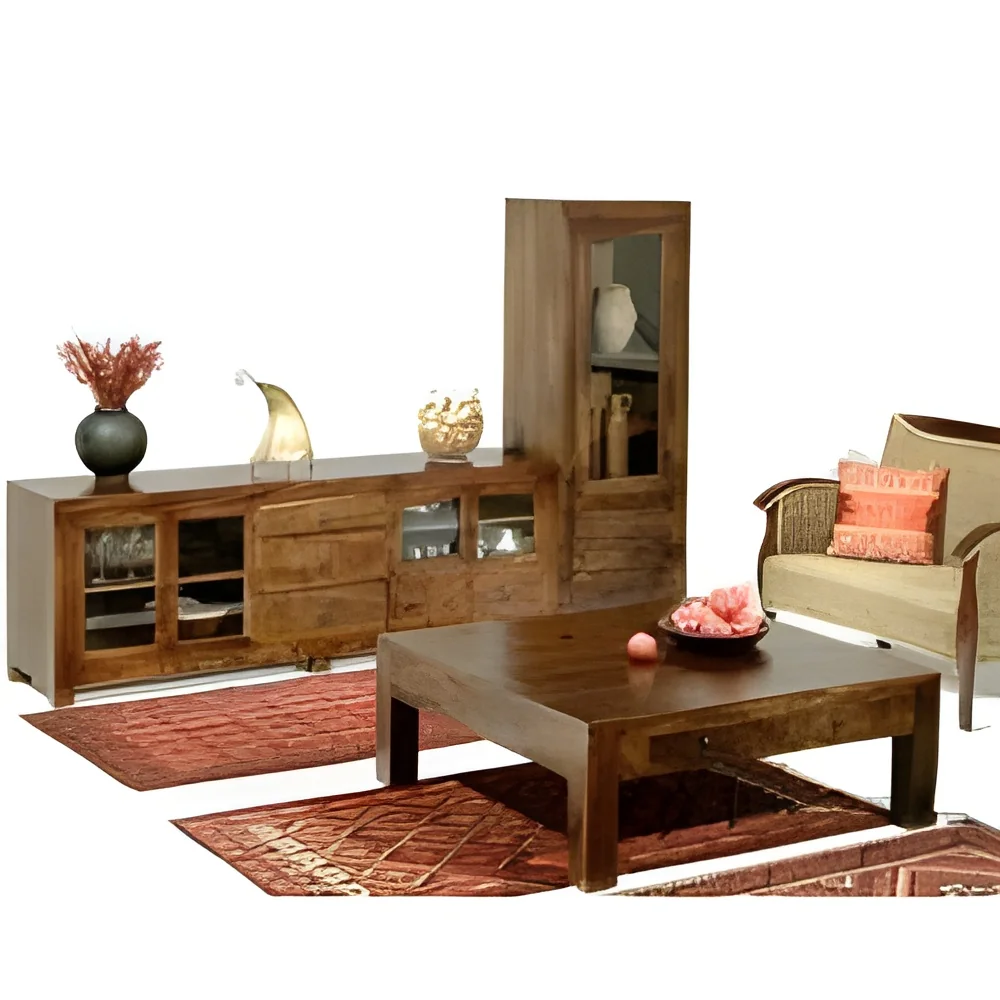
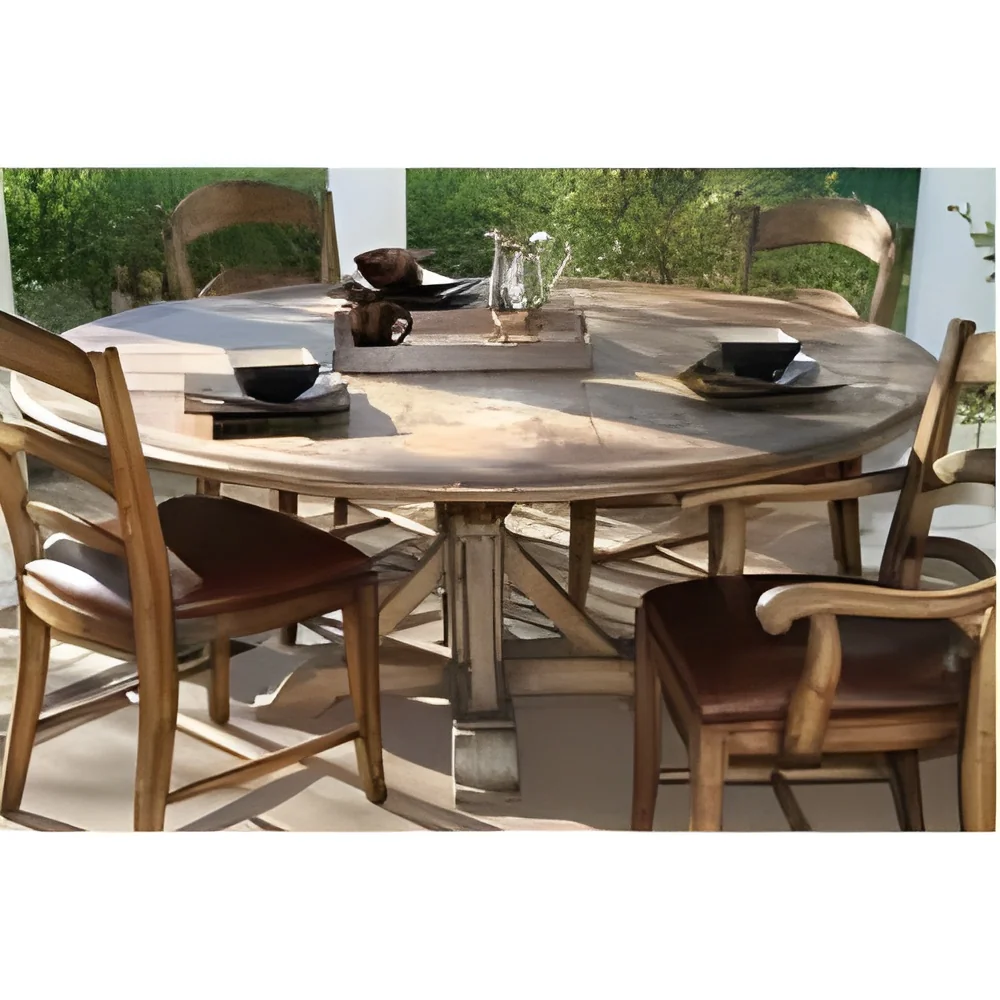
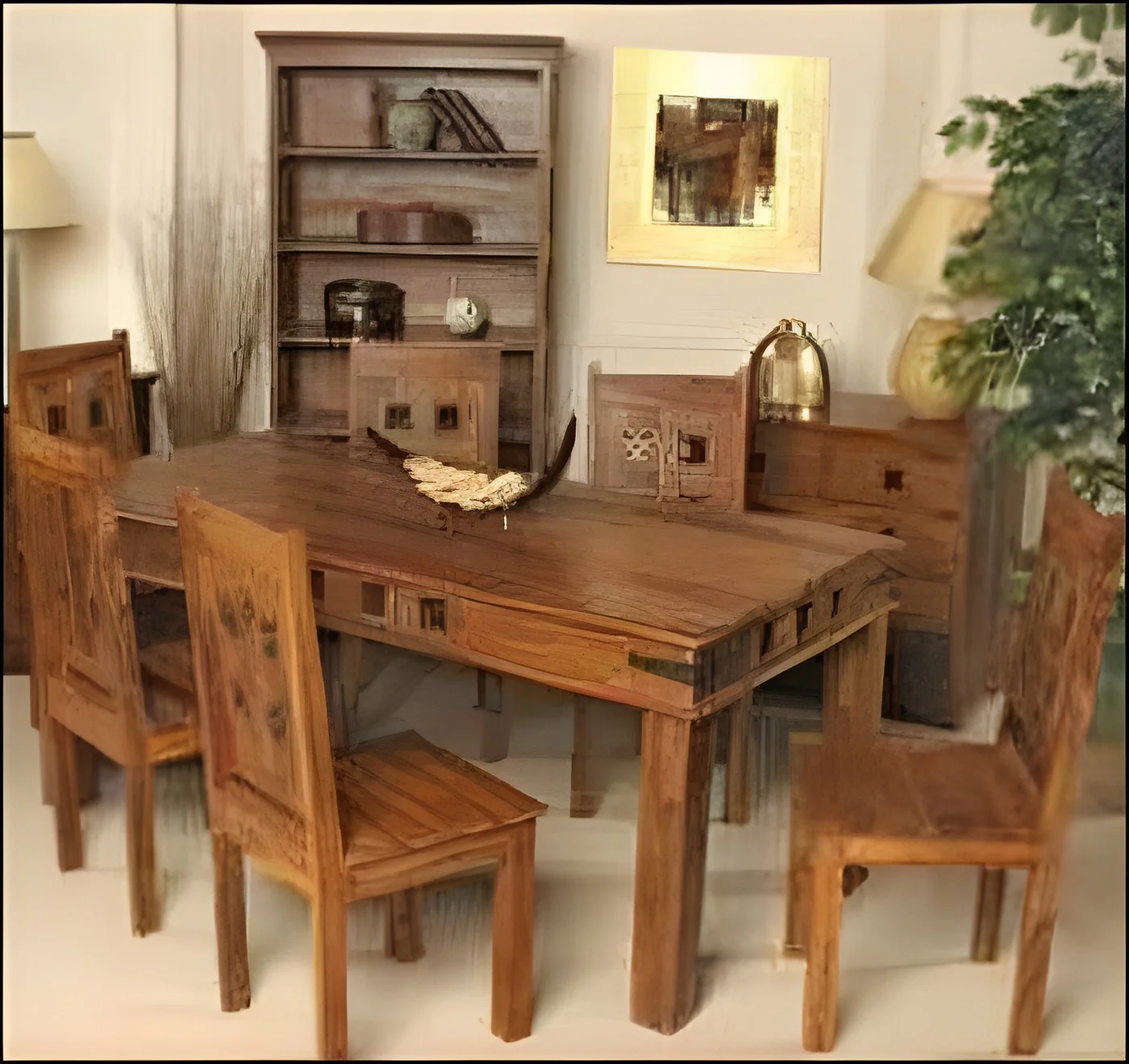
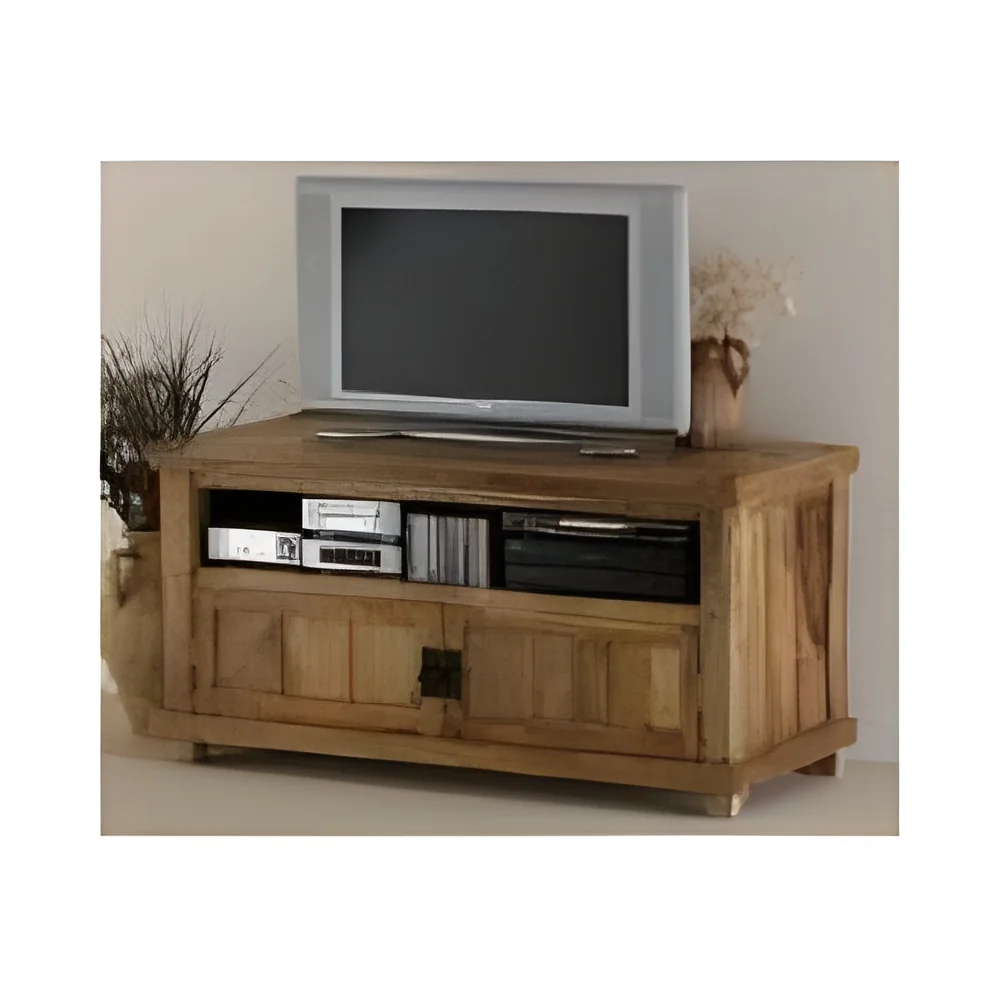
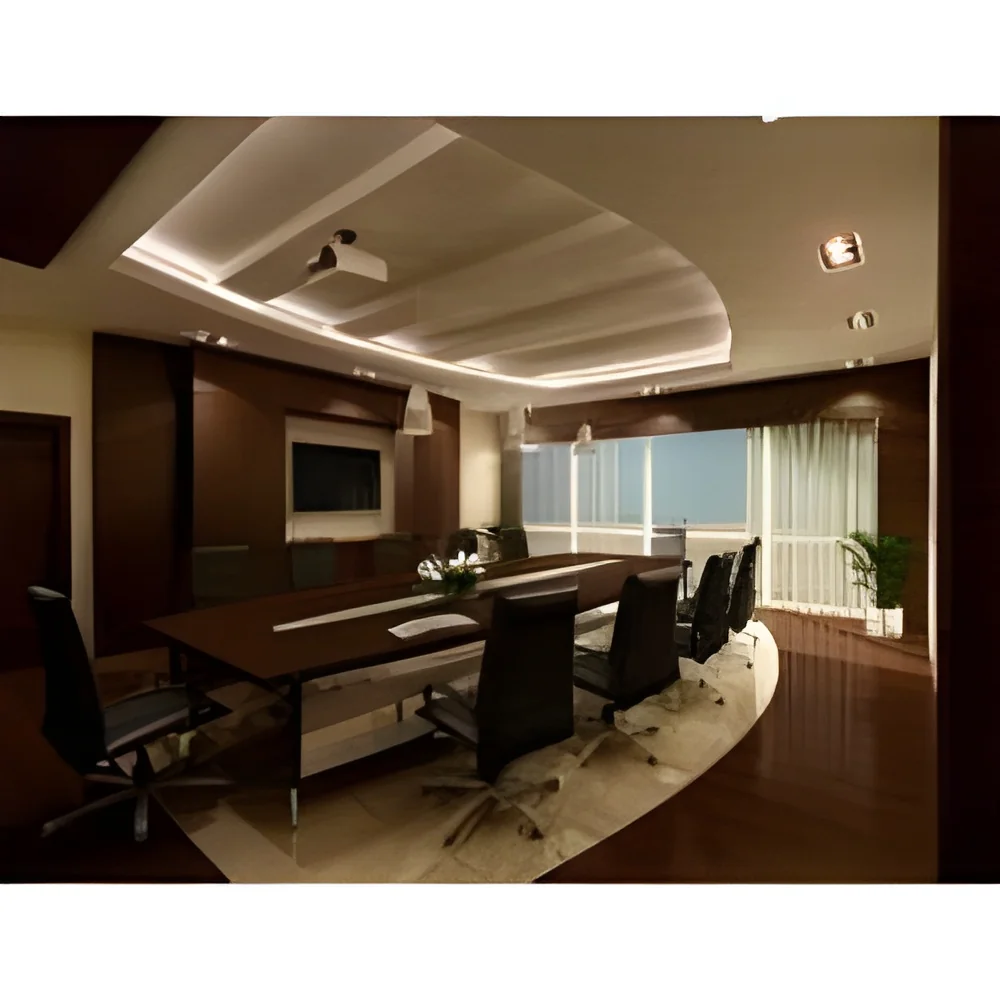
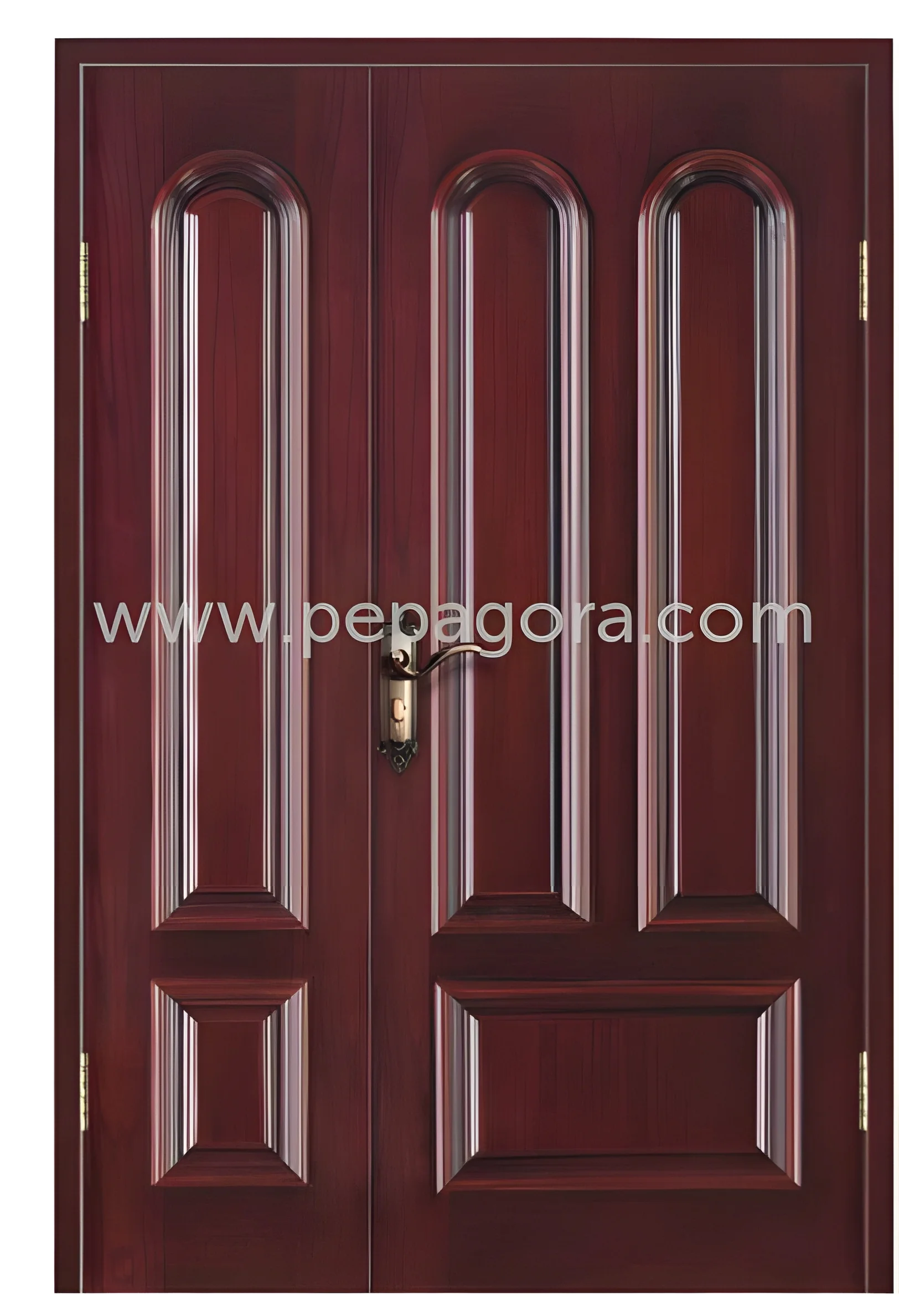
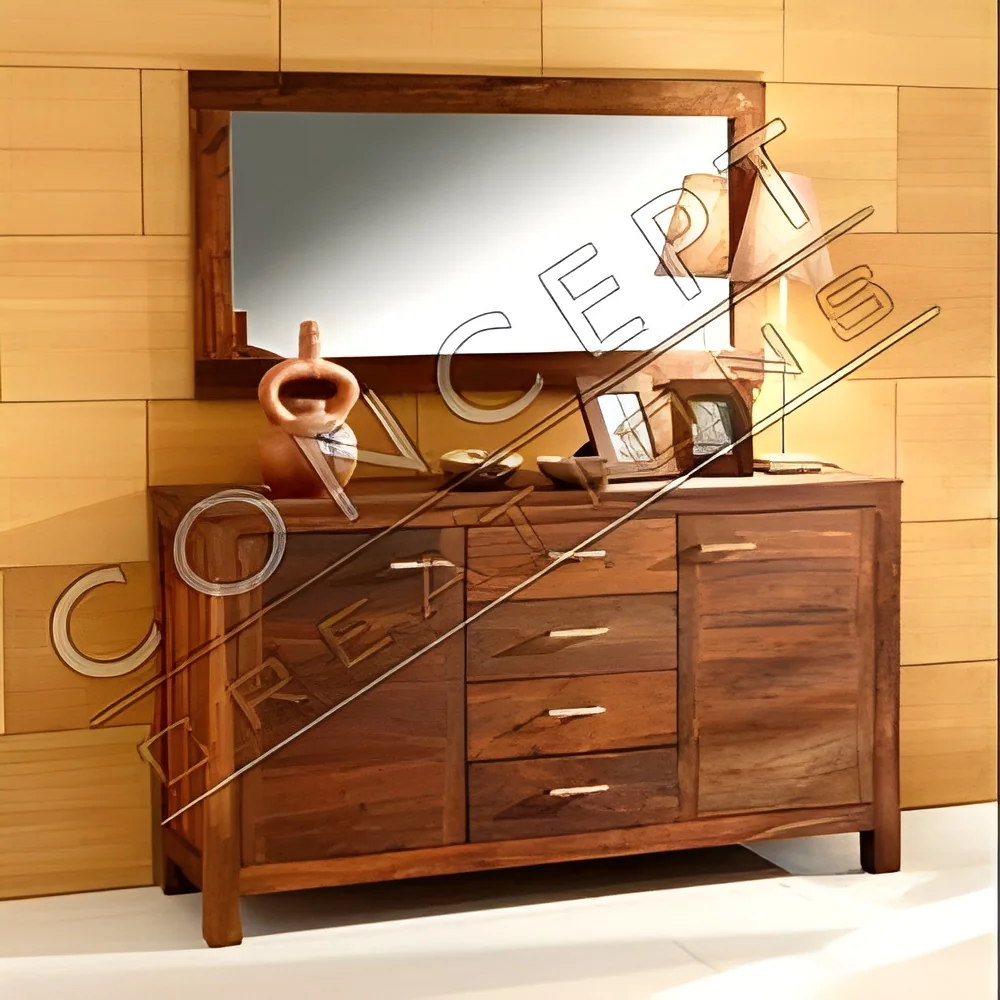
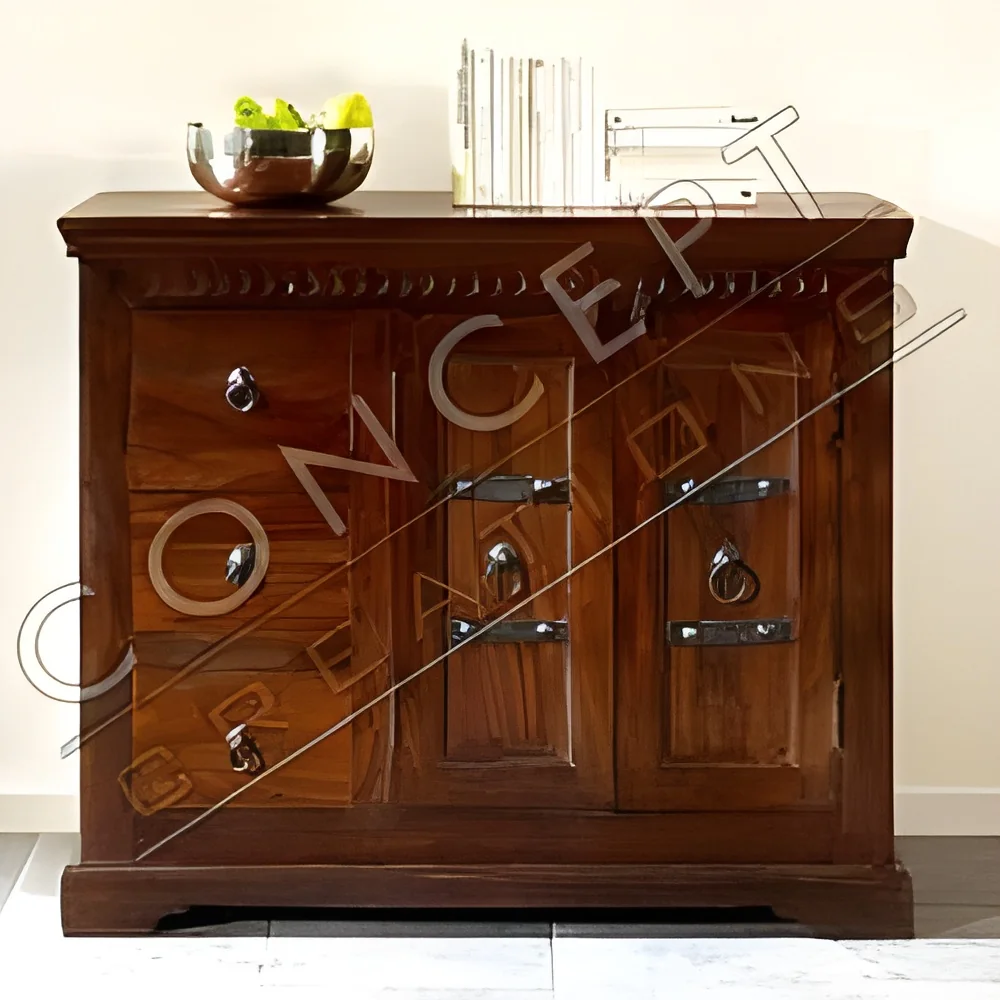
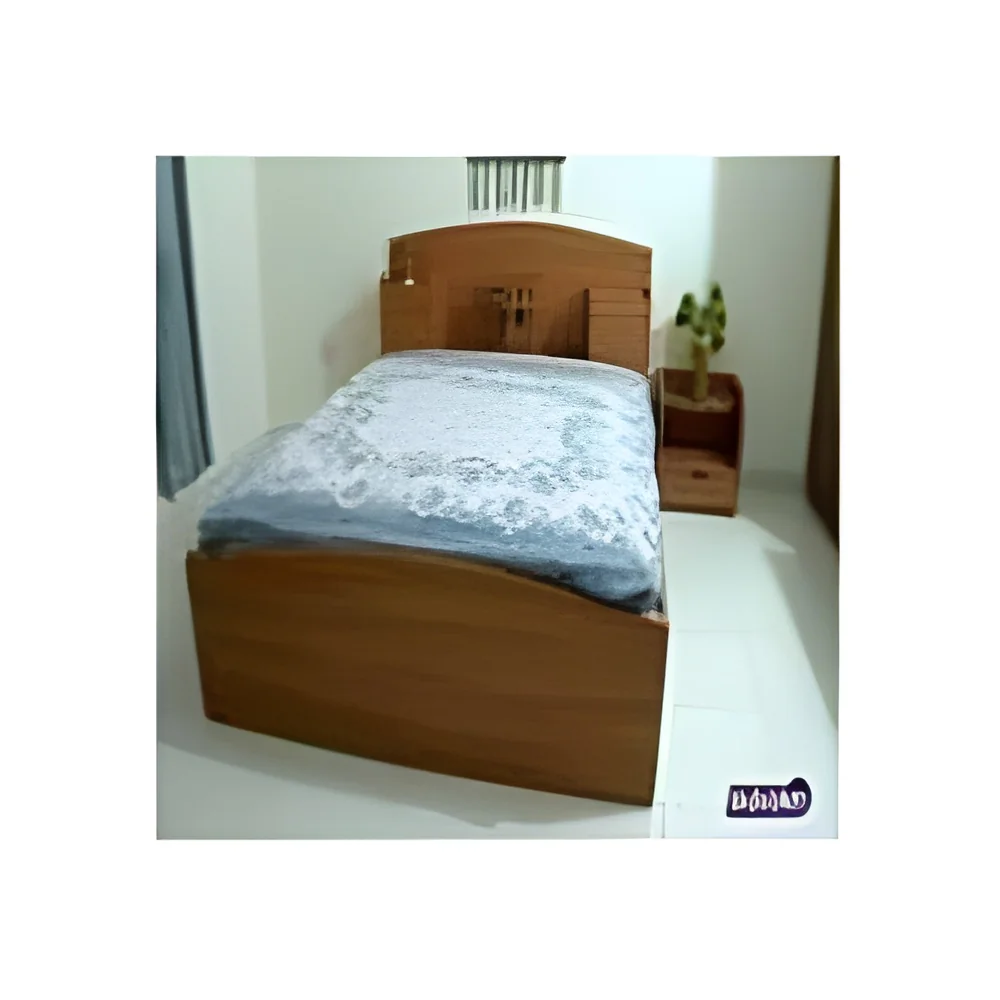
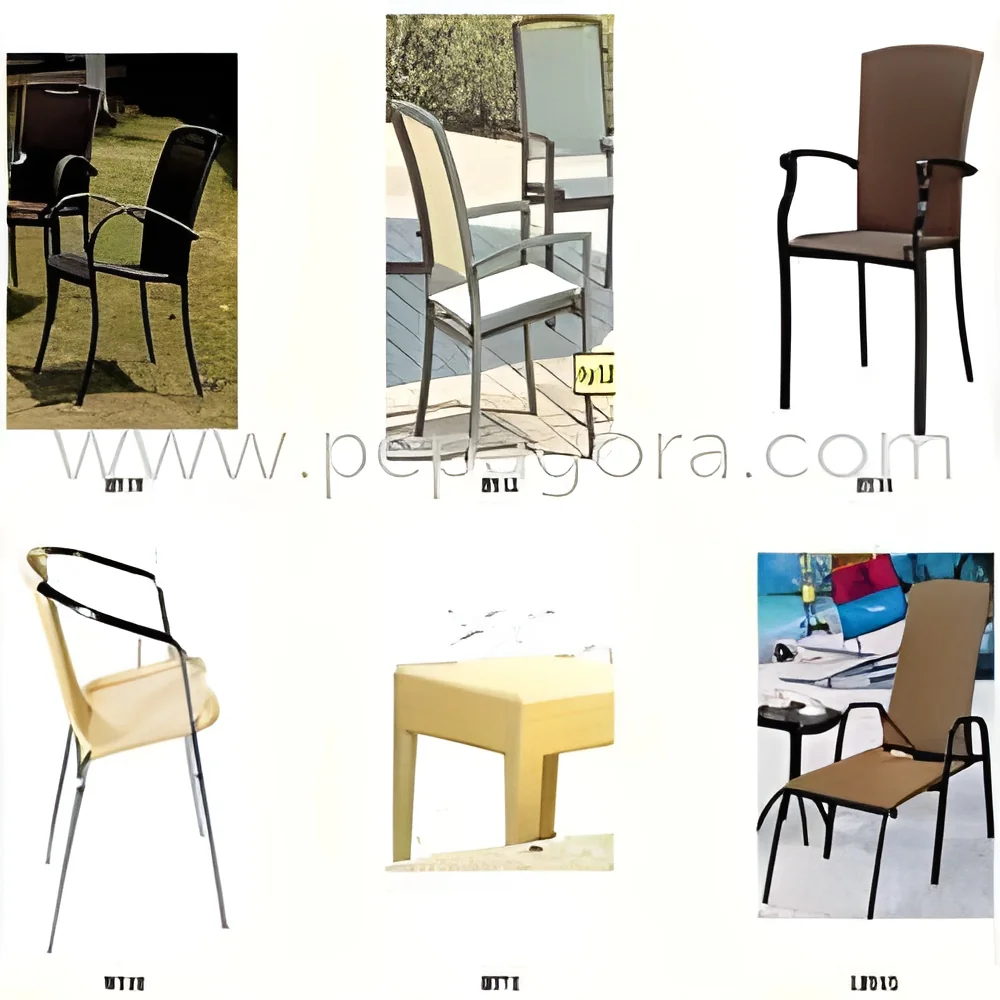
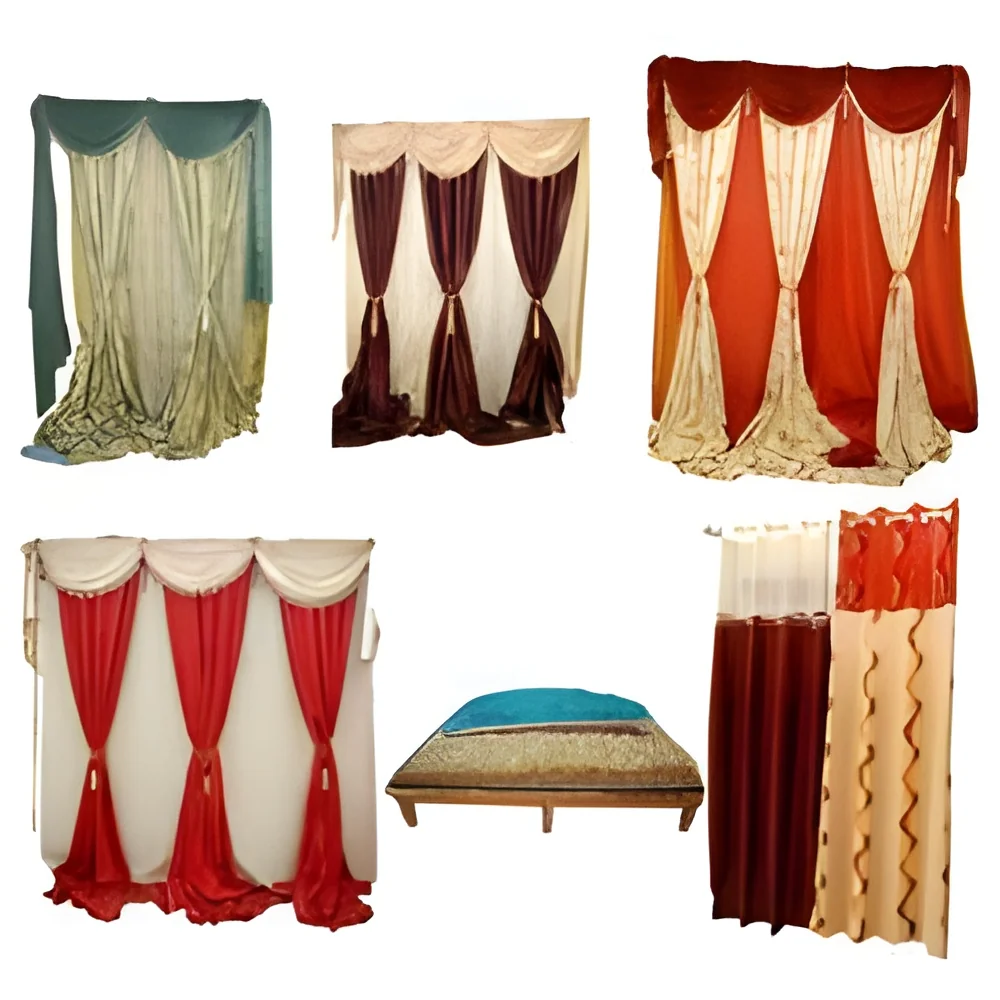
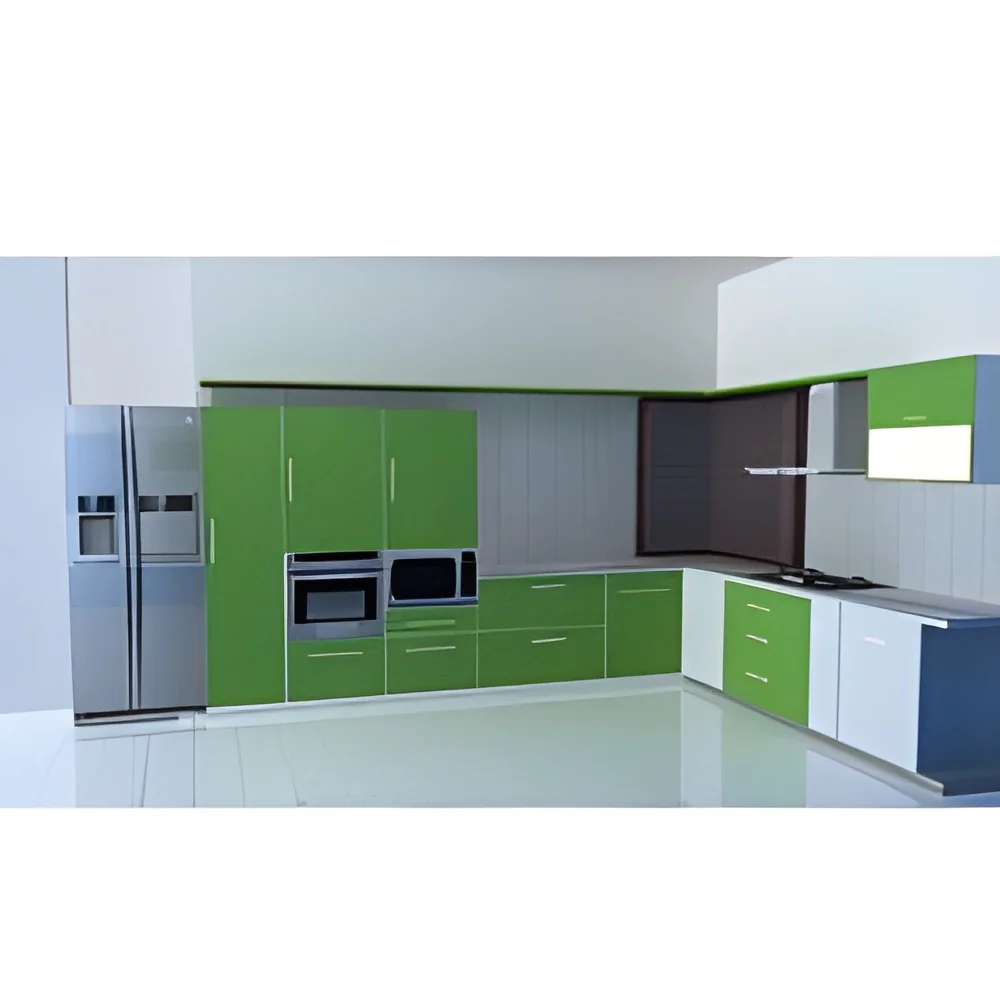
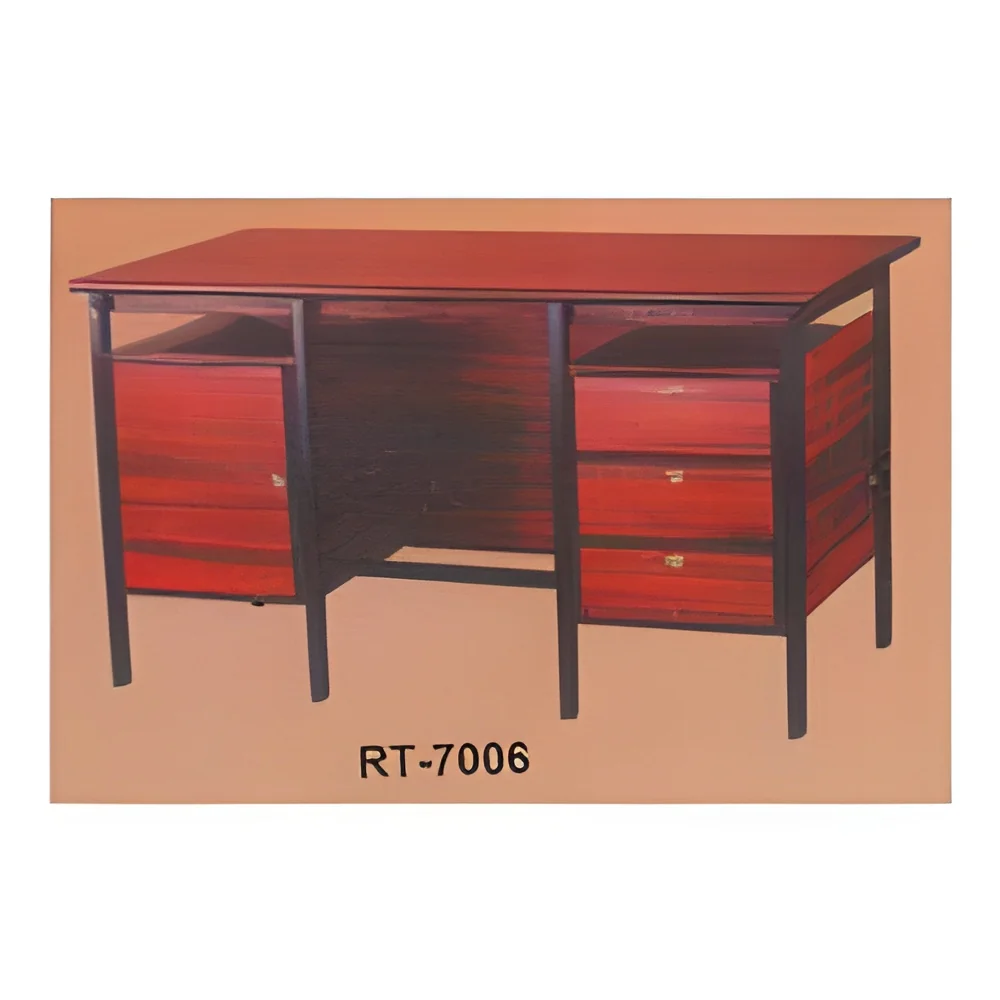
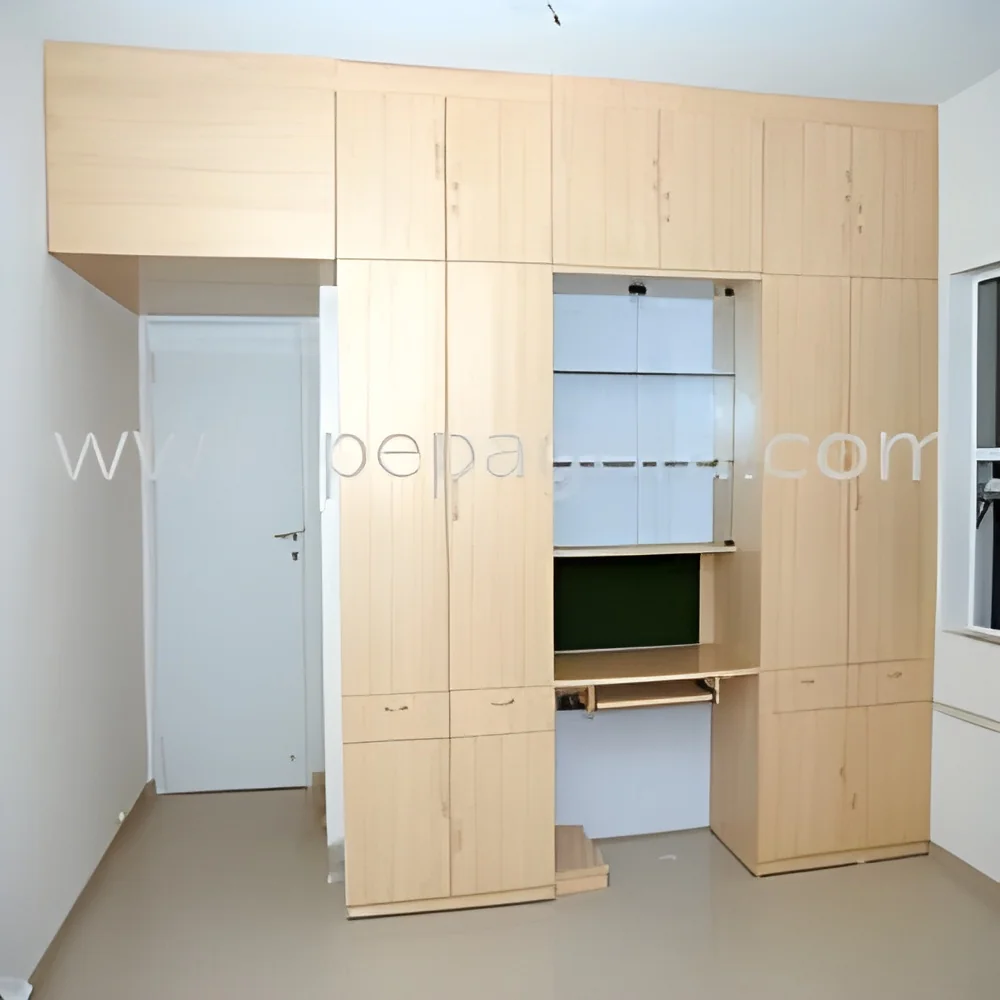
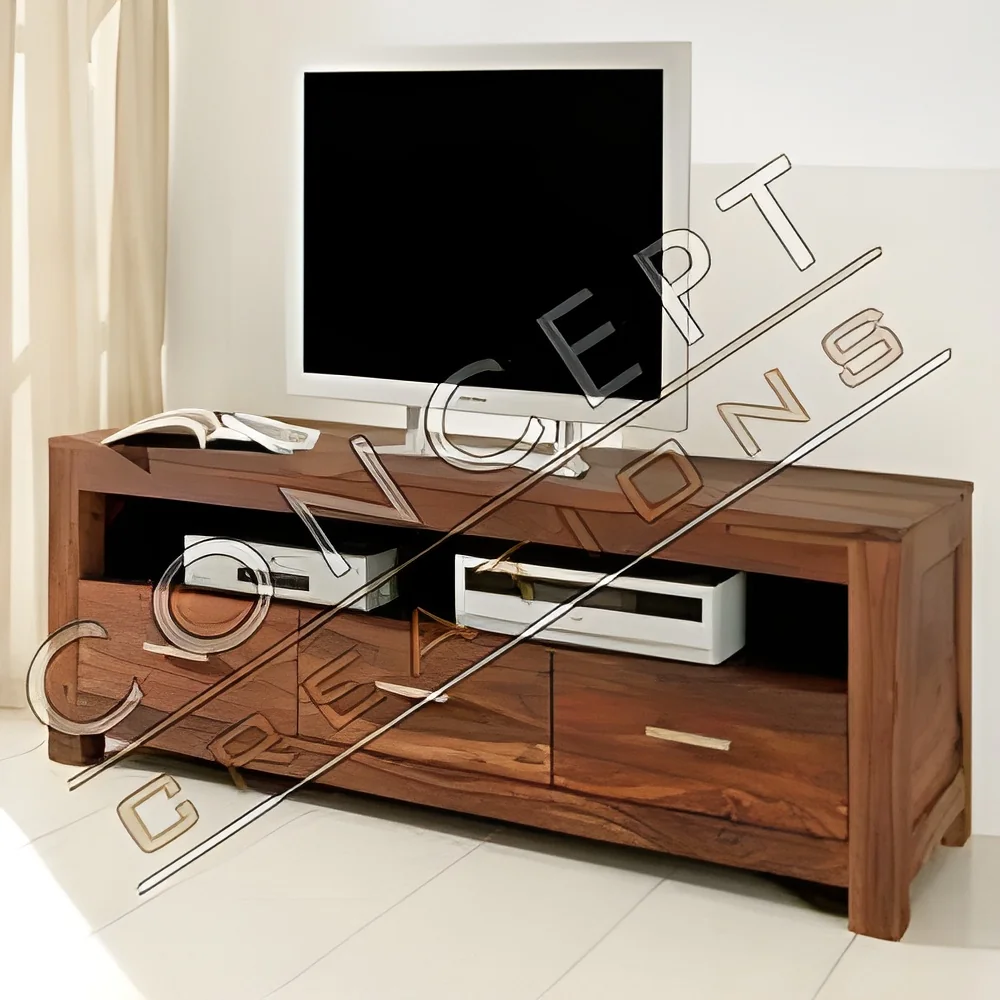
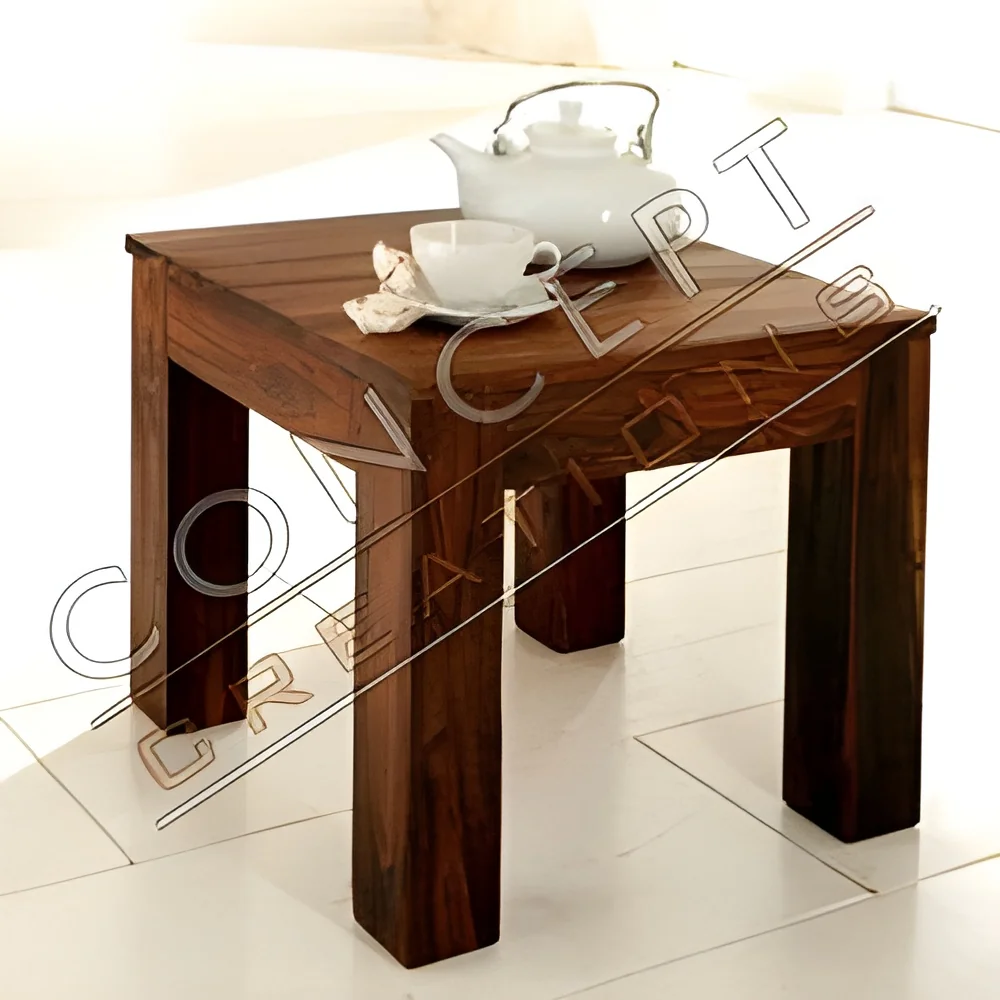
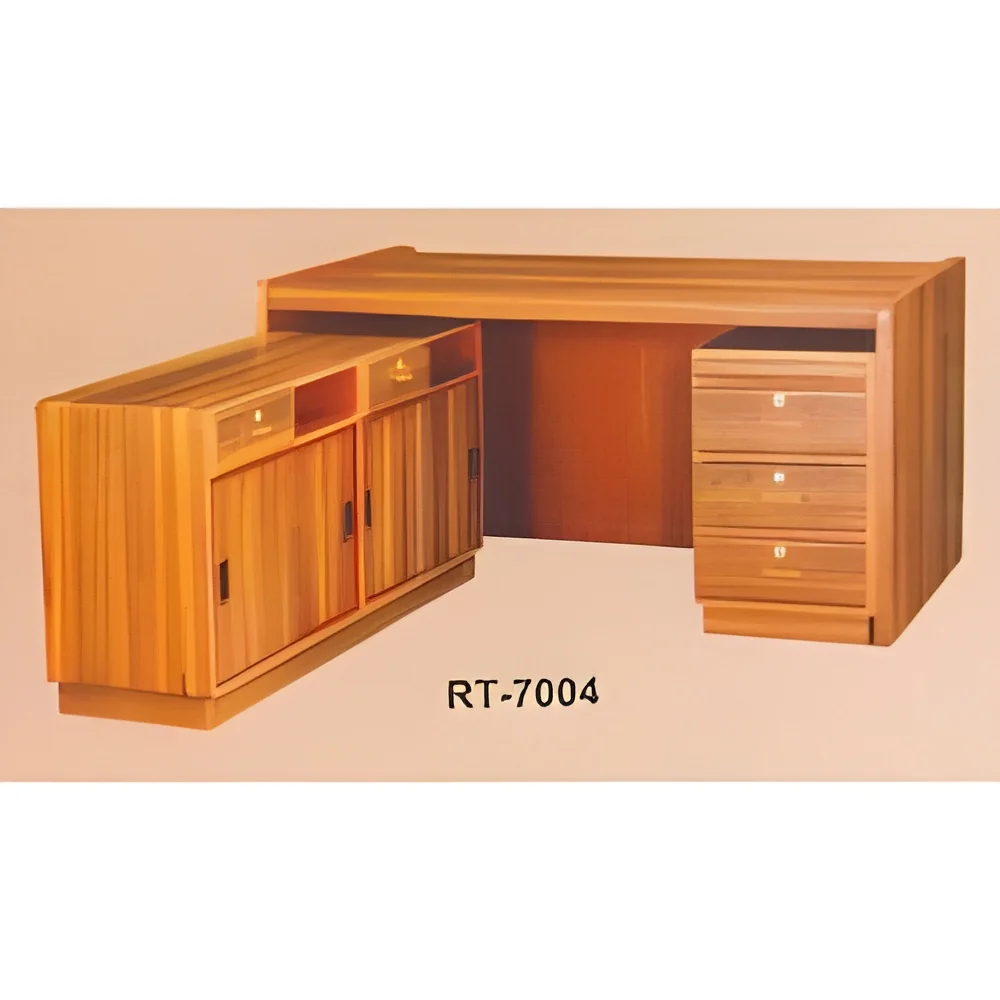
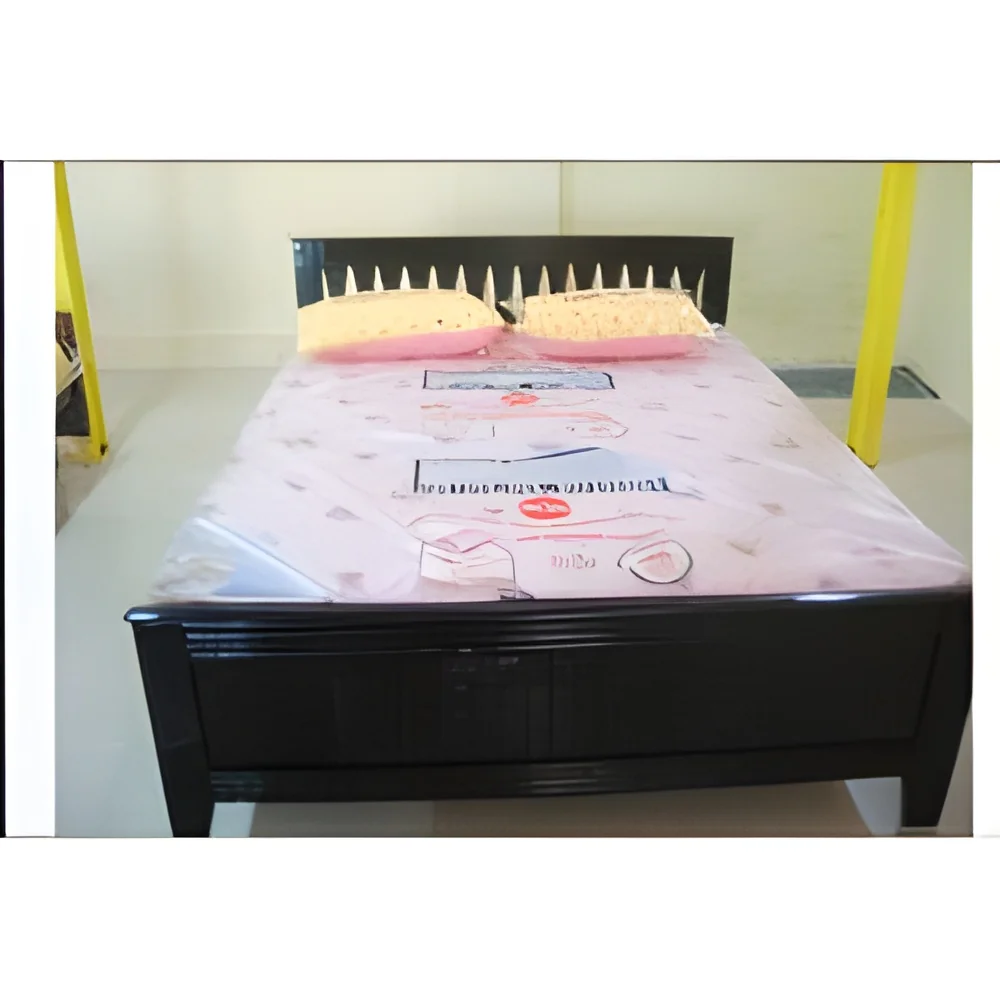
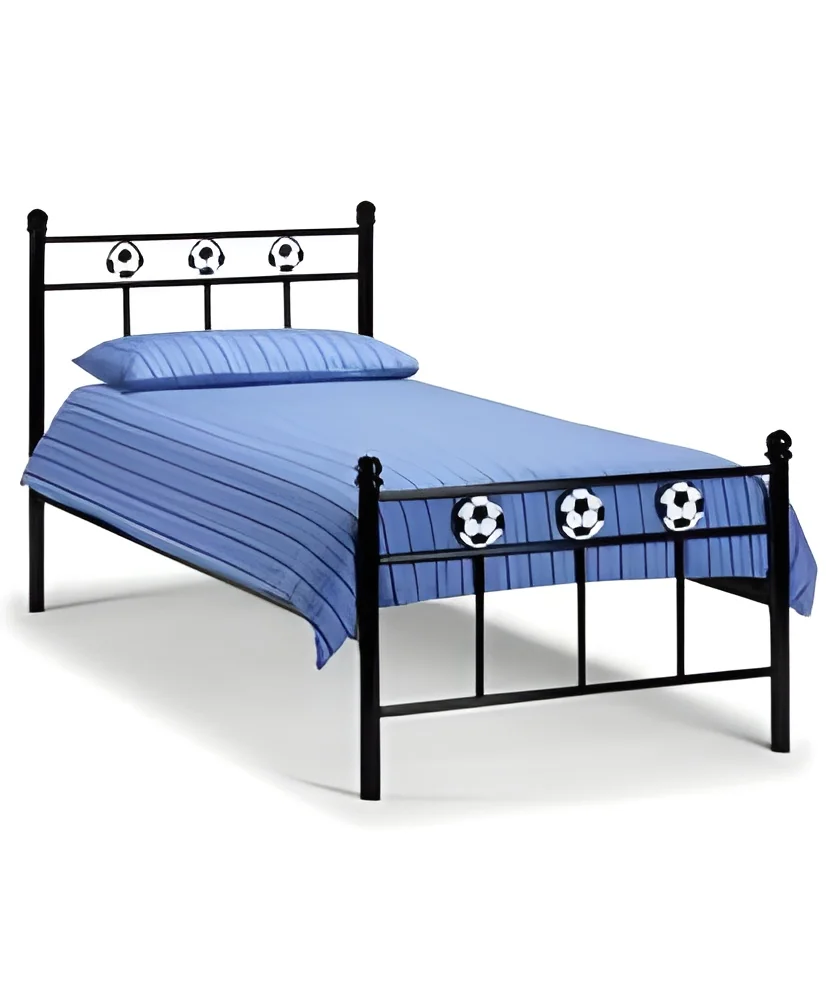
Other Home Furniture encompasses a diverse range of products designed to enhance residential spaces beyond the traditional categories of seating and storage. This category includes items that contribute to home aesthetics, functionality, and comfort. Examples may include decorative accents, shelving units, and specialty furniture designed for specific uses, such as home offices or playrooms.
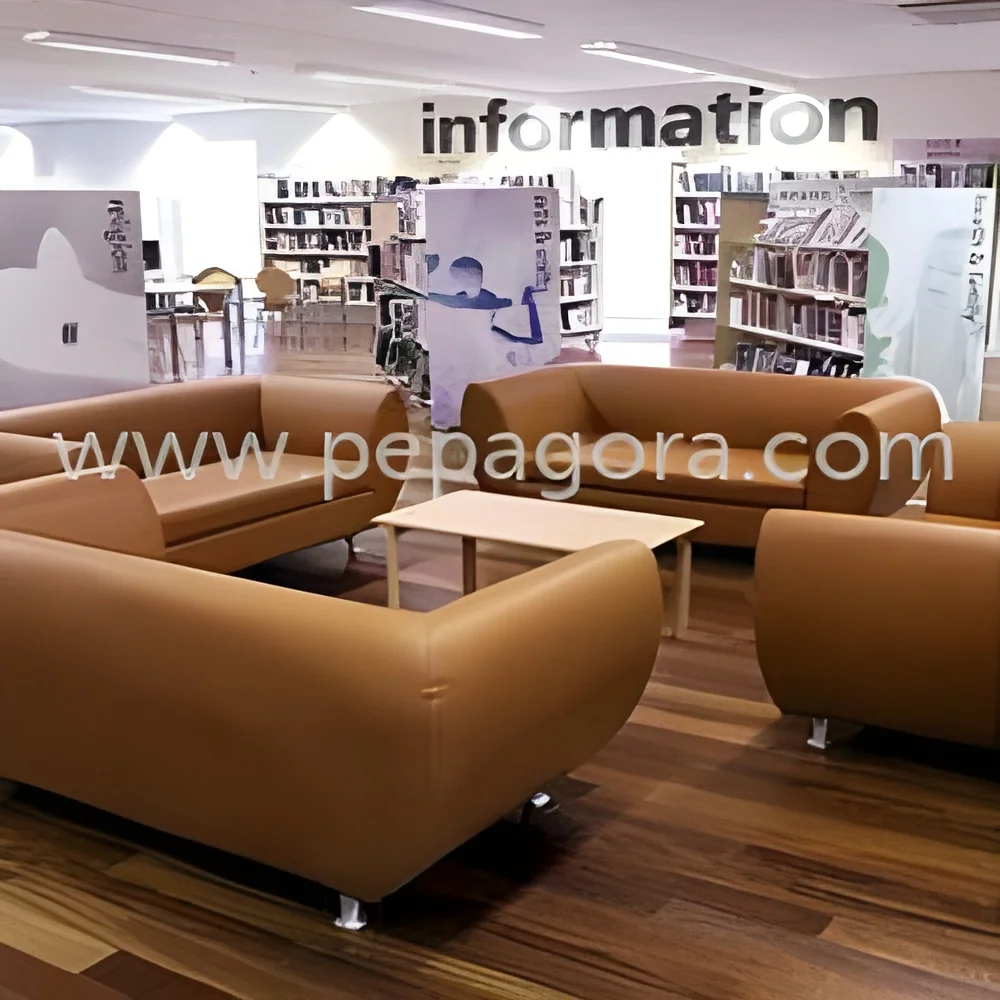
The primary applications of Other Home Furniture are found in both residential and commercial environments. In homes, these pieces serve to improve organization, provide additional storage, and add character to living spaces. In commercial settings, such as showrooms or offices, such furniture can play a critical role in creating an inviting atmosphere that promotes productivity and engagement.
From an industry perspective, the market for Other Home Furniture is growing as consumer preferences shift towards personalized and multifunctional designs. This category is particularly relevant as businesses and homeowners look for innovative solutions that maximize space without sacrificing style.
Key Features and Specifications
When considering Other Home Furniture, it is essential to understand the features and specifications that differentiate these products. Variability in materials, design, and functionality is common, and these factors can significantly influence the selection process.
Key specifications include:
1. Material Composition
- Common materials include wood, metal, plastic, and upholstery.
- Each material provides different levels of durability, aesthetics, and maintenance requirements.
2. Size and Dimensions
- Products are available in various sizes to accommodate different spaces.
- Custom dimensions may also be available to meet specific requirements.
3. Weight Capacity
- Each item has a specified weight limit for safety and functionality.
- It is crucial to consider this when selecting furniture for specific uses.
4. Design Style
- Options range from modern to traditional, catering to diverse tastes.
- Aesthetic appeal can significantly impact consumer choice.
5. Assembly Requirements
- Some furniture pieces come pre-assembled, while others require assembly.
- Clear instructions and necessary tools should be provided with products.
6. Finish Options
- Available finishes can include matte, glossy, or textured.
- These options can enhance durability and aesthetics.
7. Customization Options
- Certain manufacturers may offer customization for color, size, or features.
- This allows for tailored solutions that fit specific needs.
8. Warranty and Support
- Many products come with warranties that cover defects and damages.
- Customer support is also an essential aspect of the buying experience.
In summary, understanding these specifications helps buyers make informed decisions that align with their functional requirements and aesthetic preferences.
Common Applications and Use Cases
Other Home Furniture serves a variety of industries, each with unique applications that highlight the versatility of these products.
1. Residential Homes: This industry utilizes furniture to optimize living spaces, improve organization, and enhance aesthetic appeal, contributing to a comfortable home environment.
2. Hospitality Sector: Hotels and restaurants often incorporate decorative and functional furniture to create inviting atmospheres for guests, which can influence their overall experience and satisfaction.
3. Office Environments: Businesses use specialized furniture to create productive workspaces, providing employees with comfort and functionality. This includes items like ergonomic office chairs and collaborative workstations.
4. Retail Spaces: Stores and showrooms leverage furniture to display products and create engaging shopping experiences. The right furniture can help attract customers and drive sales.
5. Educational Institutions: Schools and universities utilize furniture to create functional learning environments. This can include desks, chairs, and storage solutions tailored to educational needs.
6. Healthcare Facilities: Hospitals and clinics require furniture that supports both patient comfort and operational efficiency, including waiting room seating and examination room tables.
7. Event Planning: Furniture rentals for events such as weddings or corporate gatherings are common, where versatility and style are crucial for creating the right ambiance.
Product Variants and Subcategories
The diversity of Other Home Furniture allows for various variants tailored to specific needs and preferences.
Storage Solutions
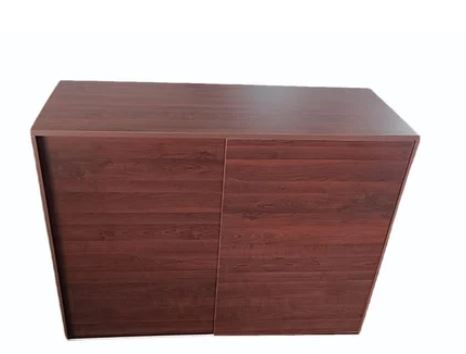
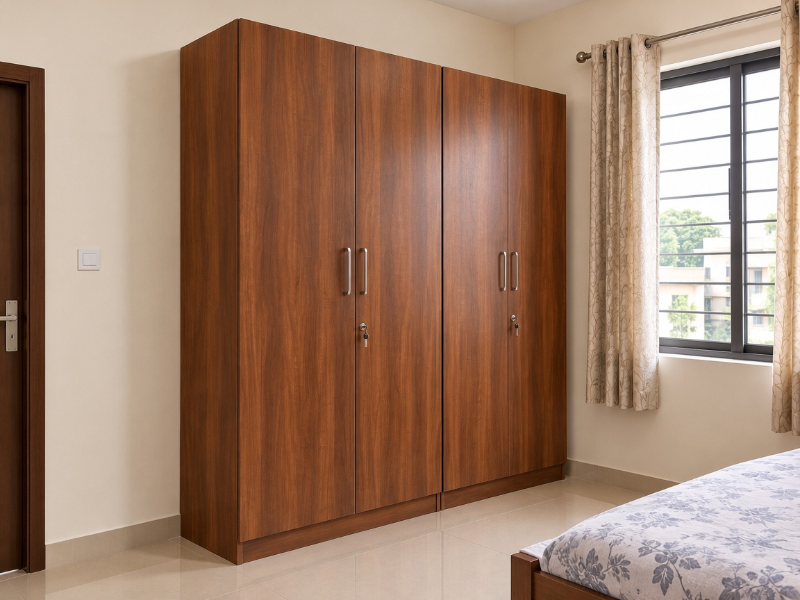
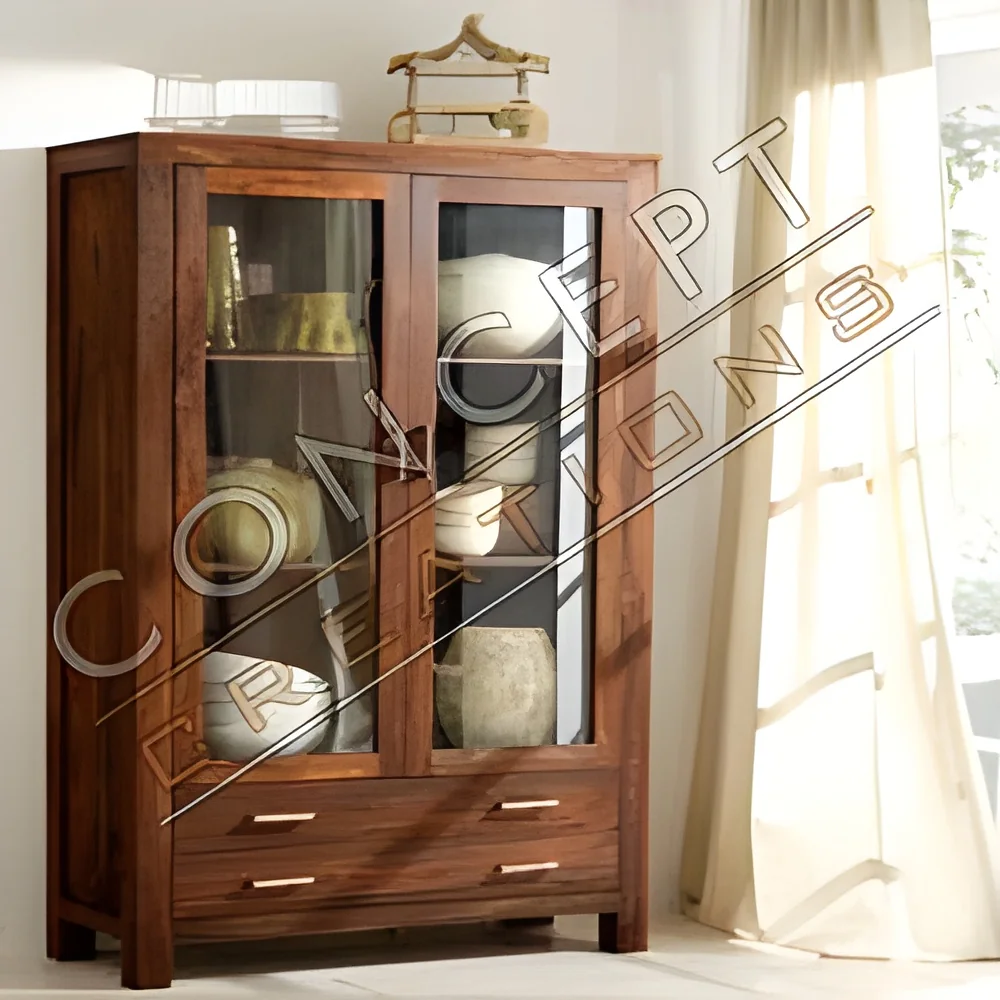
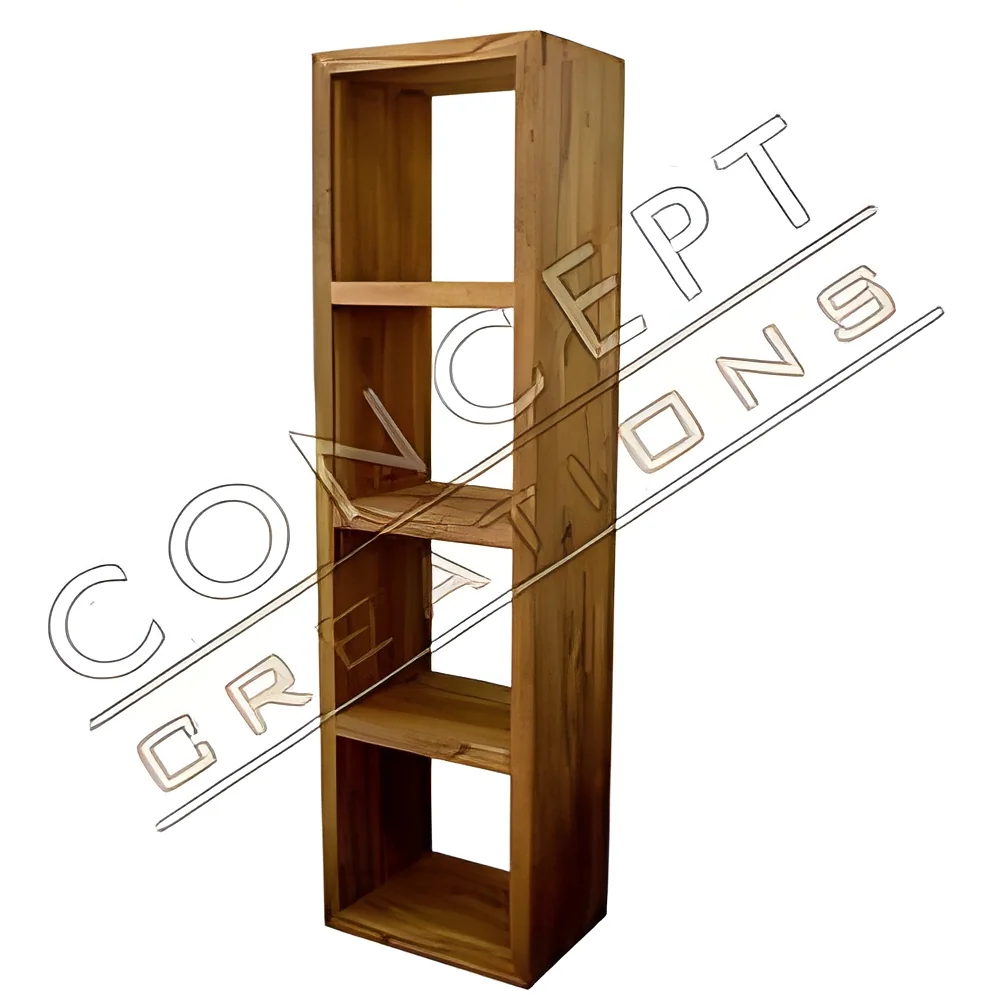
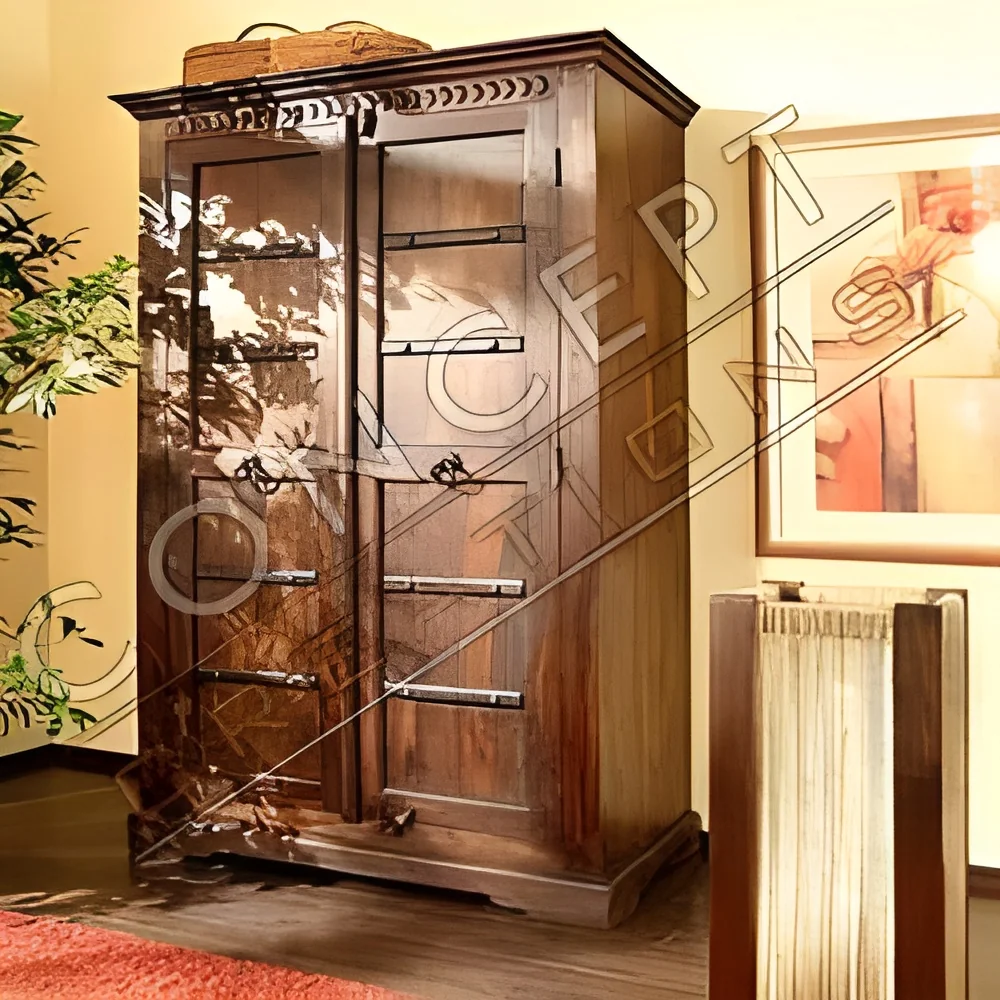
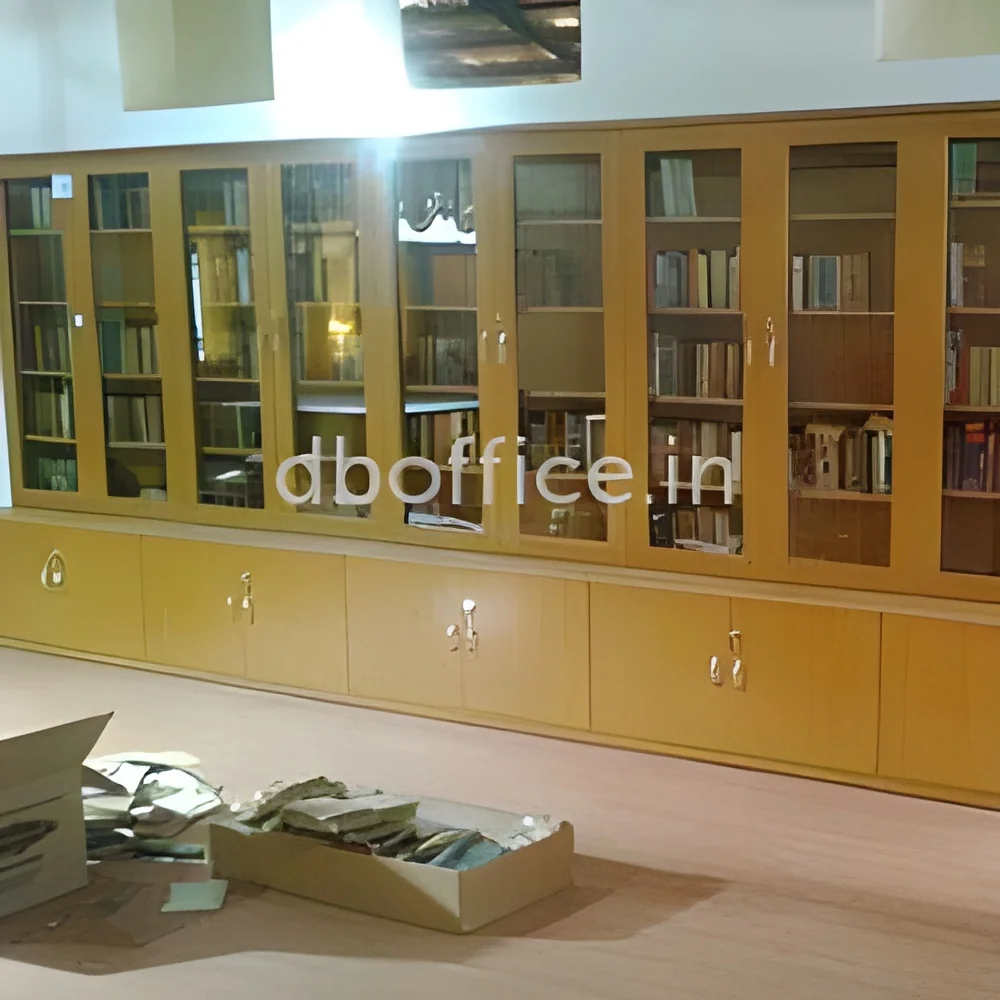
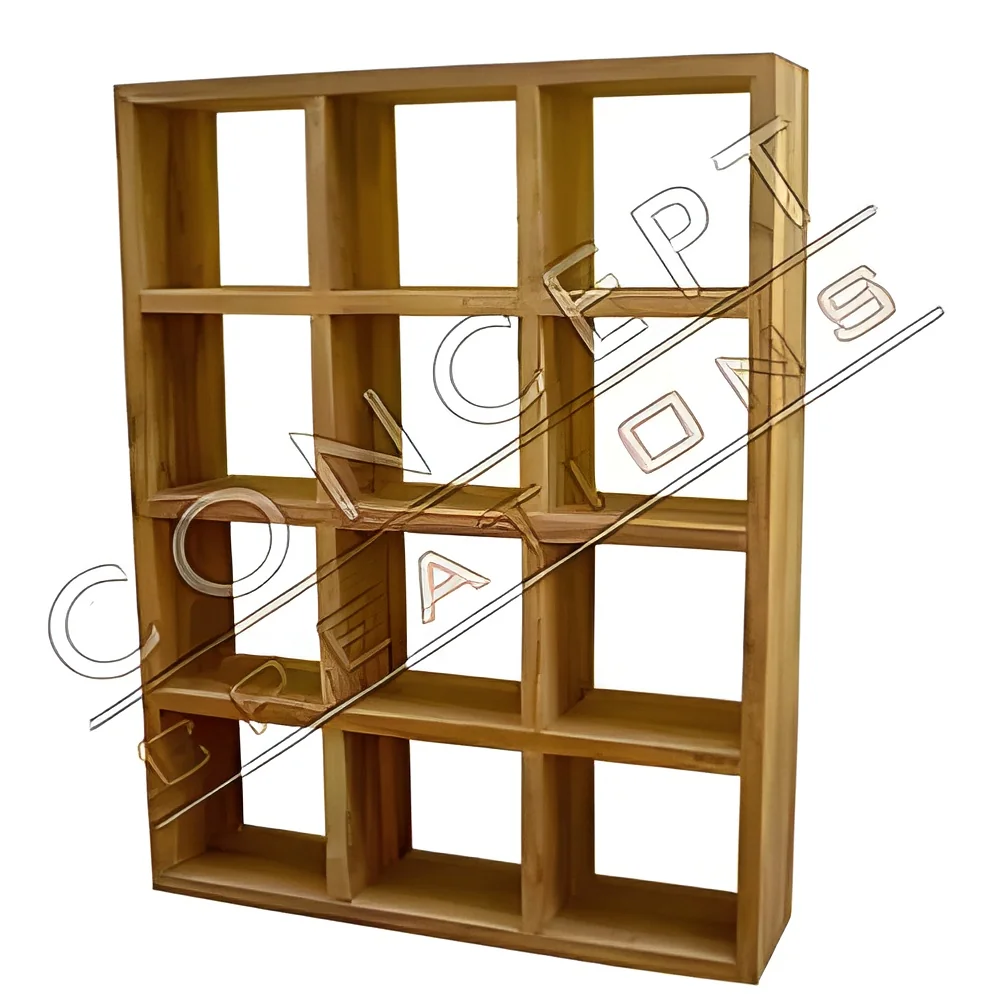
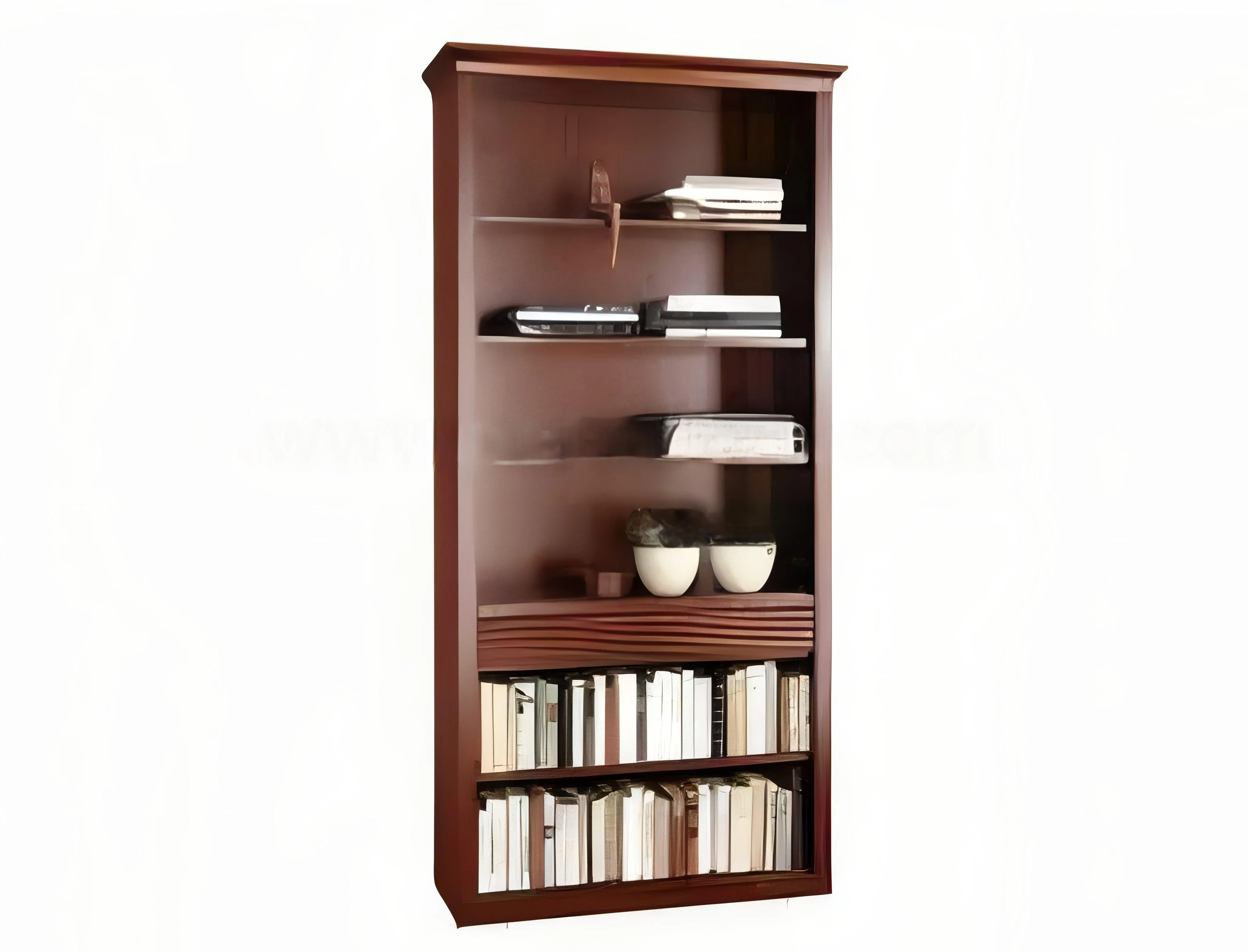
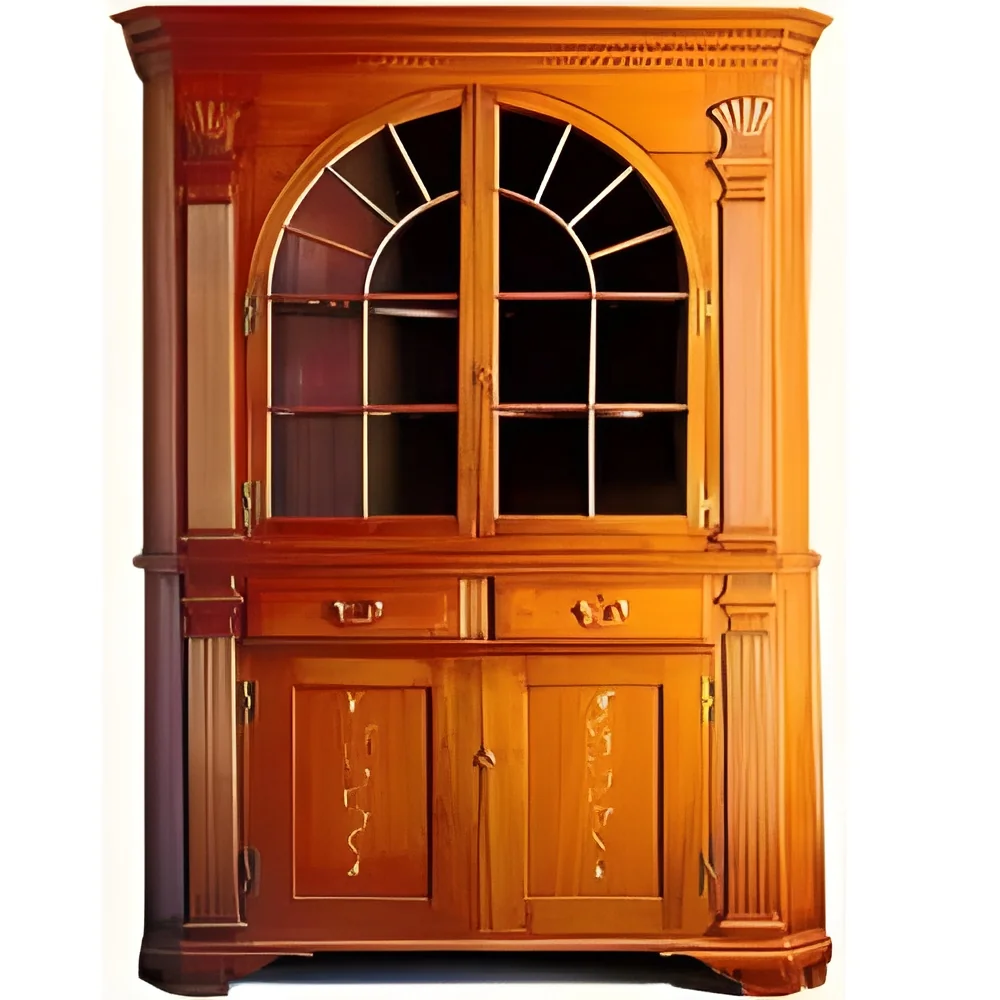
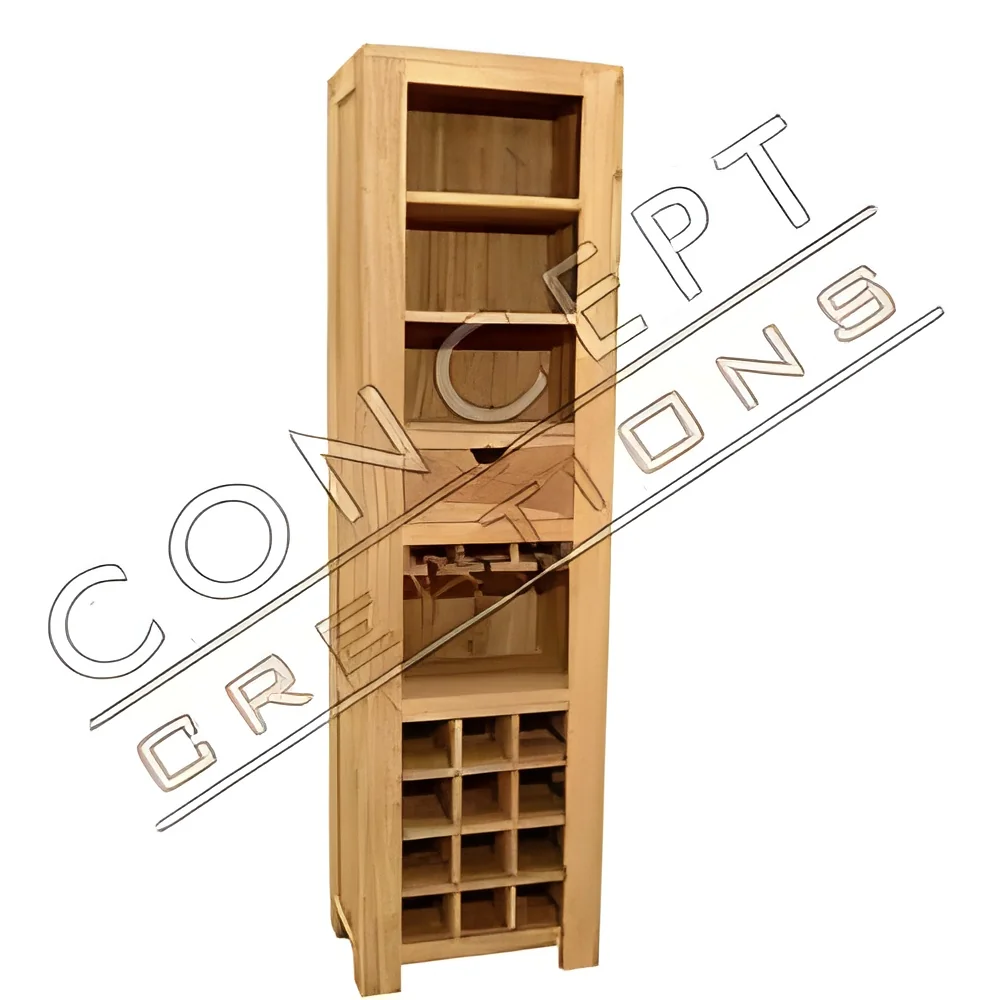
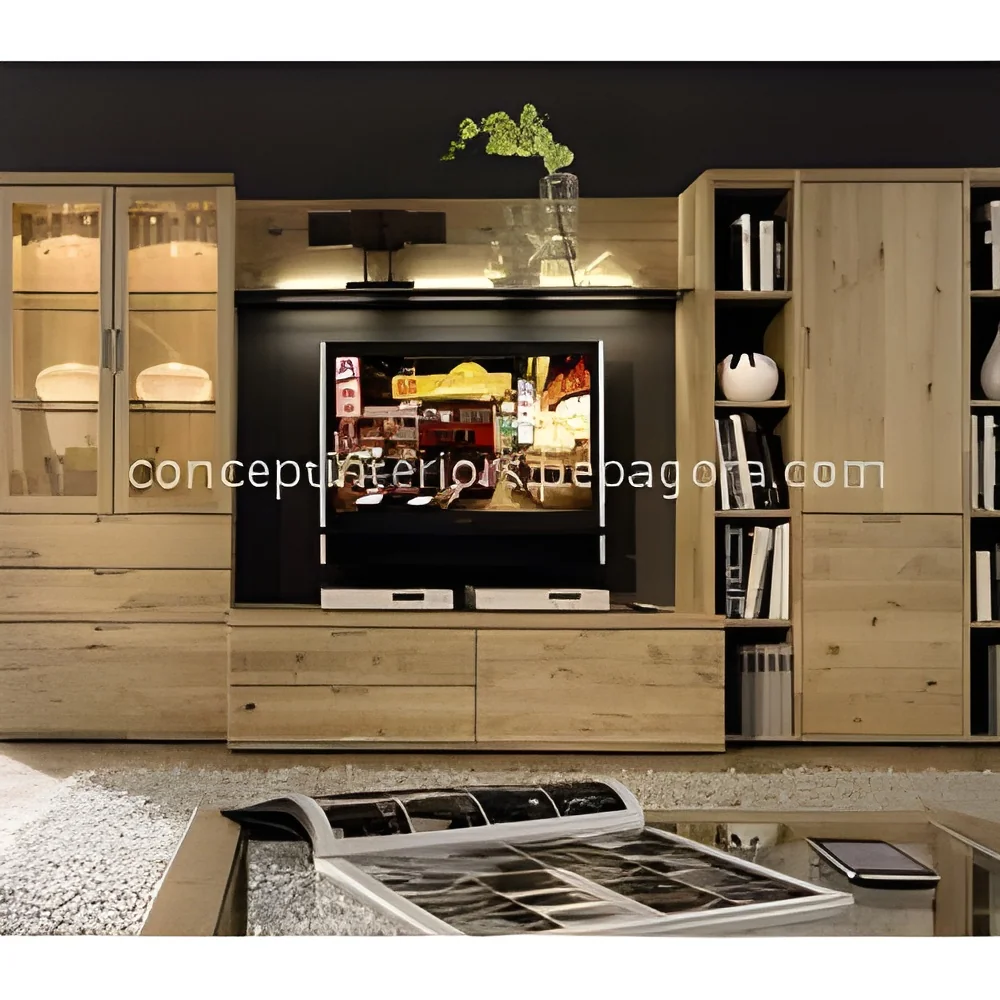
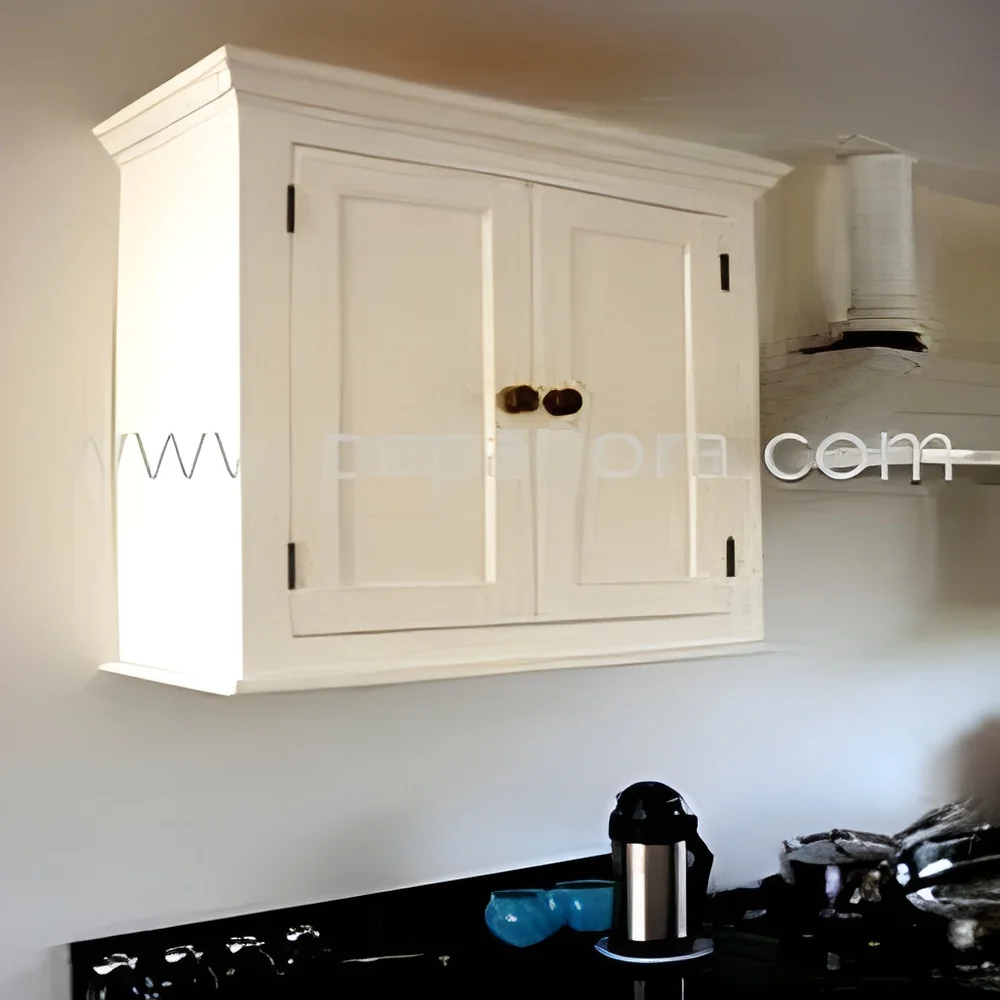
These include cabinets, bookshelves, and shelving units designed to maximize organization and space efficiency. They can feature adjustable shelves and lockable options for security.
Accent Furniture
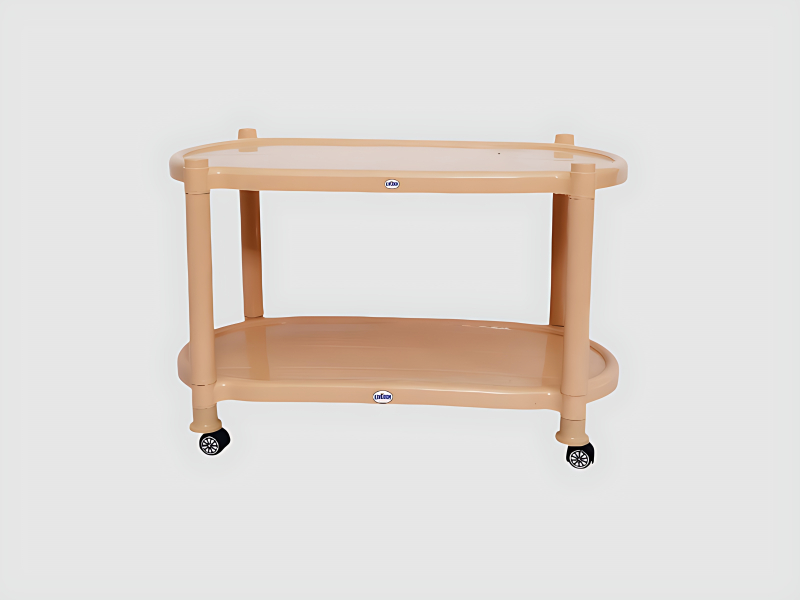
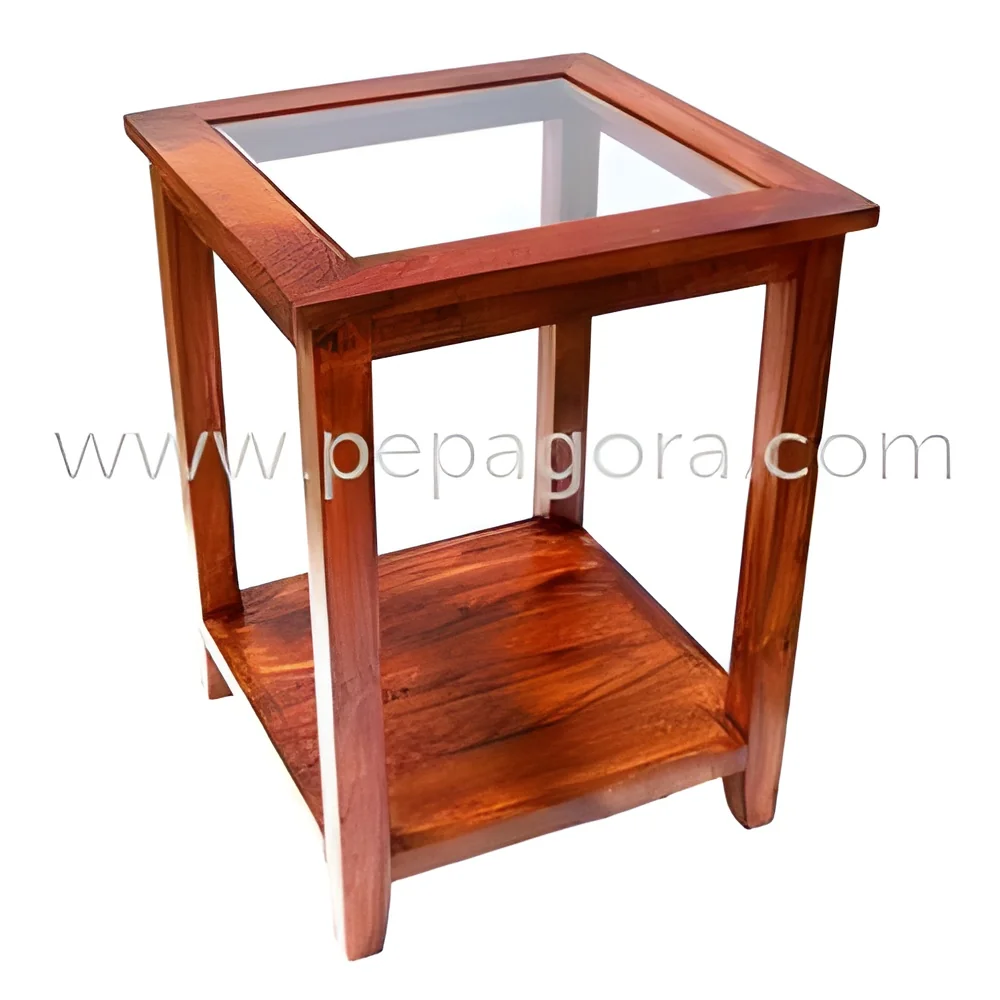
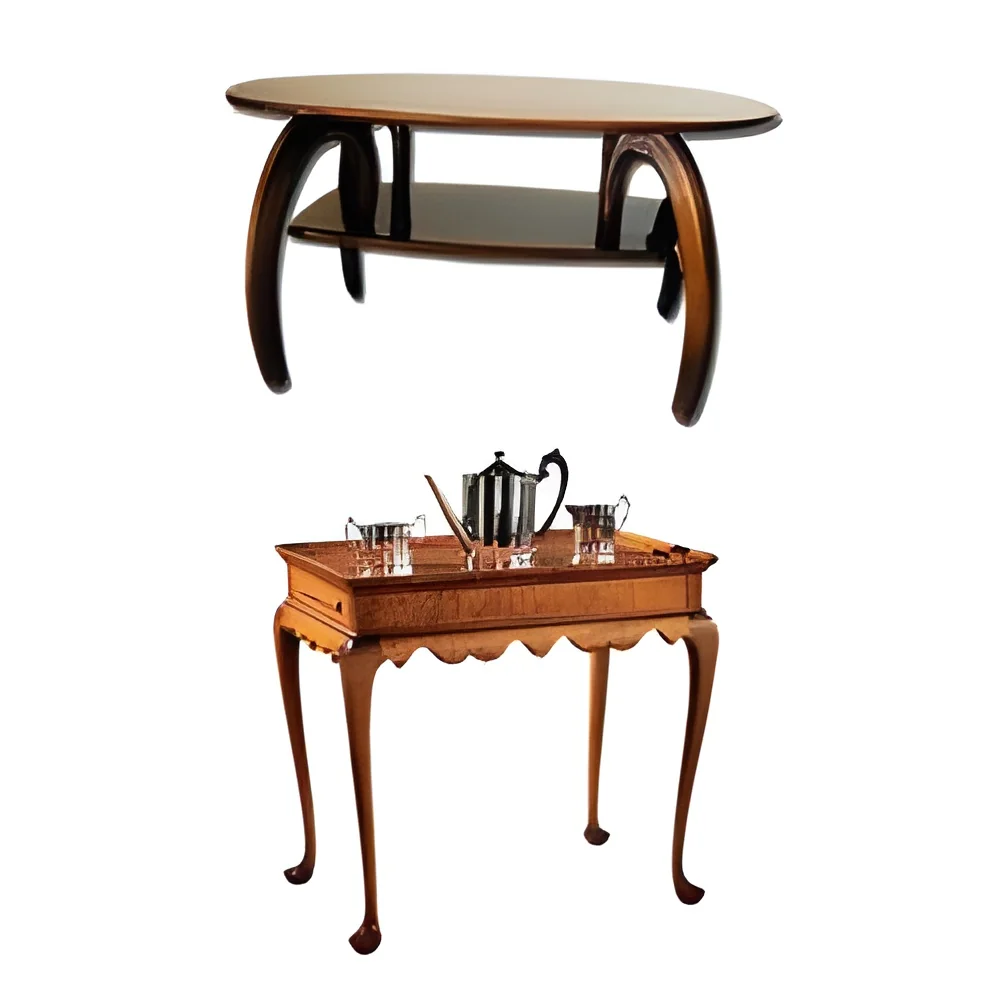
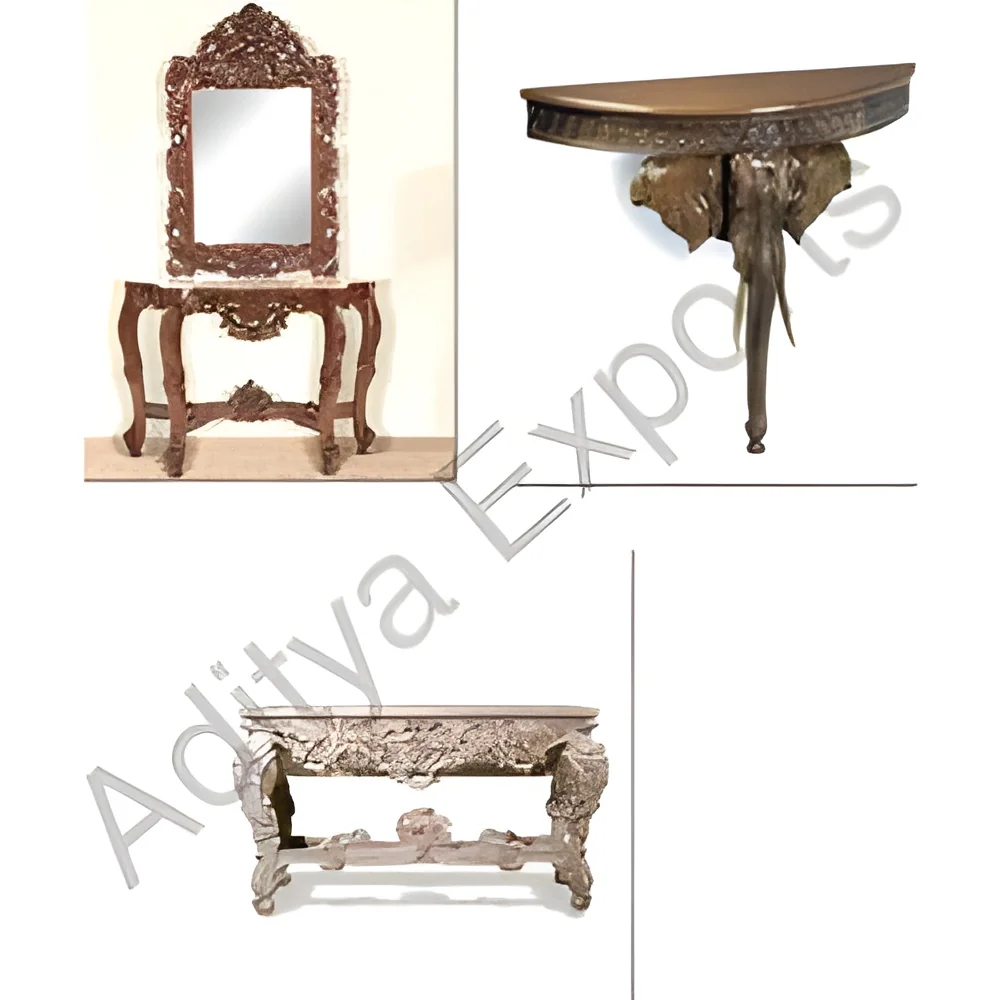
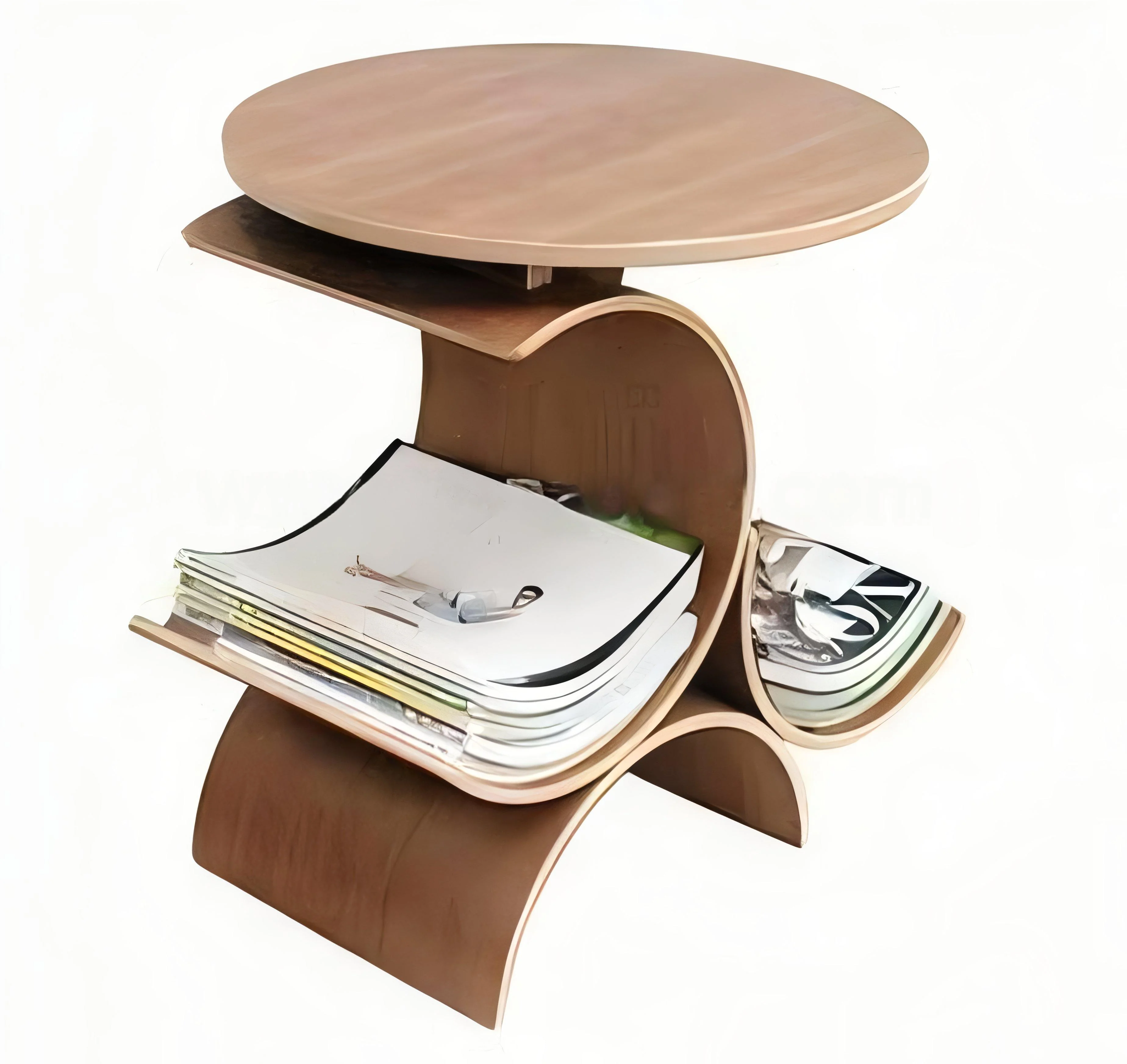
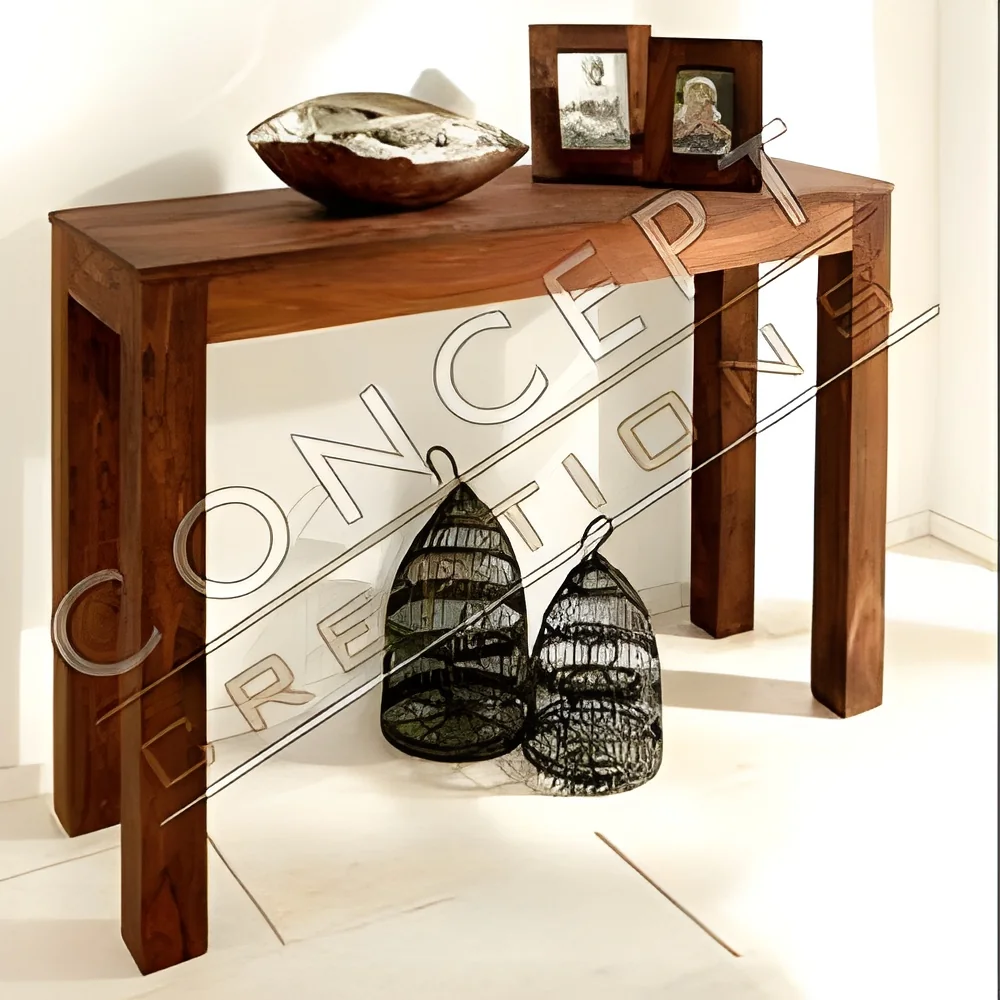
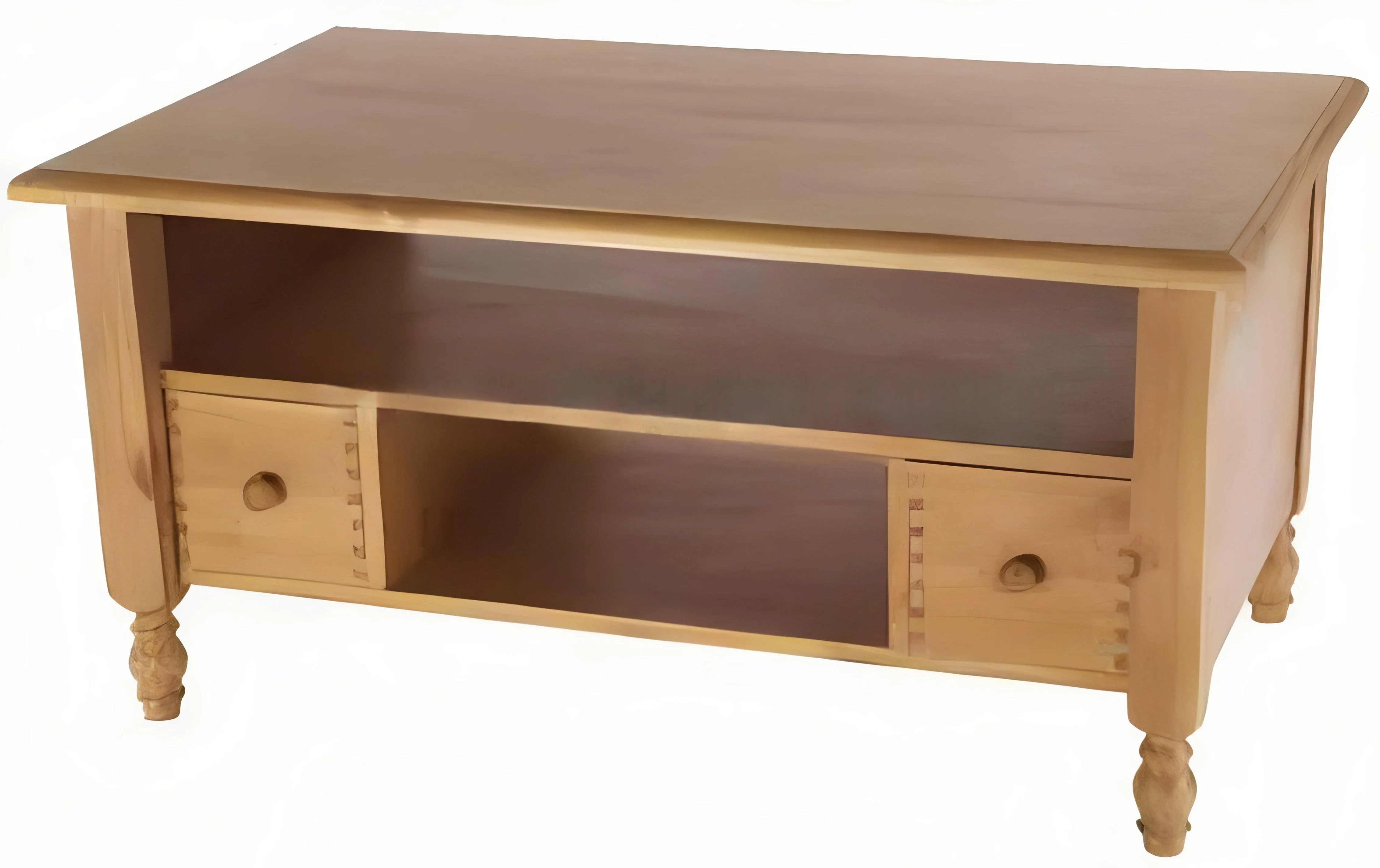
This category includes decorative items such as side tables, ottomans, and console tables. These pieces often serve as focal points in a room, combining functionality with design.
Home Office Furniture
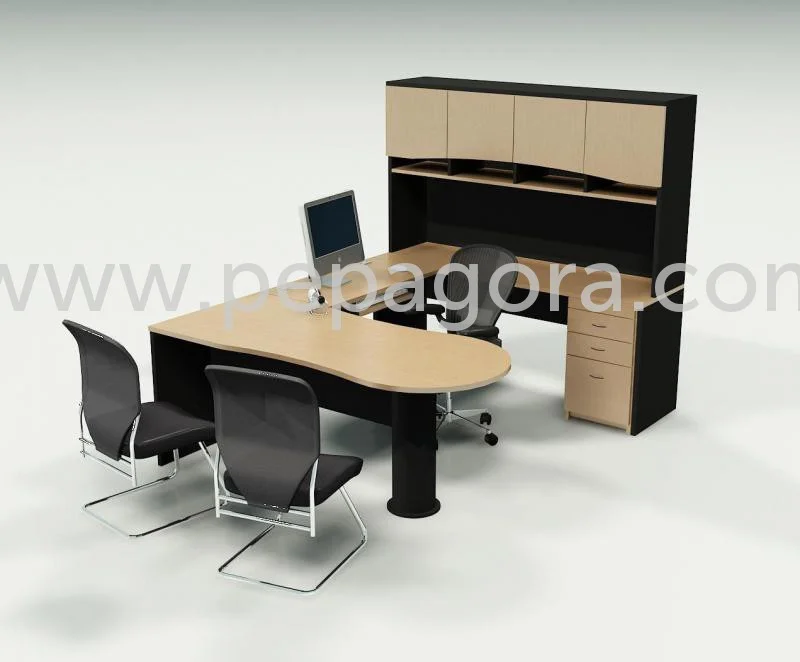
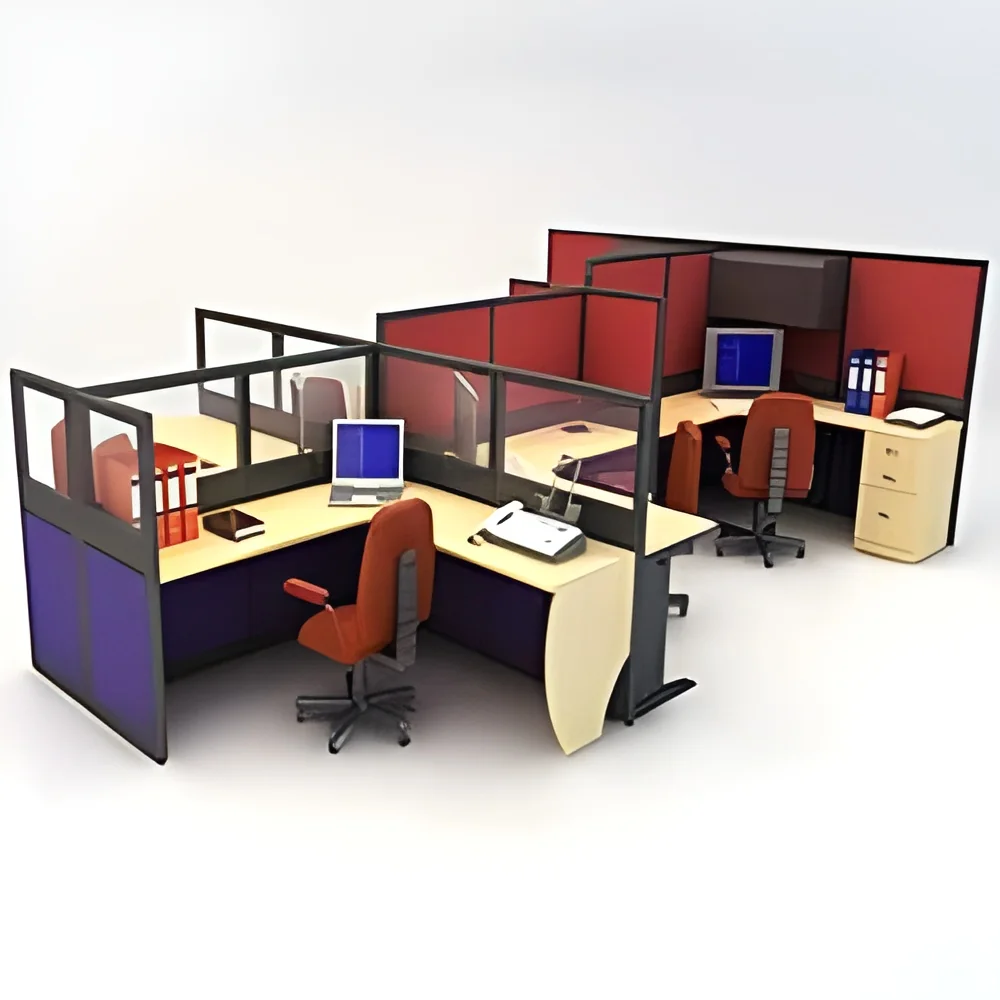
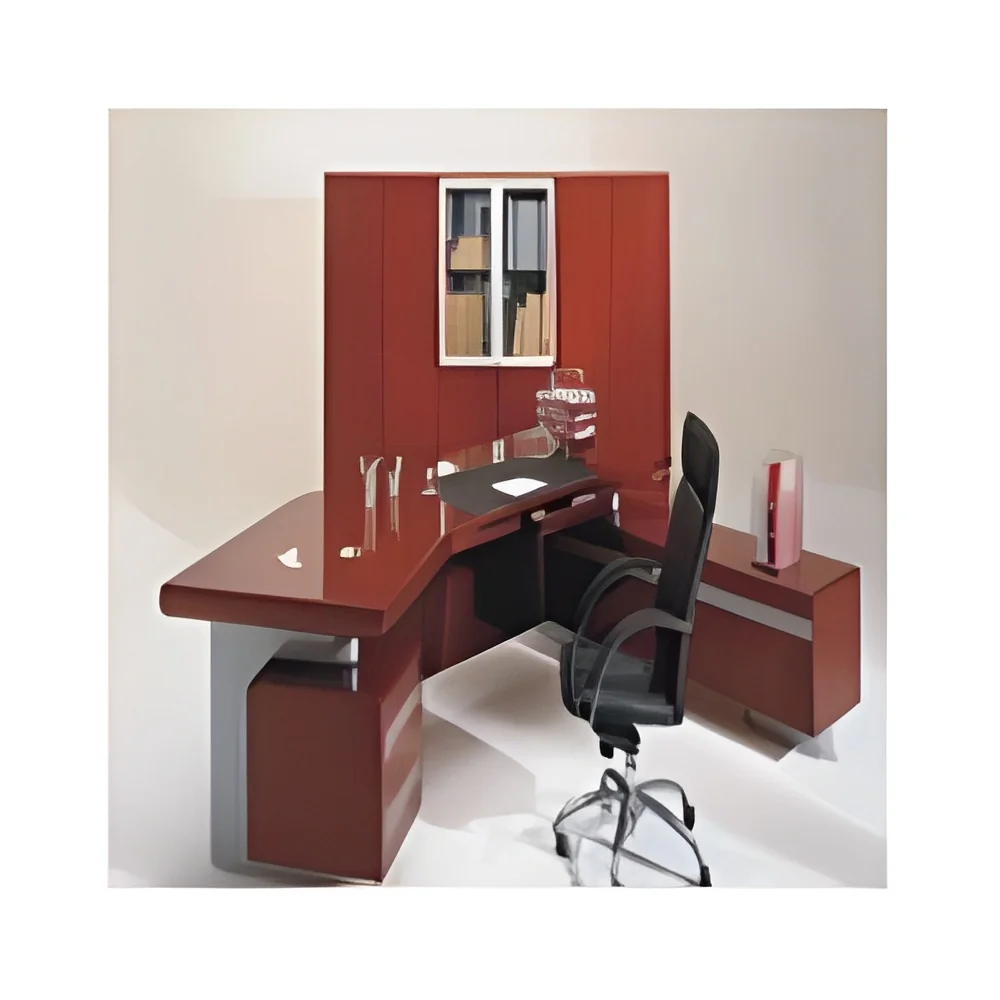
With the rise of remote work, this variant includes desks, ergonomic chairs, and storage solutions specifically designed for productivity and comfort in home office setups.
Foldable and Multi-functional Furniture
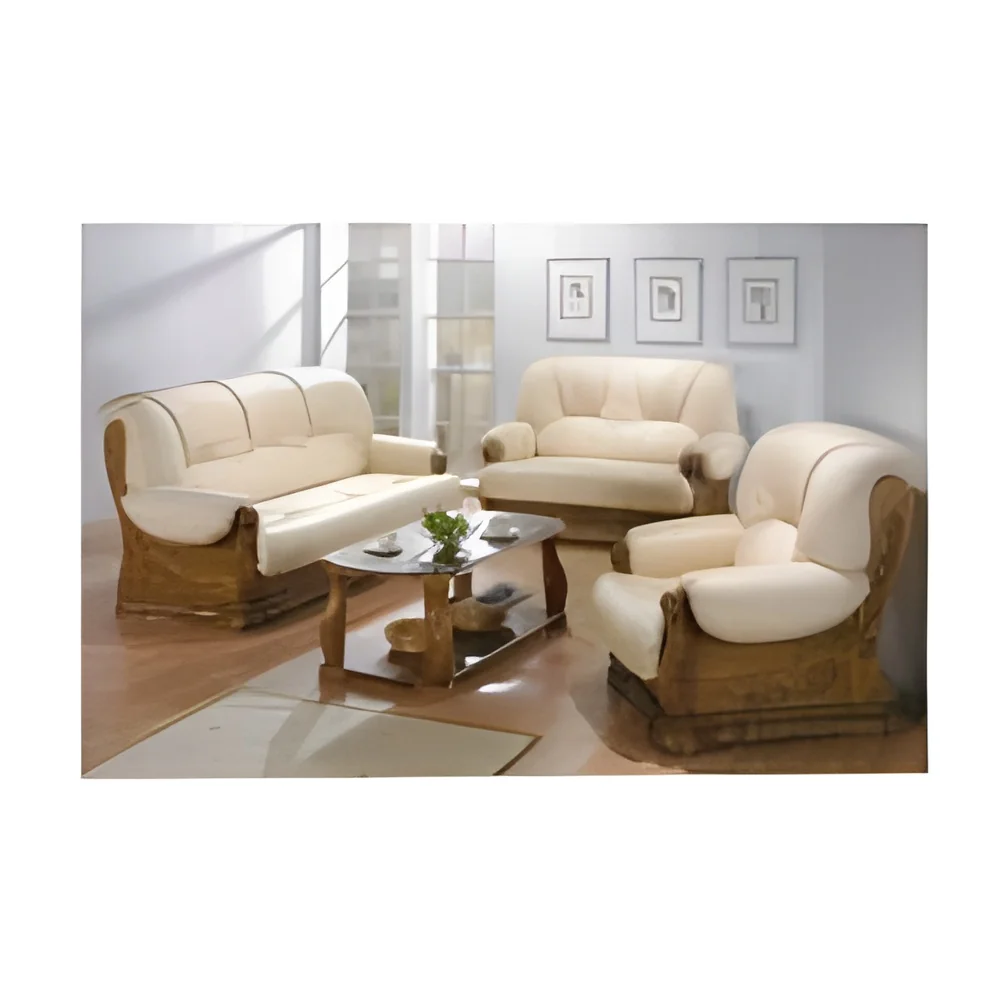
These pieces are designed for versatility, allowing for easy storage and adaptability. Examples include foldable tables and convertible sofas, ideal for smaller spaces.
Benefits and Advantages
Choosing Other Home Furniture offers several advantages that enhance both functionality and aesthetics in various settings.
1. Space Optimization: Many products are designed to maximize limited space, providing storage solutions without compromising style.
2. Customization Potential: The ability to customize furniture allows businesses and homeowners to create environments that reflect their unique identities and requirements.
3. Aesthetic Appeal: With diverse styles available, Other Home Furniture can significantly enhance the visual aspects of any space, contributing to a cohesive design.
4. Durability: High-quality materials ensure that furniture stands up to daily use, making it a worthwhile investment in both residential and commercial applications.
5. Versatility: Many items can serve multiple purposes, reducing the need for excess furniture and allowing for adaptable living and working conditions.
6. Improved Functionality: Specific designs cater to unique needs, such as ergonomic considerations in office furniture, which can increase productivity and comfort.
Buying Guide for B2B Buyers
When sourcing Other Home Furniture, buyers should consider several critical factors to ensure they make informed decisions.
1. Quality Assessment: Evaluate the materials and construction methods used in the furniture. High-quality finishes and sturdy construction are essential for longevity and performance.
2. Supplier Verification: It is crucial to vet suppliers for reliability and reputation. Look for reviews, certifications, and testimonials to ensure a trustworthy partnership.
3. Pricing and MOQ: Understand the price range for the furniture and the minimum order quantity (MOQ) requirements. This helps in budgeting and ensures alignment with business needs.
4. Delivery and Lead Times: Consider logistics, including shipping costs and expected delivery times. Timely delivery is essential for maintaining inventory and meeting customer demands.
5. Compliance Requirements: Familiarize yourself with any relevant regulations or compliance standards applicable to your industry. This ensures that the furniture meets safety and quality expectations.
Compliance and Certifications
Compliance and certifications are essential for ensuring that Other Home Furniture meets industry standards and safety regulations.
Relevant quality standards, such as ISO 9001, ensure that products are manufactured with consistent quality and adhere to international guidelines. These standards help build trust with buyers and end-users.
Industry certifications, such as CE marking, indicate that products comply with European health, safety, and environmental protection standards. This certification is critical for businesses looking to sell in the European market.
Safety and testing requirements vary by region but typically include assessments for durability, material safety, and load capacity. Manufacturers should provide documentation to verify compliance with these standards.
Regional compliance considerations may also affect sourcing decisions. Understanding local regulations helps businesses navigate import/export restrictions and ensures that products meet specific market needs.
Why Source Other Home Furniture from Pepagora?
Pepagora provides a trusted platform for sourcing Other Home Furniture, offering several key advantages that set it apart from competitors.
Verified Supplier Network: Pepagora maintains a comprehensive network of verified suppliers, ensuring that buyers have access to reliable and reputable manufacturers. This network helps mitigate risks associated with sourcing.
Streamlined RFQ Process: The Request for Quotation (RFQ) process on Pepagora is designed for efficiency, allowing buyers to easily compare prices and specifications from multiple suppliers. This helps in making informed purchasing decisions.
Trade Assurance and Support: Pepagora offers trade assurance, providing buyers with protection against fraud and ensuring that transactions are secure. Additionally, dedicated customer support is available to assist with any inquiries or issues.
Regional Coverage: With a strong presence in markets like India, the GCC, and Southeast Asia, Pepagora offers extensive regional coverage. This allows businesses to source locally while benefiting from competitive pricing and efficient logistics.

 IN
IN