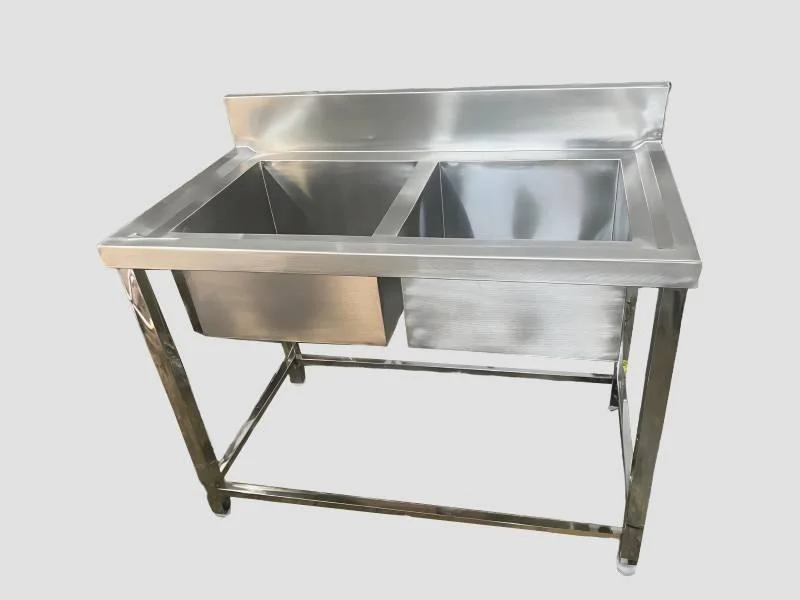
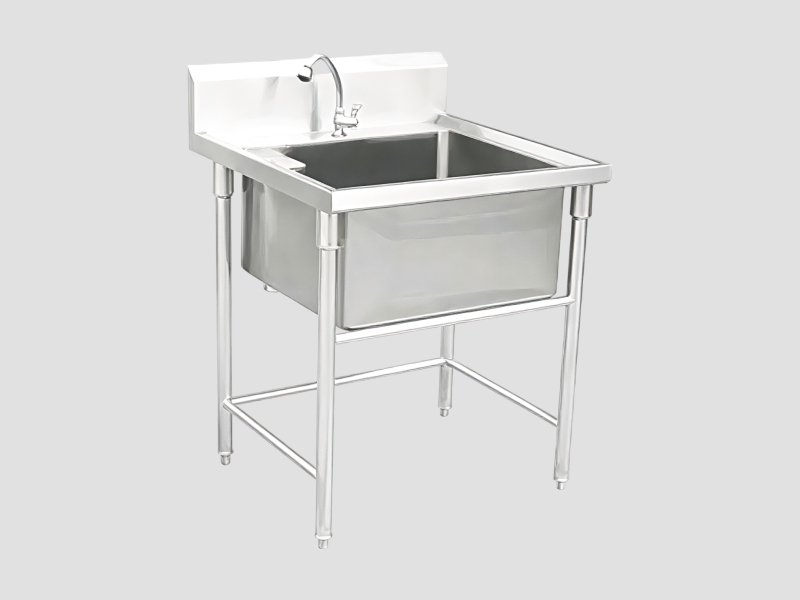
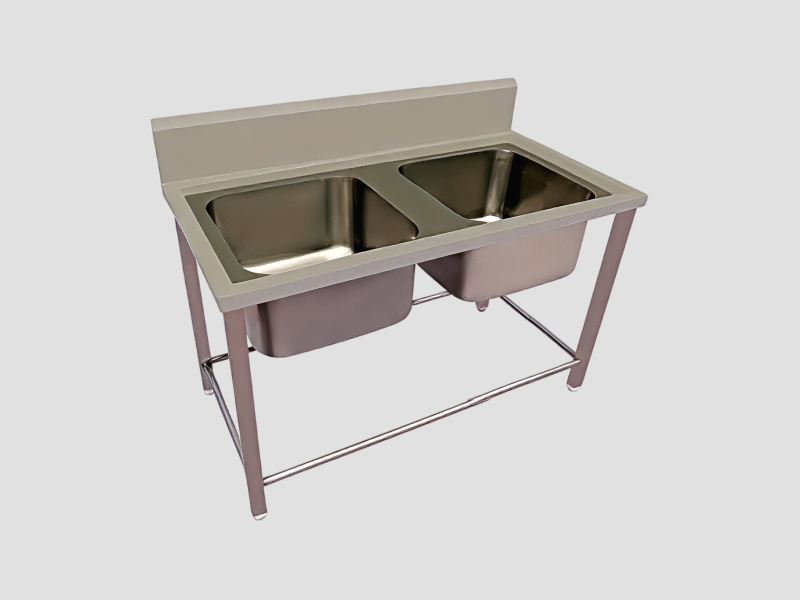
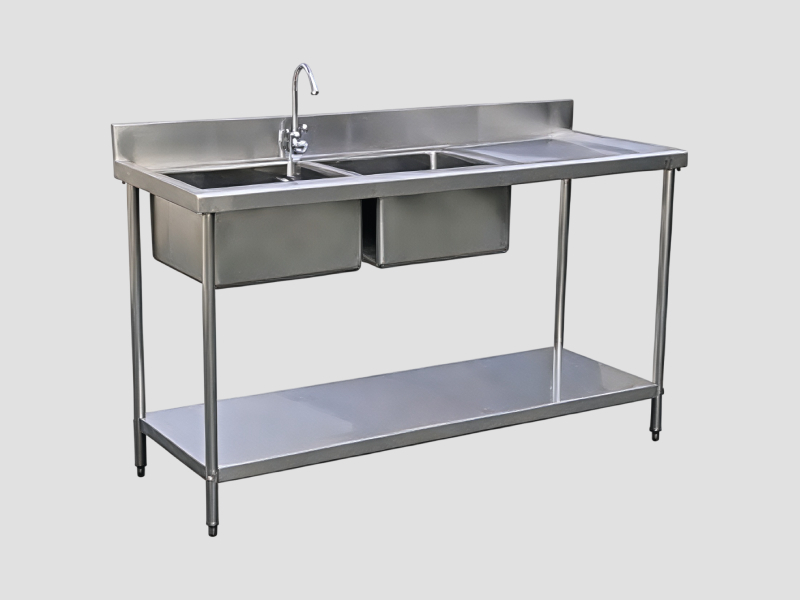
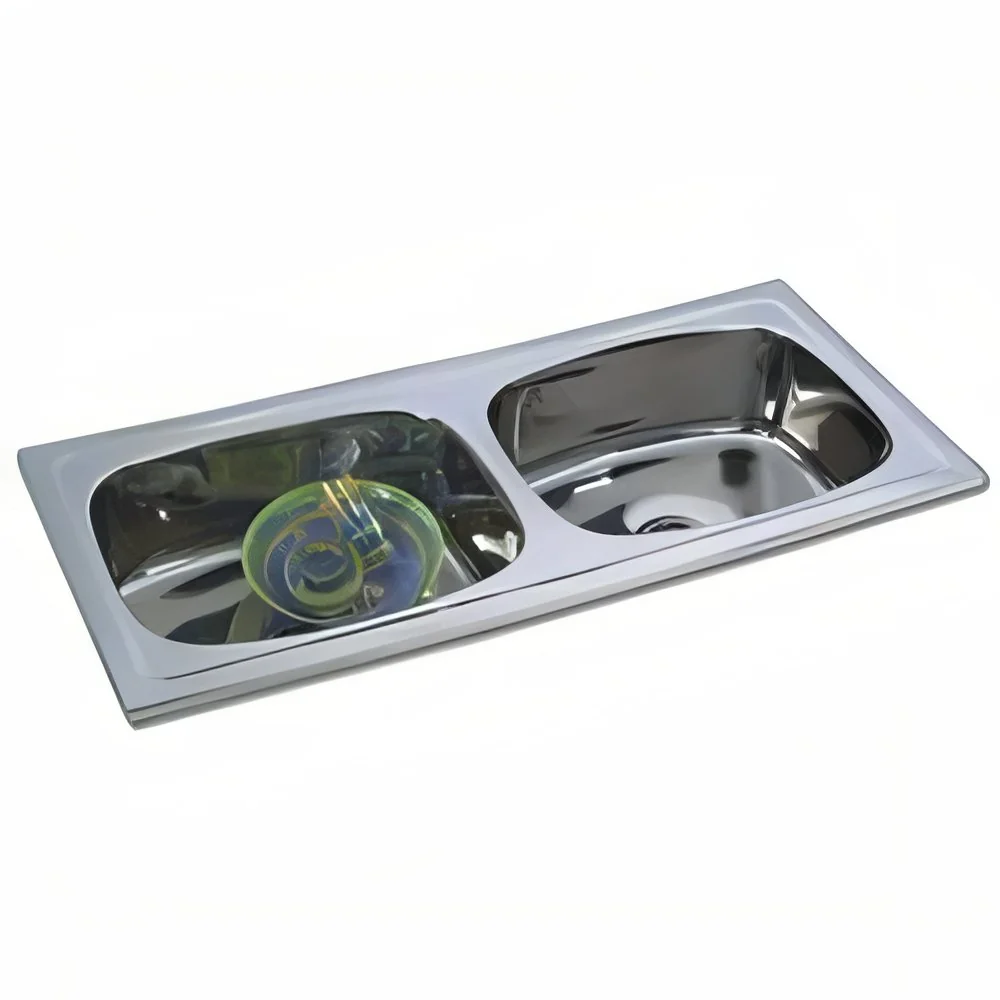
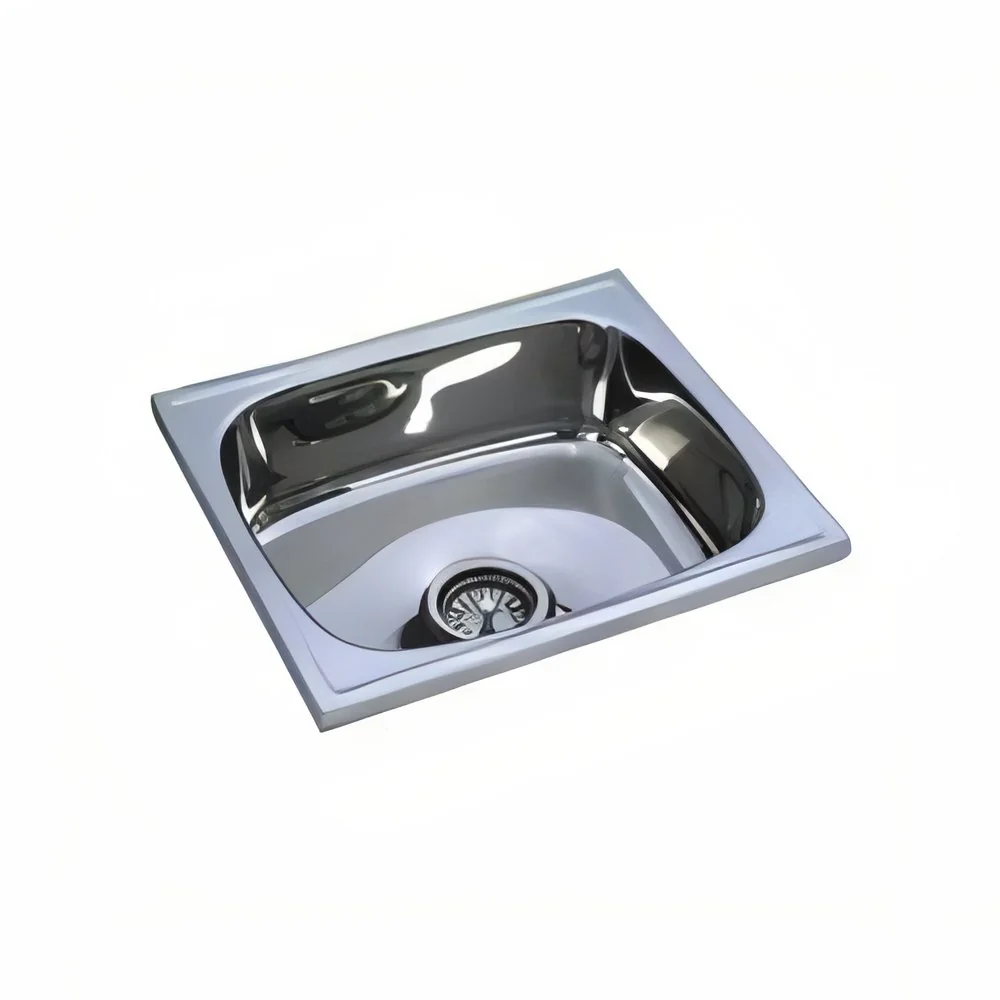
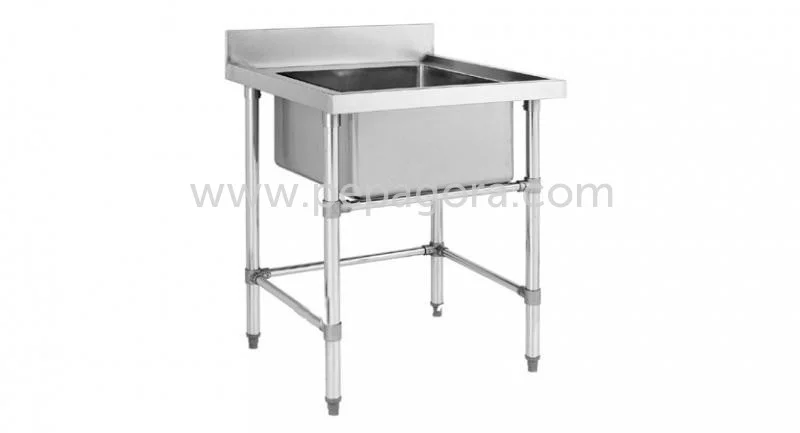
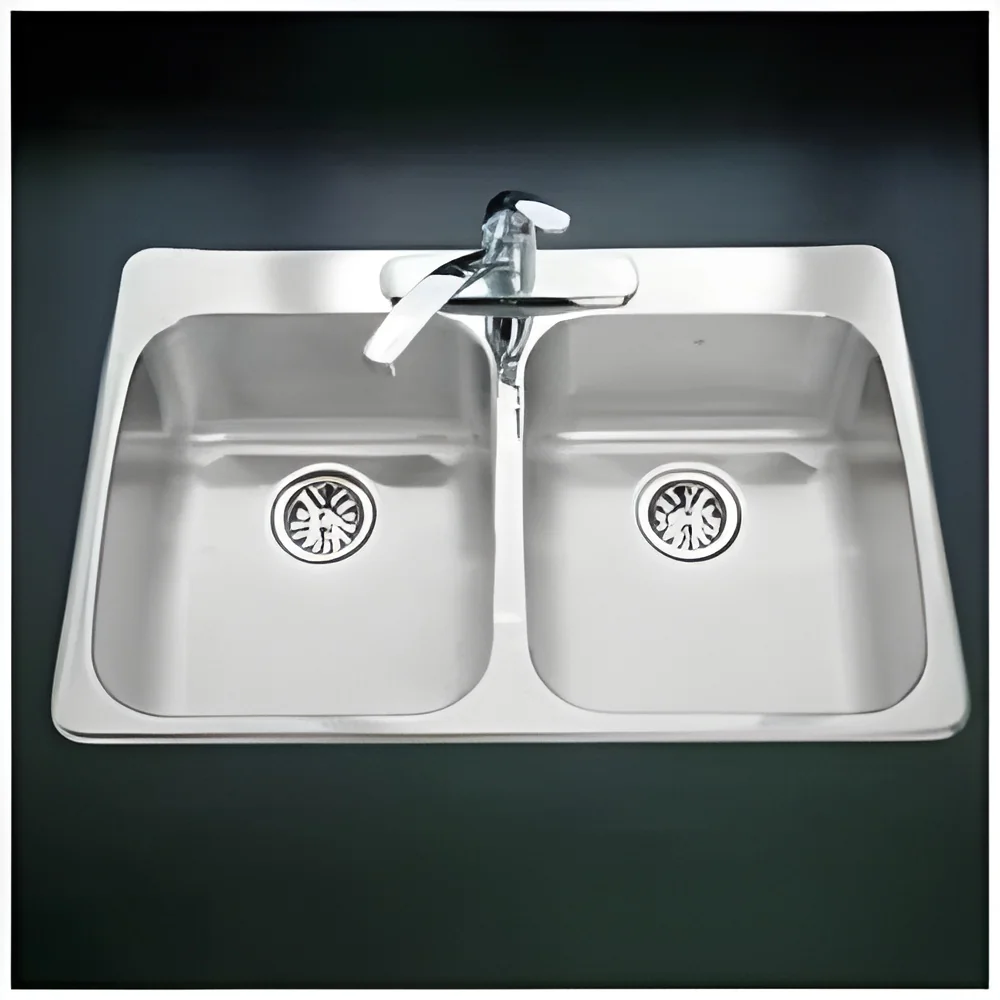
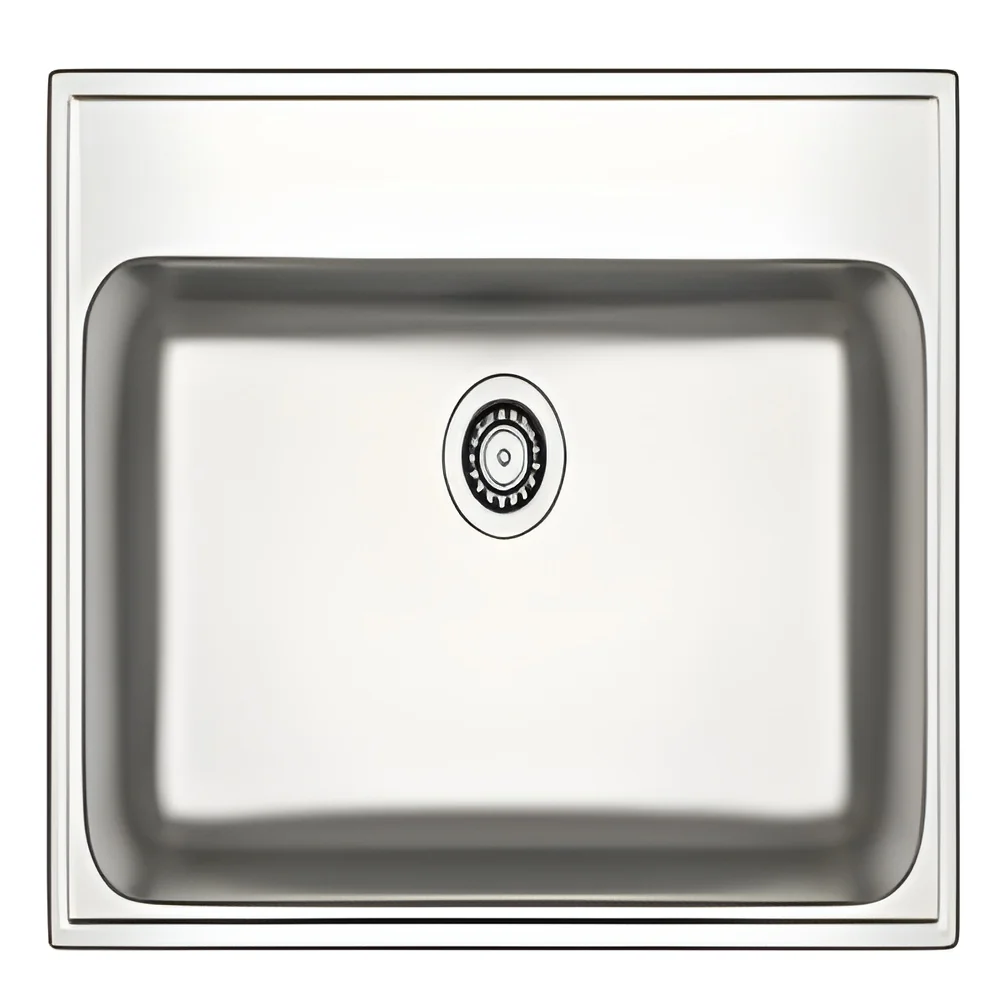
What are Kitchen Furniture?
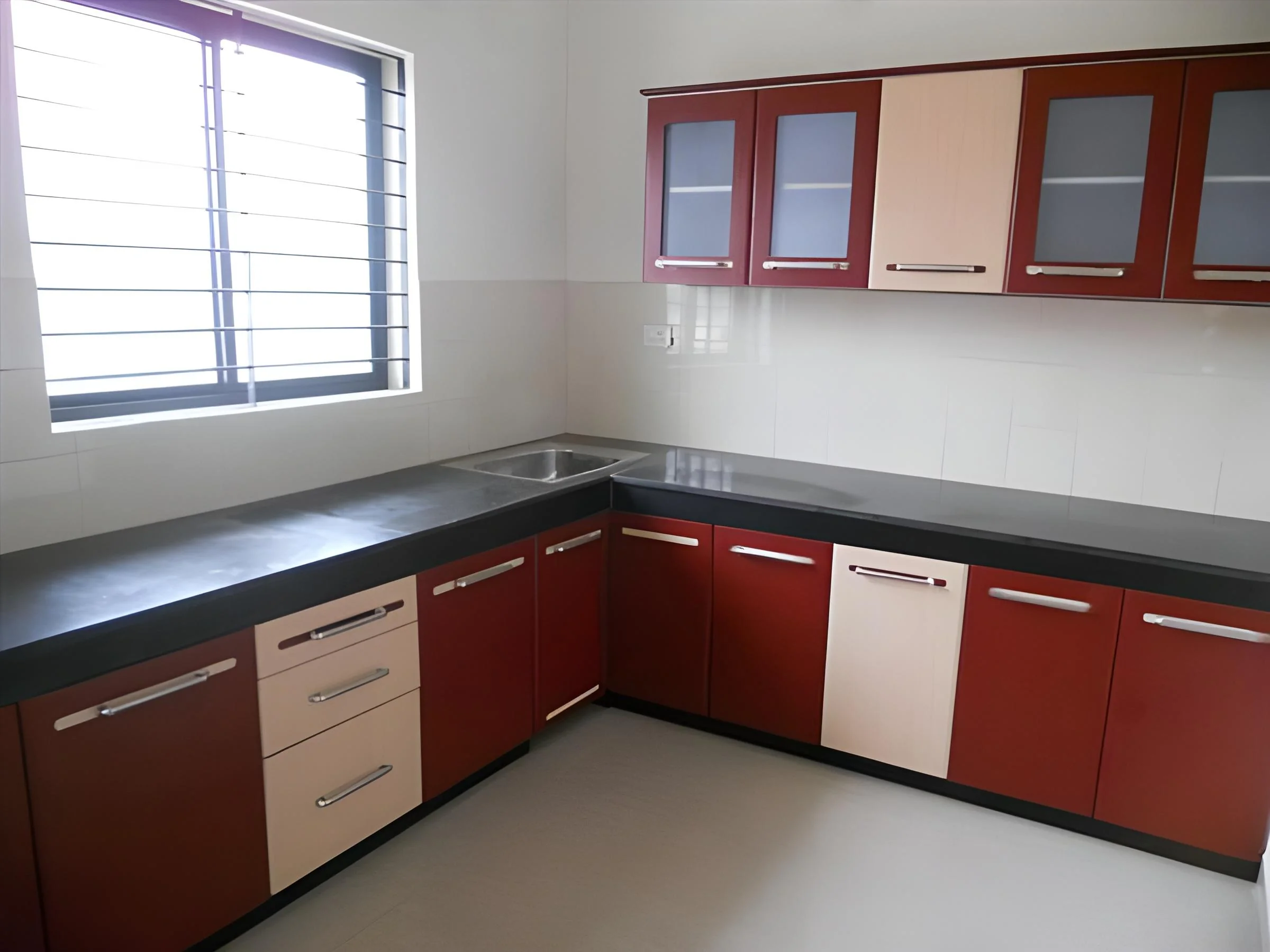
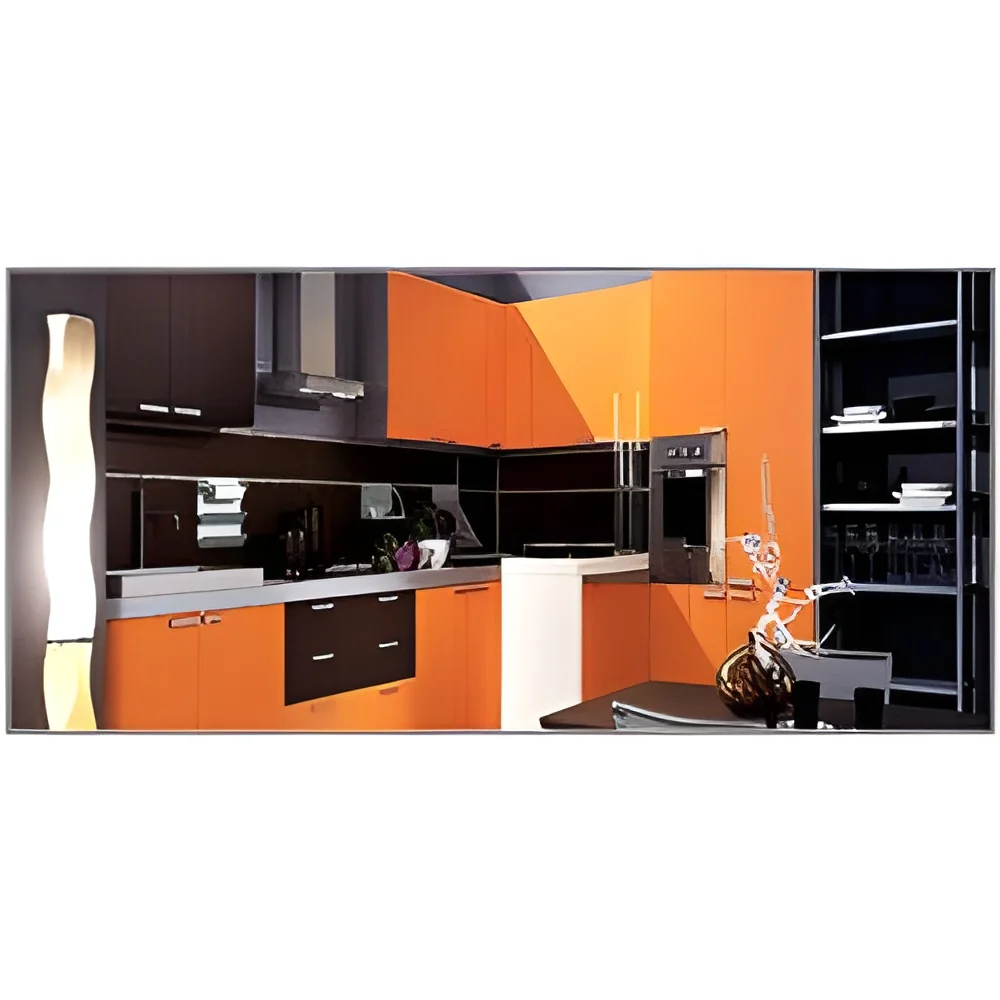
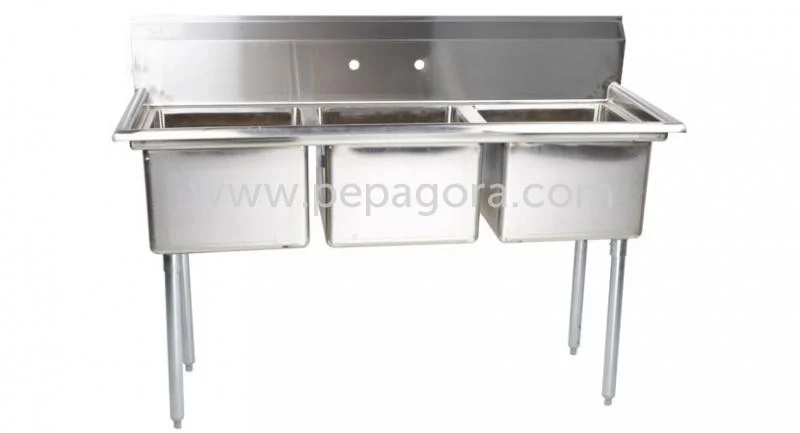
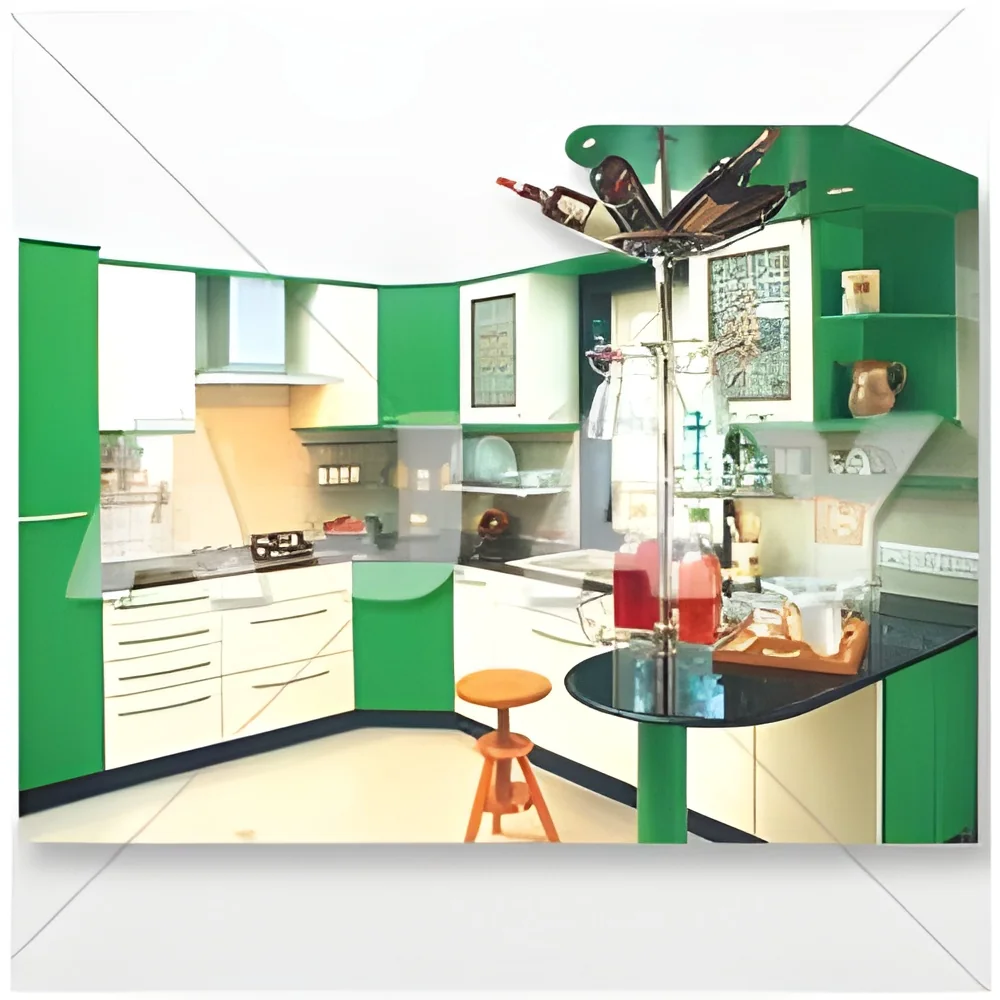
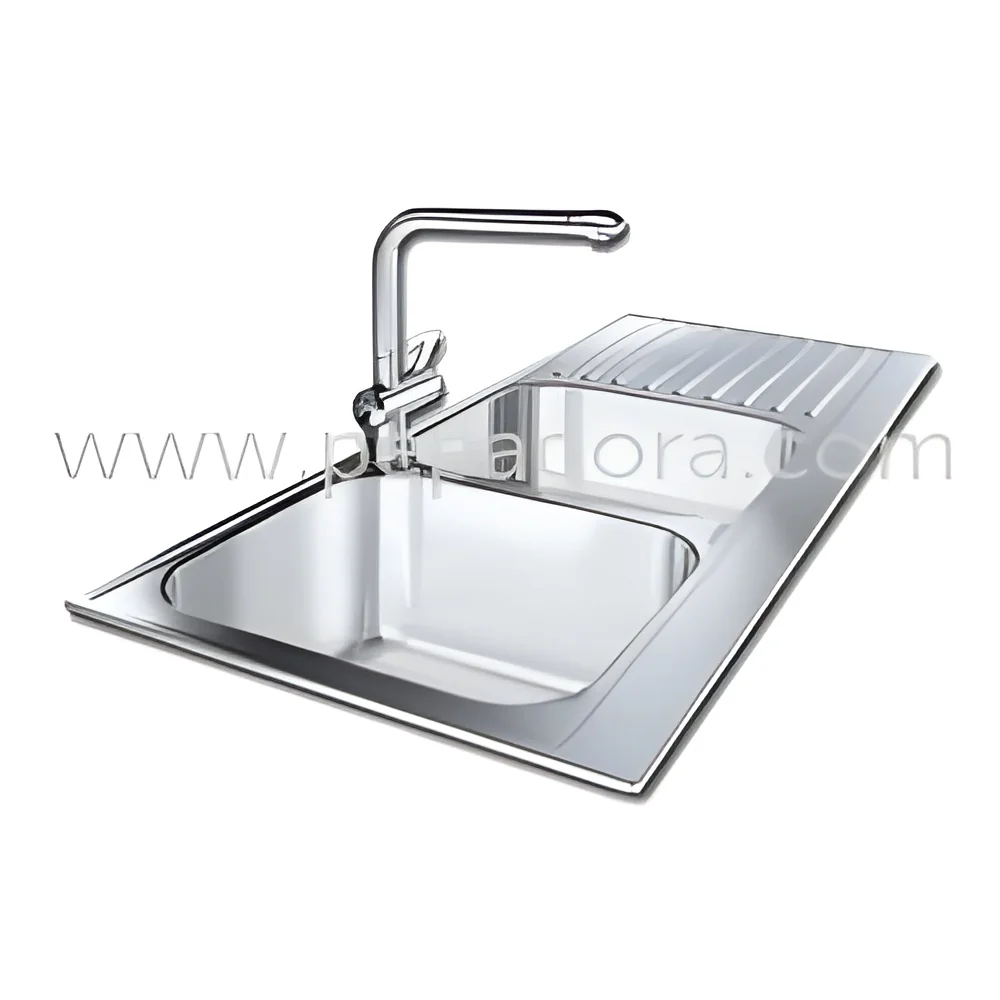
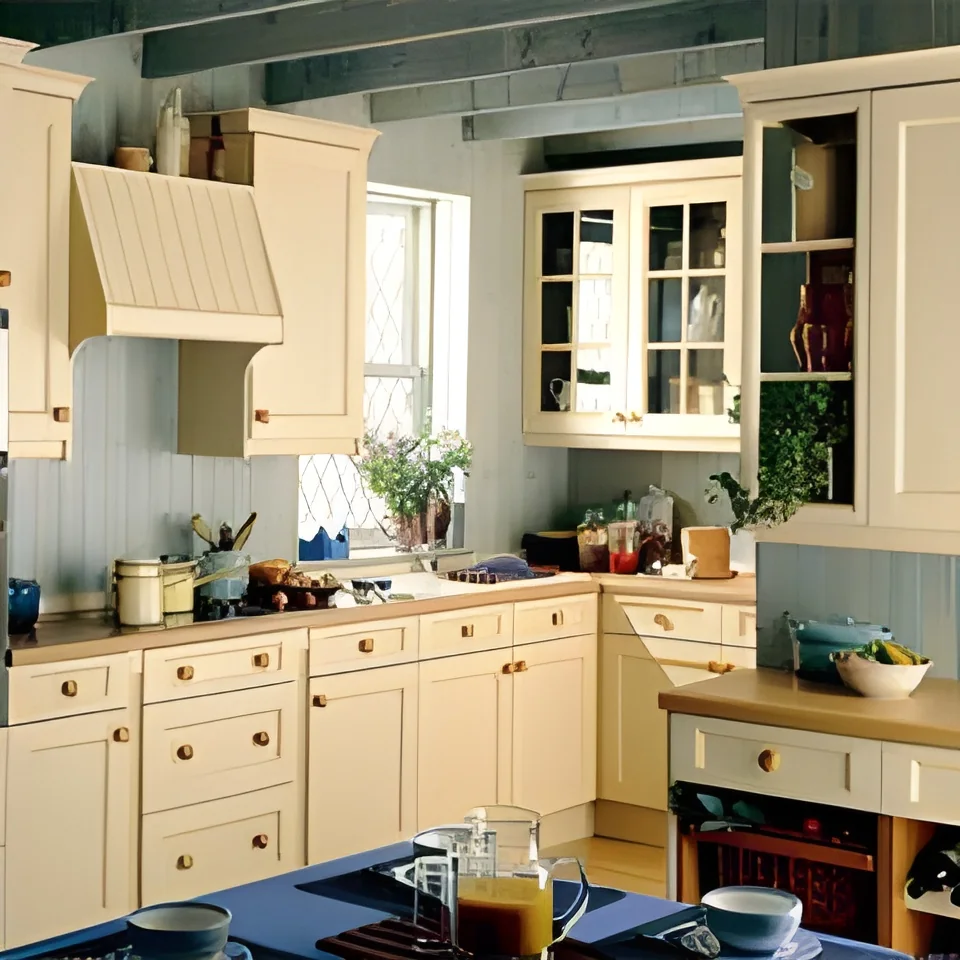
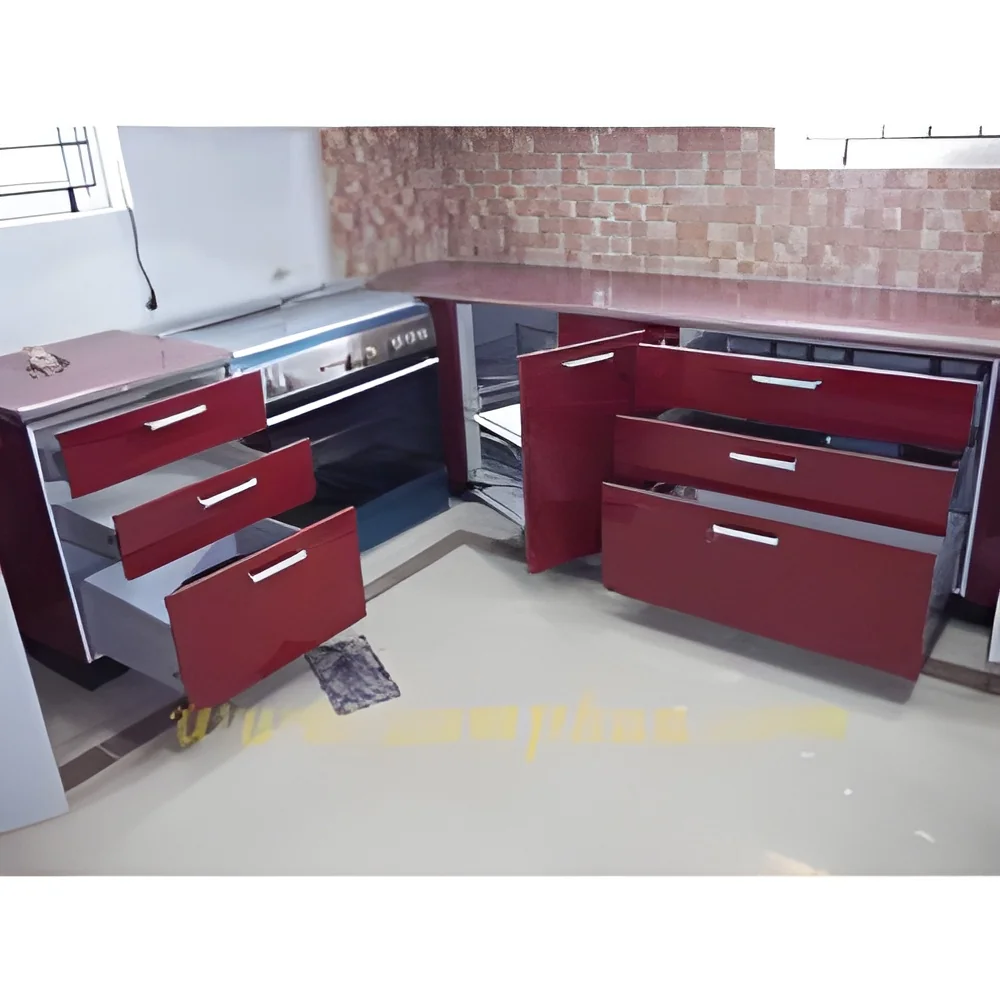
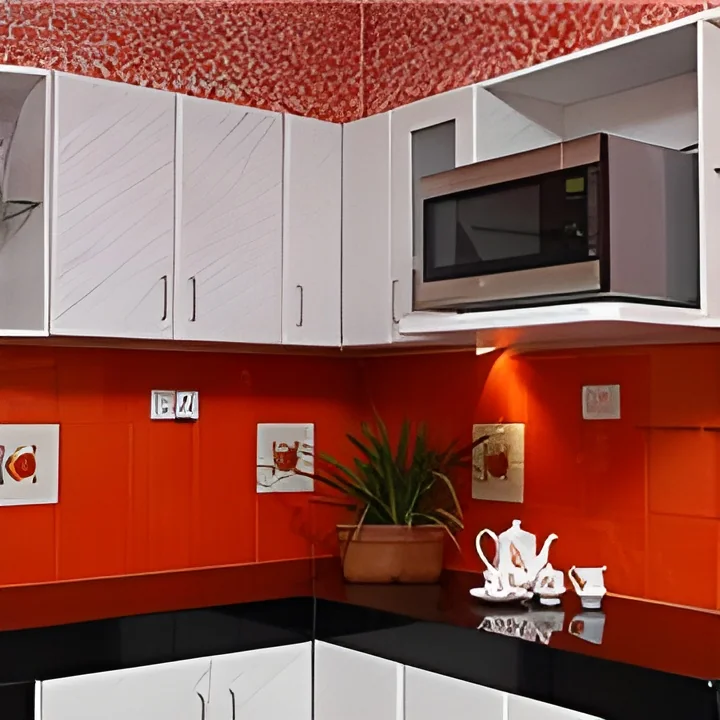
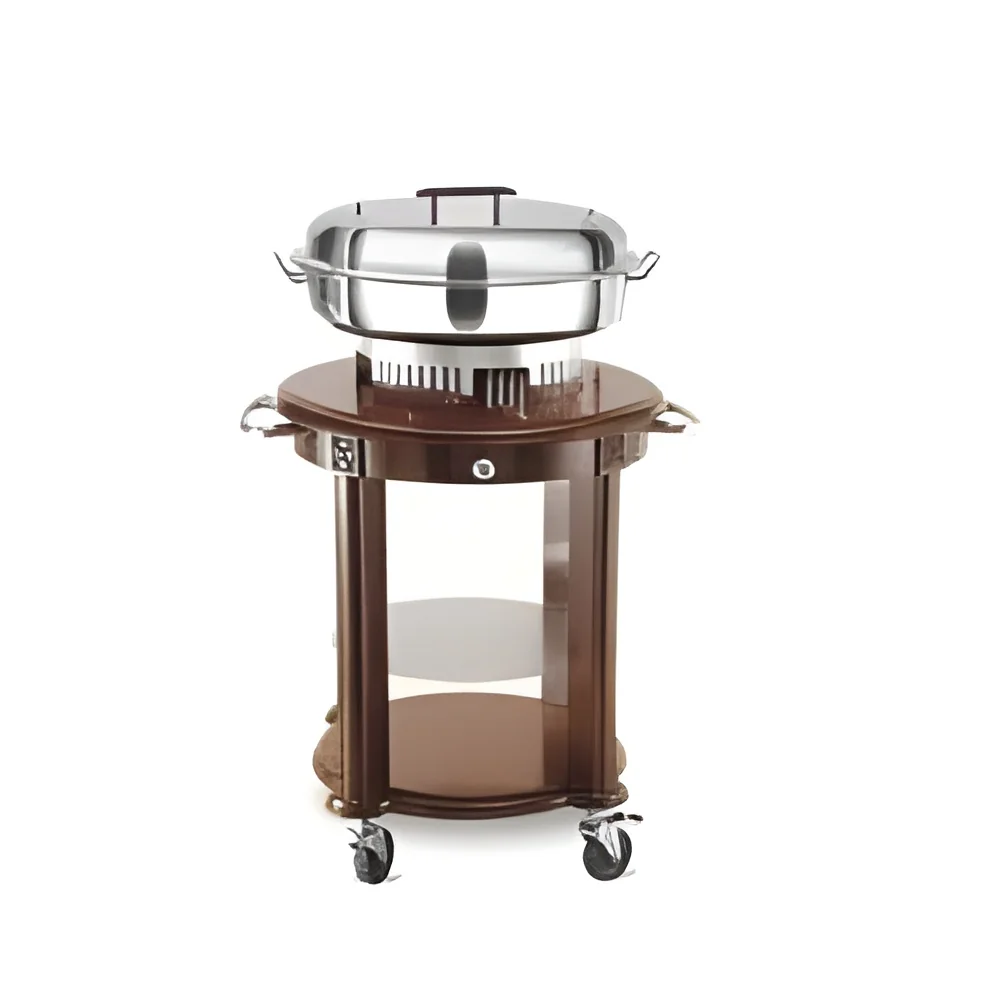
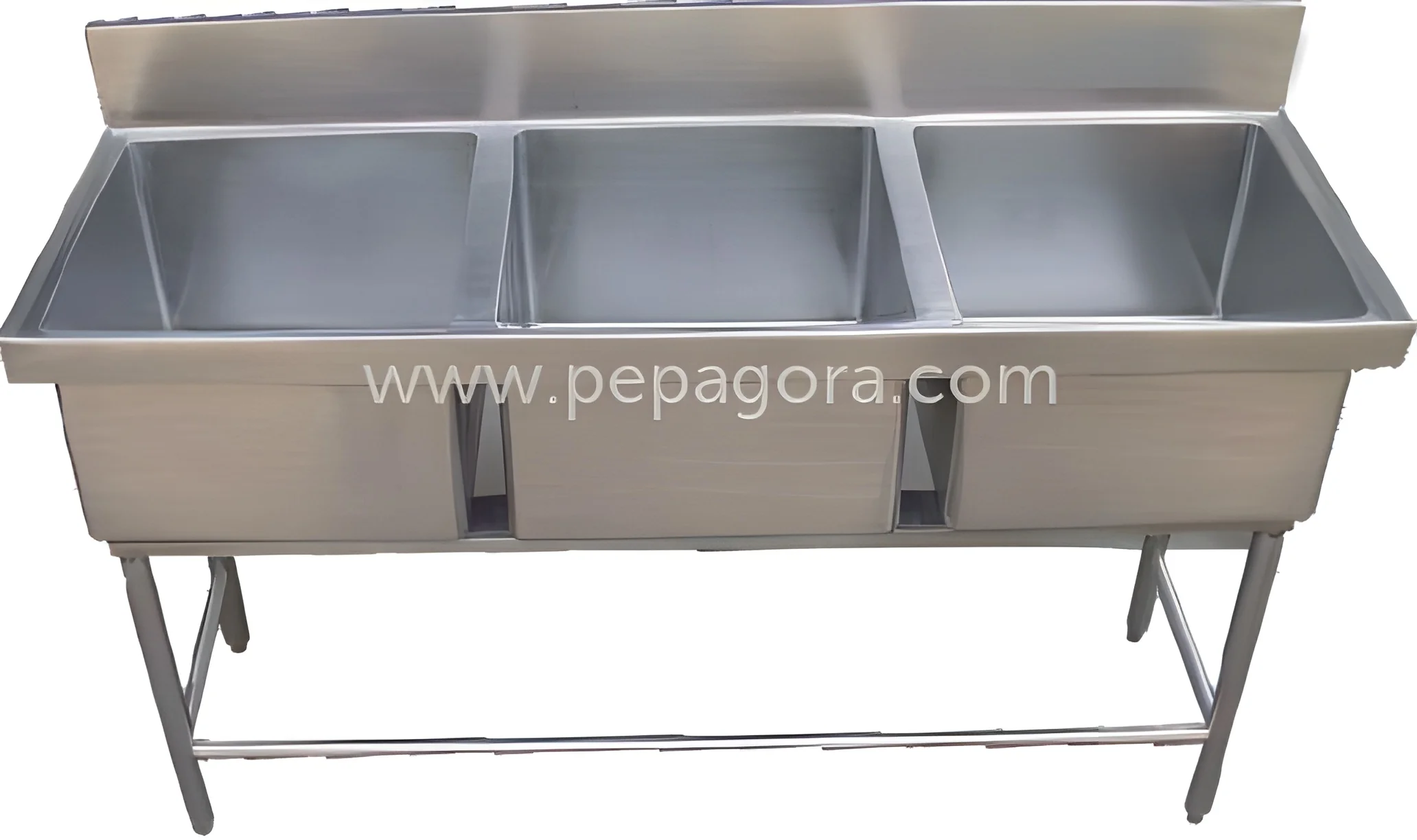
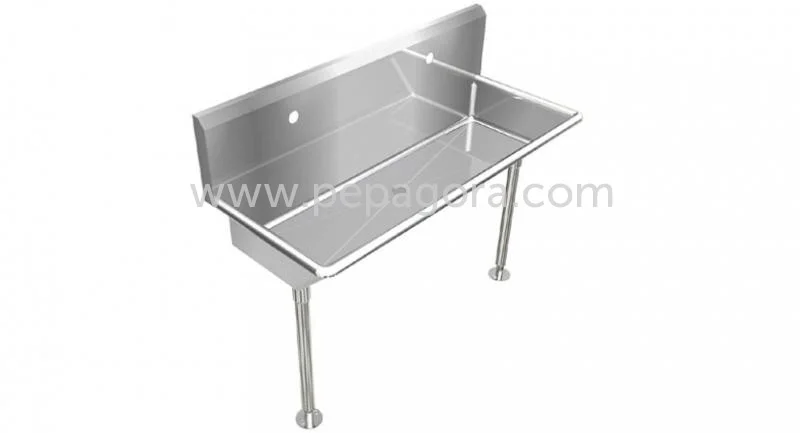
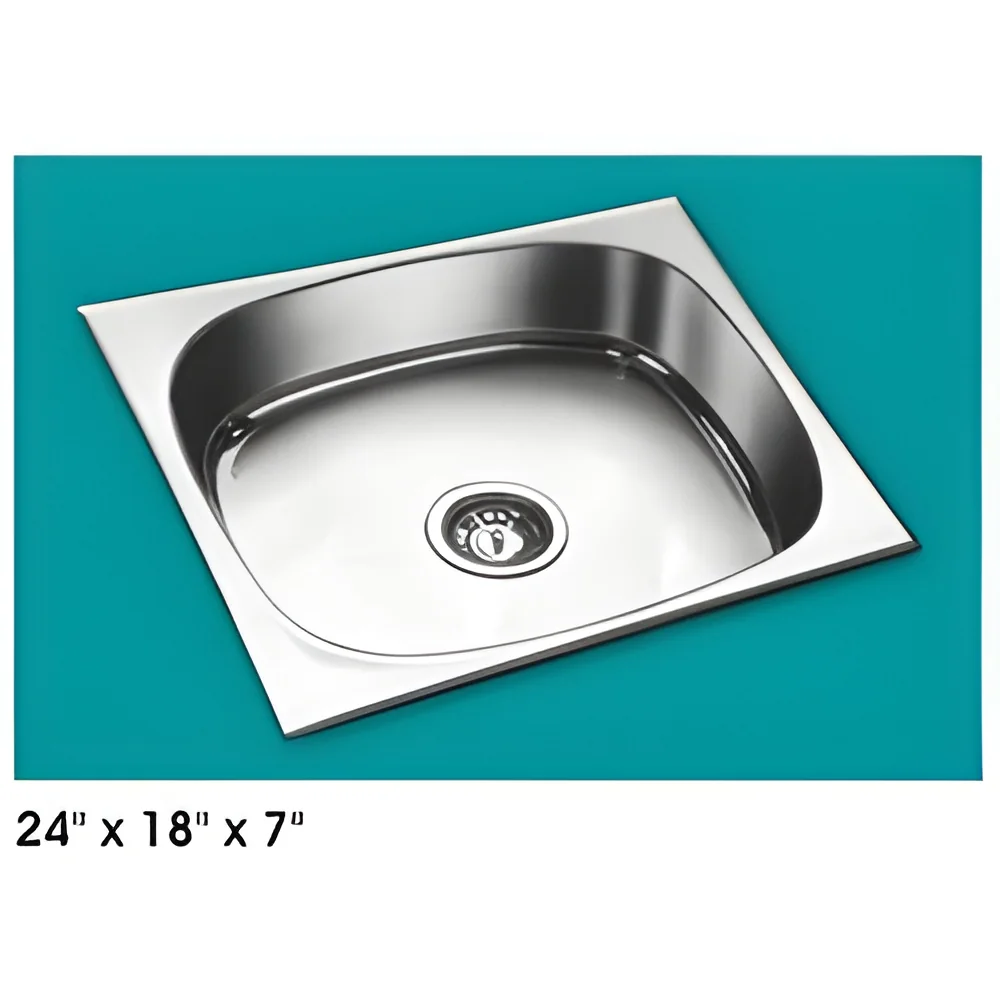
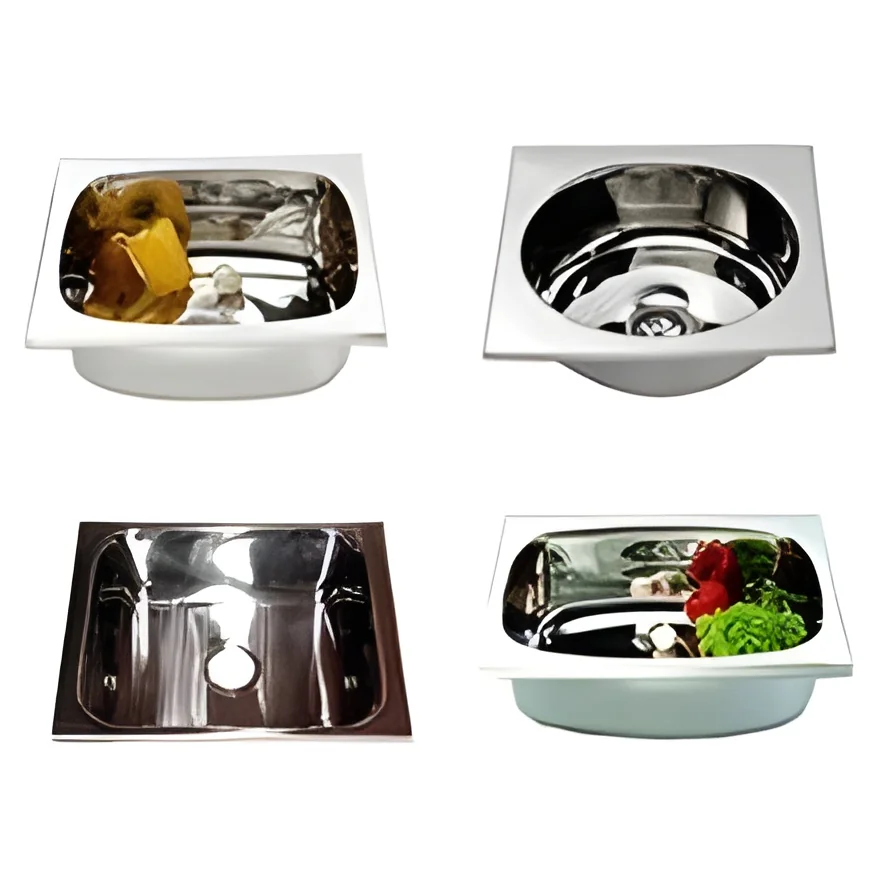
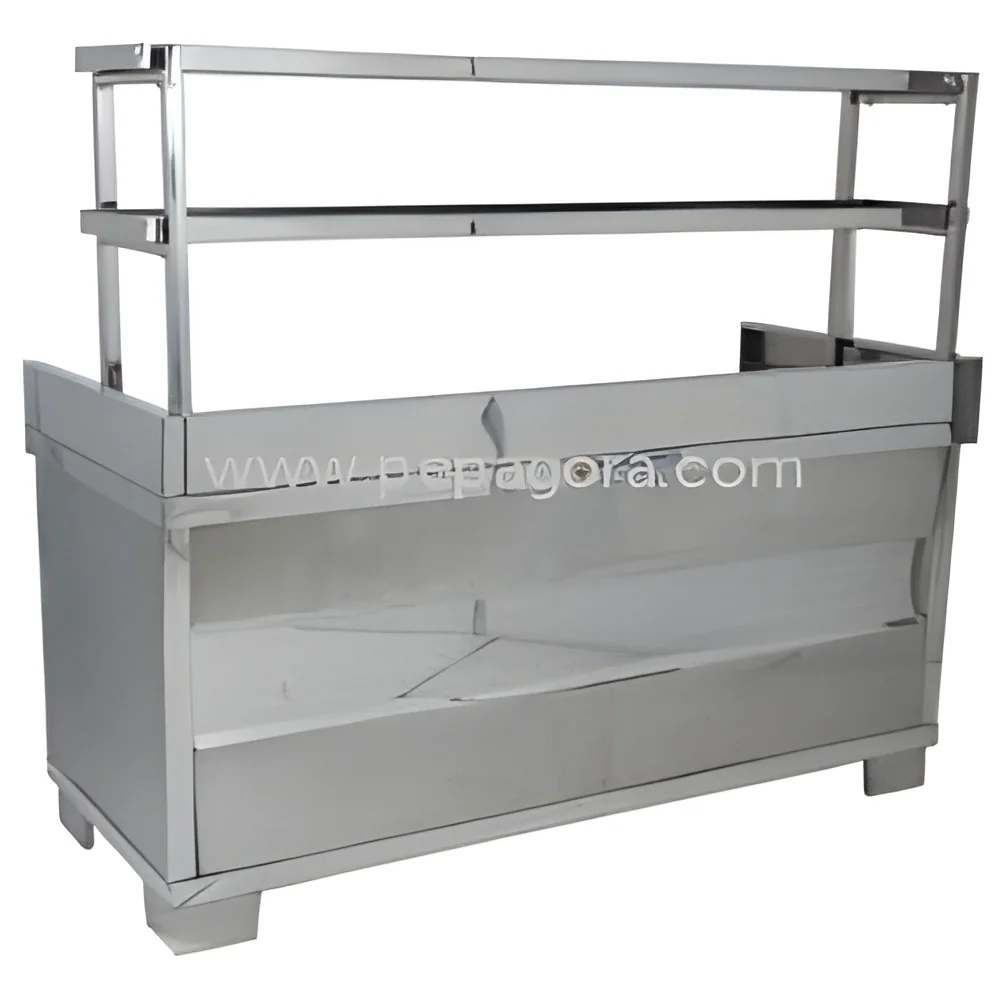
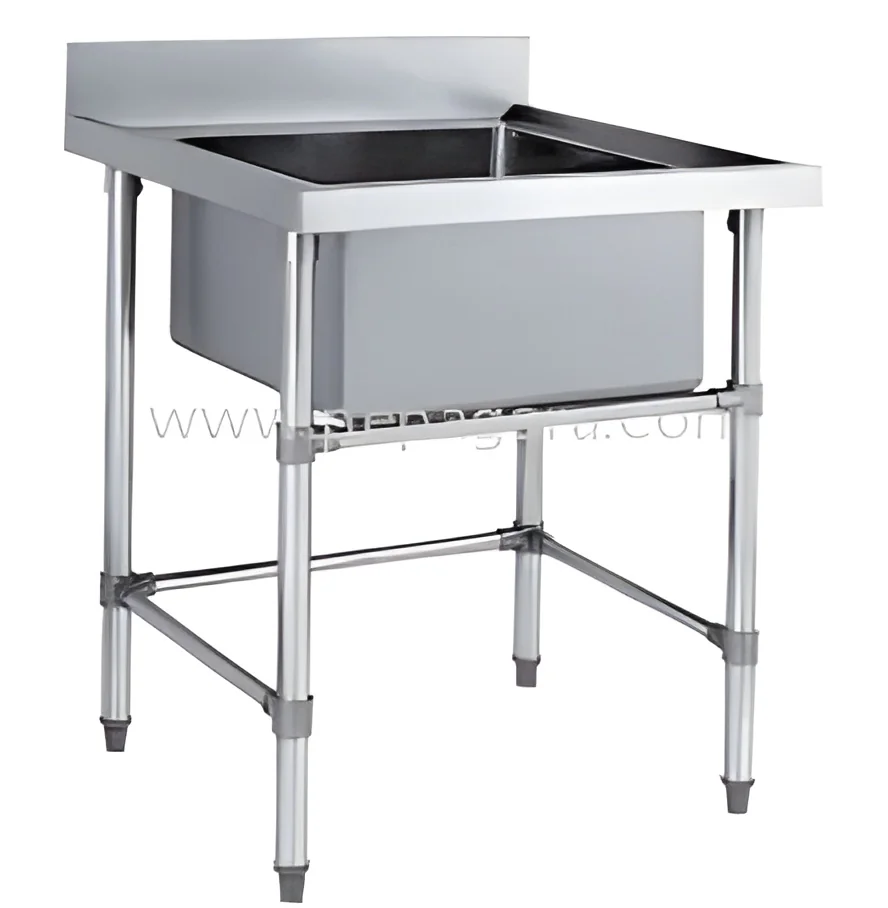
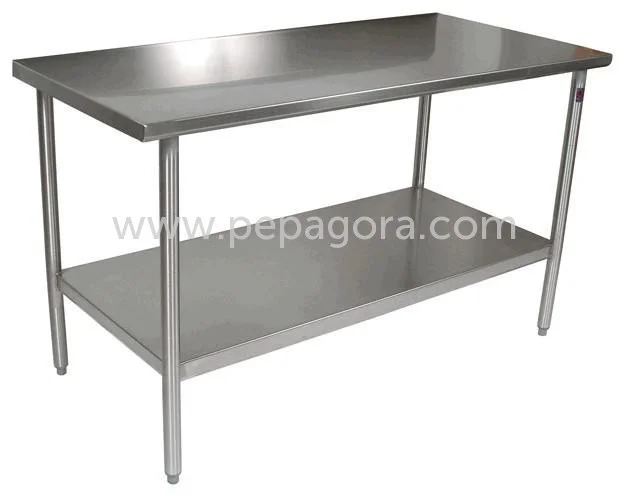
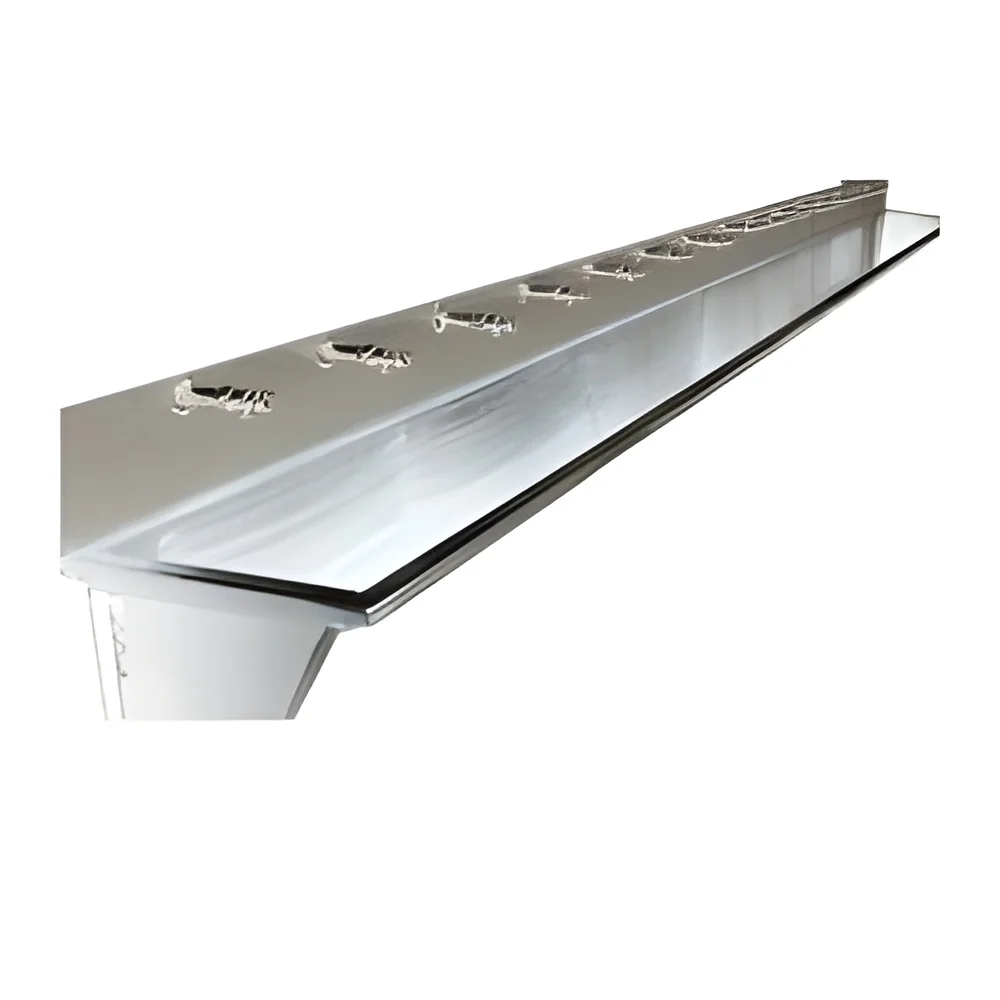
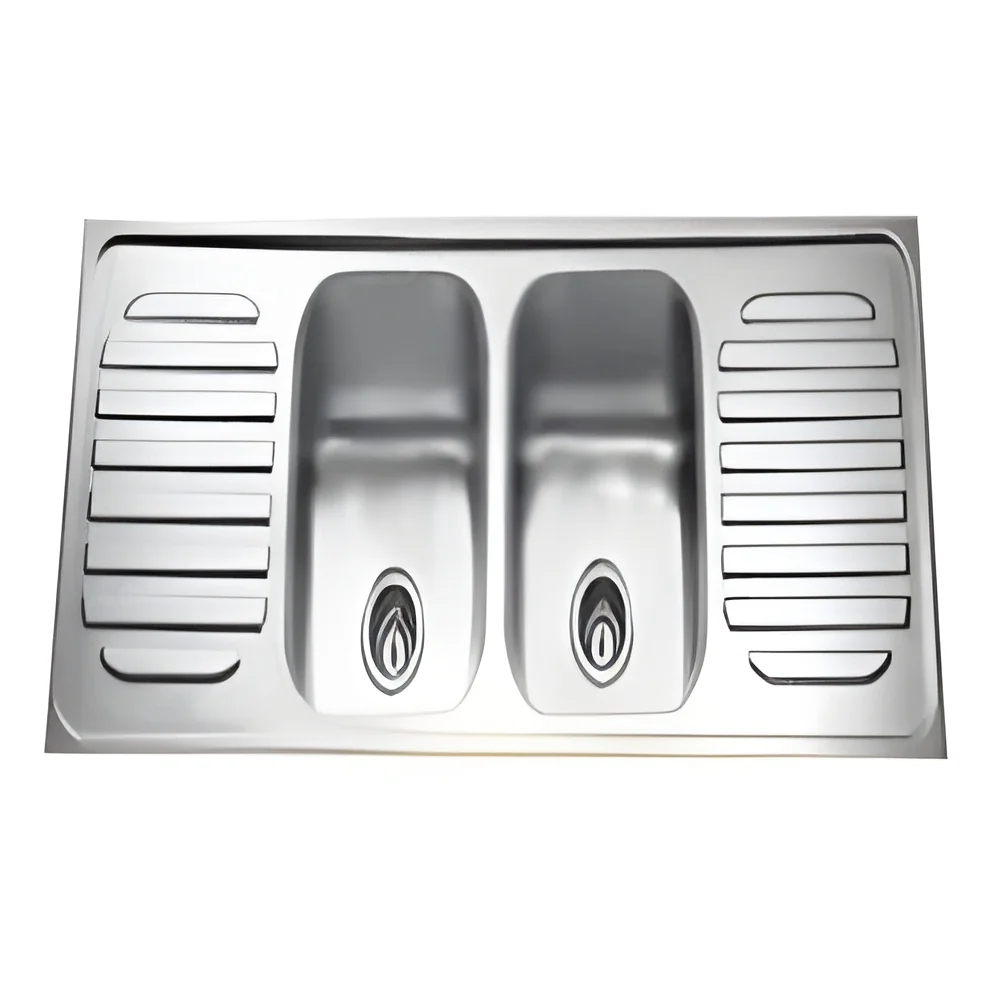
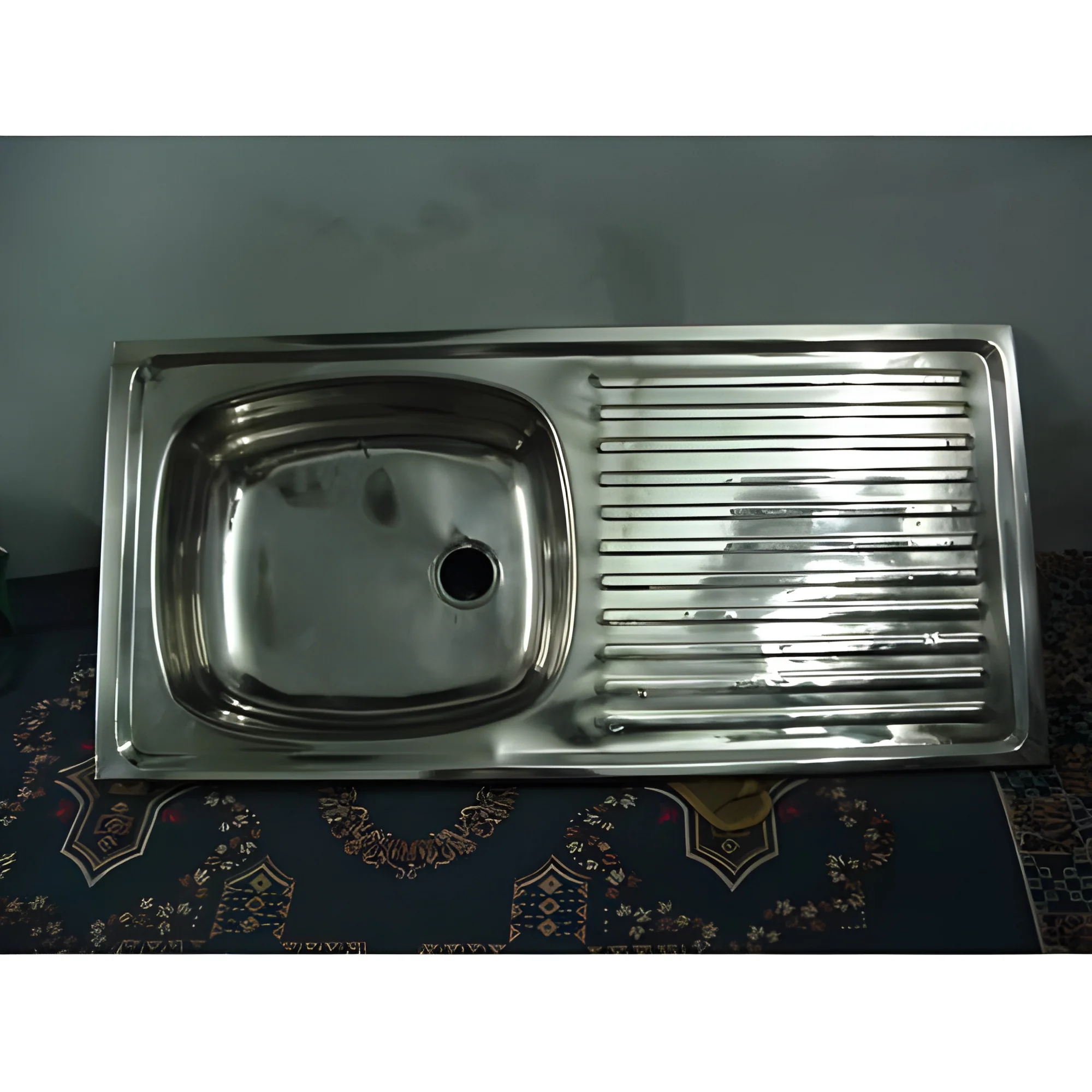
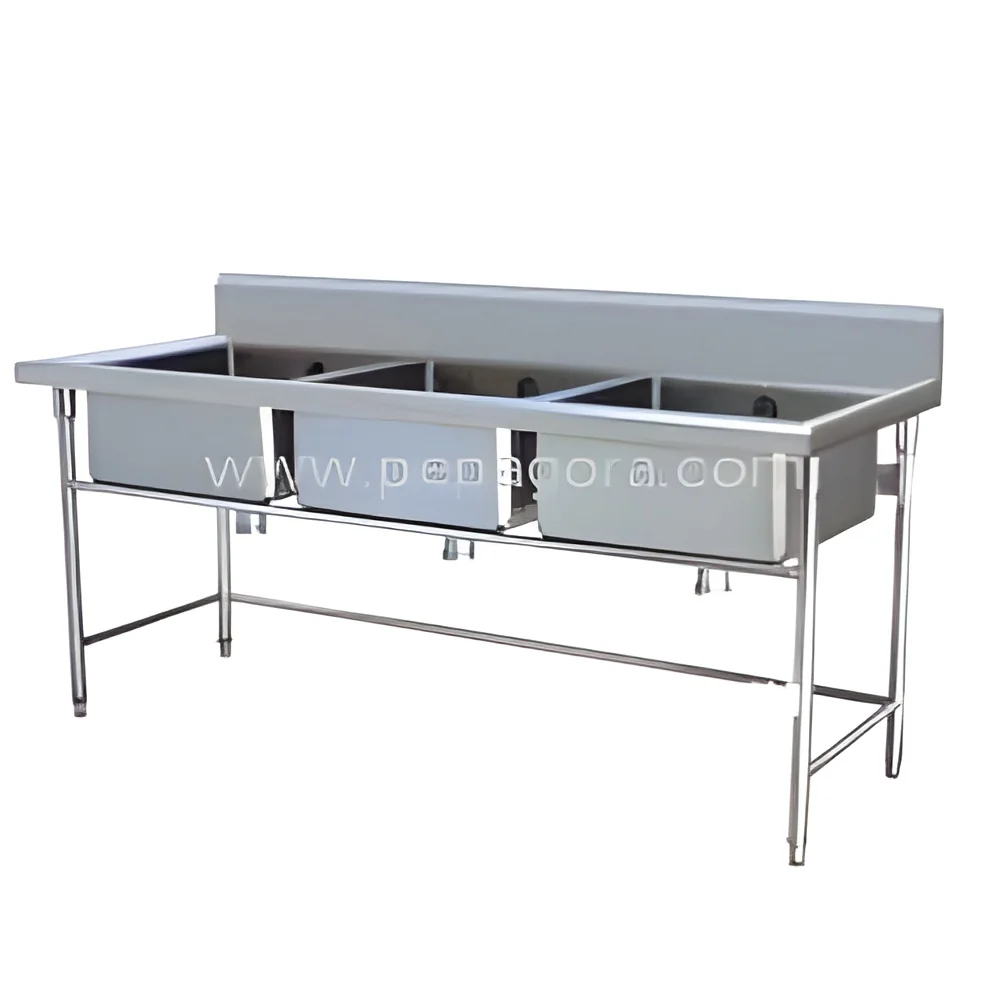
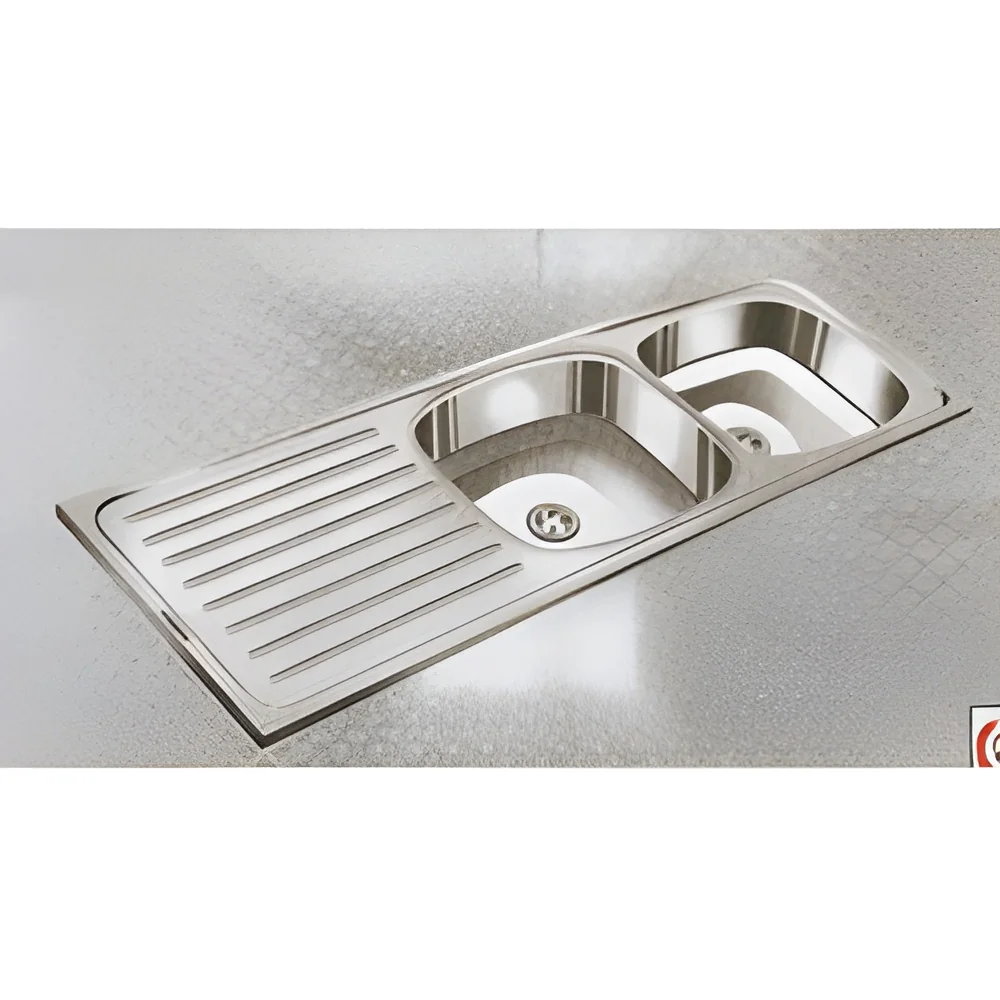
Kitchen furniture refers to the various types of furniture designed for use in kitchens. This category primarily includes cabinets, countertops, tables, and chairs. Kitchen furniture is specifically crafted to withstand the unique conditions of a kitchen environment, including exposure to moisture, heat, and food-related activities. They are available in different materials, styles, and configurations to meet the diverse needs of both residential and commercial kitchens.
The primary uses of kitchen furniture span across cooking, meal preparation, dining, and storage. In commercial settings, such as restaurants and catering facilities, kitchen furniture plays a crucial role in ensuring efficient workflows and maximizing space. Well-designed kitchen furniture contributes to a functional kitchen layout, allowing for better organization and accessibility of cooking tools and supplies. This sector has seen a significant demand for stylish yet practical solutions that align with modern design trends.
The kitchen furniture market is continually evolving to meet changing consumer preferences and technological advancements. With the rise of open-concept living spaces, the aesthetics of kitchen furniture have become increasingly important. Manufacturers are focusing on producing furniture that not only serves a functional purpose but also enhances the overall look and feel of the kitchen. The industry is characterized by a range of options catering to different budgets and design preferences, making it a dynamic area within the broader furniture market.
Key Features and Specifications
Kitchen furniture is designed with specific features and specifications that enhance its functionality and durability. These features can vary widely based on the type of furniture and its intended use. Understanding these specifications is crucial for making informed purchasing decisions.
Key specifications include:
1. Materials Used
- Common materials include wood, metal, laminate, and composite materials.
- Each material offers different levels of durability, aesthetics, and maintenance needs.
2. Dimensions
- Standard sizes for cabinets, countertops, and tables to fit various kitchen layouts.
- Custom sizes may be available to accommodate unique spaces.
3. Weight Capacity
- Specifications often include load-bearing limits for countertops and shelves.
- Important for ensuring stability and safety in use.
4. Finish Options
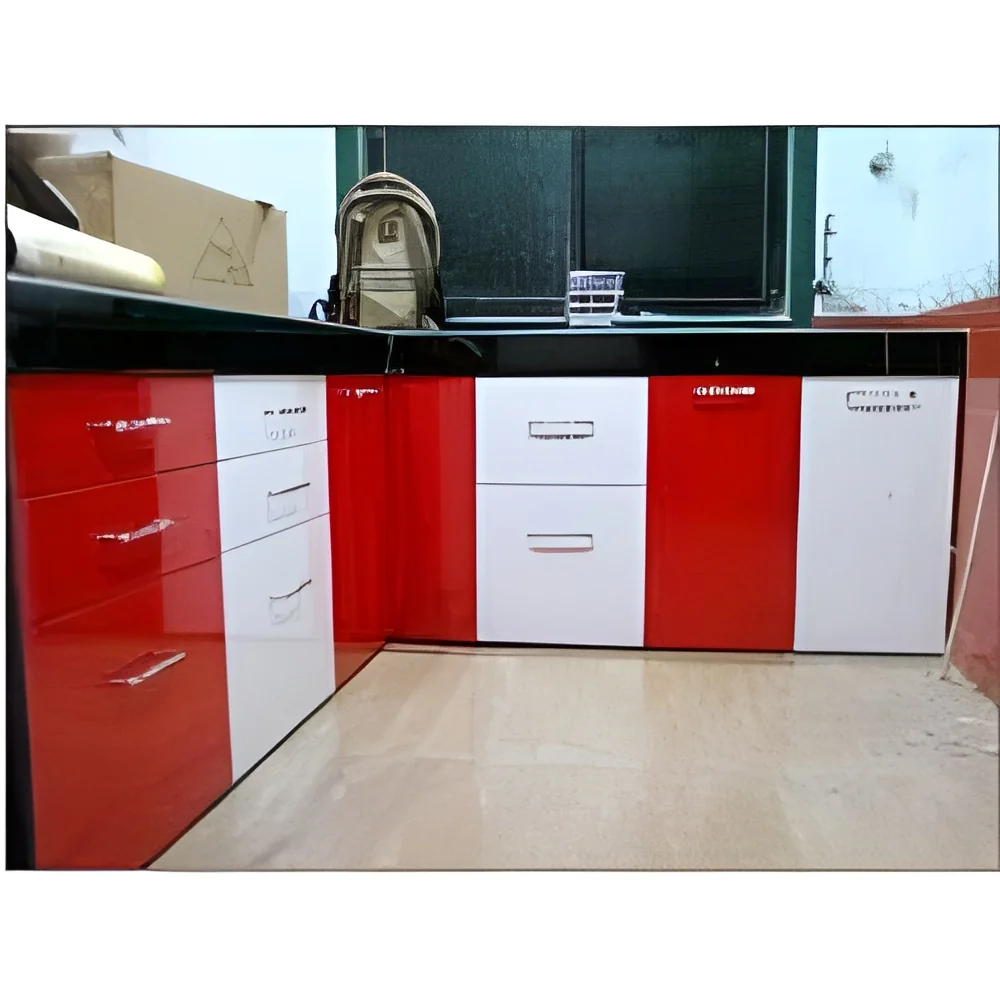
- Variety of finishes available, including matte, glossy, and textured surfaces.
- Finishes impact both appearance and ease of cleaning.
5. Assembly Requirements
- Some kitchen furniture may require assembly, while others come pre-assembled.
- Important for understanding installation needs.
6. Customization Options
- Many manufacturers offer customizable designs to suit specific business needs.
- Options may include color, size, and additional features.
7. Warranty and Lifespan
- Information on warranty periods and expected lifespan of the furniture.
- Critical for assessing long-term value.
8. Compliance Standards
- Adherence to industry standards such as CE certification for safety.
- Important for regulatory compliance in commercial kitchens.
These specifications ensure that kitchen furniture meets user needs effectively while maintaining quality and safety standards.
Common Applications and Use Cases
Kitchen furniture is utilized across a variety of industries, each with specific applications that enhance functionality and efficiency.
1. Restaurants: In commercial kitchens, furniture such as robust tables and storage cabinets are essential for meal preparation and service. They help streamline workflows and improve operational efficiency.
2. Catering Services: Catering businesses rely on mobile kitchen furniture, like portable tables and storage units, to facilitate on-site food preparation and serving. This furniture must be durable and easy to transport.
3. Cafés and Bakeries: These establishments often use kitchen furniture that combines aesthetics with functionality, including display cases and seating arrangements that enhance customer experience.
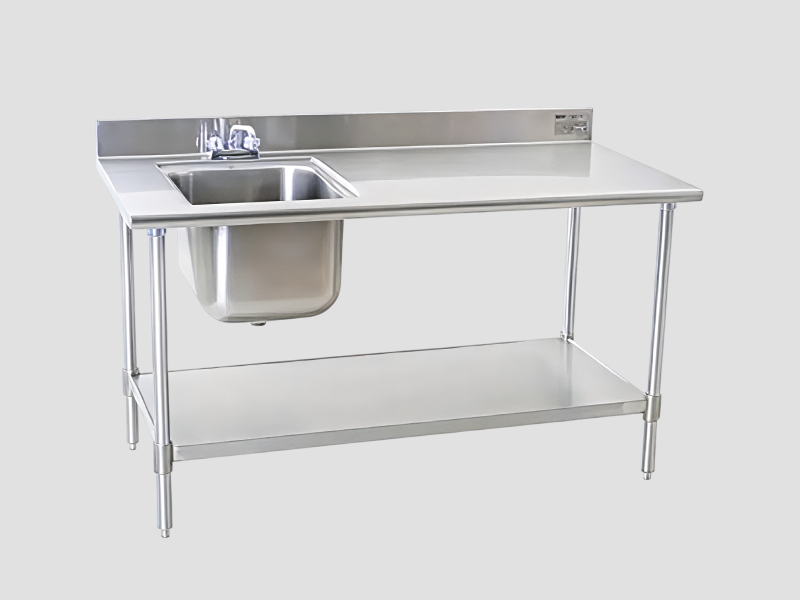
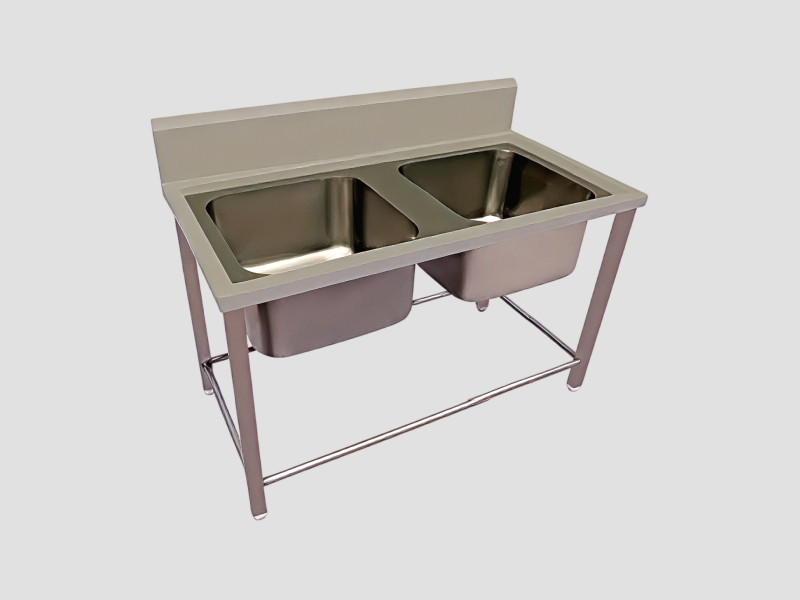
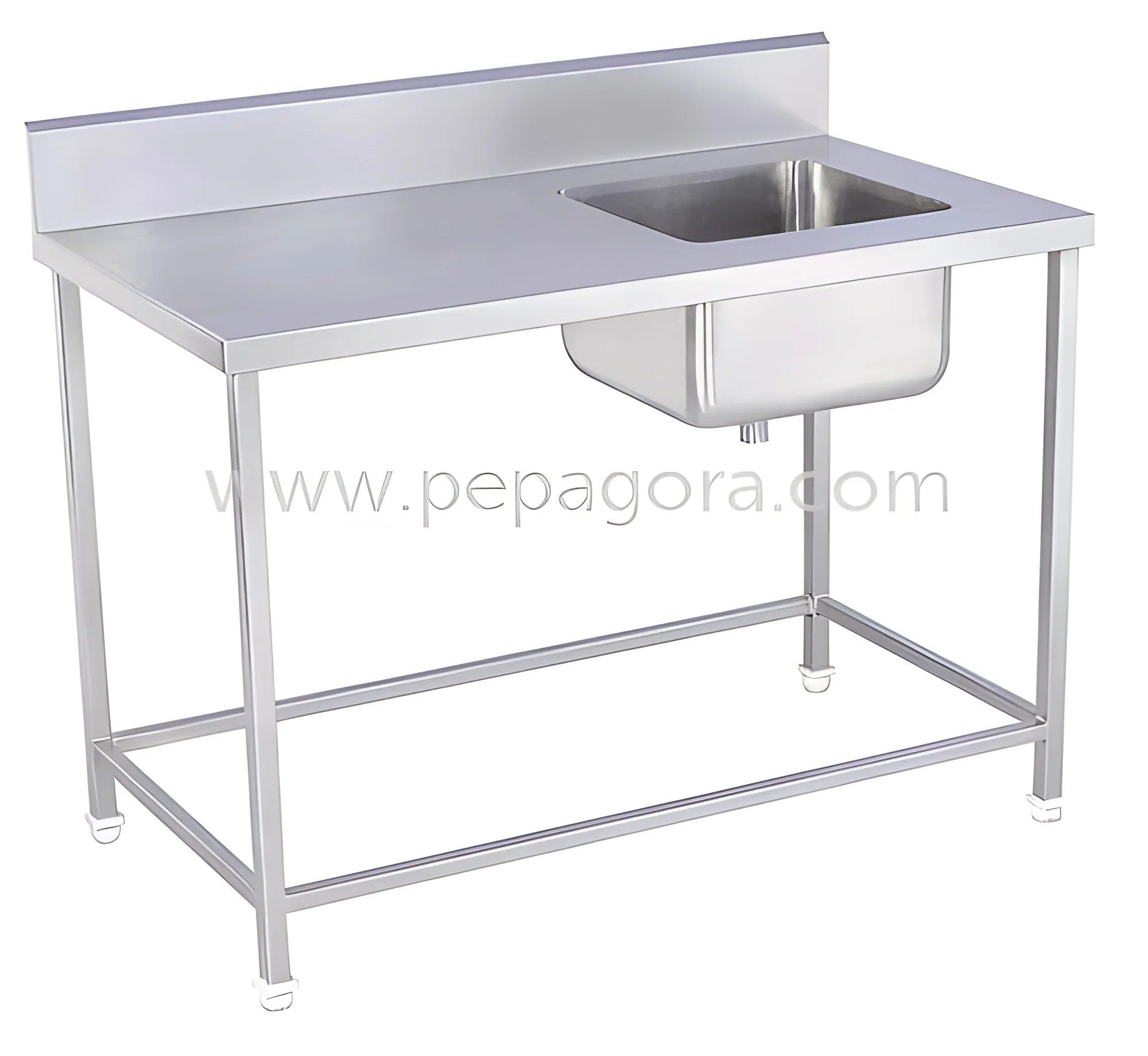
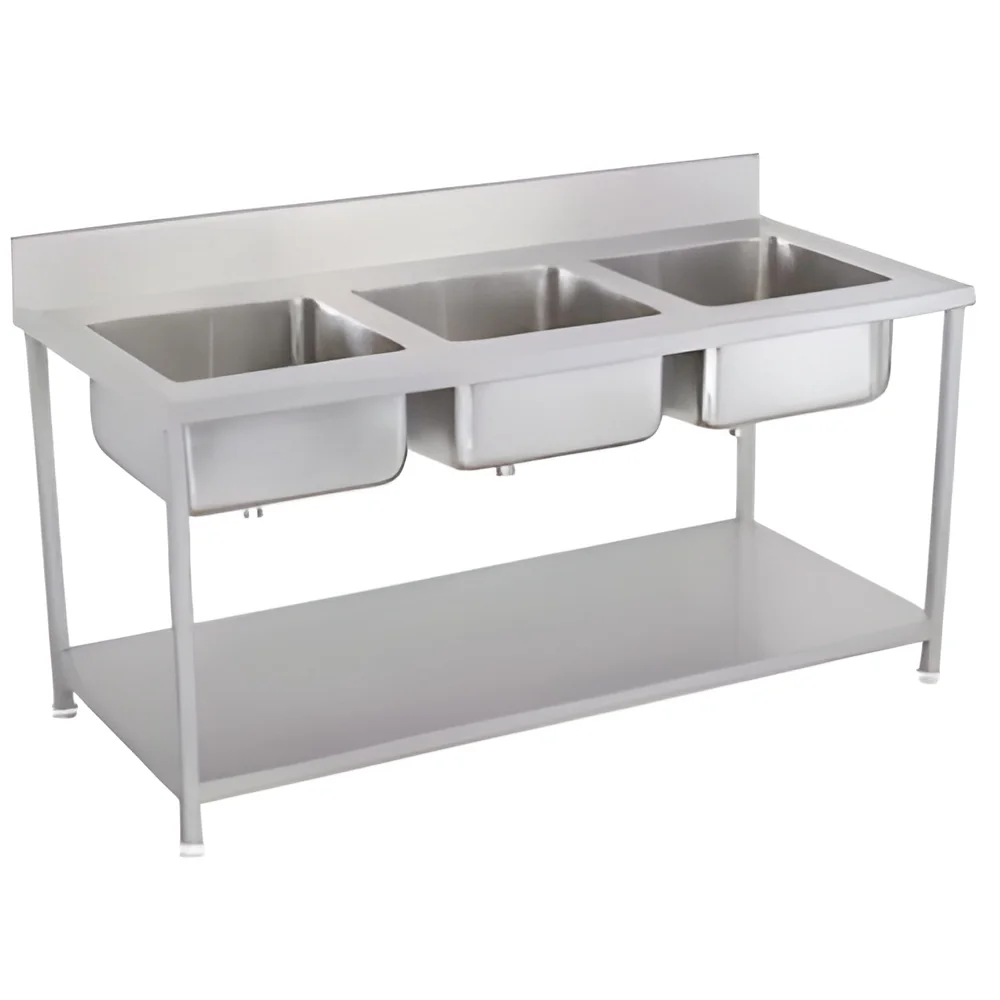
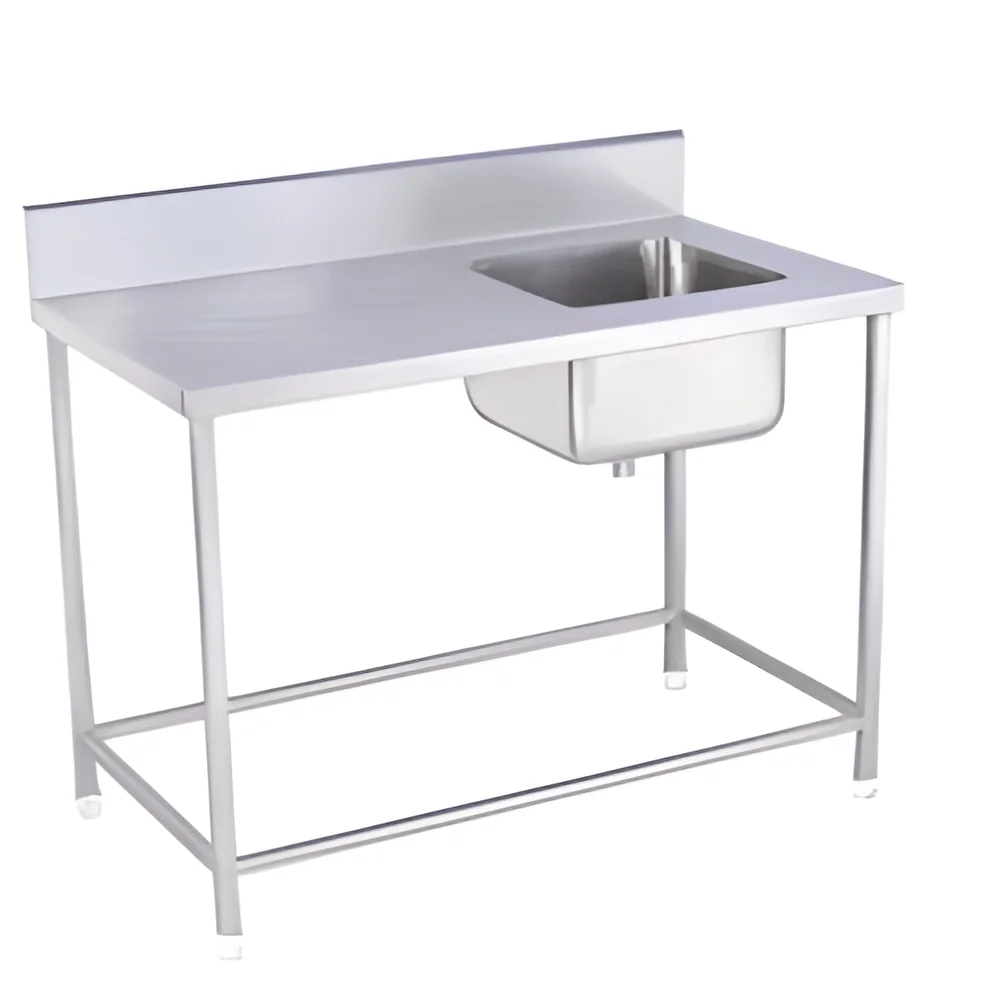
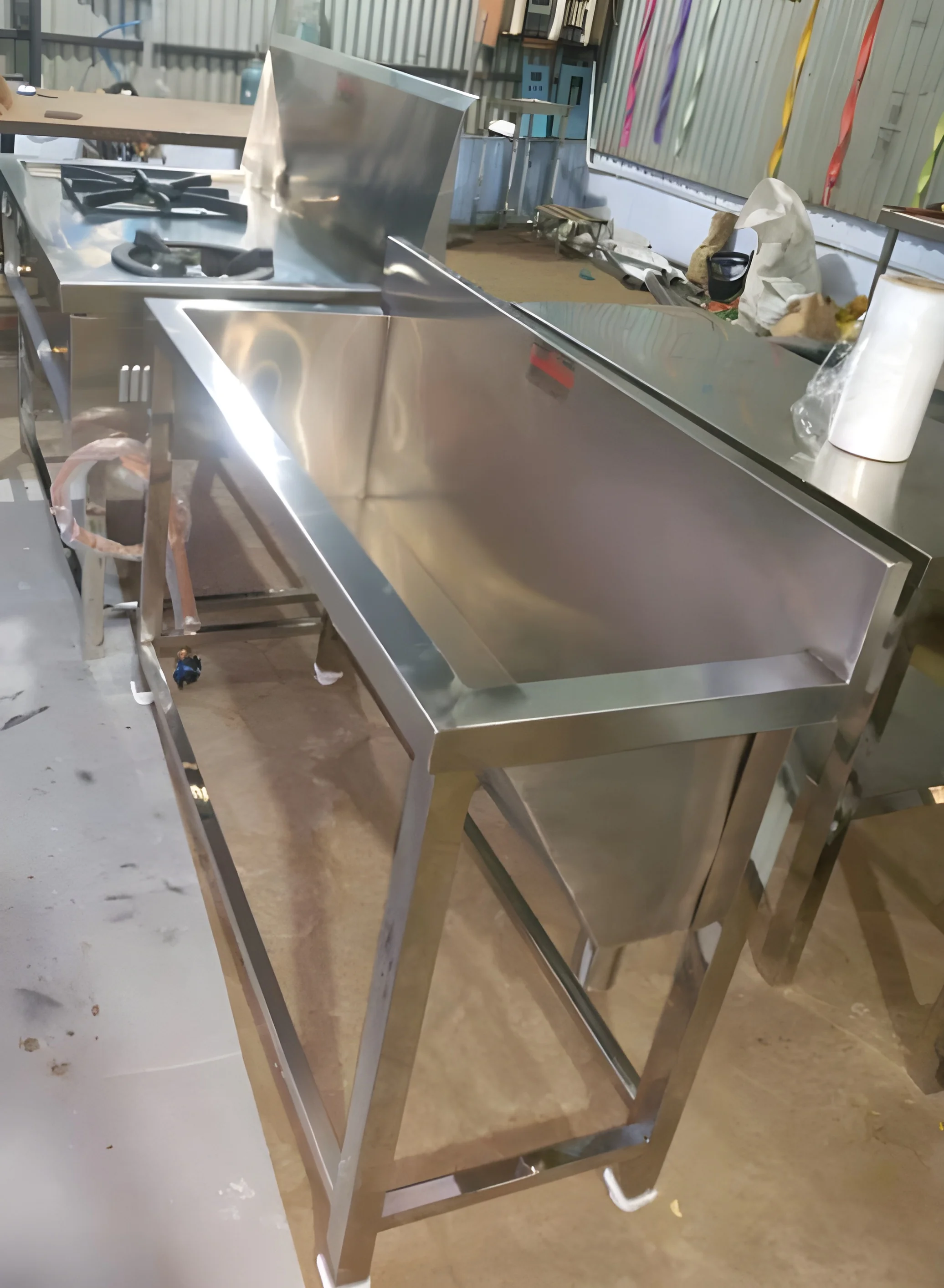
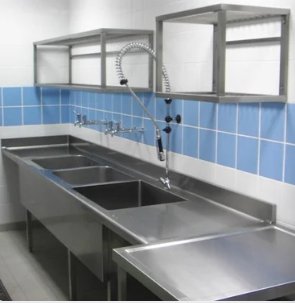
4. Food Processing Plants: Specialized kitchen furniture designed for hygienic food preparation is critical in these settings. Stainless steel surfaces and cabinets help maintain cleanliness and safety.
5. Residential Kitchens: Custom kitchen furniture is increasingly popular in homes, where it serves to optimize space and provide personalized storage solutions.
6. Educational Institutions: Culinary schools require kitchen furniture that supports hands-on learning, including workstations equipped with storage and tools for students.
7. Healthcare Facilities: In hospitals and care homes, kitchen furniture must meet strict hygiene standards while providing efficient food service for patients and staff.
Product Variants and Subcategories
Kitchen furniture comes in a variety of styles and configurations to meet diverse needs. This diversity allows buyers to select pieces that best fit their specific kitchen environments.
Cabinet Systems
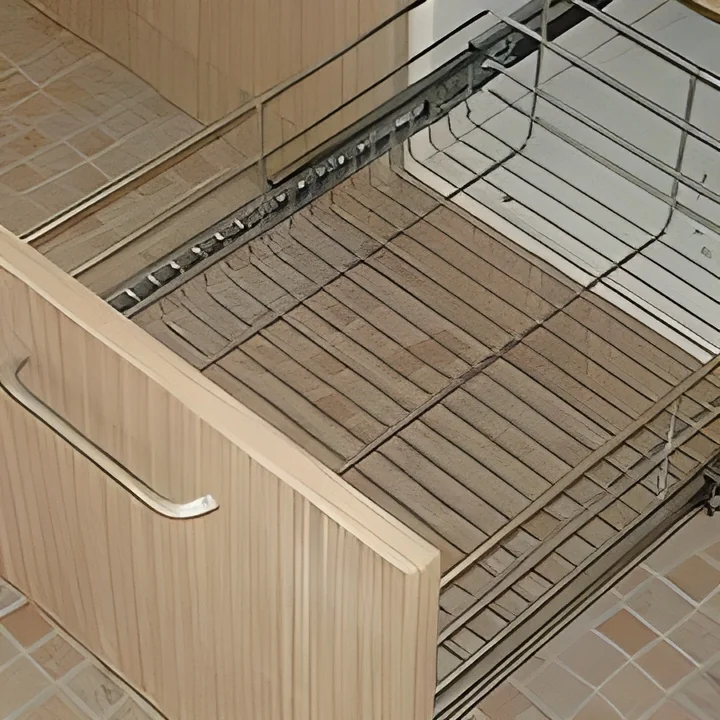
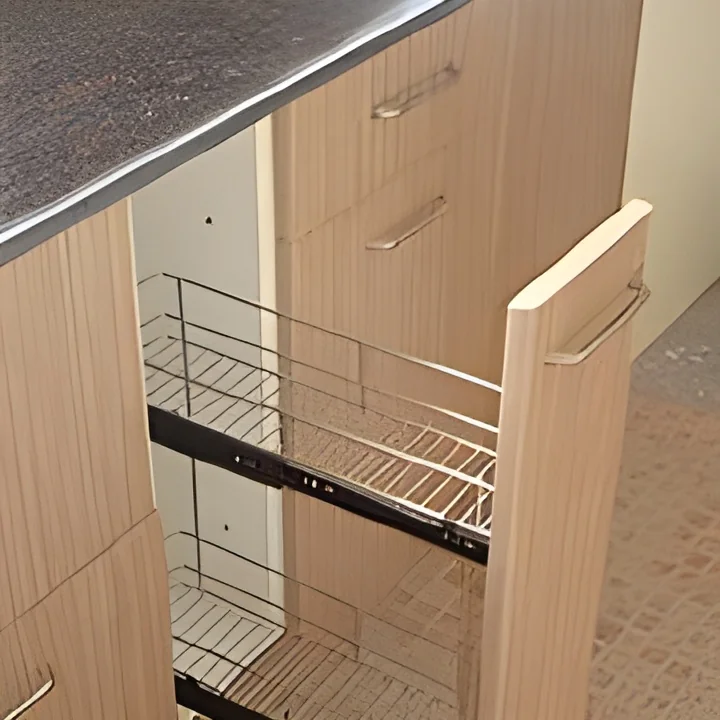
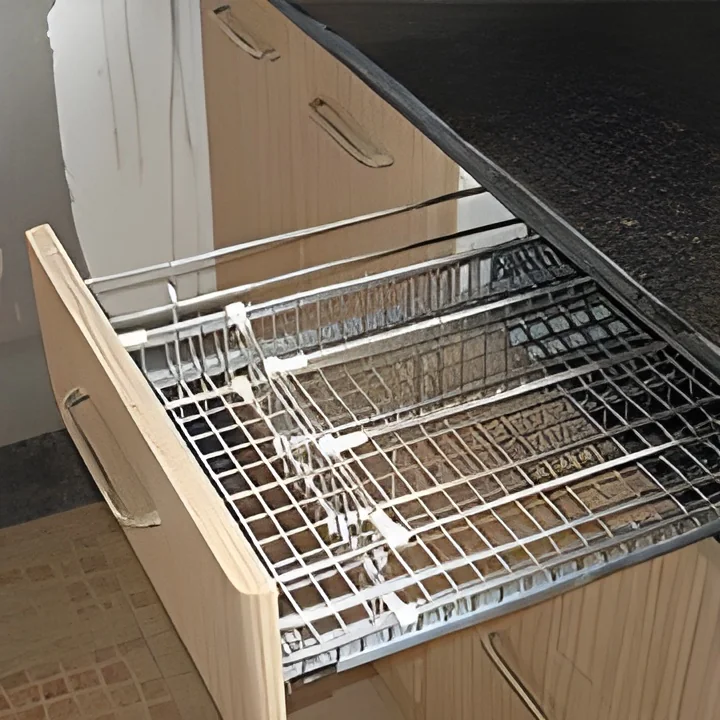
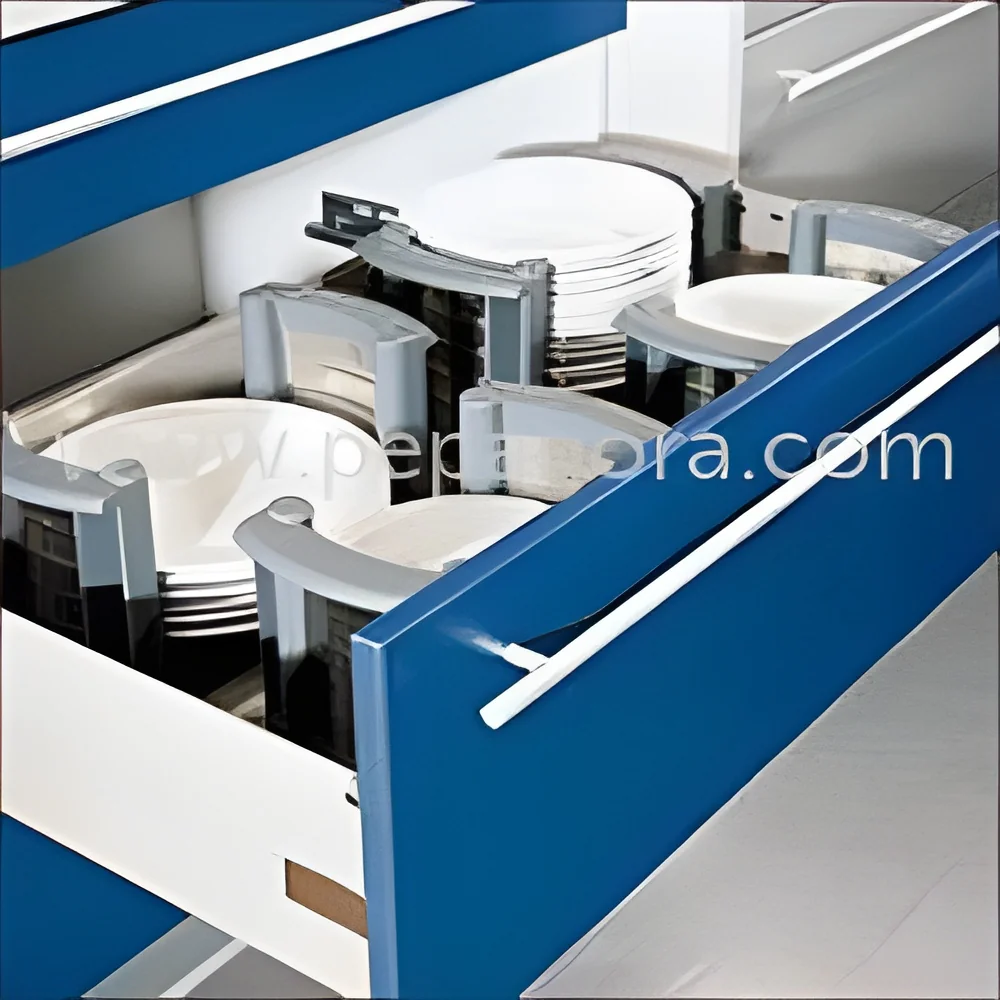
These are modular units that provide versatile storage solutions. They can be customized in size and design to fit various kitchen layouts, ensuring efficient use of space.
Dining Sets
Dining sets typically include a table and matching chairs designed for kitchen dining areas. They come in various styles to complement kitchen aesthetics while providing comfort.
Countertops
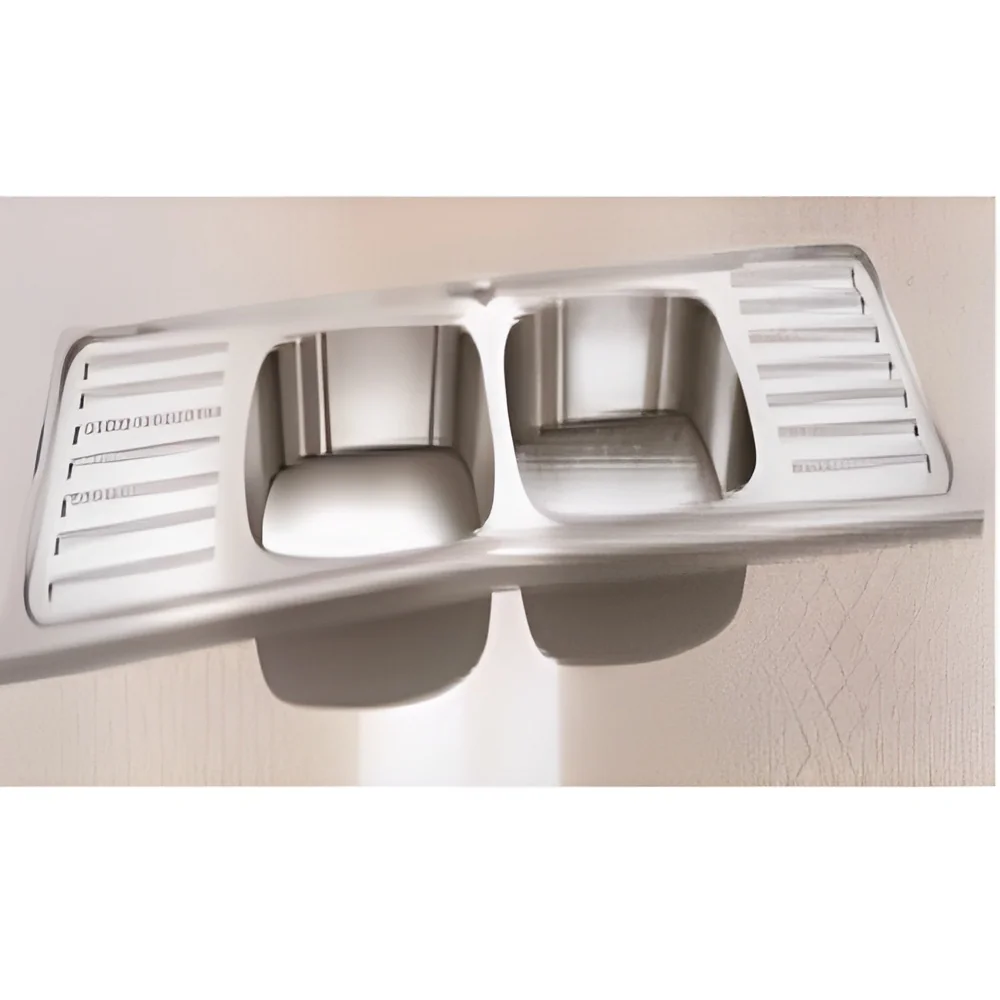
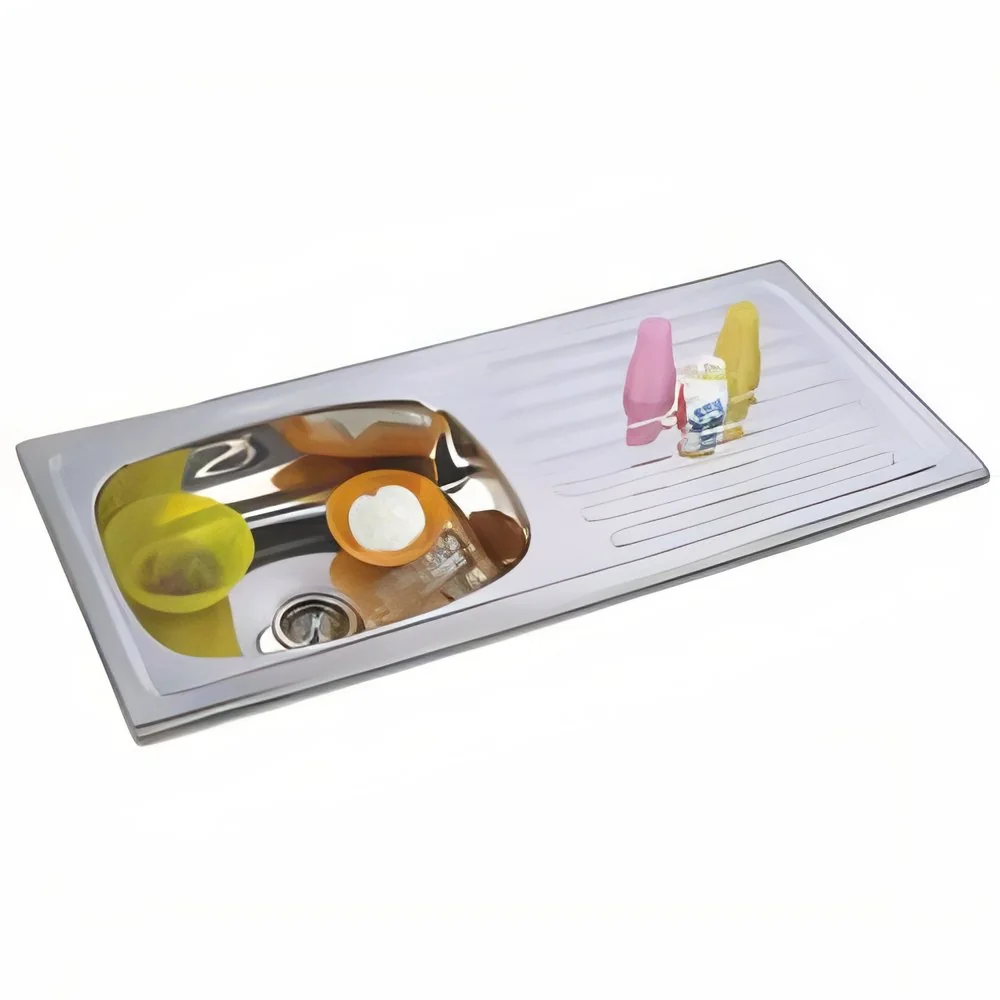
Available in different materials such as granite, quartz, and laminate, countertops serve as functional work surfaces for food preparation. Each material offers unique benefits in terms of durability and ease of maintenance.
Workstations
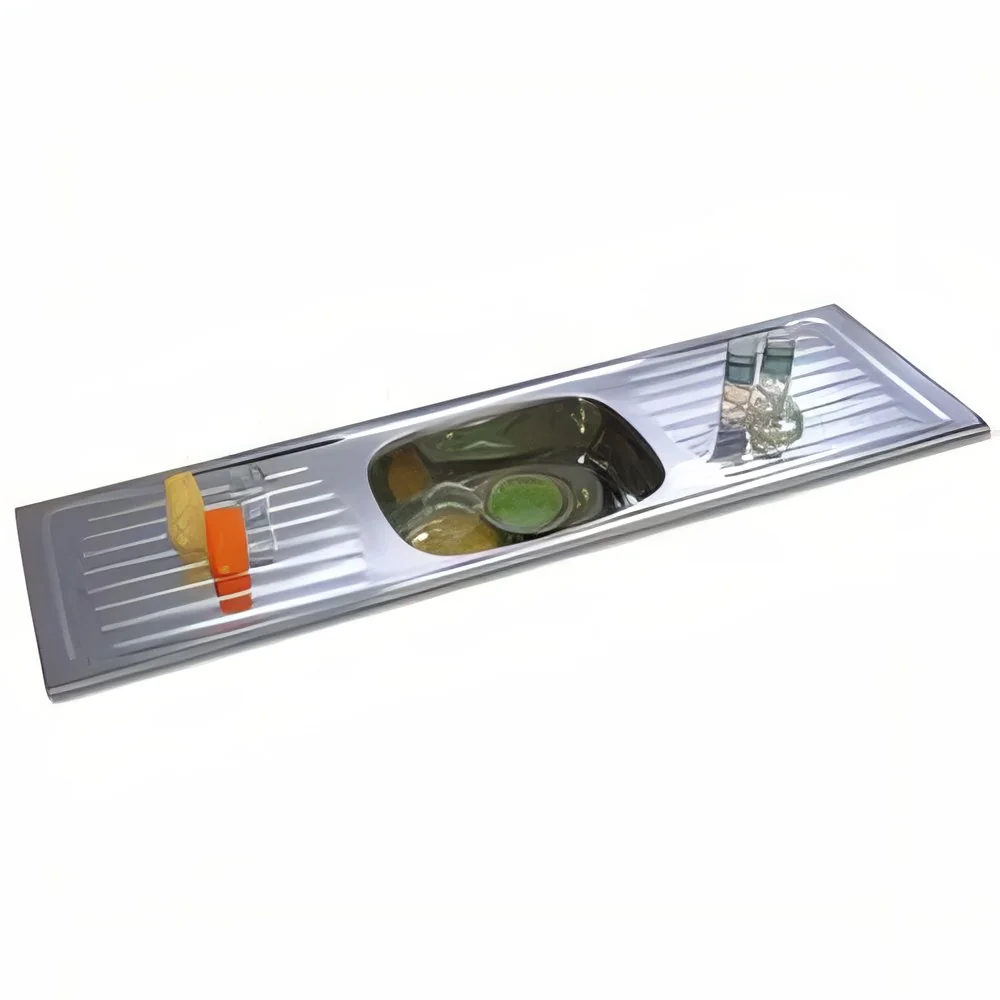
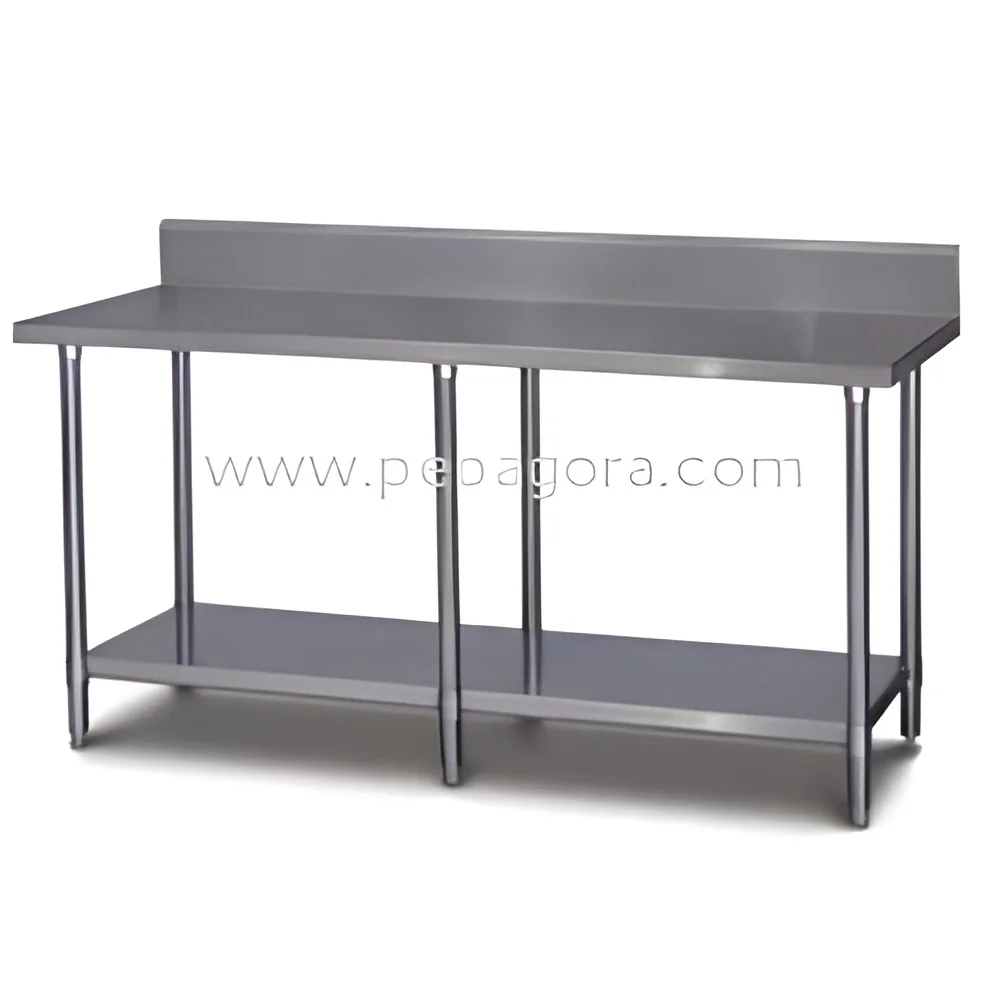
These are specialized units designed for cooking and food preparation. They often include built-in storage and are designed to facilitate efficient workflow in busy kitchens.
Benefits and Advantages
Investing in quality kitchen furniture brings numerous advantages for businesses and homeowners alike.
1. Enhanced Efficiency: Well-designed kitchen furniture improves workflow and organization, allowing for faster meal preparation and service.
2. Increased Durability: High-quality materials and construction ensure that kitchen furniture withstands the rigors of daily use, providing long-term value.
3. Customization Potential: Many manufacturers offer customization options, allowing buyers to tailor furniture to their specific needs and preferences.
4. Aesthetic Appeal: Stylish kitchen furniture enhances the overall look of the kitchen, making it a more inviting space for both employees and customers.
5. Safety Compliance: Kitchen furniture that meets safety standards reduces the risk of accidents and injuries in the kitchen environment.
6. Space Optimization: Modular and versatile designs allow for efficient use of available space, making kitchens more functional.
Buying Guide for B2B Buyers
When sourcing kitchen furniture for business use, there are several key factors to consider to ensure optimal purchasing decisions.
1. Quality Assessment: Evaluate the quality of materials and construction. Look for furniture that meets industry standards and offers durability suited for commercial use.
2. Supplier Verification: Vet potential suppliers by checking their certifications and customer reviews. A reliable supplier will provide transparency about their products and services.
3. Pricing and MOQ: Understand pricing structures and minimum order quantities (MOQ). This information is crucial for budgeting and managing inventory levels.
4. Delivery and Lead Times: Inquire about delivery schedules and lead times. Timely delivery is essential for maintaining operations and meeting project deadlines.
5. Compliance Requirements: Ensure that the kitchen furniture complies with relevant safety and health regulations. This is particularly important in commercial and institutional settings.
Compliance and Certifications
Kitchen furniture must adhere to various quality and safety standards to ensure its suitability for use in different environments. Relevant certifications include ISO 9001, which focuses on quality management systems, and HACCP for food safety management. These standards provide assurance that the furniture is manufactured under strict guidelines to ensure safety and reliability.
Additionally, CE certification is important for European markets, indicating compliance with health, safety, and environmental protection standards. Safety testing requirements may also vary by region, necessitating adherence to local regulations concerning materials and construction.
In regions with specific compliance considerations, manufacturers must be aware of local laws governing kitchen furniture. This can include regulations related to materials used, fire safety, and health standards in food preparation areas.
Why Source Kitchen Furniture from Pepagora?
Pepagora provides an innovative platform for sourcing kitchen furniture with several key advantages that set it apart from competitors.
Verified Supplier Network: Pepagora offers access to a network of verified suppliers, ensuring that buyers can source high-quality kitchen furniture with confidence. This verification process helps mitigate risks associated with supplier reliability.
Streamlined RFQ Process: The platform features a streamlined request for quotation (RFQ) process, making it easy for buyers to compare offers from multiple suppliers quickly. This efficiency aids in making informed purchasing decisions.
Trade Assurance and Support: Pepagora includes trade assurance measures that protect buyers throughout the transaction process. This support helps build trust and ensures a smoother purchasing experience.
Regional Coverage: With a strong presence in India, the GCC, and Southeast Asia, Pepagora connects buyers with local suppliers, facilitating timely deliveries and fostering partnerships that cater to regional market needs.
By choosing Pepagora, businesses can benefit from a reliable sourcing solution that enhances their kitchen operations while ensuring quality and compliance.

 IN
IN