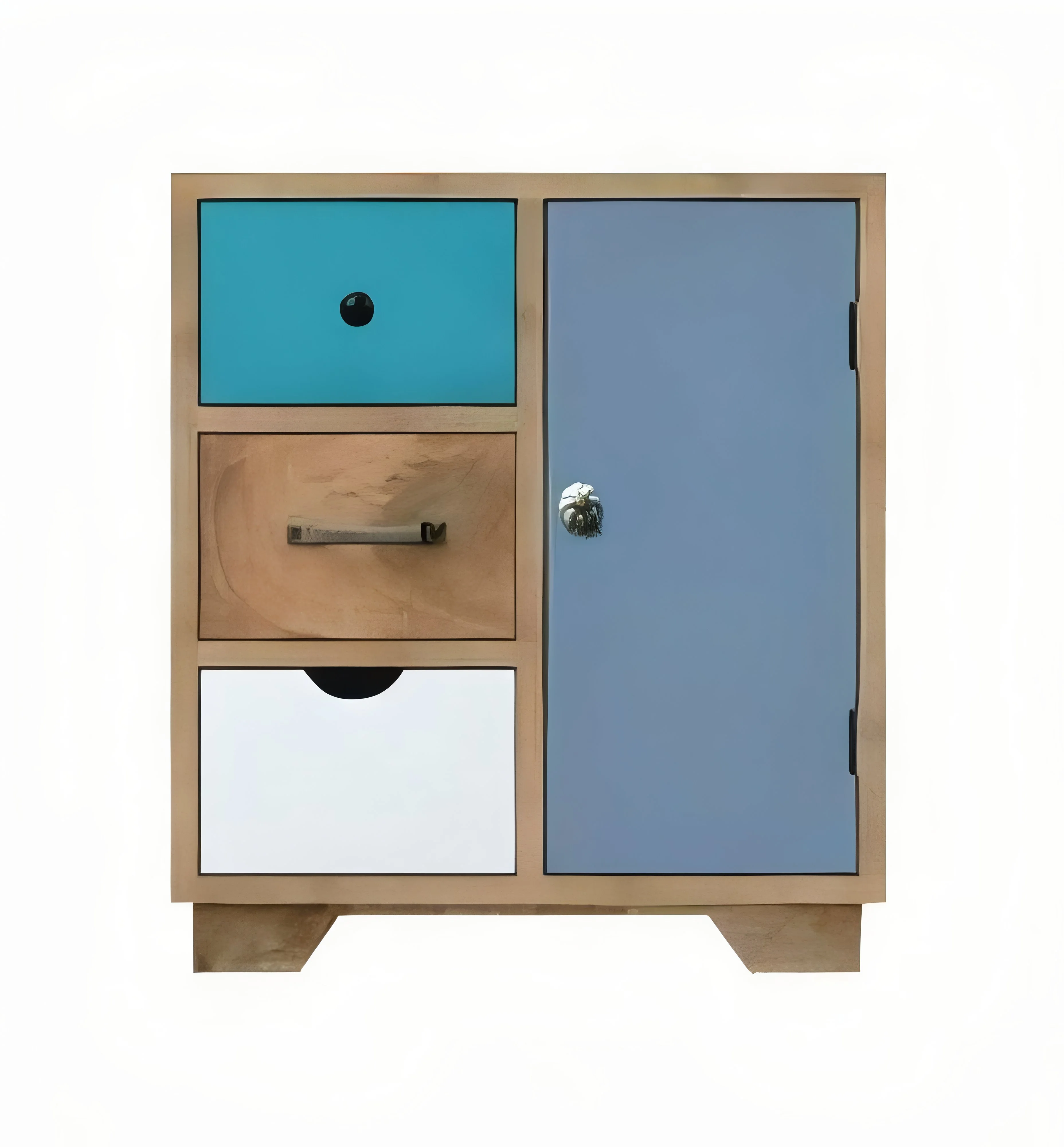
What are Bedside Tables?
Bedside tables are small furniture pieces typically placed next to beds in bedrooms. They serve as convenient storage spaces for items that may be needed during the night, such as lamps, books, alarm clocks, and personal belongings. These tables can vary in design, material, and functionality, catering to different aesthetic preferences and practical needs.
In a business context, bedside tables are commonly found in hotels, hospitals, and residential settings. They play a significant role in enhancing the overall ambiance and functionality of a room. In hotels, for instance, bedside tables are essential for providing guests with easy access to their essentials, contributing to a comfortable and pleasant stay. In healthcare settings, they provide a practical solution for holding medical supplies and personal items for patients.
The market for bedside tables is diverse, with options ranging from simple designs to more complex models that include additional storage solutions. The rise of e-commerce has expanded access to various styles, making it easier for businesses to source these essential furniture pieces. As interior design trends evolve, the demand for aesthetically pleasing and functional bedside tables continues to grow.
Key Features and Specifications
Bedside tables come with a variety of features and specifications that cater to different needs and preferences. Understanding these specifications can help businesses make informed purchasing decisions.
Key specifications include:
1. Material
- Common materials include wood, metal, glass, and composite materials.
- Durability and aesthetic appeal vary by material choice.
2. Dimensions
- Typical heights range from 24 to 30 inches.
- Width and depth can vary, with standard sizes around 18 to 24 inches.
3. Storage Options
- Some models feature drawers, shelves, or open compartments.
- Storage configurations can influence utility and organization.
4. Design Style
- Available styles include contemporary, traditional, rustic, and minimalist.
- Design choice impacts the overall bedroom aesthetic.
5. Weight Capacity
- Most bedside tables can support between 50 to 100 pounds.
- Weight capacity is crucial for holding lamps and other items.
6. Finish Options
- Finishes can include varnish, paint, or natural wood grain.
- Finish choice affects maintenance and appearance.
7. Assembly Requirements
- Some bedside tables are fully assembled, while others require assembly.
- Assembly complexity can impact purchase decision.
8. Price Range
- Prices typically range from budget-friendly options to high-end designs.
- Cost considerations should align with the intended use and quality expectations.
In summary, understanding the features and specifications of bedside tables can guide purchasing decisions for businesses, ensuring they select products that meet their functional and aesthetic requirements.
Common Applications and Use Cases
Bedside tables find applications across various industries and settings, making them versatile furniture pieces.
1. Hospitality Industry: In hotels, bedside tables enhance guest experience by providing convenient access to essentials. They often include features like built-in charging stations for electronic devices.
2. Healthcare Facilities: In hospitals and nursing homes, bedside tables serve as practical solutions for patients, providing space for personal items and medical supplies. They are designed for easy cleaning and durability.
3. Residential Settings: Homeowners use bedside tables to complement bedroom decor while providing functionality. They often serve as display surfaces for decorative items and personal belongings.
4. Student Housing: In dormitories and shared accommodations, bedside tables maximize limited space, offering storage and surface area for study materials and personal items.
5. Interior Design: Designers incorporate bedside tables into bedroom layouts to enhance aesthetics and functionality, showcasing various styles and finishes to match the overall theme.
6. Retail Environments: Furniture retailers showcase bedside tables as essential bedroom furnishings, highlighting their features and benefits to attract potential buyers.
7. Online Marketplaces: E-commerce platforms offer a wide range of bedside tables, catering to diverse customer needs and preferences in style and functionality.
Product Variants and Subcategories
Bedside tables come in several variants, allowing businesses to choose products that fit their specific needs and preferences.
Traditional Bedside Tables: These tables often feature classic designs with rich wood finishes. They typically include drawers for storage and are suitable for a variety of bedroom styles.
Modern Bedside Tables: Characterized by sleek lines and minimalist designs, modern bedside tables often use materials like metal and glass. They complement contemporary bedroom aesthetics.
Multi-Functional Bedside Tables: These tables may include additional features such as built-in charging ports or adjustable height options. They cater to users looking for versatility in small spaces.
Luxury Bedside Tables: Often crafted from high-quality materials, luxury bedside tables feature elegant designs and finishes. They add a touch of sophistication to upscale hotel rooms and luxury residences.
Nesting Bedside Tables: This variant includes a set of smaller tables that can be used as needed. Their flexibility makes them ideal for accommodating changing space needs.
Benefits and Advantages
Investing in quality bedside tables offers numerous advantages for businesses and consumers alike.
1. Enhanced Functionality: Bedside tables provide essential storage and surface space, improving organization in bedrooms and facilitating easy access to personal items.
2. Aesthetic Appeal: A well-chosen bedside table can elevate the overall look of a bedroom, contributing to a cohesive interior design theme.
3. Versatility: Available in various styles and materials, bedside tables can fit into different environments, from residential homes to commercial spaces.
4. Space Optimization: Bedside tables are designed to maximize limited floor space, making them ideal for smaller bedrooms or shared accommodations.
5. Increased Value: Quality bedside tables can enhance the perceived value of a property, particularly in the hospitality and real estate markets.
6. Customization Options: Many manufacturers offer customizable features, allowing businesses to tailor bedside tables to meet specific needs or branding requirements.
Buying Guide for B2B Buyers
When sourcing bedside tables for business needs, several factors should be considered to ensure a successful purchase.
1. Quality Assessment: Evaluate the materials and construction of the bedside tables to ensure durability and longevity. Look for products that meet industry standards for quality.
2. Supplier Verification: Research potential suppliers to verify their reputation and reliability. Consider checking references and customer reviews to gauge past performance.
3. Pricing and MOQ: Understand the price range for the bedside tables you are considering and inquire about minimum order quantities (MOQ). This will help in budgeting and planning.
4. Delivery and Lead Times: Discuss logistics with suppliers to determine delivery timelines. Ensure that they can meet your deadlines to avoid disruptions in your operations.
5. Compliance Requirements: Be aware of any regulatory or compliance standards that may apply to bedside tables in your region, such as safety certifications or material regulations.
Compliance and Certifications
Bedside tables must adhere to various quality standards and regulations to ensure safety and reliability.
Relevant quality standards include ISO 9001, which focuses on quality management systems, ensuring that manufacturers maintain consistent product quality.
Industry certifications, such as CE, indicate that products meet European safety and health requirements, making them suitable for markets that require compliance with these regulations.
Additionally, safety and testing requirements are crucial, particularly in healthcare settings where bedside tables must withstand rigorous use and cleaning protocols.
Regional compliance considerations may vary, necessitating an understanding of local regulations for furniture safety and sustainability. Businesses should ensure their suppliers are compliant with these standards to avoid potential liabilities.
Why Source Bedside Tables from Pepagora?
Pepagora offers a trusted platform for businesses looking to source bedside tables, providing several key advantages that set it apart from competitors.
Verified Supplier Network: Pepagora connects buyers with a network of verified suppliers, ensuring that products meet quality and safety standards. This verification process helps build trust between buyers and suppliers.
Streamlined RFQ Process: The platform features an easy-to-use request for quotation (RFQ) system, allowing buyers to receive competitive quotes from multiple suppliers quickly. This efficiency saves time and resources during the sourcing process.
Trade Assurance and Support: Pepagora provides trade assurance to protect buyers in their transactions. This includes support for resolving disputes and ensuring that products meet agreed-upon specifications.
Regional Coverage: With a strong presence in India, the GCC, and Southeast Asia, Pepagora offers extensive geographical reach. This allows businesses to source bedside tables from various markets, catering to diverse needs and preferences.
In conclusion, Pepagora stands out as a reliable platform for sourcing bedside tables, offering a combination of verified suppliers, competitive pricing, and comprehensive support for businesses across multiple regions.

 IN
IN