
 IN
Flour, Sugar, Salt & Other Essentials
210 products available
𝗪𝗵𝗮𝘁 𝗮𝗿𝗲 𝗙𝗹𝗼𝘂𝗿, 𝗦𝘂𝗴𝗮𝗿, 𝗦𝗮𝗹𝘁 & 𝗢𝘁𝗵𝗲𝗿 𝗘𝘀𝘀𝗲𝗻𝘁𝗶𝗮𝗹𝘀?
Flour, sugar, salt, and other essentials are fundamental ingredients widely used in food production and various industrial applications. Flour is primarily made from ground grains and serves as a key component in baked goods, pastas, and many processed foods. Sugar is a sweetener derived from sugarcane or sugar beets, and it is crucial in a multitude of food products for flavor enhancement and preservation. Salt, a mineral, is essential not only for flavor but also for food preservation, fermentation processes, and overall food safety.
The primary uses of these essentials span across industries such as food and beverage, pharmaceuticals, and cosmetics. In the food industry, flour is used for baking bread and pastries, sugar is integral in desserts and beverages, and salt plays a vital role in flavoring and preserving food. Beyond food, these ingredients are also utilized in the production of a variety of consumer products, highlighting their versatility and importance in numerous applications. The market for flour, sugar, salt, and other essentials remains robust, driven by global consumption trends and the growth of the food processing sector.
𝗞𝗲𝘆 𝗙𝗲𝗮𝘁𝘂𝗿𝗲𝘀 𝗮𝗻𝗱 𝗦𝗽𝗲𝗰𝗶𝗳𝗶𝗰𝗮𝘁𝗶𝗼𝗻𝘀
When evaluating flour, sugar, salt, and other essentials, it is essential to understand their key features and specifications to ensure quality and suitability for various applications.
Key specifications include:
1. Flour Type
- Different types include all-purpose, bread, whole wheat, and gluten-free.
- Protein content varies from 8% to 14%, influencing baking performance.
2. Sugar Type
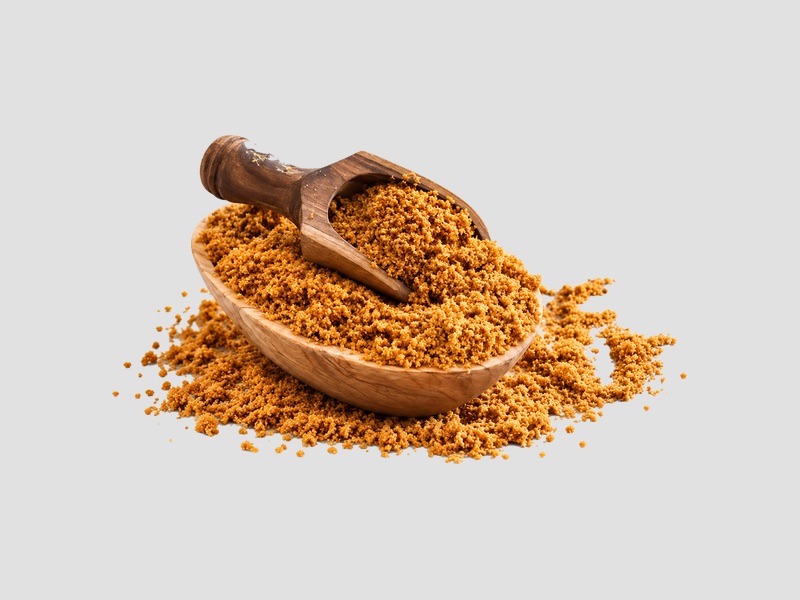
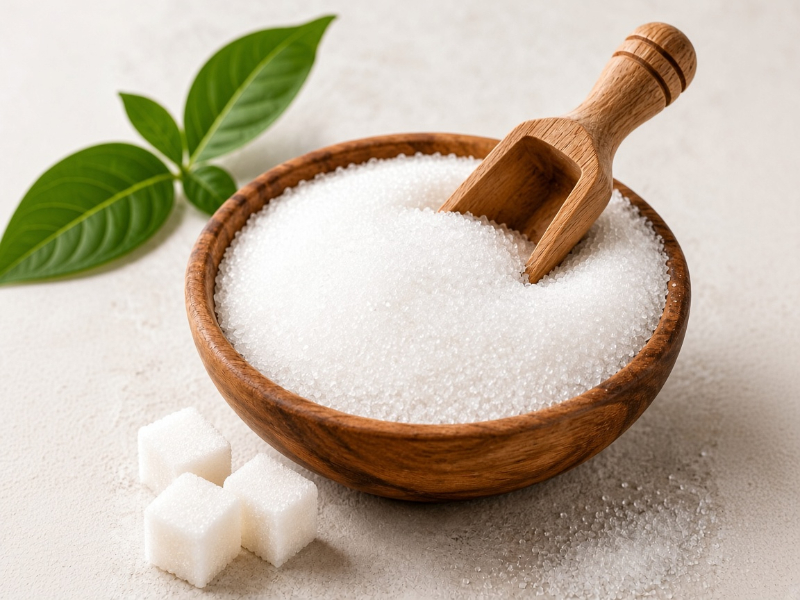
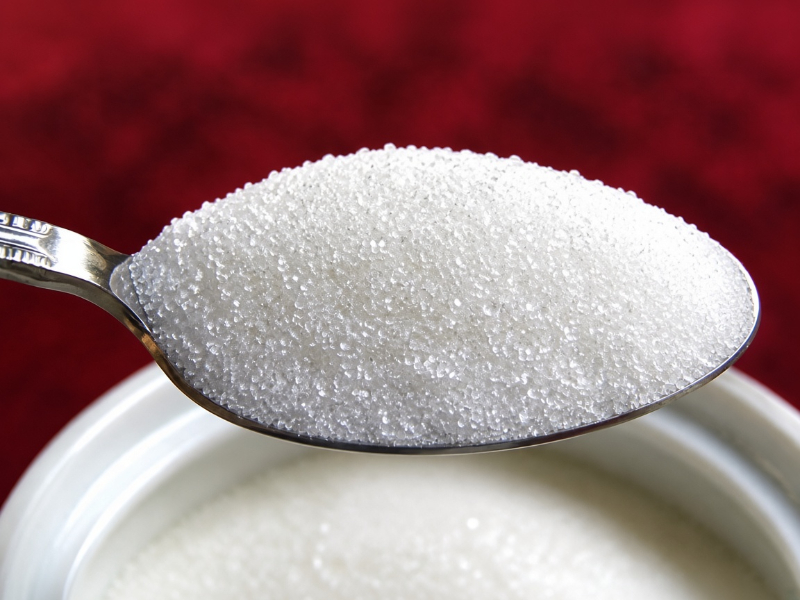
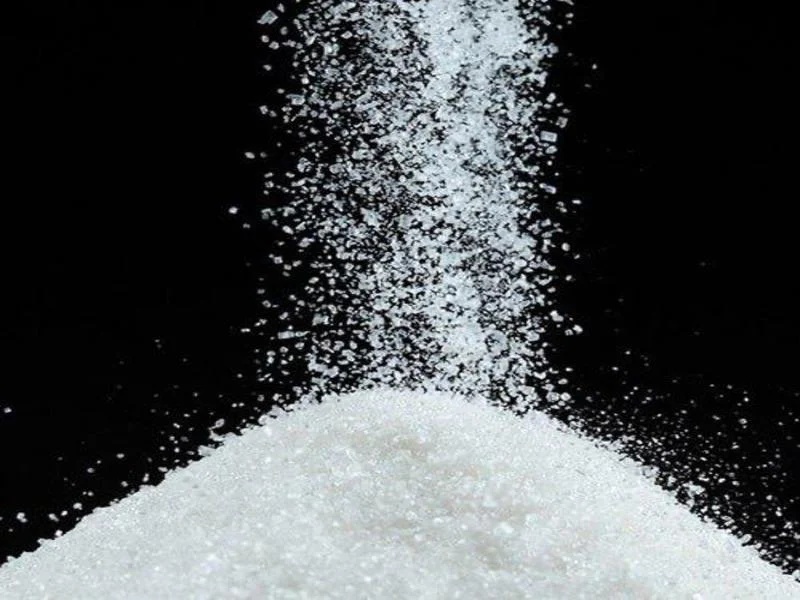
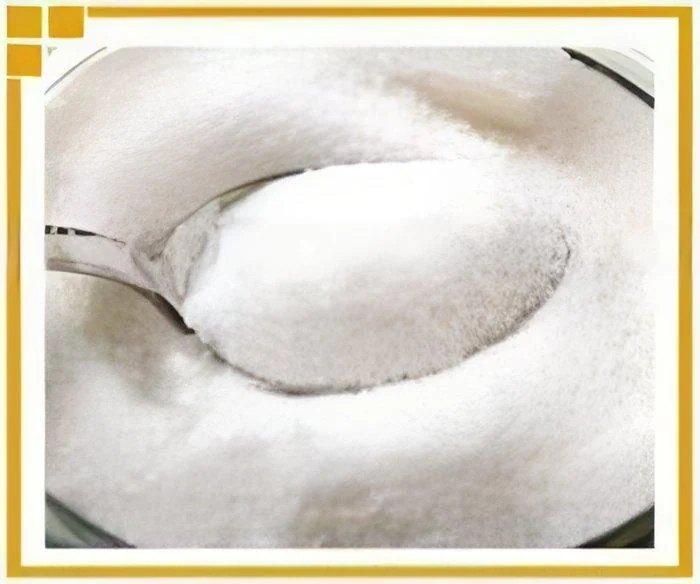
- Common types include granulated, powdered, and brown sugar.
- Sweetness level is typically measured in degrees Brix, ranging from 60 to 75.
3. Salt Purity
- Food-grade salt should have a purity level of 97% or higher.
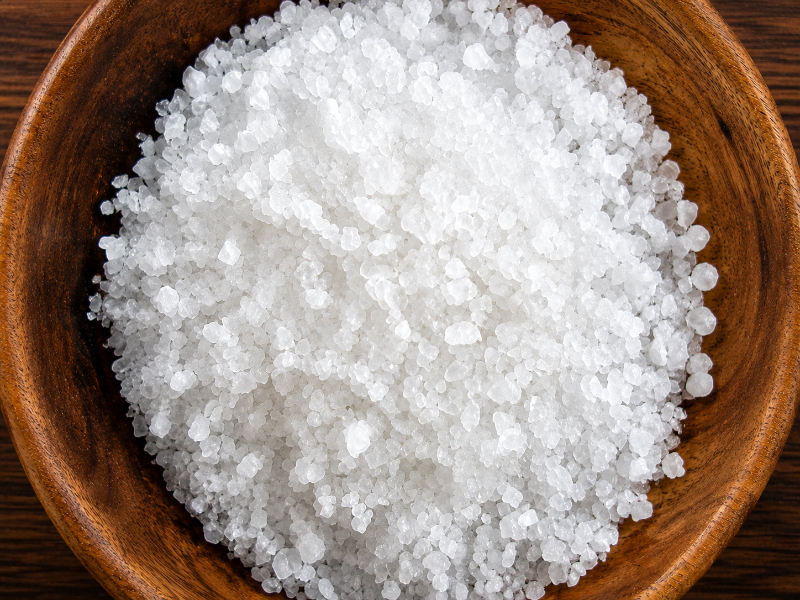
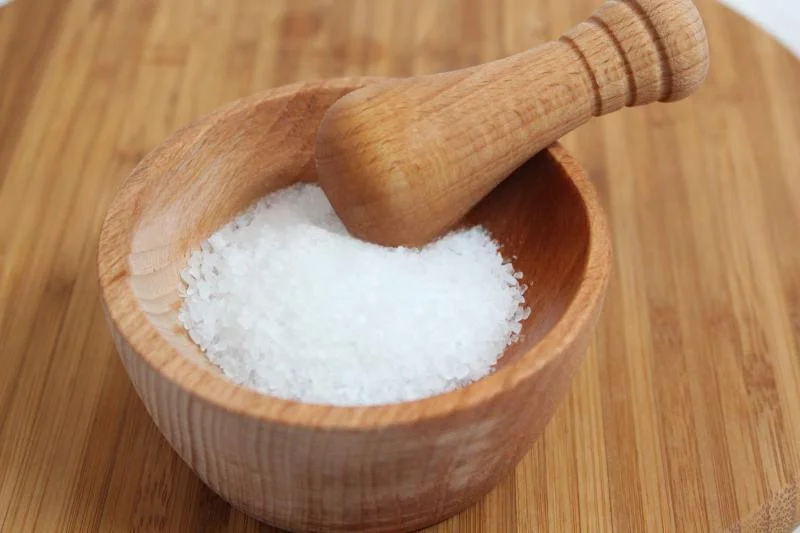
- Available as fine or coarse granules, suitable for various applications.
4. Moisture Content
- Flour typically has a moisture content of 12% to 14%.
- Sugar moisture content is usually below 0.5% to prevent clumping.
5. Packaging Options
- Available in bulk bags, retail packaging, or customized sizes.
- Standard packaging sizes range from 1 kg to 25 kg.
6. Shelf Life
- Flour can last 6 to 12 months if stored properly.
- Sugar has an indefinite shelf life when kept dry.
7. Nutritional Information
- Flour provides carbohydrates, protein, and dietary fiber.
- Sugar is primarily a source of carbohydrates without significant nutrients.
8. Compliance Standards
- Products may comply with local food safety regulations and standards such as HACCP.
This comprehensive understanding of specifications ensures that businesses can make informed decisions based on their specific needs.
𝗖𝗼𝗺𝗺𝗼𝗻 𝗔𝗽𝗽𝗹𝗶𝗰𝗮𝘁𝗶𝗼𝗻𝘀 𝗮𝗻𝗱 𝗨𝘀𝗲 𝗖𝗮𝘀𝗲𝘀
Flour, sugar, salt, and other essentials serve a wide range of industries and applications.
1. Food and Beverage: Flour is used in baking breads, cakes, and pastries. Sugar sweetens beverages and desserts while salt enhances flavor and preserves food.
2. Pharmaceuticals: These ingredients are used in the formulation of various medications and supplements, particularly as excipients in tablets and powders.
3. Cosmetics: Sugar serves as a natural exfoliant in skincare products, while salt is used in bath products for its therapeutic properties.
4. Animal Feed: Flour and other by-products can be utilized in animal feed formulations, providing essential nutrients to livestock.
5. Culinary Arts: Professional chefs and home cooks rely on these essentials for creating a wide variety of dishes, from savory to sweet.
6. Food Processing: These ingredients are essential in the production of sauces, dressings, and packaged food items.
7. Confectionery: Sugar is a primary ingredient in candies and chocolates, while flour may be used in certain confections.
𝗣𝗿𝗼𝗱𝘂𝗰𝘁 𝗩𝗮𝗿𝗶𝗮𝗻𝘁𝘀 𝗮𝗻𝗱 𝗦𝘂𝗯𝗰𝗮𝘁𝗲𝗴𝗼𝗿𝗶𝗲𝘀
Flour, sugar, salt, and other essentials come in various forms and types to meet diverse consumer needs.
Flour Variants
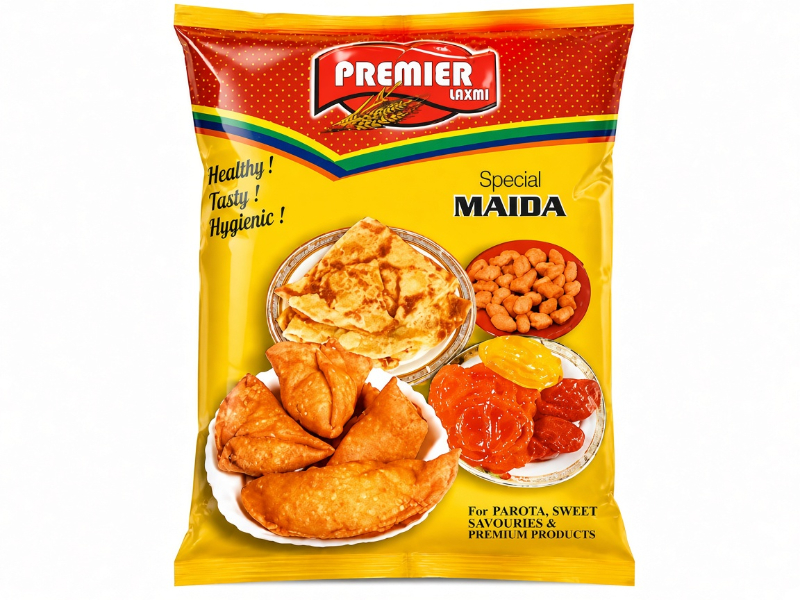
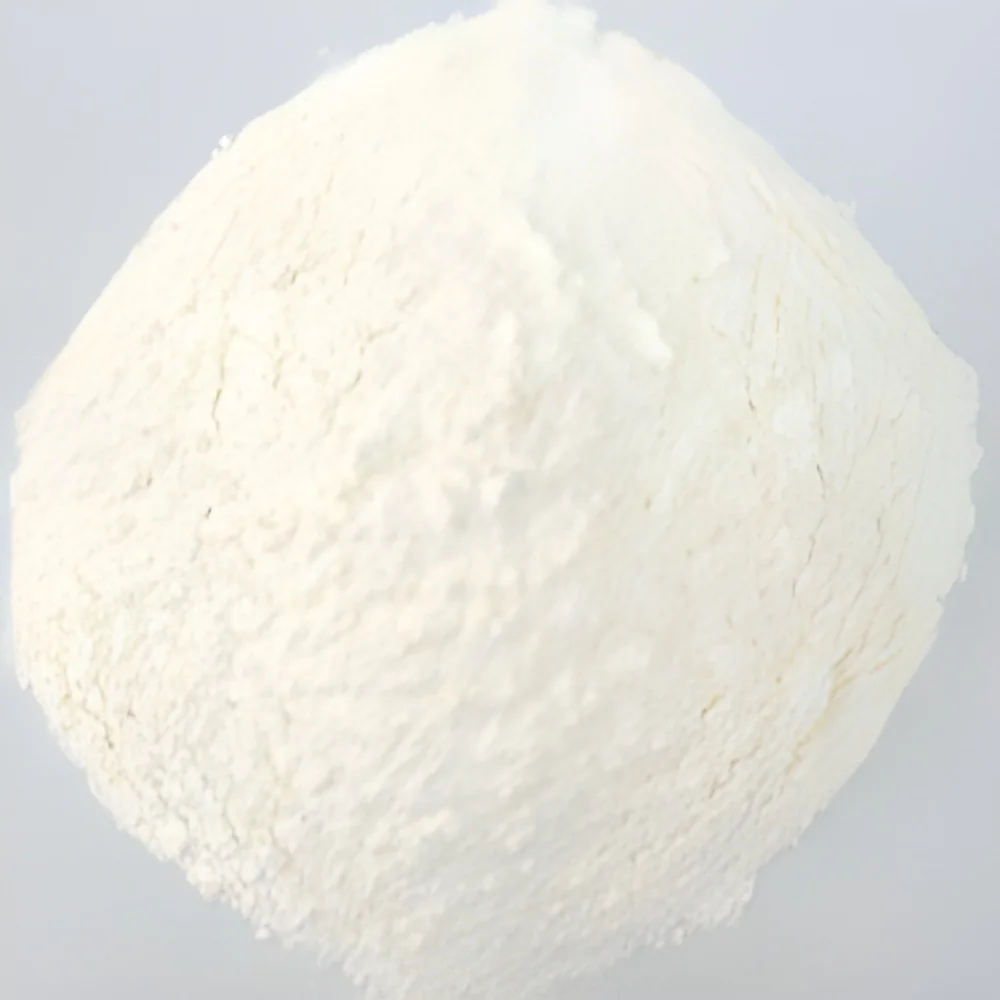
Different types of flour include all-purpose, bread, whole wheat, and gluten-free options. Each variant offers distinct properties suitable for specific recipes, such as high protein content for bread or lower gluten for pastries.
Sugar Variants
Sugar is available in multiple forms, including granulated, powdered, and brown sugar. Each type has its own applications, such as granulated sugar for baking, powdered sugar for icing, and brown sugar for rich flavor in certain recipes.
Salt Variants
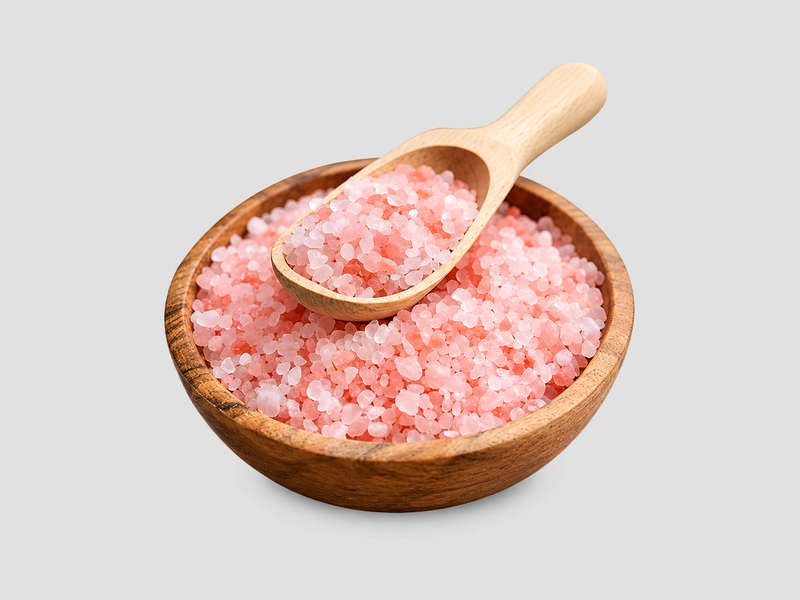
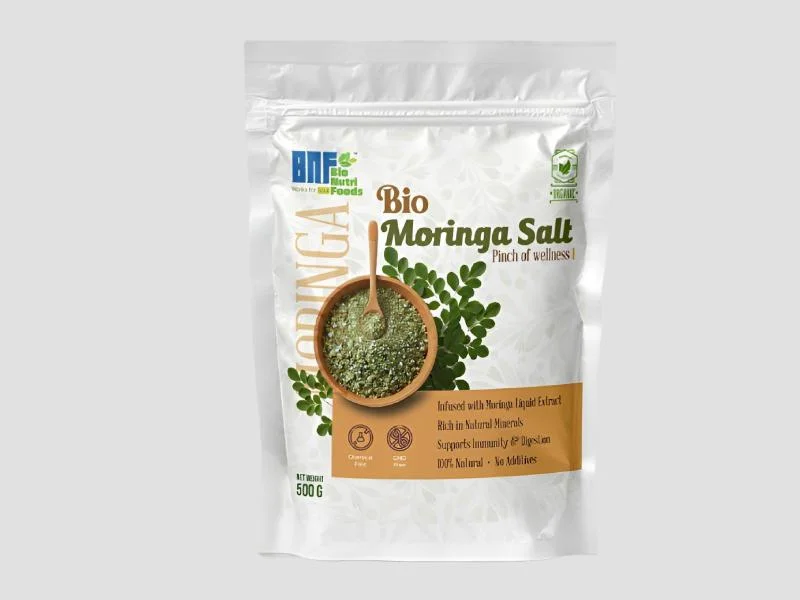
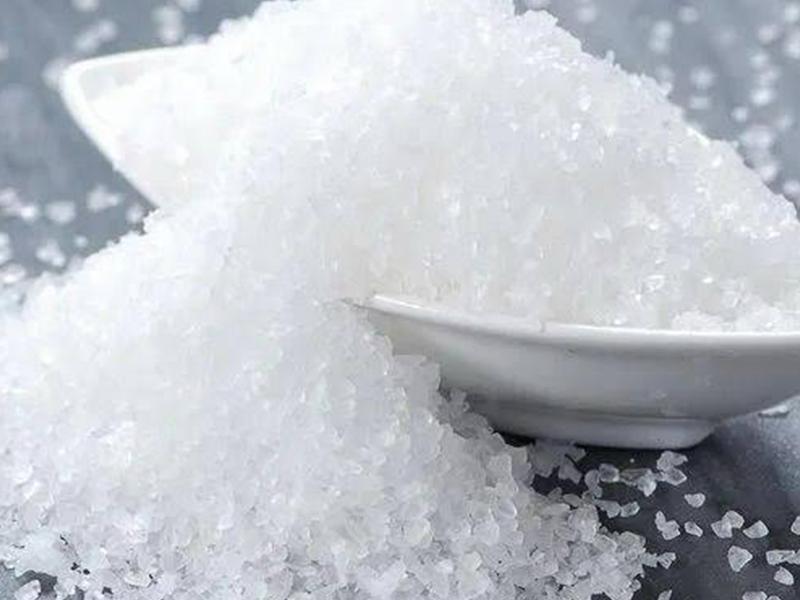
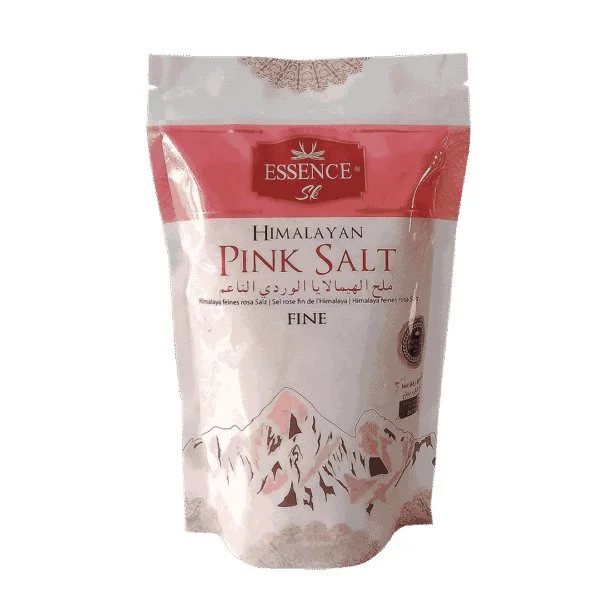
Salt can be found in various forms, including table salt, sea salt, and kosher salt. Each variant has unique characteristics that make it suitable for different culinary applications, from seasoning to brining.
𝗕𝗲𝗻𝗲𝗳𝗶𝘁𝘀 𝗮𝗻𝗱 𝗔𝗱𝘃𝗮𝗻𝘁𝗮𝗴𝗲𝘀
Sourcing flour, sugar, salt, and other essentials offers numerous benefits to businesses.
1. Versatility: These ingredients can be used in a wide range of applications, making them essential for various industries.
2. Quality Assurance: High-quality products meet stringent safety and quality standards, ensuring consumer satisfaction.
3. Cost-Effectiveness: Bulk purchasing can lead to significant savings for businesses, enhancing profitability.
4. Availability: A stable supply chain ensures that businesses can consistently access these essential ingredients.
5. Customization: Suppliers may offer customized formulations to meet specific business needs or dietary requirements.
6. Nutritional Benefits: When sourced responsibly, these essentials can contribute positively to product formulations, enhancing nutritional profiles.
𝗕𝘂𝘆𝗶𝗻𝗴 𝗚𝘂𝗶𝗱𝗲 𝗳𝗼𝗿 𝗕𝟮𝗕 𝗕𝘂𝘆𝗲𝗿𝘀
When sourcing flour, sugar, salt, and other essentials, several factors should be considered to make informed purchasing decisions.
1. Quality Assessment: Evaluate products based on their nutritional composition, purity, and adherence to industry standards. Conduct testing for consistency and quality.
2. Supplier Verification: Vet suppliers for credibility and reliability. Check for certifications, customer reviews, and industry reputation to ensure trustworthy partnerships.
3. Pricing and MOQ: Understand the pricing structure and minimum order quantities (MOQ) to align procurement with budgetary constraints.
4. Delivery and Lead Times: Assess logistics capabilities and delivery schedules to ensure timely supply, especially for production needs.
5. Compliance Requirements: Be aware of local and international regulations that govern food safety and quality, ensuring that sourced products meet necessary standards.
𝗖𝗼𝗺𝗽𝗹𝗶𝗮𝗻𝗰𝗲 𝗮𝗻𝗱 𝗖𝗲𝗿𝘁𝗶𝗳𝗶𝗰𝗮𝘁𝗶𝗼𝗻𝘀
Compliance with quality standards is critical in the sourcing of flour, sugar, salt, and other essentials. Adherence to ISO 9001 ensures that suppliers maintain a quality management system that consistently meets customer and regulatory requirements.
HACCP (Hazard Analysis and Critical Control Points) is another important standard, focusing on food safety by identifying potential hazards in food production processes. Compliance with Good Distribution Practice (GDP) ensures that products are stored and transported safely to maintain quality.
Certifications such as CE indicate that products meet European safety and environmental requirements. Additionally, regional compliance considerations should be taken into account, as different markets may have specific regulations regarding food safety and ingredient sourcing.
𝗪𝗵𝘆 𝗦𝗼𝘂𝗿𝗰𝗲 𝗙𝗹𝗼𝘂𝗿, 𝗦𝘂𝗴𝗮𝗿, 𝗦𝗮𝗹𝘁 & 𝗢𝘁𝗵𝗲𝗿 𝗘𝘀𝘀𝗲𝗻𝘁𝗶𝗮𝗹𝘀 𝗳𝗿𝗼𝗺 𝗣𝗲𝗽𝗮𝗴𝗼𝗿𝗮?
Pepagora provides a trusted platform for sourcing flour, sugar, salt, and other essentials with several key advantages.
Verified Supplier Network: Pepagora connects buyers with a network of verified suppliers, ensuring that only reputable and reliable sources are utilized. This reduces the risk associated with sourcing.
Streamlined RFQ Process: The platform facilitates a streamlined request for quotation (RFQ) process, allowing buyers to easily compare prices and specifications across multiple suppliers. This efficiency saves time and simplifies procurement.
Trade Assurance and Support: Pepagora offers trade assurance programs that protect buyers throughout the purchasing process. This support ensures that businesses can source with confidence.
Regional Coverage: With a strong presence in India, the GCC, and Southeast Asia, Pepagora provides extensive geographic reach, making it easier for businesses to source essential ingredients locally or regionally. This coverage helps meet diverse needs and strengthens supply chain resilience.

















Frequently Asked Questions
What are Flour, Sugar, Salt & Other Essentials?
Flour, Sugar, Salt & Other Essentials refer to basic food ingredients used in cooking and baking. These products are vital for various culinary applications, serving as the foundation for many recipes.
What are the different types of Flour, Sugar, Salt & Other Essentials?
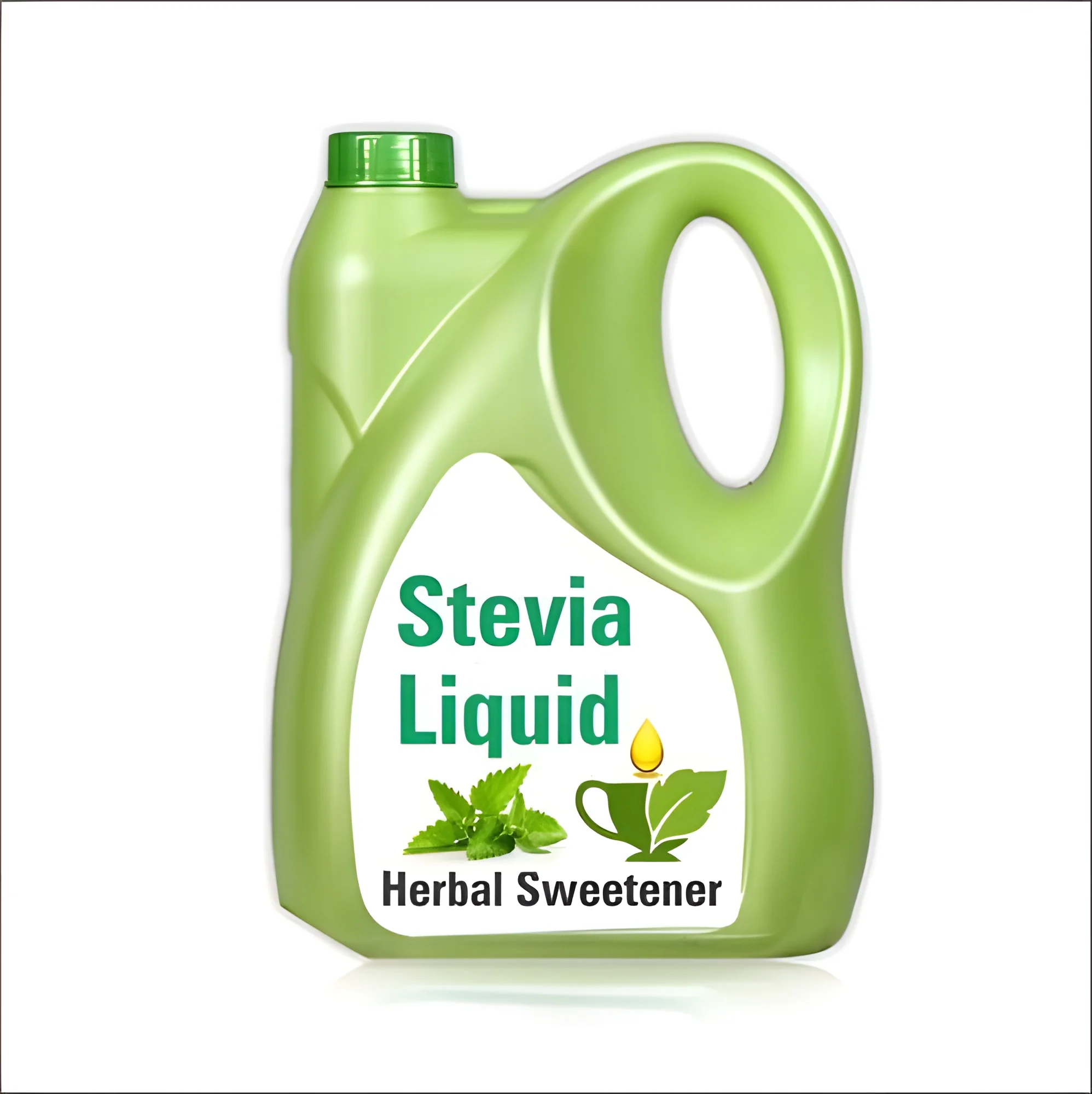
There are various types of flour, including all-purpose, whole wheat, and specialty flours. Sugar can be categorized into granulated, brown, powdered, and liquid forms. Salt types include table salt, sea salt, and kosher salt, among others.
How do I choose the right Flour, Sugar, Salt & Other Essentials?
Choosing the right ingredients depends on your specific culinary needs and dietary requirements. Consider factors such as protein content in flour, sugar type for sweetness, and the desired flavor profile of salt when making selections.
What are the standard specifications for Flour, Sugar, Salt & Other Essentials?
Standard specifications often include moisture content, particle size, and purity levels. For example, flour typically has a moisture content of around 13%, while sugar should be free from impurities and clumping.
What is the price range for Flour, Sugar, Salt & Other Essentials?
The price range for these essentials can vary widely based on type and quality. Generally, you can expect to pay anywhere from INR 40 to INR 300 per kilogram, depending on the specific product and supplier.
What quality standards apply to Flour, Sugar, Salt & Other Essentials?
Quality standards are usually defined by food safety regulations and may include certifications such as FSSAI in India. These standards ensure that the products are safe for consumption and meet specific quality criteria.
Where can I find Flour, Sugar, Salt & Other Essentials suppliers in India?
You can find suppliers through B2B marketplaces like Pepagora, which connect buyers with manufacturers and wholesalers. Additionally, trade fairs and industry directories are also good resources for sourcing suppliers.
Can Flour, Sugar, Salt & Other Essentials be customized?
Yes, many suppliers offer customization options for bulk purchases. This can include specific blends of flour, sugar types, or even packaging requirements tailored to business needs.
What is the typical minimum order quantity for Flour, Sugar, Salt & Other Essentials?
The minimum order quantity (MOQ) can vary based on the supplier and product type, but it typically ranges from 25 to 100 kilograms for bulk purchases. It's advisable to check with individual suppliers for their specific MOQs.
What is the typical lead time for Flour, Sugar, Salt & Other Essentials?
The typical lead time for processing and delivering orders can range from 7 to 21 days, depending on the supplier's location and stock availability. It is recommended to confirm lead times at the time of ordering.
Why Businesses Trust Pepagora
Thousands of companies trust Pepagora to source smarter and sell faster
Expand Your Sales Globally

Source Smarter,Grow Faster
