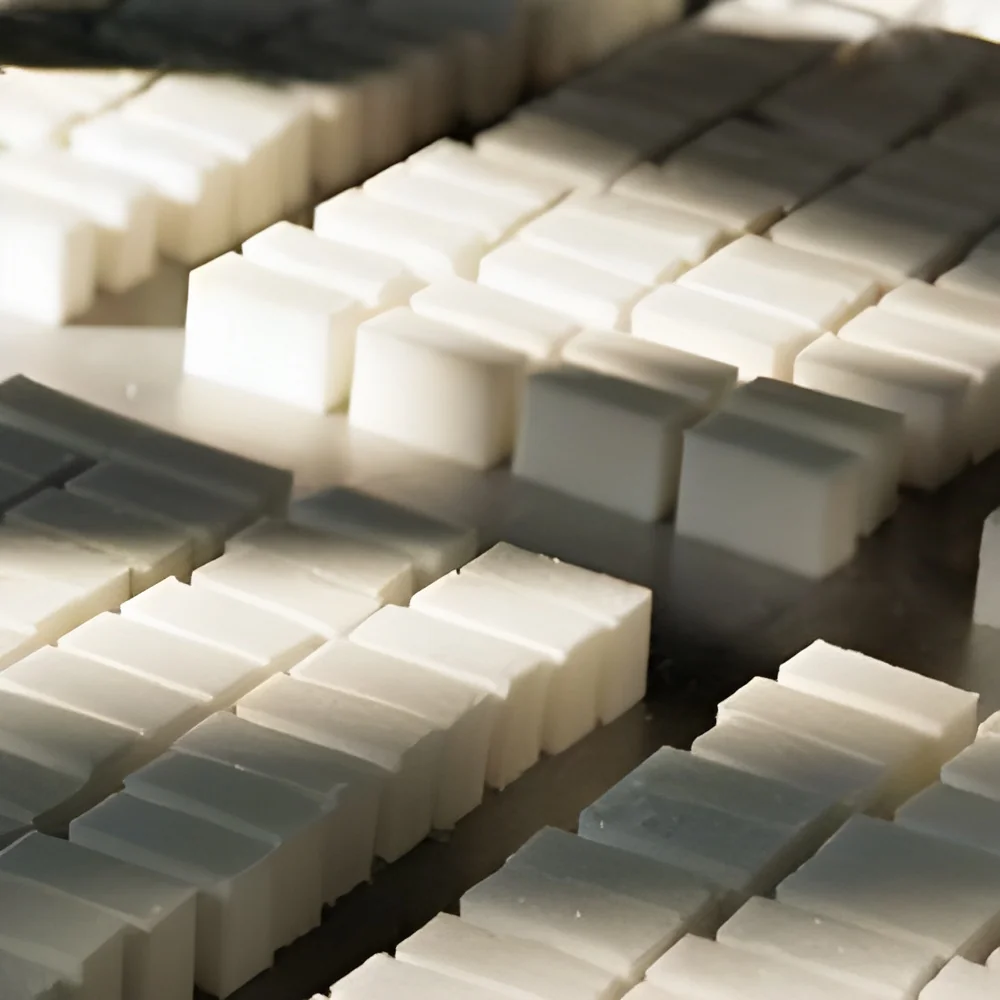
What are Sugar Cubes?
Sugar cubes are small, cube-shaped pieces of sugar that are commonly used to sweeten beverages, especially tea and coffee. They are produced by compressing granulated sugar into uniform shapes, making them convenient for both consumers and businesses. Sugar cubes offer a controlled portion size, allowing users to easily manage sweetness levels without the need for measuring or spilling loose sugar.
The primary uses of sugar cubes extend beyond individual consumption. They are often utilized in hospitality settings like restaurants, cafes, and hotels, where they provide a clean and efficient way to serve sugar to customers. In addition to the food and beverage industry, sugar cubes can also be found in various food manufacturing applications, where they serve as an ingredient for baked goods, desserts, and other sweet products. The market for sugar cubes is significant, driven by the ongoing demand for convenience and portion control in both consumer and industrial settings.
Key Features and Specifications
Sugar cubes come with specific features that cater to various business needs. Understanding these specifications is essential for businesses looking to purchase this product.
Key specifications include:
1. Shape and Size
- Standard dimensions typically range from 1 centimeter to 1.5 centimeters per side.
- Uniform shape ensures consistent sweetness in each serving.
2. Sweetness Level
- Each cube typically contains approximately 4 grams of sugar.
- Equivalent to one teaspoon of granulated sugar.
3. Packaging Options
- Available in bulk packaging for industrial buyers or individually wrapped for retail.
- Packaging ensures freshness and hygiene.
4. Ingredients
- Made primarily from refined sugar, with no additives.
- Suitable for both white and brown sugar variations.
5. Shelf Life
- Generally has a long shelf life of up to two years if stored correctly.
- Recommended storage conditions include a cool, dry place.
6. Certifications
- Complies with food safety standards, including CE certification.
- Ensures product quality and safety for consumers.
7. Customization
- Options for customized branding on packaging.
- Possibility of flavor variations upon request, although standard offerings are more common.
In summary, understanding the key features and specifications of sugar cubes can help businesses make informed purchasing decisions.
Common Applications and Use Cases
Sugar cubes are versatile products that find application in various industries.
1. Hospitality: Sugar cubes are widely used in cafes and restaurants to provide customers with a neat way to sweeten their drinks. They enhance the dining experience by offering a clean and elegant serving method.
2. Food Manufacturing: In the production of baked goods and confections, sugar cubes serve as a convenient ingredient that can easily be integrated into recipes. They help maintain consistent sweetness in products.
3. Retail: Sugar cubes are sold in grocery stores and supermarkets, appealing to consumers looking for easy and convenient sugar options for home use.
4. Catering Services: Caterers use sugar cubes to simplify the serving of beverages at events. Their portioned size helps manage sugar use while maintaining an upscale appearance.
5. Beverage Manufacturing: Companies producing ready-to-drink beverages may utilize sugar cubes as a sweetening agent in their formulations, ensuring a consistent flavor profile.
6. Specialty Coffee Shops: These establishments often provide sugar cubes as an upscale alternative to loose sugar, enhancing the overall customer experience.
7. Event Planning: Sugar cubes are a popular choice for weddings and formal events, where they can be incorporated into dessert tables or beverage stations.
Product Variants and Subcategories
Sugar cubes come in various forms to meet different consumer preferences and market needs.
White Sugar Cubes: These are the most common type, made from refined white sugar. They are ideal for sweetening coffee and tea, providing a clean taste without altering the flavor profile of beverages.
Brown Sugar Cubes: Made from unrefined sugar, these cubes have a rich molasses flavor. They are popular in cafes and restaurants that serve specialty drinks, adding depth to beverages.
Organic Sugar Cubes: Sourced from organic sugarcane, these cubes cater to health-conscious consumers looking for natural sweeteners. They are often marketed in health food stores and specialty shops.
Flavored Sugar Cubes: These cubes are infused with various flavors, such as vanilla or cinnamon. They provide an extra dimension of taste and are often used in gourmet coffee shops.
Benefits and Advantages
Sourcing sugar cubes offers several benefits to businesses and consumers alike.
1. Convenience: Sugar cubes are pre-portioned, making it easy for users to add sugar to their drinks without the need for measuring.
2. Cleanliness: The cube shape minimizes mess and spillage, providing a neater solution compared to loose sugar.
3. Consistency: Each cube delivers a precise amount of sweetness, ensuring uniformity in flavor across servings.
4. Aesthetic Appeal: The uniform shape and size of sugar cubes add a touch of elegance to beverage service in cafes and restaurants.
5. Long Shelf Life: Sugar cubes can be stored for an extended period without losing their quality, making them a practical choice for businesses.
6. Versatility: They can be used in a variety of applications, from individual servings to food manufacturing, catering, and more.
Buying Guide for B2B Buyers
When sourcing sugar cubes, businesses should consider several key factors to ensure they make informed purchasing decisions.
1. Quality Assessment: It is important to evaluate the quality of sugar cubes by checking for certifications and conducting taste tests. Quality criteria can include sweetness level and texture.
2. Supplier Verification: Vetting suppliers is crucial. Look for suppliers with a proven track record in the industry and positive customer reviews to ensure reliability.
3. Pricing and MOQ: Understanding the pricing structure and minimum order quantities (MOQ) is essential. Compare prices from multiple suppliers to find the best deal without compromising on quality.
4. Delivery and Lead Times: Assess the supplier’s logistics capabilities. Timely delivery is critical for maintaining inventory levels, so inquire about lead times and shipping options.
5. Compliance Requirements: Be aware of any regulatory requirements for food products in your region. Ensure that the supplier meets all necessary food safety standards and certifications.
Compliance and Certifications
Sugar cubes must comply with various industry standards to ensure safety and quality.
Relevant quality standards include ISO 9001, which focuses on quality management systems, and HACCP (Hazard Analysis Critical Control Point), which emphasizes food safety. These standards are important for maintaining product integrity throughout the supply chain.
Industry certifications, such as CE, indicate compliance with European safety standards. This certification is essential for businesses looking to market sugar cubes in Europe and other regions where CE marking is recognized.
Safety and testing requirements are critical for ensuring that sugar cubes are free from contaminants and safe for consumption. Regular testing for purity and adherence to food safety regulations is necessary.
Regional compliance considerations may vary, so businesses should be aware of local laws governing food products. This includes understanding labeling requirements and any specific certifications required in different markets.
Why Source Sugar Cubes from Pepagora?
Pepagora provides a trusted platform for sourcing sugar cubes that offers several key advantages to buyers.
Verified Supplier Network: Pepagora has a rigorous supplier verification process that ensures all listed suppliers meet industry standards. This creates a reliable source for businesses looking to procure sugar cubes.
Streamlined RFQ Process: The platform offers a simplified Request for Quotation (RFQ) process, allowing buyers to easily request and compare quotes from multiple suppliers. This saves time and helps businesses find the best pricing options.
Trade Assurance and Support: Pepagora prioritizes buyer protection through trade assurance programs. This ensures that buyers receive quality products as promised, minimizing risks associated with purchases.
Regional Coverage: Pepagora extends its services across India, the Gulf Cooperation Council (GCC), and Southeast Asia. This broad geographic reach allows businesses from various regions to access quality sugar cubes efficiently.

 IN
IN