
 IN
Cocoa Powder
17 products available
What are Cocoa Powder?
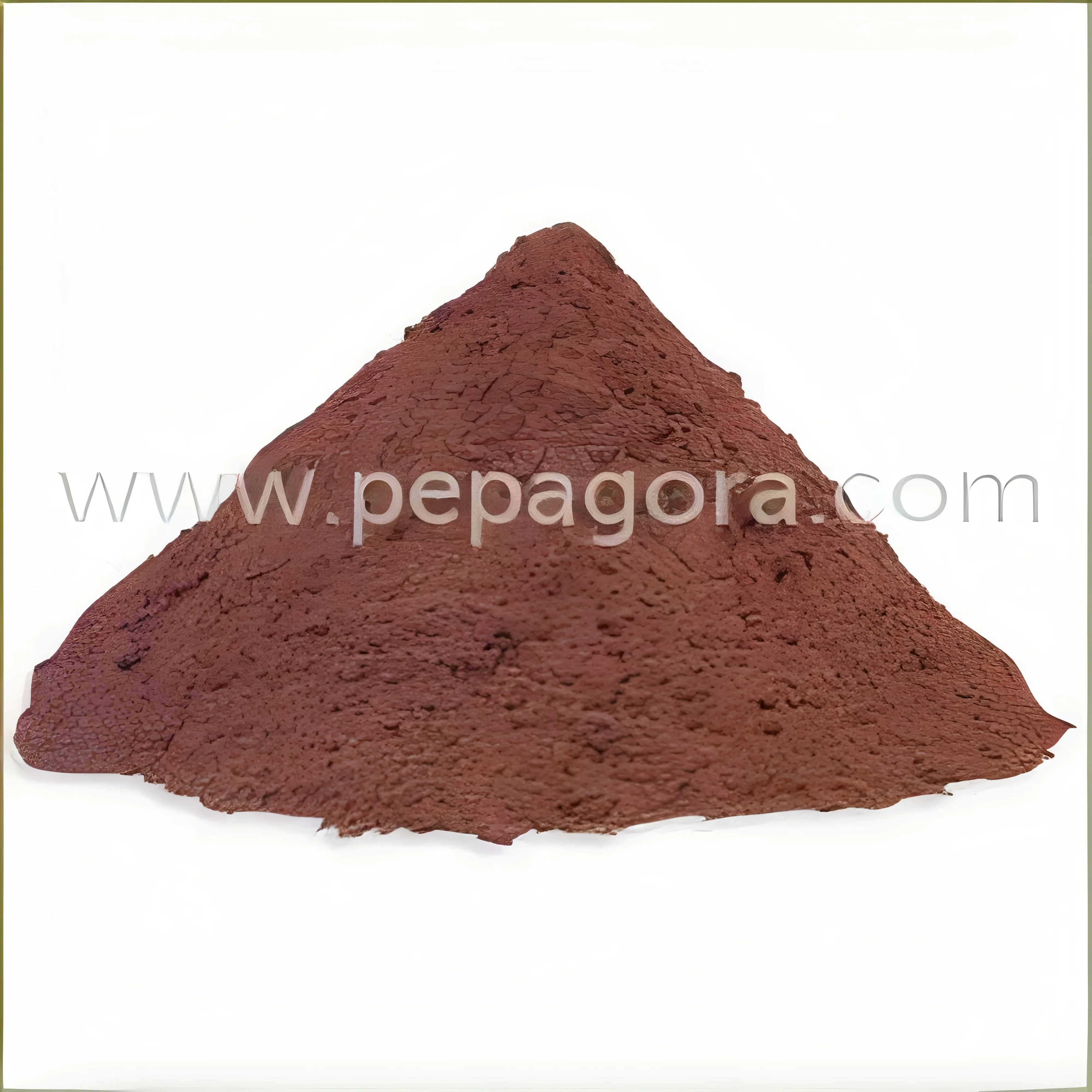
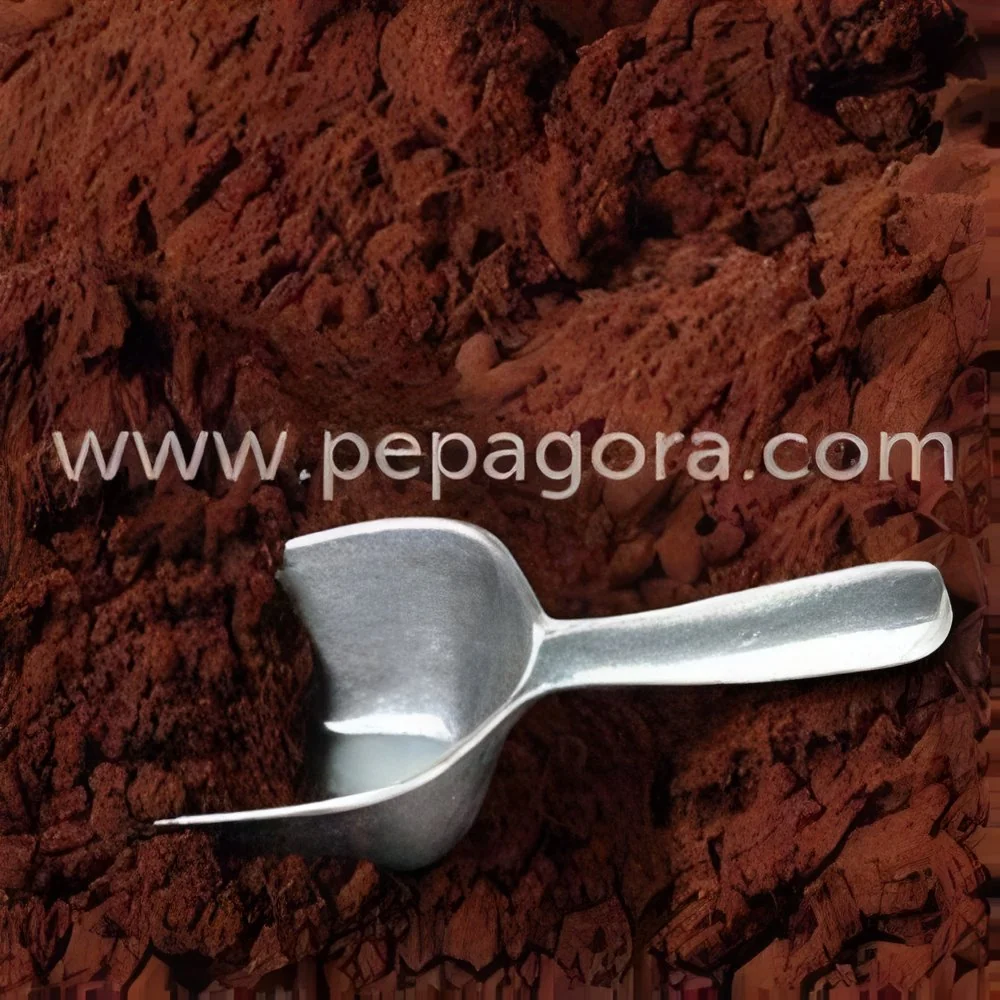
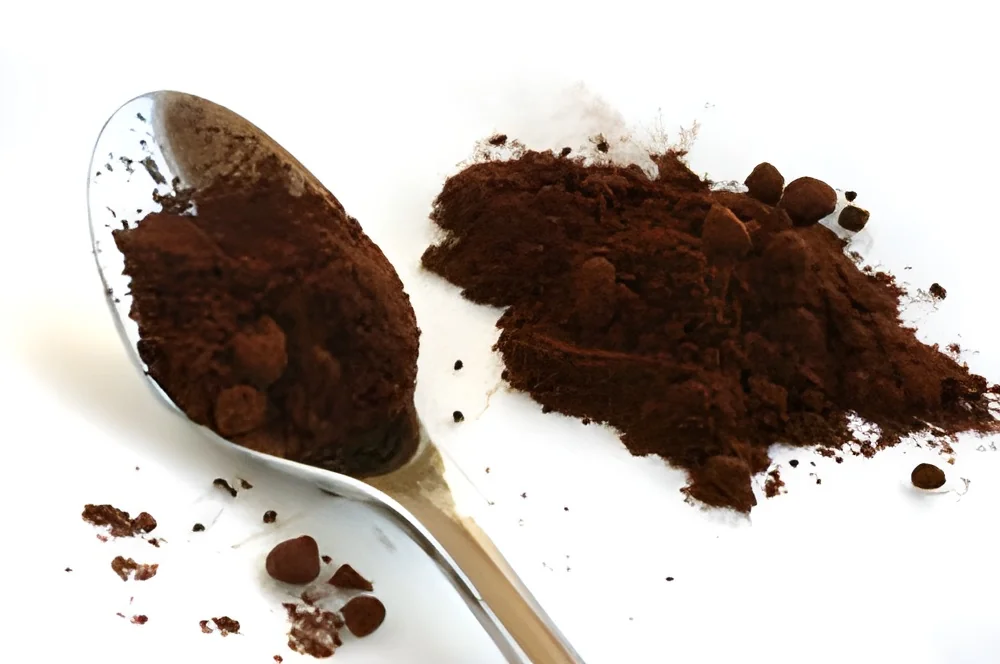
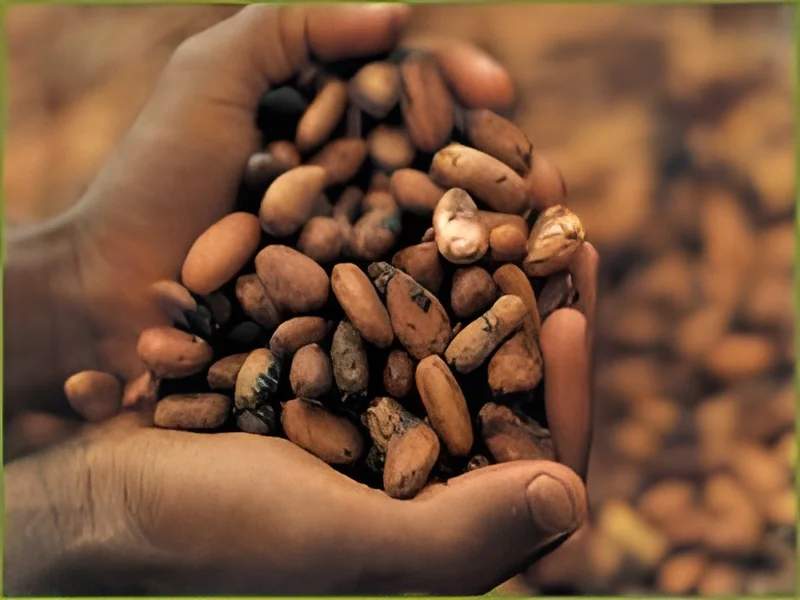
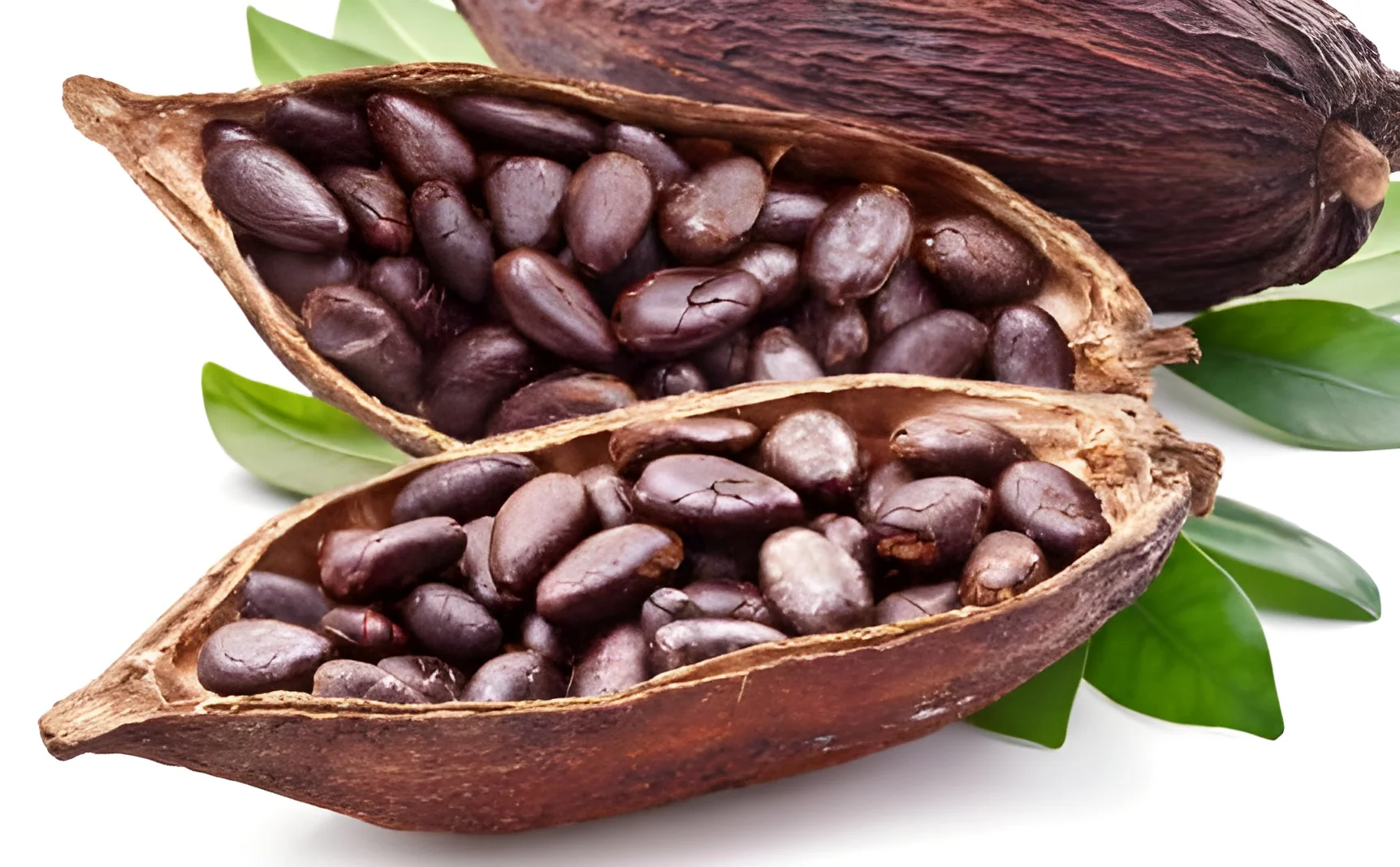
Cocoa powder is a finely ground product derived from cocoa beans, which are the seeds of the cacao tree. The process of making cocoa powder involves fermenting, drying, roasting, and grinding the cocoa beans to separate the cocoa solids from the cocoa butter. The result is a rich, chocolate-flavored powder that is widely used in various food products and beverages. Cocoa powder is primarily categorized into two types: natural cocoa powder and Dutch-processed cocoa powder, each offering distinct flavors and uses.
Cocoa powder finds extensive applications in the food industry, particularly in the production of chocolate, baked goods, confections, and drinks. It is commonly used in recipes for cakes, cookies, and brownies, as well as in beverages like hot chocolate and chocolate milk. Beyond the culinary realm, cocoa powder is also relevant in the health and wellness industry due to its antioxidant properties and potential health benefits. The global cocoa powder market continues to grow, driven by increasing demand for chocolate products and health-conscious consumers seeking natural ingredients.
Key Features and Specifications
Cocoa powder is characterized by several key features and specifications that are essential for businesses in the food industry. Understanding these specifications helps buyers make informed decisions when sourcing this product.
Key specifications include:
1. Flavor Profile
- Natural cocoa powder has a strong, slightly acidic chocolate flavor.
- Dutch-processed cocoa powder has a milder, smoother flavor due to the alkalization process.
2. Color
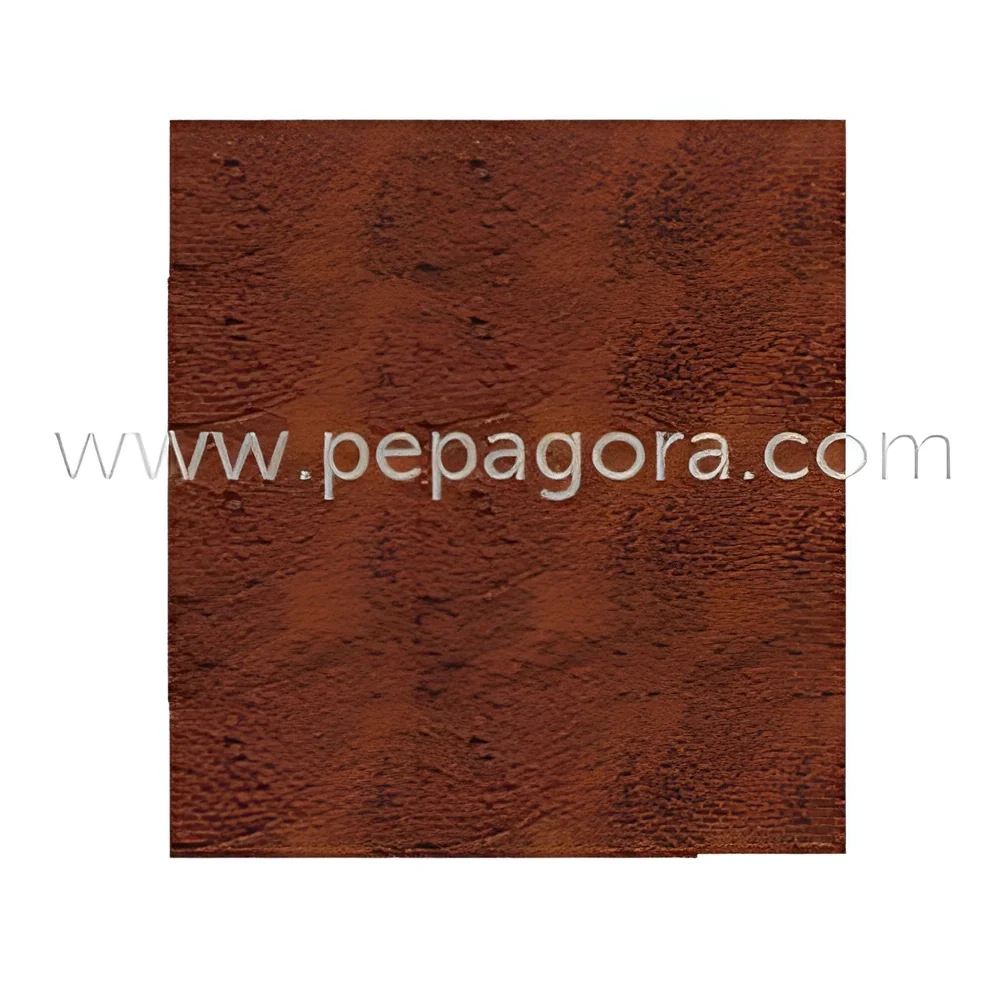
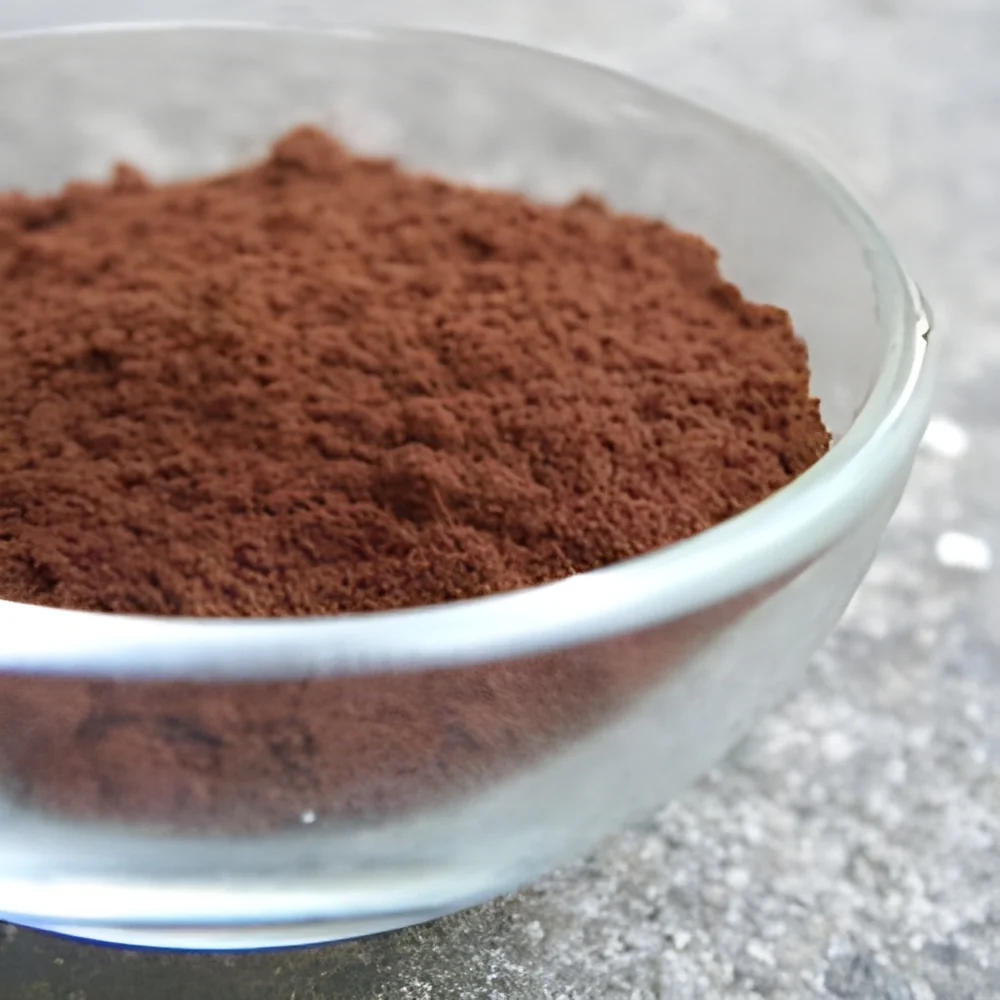
- Natural cocoa powder is typically light brown.
- Dutch-processed cocoa powder ranges from dark brown to nearly black.
3. Fat Content
- Cocoa powder can have varying fat content, generally ranging from 10% to 24%.
- Higher fat content results in a richer flavor and smoother texture in applications.
4. Moisture Content
- Ideal moisture content is usually around 5% or less to ensure shelf stability.
5. Solubility
- Solubility varies between natural and Dutch-processed cocoa powder, affecting its integration into recipes.
6. Particle Size
- Cocoa powder is available in different particle sizes, which can influence texture and mouthfeel.
7. Packaging Options
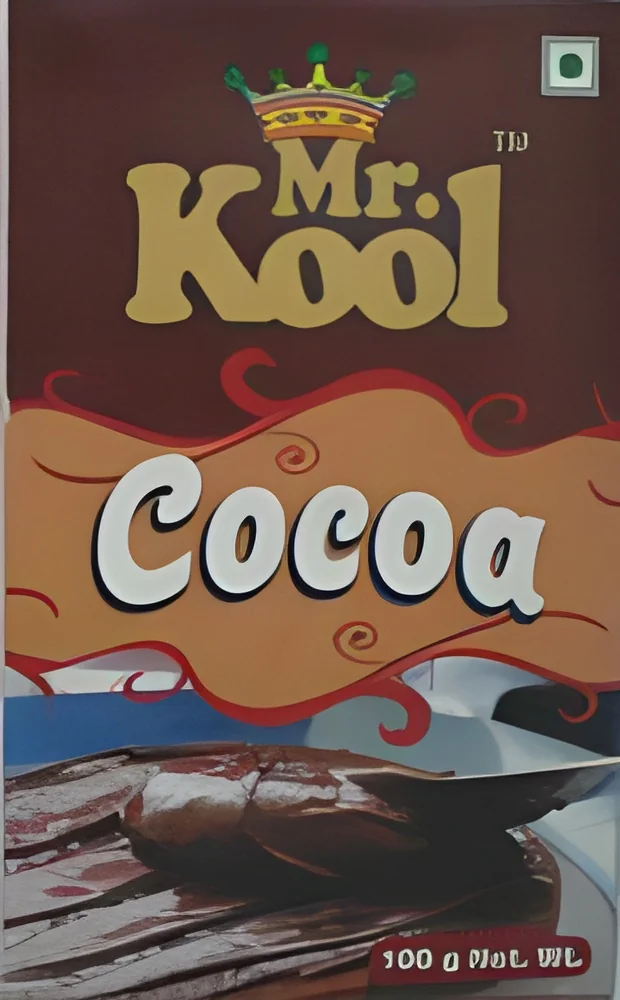
- Available in bulk or retail packaging, catering to both manufacturers and consumers.
Cocoa powder's versatility and range of specifications make it a valuable ingredient in various food products.
Common Applications and Use Cases
Cocoa powder serves various industries, showcasing its versatility and importance.
1. Food and Beverage Industry: Cocoa powder is widely used in chocolate bars, cakes, cookies, and beverages like hot chocolate. Its rich flavor enhances the taste profile of many products.
2. Confectionery: In the confectionery sector, cocoa powder is essential for creating chocolates, truffles, and other sweet treats, providing a deep chocolate flavor.
3. Bakery: Bakeries utilize cocoa powder in various baked goods, including brownies, muffins, and pastries, enhancing flavor and texture.
4. Nutrition and Health Products: Cocoa powder is incorporated into health supplements and nutritional bars due to its antioxidant properties and health benefits.
5. Cosmetics: The cosmetic industry uses cocoa powder in natural beauty products, such as face masks and scrubs, taking advantage of its beneficial properties for skin.
6. Ice Cream and Dairy Products: Cocoa powder is a key ingredient in chocolate ice creams and flavored dairy products, adding richness and flavor.
7. Culinary Applications: Chefs and home cooks alike use cocoa powder in sauces, marinades, and savory dishes, showcasing its versatility beyond sweet applications.
Product Variants and Subcategories
Cocoa powder comes in various forms, catering to different needs and preferences in the market.
Natural Cocoa Powder
This variant is not treated with alkali and retains a strong chocolate flavor with a slightly acidic taste. It is ideal for recipes that require a robust cocoa flavor, such as brownies and chocolate cakes.
Dutch-Processed Cocoa Powder
This variant undergoes an alkalization process, resulting in a milder flavor and darker color. It is commonly used in recipes that require a smooth texture and a less acidic taste, making it perfect for hot chocolate and dark chocolate desserts.
Benefits and Advantages
Cocoa powder offers numerous benefits that appeal to both manufacturers and consumers in the food industry.
1. Rich Flavor: Cocoa powder adds a deep, rich chocolate flavor to a variety of products, enhancing overall taste profiles.
2. Health Benefits: It is rich in antioxidants and may provide health benefits, such as improved heart health and reduced inflammation.
3. Versatility: Cocoa powder can be used in numerous applications, from baking to beverages, making it a highly versatile ingredient.
4. Natural Ingredient: As a natural product, cocoa powder aligns with consumer trends favoring clean label and natural ingredients.
5. Shelf Stability: Properly processed cocoa powder has a long shelf life, ensuring its availability for manufacturers and consumers.
6. Easy to Use: Cocoa powder is easy to incorporate into recipes, requiring no special preparation, which simplifies the production process.
Buying Guide for B2B Buyers
When sourcing cocoa powder, there are several critical factors to consider to ensure you are making the best choice for your business needs.
1. Quality Assessment: Ensure that the cocoa powder meets established quality criteria, including taste, aroma, and appearance. Conducting sensory evaluations can help in this assessment.
2. Supplier Verification: Vet suppliers thoroughly to ensure they adhere to industry standards and have a reliable track record of delivering quality products consistently.
3. Pricing and MOQ: Understand the pricing structure and minimum order quantities (MOQ) required by suppliers. This can impact your budget and inventory management.
4. Delivery and Lead Times: Consider the logistics involved in sourcing cocoa powder, including delivery times and shipping options, to ensure timely production.
5. Compliance Requirements: Be aware of regulatory compliance and certification requirements that apply to cocoa powder, ensuring that the product adheres to local and international standards.
Compliance and Certifications
Cocoa powder must meet several compliance and certification standards to ensure safety and quality in the food industry. Common quality standards include ISO 9001, which ensures consistent quality management practices, and HACCP, which focuses on food safety through risk assessment.
The CE certification is also relevant for products sold in certain markets, indicating compliance with health, safety, and environmental protection standards. Additionally, cocoa powder must meet safety and testing requirements to ensure it is free from contaminants and safe for consumption.
Regional compliance considerations may vary, requiring businesses to understand local regulations and standards to ensure their products meet necessary requirements in different markets.
Why Source Cocoa Powder from Pepagora?
Pepagora provides a trusted platform for sourcing cocoa powder, offering several key advantages that stand out in the market.
Verified Supplier Network: Pepagora connects businesses with verified suppliers, ensuring that buyers can source high-quality cocoa powder from reputable manufacturers. This verification process builds trust and confidence in the sourcing process.
Streamlined RFQ Process: The platform features a streamlined Request for Quotation (RFQ) process, allowing buyers to easily compare quotes from multiple suppliers, facilitating informed purchasing decisions.
Trade Assurance and Support: Buyers are protected through trade assurance policies that safeguard their transactions, providing peace of mind and support throughout the sourcing process.
Regional Coverage: With a strong presence in India, the GCC, and Southeast Asia, Pepagora offers extensive regional coverage, catering to businesses looking to source cocoa powder in diverse markets. This geographic reach enhances accessibility for buyers across different regions.

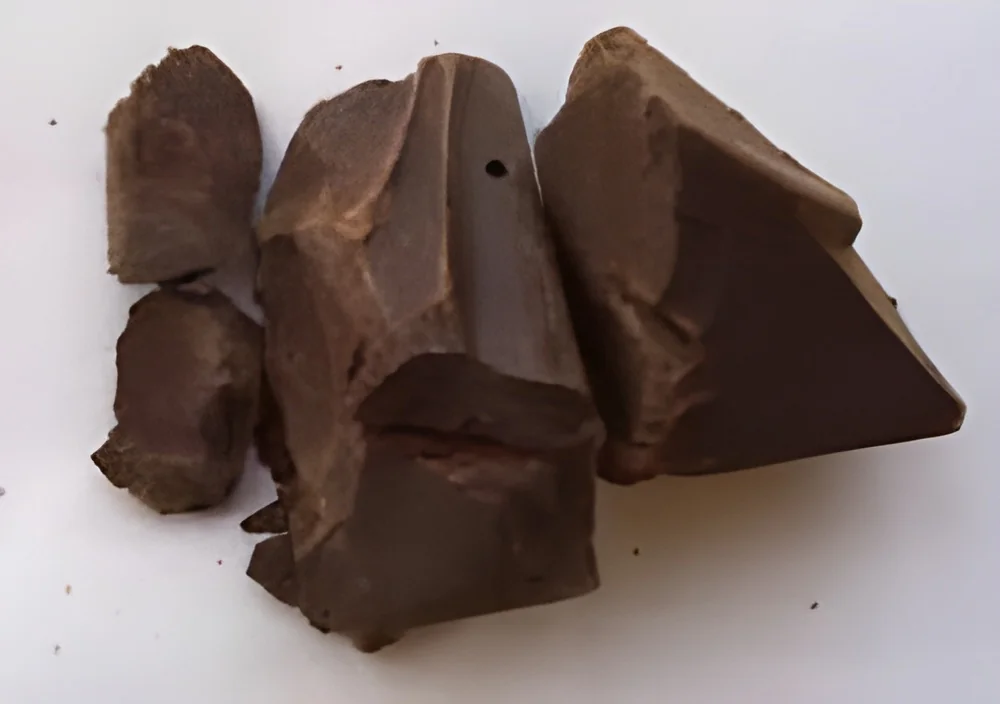




Frequently Asked Questions
What are Cocoa Powder?
Cocoa powder is a finely ground powder made from roasted cocoa beans. It is commonly used in baking, beverages, and chocolate production, providing a rich chocolate flavor without the fat content of cocoa butter.
What are the different types of Cocoa Powder?
There are primarily two types of cocoa powder: natural cocoa powder and Dutch-processed cocoa powder. Natural cocoa powder is light in color and has a strong, slightly acidic flavor, while Dutch-processed cocoa powder is treated with an alkaline solution to neutralize its acidity, resulting in a darker color and smoother taste.
How do I choose the right Cocoa Powder?
When selecting cocoa powder, consider the intended use, flavor profile, and whether you prefer natural or Dutch-processed cocoa. It's also important to check for quality certifications and sourcing practices to ensure you're getting a premium product.
What are the standard specifications for Cocoa Powder?
Standard specifications for cocoa powder typically include moisture content, fat content, and particle size. For example, high-quality cocoa powder may have a fat content ranging from 10% to 24%, with moisture content kept below 6%.
What is the price range for Cocoa Powder?
The price of cocoa powder can vary widely depending on quality, sourcing, and processing methods. Generally, prices in India range from ₹200 to ₹800 per kilogram, with premium products often costing more.
What quality standards apply to Cocoa Powder?
Cocoa powder must adhere to various quality standards, including food safety regulations and international standards like ISO and HACCP. Ensuring that the product is free from contaminants and meets specified nutritional values is also crucial.
Where can I find Cocoa Powder suppliers in India?
You can find cocoa powder suppliers in India through B2B marketplaces like Pepagora.com, local trade shows, and industry directories. It's advisable to review supplier ratings and customer feedback before making a selection.
Can Cocoa Powder be customized?
Yes, cocoa powder can often be customized in terms of fat content, flavor profile, and particle size to meet specific customer requirements. Many manufacturers offer tailored solutions to cater to the needs of different food and beverage applications.
What is the typical minimum order quantity for Cocoa Powder?
The typical minimum order quantity (MOQ) for cocoa powder varies by supplier but often ranges from 50 kg to 500 kg. It's best to check with individual suppliers for their specific MOQs.
What is the typical lead time for Cocoa Powder?
The typical lead time for cocoa powder can range from 1 to 4 weeks, depending on the supplier and order size. Factors such as customization and current inventory levels may also impact delivery times.
Why Businesses Trust Pepagora
Thousands of companies trust Pepagora to source smarter and sell faster
Expand Your Sales Globally

Source Smarter,Grow Faster
