What are White Sugar (Refined)?
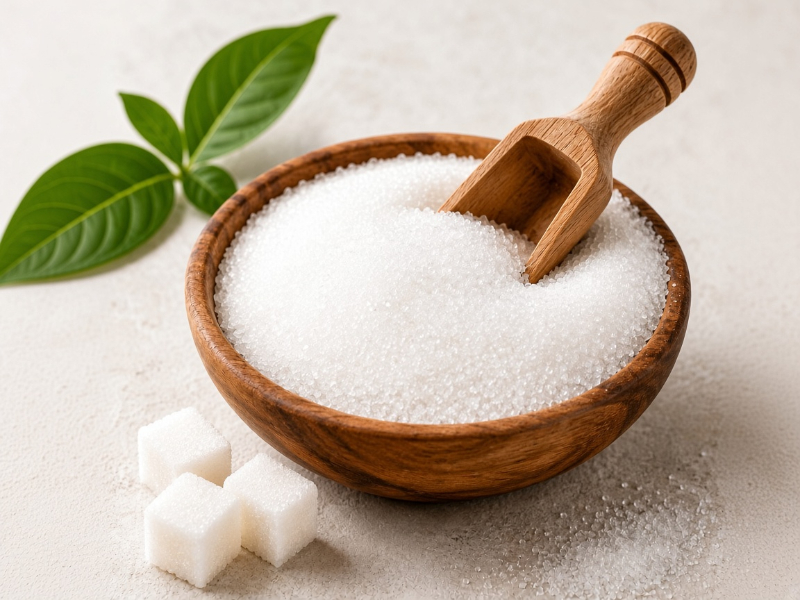
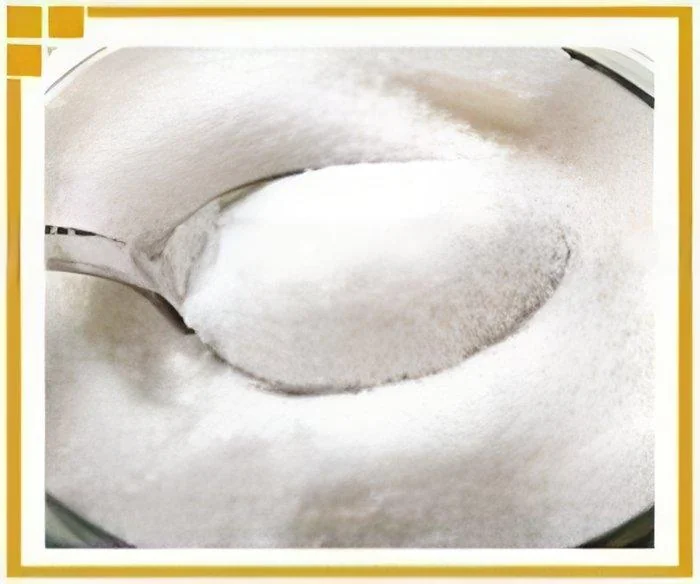
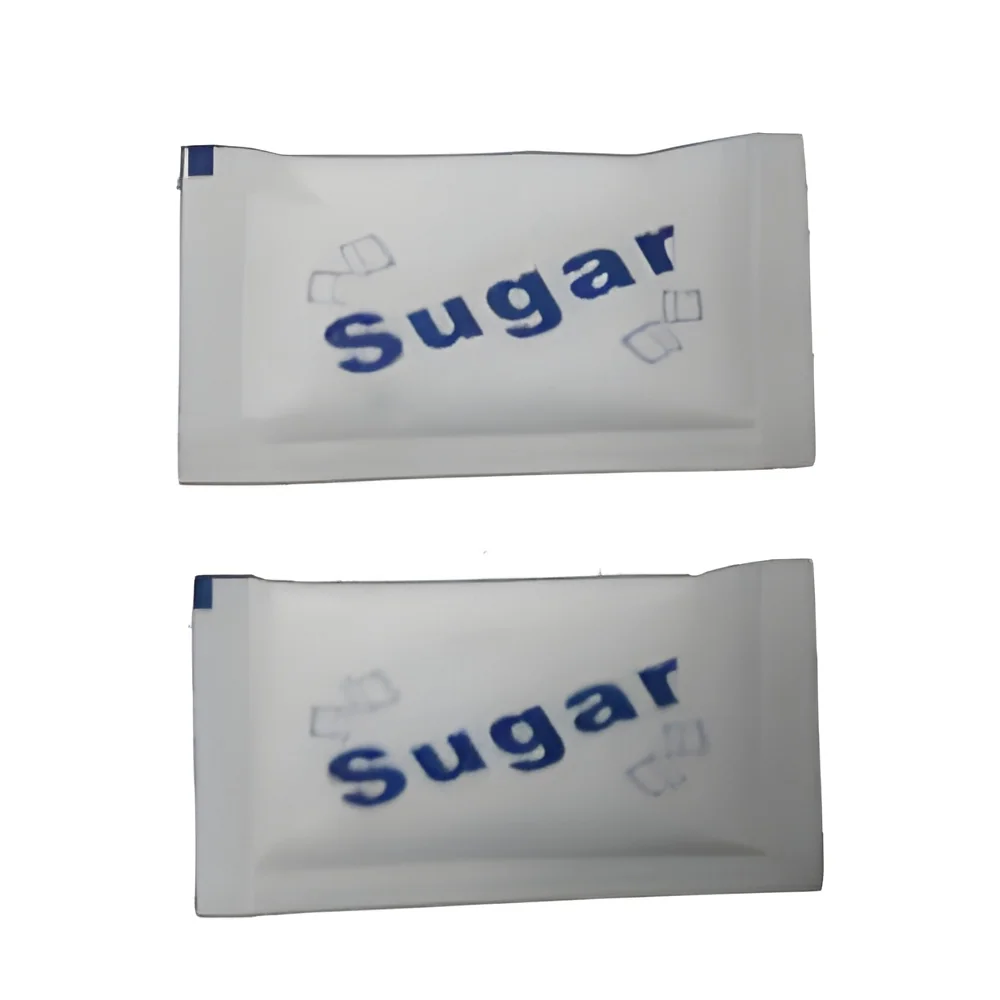
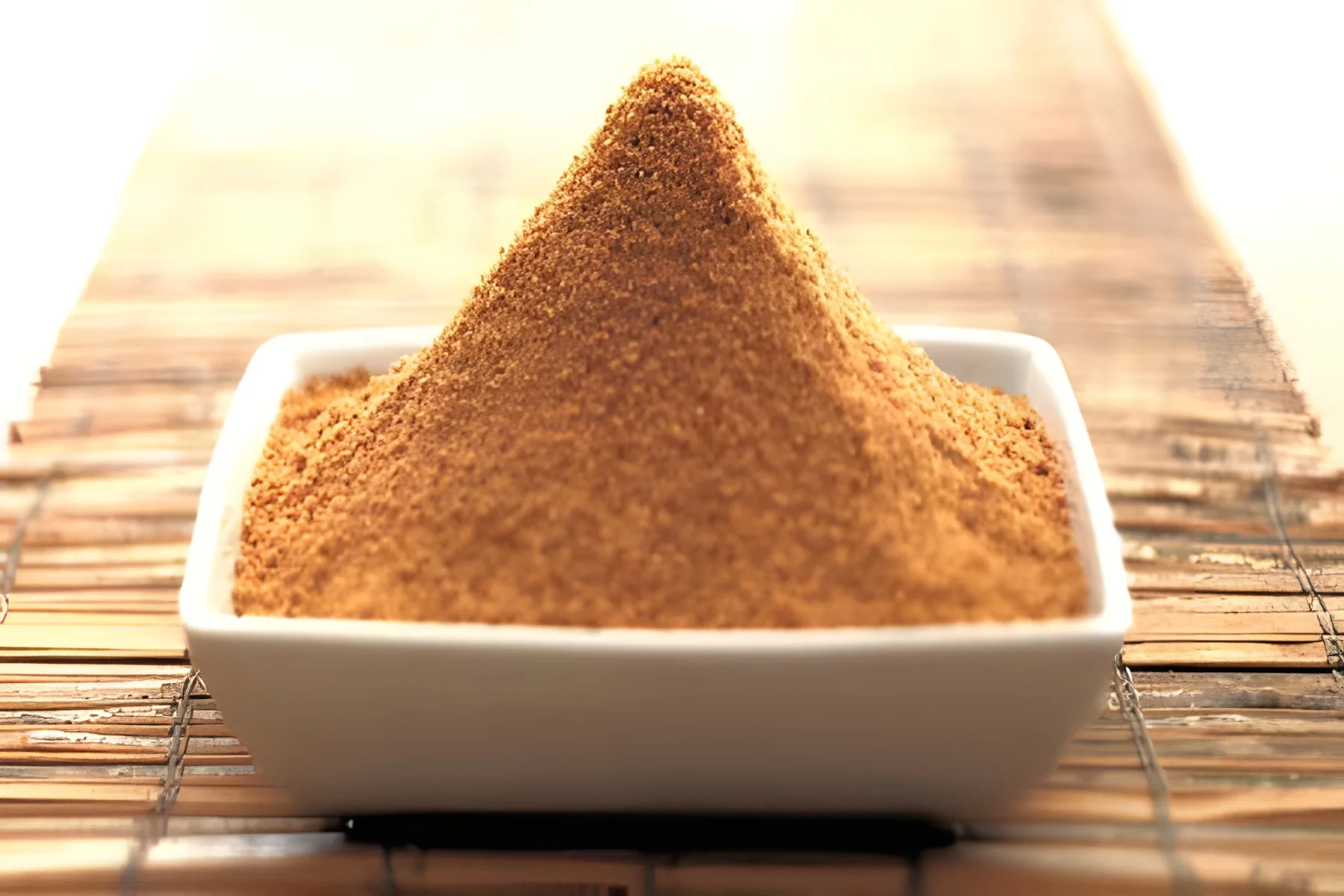
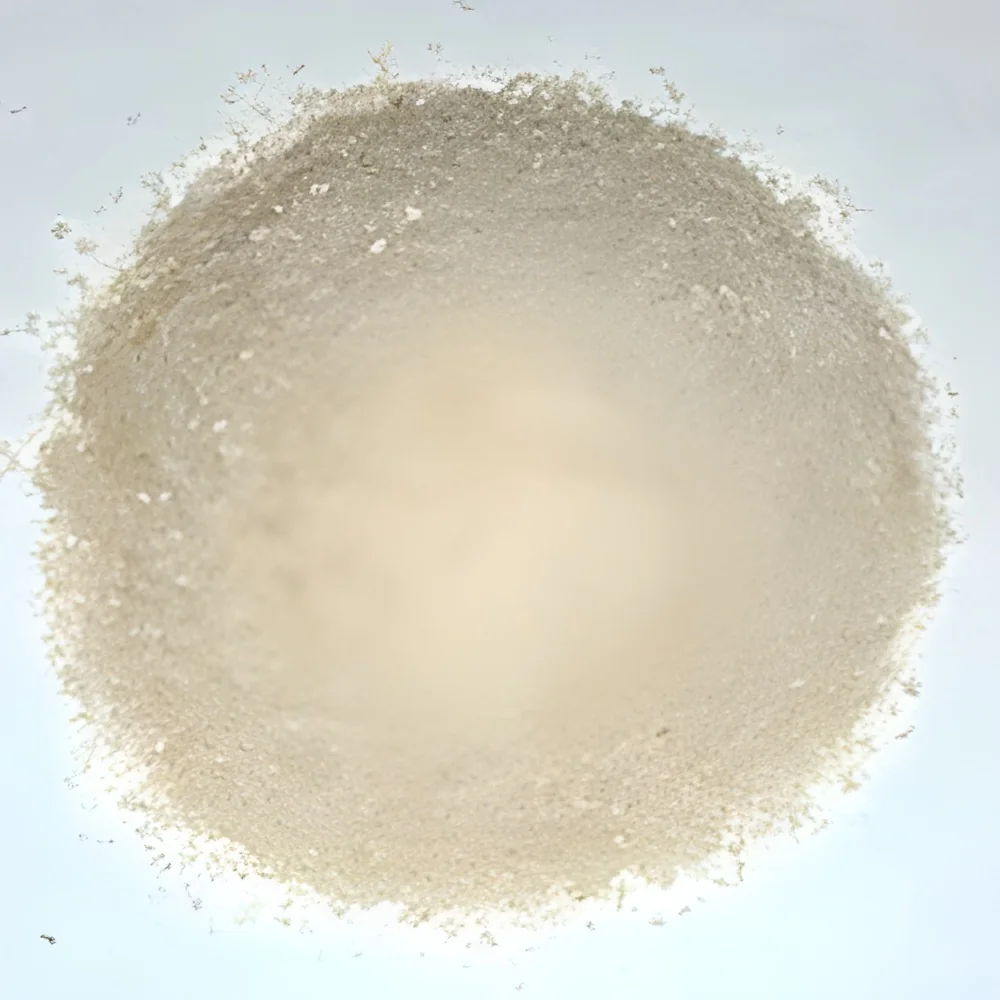
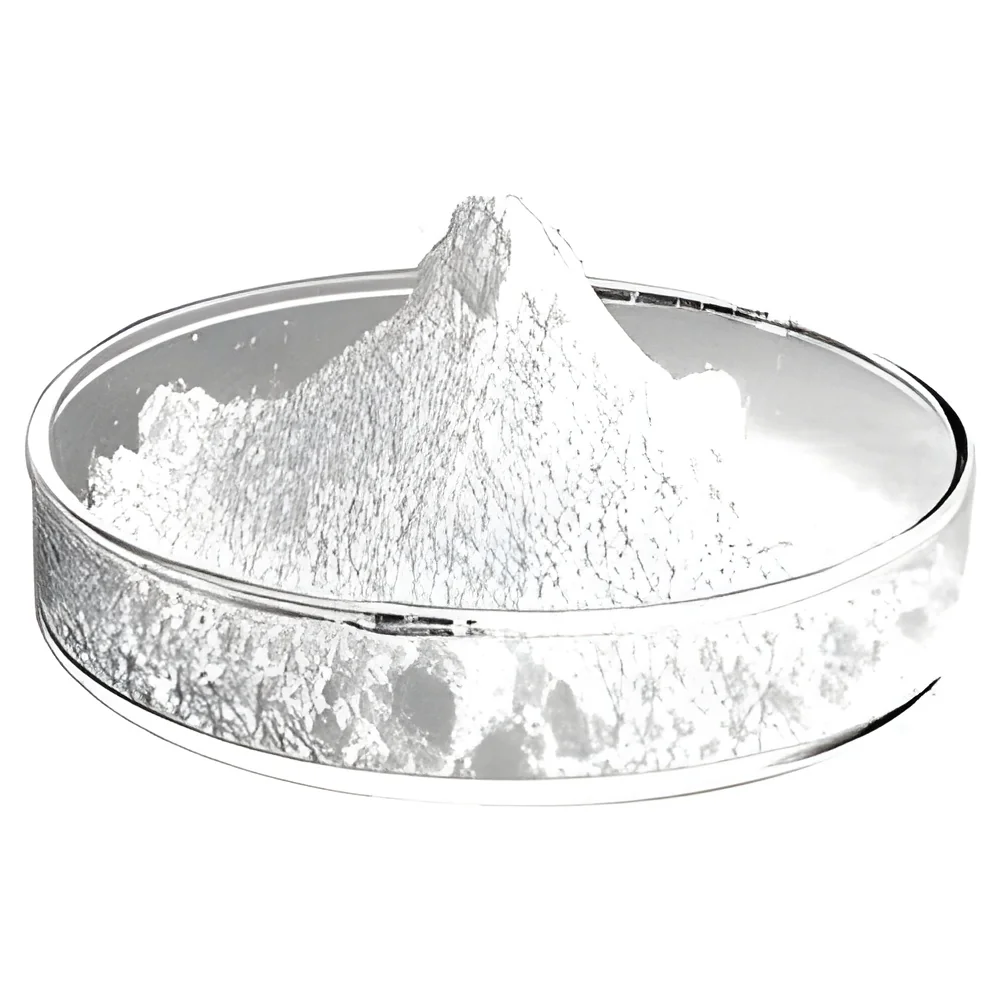
White sugar, also known as refined sugar, is a highly processed sweetener extracted from sugarcane or sugar beet. The refining process removes impurities and molasses, resulting in pure, white crystalline sugar. This product consists primarily of sucrose and is known for its sweet flavor, which makes it a staple ingredient in many food and beverage applications.
White sugar is widely used in various industries, from food and beverage manufacturing to baking and confectionery. It acts not only as a sweetener but also as a preservative and a bulking agent. Businesses often incorporate white sugar into their products to enhance taste, texture, and shelf-life. The sugar market is significant, with refined sugar being a critical raw material in the global food industry.
In the context of market relevance, white sugar remains an essential commodity worldwide. Its demand is driven by consumer trends towards sweetened products and the growth of the food industry. With increasing health awareness, there is a growing focus on sugar alternatives; however, refined sugar continues to hold a substantial share of the market.
𝗞𝗲𝘆 𝗙𝗲𝗮𝘁𝘂𝗿𝗲𝘀 𝗮𝗻𝗱 𝗦𝗽𝗲𝗰𝗶𝗳𝗶𝗰𝗮𝘁𝗶𝗼𝗻𝘀
White sugar (refined) is characterized by its purity and functional properties, making it suitable for a wide range of applications. The following specifications outline the key features of this product.
Key specifications include:
1. Purity Level
- Typically above 99.9% sucrose
- Minimal impurities and contaminants
2. Granulation
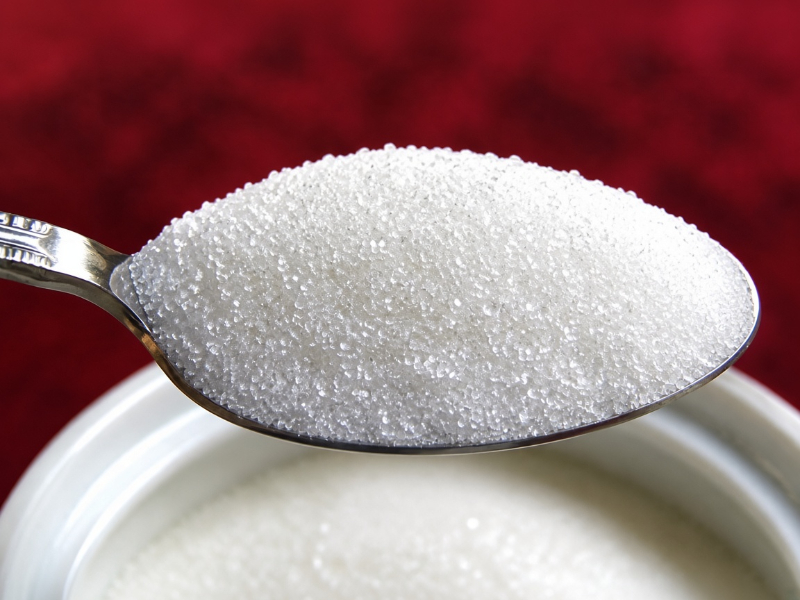
- Fine granulated form
- Consistent particle size for uniformity
3. Color
- Bright white appearance
- Absence of any off-color or impurities
4. Moisture Content
- Generally less than 0.1%
- Ensures longer shelf life and stability
5. Solubility
- High solubility in water
- Quick dissolving properties for various applications
6. Taste Profile
- Sweet flavor with no off-tastes
- Balanced sweetness suitable for diverse products
In summary, the key features and specifications of white sugar (refined) highlight its essential role in food production and the importance of quality control in its sourcing.
𝗖𝗼𝗺𝗺𝗼𝗻 𝗔𝗽𝗽𝗹𝗶𝗰𝗮𝘁𝗶𝗼𝗻𝘀 𝗮𝗻𝗱 𝗨𝘀𝗲 𝗖𝗮𝘀𝗲𝘀
White sugar (refined) has a multitude of applications across various industries.
1. Food and Beverage Industry: White sugar is a primary ingredient in soft drinks, juices, and alcoholic beverages, enhancing sweetness and flavor.
2. Bakery Products: It is widely used in cakes, cookies, and pastries to improve taste and texture while contributing to browning during baking.
3. Confectionery: White sugar is essential for candy-making, providing sweetness and contributing to the desired texture and stability of candies.
4. Dairy Products: In yogurts and ice creams, white sugar helps to balance flavor profiles and improve mouthfeel.
5. Sauces and Dressings: It acts as a sweetener and preservative in sauces, marinades, and dressings, enhancing overall flavor.
6. Pharmaceuticals: White sugar is used in syrups and medications to mask unpleasant tastes and improve palatability.
7. Household Products: It can also be found in various household cleaning products due to its abrasive properties in scrubbing applications.
𝗣𝗿𝗼𝗱𝘂𝗰𝘁 𝗩𝗮𝗿𝗶𝗮𝗻𝘁𝘀 𝗮𝗻𝗱 𝗦𝘂𝗯𝗰𝗮𝘁𝗲𝗴𝗼𝗿𝗶𝗲𝘀
While there are no specific subcategories for white sugar (refined), the product can be tailored for various uses based on granulation and packaging.
Granulated Sugar
This variant is the standard form of white sugar used in most food applications. Its fine granules dissolve easily and are ideal for baking and cooking.
Powdered Sugar
Also known as confectioners' sugar, this variant is finely ground and often used for icing, dusting baked goods, or in recipes requiring a quick dissolving sugar.
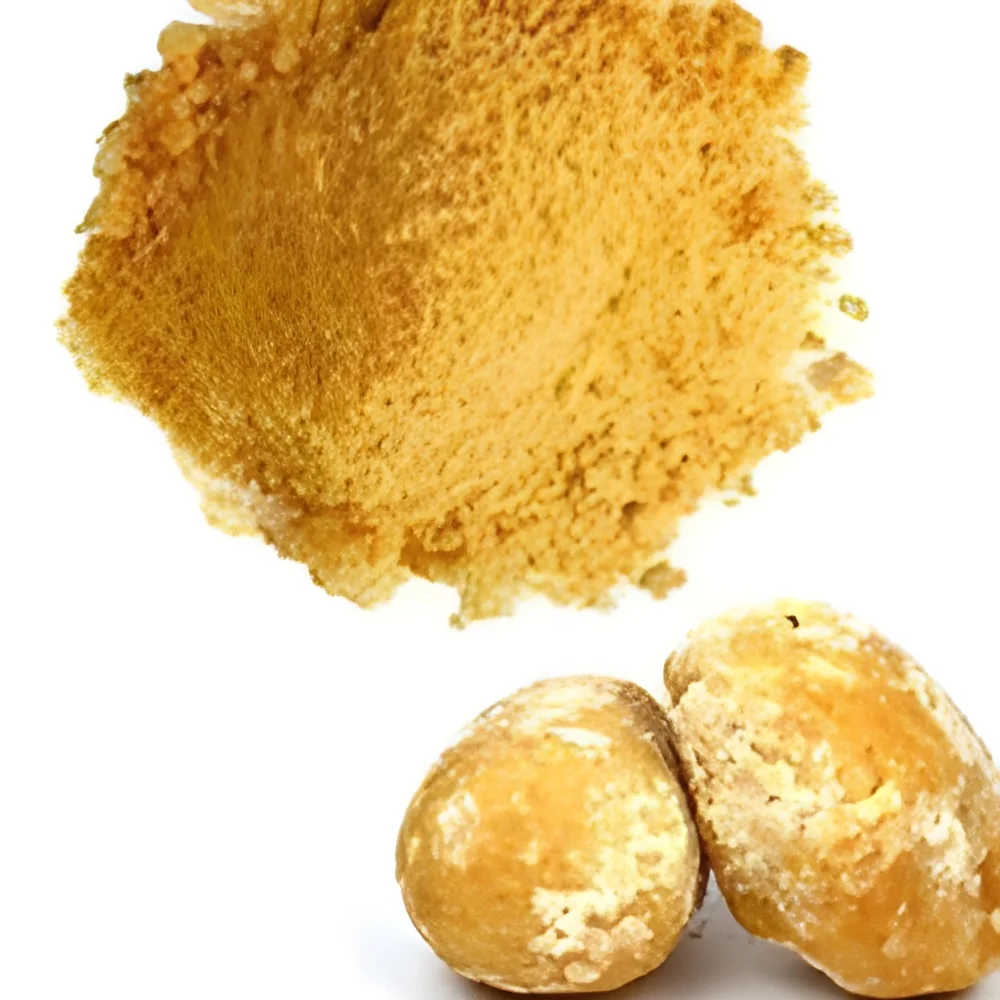
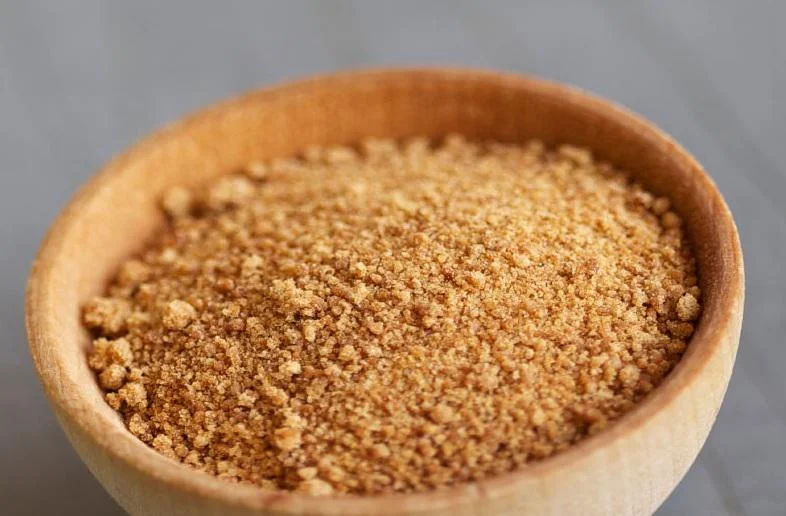
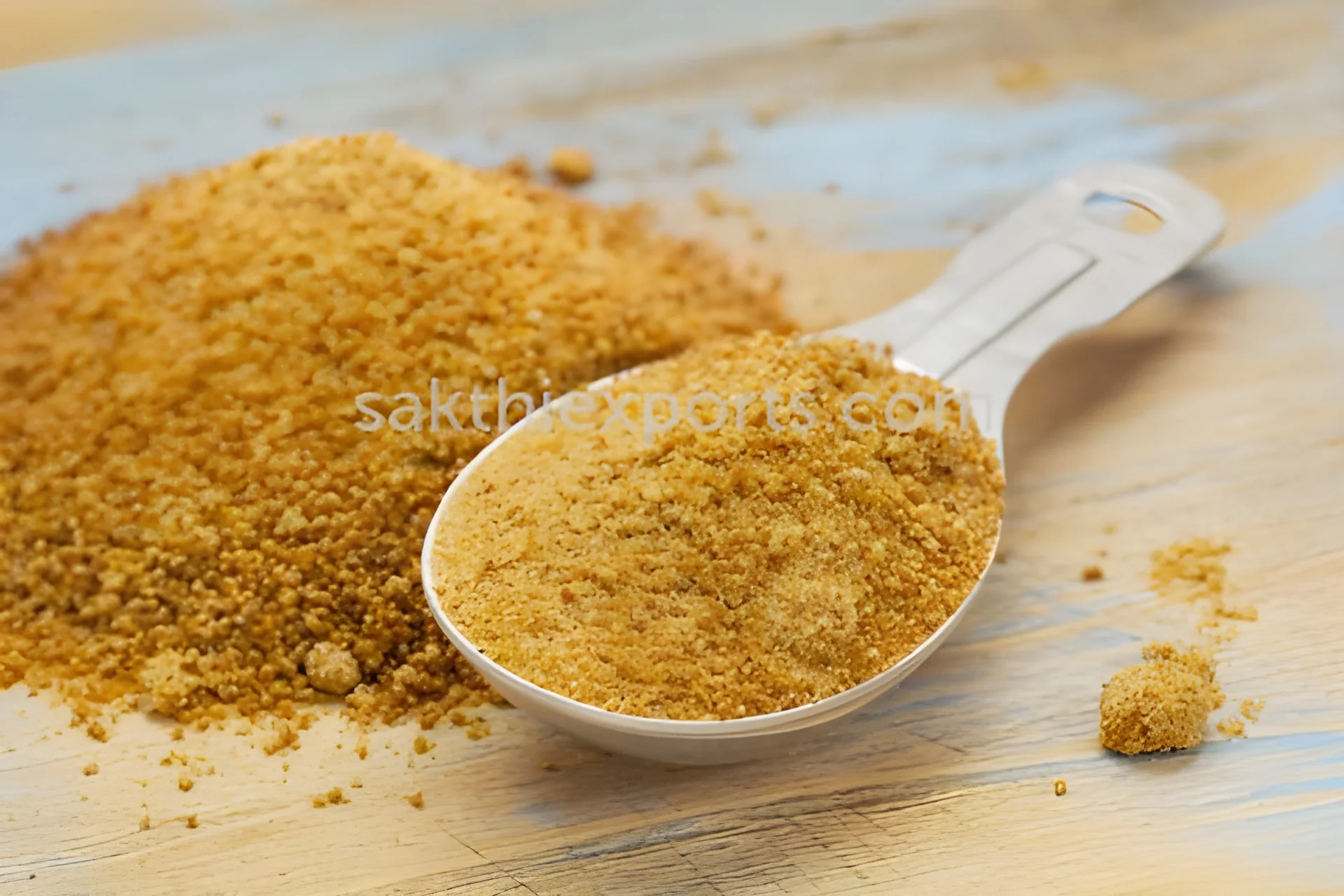
Brown Sugar
Although technically a different product, brown sugar is often discussed alongside white sugar. It contains molasses, which gives it a distinct flavor and moisture content.
𝗕𝗲𝗻𝗲𝗳𝗶𝘁𝘀 𝗮𝗻𝗱 𝗔𝗱𝘃𝗮𝗻𝘁𝗮𝗴𝗲𝘀
White sugar (refined) offers several benefits that make it a preferred choice for many businesses.
1. Versatility: It can be used in a wide range of food products, making it suitable for various applications across industries.
2. Consistency: The high purity and granulation ensure uniformity in flavor and performance, leading to reliable product quality.
3. Shelf Life: Low moisture content contributes to a long shelf life, reducing waste and promoting stability in storage.
4. Taste Enhancement: It effectively enhances the flavor of products, providing a balanced sweetness that meets consumer preferences.
5. Functional Properties: Beyond sweetness, white sugar contributes to texture, color, and preservation, making it multifaceted in its applications.
6. Global Availability: White sugar is widely produced and available, ensuring a steady supply for businesses around the world.
𝗕𝘂𝘆𝗶𝗻𝗴 𝗚𝘂𝗶𝗱𝗲 𝗳𝗼𝗿 𝗕𝟮𝗕 𝗕𝘂𝘆𝗲𝗿𝘀
When sourcing white sugar (refined), it is essential for B2B buyers to consider several critical factors.
1. Quality Assessment: Ensure that the sugar meets industry standards for purity and granulation. Look for specifications that indicate low moisture content and high sucrose levels.
2. Supplier Verification: Vet suppliers carefully to ensure they comply with quality certifications and have a good reputation in the market. Request references and check their track record.

3. Pricing and MOQ: Understand the pricing structure and minimum order quantities (MOQ) from suppliers. Compare prices across different vendors to ensure competitive rates.
4. Delivery and Lead Times: Discuss logistics with suppliers to ascertain delivery times and shipping methods. Timely delivery is crucial for maintaining production schedules.
5. Compliance Requirements: Be aware of regional regulations and compliance standards that apply to food products, ensuring that the supplier adheres to necessary safety and quality certifications.
𝗖𝗼𝗺𝗽𝗹𝗶𝗮𝗻𝗰𝗲 𝗮𝗻𝗱 𝗖𝗲𝗿𝘁𝗶𝗳𝗶𝗰𝗮𝘁𝗶𝗼𝗻𝘀
White sugar (refined) must meet various quality standards and certifications to ensure safety and reliability.
ISO 9001 is a widely recognized quality management system standard that many suppliers of white sugar adhere to. It ensures consistent quality and customer satisfaction.
HACCP (Hazard Analysis and Critical Control Points) is crucial in the food industry, focusing on identifying and managing food safety risks during production and processing.
CE certification may apply to specific packaging and transportation methods used in the supply chain, ensuring that they meet European health and safety requirements.
Safety and testing requirements are stringent, demanding regular quality checks and compliance with local regulations.
Regional compliance considerations may vary, particularly in international trade, where different countries have varying standards for food products.
Why Source White Sugar (Refined) from Pepagora?
Pepagora offers a trusted platform for sourcing white sugar (refined), providing numerous advantages to B2B buyers.
Verified Supplier Network: Pepagora connects buyers with a network of verified suppliers, ensuring that they can source high-quality white sugar from reputable manufacturers.
Streamlined RFQ Process: The request for quotation (RFQ) system simplifies the sourcing process, allowing buyers to compare offers and choose the best options easily.
Trade Assurance and Support: Pepagora provides trade assurance, protecting buyers and ensuring that their transactions are secure and reliable throughout the sourcing process.
Regional Coverage: With a strong presence in India, the GCC, and Southeast Asia, Pepagora is well-positioned to cater to diverse geographical needs, making it easier for businesses to find local suppliers.