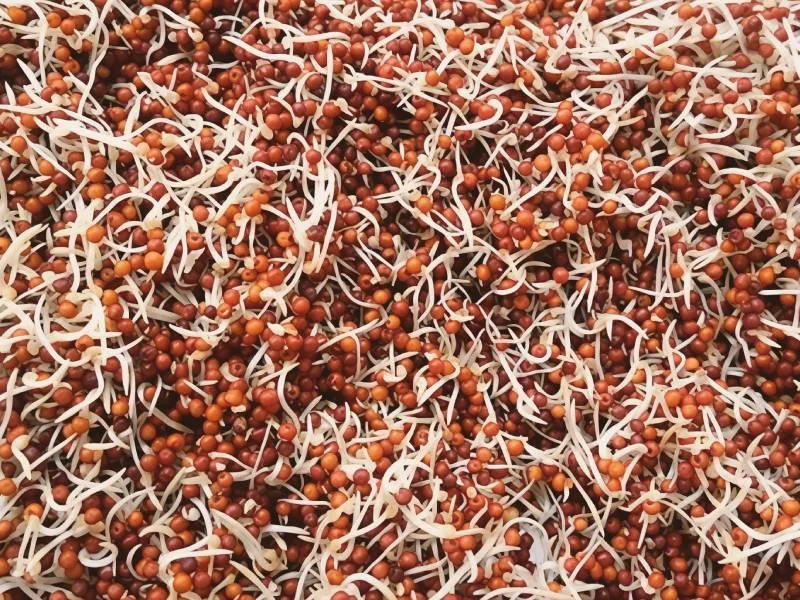
Key Features and Specifications
Ragi flour boasts several key features that make it an attractive choice for various applications in the food industry. Its nutritional benefits, versatility, and functional properties are essential considerations for businesses looking to incorporate this ingredient.
Key specifications include:
1. Nutritional Content
- High in calcium, iron, and fiber
- Rich in essential amino acids and antioxidants
2. Gluten-Free
- Naturally gluten-free, making it suitable for gluten-sensitive consumers
- Ideal for use in gluten-free baking and cooking
3. Shelf Life
- Typically lasts for 6 months to 1 year when stored properly
- Requires cool, dry conditions to maintain freshness
4. Texture
- Fine powder that blends easily with other ingredients
- Provides a smooth texture in baked products
5. Color
- Light to dark brown in appearance, depending on processing
- Adds a unique visual appeal to food products
6. Taste
- Mild, nutty flavor that enhances the overall taste of dishes
- Complements both sweet and savory recipes
7. Cooking Properties
- Absorbs moisture well, useful in porridge and thickening sauces
- Can be used in a variety of cooking methods, including baking, boiling, and frying
In summary, ragi flour's nutritional profile and functional properties make it suitable for a wide range of culinary applications, catering to both traditional and modern food trends.
Common Applications and Use Cases
Ragi flour serves various industries, making it a versatile ingredient in many food products.
1. Bakery Industry: Ragi flour is widely used in the bakery sector for making breads, cookies, and pastries, offering a healthy alternative to conventional flours.
2. Health Foods: Many health food brands incorporate ragi flour into their products due to its high nutritional value, catering to health-conscious consumers.
3. Snack Production: Ragi flour is used in the production of snacks such as chips and crackers, providing a nutritious option that appeals to health-focused markets.
4. Baby Food: Given its rich nutrient content, ragi flour is often included in baby food formulations, providing essential vitamins and minerals for early development.
5. Culinary Applications: Ragi flour is used in traditional recipes, such as ragi mudde (dumplings) and porridge, appealing to consumers interested in ethnic cuisines.
6. Gluten-Free Products: The gluten-free market benefits from ragi flour, as it offers an alternative for those with gluten sensitivities.
7. Fortified Foods: Ragi flour can be fortified with additional nutrients, making it a popular choice in products aimed at improving dietary intake.
Product Variants and Subcategories
Ragi flour comes in various forms, allowing businesses to choose the best fit for their product needs. While specific subcategories are not available, the following variants are commonly recognized in the market.
Whole Grain Ragi Flour
This variant retains all parts of the grain, ensuring maximum nutritional content. It is ideal for health-focused applications and can be used in various recipes.
Processed Ragi Flour
This variant is refined to a certain degree, making it easier to incorporate into baked goods. It is suitable for businesses looking for a smoother texture in their products.
Benefits and Advantages
Ragi flour offers numerous benefits that make it a valuable ingredient for businesses.
1. Nutritional Superiority: Ragi flour is packed with essential nutrients, making it a healthy addition to any diet.
2. Gluten-Free Alternative: Its natural gluten-free properties cater to the growing demand for gluten-free products in the market.
3. Versatile Ingredient: Ragi flour can be used in a variety of dishes, from baked goods to traditional recipes, appealing to a wide audience.
4. Cost-Effective: Ragi flour is often competitively priced compared to other specialty flours, making it an economical choice for manufacturers.
5. Sustainable Sourcing: Finger millet is known for its resilience and low water requirements, making it a sustainable crop choice for environmentally conscious businesses.
6. Consumer Appeal: The growing interest in healthy eating and whole grains drives demand for ragi flour, providing a market advantage for businesses that incorporate it.
Buying Guide for B2B Buyers
When sourcing ragi flour, it is essential for businesses to consider several factors to ensure they make informed decisions.
1. Quality Assessment: Look for suppliers who provide information on the nutritional content and processing methods of their ragi flour to ensure high quality.
2. Supplier Verification: It is important to vet suppliers for reliability and consistency in their products, checking for certifications and reviews from other buyers.
3. Pricing and MOQ: Consider the cost per unit and any minimum order quantities that may apply, as these factors can significantly impact budgeting and inventory management.
4. Delivery and Lead Times: Understand the supplier's logistics capabilities, including delivery times and shipping options, to ensure timely receipt of goods.
5. Compliance Requirements: Ensure that the ragi flour meets any regional regulations and standards, including food safety and labeling requirements specific to the target market.
Compliance and Certifications
Ragi flour must meet various compliance and certification standards to ensure product safety and quality in the market.
Relevant quality standards include ISO 9001, which focuses on quality management systems, ensuring that suppliers maintain high-quality processes throughout production. HACCP (Hazard Analysis and Critical Control Points) is another essential standard that ensures food safety by identifying and controlling potential hazards in the food production process.
Additionally, ragi flour may require industry certifications such as CE, which demonstrates conformity with health, safety, and environmental protection standards within the European market.
Testing requirements for ragi flour generally encompass safety assessments to ensure the absence of contaminants and adherence to nutritional claims.
In terms of regional compliance, buyers should be aware of specific regulations governing food products in their respective markets. This knowledge is crucial for ensuring that the sourced product meets all necessary requirements for safe consumption.
Why Source Ragi Flour (Finger Millet) from Pepagora?
Pepagora provides a trusted platform for sourcing ragi flour with several key advantages that benefit B2B buyers.
Verified Supplier Network: Pepagora connects buyers with a network of verified suppliers, ensuring that businesses can source ragi flour from reputable manufacturers who adhere to quality standards.
Streamlined RFQ Process: The platform features a user-friendly request for quotation (RFQ) system, allowing businesses to easily submit their requirements and receive competitive quotes from multiple suppliers.
Trade Assurance and Support: Pepagora offers trade assurance and support to buyers, providing a safety net for transactions and ensuring that businesses can confidently engage with suppliers.
Regional Coverage: With a broad geographic reach across India, the GCC, and Southeast Asia, Pepagora enables businesses to access a diverse range of ragi flour suppliers, facilitating easier sourcing and logistics.
In conclusion, sourcing ragi flour from Pepagora not only simplifies the procurement process but also enhances confidence in product quality and supplier reliability.

 IN
IN