Key Features and Specifications
When sourcing wheat flour, it is crucial to consider its key features and specifications. These specifications ensure that the flour meets the necessary quality standards for various applications.
Key specifications include:
1. Protein Content
- Typically ranges from 10% to 14%
- Higher protein content improves dough elasticity and strength
2. Ash Content
- Usually between 0.4% to 0.6%
- Lower ash content indicates higher purity and quality
3. Moisture Level
- Standard moisture content is around 12% to 14%
- Excess moisture can lead to spoilage and reduced shelf life
4. Gluten Quality
- Determines the flour's baking performance
- Strong gluten is essential for bread-making
5. Color
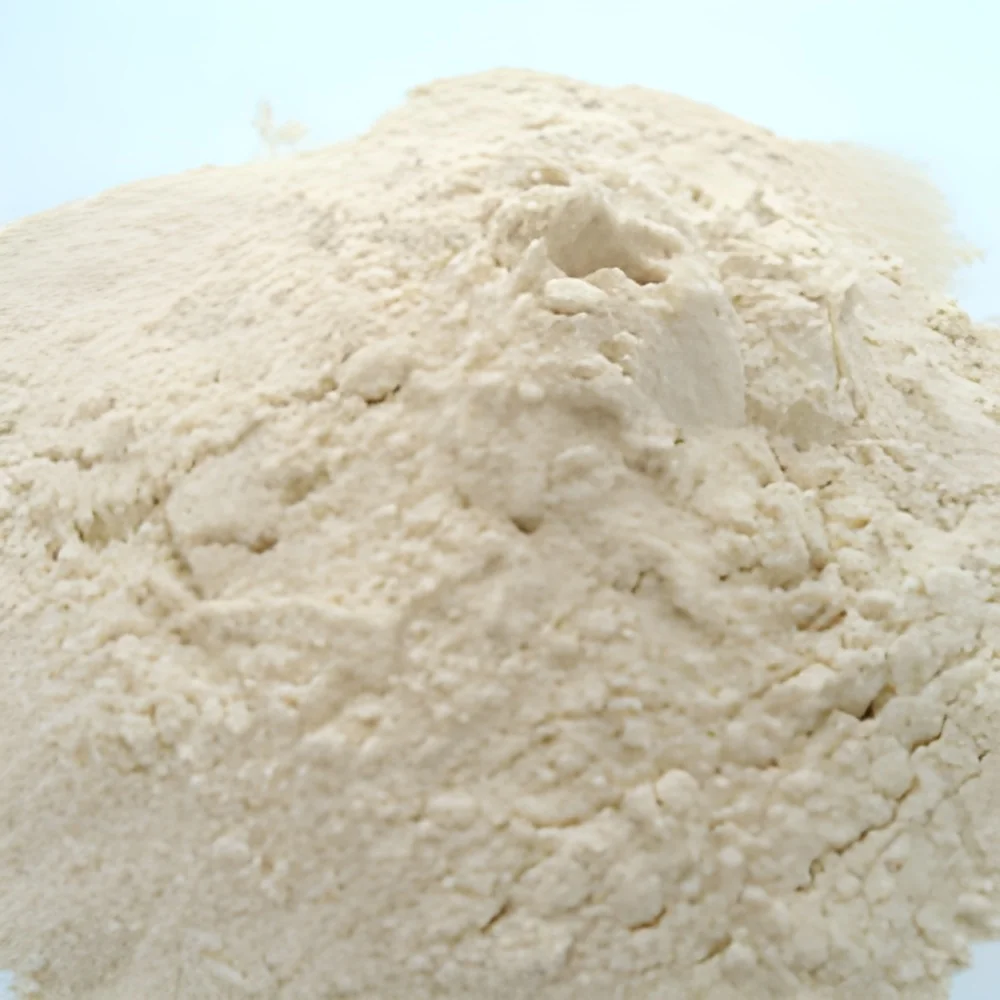
- Generally, a creamy-white to light-tan color
- Color consistency reflects milling quality
6. Shelf Life
- Typically lasts 6 to 12 months when stored properly
- Proper storage conditions are necessary to maintain freshness
7. Granulation
- Finely milled for better texture
- Consistency is key for uniform baking results
8. Certification
- Must comply with food safety standards
- CE certification ensures quality assurance
These specifications are essential for ensuring the quality and effectiveness of wheat flour in various applications.
Common Applications and Use Cases
Wheat flour is widely used across multiple industries, making it a highly versatile ingredient.
1. Food Industry: Wheat flour is primarily used in the production of bread, pastries, and other baked goods. Its properties contribute to the texture and flavor of these products.
2. Snack Manufacturing: Wheat flour serves as a key ingredient in savory snacks like crackers, chips, and extruded snacks. It provides the necessary structure and crunch.
3. Pasta Production: Various types of pasta rely on wheat flour for their dough. The protein content contributes to the desired firmness and chewiness of the pasta.
4. Confectionery: In the confectionery sector, wheat flour is used in cakes, cookies, and other sweet baked products, playing a crucial role in texture and moisture retention.
5. Frozen Foods: Wheat flour is essential in ready-to-eat meals and frozen food items, providing a base for sauces, coatings, and breading.
6. Ethnic Foods: Many traditional dishes around the world incorporate wheat flour, such as tortillas, dumplings, and pancakes, showcasing its cultural significance.
7. Gluten-Free Alternatives: Specialized wheat flour products are being developed for gluten-sensitive consumers, expanding its application in health-conscious markets.
Product Variants and Subcategories
Wheat flour comes in various forms to cater to specific culinary needs and preferences.
Whole Wheat Flour
Whole wheat flour is made from the entire grain, retaining all parts of the wheat. This variant is high in fiber and nutrients, making it a healthier option for baking bread and other goods.
Refined Wheat Flour
Refined wheat flour, often referred to as white flour, is milled from the endosperm of the wheat grain. It is commonly used for baking light and airy products like cakes and pastries.
Semolina
Semolina is a coarser flour made from durum wheat, primarily used for pasta and couscous due to its high gluten strength and ability to hold shape during cooking.
Benefits and Advantages
Wheat flour offers several benefits that make it an essential ingredient for various industries.
1. Nutritional Value: Wheat flour is rich in proteins, vitamins, and minerals, contributing to a balanced diet.
2. Versatility: It can be used in a wide range of culinary applications, from baking to cooking, making it indispensable for food manufacturers.
3. Cost-Effectiveness: Wheat flour is relatively affordable compared to other ingredients, making it an economical choice for businesses.
4. Ease of Use: Its fine texture and consistent quality simplify the baking process, ensuring reliable results.
5. Gluten Development: The gluten-forming properties of wheat flour provide structure and elasticity, crucial for many baked goods.
6. Long Shelf Life: When stored properly, wheat flour can maintain its quality for extended periods, reducing waste for manufacturers.
Buying Guide for B2B Buyers
When sourcing wheat flour, B2B buyers should consider several important factors.
1. Quality Assessment: Evaluate the flour based on protein content, moisture levels, and gluten quality to ensure it meets your specific needs.
2. Supplier Verification: Conduct thorough research on suppliers, checking for certifications and customer reviews to ensure reliability.
3. Pricing and MOQ: Consider the price per unit and minimum order quantities to determine the best value for your business.
4. Delivery and Lead Times: Understand logistics and delivery schedules to ensure timely supply for production.
5. Compliance Requirements: Ensure that the wheat flour meets regional food safety regulations and quality standards.
Compliance and Certifications
Compliance with quality standards is vital for wheat flour to ensure it is safe and suitable for consumption. Common standards include ISO 9001, which focuses on quality management systems, and HACCP, which outlines a systematic approach to food safety. Additionally, compliance with GDP (Good Distribution Practices) ensures that the flour is stored and transported under appropriate conditions.
Industry certifications such as CE indicate that the product meets European health, safety, and environmental protection standards. Safety and testing requirements involve regular assessments to ensure the flour is free from contaminants and meets nutritional specifications.
Regional compliance considerations may vary based on local regulations, making it essential for suppliers to adhere to the specific guidelines in their markets.
Why Source Wheat Flour (Atta) from Pepagora?
Pepagora provides a trusted platform for sourcing wheat flour with numerous advantages. Our verified supplier network ensures that buyers have access to reputable manufacturers who meet strict quality standards. Each supplier undergoes a thorough vetting process, providing peace of mind to businesses looking for reliable sources.
We offer a streamlined RFQ process that simplifies the quotation and ordering system, allowing B2B buyers to receive competitive pricing and terms quickly. This efficiency saves time and resources, enabling businesses to focus on production.
Pepagora also prioritizes trade assurance and support, offering buyer protection to ensure that transactions are secure and that products meet quality expectations. Our geographic reach spans India, GCC, and Southeast Asia, making it easier for businesses to source wheat flour regardless of their location.

 IN
IN