
 IN
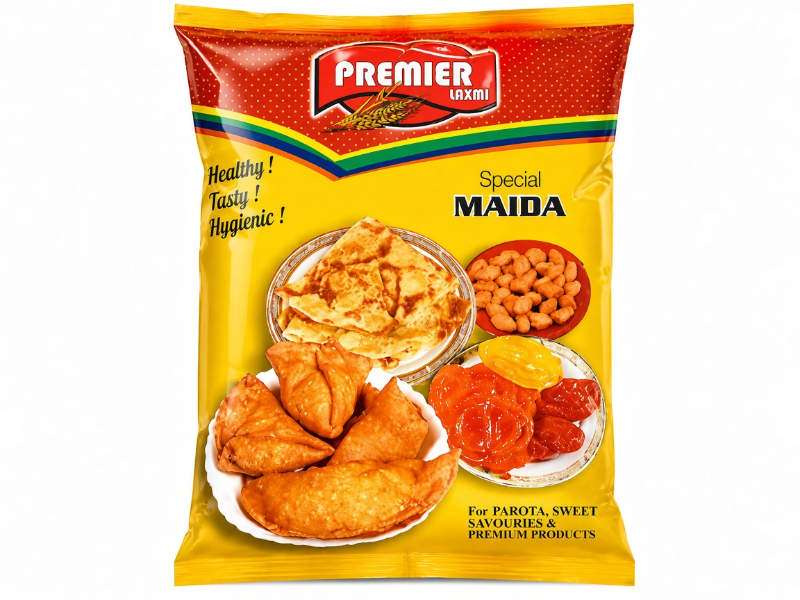
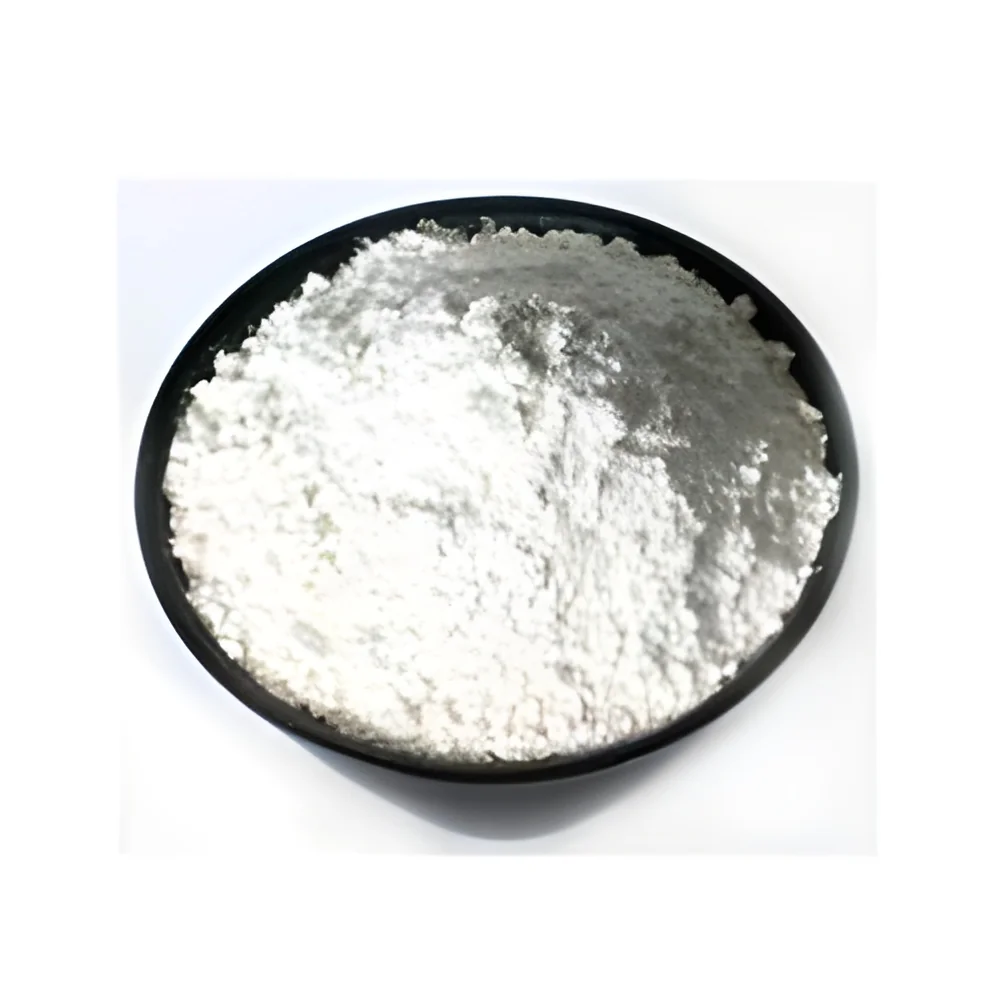
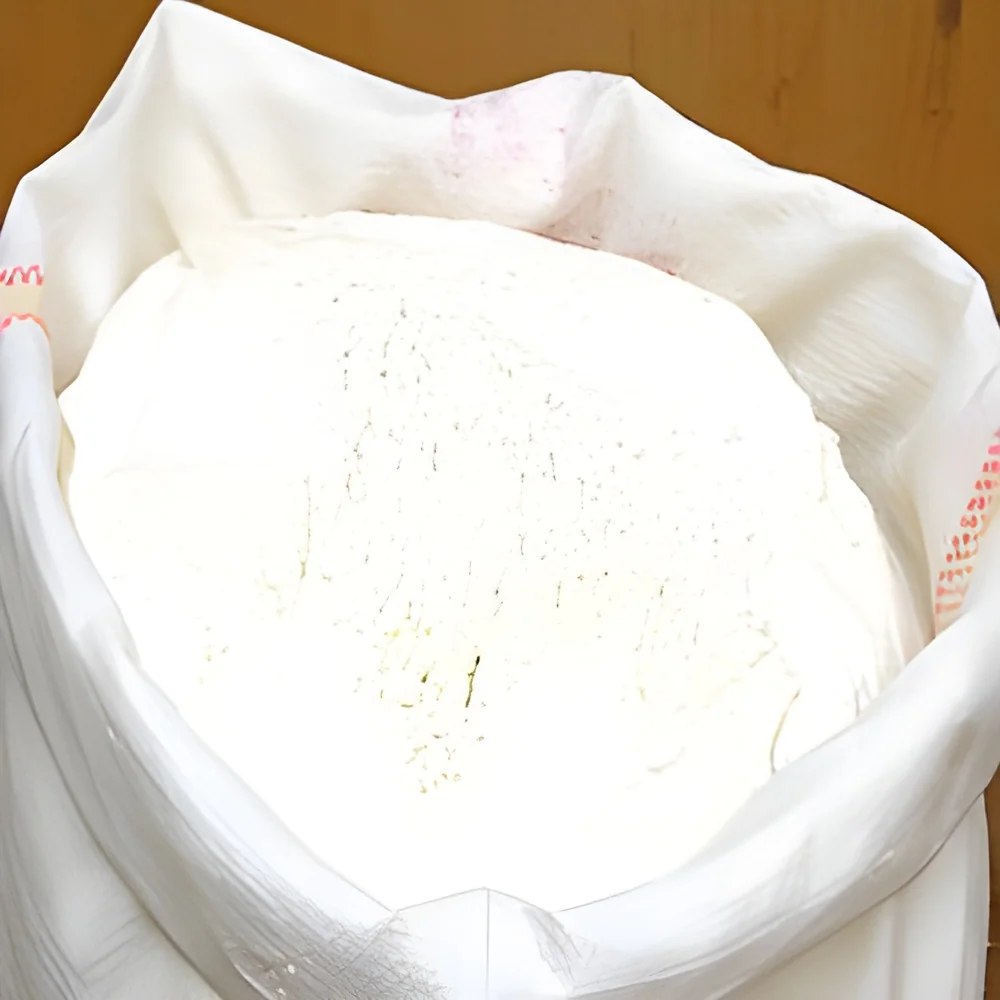
INMaida (Refined Flour)
5 products available
Key Features and Specifications
Maida (Refined Flour) is characterized by its fine texture and high starch content. It is essential for achieving the desired consistency in various recipes. The specifications of Maida are vital for businesses to understand its quality and applications.
Key specifications include:
1. Grain Size
- The flour is finely milled, typically ranging from 75 to 100 microns, ensuring a smooth texture.
2. Protein Content
- Protein levels generally range between 8 to 12 percent, influencing the elasticity and strength of the dough.
3. Moisture Content
- The acceptable moisture level is usually between 12 to 14 percent, which is important for shelf stability.
4. Ash Content
- The ash content should be below 0.5 percent, indicating the purity of the flour and its milling quality.
5. Gluten Quality
- Maida has a moderate gluten quality, suitable for products that require stretch and texture.
6. Color
- The flour should exhibit a bright white color, indicating proper milling and refinement.
7. Shelf Life
- Typically, Maida has a shelf life of 6 to 12 months when stored in a cool, dry place.
8. Packaging
- Available in bulk packaging as well as smaller consumer-friendly bags for retail distribution.
In summary, understanding these specifications helps businesses select the right Maida for their specific needs while ensuring product quality.
Common Applications and Use Cases
Maida serves various industries due to its versatility and functional properties.
1. Bakery Industry: Maida is primarily used in the bakery sector for producing bread, cakes, and pastries. Its fine texture allows for a light and fluffy product.
2. Snack Food Industry: It is a key ingredient in the production of snacks such as chips, crackers, and instant noodles, providing a desirable crunch and texture.
3. Food Service: Restaurants and catering services utilize Maida for making traditional dishes like naan and parathas, appealing to a wide range of customers.
4. Confectionery: In the confectionery sector, Maida is used to create cookies and biscuits, where its fine quality contributes to the desired taste and texture.
5. Pasta Production: Maida is also an essential component in the manufacturing of pasta, where its gluten content helps maintain structure during cooking.
6. Frozen Foods: The frozen food industry uses Maida for coating and breading products, enhancing flavor and texture.
7. Health Foods: Some health food companies are now exploring the use of Maida in gluten-free alternatives, highlighting its adaptability.
Product Variants and Subcategories
Maida (Refined Flour) offers a range of product variants that cater to different culinary and industrial needs.
All-Purpose Maida: This variant is designed for general use in baking and cooking. It provides good results in a variety of recipes, making it a popular choice among chefs and home cooks alike.
Bread Flour: Although not strictly Maida, this variant has a higher protein content, making it ideal for yeast-based products like bread and rolls. It helps achieve a better rise and texture.
Self-Raising Maida: This variant includes added leavening agents, making it suitable for quick baking needs. It simplifies the baking process for cakes and pastries.
Benefits and Advantages
Sourcing Maida (Refined Flour) offers numerous benefits for businesses in the food industry.
1. Versatility: Maida can be used in a wide range of recipes, from baked goods to snacks, making it a valuable ingredient for food manufacturers.
2. Consistency: The refined nature of Maida ensures consistent quality and performance in various applications, leading to reliable product outcomes.
3. Shelf Stability: With proper storage, Maida has a long shelf life, reducing waste and ensuring a steady supply for production.
4. Ease of Use: Maida is easy to work with, providing excellent results in both professional kitchens and home cooking.
5. Cost-Effectiveness: The affordability of Maida makes it an economical choice for businesses looking to produce high-quality food products without excessive costs.
6. Market Demand: As the demand for refined flour continues to rise, sourcing Maida can put businesses in a competitive position within the food market.
Buying Guide for B2B Buyers
When sourcing Maida (Refined Flour), B2B buyers should consider several important factors to ensure they make informed purchasing decisions.
1. Quality Assessment: Evaluate the quality of Maida by checking its protein content, grain size, and moisture levels. High-quality flour will enhance the final product's taste and texture.
2. Supplier Verification: Conduct thorough research on potential suppliers. Look for certifications, customer reviews, and track records in the industry to ensure reliability.
3. Pricing and MOQ: Understand the pricing structure and minimum order quantities (MOQ) offered by suppliers. This helps in budgeting and inventory planning.
4. Delivery and Lead Times: Discuss logistics with suppliers to understand their delivery capabilities and lead times. Timely deliveries are crucial for maintaining production schedules.
5. Compliance Requirements: Ensure that the Maida meets local regulatory standards and certifications, such as CE, to avoid any compliance issues in the supply chain.
Compliance and Certifications
Compliance and certifications are critical for ensuring the quality and safety of Maida (Refined Flour). Adhering to relevant quality standards is essential for maintaining product integrity.
ISO 9001 standards ensure that suppliers implement quality management systems, leading to consistent product quality. HACCP (Hazard Analysis Critical Control Point) guidelines are vital for food safety, helping manufacturers identify and mitigate potential hazards in the production process.
Additionally, CE certification signifies that the product meets European Union safety standards. Testing requirements for Maida include assessments for contaminants and quality parameters to guarantee it is safe for consumption.
Regional compliance considerations must also be addressed, as different regions may have specific regulations governing food products. Understanding these requirements helps businesses avoid legal complications and ensures consumer safety.
Why Source Maida (Refined Flour) from Pepagora?
Pepagora provides a trusted platform for sourcing Maida (Refined Flour), offering several key advantages for B2B buyers.
Verified Supplier Network: Pepagora connects businesses with a network of verified suppliers, ensuring that buyers can trust the quality and reliability of their sources. This verification process helps mitigate risks associated with sourcing.
Streamlined RFQ Process: The platform simplifies the quotation process, allowing buyers to submit requests for quotations (RFQs) easily. This efficiency saves time and helps buyers find competitive pricing.
Trade Assurance and Support: Pepagora offers trade assurance, providing buyers with protection in their transactions. This support gives added confidence when sourcing products, ensuring a smooth purchasing experience.
Regional Coverage: With a strong presence in India, the GCC, and Southeast Asia, Pepagora facilitates access to a diverse range of suppliers and products. This regional coverage enhances sourcing options and allows buyers to meet their specific needs effectively.



Frequently Asked Questions
What are Maida (Refined Flour)?
Maida, commonly known as refined flour, is a finely milled flour made from wheat grains. It is widely used in Indian cuisine for making various dishes such as bread, pastries, and noodles due to its fine texture and light color.
What are the different types of Maida (Refined Flour)?
The primary type of Maida is plain Maida, which is versatile for baking and cooking. Some manufacturers may also offer specialty Maida blends that include additives for specific culinary purposes, such as higher protein content for bread making.
How do I choose the right Maida (Refined Flour)?
When selecting Maida, consider the intended use, as different dishes may require varying protein levels and gluten strength. Additionally, check the packaging for freshness and quality certifications to ensure that you are purchasing high-grade flour.
What are the standard specifications for Maida (Refined Flour)?
Standard specifications for Maida include a moisture content of around 14%, a protein content ranging from 8% to 12%, and a fine texture without any lumps. It should also comply with food safety regulations and labeling requirements as per Indian standards.
What is the price range for Maida (Refined Flour)?
The price range for Maida typically varies based on the quality and brand, usually falling between INR 25 to INR 50 per kilogram. Bulk purchases may offer discounts, so it is advisable to check with suppliers for pricing based on quantity.
What quality standards apply to Maida (Refined Flour)?
Quality standards for Maida include adherence to the Food Safety and Standards Authority of India (FSSAI) regulations. This includes ensuring the absence of contaminants, maintaining specified moisture and protein levels, and proper labeling for consumer information.
Where can I find Maida (Refined Flour) suppliers in India?
You can find Maida suppliers in India through various online B2B marketplaces such as Pepagora. Additionally, local grain mills and distributors often provide refined flour directly to retailers and businesses.
Can Maida (Refined Flour) be customized?
Yes, some manufacturers offer customization options for Maida, such as adjusting the protein content or adding specific enzymes for baking purposes. It is advisable to discuss your requirements directly with suppliers to explore available options.
What is the typical minimum order quantity for Maida (Refined Flour)?
The typical minimum order quantity (MOQ) for Maida can vary depending on the supplier, but it generally ranges from 25 kg to 100 kg. Larger bulk orders may have different MOQs, so it is best to confirm with the supplier.
What is the typical lead time for Maida (Refined Flour)?
The typical lead time for Maida delivery can range from 3 to 7 days, depending on the supplier's location and order size. For bulk orders, it is advisable to confirm the delivery timeline directly with the supplier.
Why Businesses Trust Pepagora
Thousands of companies trust Pepagora to source smarter and sell faster
Expand Your Sales Globally

Source Smarter,Grow Faster
