What are Rice Flour?
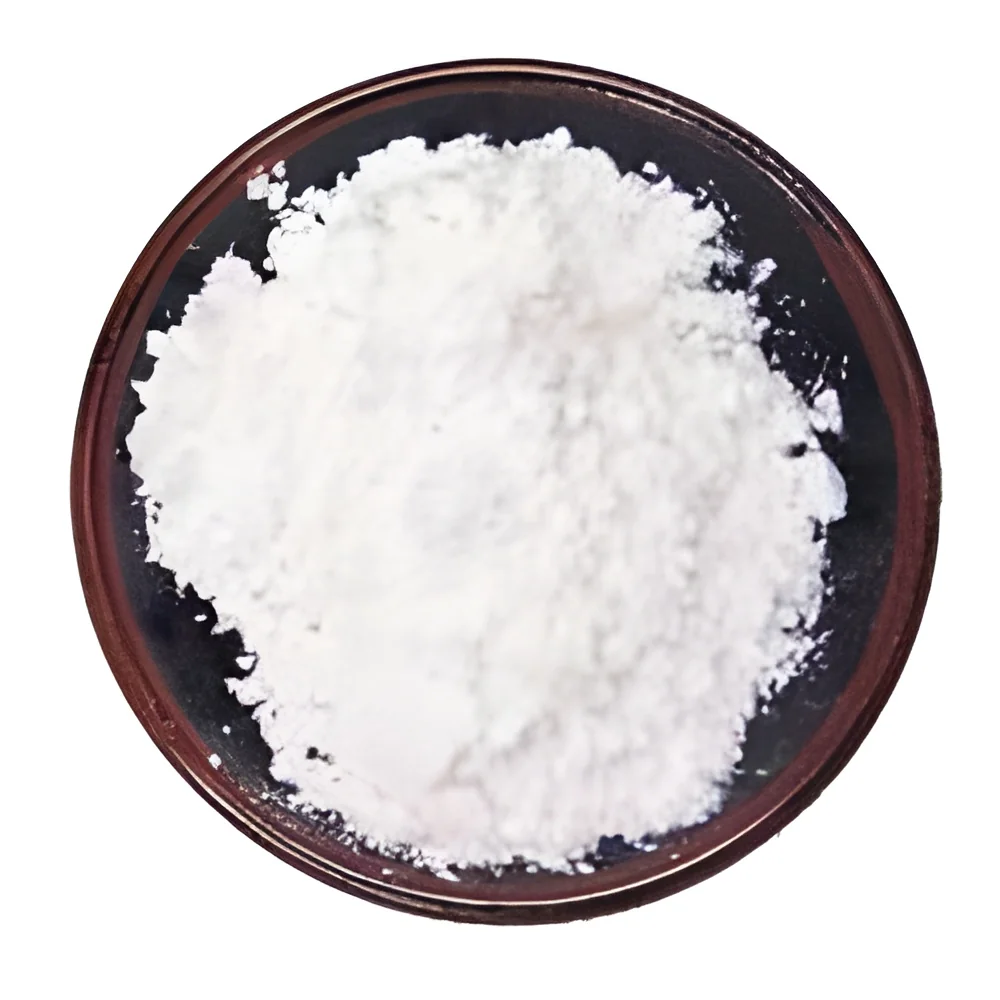
Rice flour is a finely milled powder derived from grinding raw rice grains. It is a staple ingredient in many culinary traditions around the world, particularly in Asian cuisines. The production process typically involves selecting high-quality rice varieties, which are then washed, dried, and ground to achieve a fine consistency. Rice flour is gluten-free, making it a popular alternative to wheat flour for those with gluten sensitivities or celiac disease.
Rice flour is primarily used in a variety of applications, including baking, thickening sauces, and making noodles and dumplings. In the food industry, it serves as a key ingredient in products such as rice cakes, pastries, and gluten-free bread. Beyond food production, rice flour finds applications in cosmetics and personal care products due to its absorbent properties. The growing demand for gluten-free options and healthy alternatives has significantly increased rice flour's relevance in the market.
Key Features and Specifications
Rice flour is characterized by several key features that make it suitable for a wide range of applications. The specifications for rice flour can vary based on the intended use, but certain standards are commonly observed.
Key specifications include:
1. Granulation Size
- Typically ranges from fine to extra fine
- Affects texture and application in food products
2. Moisture Content
- Generally maintained below 14%
- Ensures shelf stability and prevents spoilage
3. Ash Content
- Usually less than 0.5%
- Indicates purity and quality of the flour
4. Protein Content
- Ranges from 6% to 8%
- Determines nutritional value
5. Color
- Typically white to off-white
- Consistency in color is important for consumer products
6. Flavor
- Mild and neutral
- Suitable for various culinary applications
7. Gluten Content
- Completely gluten-free
- Essential for gluten-sensitive individuals
8. Shelf Life
- Generally up to 12 months when stored properly
- Requires cool, dry conditions for optimal preservation
In summary, rice flour is a versatile ingredient with specific features that cater to both culinary and non-culinary uses, ensuring quality and reliability in various applications.
Common Applications and Use Cases
Rice flour is utilized in numerous industries, reflecting its versatility and adaptability.
1. Food Industry: Rice flour is used to create gluten-free products, such as breads, cakes, and noodles. Its ability to absorb moisture makes it an excellent thickening agent in sauces and gravies.
2. Bakery: It serves as a primary ingredient in various baked goods, providing texture and stability. Rice flour is often favored in the production of pastries and other delicate items.
3. Snack Manufacturing: Rice flour is used in producing rice cakes and other snack foods. Its neutral flavor allows for easy incorporation into savory and sweet snacks.
4. Cosmetics: In the beauty industry, rice flour is incorporated into skincare products for its absorbent properties and ability to enhance texture.
5. Pharmaceuticals: Rice flour is used as an excipient in medications, helping to bind active ingredients and improve formulation stability.
6. Gluten-Free Products: The rising trend of gluten-free diets has propelled the demand for rice flour in creating alternative products for consumers with dietary restrictions.
7. Traditional Foods: Many cultures use rice flour in their traditional cuisines for making dishes like rice dumplings and pancakes.
Product Variants and Subcategories
While specific subcategories of rice flour are not available, the product offers diversity based on processing techniques and intended use.
White Rice Flour: This variant is made from polished white rice grains. It is commonly used in baking and cooking, offering a fine texture that works well in various recipes.
Brown Rice Flour: Produced from whole grain brown rice, this variant retains more nutrients and fiber. It is favored for its slightly nutty flavor and is often used in health-conscious recipes.
Sweet Rice Flour: Also known as glutinous rice flour, this variant is made from sticky rice. It is primarily used for making desserts and thickening sauces.
Benefits and Advantages
Rice flour provides several key benefits that make it an attractive ingredient for various applications.
1. Gluten-Free: Rice flour is naturally gluten-free, making it an ideal choice for individuals with gluten intolerance or celiac disease.
2. Versatile Ingredient: It can be used in a wide range of products, from baked goods to sauces, making it a valuable addition to any food formulation.
3. Nutritional Value: With a moderate protein content and essential nutrients, rice flour contributes to a balanced diet.
4. Good Absorbent: Its ability to absorb moisture makes rice flour effective in thickening applications, enhancing the texture of various dishes.
5. Neutral Flavor: Rice flour's mild taste allows it to blend seamlessly into both sweet and savory recipes without altering the intended flavor profile.
6. Easy to Use: Rice flour can be substituted for wheat flour in many recipes, making it accessible for those transitioning to gluten-free cooking.
Buying Guide for B2B Buyers
When sourcing rice flour, several factors should be considered to ensure quality and suitability for business needs.
1. Quality Assessment: Look for suppliers who provide detailed information on the quality of their rice flour, including moisture content and granulation size. Testing samples can help determine suitability for intended applications.
2. Supplier Verification: Conduct thorough research on potential suppliers. Check for certifications, customer reviews, and industry reputation to ensure reliability and quality.
3. Pricing and MOQ: Understand the pricing structure and minimum order quantities (MOQ) required by suppliers. Negotiate terms that align with your budget and purchasing needs.
4. Delivery and Lead Times: Discuss logistics and delivery schedules with suppliers. Ensure they can meet your timelines to avoid production delays.
5. Compliance Requirements: Verify that the rice flour complies with relevant food safety regulations and industry standards to ensure product safety and quality.
Compliance and Certifications
Rice flour production is subject to various quality standards and certifications to ensure safety and reliability in the market.
Many suppliers adhere to ISO 9001 standards, which ensure consistent quality management processes. This certification is crucial for maintaining high-quality production practices.
HACCP (Hazard Analysis and Critical Control Points) is also a common standard in the food industry, focusing on food safety and risk management during production. Compliance with HACCP ensures that potential hazards are identified and controlled effectively.
CE certification is relevant for products sold within the European market, indicating that the product meets safety and health requirements.
In addition to these certifications, safety and testing requirements may vary based on regional regulations. It is essential for buyers to verify compliance with local laws and industry standards to ensure product integrity.
Why Source Rice Flour from Pepagora?
Pepagora offers an excellent platform for sourcing rice flour, providing numerous advantages to B2B buyers.
Verified Supplier Network: Pepagora connects buyers with a network of verified suppliers, ensuring that all listings meet strict quality standards. This verification process fosters trust and reliability in sourcing.
Streamlined RFQ Process: The platform features a user-friendly request for quotation (RFQ) system, allowing buyers to easily submit inquiries and receive competitive quotes from multiple suppliers. This simplifies the sourcing process and helps in making informed decisions.
Trade Assurance and Support: Pepagora provides trade assurance to protect buyers during transactions. This includes support for dispute resolution and ensuring that suppliers deliver as promised, enhancing buyer confidence.
Regional Coverage: With a strong presence in India, the GCC, and Southeast Asia, Pepagora enables buyers to access a wide range of rice flour suppliers across different regions, catering to diverse business needs and preferences.

 IN
IN