Key Features and Specifications
Rock Salt (Sendha Namak) is valued for its unique properties and specifications. It offers multiple benefits that cater to various industrial and culinary needs. Understanding these features is essential for businesses looking to utilize this natural mineral effectively.
Key specifications include:
1. Purity Level
- Typically ranges from 95% to 99% sodium chloride.
- Contains trace minerals such as potassium, magnesium, and calcium.
2. Crystal Size
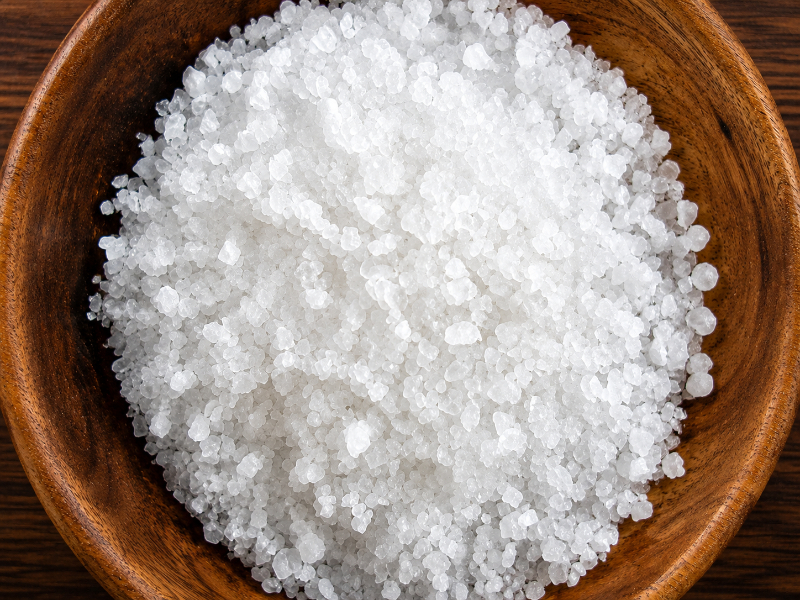
- Available in coarse, medium, and fine granulations.
- Larger crystals are preferred for culinary use, while smaller sizes are typical for industrial applications.
3. Color Variations
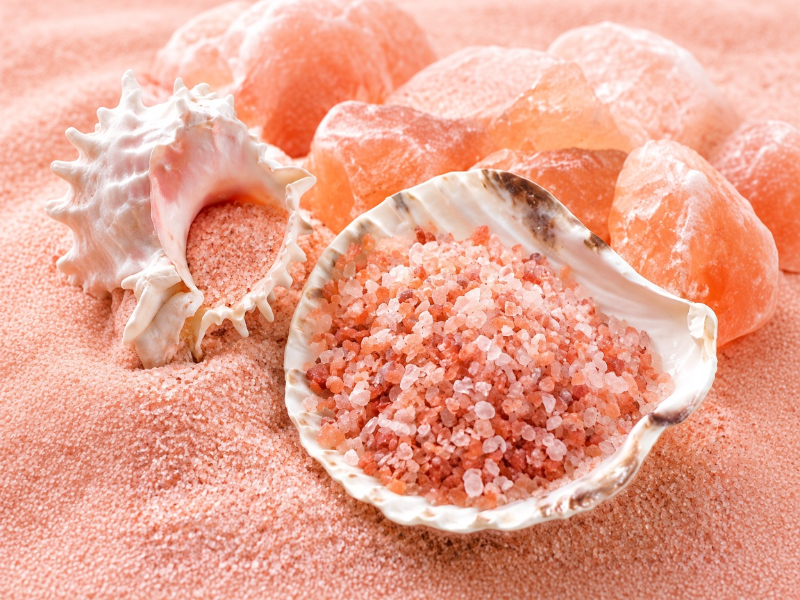
- Comes in shades of white, pink, and grey.
- Color variations often indicate different mineral content and origin.
4. Moisture Content
- Generally low moisture content, around 1-2%.
- Essential for ensuring shelf stability and preventing clumping.
5. Packaging Options
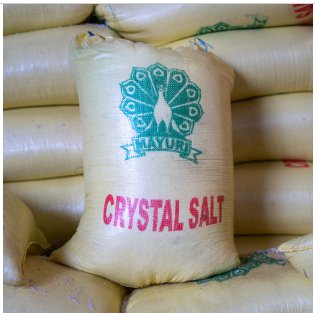
- Available in bulk bags, 25 kg bags, and smaller retail packages.
- Custom packaging options can be provided based on buyer requirements.
6. Storage Conditions
- Should be stored in a cool, dry place to maintain quality.
- Proper storage prevents moisture absorption and clumping.
7. Shelf Life
- Typically has a long shelf life when stored correctly.
- Can remain effective for several years without significant degradation.
8. Compliance Standards
- Meets food safety and quality standards, including CE certification.
- Adheres to regulations for various industries, ensuring safe use.
In summary, Rock Salt (Sendha Namak) is characterized by its purity, versatility, and various specifications that cater to both culinary and industrial applications.
Common Applications and Use Cases
Rock Salt (Sendha Namak) has a wide range of applications across different industries, making it a valuable product for businesses.
1. Food Industry: Used as a seasoning and preservative in various culinary dishes, rock salt enhances flavor and adds a unique taste to foods. It is particularly favored in Indian cooking.
2. Agriculture: Rock salt is utilized in livestock feeding to provide essential minerals. It also serves as a natural fertilizer to improve soil health.
3. Water Treatment: Employed in water purification processes, rock salt aids in softening water and removing impurities, making it essential for municipal and industrial water systems.
4. De-Icing Roads: In colder regions, rock salt is commonly used to de-ice roads and highways, ensuring safe travel during winter months.
5. Spa and Wellness: Used in spa treatments and therapeutic baths, rock salt is believed to have various health benefits, including detoxifying the skin and promoting relaxation.
6. Chemical Industry: Rock salt is a key ingredient in producing chlorine and caustic soda, which are vital for numerous chemical processes.
7. Pharmaceutical Industry: Utilized in the formulation of certain medications and saline solutions, ensuring purity and quality standards are met.
Product Variants and Subcategories
Rock Salt (Sendha Namak) comes in various forms to cater to specific needs across industries. This diversity allows businesses to choose the right variant for their applications.
Coarse Rock Salt
This variant features larger crystal sizes, making it ideal for culinary uses such as seasoning and garnishing. Its texture adds visual appeal to dishes and is often used in salt grinders for a fresh taste.
Fine Rock Salt
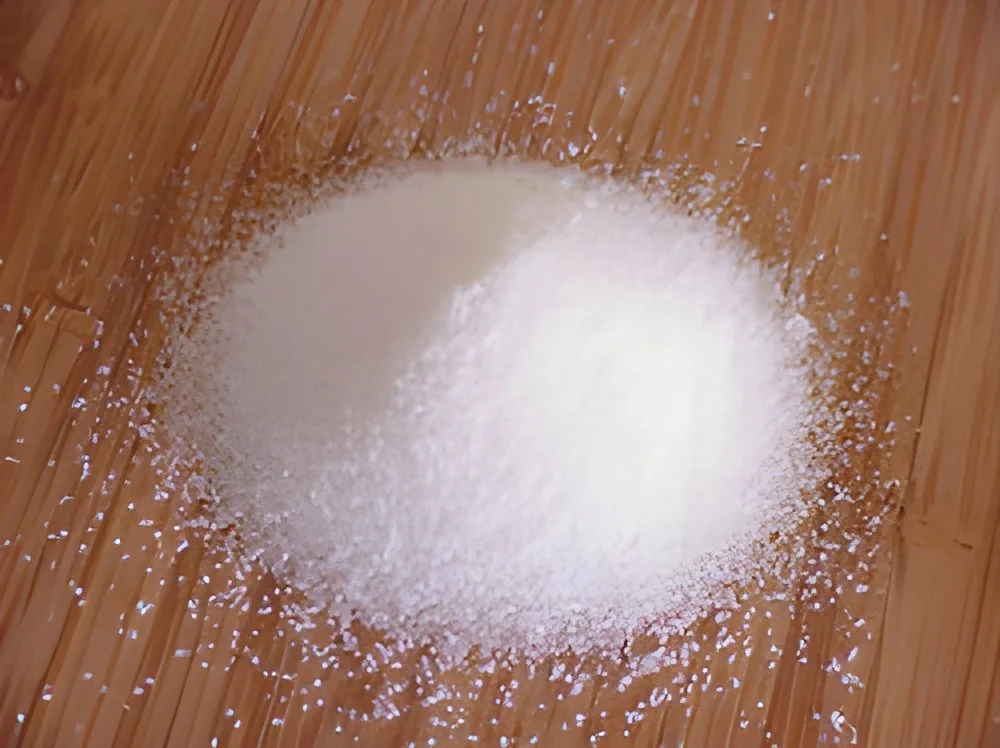
Characterized by its smaller granules, fine rock salt is commonly used in baking and cooking where even distribution is essential. It dissolves quickly, making it suitable for brines and marinades.
Himalayan Pink Salt
A popular variant, Himalayan pink salt is known for its distinctive color and mineral content. It is often marketed as a healthier alternative to regular salt and is used in gourmet cooking and wellness products.
Benefits and Advantages
Rock Salt (Sendha Namak) offers numerous benefits that make it a preferred choice for various applications. Its natural properties and versatility provide significant advantages.
1. Natural Source: Rock salt is harvested from natural deposits, ensuring minimal processing and retaining essential minerals that enhance its flavor and health benefits.
2. Versatile Applications: From culinary uses to industrial applications, rock salt caters to a wide range of industries, making it a valuable resource for diverse business needs.
3. Health Benefits: Rich in trace minerals, rock salt is believed to support hydration and overall health, making it a popular choice in wellness and spa treatments.
4. Cost-Effective: The availability of rock salt in various packaging options allows businesses to purchase according to their needs, offering flexibility in budgeting.
5. Environmental Sustainability: As a natural mineral, rock salt is more environmentally friendly compared to synthetic alternatives, aligning with modern sustainability goals.
6. Long Shelf Life: With proper storage, rock salt maintains its quality over extended periods, reducing waste and ensuring consistent supply for businesses.
Buying Guide for B2B Buyers
When sourcing Rock Salt (Sendha Namak), businesses should consider several key factors to ensure they make informed purchasing decisions.
1. Quality Assessment: Evaluate the purity level and mineral content of the rock salt. Look for suppliers who provide testing reports to confirm quality.
2. Supplier Verification: Research potential suppliers, checking their credentials, certifications, and customer reviews to ensure reliability and credibility.
3. Pricing and MOQ: Understand the pricing structure and minimum order quantities (MOQ) set by suppliers. Compare offers from multiple vendors to find the best value.
4. Delivery and Lead Times: Inquire about the supplier's ability to meet your delivery schedules. Confirm lead times to ensure that your operations are not disrupted.
5. Compliance Requirements: Ensure that the rock salt meets relevant industry standards and regulations. Verify certifications such as CE to guarantee safety and quality.
Compliance and Certifications
Rock Salt (Sendha Namak) must adhere to specific compliance and certification standards to ensure its quality and safety for various uses. Relevant quality standards include ISO 9001, which outlines requirements for quality management systems, ensuring consistent product quality.
Certifications such as CE indicate that the product meets European health, safety, and environmental protection standards. These certifications are crucial for businesses looking to operate in regulated markets.
Safety and testing requirements are also essential. Suppliers should conduct regular testing to ensure that the rock salt is free from contaminants and meets food safety regulations.
Additionally, regional compliance considerations may vary. Businesses should be aware of local regulations governing the sourcing and use of rock salt, ensuring full compliance in their operations.
Why Source Rock Salt (Sendha Namak) from Pepagora?
Pepagora offers a trusted platform for sourcing Rock Salt (Sendha Namak), providing several key advantages for businesses.
Verified Supplier Network: Pepagora connects buyers with verified suppliers, ensuring that you can source high-quality rock salt from reputable providers. This verification process helps mitigate risks associated with unreliable vendors.
Streamlined RFQ Process: The platform features a user-friendly Request for Quotation (RFQ) system, allowing buyers to easily request quotes from multiple suppliers. This streamlines the purchasing process and encourages competitive pricing.
Trade Assurance and Support: Pepagora offers trade assurance, providing buyers with protection against issues that may arise during transactions. This support ensures a secure buying experience.
Regional Coverage: With a broad geographic reach, Pepagora serves markets in India, the GCC, and Southeast Asia. This extensive coverage allows businesses to access a diverse range of suppliers and products, enhancing sourcing options.

 IN
IN