Key Features and Specifications
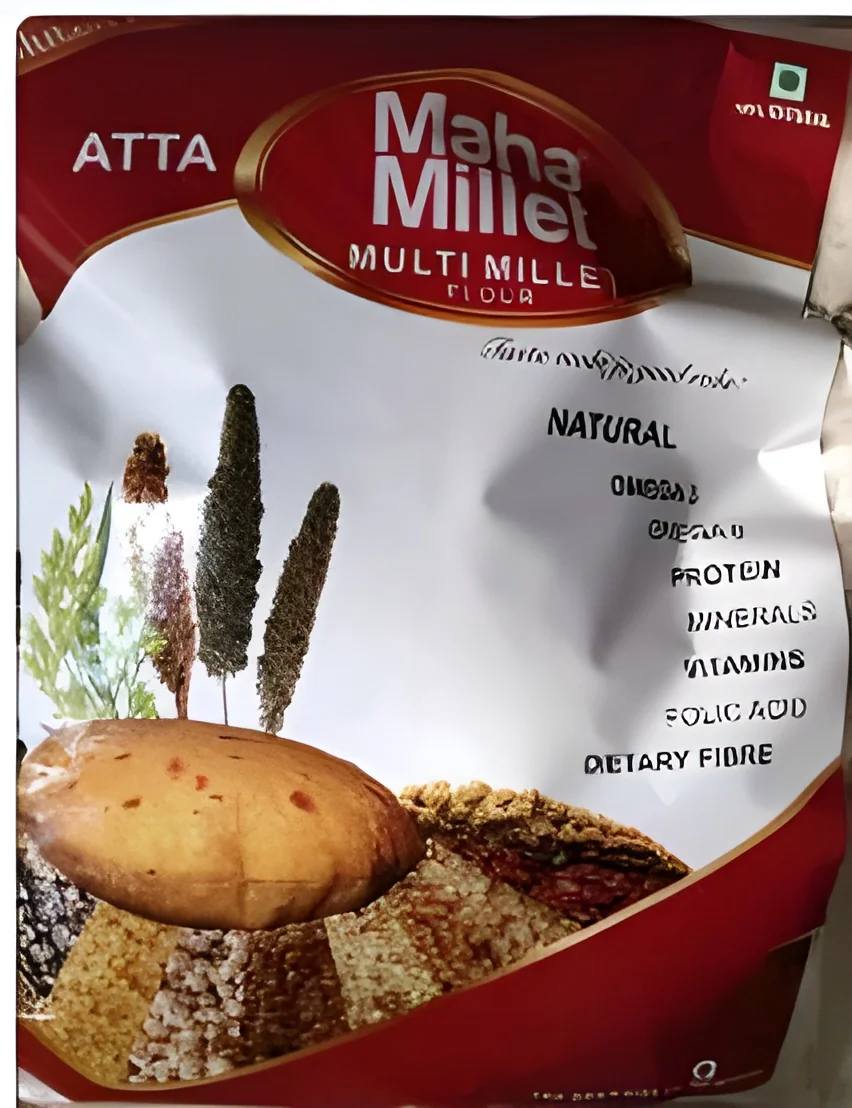
Bajra flour boasts several key features that make it a desirable ingredient for various applications. Its unique properties include high nutritional value, gluten-free nature, and versatility in use. When considering bajra flour for business, it is important to understand its specifications to ensure it meets the required standards.
Key specifications include:
1. Nutritional Content
- High in protein, fiber, and essential minerals like iron and magnesium
- Low glycemic index, making it suitable for diabetics
2. Grain Type
- Made from 100% whole pearl millet grains
- Non-GMO and organic options available
3. Texture
- Fine flour with a slightly coarse feel
- Provides a unique flavor profile to dishes
4. Moisture Content
- Typically maintained between 8-12% for optimal shelf life
- Important for preventing spoilage
5. Packaging
- Available in bulk packaging options or consumer-sized bags
- Packaging ensures freshness and protects against contamination
6. Shelf Life
- Generally has a shelf life of 6-12 months when stored properly
- Requires cool, dry storage conditions
7. Color
- Light beige to brown in color, indicating whole grain content
- Color may vary slightly based on processing methods
Bajra flour stands out for its health benefits and culinary versatility, making it an excellent addition to various food products.
Common Applications and Use Cases
Bajra flour is utilized across multiple industries due to its diverse applications and health benefits.
1. Food Industry: It is commonly used to make traditional flatbreads such as bajra roti and bhakri, popular in Indian cuisine. It is also used in gluten-free baking and porridge production.
2. Health and Wellness: Bajra flour is favored in health foods and organic products, often featured in gluten-free diets and specialty health snacks.
3. Animal Feed: Due to its nutritional content, bajra flour is included in animal feed formulations, providing essential nutrients to livestock.
4. Food Fortification: It is leveraged in fortification programs to help combat nutritional deficiencies in vulnerable populations by enriching staple foods with essential vitamins and minerals.
5. Snack Foods: Bajra flour is increasingly being used to produce healthy snack options, such as crackers and energy bars, catering to health-conscious consumers.
6. Bakery Products: It is incorporated into various baked goods, providing a nutritious alternative to wheat flour in breads, muffins, and cookies.
7. Culinary Innovations: The rise of gluten-free products has led to innovative recipes and products using bajra flour, enhancing its market potential.
Product Variants and Subcategories
Bajra flour offers a range of variants that cater to different consumer needs and preferences.
Whole Bajra Flour: This variant is made from unrefined pearl millet grains, retaining all the nutrients and fiber. It is ideal for making traditional recipes and health-focused products.
Organic Bajra Flour: Sourced from organically grown millet, this variant appeals to health-conscious consumers. It is free from pesticides and artificial additives, promoting sustainable farming practices.
Fortified Bajra Flour: This variant includes added vitamins and minerals to enhance nutritional value, making it suitable for food fortification initiatives aimed at improving public health.
Packaged Bajra Flour: Available in various sizes, this variant caters to both bulk buyers and retail consumers. It is designed for convenience and ease of use in kitchens.
Benefits and Advantages
Bajra flour offers numerous benefits that make it a valuable ingredient for various applications.
1. Nutritional Value: Bajra flour is rich in protein, fiber, and essential minerals, making it an excellent choice for health-conscious consumers.
2. Gluten-Free: Being naturally gluten-free, it is suitable for individuals with gluten intolerance or celiac disease.
3. Versatility: Bajra flour can be used in a wide range of culinary applications, from traditional dishes to modern gluten-free products.
4. Sustainable Crop: Pearl millet is resilient and requires less water than other grains, making it an environmentally friendly choice.
5. Low Glycemic Index: The flour has a low glycemic index, making it suitable for diabetic diets and promoting stable blood sugar levels.
6. Enhances Digestive Health: High fiber content supports digestive health and helps in maintaining a healthy gut.
Buying Guide for B2B Buyers
When sourcing Bajra Flour (Pearl Millet), it is essential to consider several factors to ensure quality and reliability.
1. Quality Assessment: Evaluate the nutritional content and purity of the flour. Look for certifications that indicate high quality and adherence to food safety standards.
2. Supplier Verification: Vet suppliers by checking their reputation, certifications, and customer reviews. Reliable suppliers should have a proven track record in the industry.
3. Pricing and MOQ: Understand the pricing structure and minimum order quantities (MOQ) required by suppliers. Compare prices to ensure competitive purchasing.
4. Delivery and Lead Times: Check the supplier's logistics capabilities, including delivery times and shipping options. Ensure they can meet your supply chain requirements.
5. Compliance Requirements: Familiarize yourself with any regulatory requirements for food products in your region. Ensure that the supplier complies with relevant safety and quality standards.
Compliance and Certifications
Bajra flour is subject to various quality standards and certifications that ensure its safety and reliability in the market. Compliance with ISO 9001 standards signifies that the production process meets international quality management criteria.
HACCP (Hazard Analysis and Critical Control Points) is often implemented to ensure food safety throughout the production and distribution processes. This certification demonstrates a commitment to identifying and managing potential hazards.
Additionally, the CE marking indicates that the product meets EU safety, health, and environmental requirements. It is essential for businesses operating in or exporting to European markets.
Regional compliance considerations may vary, so it is crucial to understand local regulations regarding food safety, labeling, and quality assurance.
Why Source Bajra Flour (Pearl Millet) from Pepagora?
Pepagora provides a trusted platform for sourcing Bajra Flour (Pearl Millet) with several key advantages that streamline the procurement process.
Verified Supplier Network: Pepagora connects buyers with a network of verified suppliers, ensuring that all partners adhere to quality standards and reliability.
Streamlined RFQ Process: The platform offers a simple and efficient Request for Quotation (RFQ) process, allowing buyers to easily compare offers and select the best options.
Trade Assurance and Support: Pepagora provides buyer protection through trade assurance mechanisms, ensuring that transactions are secure and that buyers receive the quality they expect.
Regional Coverage: With a broad geographic reach spanning India, the GCC, and Southeast Asia, Pepagora facilitates access to diverse suppliers and markets, enhancing the sourcing experience for businesses in different regions.

 IN
IN