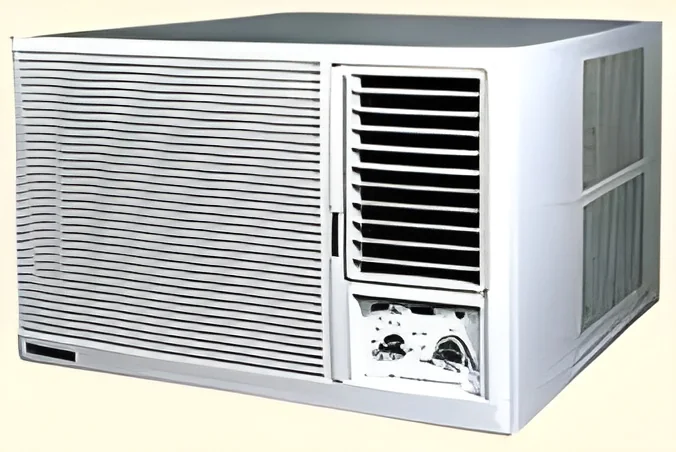
What are Window Air Conditioners?
Window air conditioners are compact cooling units designed for installation in a window or through a wall. They operate by removing heat and humidity from the air inside a room, thereby lowering the temperature to create a comfortable indoor environment. These units are self-contained, meaning they contain all necessary components, including a compressor, condenser, evaporator, and expansion valve, within a single housing.
Primarily, window air conditioners are used in residential and small commercial settings. They are ideal for cooling individual rooms, such as offices, bedrooms, and living spaces. Businesses often rely on these units for effective temperature control in smaller areas where central air conditioning may not be practical or cost-effective. As the demand for energy-efficient solutions continues to grow, the market for window air conditioners remains robust, particularly in regions with high temperatures and humidity.
Key Features and Specifications
Window air conditioners come equipped with various features that enhance their functionality and efficiency. Understanding these specifications can help businesses make informed purchasing decisions.
Key specifications include:
1. Cooling Capacity
- Measured in British Thermal Units (BTUs), this indicates the unit's ability to cool a space.
- Common capacities range from 5,000 to 15,000 BTUs, suitable for different room sizes.
2. Energy Efficiency Ratio (EER)
- This ratio measures the cooling output per watt of electricity consumed.
- Higher EER ratings indicate greater energy efficiency.
3. Noise Level
- Typically measured in decibels (dB), this indicates how loud the unit operates.
- Standard noise levels can range from 50 dB to 60 dB.
4. Dimensions
- The size of the unit can affect installation and fit in various window frames.
- Common dimensions vary based on cooling capacity.
5. Temperature Control
- Most units feature adjustable thermostats and multiple cooling settings.
- Some models offer remote control for convenience.
6. Installation Type
- Window units are designed for either vertical or horizontal installation, depending on the model.
7. Filter Type
- Air filters can be washable or replaceable, impacting maintenance frequency.
8. Warranty
- Manufacturers often provide warranties ranging from one to five years, ensuring product reliability.
Overall, understanding these features helps businesses select the right unit for their specific needs and environments.
Common Applications and Use Cases
Window air conditioners serve various industries by providing effective cooling solutions.
1. Residential: Homeowners utilize window air conditioners to cool individual rooms during the summer months, enhancing comfort and livability.
2. Small Offices: Businesses often choose these units for small office environments, where central air conditioning may not be feasible.
3. Retail Spaces: Retailers use window air conditioners to maintain a comfortable shopping environment, ensuring customer satisfaction.
4. Restaurants: Many dining establishments install these units to cool specific areas, such as kitchens or dining rooms, improving the overall dining experience.
5. Educational Institutions: Schools and universities may equip classrooms and administrative offices with window units to ensure a conducive learning atmosphere.
6. Healthcare Facilities: Clinics and small hospitals often use window air conditioners in patient rooms and waiting areas to provide comfort.
7. Warehouses: Some smaller warehouse spaces utilize these units for localized cooling in areas where larger systems are impractical.
Product Variants and Subcategories
Window air conditioners come in diverse variants to meet different cooling needs.
Standard Window Units
These are the most common type, designed to fit directly into a window frame. They are easy to install and provide efficient cooling for single rooms.
Energy-Efficient Models
These units are specifically designed with advanced technology to reduce energy consumption while maximizing cooling output. They are ideal for businesses looking to lower energy costs.
Portable Window Units
Although primarily designed like traditional window air conditioners, these models can be easily removed and relocated, offering flexibility in cooling different spaces.
Benefits and Advantages
Window air conditioners offer several benefits that make them an attractive option for businesses.
1. Cost-Effective: They are generally more affordable to purchase and install compared to central air conditioning systems.
2. Easy Installation: Most window units can be installed without professional help, saving on installation costs.
3. Targeted Cooling: These units allow businesses to cool specific areas, providing comfort only where needed.
4. Energy Efficiency: Many models come with high EER ratings, helping to reduce energy consumption and costs.
5. Flexible Usage: Window air conditioners are suitable for various settings, including homes, offices, and retail spaces.
6. Low Maintenance: With simple filter cleaning and occasional servicing, these units require minimal upkeep.
Buying Guide for B2B Buyers
When sourcing window air conditioners, several factors should be considered to ensure a suitable purchase.
1. Quality Assessment: Evaluate the quality of the units by checking manufacturer reviews, warranty offerings, and available certifications.
2. Supplier Verification: It is essential to vet suppliers for reliability and history in providing quality products. Look for established businesses with a good track record.
3. Pricing and MOQ: Understand the price ranges for different models and inquire about minimum order quantities to align with budget constraints.
4. Delivery and Lead Times: Consider the logistics involved in shipping and the typical lead times for delivery. Timeliness is crucial for business operations.
5. Compliance Requirements: Ensure that the selected units meet any necessary regulatory standards or requirements specific to your industry or region.
Compliance and Certifications
Compliance with quality standards and certifications is critical for window air conditioners.
ISO 9001 ensures that manufacturers maintain consistent quality management practices. This certification indicates that the products have undergone rigorous quality control processes.
CE certification is essential for products sold within the European market, indicating compliance with health, safety, and environmental protection standards.
Safety and testing requirements often include assessments for electrical safety and performance efficiency. These tests guarantee that the units operate within safe parameters.
Regional compliance considerations must also be taken into account. Local regulations may dictate specific energy efficiency standards or environmental impact measures.
Why Source Window Air Conditioners from Pepagora?
Pepagora offers a trusted platform for sourcing window air conditioners, providing several key advantages.
Verified Supplier Network: Pepagora connects buyers with a network of verified suppliers, ensuring that businesses can source quality products with confidence.
Streamlined RFQ Process: The platform simplifies the quotation process, allowing buyers to receive multiple offers quickly and efficiently, facilitating informed decision-making.
Trade Assurance and Support: Pepagora provides trade assurance to protect buyers, ensuring that transactions are secure and that support is available throughout the purchasing process.
Regional Coverage: With a strong presence in India, the GCC, and Southeast Asia, Pepagora offers extensive geographic reach, making it easy for businesses across these regions to access quality window air conditioners.

 IN
IN