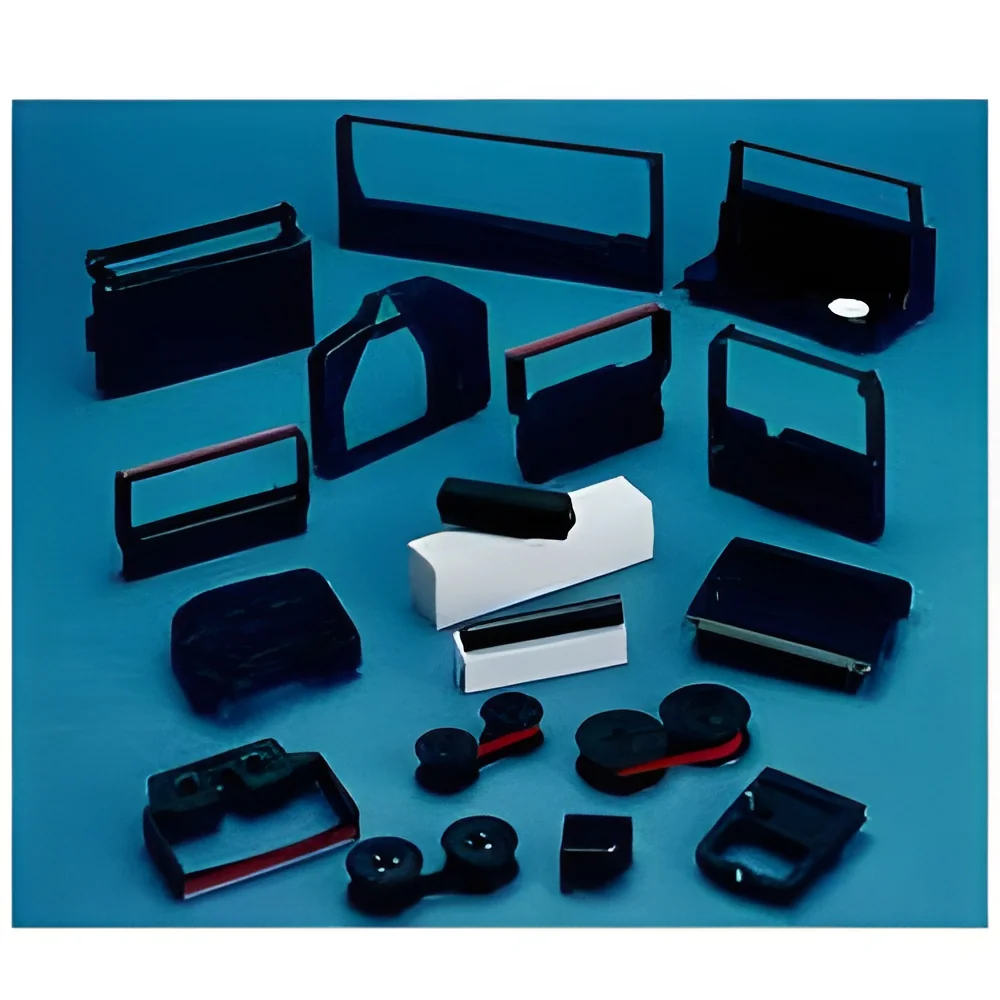
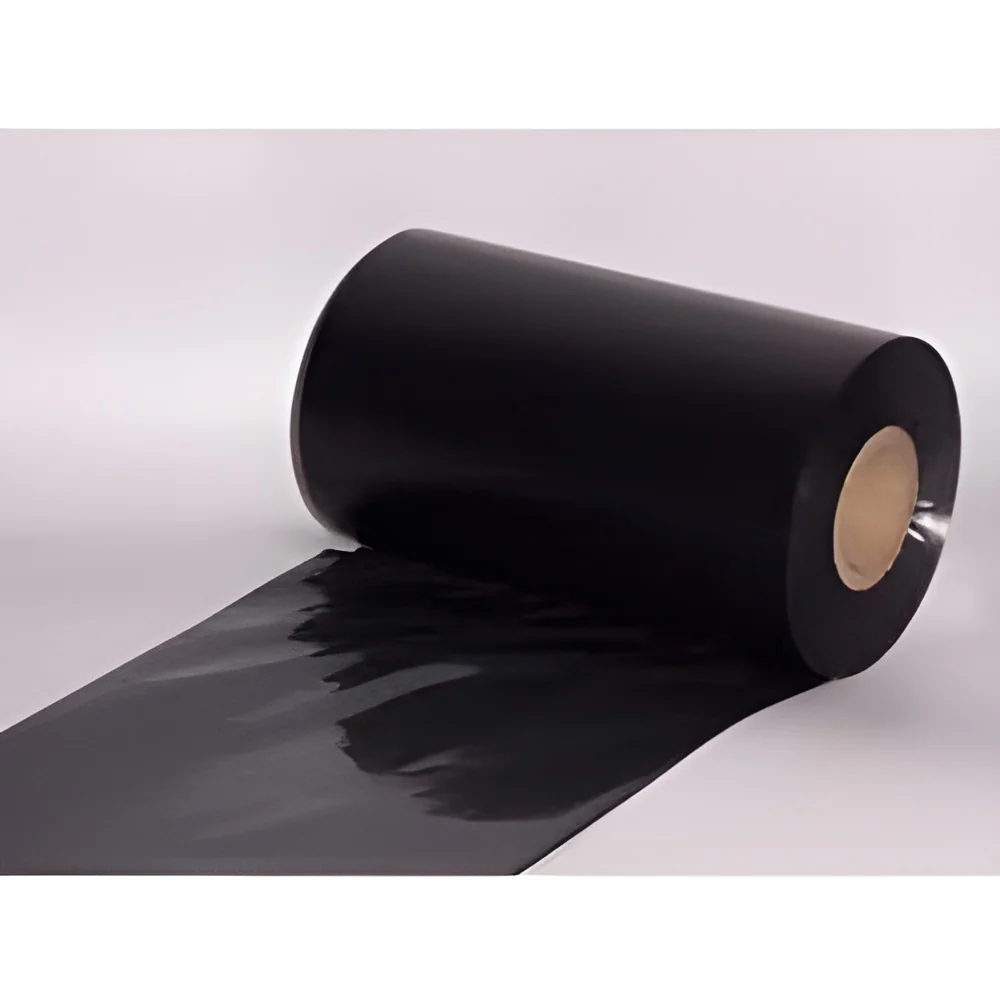
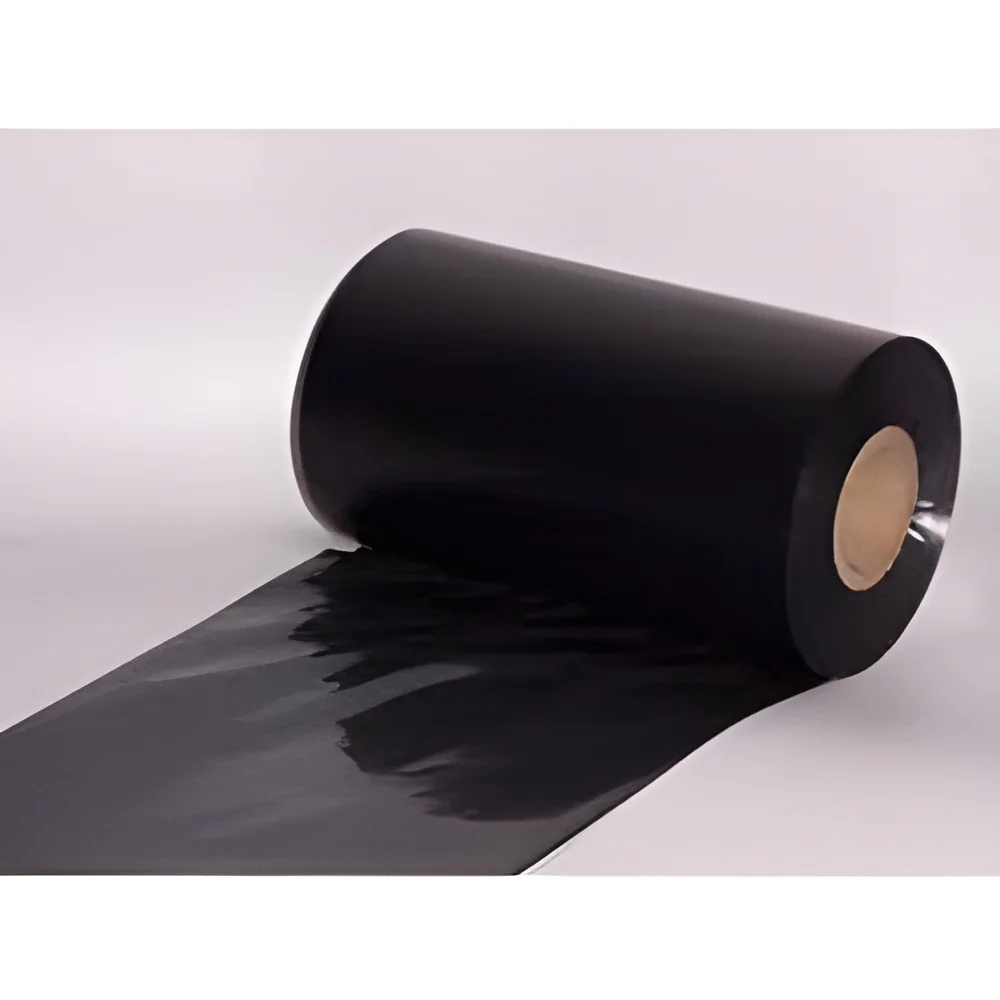
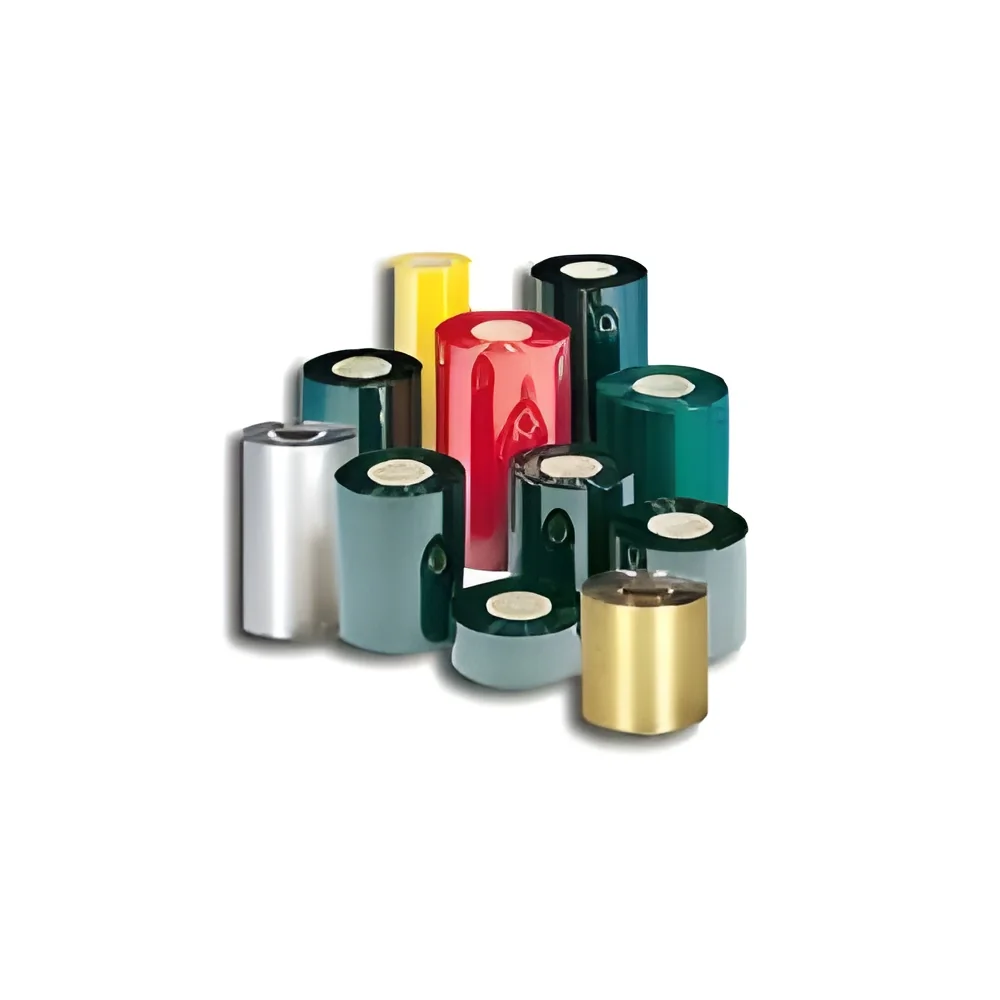
What are Wax Ribbons?
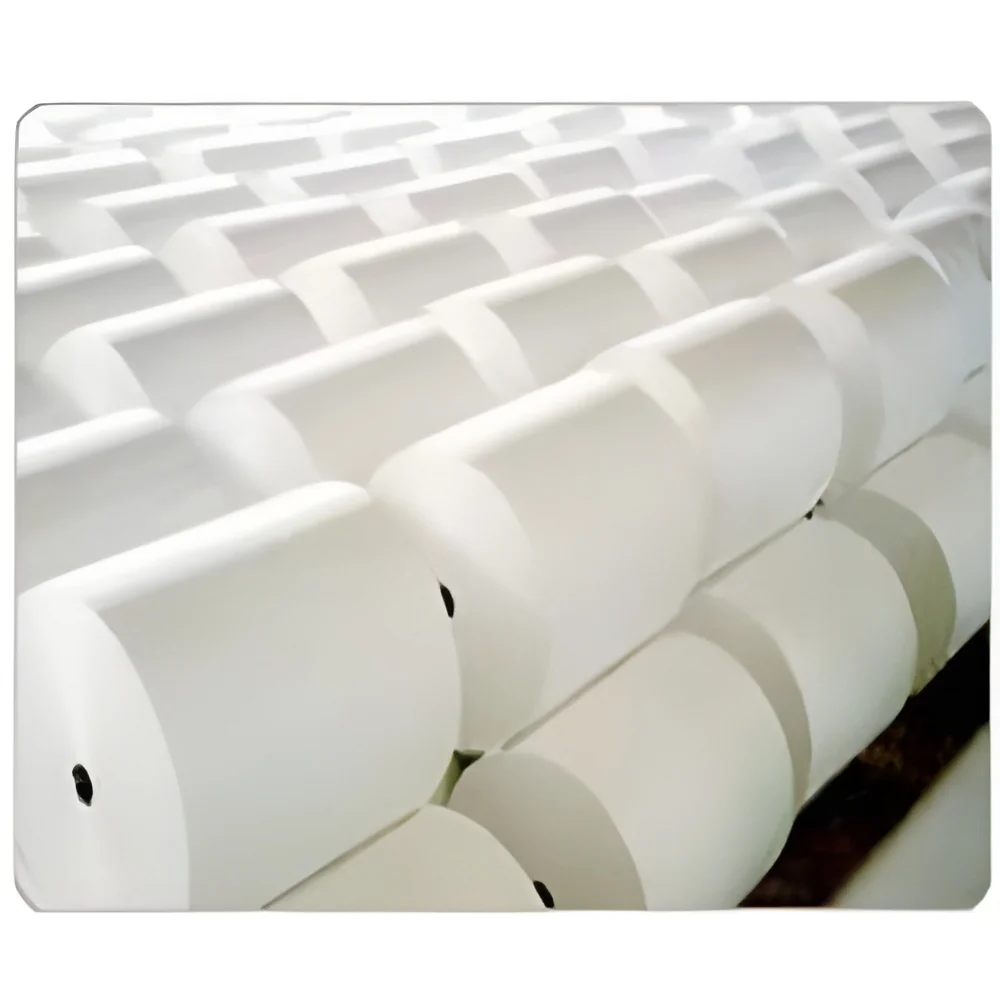
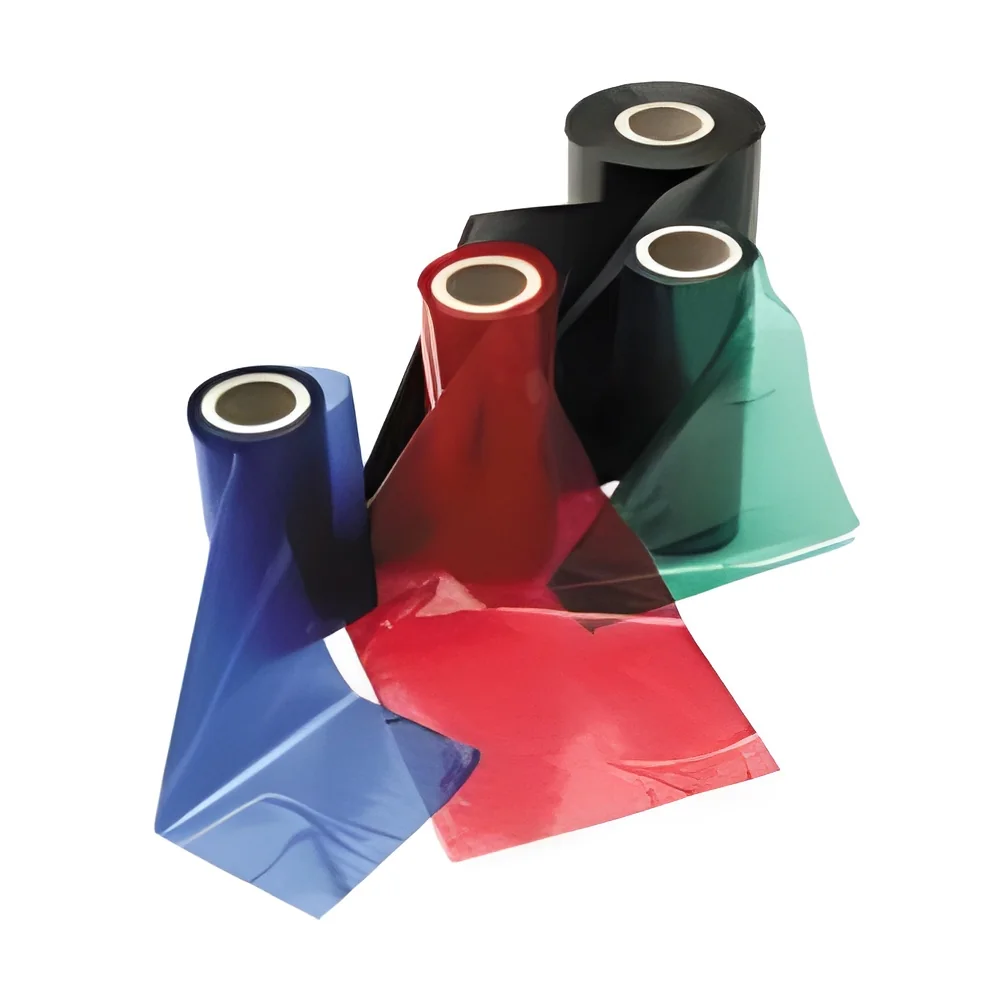
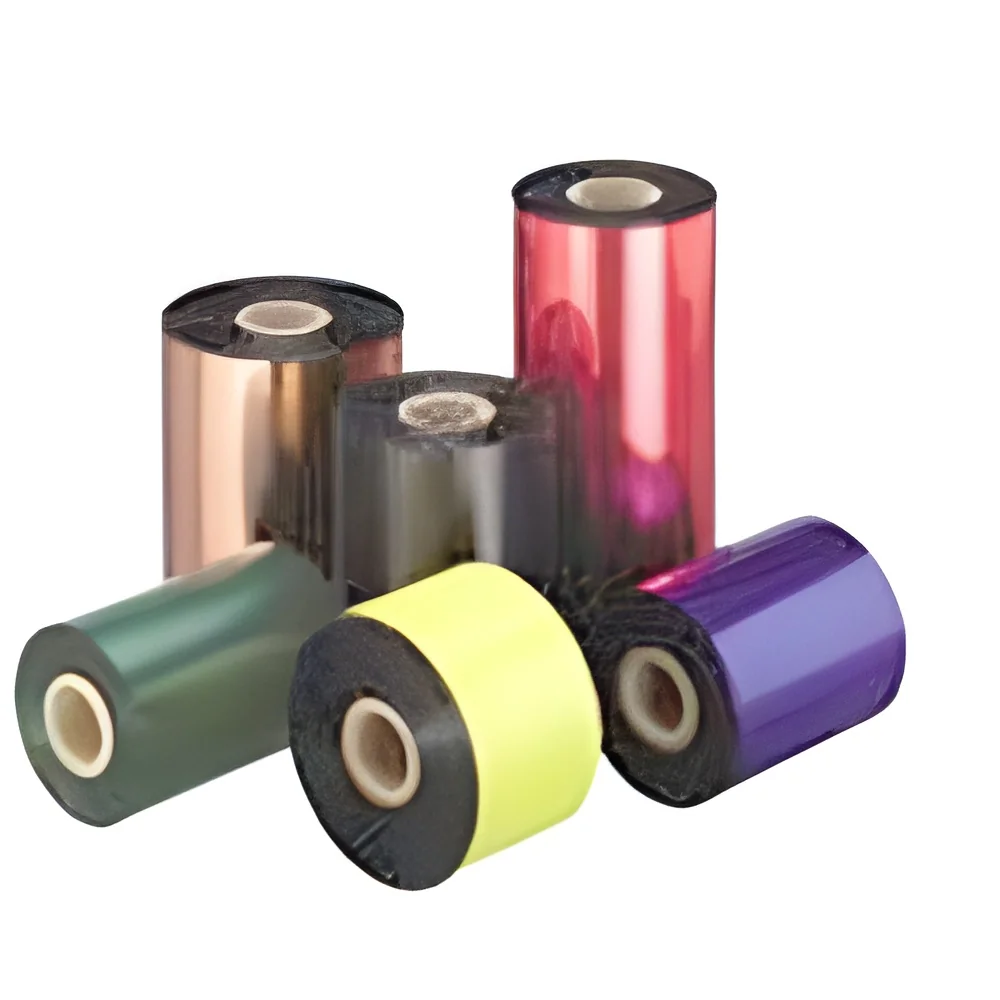
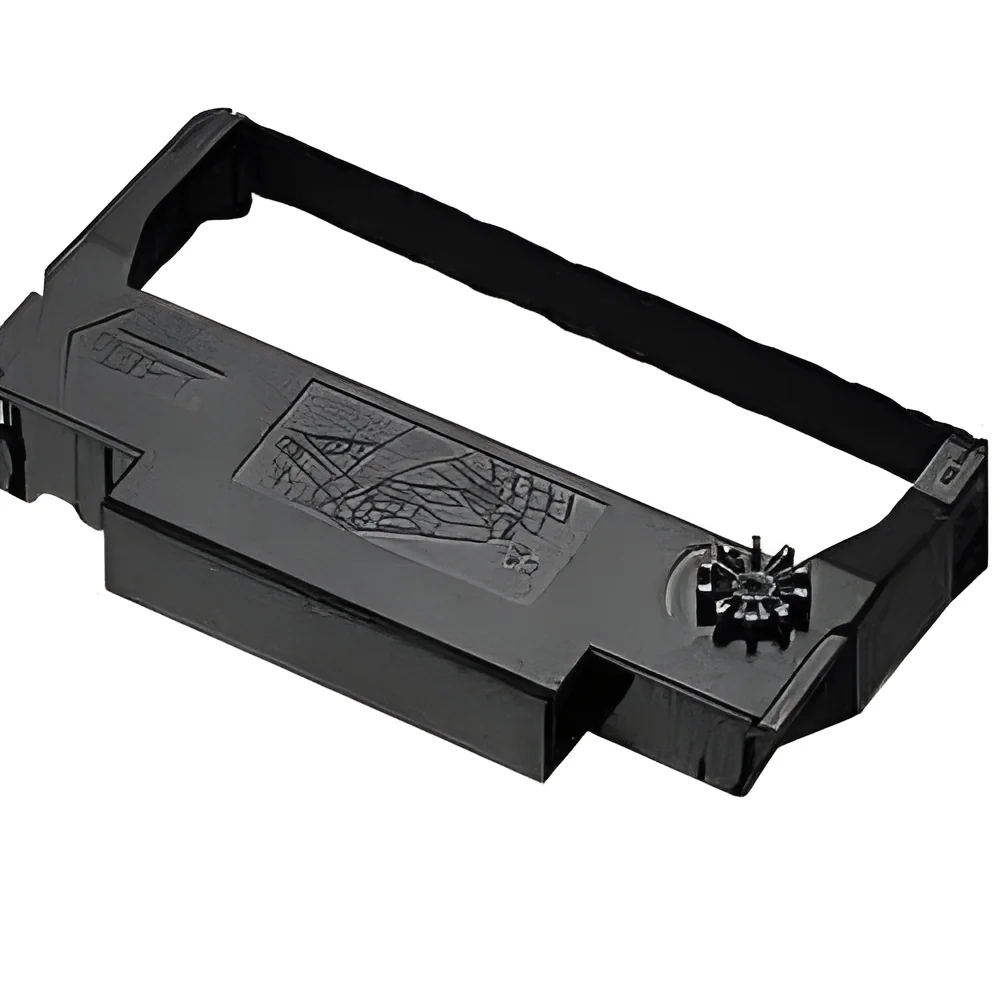
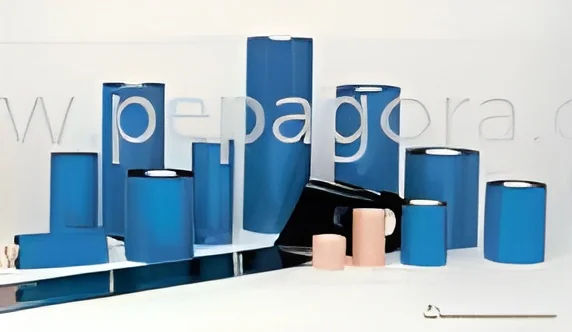
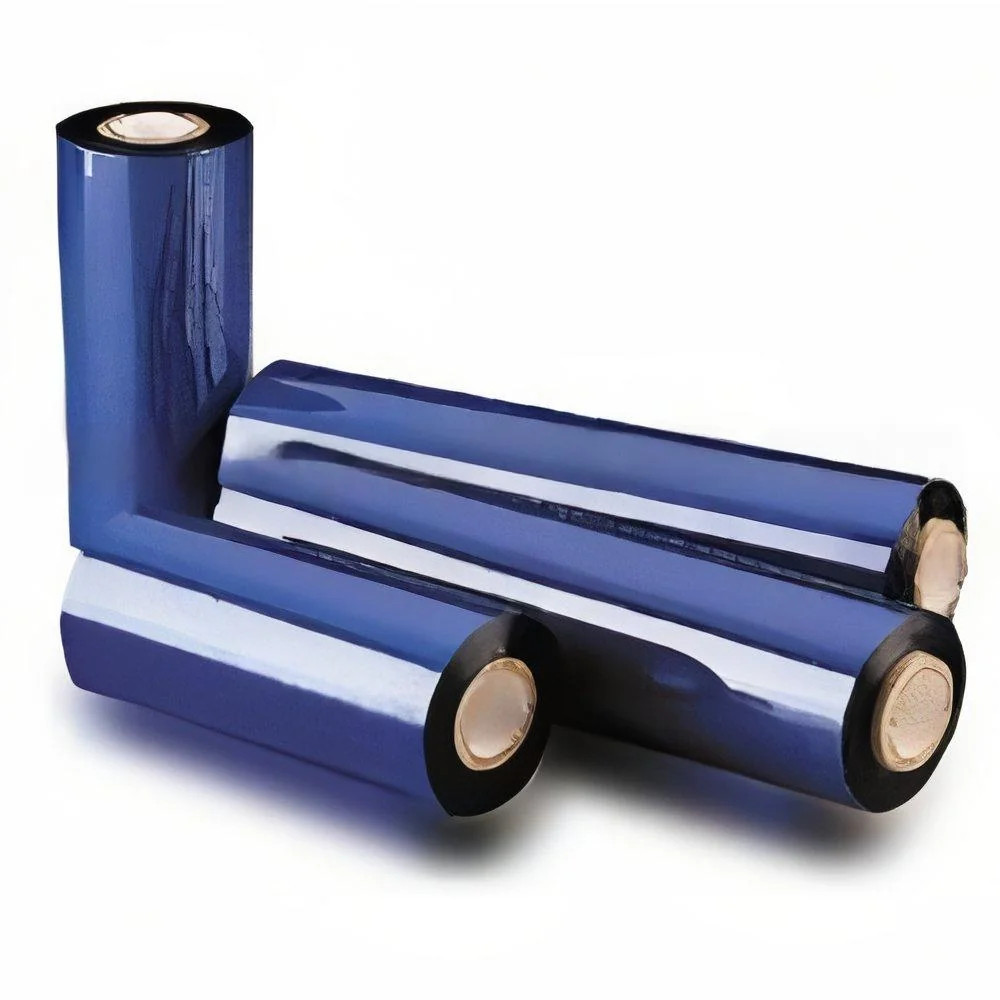
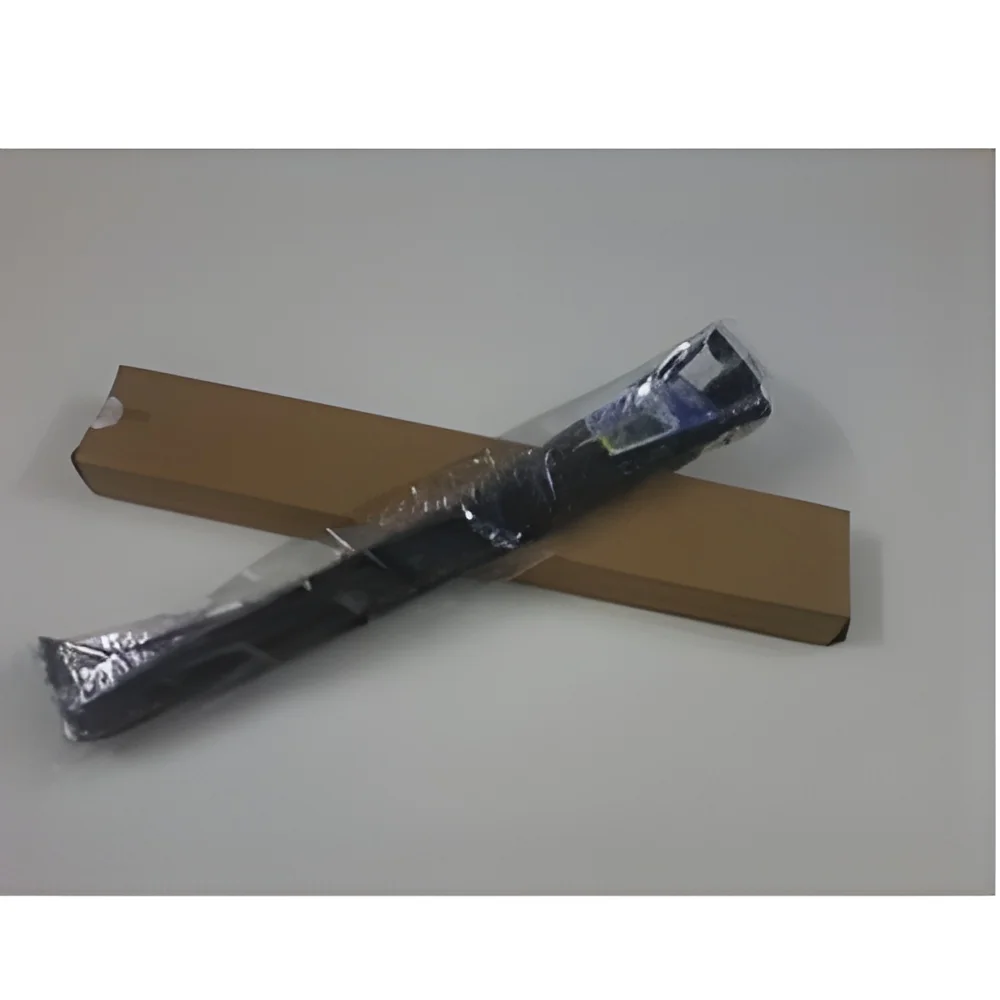
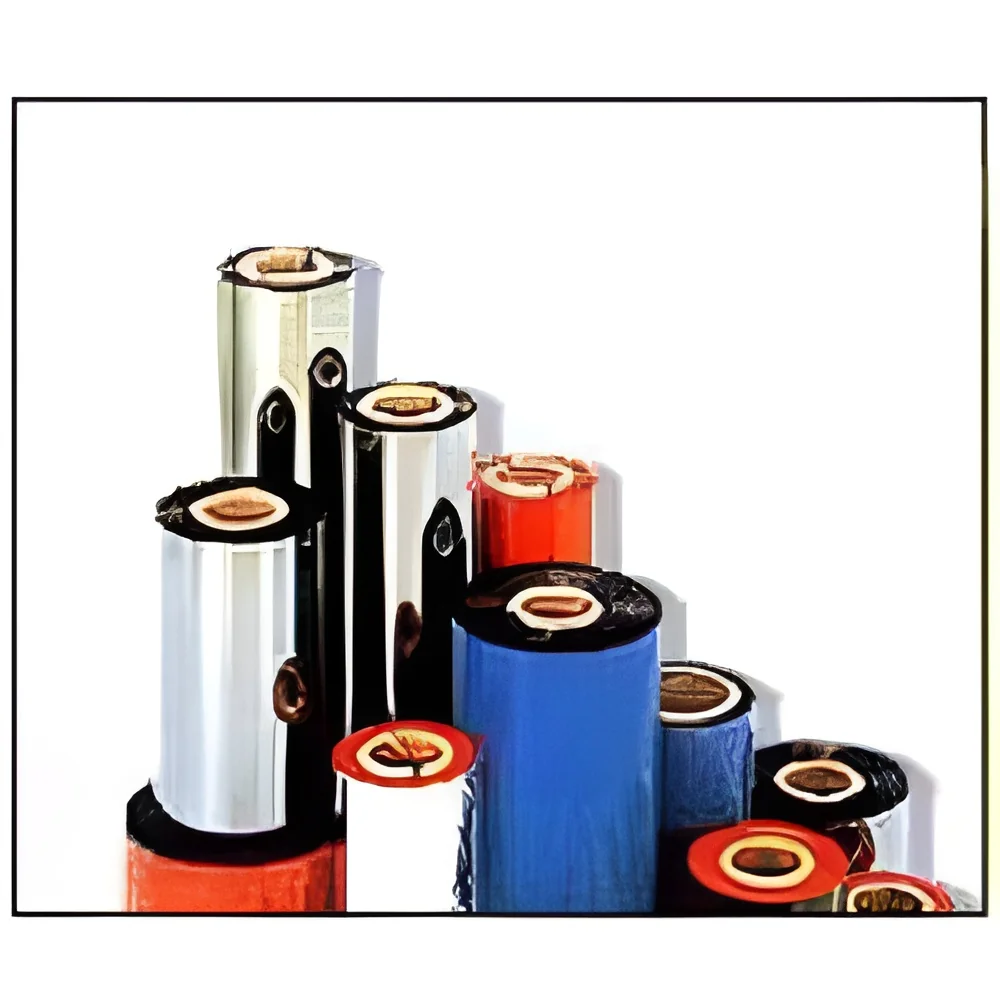
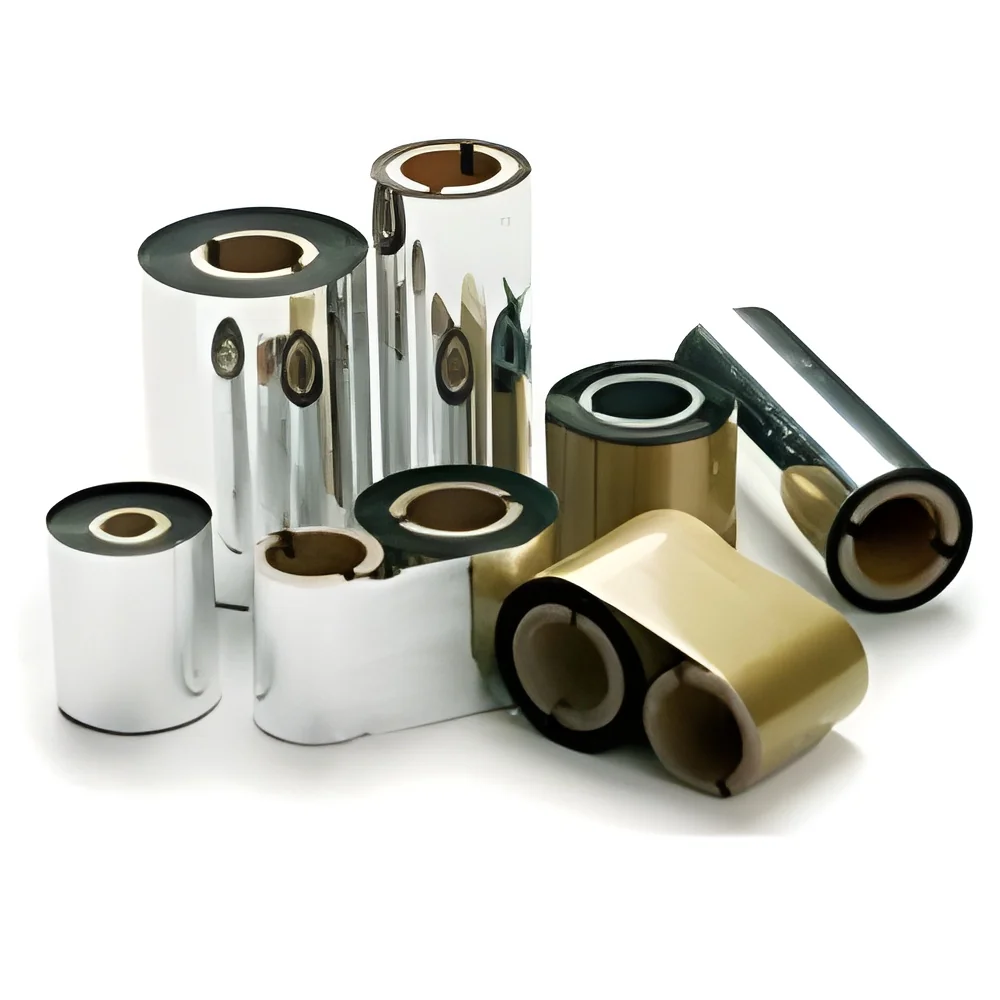
Wax ribbons are a type of printing consumable used primarily in thermal transfer printing applications. They consist of a thin film coated with wax that is transferred onto various substrates during the printing process. When heat is applied, the wax melts and adheres to the surface, creating a durable and high-quality print. This technology is widely used for producing labels, tags, and barcodes, making wax ribbons an essential component in many industrial and commercial printing operations.
The primary uses of wax ribbons extend across various sectors, including logistics, retail, and manufacturing. Businesses utilize these ribbons for labeling products, tracking inventory, and ensuring compliance with regulatory requirements. Due to their versatility, wax ribbons are particularly favored for low- to medium-volume printing tasks where cost-effectiveness and print quality are crucial. As industries continue to embrace automation and efficient labeling systems, the demand for wax ribbons remains strong.
In the current market context, wax ribbons play a significant role in enhancing operational efficiency. Their compatibility with a wide range of printers and substrates makes them a popular choice among businesses looking for reliable printing solutions. Additionally, advancements in wax ribbon technology continue to improve print quality and durability, further solidifying their importance in various industries.
Key Features and Specifications
Wax ribbons come with a variety of features that cater to different printing needs. Understanding these specifications is crucial for selecting the right product for specific applications.
Key specifications include:
1. Printer Compatibility
- Designed to work with most thermal transfer printers
- Ensures seamless integration into existing printing systems
2. Print Quality
- High-resolution prints with sharp details
- Typically achieves a print density of up to 300 dpi
3. Ribbon Width
- Available in various widths to accommodate different label sizes
- Common widths range from 1 inch to 10 inches
4. Length of Ribbon
- Standard lengths vary, commonly ranging from 150 meters to 300 meters
- Longer lengths reduce the frequency of ribbon changes
5. Temperature Resistance
- Capable of withstanding various temperatures during application
- Suitable for environments with moderate heat exposure
6. Humidity Control
- Designed to maintain print quality in varied humidity levels
- Ensures durability of prints in humid conditions
7. Core Size
- Typically available with 1-inch and 3-inch core sizes
- Compatibility with different printer types based on core size
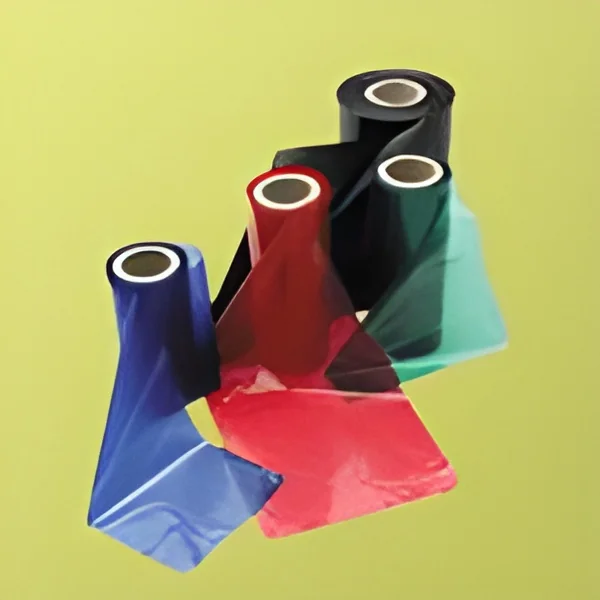
8. Color Options
- Primarily available in black, but may include other colors for specific applications
- Custom color options may be available upon request
In summary, understanding the key features and specifications of wax ribbons helps businesses make informed decisions that meet their unique printing requirements.
Common Applications and Use Cases
Wax ribbons serve various industries and applications, making them a versatile solution for printing needs.
1. Logistics: In the logistics sector, wax ribbons are used for labeling packages and shipping materials. They help ensure that items are tracked efficiently throughout the supply chain.
2. Retail: Retail businesses employ wax ribbons to print price tags and promotional labels. This allows for quick updates to pricing and product information.
3. Manufacturing: In manufacturing, wax ribbons are essential for labeling products and ensuring compliance with safety standards. They help in tracking materials and finished goods.
4. Healthcare: Wax ribbons are utilized for printing patient labels and medication tags. This is crucial for maintaining accurate records and ensuring patient safety.
5. Food and Beverage: The food industry uses wax ribbons for labeling ingredients and expiration dates. Compliance with food safety regulations is essential in this sector.
6. Automotive: Automotive industries employ wax ribbons to label parts and components. Clear labeling aids in inventory management and traceability.
7. Chemical: In the chemical industry, wax ribbons are used for labeling hazardous materials. Proper labeling helps ensure safety and compliance with regulations.
Product Variants and Subcategories
Wax ribbons come in various types to meet the specific needs of different industries. Each variant offers unique features tailored to specific applications.
Standard Wax Ribbon
This variant is designed for general-purpose use, providing good print quality at an economical price. It is suitable for various applications where durability is not a primary concern.
Premium Wax Ribbon
Offering enhanced print quality, the premium variant is ideal for applications requiring sharper images and better resistance to smudging. It is commonly used in retail and logistics.
Color Wax Ribbon
Available in a spectrum of colors, this variant allows for creative labeling and marketing applications. It is often used for promotional products and branding.
Benefits and Advantages
Choosing wax ribbons provides several key benefits for businesses.
1. Cost-Effectiveness: Wax ribbons are generally more affordable than other types of thermal transfer ribbons, making them a cost-effective solution for businesses with budget constraints.
2. Versatility: These ribbons can be used on a wide range of substrates, allowing businesses to print labels for various applications without needing specialized materials.
3. High Print Quality: Wax ribbons deliver excellent print quality, ensuring clear and legible labels that are essential for effective communication and branding.
4. Easy to Use: The ribbons are designed for easy installation and operation, minimizing downtime and improving overall productivity in printing operations.
5. Environmental Considerations: Many wax ribbons are manufactured with eco-friendly materials, aligning with the growing emphasis on sustainability in business practices.
6. Wide Availability: Wax ribbons are readily available from various suppliers, ensuring businesses can easily source the right products for their needs.
Buying Guide for B2B Buyers
When sourcing wax ribbons, several critical factors should be considered to ensure the right choice for your business.
1. Quality Assessment: Evaluate the quality of wax ribbons by checking for certifications and user reviews. High-quality ribbons will provide better print quality and durability.
2. Supplier Verification: Vet suppliers to ensure they have a good reputation and reliable products. Consider asking for references and checking their track record in the industry.
3. Pricing and MOQ: Understand the pricing structure and minimum order quantities (MOQ) offered by suppliers. This will help in budgeting and ensuring you meet your purchasing needs.
4. Delivery and Lead Times: Inquire about delivery times and logistics to ensure that you receive your ribbons promptly. Timely delivery is crucial for maintaining operational efficiency.
5. Compliance Requirements: Ensure that the wax ribbons comply with relevant regulations and industry standards. This is particularly important for industries with strict labeling requirements.
Compliance and Certifications
Wax ribbons are subject to several quality standards and certifications that ensure their reliability and safety in various applications.
Many wax ribbons adhere to ISO 9001 standards, which focus on quality management systems. This ensures that the products are manufactured consistently and meet customer requirements.
In addition, some wax ribbons may have certifications such as CE, indicating compliance with European safety and health standards. This is particularly important for businesses operating in regulated markets.
Safety and testing requirements also play a crucial role in the production of wax ribbons. Manufacturers often conduct rigorous testing to ensure that the ribbons perform well under different conditions and do not pose any risks to users.
Furthermore, businesses should be aware of regional compliance considerations, as labeling regulations can vary significantly across different markets. Understanding these requirements is essential for ensuring compliance and avoiding potential penalties.
Why Source Wax Ribbons from Pepagora?
Pepagora offers a trusted platform for sourcing wax ribbons, providing several key advantages for businesses.
Verified Supplier Network: Pepagora ensures that all suppliers in its network are thoroughly vetted. This gives buyers confidence in the quality and reliability of the products they purchase.
Streamlined RFQ Process: The request for quotation (RFQ) process on Pepagora is designed to be user-friendly. Buyers can easily compare quotations from multiple suppliers to find the best deals.
Trade Assurance and Support: Pepagora provides trade assurance to protect buyers during transactions. This includes support for resolving any issues that may arise, ensuring a smooth purchasing experience.
Regional Coverage: With a strong presence in India, the Gulf Cooperation Council (GCC), and Southeast Asia, Pepagora offers extensive regional coverage. This allows businesses to source wax ribbons efficiently from trusted suppliers in their vicinity.

 IN
IN