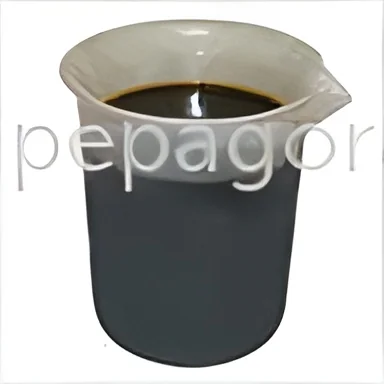
What are Solvents for Ink Cleaning?
Solvents for ink cleaning are specialized chemical solutions used to remove ink residues from printing equipment and surfaces. These solvents effectively dissolve inks, allowing for thorough cleaning without damaging the machinery. They are essential in maintaining print quality and ensuring the longevity of printing equipment, as residue buildup can lead to costly downtimes and maintenance issues.
These cleaning solvents are primarily used in various printing processes, including flexographic, gravure, and offset printing. Businesses utilize these products to ensure that their printing presses and related equipment remain free of ink contamination. Regular cleaning using suitable solvents helps in maintaining operational efficiency, reducing waste, and ensuring high-quality output in printing operations. In the competitive landscape of the printing industry, the use of effective solvents is crucial for achieving optimal performance and cost management.
In terms of market relevance, the demand for efficient cleaning solutions is growing due to advancements in printing technologies and an increasing emphasis on sustainable practices. Companies are seeking products that not only clean effectively but also comply with environmental regulations. As such, solvents for ink cleaning are evolving to meet the needs of modern printing operations while adhering to industry standards.
Key Features and Specifications
When evaluating solvents for ink cleaning, it is essential to consider their specific features and specifications. These characteristics define the effectiveness and suitability of the solvents for different applications.
Key specifications include:
1. Chemical Composition
- The formulation of solvents can vary widely, affecting their cleaning power and compatibility with different inks.
- Common components may include alcohols, esters, and ketones.
2. Flash Point
- This specification indicates the temperature at which the solvent can ignite.
- Higher flash points are generally preferred for safety reasons.
3. Evaporation Rate
- This reflects how quickly the solvent evaporates after application.
- A controlled evaporation rate can enhance cleaning efficiency and reduce solvent waste.
4. Viscosity
- This property affects how easily the solvent can spread and penetrate into ink residues.
- Lower viscosity solvents often provide better cleaning performance.
5. Environmental Compliance
- Solvents should meet local and international regulations regarding volatile organic compounds (VOCs).
- Compliance with standards such as CE certification is often required.
6. Shelf Life
- The period during which the solvent remains effective after production.
- Longer shelf life can lead to reduced waste and cost savings.
7. Packaging Options
- Solvents are available in various package sizes, including drums, jerry cans, and smaller containers.
- The choice of packaging often depends on the volume of use in a business.
With these specifications in mind, businesses can select solvents that best meet their operational needs and safety requirements.
Common Applications and Use Cases
Solvents for ink cleaning find applications across a diverse range of industries. Their versatility makes them essential in maintaining optimal performance in printing operations.
1. Commercial Printing: In this sector, solvents are used to clean presses after runs, ensuring that color quality and consistency are maintained.
2. Packaging Printing: Solvents help remove ink from flexographic and gravure printing equipment, allowing for quick changeovers between different product runs.
3. Label Printing: In label manufacturing, solvents are used to clean the printing plates and equipment to prevent cross-contamination between ink types.
4. Textile Printing: Solvents play a critical role in cleaning screens and rollers used in textile printing, ensuring vibrant color application without residue.
5. Graphic Design: In graphic studios, solvents are essential for cleaning tools and surfaces after ink application, maintaining a clean working environment.
6. Industrial Printing: Solvents are used to maintain large-scale printing machines, ensuring they operate efficiently in high-demand environments.
7. Signage Production: In the production of signs, solvents are used for equipment maintenance, ensuring that print quality meets client specifications.
Product Variants and Subcategories
Solvents for ink cleaning come in various formulations designed to meet specific cleaning challenges. Each variant caters to different ink types and cleaning requirements.
General Purpose Solvent
This variant is versatile and suitable for a wide range of ink types. It is effective in cleaning both water-based and solvent-based inks, making it a popular choice for many printing businesses.
Low VOC Solvent
Designed to meet stringent environmental regulations, this solvent has reduced volatile organic compounds. It provides effective cleaning while minimizing the environmental impact, appealing to eco-conscious companies.
Fast-Drying Solvent
This variant evaporates quickly, making it suitable for high-speed printing operations where quick turnaround times are essential. It allows for rapid cleaning and reloading of inks.
High-Performance Solvent
Targeted for heavy-duty cleaning, this solvent is designed for use with difficult inks such as UV and solvent-based inks. It ensures thorough cleaning, even in challenging applications.
Benefits and Advantages
Using solvents for ink cleaning offers numerous benefits that enhance operational efficiency and product quality.
1. Improved Equipment Maintenance: Regular use of cleaning solvents extends the life of printing machines by preventing ink buildup and reducing wear.
2. Enhanced Print Quality: Clean equipment ensures that ink is applied evenly, resulting in high-quality prints without smudges or color inconsistencies.
3. Increased Operational Efficiency: Quick and effective cleaning reduces downtime, allowing for faster job changes and improved productivity.
4. Cost Savings: By minimizing maintenance costs and preventing equipment failures, effective cleaning solvents contribute to overall cost efficiency.
5. Compliance with Regulations: Many cleaning solvents are formulated to meet environmental regulations, helping businesses avoid penalties and enhance their sustainability efforts.
6. Versatility: Solvents can be tailored to specific ink types, making them suitable for various printing applications and industries.
Buying Guide for B2B Buyers
When sourcing solvents for ink cleaning, businesses should consider several critical factors to ensure they make informed purchasing decisions.
1. Quality Assessment: Evaluate the quality of solvents by reviewing technical data sheets and safety information. Look for products that meet industry standards and have positive user feedback.
2. Supplier Verification: Conduct background checks on potential suppliers. Look for established companies with a track record of reliability and strong customer service.
3. Pricing and MOQ: Understand the pricing structures and minimum order quantities (MOQ) offered by suppliers. Compare prices while considering quality to ensure value for money.
4. Delivery and Lead Times: Discuss logistics and delivery schedules with suppliers. Ensure that they can meet your required timelines to avoid disruptions in operations.
5. Compliance Requirements: Verify that the solvents comply with relevant regulations and safety standards. This includes checking for certifications that may be required in your region.
Compliance and Certifications
Compliance with industry standards and certifications is crucial when sourcing solvents for ink cleaning. Adhering to quality standards such as ISO 9001 ensures that products meet consistent quality and performance criteria.
Certifications like CE indicate that a product complies with European safety, health, and environmental protection standards. These certifications can influence purchasing decisions, as they reflect a commitment to safety and quality.
Additionally, safety and testing requirements are essential. Products must be tested for flammability, toxicity, and environmental impact. Regional compliance considerations, including local regulations regarding volatile organic compounds, are also vital to ensure that the solvents meet legal requirements.
Why Source Solvents for Ink Cleaning from Pepagora?
Pepagora offers a reliable platform for sourcing solvents for ink cleaning, providing several key advantages to B2B buyers.
Verified Supplier Network: Pepagora has a robust network of verified suppliers, ensuring that buyers can access high-quality products with confidence. This network helps businesses connect with reputable manufacturers offering reliable solutions.
Streamlined RFQ Process: The request for quotation (RFQ) process on Pepagora is designed to be efficient and user-friendly. Buyers can easily request quotes and compare offerings to make informed decisions.
Trade Assurance and Support: Pepagora provides trade assurance, protecting buyers throughout their purchasing journey. This support helps mitigate risks associated with transactions and ensures a smooth procurement process.
Regional Coverage: With a focus on markets in India, the Gulf Cooperation Council (GCC), and Southeast Asia, Pepagora provides extensive geographic reach. This coverage ensures that businesses can source solvents tailored to their specific regional needs while benefiting from local supplier expertise.

 IN
IN