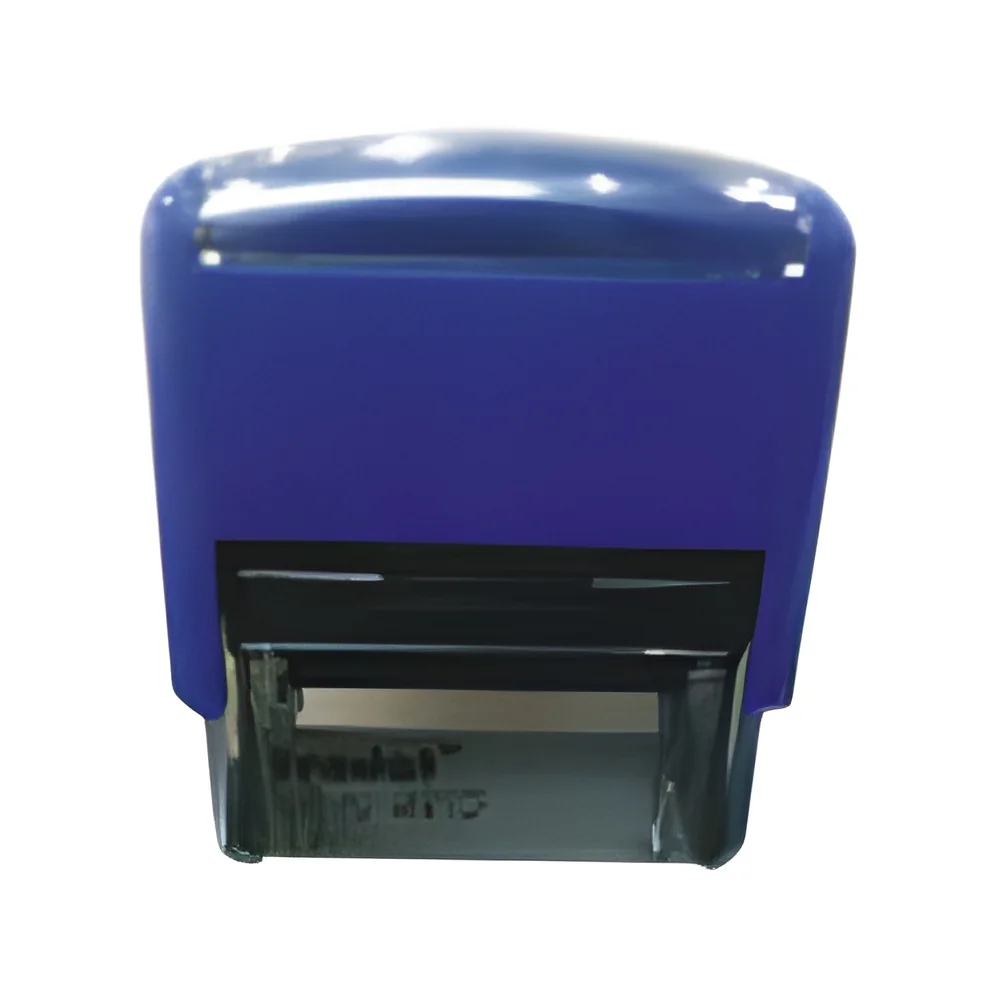
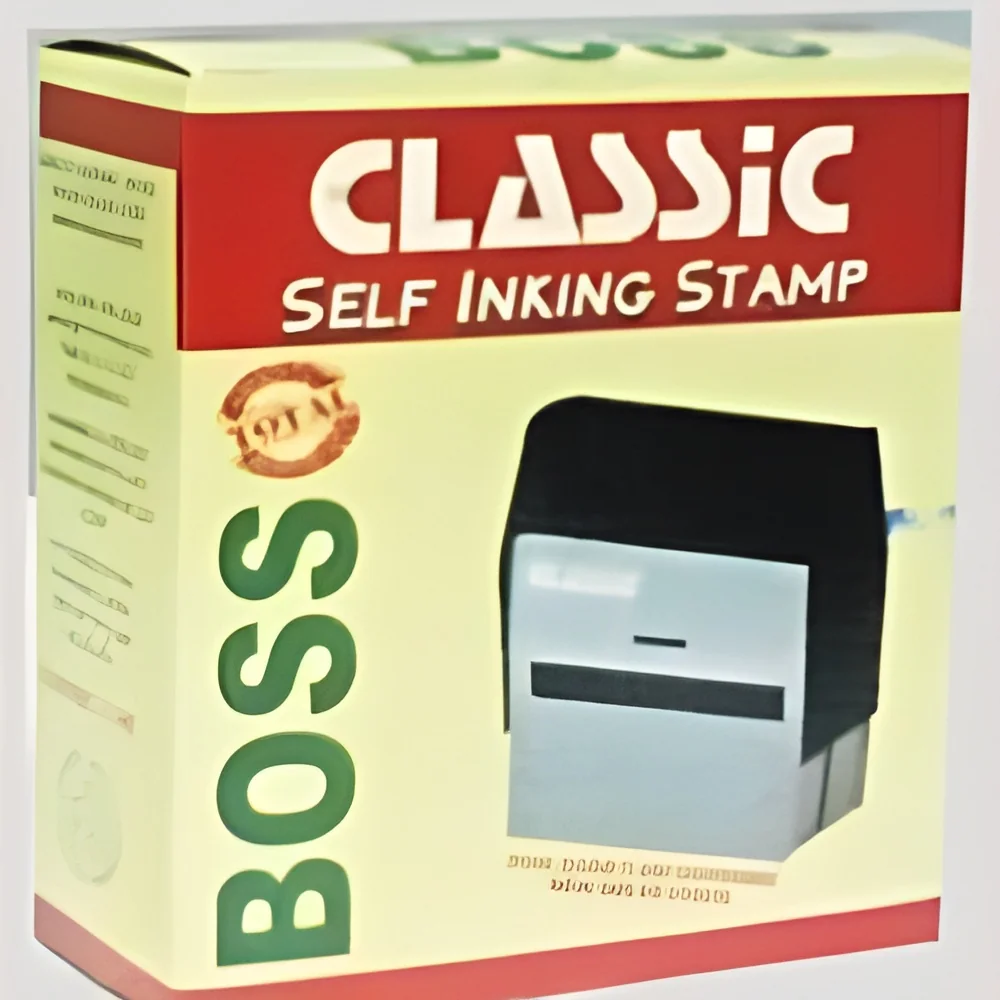
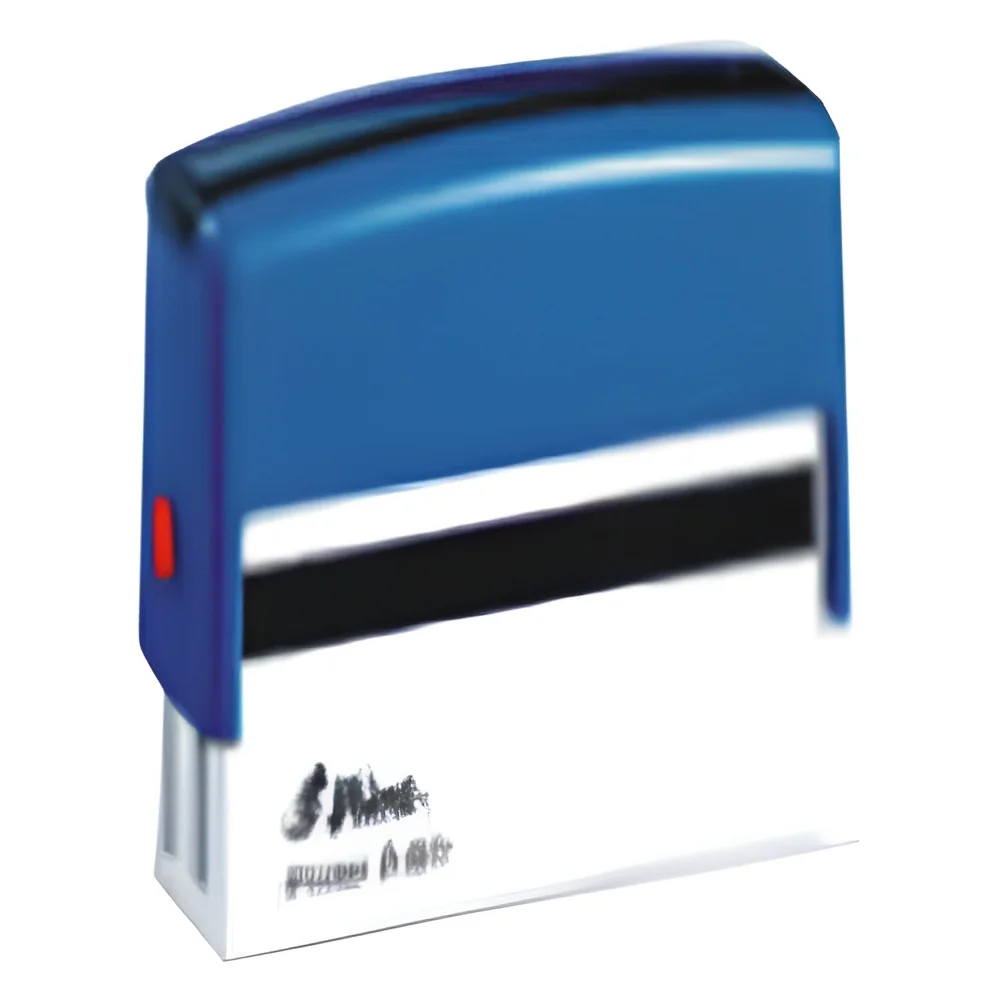
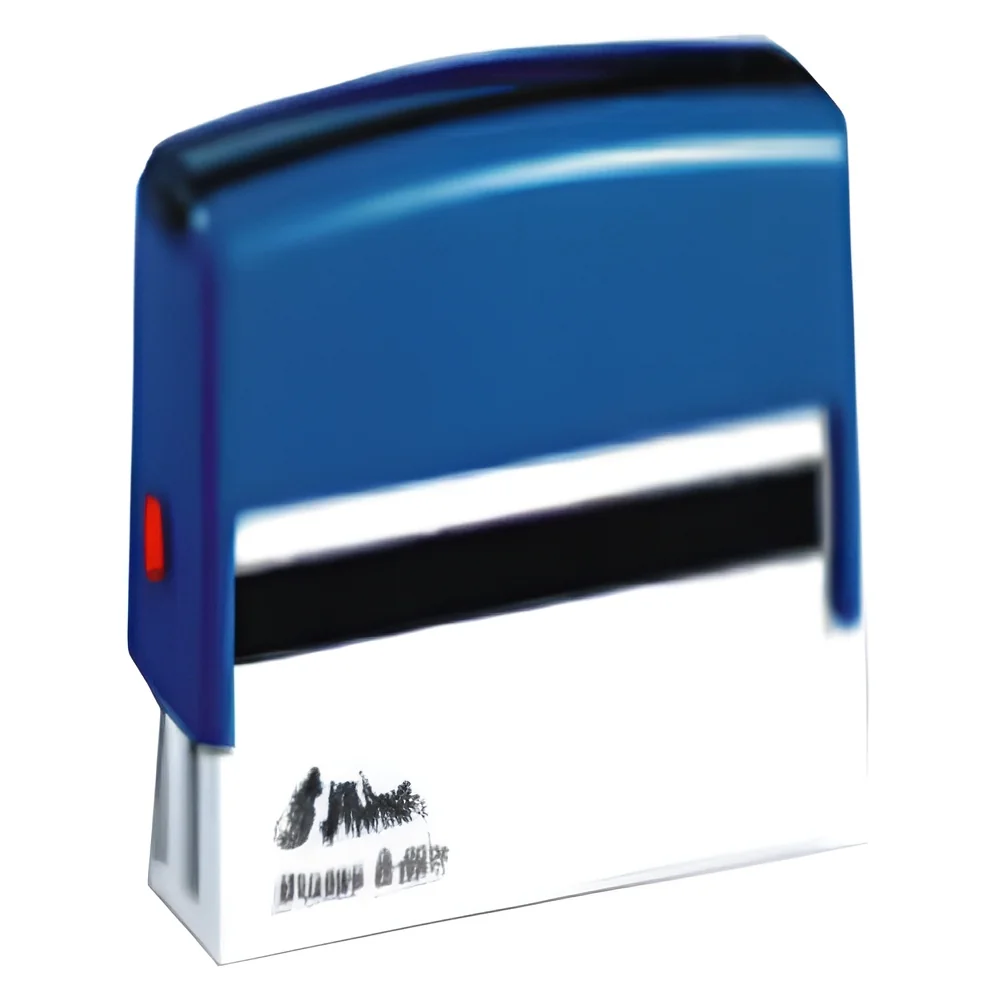
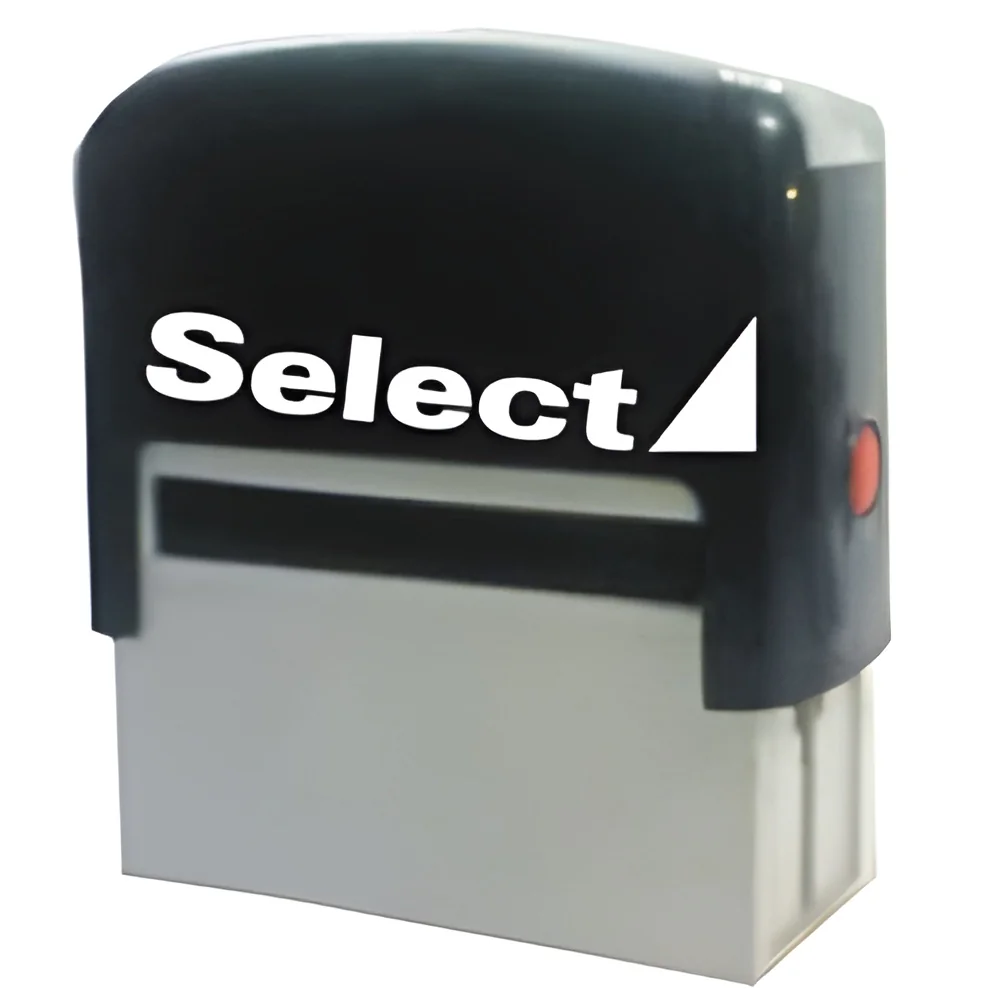
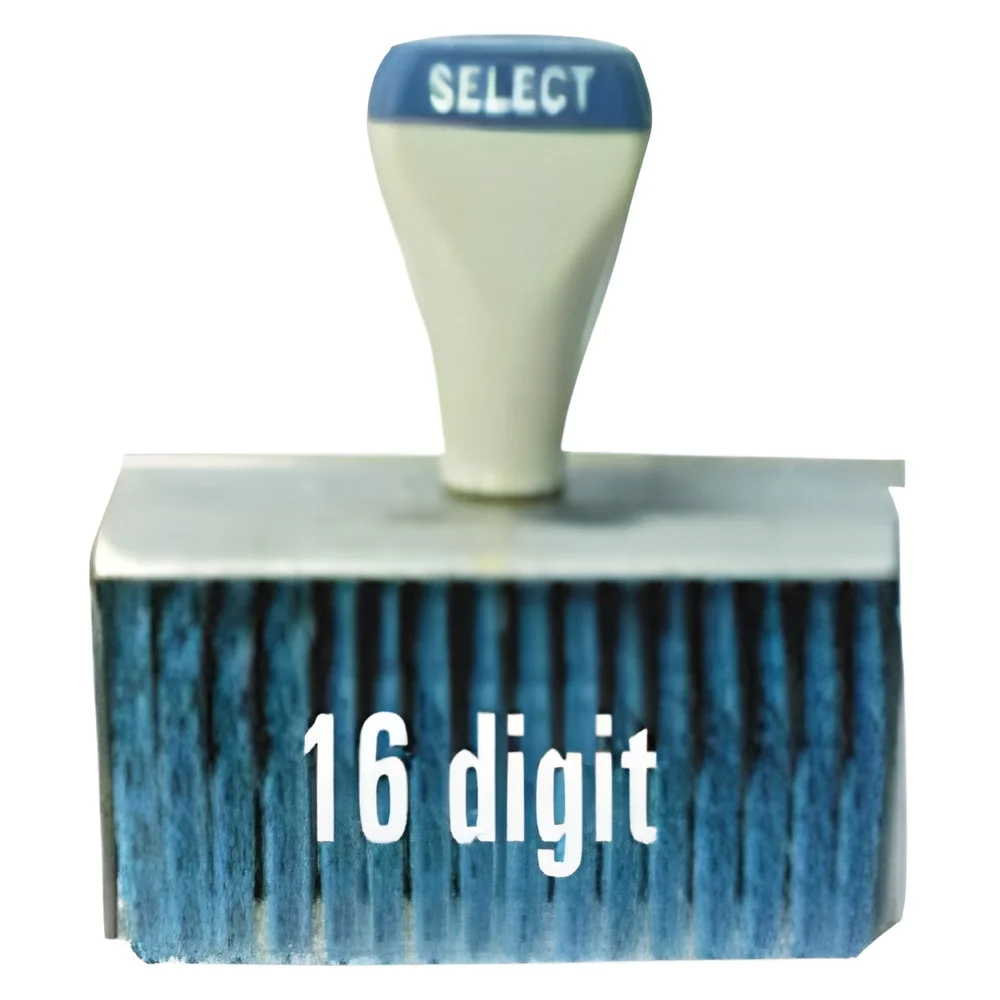
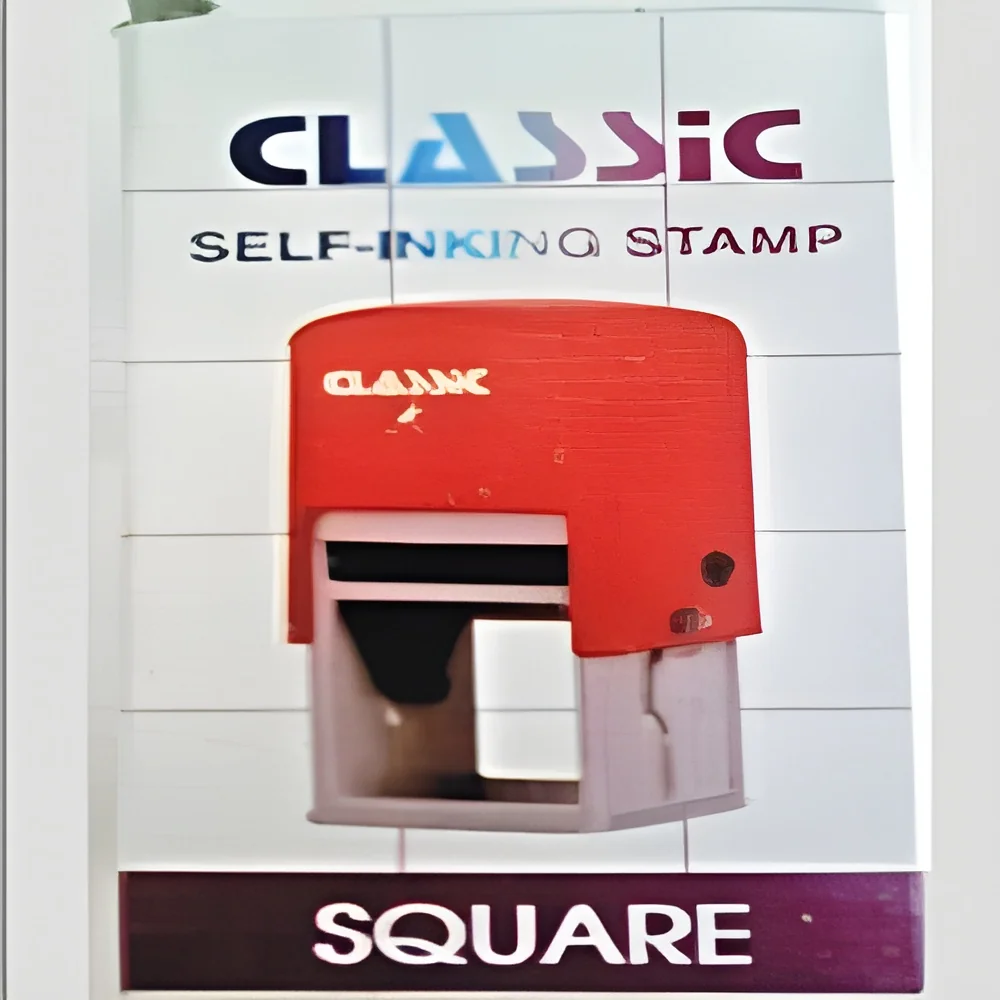
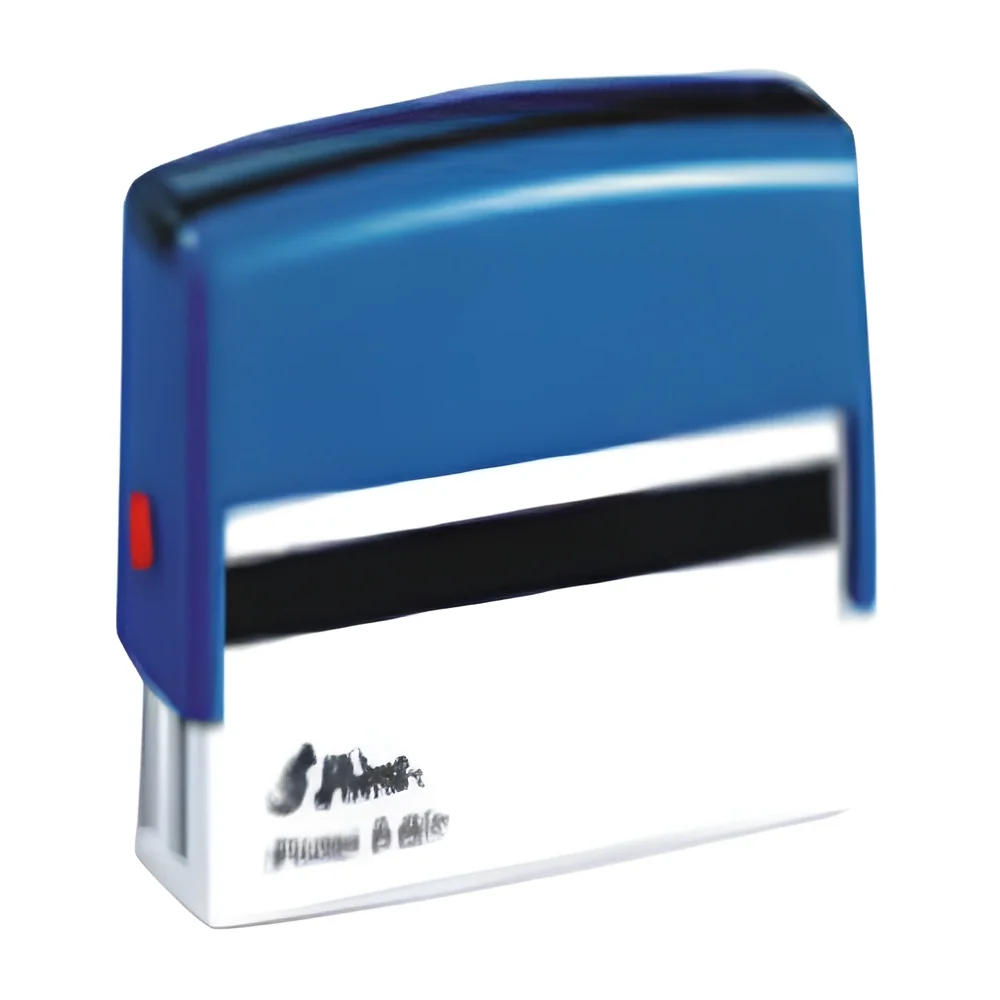
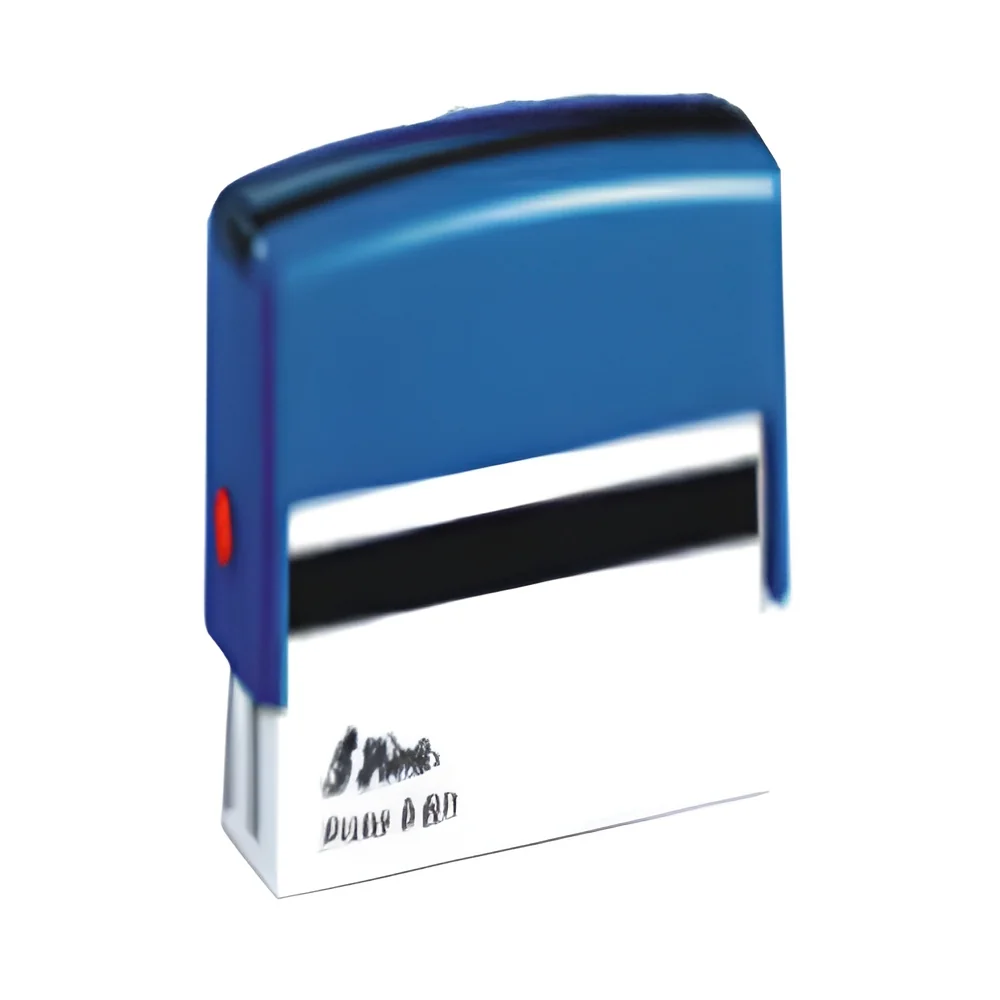
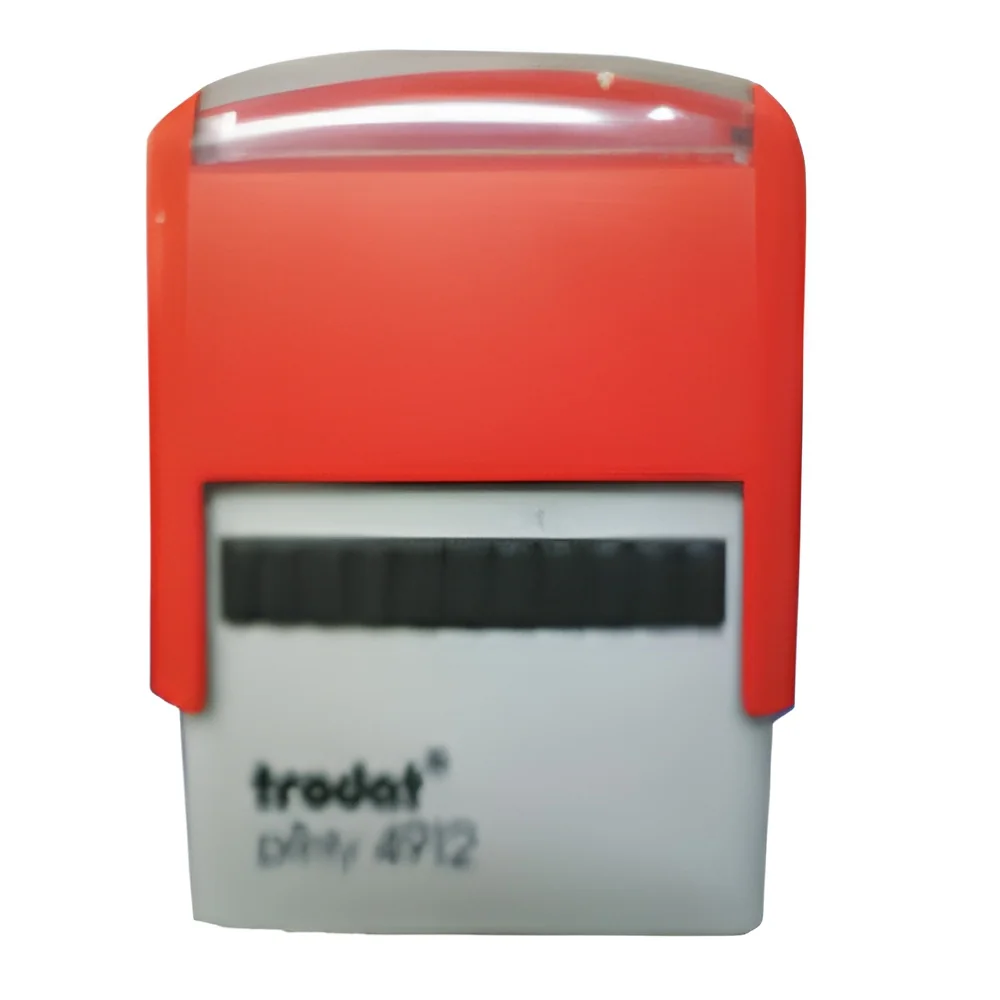
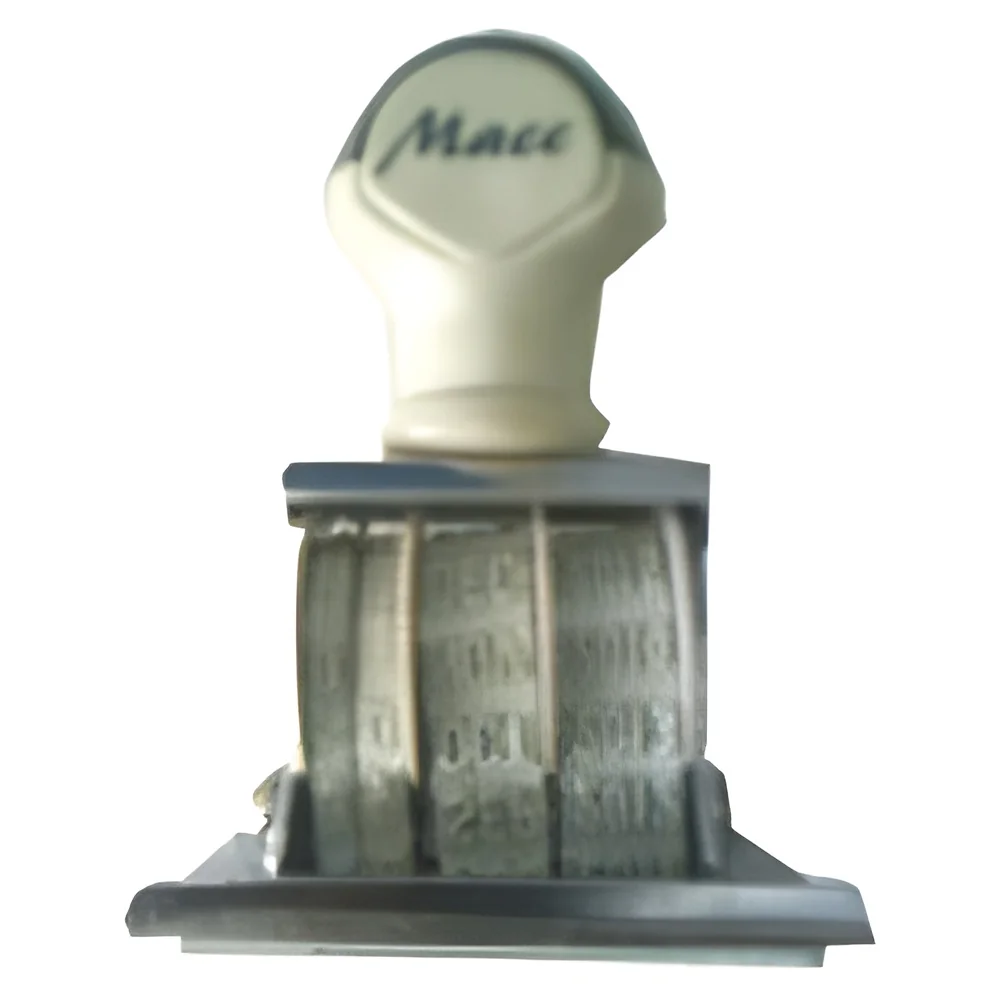
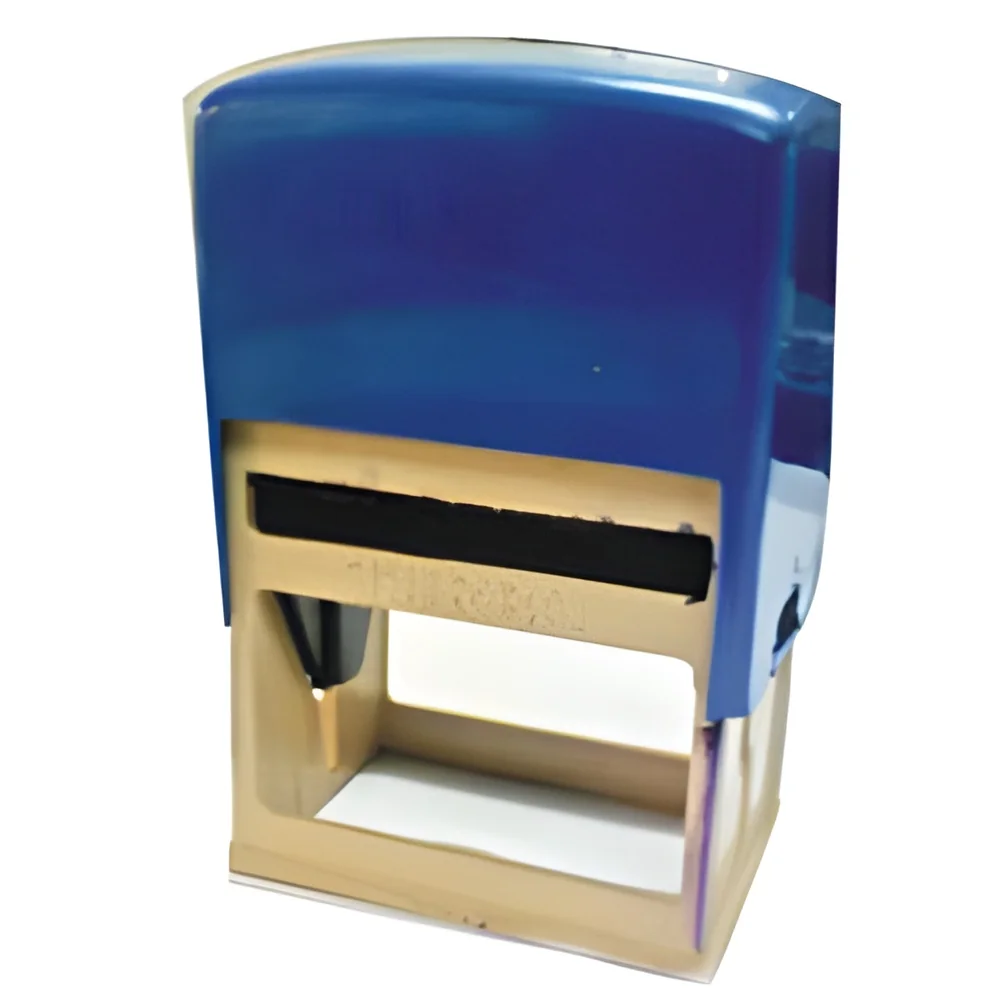
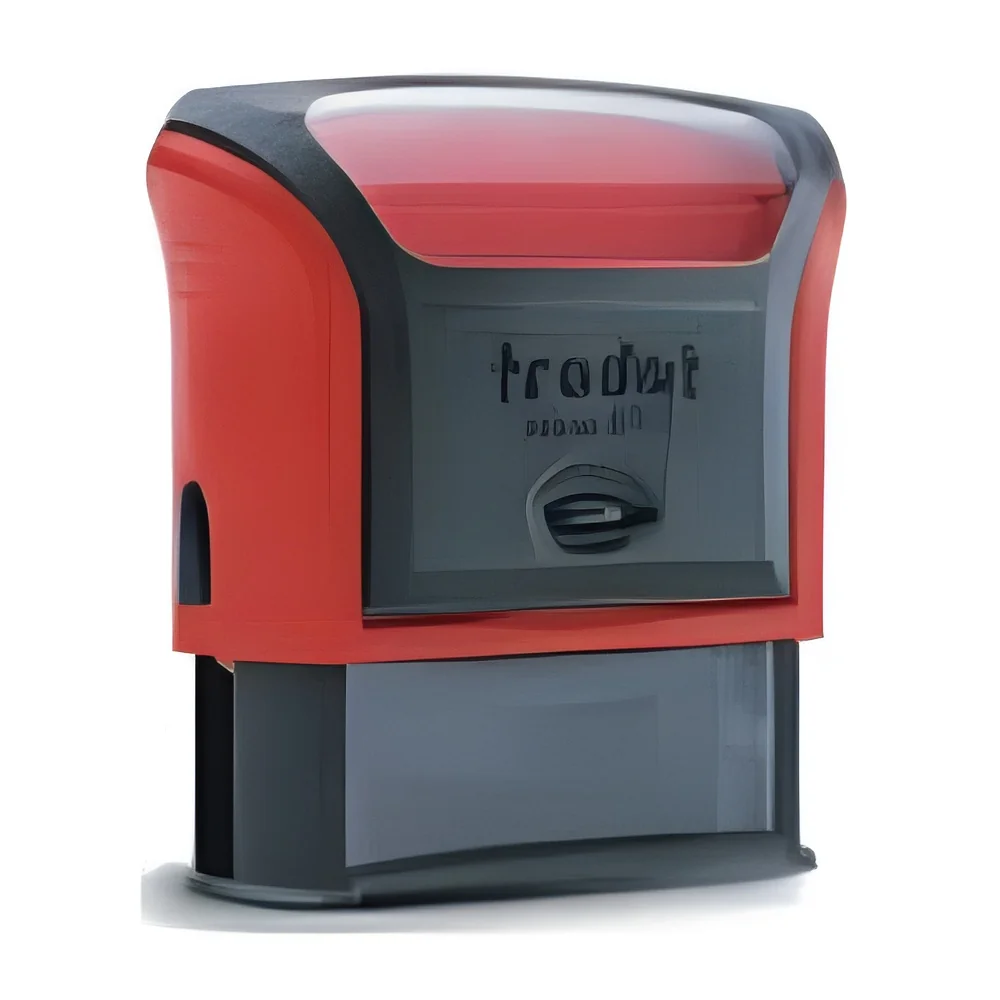
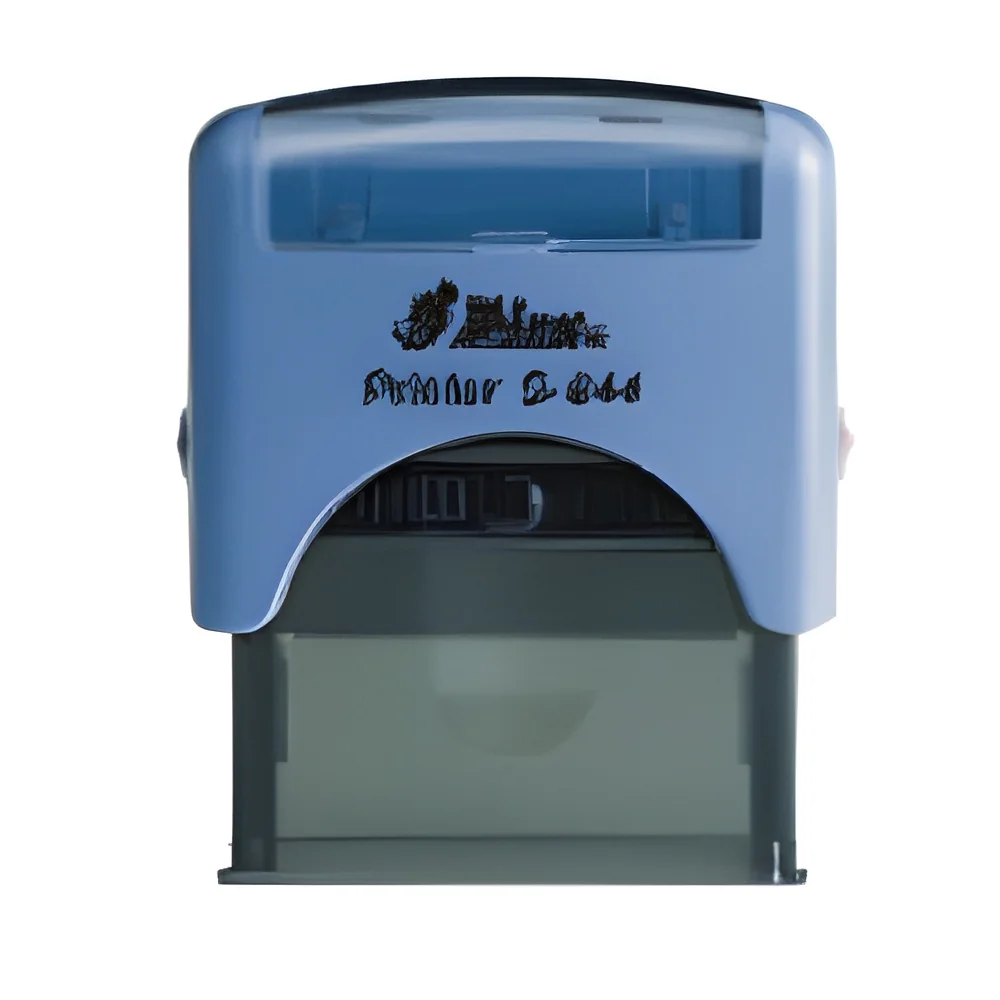
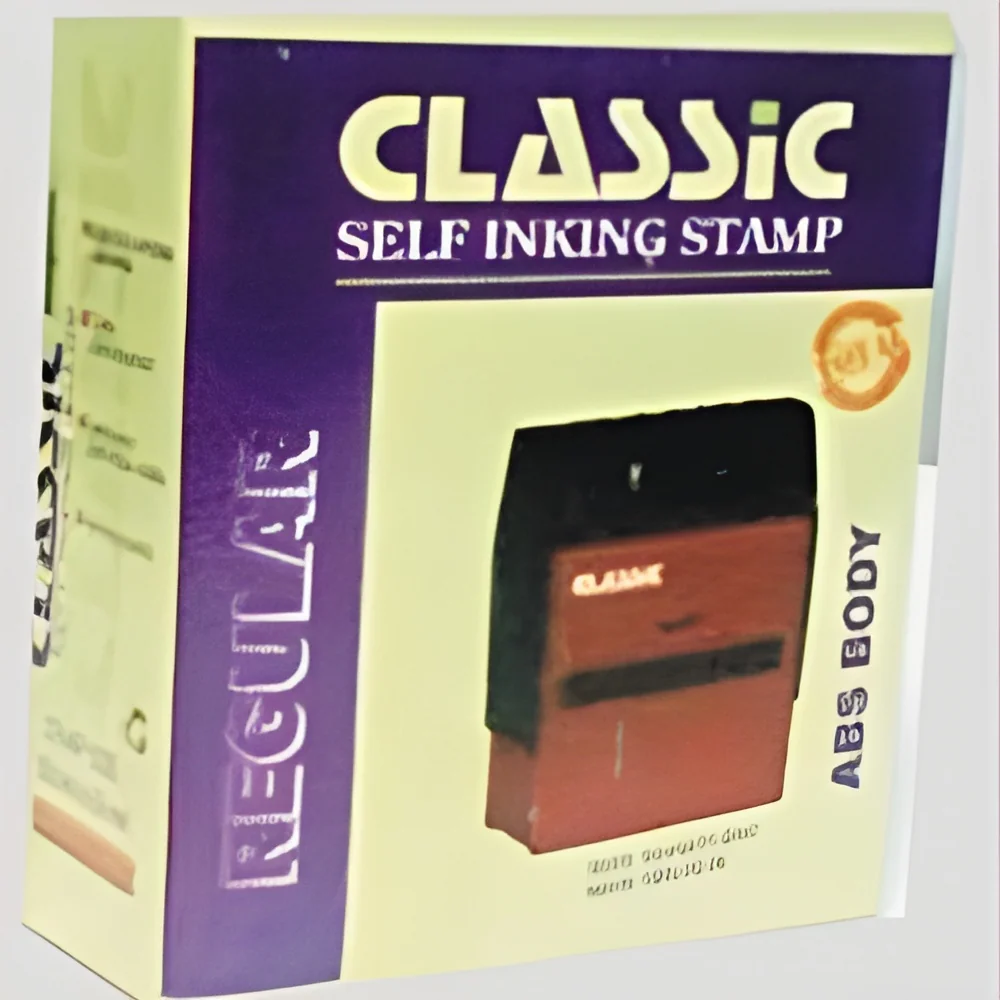
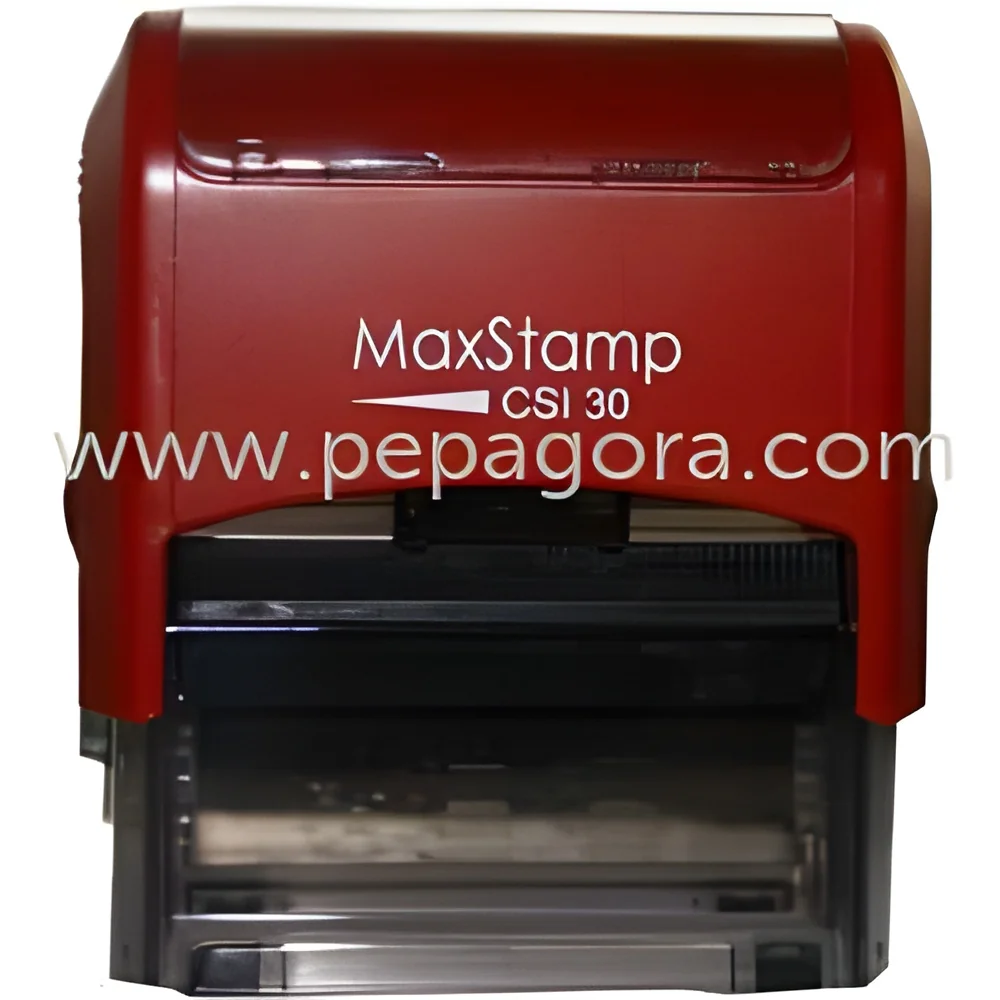
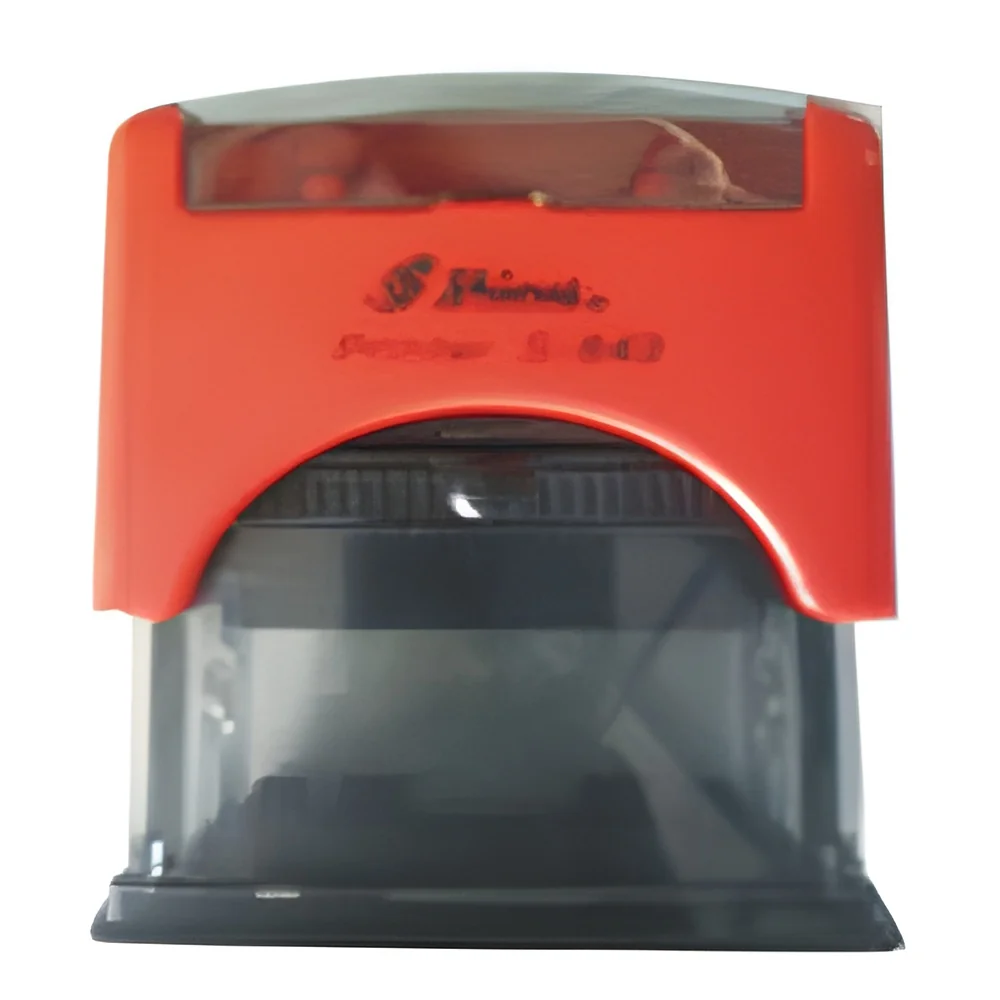
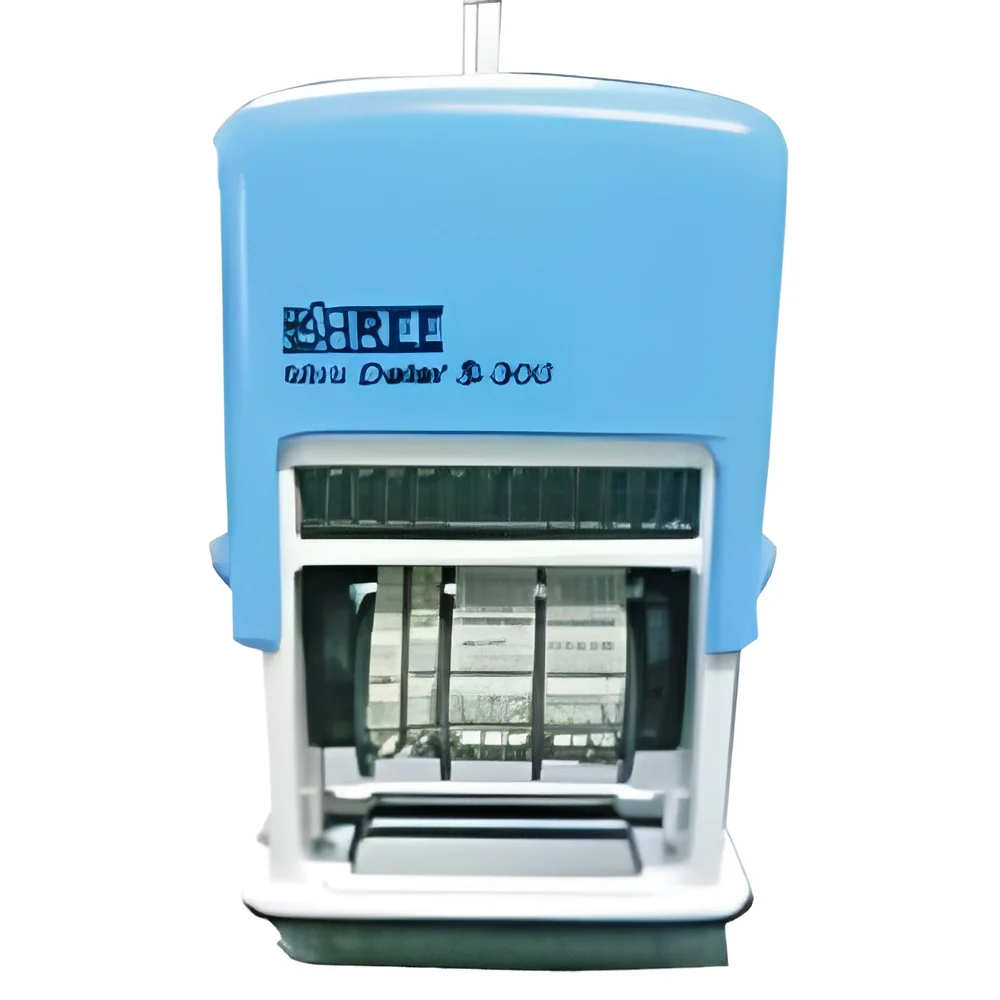
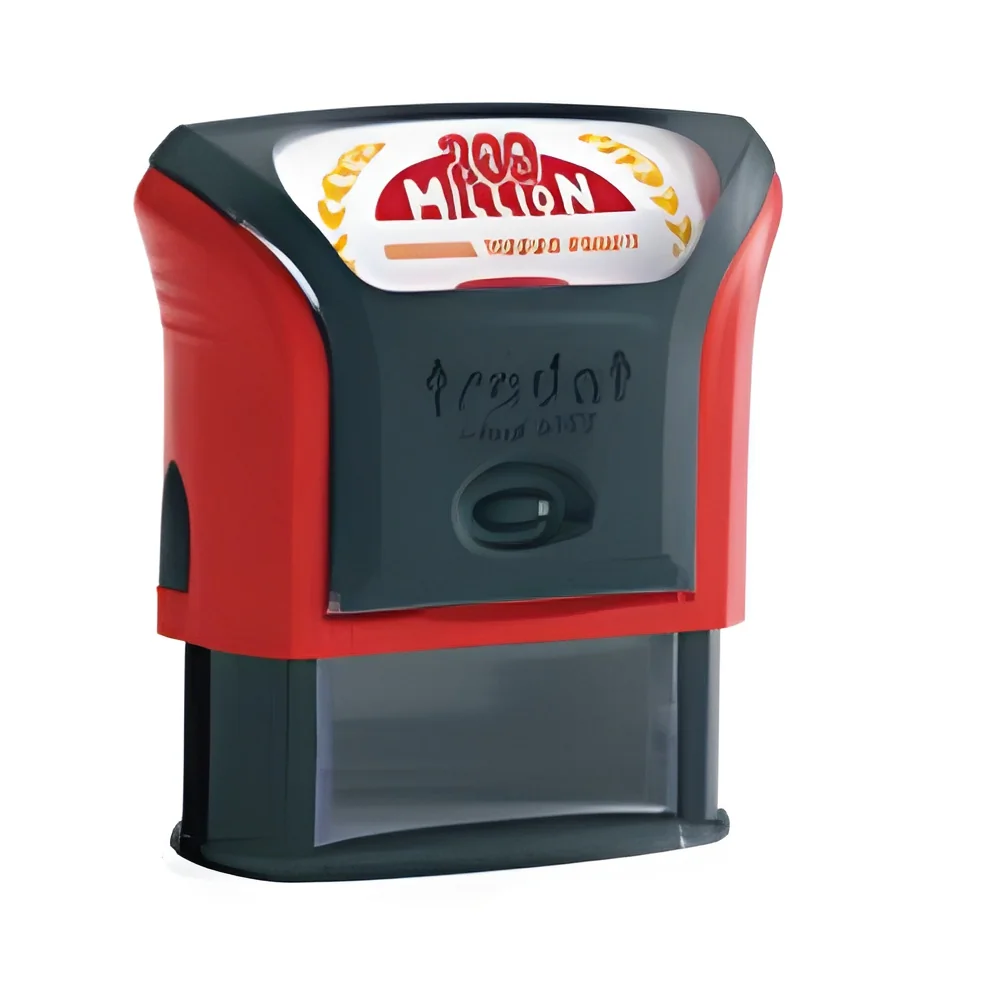
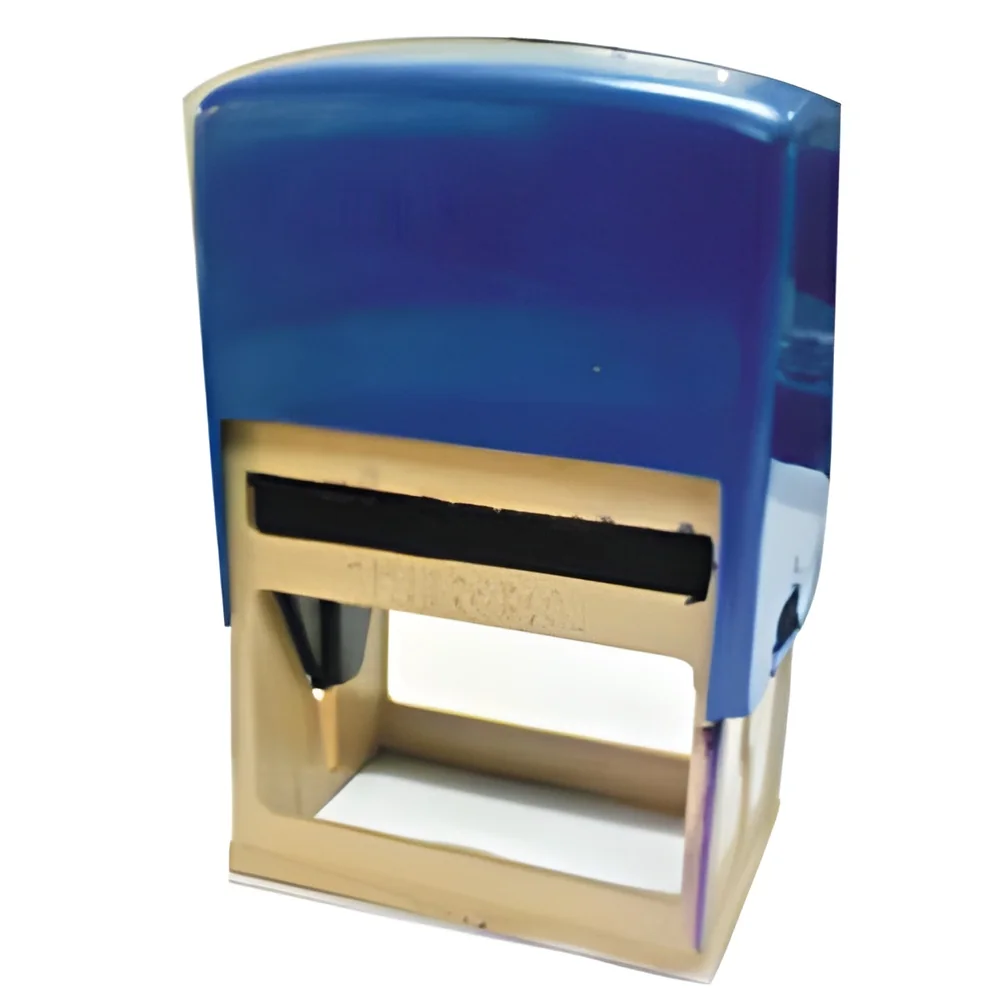
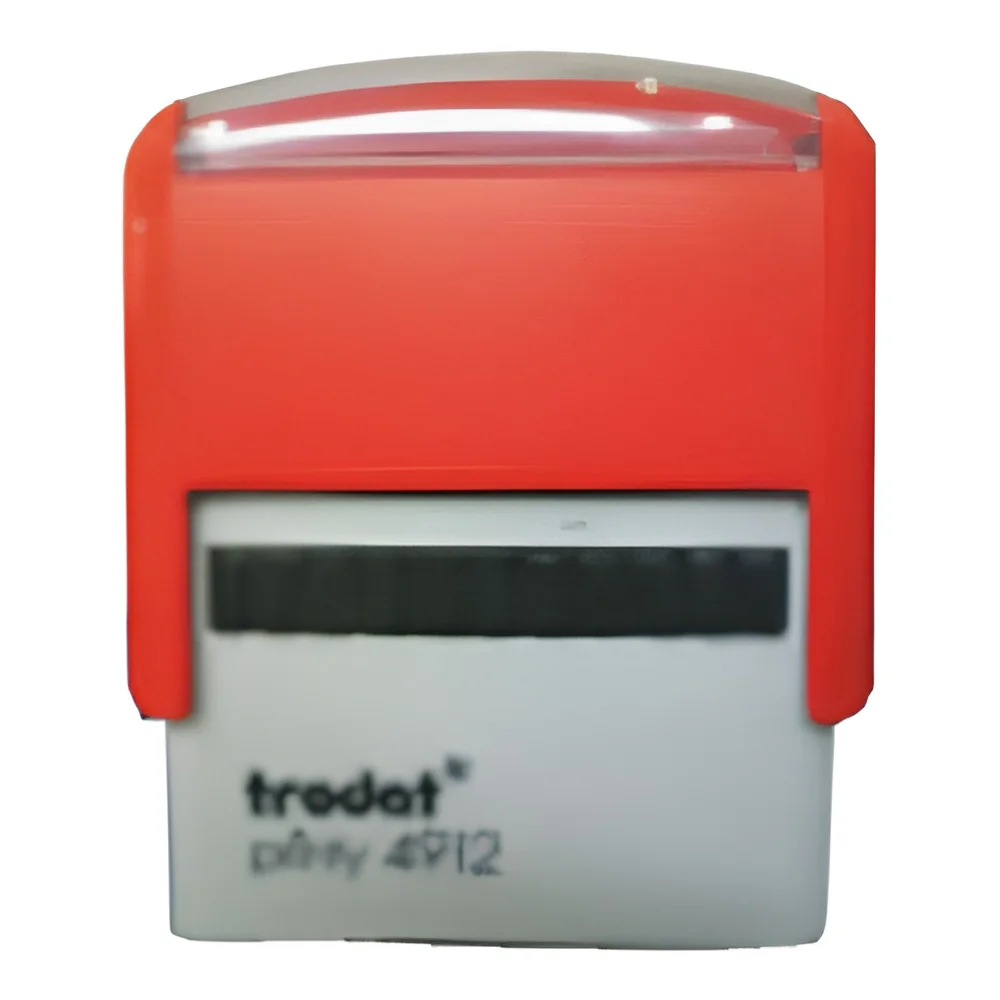
What are Stamps & Pad Inks?
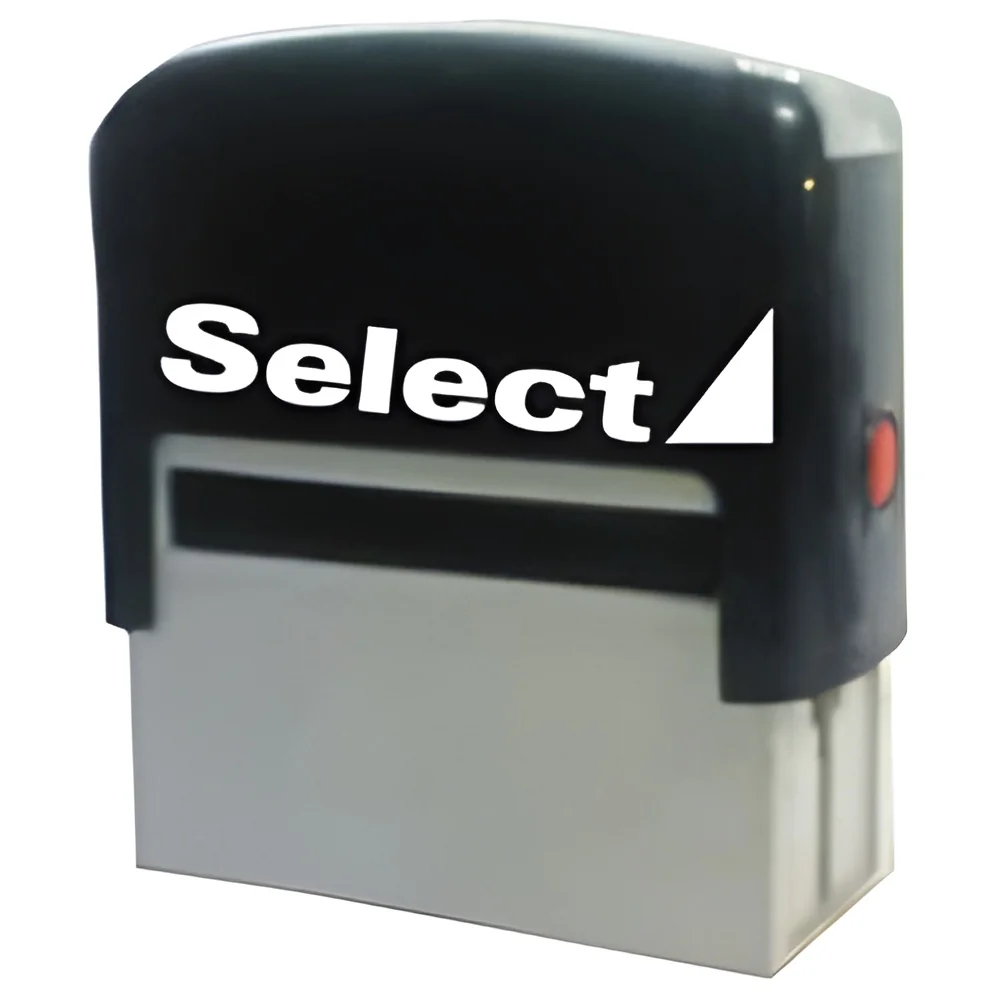
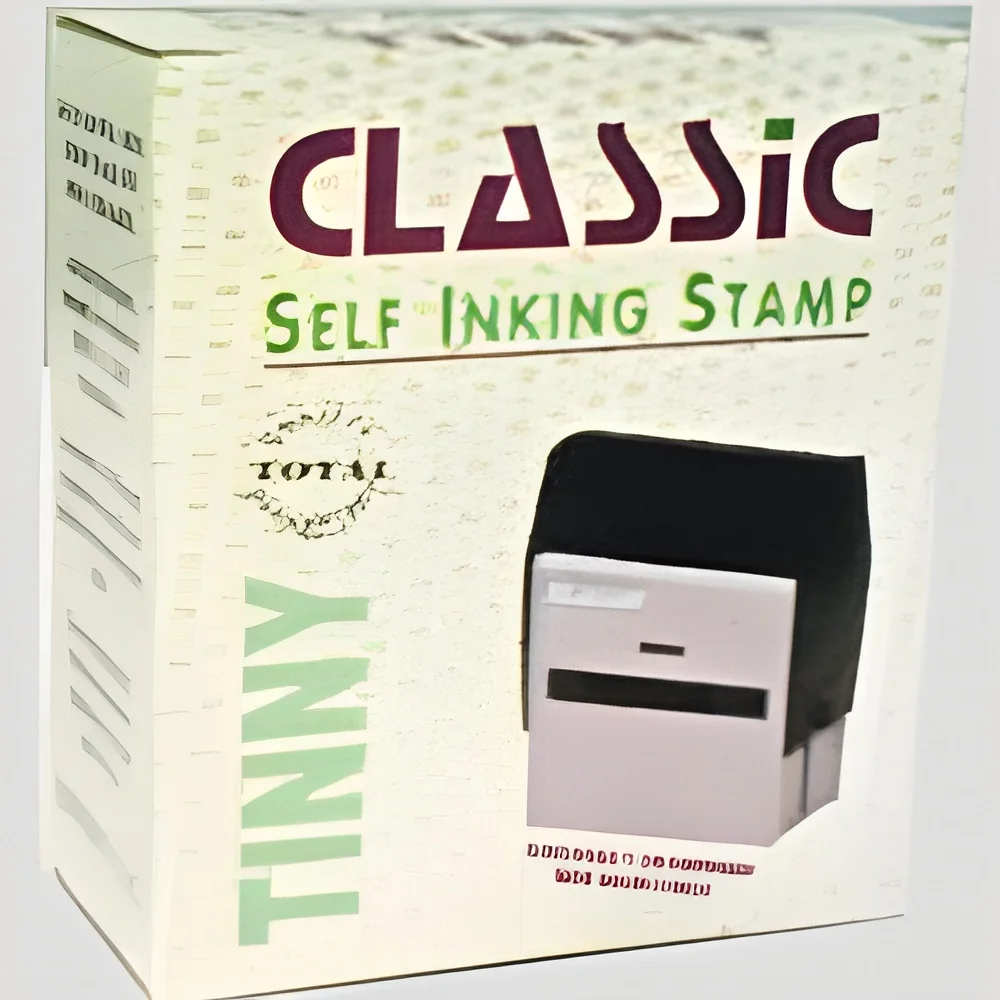
Stamps and pad inks are specialized inks designed primarily for use in stamping applications. These inks provide a reliable and consistent means of transferring ink onto various surfaces, such as paper, cardboard, and other materials. Typically, stamp inks are formulated to dry quickly and offer excellent adhesion, ensuring that the stamped image or text remains clear and vivid. These inks can be used in conjunction with various types of stamps, including rubber stamps, self-inking stamps, and pre-inked stamps.
The primary applications for stamps and pad inks span multiple industries, including manufacturing, logistics, and office environments. Businesses often use these inks for marking products, labeling packages, and creating official documents. The versatility of these inks makes them essential for branding, tracking, and administrative purposes. Given the demand for efficient marking solutions, stamps and pad inks play a crucial role in enhancing operational efficiency across various sectors.
In the current market, the relevance of stamps and pad inks has expanded due to the increasing need for quick identification and documentation processes. As businesses evolve and adapt to new technologies, the industry for stamping solutions remains robust. Companies are leveraging innovative ink formulations to meet specific requirements, ensuring that products are tailored for optimal performance in diverse work environments.
Key Features and Specifications
Stamps and pad inks come with several defining features and specifications that cater to a variety of needs. These characteristics influence the selection of inks for specific applications, ensuring that businesses can find the right product for their stamping requirements.
Key specifications include:
1. Ink Type
- Permanent, water-resistant, or washable options
- Suitable for different surfaces and applications
2. Color Options
- Available in a wide range of colors
- Custom color formulations upon request
3. Drying Time
- Quick-drying formulas to minimize smudging
- Varies based on surface and environmental conditions
4. Viscosity
- Specific viscosity levels to ensure even application
- Adaptable for different stamp types
5. Packaging Sizes
- Offered in various container sizes, including bottles and cartridges
- Enables flexibility based on usage volume
6. Shelf Life
- Extended shelf life for infrequently used inks
- Storage conditions may affect longevity
7. Non-Toxic Formulations
- Compliant with safety standards for user safety
- Eco-friendly options available
8. Compatibility
- Designed for use with a variety of stamp types
- Ensures seamless integration into existing workflows
In summary, the features and specifications of stamps and pad inks are designed to enhance usability and performance, making them suitable for a diverse range of business applications.
Common Applications and Use Cases
Stamps and pad inks find utility across a broad spectrum of industries, each leveraging the benefits of reliable marking solutions.
1. Manufacturing: In manufacturing settings, stamps and pad inks are utilized for marking product codes, expiration dates, and quality control indicators. This ensures accurate tracking and compliance with industry standards.
2. Logistics: Companies in the logistics sector use stamps and pad inks for labeling packages and shipping documents. This aids in organizing shipments and improving overall efficiency in warehouse operations.
3. Retail: Retail businesses often employ stamps for promotional purposes, such as marking discounts or special offers on products. Stamps provide a cost-effective way to communicate information to customers.
4. Education: Educational institutions utilize stamps and pad inks for grading papers, marking attendance, and issuing certificates. This simplifies administrative tasks and enhances communication with students.
5. Healthcare: In healthcare settings, stamps are used for labeling patient records, medication, and laboratory samples. This ensures accurate identification and traceability in sensitive environments.
6. Legal: Legal firms use stamps and pad inks for authenticating documents, issuing notary stamps, and marking case files. This adds an official touch to important paperwork.
7. Government: Government agencies employ stamps for official documentation, permits, and approvals. This streamlines processes and maintains a clear record of transactions.
Product Variants and Subcategories
Stamps and pad inks are available in various forms, catering to different user needs and preferences. The diversity in product offerings allows businesses to select the most suitable option for their specific applications.
Waterproof Ink
This variant is designed to withstand exposure to moisture and harsh conditions. Waterproof inks are ideal for outdoor applications, ensuring that markings remain intact regardless of environmental factors.
Quick-Dry Ink
Quick-dry inks are formulated for fast drying times, minimizing the risk of smudging. This variant is particularly useful in high-volume stamping environments where efficiency is crucial.
Eco-Friendly Ink
Eco-friendly inks are made from sustainable materials and are often non-toxic. This variant appeals to businesses looking to reduce their environmental impact while still meeting their stamping needs.
Colorful Ink
Colorful inks offer a variety of vibrant hues for creative stamping applications. This variant is popular among retailers and educational institutions for promotional materials and projects.
Benefits and Advantages
Stamps and pad inks offer several advantages that enhance their appeal for businesses across various sectors.
1. Cost-Effective: Stamps and pad inks provide a cost-efficient solution for marking and labeling, reducing the need for expensive printing equipment.
2. Versatility: These inks can be used on a wide range of surfaces, making them suitable for diverse applications in different industries.
3. Time-Saving: Quick-drying formulations and easy application allow for rapid marking, which helps businesses improve productivity and streamline workflows.
4. Customization: Many suppliers offer custom colors and formulations, enabling businesses to create unique branding and identification solutions.
5. Reliability: High-quality stamps and pad inks ensure consistent performance, providing clear and durable markings that withstand handling and environmental conditions.
6. Eco-Friendly Options: The availability of eco-friendly inks allows businesses to adopt sustainable practices without compromising performance.
Buying Guide for B2B Buyers
When sourcing stamps and pad inks, it is essential for B2B buyers to consider several factors to ensure they select the right product.
1. Quality Assessment: Evaluate the quality of inks based on performance criteria such as drying time, color vibrancy, and adhesion properties. Reading reviews and seeking recommendations can also be beneficial.
2. Supplier Verification: Vet suppliers to ensure reliability and consistency in product quality. Look for suppliers with strong reputations and positive customer feedback.
3. Pricing and MOQ: Understand the pricing structures and minimum order quantities associated with different suppliers. Comparing costs can help in making budget-conscious decisions.
4. Delivery and Lead Times: Confirm logistics details, including delivery schedules and lead times. Timely delivery is crucial for maintaining operational efficiency.
5. Compliance Requirements: Be aware of any industry-specific regulatory requirements that may apply to stamps and pad inks, including safety standards and environmental regulations.
Compliance and Certifications
Stamps and pad inks must adhere to various quality standards and certifications to ensure safety and performance. Compliance with ISO 9001 standards is essential for maintaining quality management systems in manufacturing processes.
Additionally, CE certification is relevant for products sold in certain markets, indicating that the inks meet European safety and health requirements.
Safety and testing requirements are also critical, particularly for inks used in sensitive environments such as healthcare and food industries. Testing ensures that inks do not contain harmful substances and are safe for intended applications.
Regional compliance considerations may vary, so buyers should be aware of local regulations that could impact the selection and usage of stamps and pad inks.
Why Source Stamps & Pad Inks from Pepagora?
Pepagora offers a trusted platform for sourcing stamps and pad inks, providing several key advantages that enhance the purchasing experience for B2B buyers.
Verified Supplier Network: Pepagora has a comprehensive network of verified suppliers, ensuring that buyers can find high-quality products from reputable manufacturers. This network simplifies the sourcing process and builds trust between buyers and suppliers.
Streamlined RFQ Process: The platform has a streamlined Request for Quotation (RFQ) process, allowing buyers to easily request quotes and compare prices from different suppliers. This efficiency helps businesses make informed purchasing decisions quickly.
Trade Assurance and Support: Pepagora prioritizes buyer protection through trade assurance measures. This gives buyers peace of mind, knowing they can rely on support in case of issues with orders or suppliers.
Regional Coverage: With a strong presence in India, the GCC, and Southeast Asia, Pepagora ensures that businesses across these regions have access to a diverse range of stamps and pad inks. This geographic reach facilitates better service and logistics for buyers.

 IN
IN