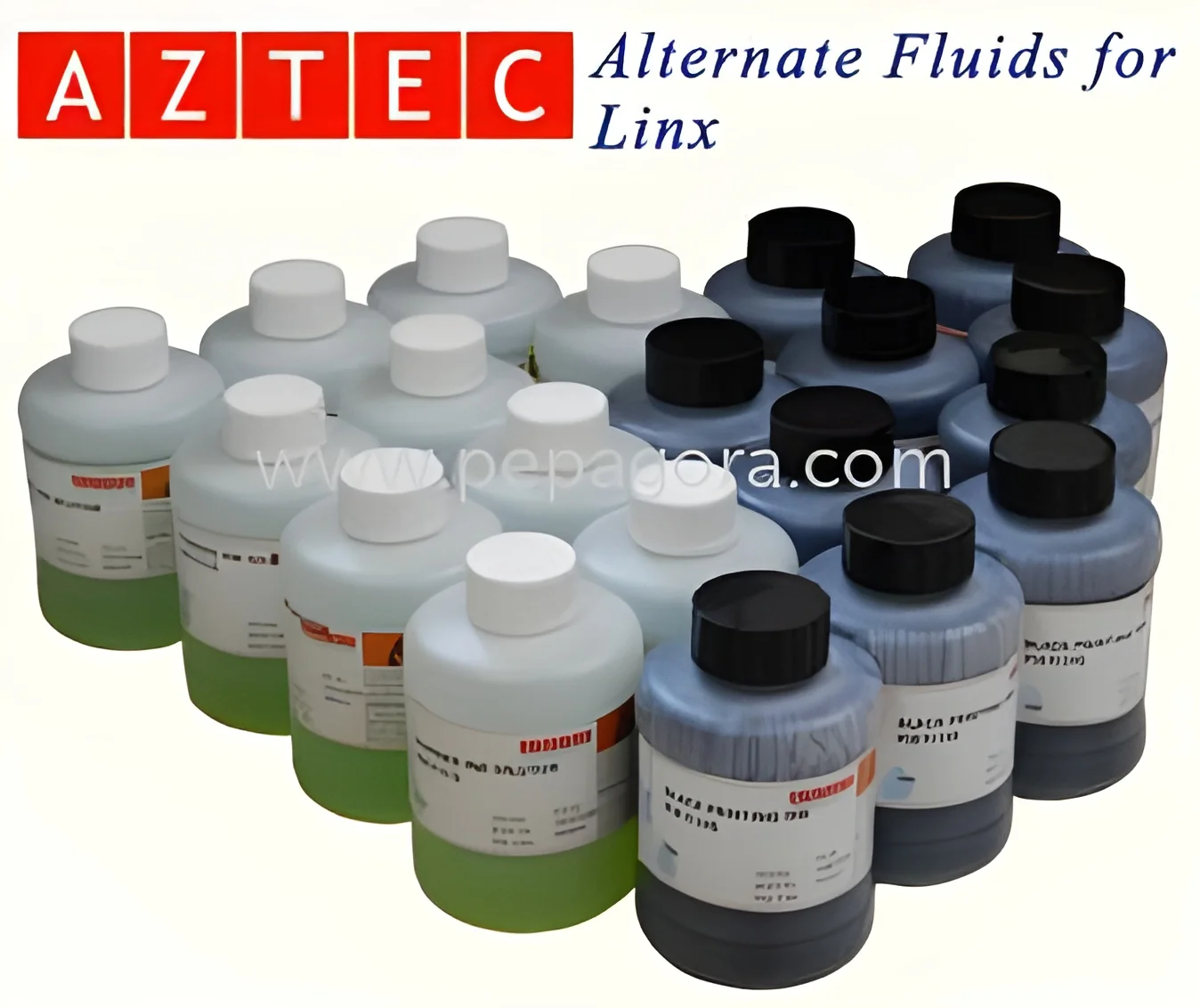
What are Digital Printing Inks?
Digital printing inks are specialized formulations designed for use in digital printing processes. These inks are engineered to work with various printing technologies, including inkjet, laser, and electrophotographic systems. Unlike traditional inks, digital printing inks provide precise color reproduction, quick drying times, and excellent adhesion to a wide range of substrates. They are available in different types, including aqueous, solvent-based, UV-curable, and dye sublimation inks, each tailored to specific printing needs and applications.
The primary applications of digital printing inks span various industries, including packaging, textiles, signage, and promotional materials. Businesses leverage these inks for their ability to produce high-quality prints with vibrant colors and intricate details. As digital printing continues to evolve, the demand for advanced inks that can deliver superior performance and adaptability to different materials is growing. This has made digital printing inks a vital component in modern printing operations and a key driver in the expansion of the digital printing market.
Key Features and Specifications
Digital printing inks come with a range of features that cater to diverse printing needs. Understanding these features is crucial for businesses looking to optimize their printing processes.
Key specifications include:
1. Ink Type
- Aqueous, solvent-based, UV-curable, dye sublimation
- Each type has unique properties suited for different applications
2. Color Range
- CMYK, Pantone, and custom color matching capabilities
- Ensures accurate color reproduction across various substrates
3. Viscosity
- Measured in centipoise (cP) for optimal flow and performance
- Affects print quality and equipment compatibility
4. Drying Time
- Varies from instant to several seconds, depending on the type
- Influences production speed and workflow efficiency
5. Adhesion Properties
- Strong adhesion to materials like paper, plastic, and textiles
- Essential for durability and print longevity
6. UV Resistance
- Protects prints from fading due to exposure to sunlight
- Important for outdoor applications
7. Environmental Compliance
- Low VOC emission and eco-friendly formulations
- Necessary for adherence to health and safety regulations
8. Shelf Life
- Varies by ink type, typically ranging from 6 months to 2 years
- Affects inventory management and usage planning
Overall, these specifications help businesses select the right inks for their specific printing needs, ensuring high-quality output and optimal performance.
Common Applications and Use Cases
Digital printing inks find applications in a variety of industries, each with unique requirements.
1. Packaging: Digital inks are used for creating vibrant packaging solutions. They allow for customization, short runs, and quick turnarounds, making them ideal for modern packaging needs.
2. Textiles: In the textile industry, digital inks enable high-resolution prints on fabrics. This allows for intricate designs, patterns, and personalization in fashion and home decor.
3. Signage: Digital printing inks are widely used for producing outdoor and indoor signage. Their durability and UV resistance make them suitable for long-lasting displays.
4. Promotional Materials: Businesses utilize digital inks for brochures, flyers, and posters. The ability to produce eye-catching graphics enhances marketing efforts.
5. Labels: Digital inks are essential for label printing, offering flexibility in design and the ability to print variable data for targeted marketing.
6. Industrial Applications: In industrial sectors, digital inks are used for product marking and coding. Their versatility allows for high-speed production and accurate labeling.
7. Commercial Printing: Digital printing inks support a wide range of commercial printing needs, from business cards to high-quality photo prints.
Product Variants and Subcategories
Digital printing inks are available in various formulations, each designed for specific applications and performance characteristics.
Aqueous Inks: Aqueous inks are water-based and ideal for indoor applications. They provide vibrant colors and are safe for use on paper and textiles. They are commonly used in high-quality photo printing and commercial applications.
Solvent-Based Inks: Solvent-based inks are suitable for outdoor applications due to their durability and weather resistance. They adhere well to a variety of substrates, including vinyl and canvas, making them popular for signage and banners.
UV-Curable Inks: UV-curable inks dry quickly when exposed to UV light. They offer excellent adhesion and scratch resistance, making them ideal for high-performance applications like packaging and industrial printing.
Dye Sublimation Inks: Dye sublimation inks are specifically used for transferring images onto textiles and synthetic materials. They are known for their vibrant colors and soft finish, making them popular in fashion and home decor.
Benefits and Advantages
Digital printing inks provide several advantages that enhance printing efficiency and quality.
1. High Quality: Digital inks deliver sharp images and vibrant colors, ensuring that prints meet high-quality standards.
2. Customization: They allow for easy customization, enabling businesses to produce unique designs and small production runs without significant setup costs.
3. Quick Turnaround: Digital printing inks facilitate faster printing processes, reducing lead times and improving overall workflow efficiency.
4. Cost-Effectiveness: With the ability to produce short runs without the need for extensive setup, digital inks can lower production costs for businesses.
5. Versatility: Digital printing inks can be used on a wide range of substrates, providing flexibility for various applications.
6. Eco-Friendly Options: Many digital inks are formulated to be environmentally friendly, with low VOC emissions and sustainable properties.
Buying Guide for B2B Buyers
When sourcing digital printing inks, several factors should be considered to ensure a successful purchase.
1. Quality Assessment: Evaluate the quality of the inks by checking for consistency in color, drying time, and adhesion properties. Look for samples to test before making a bulk purchase.
2. Supplier Verification: Vet suppliers by checking their reputation, customer reviews, and certifications. Ensure they have a reliable track record in delivering high-quality inks.
3. Pricing and MOQ: Understand the pricing structure and minimum order quantities. Look for competitive pricing without compromising quality.
4. Delivery and Lead Times: Confirm the supplier's lead times for delivery. Timely delivery is essential to maintain production schedules.
5. Compliance Requirements: Ensure that the inks meet relevant regulatory standards and industry certifications. This is crucial for safety and environmental compliance.
Compliance and Certifications
Digital printing inks must adhere to various compliance standards to ensure quality and safety.
Relevant quality standards include ISO 9001, which emphasizes consistent quality management processes. Compliance with HACCP may be necessary for inks used in food packaging applications, ensuring safety and quality management.
Industry certifications, such as CE, are important for ensuring that products meet the necessary safety and environmental requirements. This certification indicates that the inks are compliant with European health, safety, and environmental protection standards.
Safety and testing requirements are also critical. Digital inks should undergo rigorous testing to ensure they do not pose health risks to users or consumers. This includes evaluating toxicity and ensuring proper labeling.
Regional compliance considerations may vary based on geographic location. It is essential to be aware of local regulations regarding ink formulations and emissions.
Why Source Digital Printing Inks from Pepagora?
Pepagora offers a trusted platform for sourcing digital printing inks, providing several key advantages for businesses.
Verified Supplier Network: Pepagora connects buyers with a network of verified suppliers. This ensures that businesses can source high-quality inks from reputable manufacturers, reducing the risk of subpar products.
Streamlined RFQ Process: The request for quotation system simplifies the procurement process. Buyers can easily compare prices and specifications from different suppliers, allowing for informed purchasing decisions.
Trade Assurance and Support: Pepagora provides trade assurance, protecting buyers throughout the transaction process. This includes support for resolving disputes and ensuring timely deliveries.
Regional Coverage: With a focus on markets in India, GCC, and Southeast Asia, Pepagora offers extensive regional coverage. This allows businesses in these areas to access quality digital printing inks tailored to their specific needs.

 IN
IN