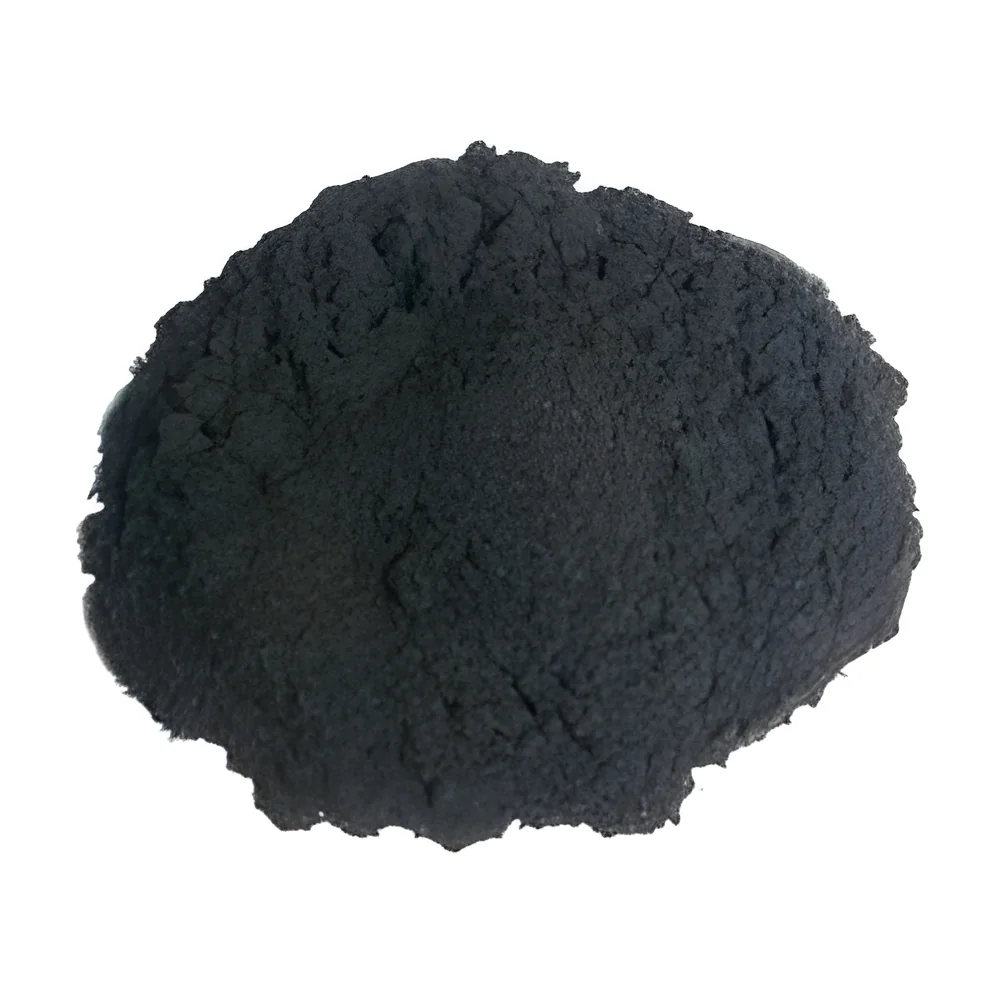
What are Gravure Printing Inks?
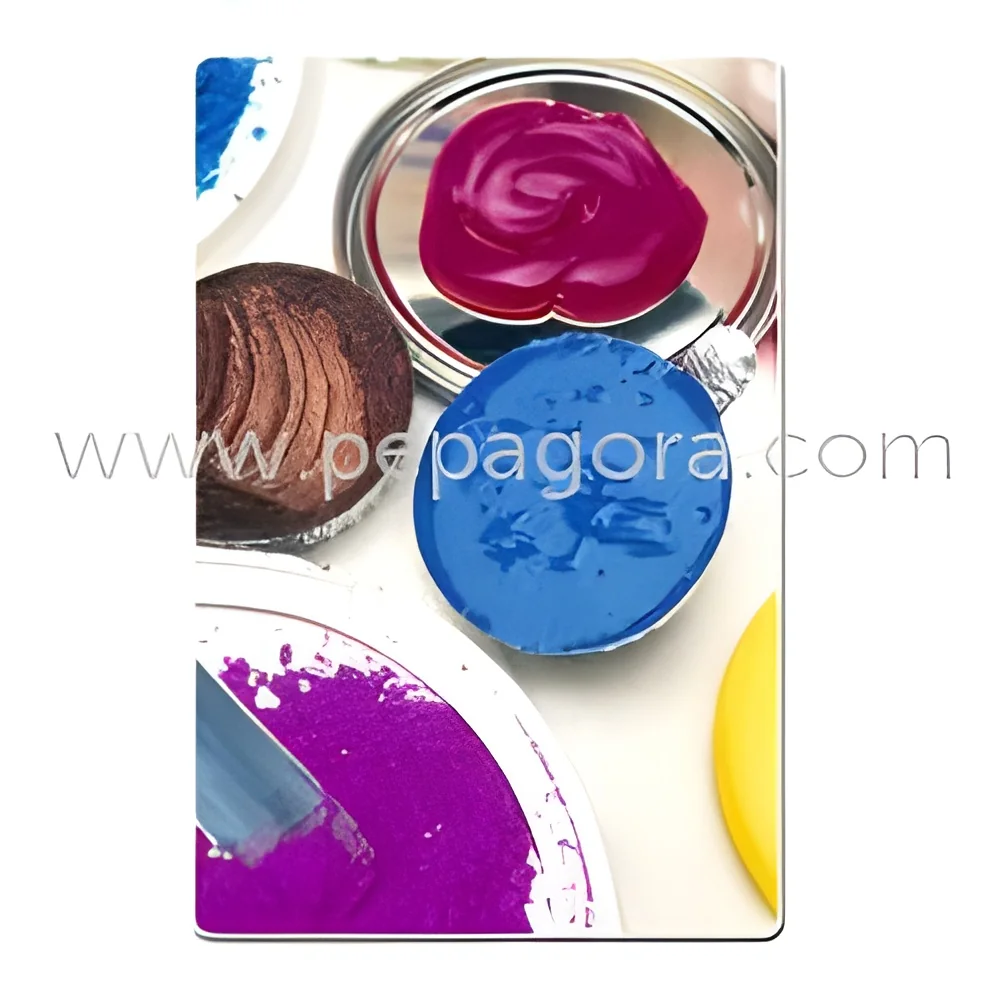
Gravure printing inks are specialized inks used in the gravure printing process, a high-speed printing technique characterized by its ability to produce high-quality images and text. These inks are formulated to be fluid and have the right viscosity to allow for efficient transfer onto various substrates, such as paper, plastic, and metal foils. The gravure process involves engraving images onto a cylinder which then transfers the ink onto the material. This method is particularly known for its capability to reproduce intricate designs with fine details and a wide color gamut.
Gravure printing inks find extensive applications in various industries, including packaging, textiles, and publishing. In packaging, they are commonly used for printing on flexible materials, labels, and cartons, allowing for vibrant graphics that catch consumer attention. Moreover, their durability and resistance to fading make them suitable for products that require long shelf life. The market for gravure printing inks continues to grow, driven by the increasing demand for innovative packaging solutions and high-quality printed materials.
Key Features and Specifications
Gravure printing inks are distinguished by several key features that cater to different printing requirements. These inks are designed to perform under specific conditions, ensuring optimal results in diverse applications.
Key specifications include:
1. Viscosity
- Crucial for ink flow and transfer during the printing process.
- Typically ranges from 20 to 50 centipoise.
2. Drying Speed
- Determines how quickly the ink sets on the substrate.
- Options for fast-drying inks are available for high-speed production.
3. Pigment Concentration
- Affects color strength and opacity.
- Ranges from 5% to 30% depending on the desired shade and application.
4. Adhesion Properties
- Ensures ink adheres well to the substrate without smudging.
- Different formulations are available for plastic, paper, and metal surfaces.
5. Solvent Type
- Can be solvent-based or water-based, affecting environmental impact and application method.
- Selection depends on the printing environment and regulations.
6. Lightfastness
- Indicates resistance to fading when exposed to light.
- Important for products that will be displayed in bright environments.
7. Chemical Resistance
- Important for applications that require durability against chemicals and abrasives.
- Varies based on specific formulations designed for certain environments.
In summary, the selection of gravure printing inks should be based on these specifications to ensure compatibility with the printing process and the final product requirements.
Common Applications and Use Cases
Gravure printing inks serve a variety of industries, each with unique applications.
1. Packaging: Gravure inks are widely used for flexible packaging materials, allowing for high-quality prints on films and pouches. Their durability is essential for food and beverage packaging, ensuring the graphics remain intact during transport and display.
2. Textiles: In the textile industry, gravure inks are utilized for printing vibrant designs on fabrics. The ability to create detailed patterns makes these inks ideal for fashion and home décor items.
3. Publishing: Gravure printing inks are also employed in the publishing sector for high-quality print runs of magazines, brochures, and catalogs. The inks provide sharp images and rich colors that enhance the visual appeal of printed literature.
4. Labels: The label industry benefits from gravure inks due to their ability to adhere to various substrates while maintaining clarity and color vibrancy. This is crucial for product identification and branding.
5. Decorative Printing: Gravure inks are used in decorative applications, including wallpaper and wrapping paper, where intricate designs are required to attract consumers.
6. Automotive: In the automotive sector, gravure inks are applied to printed graphics and labels, ensuring durability and resistance to environmental factors.
7. Electronics: The electronics industry makes use of gravure inks for printed circuit boards and other components, benefiting from the precision and quality of the printing process.
Product Variants and Subcategories
Gravure printing inks are available in various formulations to meet specific industry needs. Each variant is designed to optimize performance based on the substrate and application.
Water-Based Inks: These inks are environmentally friendly and suitable for a variety of substrates, including paper and films. They offer good adhesion and are commonly used in food packaging due to their low toxicity.
Solvent-Based Inks: Known for their high performance, these inks provide excellent color vibrancy and durability. They are ideal for printing on non-porous substrates like plastics and are widely used in flexible packaging.
UV-Curable Inks: These inks are cured instantly using ultraviolet light, allowing for fast production speeds. They provide high gloss finishes and are suitable for a range of applications, including labels and specialty prints.
Benefits and Advantages
Gravure printing inks offer numerous benefits that make them a preferred choice for many applications.
1. High Quality: The inks produce sharp, detailed images with vibrant colors, enhancing the visual appeal of printed materials.
2. Flexibility: Gravure inks can be formulated to work on various substrates, providing versatility in applications across different industries.
3. Speed: The gravure printing process allows for high-speed production, making it ideal for large-volume printing needs.
4. Durability: These inks are designed to withstand environmental factors, ensuring that prints maintain their quality over time.
5. Cost-Effectiveness: The efficiency of the gravure process often results in lower costs per unit, especially for large print runs.
6. Customization: Gravure inks can be tailored to meet specific requirements, including color matching and performance characteristics, allowing businesses to achieve their desired results.
Buying Guide for B2B Buyers
When sourcing gravure printing inks, it is essential to consider several factors to ensure the right choice for your needs.
1. Quality Assessment: Evaluate the quality of inks by checking for certifications and quality standards. Look for inks that meet industry benchmarks to ensure reliability.
2. Supplier Verification: Vet suppliers by reviewing their credentials, customer feedback, and track record. A verified supplier will ensure consistent quality and supply.
3. Pricing and MOQ: Understand the pricing structure and minimum order quantities. Comparing quotes from multiple suppliers can help in making a cost-effective decision.
4. Delivery and Lead Times: Inquire about delivery schedules and lead times to ensure that your production timelines are met. Timely delivery is crucial for maintaining workflow.
5. Compliance Requirements: Ensure that the inks comply with all relevant regulations and safety standards. This is especially important for industries like food packaging where safety is paramount.
Compliance and Certifications
Gravure printing inks must adhere to various compliance and certification standards to ensure safety and quality.
ISO 9001: This quality management standard is relevant for manufacturers of gravure inks, ensuring consistent quality and performance in production processes.
CE Certification: This certification indicates that the inks meet European health, safety, and environmental protection standards, making them suitable for use in various applications.
Safety and Testing Requirements: Gravure inks should undergo rigorous testing to assess their safety and performance under different conditions. This includes testing for toxic substances and environmental impact.
Regional Compliance Considerations: Depending on the region, specific regulations may apply to the use and formulation of inks. It is essential for buyers to be aware of local legislation to ensure compliance.
Why Source Gravure Printing Inks from Pepagora?
Pepagora provides a trusted platform for sourcing gravure printing inks, offering several key advantages that cater to B2B buyers.
Verified Supplier Network: Pepagora connects buyers with a network of verified suppliers. This ensures that you can source quality inks from reputable manufacturers, reducing the risk associated with procurement.
Streamlined RFQ Process: The platform features an efficient Request for Quotation (RFQ) process, allowing buyers to easily solicit quotes from multiple suppliers. This simplifies the procurement process and enhances decision-making.
Trade Assurance and Support: Pepagora offers trade assurance, providing protection for buyers in case of discrepancies in order fulfillment. This support adds a layer of security to transactions.
Regional Coverage: With a strong presence in India, the GCC, and Southeast Asia, Pepagora facilitates access to suppliers across various regions, enabling buyers to find suitable options that meet their specific needs.

 IN
IN