
 IN
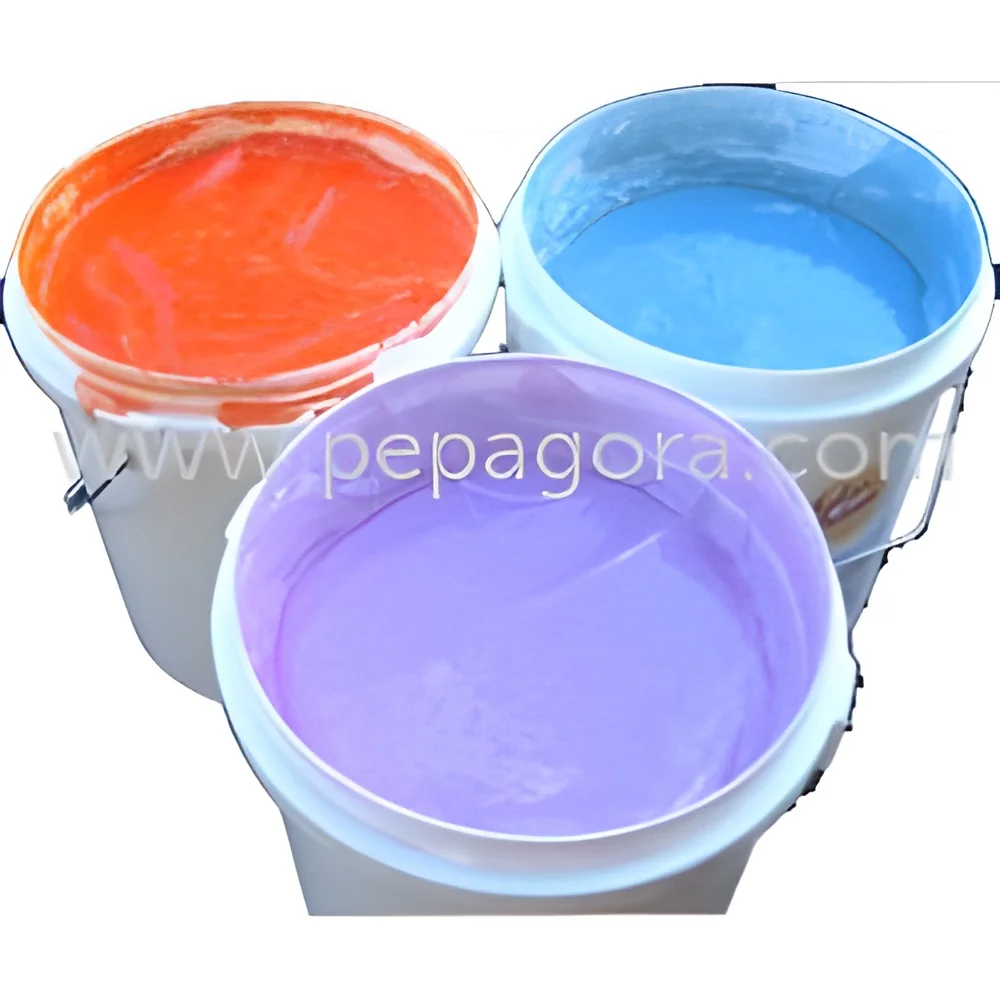
Flexographic Printing Inks
6 products available
What are Flexographic Printing Inks?
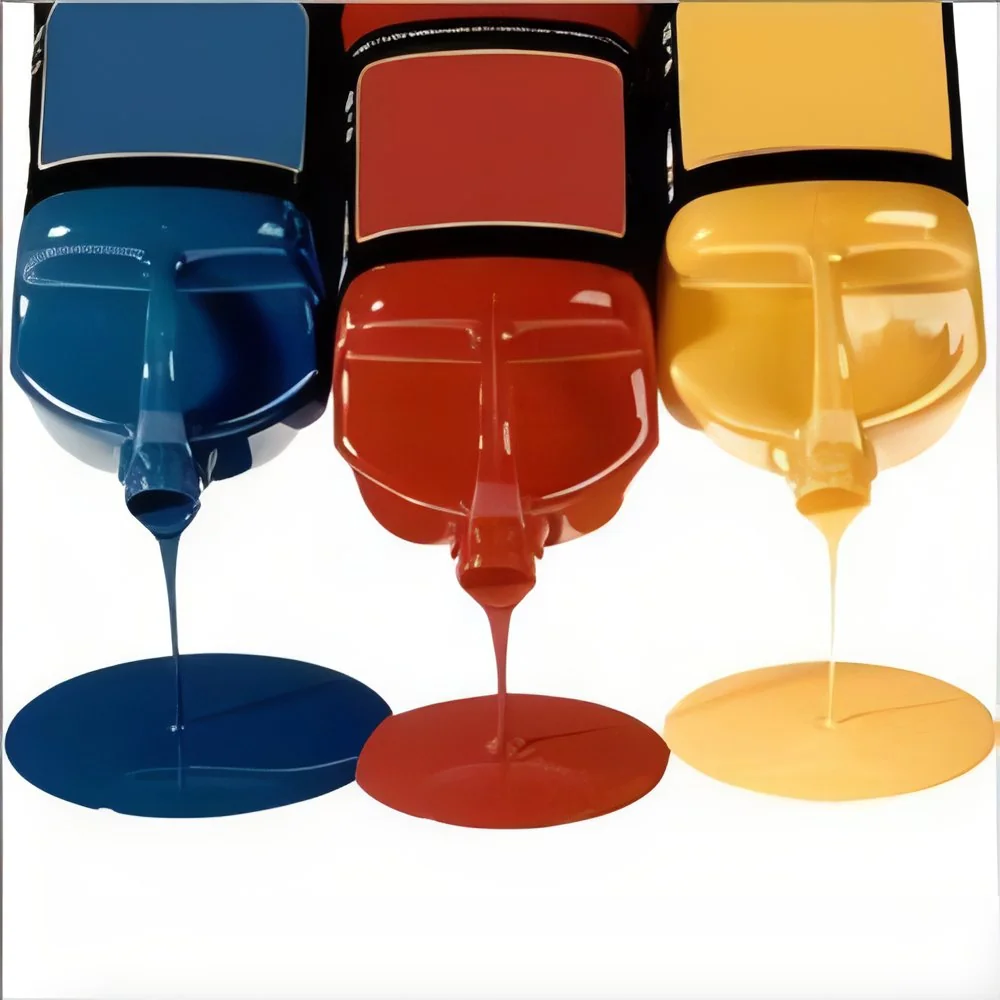
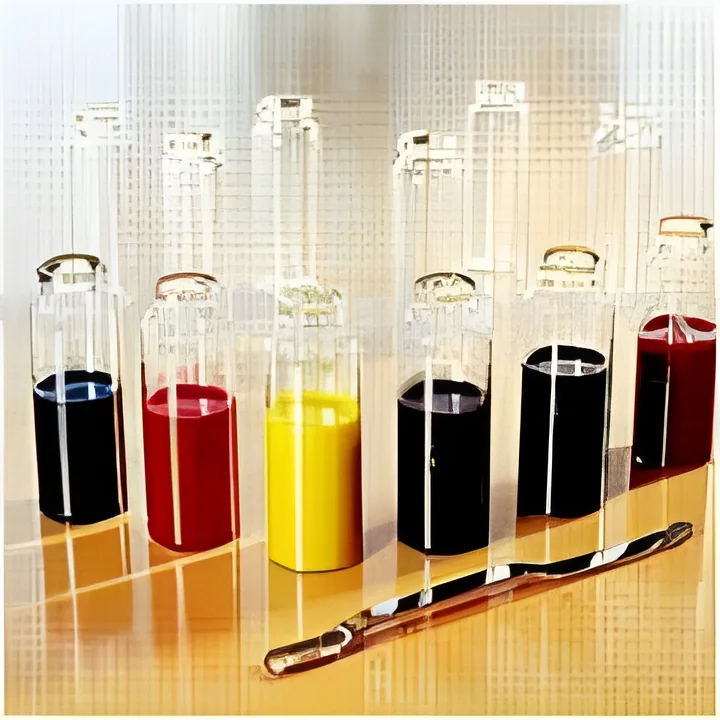
Flexographic printing inks are specially formulated inks used in flexographic printing, a popular printing technology known for its efficiency and versatility. These inks are typically made from pigments, solvents, and resins, allowing them to adhere well to various substrates such as paper, plastic, and metal. Flexographic inks are designed to be fluid enough for the printing process while providing vibrant colors and excellent durability.
These inks are primarily used in industries such as packaging, labels, and newspapers. They are particularly advantageous for high-speed printing applications due to their fast drying characteristics. Businesses often select flexographic inks for their ability to print on a wide range of materials, making them essential for modern production lines. The demand for flexographic printing inks continues to grow as industries seek efficient and environmentally friendly printing solutions.
Key Features and Specifications
Flexographic printing inks possess several key features and specifications that make them suitable for diverse applications. These features ensure optimal performance during the printing process and quality results.
Key specifications include:
1. Color Range
- Available in a wide variety of colors
- Custom color matching options for specific needs
2. Viscosity
- Formulated for specific printing methods
- Ensures proper ink transfer to substrates
3. Drying Time
- Fast-drying formulations
- Reduces production time and enhances efficiency
4. Adhesion Properties
- Strong adhesion to various substrates
- Ensures print durability and longevity
5. Solvent Content
- Water-based and solvent-based options available
- Provides choices based on environmental regulations
6. Lightfastness
- Resistance to fading when exposed to light
- Ensures long-lasting print quality
7. Chemical Resistance
- Formulated to withstand various chemicals
- Ideal for packaging that may come into contact with food or liquids
8. Compliance with Regulations
- Meets industry standards for safety and environmental impact
- Ensures products are suitable for specific applications
These specifications highlight the versatility and performance characteristics of flexographic printing inks, making them a preferred choice in various printing processes.
Common Applications and Use Cases
Flexographic printing inks are employed across multiple industries due to their adaptability and quality.
1. Packaging: Flexographic inks are extensively used in flexible packaging, providing vibrant graphics for food and consumer products.
2. Labels: These inks are ideal for label printing, allowing for high-quality images and text on adhesive labels, stickers, and tags.
3. Newspapers: Flexographic inks are commonly used in newspaper printing, offering quick drying and excellent print quality for high-volume runs.
4. Cartons: They are utilized in producing printed cartons, ensuring that packaging is visually appealing and informative.
5. Textile Printing: Flexographic inks can also be used in textile applications, providing colorful designs on fabrics.
6. Tags and Tickets: The inks are suitable for printing tags and tickets, ensuring durability and clear visibility.
7. Construction Materials: Flexographic inks are used on construction materials for branding and instruction purposes.
These applications demonstrate the versatility of flexographic printing inks in meeting the demands of various sectors.
Product Variants and Subcategories
Flexographic printing inks come in several variants, each tailored for specific applications and requirements.
Water-Based Inks
These inks are eco-friendly and suitable for packaging applications. They provide excellent adhesion and are safe for food contact, making them popular among manufacturers focused on sustainability.
Solvent-Based Inks
These inks are known for their quick drying times and vibrant color output. They are ideal for high-speed printing processes and are often used in packaging and labels that require strong chemical resistance.
UV-Curable Inks
These inks cure instantly when exposed to UV light, allowing for high-speed printing on non-porous substrates. They offer high durability and vibrant colors, making them suitable for specialty applications.
Each variant is designed to meet the specific demands of different printing environments, ensuring optimal performance and quality.
Benefits and Advantages
Flexographic printing inks provide numerous benefits that make them a preferred choice in various industries.
1. High Speed: These inks are formulated to dry quickly, allowing for faster production cycles and increased efficiency.
2. Versatile Substrate Compatibility: Flexographic inks can be used on a wide range of materials, making them adaptable for different applications.
3. Eco-Friendly Options: Water-based and low-solvent inks are available, catering to businesses seeking sustainable printing solutions.
4. Excellent Print Quality: The inks deliver sharp images and vibrant colors, enhancing the overall appearance of printed materials.
5. Cost-Effective: Due to their efficiency and versatility, flexographic inks can reduce production costs in the long run.
6. Customization: Many manufacturers offer custom formulations to meet specific printing requirements, ensuring optimal results.
These benefits highlight why flexographic printing inks are favored in the printing industry.
Buying Guide for B2B Buyers
When sourcing flexographic printing inks, B2B buyers should consider several crucial factors to ensure they make informed decisions.
1. Quality Assessment: Evaluate the ink's performance by reviewing test results and samples. Look for inks that maintain quality across various substrates and printing conditions.
2. Supplier Verification: Research potential suppliers to ensure they have a good reputation and adhere to industry standards. Check for certifications and customer reviews.
3. Pricing and MOQ: Compare prices and minimum order quantities from different suppliers to find a balance between cost and quality that meets your needs.
4. Delivery and Lead Times: Inquire about the supplier’s delivery capabilities and lead times to ensure that your production schedules are met without delays.
5. Compliance Requirements: Ensure that the inks meet all relevant safety and environmental regulations, particularly if they will be used in food packaging or other sensitive applications.
These considerations will help B2B buyers choose the right flexographic printing inks for their specific needs.
Compliance and Certifications
Flexographic printing inks must adhere to various quality standards and certification requirements to ensure safety and performance.
Relevant quality standards include ISO 9001, which outlines the criteria for an effective quality management system. Compliance with HACCP is crucial for inks used in food packaging, ensuring that they do not pose any health risks.
Industry certifications, such as CE, indicate that the products meet European safety standards. These certifications provide assurance to businesses that the inks are tested and proven to be safe for use.
Additionally, inks must pass safety and testing requirements to ensure they are suitable for their intended applications. Regional compliance considerations may vary, so it is essential for manufacturers to understand the specific regulations in different markets.
Why Source Flexographic Printing Inks from Pepagora?
Pepagora is a trusted platform for sourcing flexographic printing inks, offering several key advantages for businesses.
Verified Supplier Network: Pepagora has established a robust network of verified suppliers. This ensures that buyers can source inks from reputable manufacturers who meet industry standards.
Streamlined RFQ Process: The platform simplifies the request for quotation process, allowing buyers to receive competitive quotes quickly and efficiently. This saves time and facilitates better purchasing decisions.
Trade Assurance and Support: Pepagora provides trade assurance, offering buyers protection throughout the purchasing process. This support helps to mitigate risks associated with sourcing products.
Regional Coverage: With a strong presence in India, the GCC, and Southeast Asia, Pepagora offers extensive regional coverage. This makes it easier for businesses in these regions to access high-quality flexographic printing inks tailored to their needs.
By choosing Pepagora, businesses can confidently source flexographic printing inks while benefiting from a reliable and efficient purchasing experience.

Frequently Asked Questions
What are Flexographic Printing Inks?
Flexographic Printing Inks are fast-drying inks used primarily in flexographic printing, a modern version of rotary letterpress printing. These inks are made from a variety of resins, pigments, and solvents, allowing them to adhere to a wide range of substrates, including paper, plastic, and metal.
What are the different types of Flexographic Printing Inks?
The different types of Flexographic Printing Inks include water-based, solvent-based, and UV-curable inks. Water-based inks are eco-friendly and ideal for packaging, while solvent-based inks offer better adhesion on non-porous surfaces. UV-curable inks provide quick curing and vibrant colors, making them suitable for high-speed printing.
How do I choose the right Flexographic Printing Inks?
Choosing the right Flexographic Printing Inks depends on the substrate, printing speed, and environmental regulations. Consider factors such as adhesion, drying time, and color vibrancy to ensure optimal results for your specific printing application.
What are the standard specifications for Flexographic Printing Inks?
Standard specifications for Flexographic Printing Inks typically include viscosity, color strength, drying time, and adhesion properties. It is essential to refer to the manufacturer's technical data sheets for detailed specifications tailored to specific applications.
What is the price range for Flexographic Printing Inks?
The price range for Flexographic Printing Inks can vary widely based on type, quality, and supplier, typically falling between INR 150 to INR 800 per liter. Bulk purchases may lead to discounts, so it is advisable to compare prices from different manufacturers.
What quality standards apply to Flexographic Printing Inks?
Flexographic Printing Inks must comply with various quality standards, including ISO 9001 for quality management systems. Additionally, inks used in food packaging must adhere to safety regulations set by agencies such as the FDA and FSSAI.
Where can I find Flexographic Printing Inks suppliers in India?
You can find Flexographic Printing Inks suppliers in India through online B2B marketplaces like Pepagora.com, industry trade shows, and local business directories. It's advisable to check reviews and ratings to ensure the credibility of suppliers.
Can Flexographic Printing Inks be customized?
Yes, many manufacturers offer customization options for Flexographic Printing Inks to meet specific requirements, including color matching, viscosity adjustments, and formulation changes. Discuss your needs with suppliers for tailored solutions.
What is the typical minimum order quantity for Flexographic Printing Inks?
The typical minimum order quantity (MOQ) for Flexographic Printing Inks can vary by supplier but generally ranges from 20 to 200 liters. It's essential to confirm the MOQ with the manufacturer before placing an order.
What is the typical lead time for Flexographic Printing Inks?
The typical lead time for Flexographic Printing Inks can range from 1 to 4 weeks, depending on the supplier, customization requirements, and order size. It's advisable to check with the supplier for specific timelines before placing an order.
Why Businesses Trust Pepagora
Thousands of companies trust Pepagora to source smarter and sell faster
Expand Your Sales Globally

Source Smarter,Grow Faster
