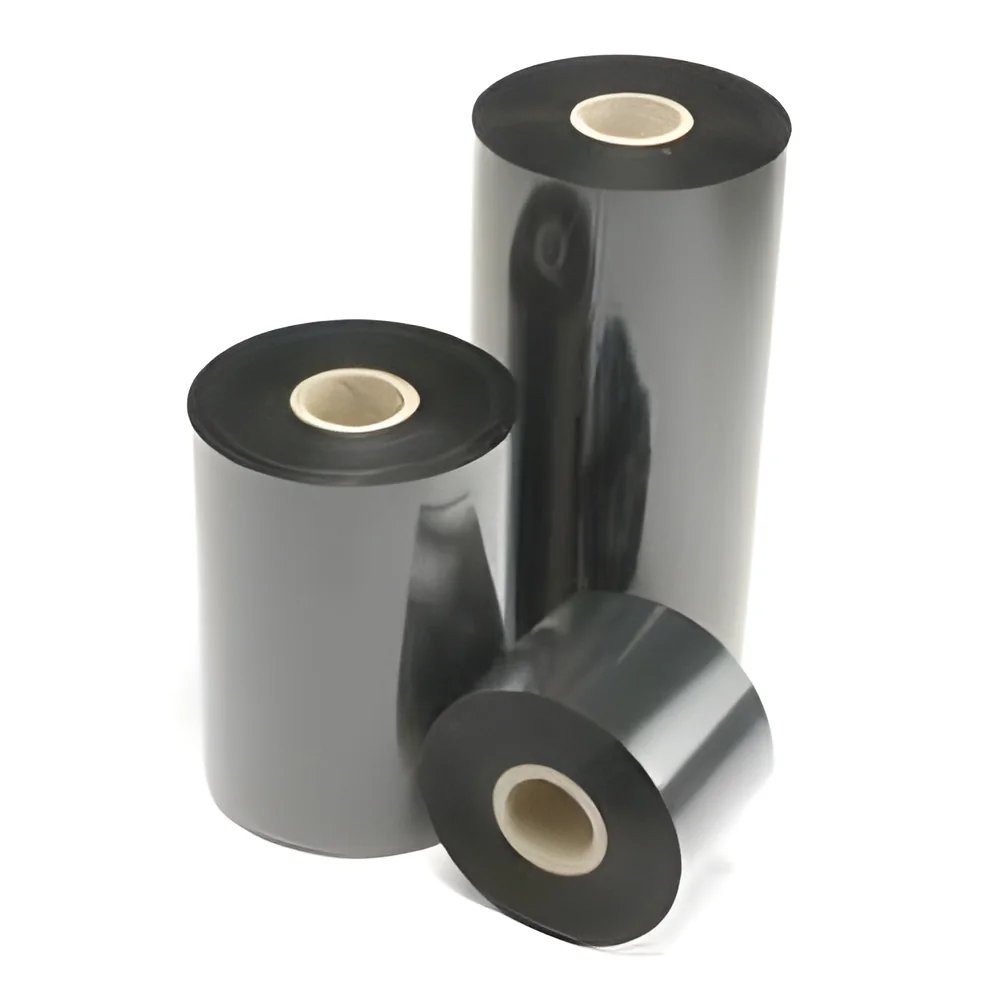
Key Features and Specifications
Thermal Transfer Ribbons are defined by several key features and specifications that impact their performance and suitability for various applications. Understanding these specifications is critical for businesses looking to optimize their printing processes.
Key specifications include:
1. Ribbon Width
- Available in various widths to accommodate different printer models and label sizes.
- Common widths range from 1 inch to 10 inches.
2. Ribbon Length
- Offered in different lengths to suit production needs and reduce frequent replacements.
- Standard lengths typically range from 150 meters to 600 meters.
3. Ink Formulation
- Available in wax, resin, or a combination of both to meet different printing requirements.
- Wax ribbons are ideal for paper labels, while resin ribbons provide durability on synthetic materials.
4. Print Resolution
- Compatible with printers that can achieve resolutions from 203 dpi up to 600 dpi.
- Higher resolutions enhance print clarity and detail.
5. Core Size
- Standard core sizes include 0.5 inches and 1 inch, influencing compatibility with different printers.
6. Operating Temperature
- Designed to perform efficiently in a range of temperatures.
- Typically functional within a temperature range of -20°C to 70°C.
7. Environmental Resistance
- Some ribbons are designed to be resistant to chemicals, moisture, and abrasion.
- Important for applications in harsh environments.
8. Shelf Life
- TTRs usually have a shelf life of 12 to 24 months, depending on storage conditions.
In summary, understanding these features and specifications helps businesses select the appropriate Thermal Transfer Ribbons for their specific printing needs and ensures optimal performance.
Common Applications and Use Cases
Thermal Transfer Ribbons are utilized across various industries, each with unique printing requirements.
1. Logistics: TTRs are used for shipping labels that require barcodes and tracking information, ensuring efficient logistics management.
2. Retail: In retail environments, TTRs are employed for price tags and product labels, aiding in inventory management and customer information.
3. Manufacturing: TTRs facilitate labeling of products and components with crucial information such as serial numbers and manufacturing dates.
4. Healthcare: In medical settings, TTRs are essential for printing patient labels and medication tracking, ensuring accuracy and safety.
5. Food and Beverage: TTRs help in printing labels that comply with regulatory requirements, including expiration dates and nutritional information.
6. Electronics: In the electronics sector, TTRs are used for labeling components and products, ensuring proper identification and traceability.
7. Pharmaceuticals: TTRs play a critical role in labeling medication packaging, providing necessary compliance and safety information.
Product Variants and Subcategories
Thermal Transfer Ribbons come in various types to meet different printing needs.
Wax Ribbons: These ribbons are primarily made from wax-based ink and are ideal for printing on paper labels. They produce high-quality prints that are suitable for indoor use and are cost-effective.
Resin Ribbons: Made from resin-based ink, these ribbons are designed for high durability and resistance to chemicals and abrasions. They are perfect for synthetic labels used in harsh environments.
Wax-Resin Ribbons: A hybrid option that combines the qualities of both wax and resin. These ribbons offer a balance of quality and durability, making them suitable for a wide range of applications.
Benefits and Advantages
Thermal Transfer Ribbons provide numerous benefits that make them a preferred choice for businesses.
1. High Print Quality: TTRs produce sharp and clear images, enhancing the readability of labels and barcodes.
2. Durability: These ribbons offer excellent resistance to wear, chemicals, and environmental factors, ensuring that prints remain intact over time.
3. Versatility: Available in various formulations and sizes, TTRs can be tailored to different materials and applications.
4. Cost-Effectiveness: TTRs are economical, particularly in high-volume printing situations, helping businesses manage costs effectively.
5. Easy to Use: Designed for straightforward installation, TTRs minimize downtime and streamline the printing process.
6. Consistent Performance: TTRs deliver reliable results across different printer models, ensuring uniform quality in printing.
Buying Guide for B2B Buyers
When sourcing Thermal Transfer Ribbons (TTR), it is crucial for businesses to consider several factors to make informed decisions.
1. Quality Assessment: Look for ribbons that meet industry standards for print quality and durability. Verify if the supplier provides samples for testing.
2. Supplier Verification: Ensure that the supplier has a good reputation and proven track record in the industry. Check for customer reviews and feedback.
3. Pricing and MOQ: Compare prices among different suppliers while considering the minimum order quantity (MOQ) to find the best deal that fits your business needs.
4. Delivery and Lead Times: Assess the supplier's ability to deliver on time, especially for urgent orders. Inquire about shipping options and logistics.
5. Compliance Requirements: Confirm that the TTRs comply with relevant industry regulations and standards to avoid issues in your operations.
Compliance and Certifications
Thermal Transfer Ribbons must adhere to various quality standards and certifications to ensure they meet industry requirements.
ISO 9001 is a widely recognized standard that focuses on quality management systems. TTR suppliers should comply with this standard to guarantee consistent product quality.
CE certification indicates that the product meets European safety, health, and environmental protection standards. This certification is crucial for businesses operating in or exporting to Europe.
Additionally, TTRs may need to meet specific testing requirements to ensure safety and performance. Compliance with regional regulations is essential, particularly for industries such as food and healthcare that have strict guidelines.
Why Source Thermal Transfer Ribbons (TTR) from Pepagora?
Pepagora provides a trusted platform for sourcing Thermal Transfer Ribbons (TTR) with several key advantages.
Verified Supplier Network: Pepagora connects buyers with a network of verified suppliers, ensuring that the products meet high standards of quality and reliability.
Streamlined RFQ Process: The Request for Quotation (RFQ) process at Pepagora simplifies sourcing, allowing businesses to compare multiple options easily and choose the best fit.
Trade Assurance and Support: Buyers benefit from trade assurance, which offers protection against non-delivery or substandard products. This added layer of security fosters confidence in purchasing decisions.
Regional Coverage: With a strong presence in India, the GCC, and Southeast Asia, Pepagora provides extensive geographic reach, making it easier for businesses to find local suppliers and reduce shipping times.

 IN
IN