What are Screen Printing Inks?
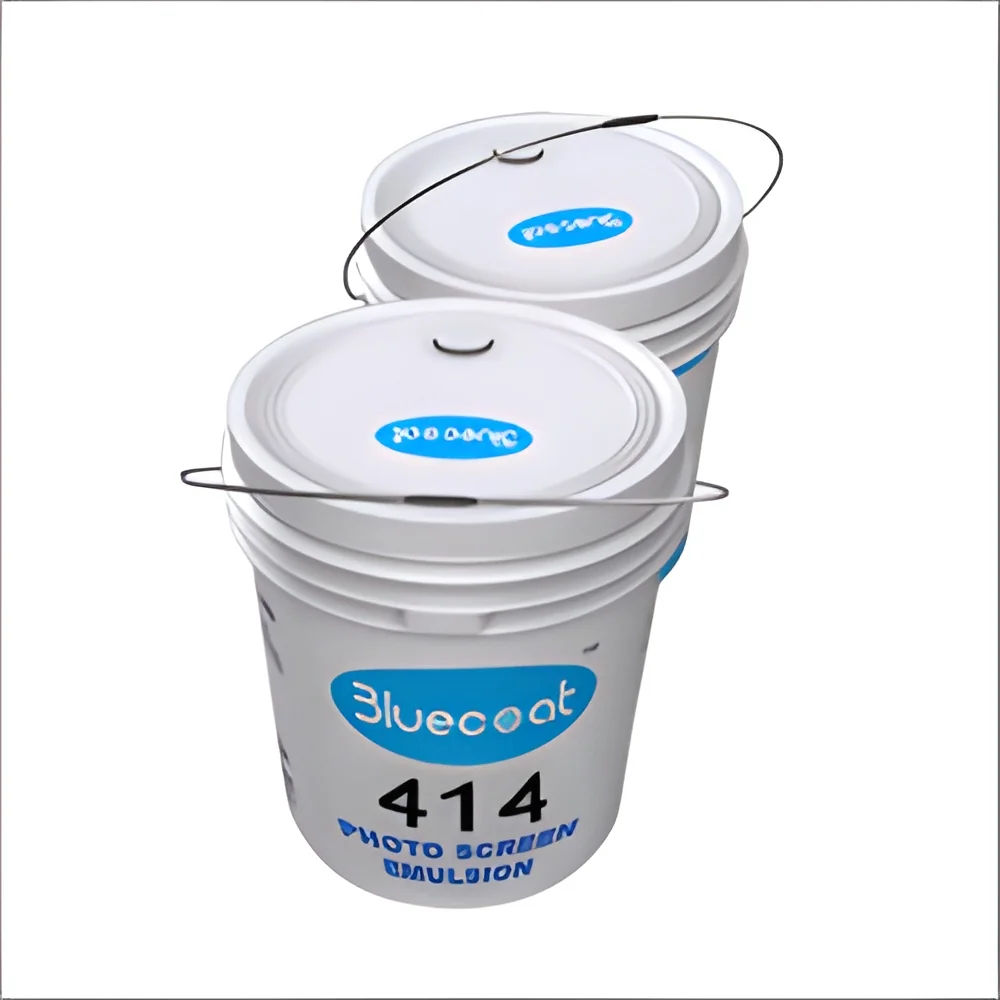
Screen printing inks are specialized formulations designed for use in the screen printing process, a popular method for transferring designs onto a variety of substrates. These inks are typically composed of pigments, resins, and solvents, which together create a durable and vibrant print. The inks are applied through a mesh screen, with a stenciled design that allows the ink to pass through in specific areas, creating the desired image.
Screen printing inks find primary applications across numerous industries, including textiles, packaging, and promotional products. Businesses leverage these inks to produce high-quality prints on materials like fabric, paper, plastic, and metal. The versatility and effectiveness of screen printing inks make them essential for companies aiming to create visually appealing products that stand out in the market.
In terms of industry relevance, the market for screen printing inks is growing, driven by increased demand for customized products and branding solutions. With the rise of e-commerce and personalization trends, businesses are investing in screen printing technologies and inks to meet the evolving needs of consumers. As a result, suppliers of screen printing inks are positioned to play a crucial role in supporting these market trends.
Key Features and Specifications
Screen printing inks come with a variety of features and specifications that cater to different printing needs. Proper understanding of these specifications can help businesses select the right ink for their applications.
Key specifications include:
1. Viscosity
- The thickness of the ink, affecting how it flows through the screen.
- Common viscosity ranges suitable for various substrates.
2. Pigment Concentration
- The amount of pigment in the ink, which influences color vibrancy.
- Higher concentrations lead to more vivid colors.
3. Drying Time
- The time it takes for the ink to dry after application.
- Ranges from fast-drying formulations to slower-drying options for specific applications.
4. Adhesion Properties
- The ability of the ink to bond with different materials.
- Important for ensuring durability and resistance to wear.
5. Flexibility
- The degree to which the ink can stretch without cracking.
- Essential for fabrics that may undergo movement or stretching.
6. Resistance to Chemicals
- Indicates how well the ink withstands exposure to various chemicals.
- Important for products that may be used in challenging environments.
7. Lightfastness
- The ability of the ink to resist fading when exposed to sunlight.
- Critical for outdoor applications.
8. Environmental Compliance
- Adherence to environmental regulations regarding solvent emissions.
- Many inks are now formulated to be eco-friendly.
In summary, understanding the key specifications of screen printing inks helps businesses make informed decisions that align with their production needs and quality standards.
Common Applications and Use Cases
Screen printing inks are utilized in a wide range of industries, each with unique applications.
1. Textiles: Screen printing is extensively used to print designs on clothing and accessories, allowing for vibrant colors and intricate patterns.
2. Packaging: Many companies employ screen printing inks for packaging materials, providing eye-catching designs that enhance product visibility on shelves.
3. Promotional Products: Items such as mugs, pens, and tote bags are often screen printed, making them popular choices for branding and marketing campaigns.
4. Electronics: Screen printing inks are used on circuit boards and other electronic components to create conductive pathways.
5. Signage: Businesses utilize screen printing inks for creating durable outdoor signs that can withstand harsh weather conditions.
6. Automotive: Screen printing is used for branding and decorative elements on various automotive parts and accessories.
7. Home Decor: Items such as wall art and decorative textiles often feature screen printed designs, appealing to consumers seeking unique home aesthetics.
Product Variants and Subcategories
Screen printing inks come in various types, each designed for specific uses and applications. This diversity allows businesses to select the most appropriate ink for their needs.
Water-Based Inks: These inks are environmentally friendly and ideal for printing on textiles. They provide excellent color vibrancy and softness, making them popular in the fashion industry.
Plastisol Inks: Widely used in the textile industry, plastisol inks are known for their durability and ease of use. They do not dry until cured, allowing for longer working times during printing.
Solvent-Based Inks: These inks are suitable for printing on non-porous surfaces like plastic and metal. They offer strong adhesion and are ideal for outdoor applications.
UV Inks: UV-curable inks are used for printing on various substrates and cure quickly when exposed to UV light. They are known for their high gloss and durability.
Benefits and Advantages
Choosing the right screen printing inks offers numerous advantages for businesses.
1. High Quality Prints: Screen printing inks provide vibrant colors and sharp details, enhancing the overall quality of the printed product.
2. Versatility: These inks can be used on a wide range of materials, including textiles, plastics, and metals, making them suitable for various applications.
3. Durability: Screen printing inks are designed to withstand wear and tear, ensuring that prints remain intact even under challenging conditions.
4. Customization: Businesses can create unique designs and colors, allowing for personalized products that meet specific customer demands.
5. Cost-Effectiveness: When produced in bulk, screen printing inks can be a cost-effective solution for high-volume printing needs.
6. Eco-Friendly Options: Many suppliers offer environmentally friendly inks, allowing companies to align with sustainability goals.
Buying Guide for B2B Buyers
When sourcing screen printing inks, B2B buyers should consider several key factors to ensure they receive the best product for their needs.
1. Quality Assessment: It is vital to evaluate the quality of the inks, looking for certifications and testing results that demonstrate performance and reliability.
2. Supplier Verification: Vetting suppliers for their reputation and reliability is essential. Buyers should look for established companies with positive reviews and proven track records.
3. Pricing and MOQ: Understanding pricing structures and minimum order quantities helps buyers budget appropriately and avoid unexpected costs.
4. Delivery and Lead Times: Buyers should inquire about delivery schedules and lead times to ensure they can meet their production deadlines.
5. Compliance Requirements: Awareness of any regulatory requirements related to the inks, such as safety and environmental regulations, is critical for compliance.
Compliance and Certifications
Screen printing inks must adhere to various quality standards and certifications to ensure safety and performance. Relevant standards include ISO 9001, which denotes a focus on quality management systems. Compliance with the CE marking indicates that the inks meet European safety and health standards.
Additionally, safety and testing requirements are essential to ensure that the inks do not pose risks to users or the environment. Manufacturers must also consider regional compliance, as regulations may vary by location. Companies should stay informed about specific requirements in their target markets to ensure their products remain compliant.
Why Source Screen Printing Inks from Pepagora?
Pepagora provides a trusted platform for sourcing screen printing inks, offering several key advantages to B2B buyers.
Verified Supplier Network: Pepagora has a robust network of verified suppliers, ensuring that buyers can trust the quality and reliability of the inks they purchase. This network helps streamline the sourcing process, reducing the risk associated with finding new suppliers.
Streamlined RFQ Process: The platform features an efficient request for quotation (RFQ) system that simplifies the quotation process. Buyers can easily request quotes from multiple suppliers, enabling them to compare pricing and specifications quickly.
Trade Assurance and Support: Pepagora offers trade assurance and support, providing buyers with protection against potential issues during the purchasing process. This support enhances buyer confidence and promotes smooth transactions.
Regional Coverage: With a focus on regions such as India, the GCC, and Southeast Asia, Pepagora is well-positioned to serve a diverse range of businesses. This geographic reach allows buyers to access high-quality screen printing inks tailored to their specific markets and needs.

 IN
IN