What are Solvent-Based Inks?
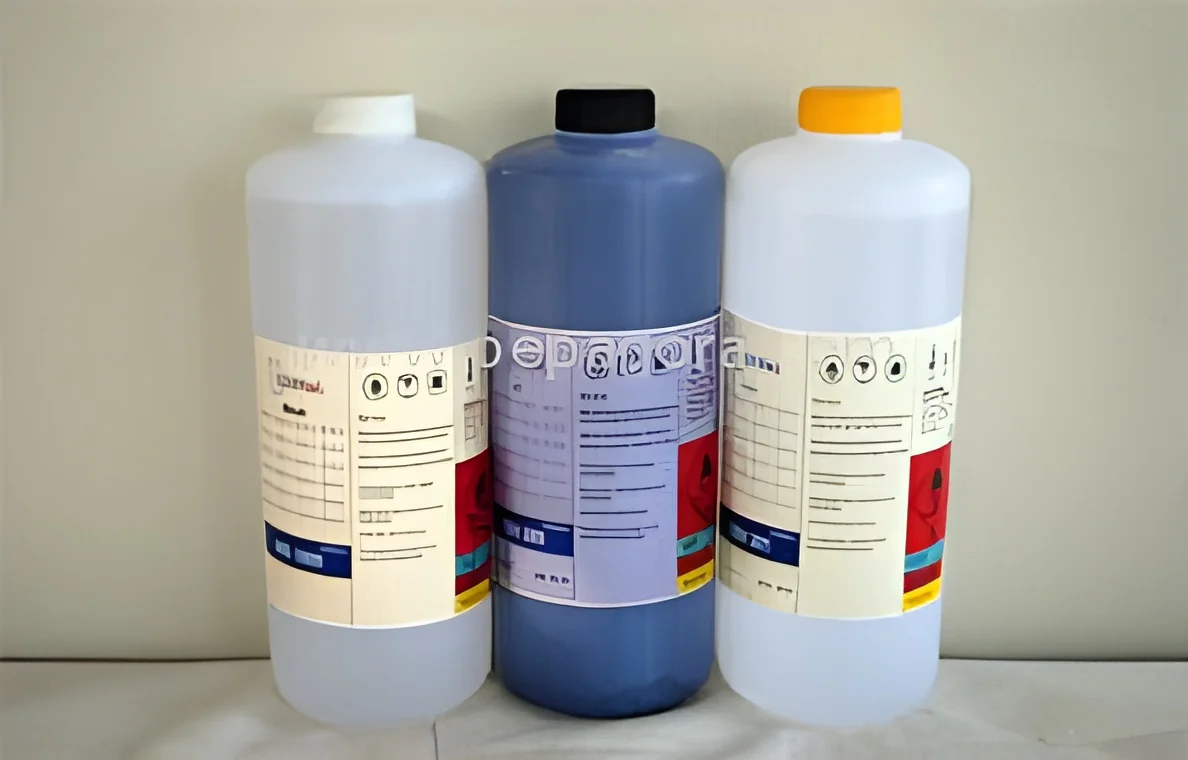
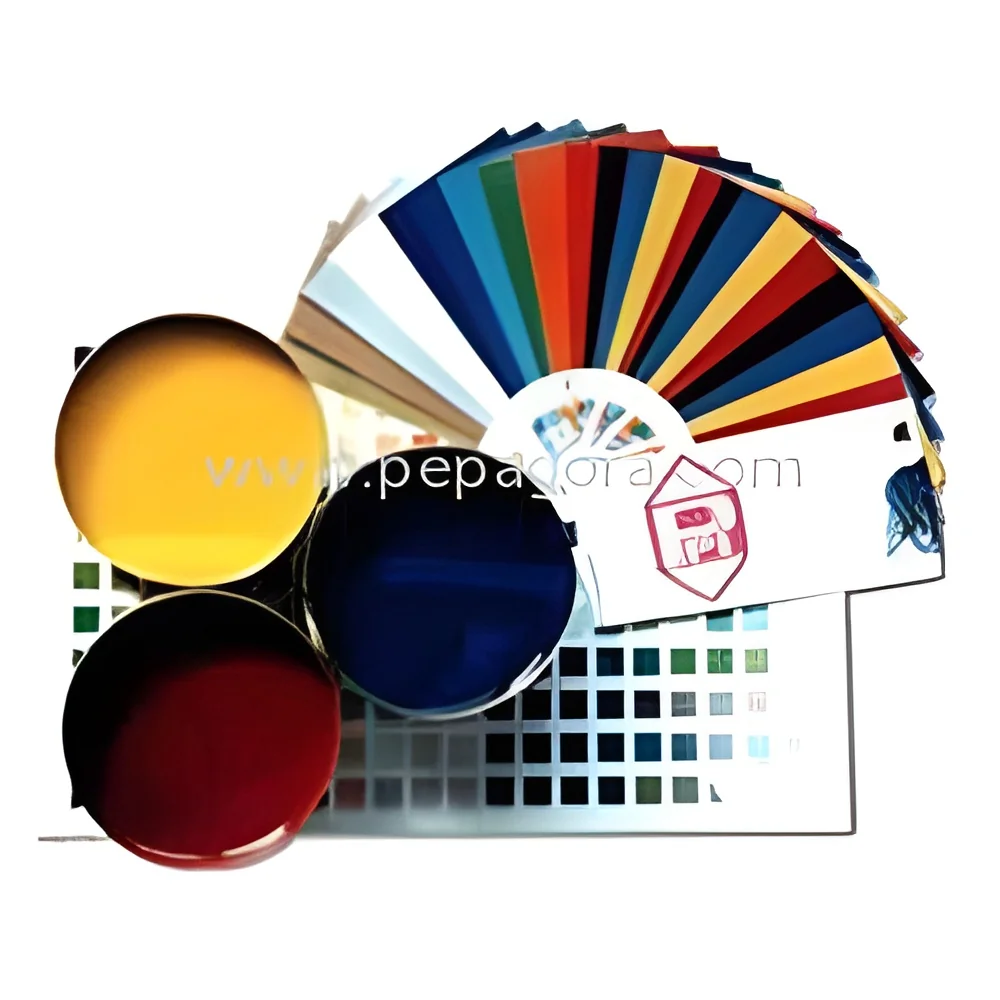
Solvent-based inks are a type of printing ink that uses organic solvents as the primary vehicle for carrying the color pigments. These inks are known for their versatility and durability, making them suitable for various printing applications. The solvents evaporate during the drying process, leaving behind a vibrant and resilient ink film. This type of ink is commonly used in the production of high-quality graphics and labels, as well as in industrial applications where durability is critical.
The primary uses of solvent-based inks include packaging, signage, and textile printing. Businesses in industries such as advertising, manufacturing, and packaging often choose these inks for their ability to adhere to a wide range of substrates, including plastics, metals, and paper. The market for solvent-based inks is expanding as more companies seek reliable solutions for their printing needs, driven by demands for high-quality output and faster production times.
In terms of industry relevance, solvent-based inks are often preferred in sectors that require long-lasting and weather-resistant prints. The market continues to evolve, with innovations aimed at reducing environmental impact while maintaining performance standards.
Key Features and Specifications
Solvent-based inks come with several key features that make them a preferred choice in various industries. Their unique formulation allows for quick drying times, excellent adhesion, and resistance to fading and environmental factors. Understanding the specifications of these inks is crucial for businesses looking to optimize their printing processes.
Key specifications include:
1. Viscosity
- Determines the flow and application characteristics of the ink.
- Typically ranges from 20 to 40 seconds in a Ford cup.
2. Color Gamut
- Refers to the range of colors that can be produced.
- Wide color gamut ensures vibrant and accurate color reproduction.
3. Adhesion Properties
- Indicates how well the ink adheres to different surfaces.
- Excellent adhesion on non-porous substrates.
4. Drying Time
- The time taken for the ink to become touch dry.
- Usually ranges from 5 to 30 minutes depending on environmental conditions.
5. Chemical Resistance
- The ink's ability to withstand exposure to various chemicals.
- Resistant to many solvents and cleaning agents.
6. UV Resistance
- Helps maintain color integrity when exposed to sunlight.
- Formulated to prevent fading during outdoor use.
7. Environmental Compliance
- Adheres to specific environmental regulations.
- Many products are designed to meet low VOC standards.
8. Shelf Life
- Indicates how long the ink remains usable without degradation.
- Typically lasts from 6 months to 1 year when stored properly.
These specifications help businesses select the right solvent-based inks for their specific applications, ensuring optimal performance.
Common Applications and Use Cases
Solvent-based inks are employed across a variety of industries, thanks to their versatility and effectiveness.
1. Packaging Industry: These inks are widely used for flexible packaging materials, providing vibrant colors and durability essential for product branding.
2. Signage: Solvent-based inks are ideal for outdoor signage due to their resistance to fading and environmental factors, maintaining visibility and aesthetics over time.
3. Textile Printing: In the textile industry, these inks are used for printing on synthetic fabrics, offering bright colors and excellent wash fastness.
4. Labels and Tags: High-quality labels produced with solvent-based inks ensure high clarity and durability, essential for product identification and branding.
5. Graphic Arts: The graphic arts sector utilizes these inks for high-resolution printing, benefiting from their color accuracy and quick drying properties.
6. Industrial Applications: In industrial settings, these inks are used for marking and coding products, providing reliable performance in harsh conditions.
7. Automotive: Solvent-based inks are used in the automotive industry for durable finishes on various components, ensuring long-lasting quality.
Product Variants and Subcategories
Solvent-based inks come in various formulations to meet specific needs across different applications.
Standard Solvent-Based Inks: This is the most common variant, suitable for general printing tasks. They offer excellent adhesion and vibrant colors, making them ideal for signage and packaging.
Eco-Solvent Inks: Designed to be more environmentally friendly, these inks have lower VOC content. They are often used in indoor applications where reduced emissions are a priority.
Ultra-Solvent Inks: These inks are formulated for high-performance applications, providing exceptional durability and weather resistance. They are ideal for outdoor signage and long-lasting graphics.
Benefits and Advantages
Choosing solvent-based inks provides several advantages for businesses looking to enhance their printing capabilities.
1. Durability: Solvent-based inks are resistant to fading and environmental wear, ensuring long-lasting prints.
2. Versatility: These inks can be used on various substrates, including plastics, metals, and textiles, making them suitable for multiple applications.
3. Quick Drying: The fast drying time of solvent-based inks allows for increased production efficiency and quicker turnaround times.
4. High Color Quality: They provide vibrant colors and excellent print quality, enhancing the visual appeal of products.
5. Strong Adhesion: Solvent-based inks adhere well to non-porous surfaces, which is essential for many industrial applications.
6. Cost-Effectiveness: The longevity and quality of prints can lead to reduced costs in terms of reprints and replacements.
Buying Guide for B2B Buyers
When sourcing solvent-based inks, businesses should consider several critical factors to ensure they select the right product for their needs.
1. Quality Assessment: Evaluate the ink's performance characteristics, including adhesion, drying time, and color fidelity. Test samples should be requested to ensure compatibility with specific applications.
2. Supplier Verification: It is crucial to vet suppliers for reliability and quality. Look for companies with positive customer reviews and a proven track record in the industry.
3. Pricing and MOQ: Understand the pricing structure and minimum order quantities. This can vary significantly between suppliers, so it is important to compare options.
4. Delivery and Lead Times: Assess the logistics capabilities of suppliers, including their ability to meet delivery deadlines and manage lead times effectively.
5. Compliance Requirements: Ensure that the inks meet necessary regulatory standards, including environmental and safety guidelines, to avoid compliance issues down the line.
Compliance and Certifications
Compliance with quality standards and certifications is essential for solvent-based inks to ensure safety and performance.
Many solvent-based inks adhere to relevant quality standards such as ISO 9001, which focuses on consistent quality management systems. This certification assures businesses that the products they are using meet international quality benchmarks.
Furthermore, industry certifications like CE indicate that the inks comply with European safety and performance standards. This is particularly important for companies operating in regulated markets.
Safety and testing requirements also play a significant role. Solvent-based inks must undergo rigorous testing to ensure they are safe for use and do not pose health risks to workers or consumers.
Regional compliance considerations may vary, so businesses should be aware of local regulations regarding VOC emissions and other environmental factors when selecting solvent-based inks.
Why Source Solvent-Based Inks from Pepagora?
Pepagora offers a reliable platform for sourcing solvent-based inks, providing several key advantages for B2B buyers.
Verified Supplier Network: Pepagora connects businesses with a network of verified suppliers, ensuring that buyers can source high-quality inks from reputable manufacturers. This reduces the risk of purchasing substandard products.
Streamlined RFQ Process: The request for quotation (RFQ) process on Pepagora is designed to be straightforward, allowing buyers to easily compare offerings from multiple suppliers. This helps businesses make informed purchasing decisions.
Trade Assurance and Support: Pepagora provides trade assurance, protecting buyers against issues such as order discrepancies and delays. This support enhances confidence in sourcing decisions and fosters a smoother procurement experience.
Regional Coverage: With a focus on regions like India, the GCC, and Southeast Asia, Pepagora ensures that businesses can access solvent-based inks tailored to their specific regional needs, including compliance with local regulations.
By choosing Pepagora, businesses can benefit from a comprehensive sourcing solution that prioritizes quality, efficiency, and regional relevance in the procurement of solvent-based inks.

 IN
IN