What are Industrial Coding & Marking Inks?
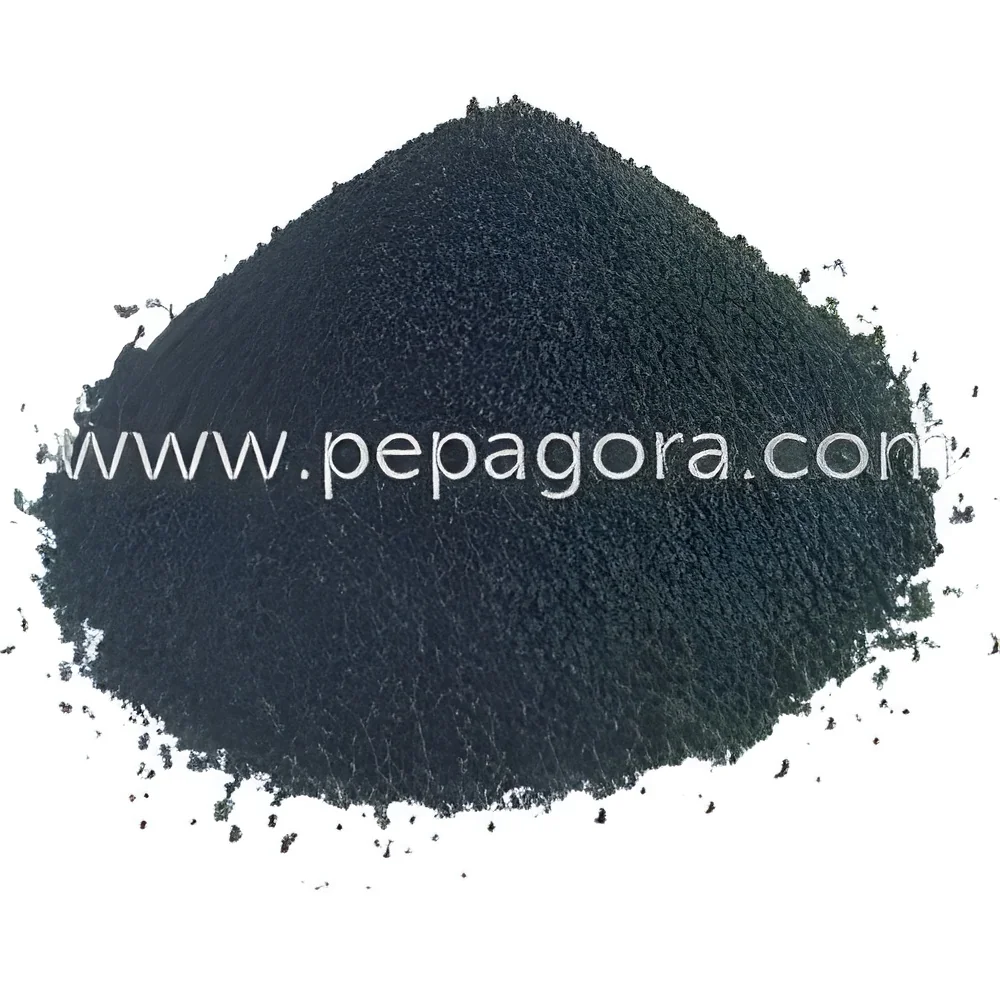
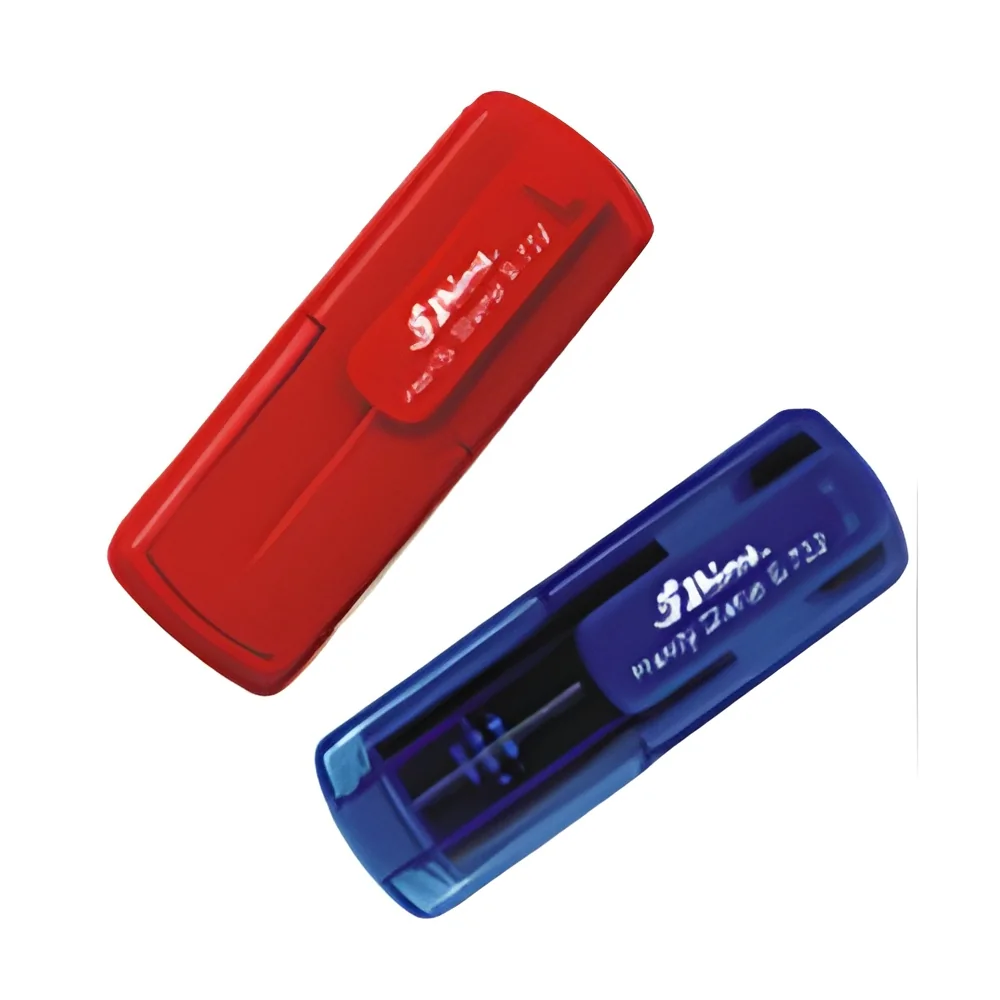
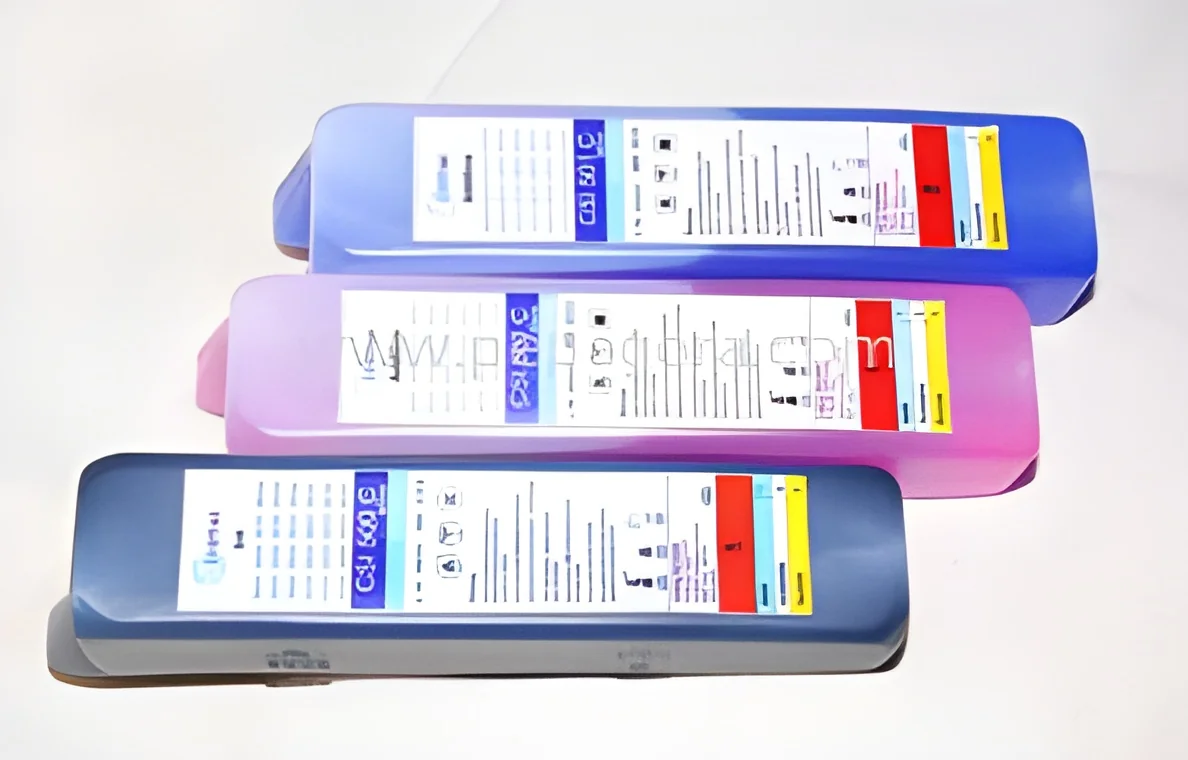
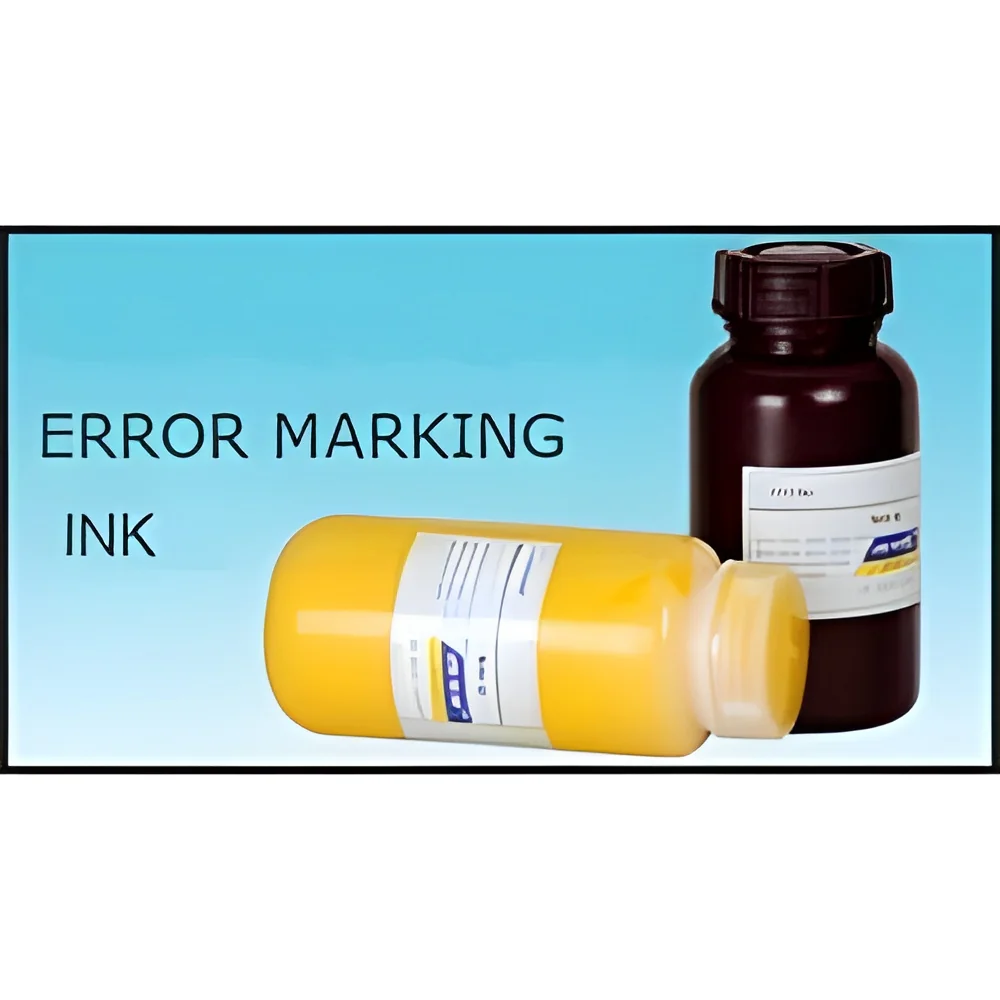
Industrial Coding and Marking Inks are specialized inks designed for printing essential information on products and packaging. They are used to apply codes, dates, barcodes, and other critical markings that help in identifying, tracking, and verifying products throughout the supply chain. These inks ensure that information remains legible and durable under varying environmental conditions.
These inks are utilized across numerous industries, including food and beverage, pharmaceuticals, automotive, and consumer goods. Their primary purpose is to provide clear, permanent markings that comply with industry regulations and standards. Businesses rely on coding and marking inks to enhance product traceability, reduce errors in production, and ensure compliance with safety standards.
As industries continue to evolve, the demand for reliable and efficient coding and marking solutions has grown. This market is driven by the need for improved product identification, inventory management, and adherence to regulatory requirements. The advancement of printing technologies and the introduction of eco-friendly inks further underscore the importance of these products in modern manufacturing.
Key Features and Specifications
Industrial Coding and Marking Inks come with a variety of features that cater to different printing needs. These inks are formulated to provide high-quality prints that can withstand various conditions. Understanding the specifications is crucial for selecting the right ink for specific applications.
Key specifications include:
1. Ink Type
- Common types include solvent-based, water-based, and UV-curable inks.
- Each type has unique properties suitable for specific substrates and environments.
2. Drying Time
- Varies based on ink type and application method.
- Typically ranges from seconds to minutes, impacting production speed.
3. Adhesion Properties
- Strong adhesion to various substrates, including plastics, metals, and paper.
- Ensures markings remain intact through handling and environmental exposure.
4. Color Availability
- Available in a wide range of colors to meet branding and regulatory needs.
- Custom color matching may also be available.
5. Environmental Compliance
- Many inks are formulated to meet environmental regulations such as VOC limits.
- Eco-friendly options are increasingly popular among manufacturers.
6. Shelf Life
- Varies by ink formulation but typically ranges from 6 months to several years.
- Proper storage conditions can extend shelf life.
7. Print Resolution
- Capable of producing high-resolution prints for detailed information.
- Important for barcodes and small text.
8. Temperature Resistance
- Formulated to withstand various temperatures during storage and transport.
- Critical for applications in extreme environments.
In summary, choosing the right coding and marking ink involves understanding these key specifications to ensure optimal performance for specific applications.
Common Applications and Use Cases
Industrial Coding and Marking Inks have a wide range of applications across diverse industries. These inks are essential for maintaining product integrity and compliance.
1. Food and Beverage: In this industry, inks are used for printing expiration dates, batch codes, and nutritional information on packaging. The inks must meet strict food safety standards.
2. Pharmaceuticals: In pharmaceutical manufacturing, coding inks are critical for labeling medicines with important details such as dosage information and tracking codes for traceability.
3. Automotive: In the automotive sector, inks are used to mark parts and components with serial numbers and compliance labels, aiding in quality control and inventory management.
4. Electronics: In the electronics industry, inks are applied to circuit boards and packaging to indicate product specifications and safety certifications.
5. Consumer Goods: Inks are used for branding and product information on various consumer goods packaging, ensuring compliance with labeling regulations.
6. Cosmetics: In the cosmetics industry, coding inks are utilized for marking product details and batch information, which is crucial for consumer safety.
7. Chemicals: In chemical manufacturing, inks are essential for labeling hazardous materials with proper warnings and handling instructions.
Product Variants and Subcategories
Industrial Coding and Marking Inks come in various formulations to meet diverse application requirements. This diversity allows businesses to select the most suitable ink for their specific needs.
Solvent-Based Inks: These inks are ideal for non-porous surfaces and provide excellent adhesion and durability. They are commonly used in industries where exposure to moisture and chemicals is a concern.
Water-Based Inks: Suitable for porous surfaces, these inks are environmentally friendly and often preferred in food packaging and other applications where safety is paramount.
UV-Curable Inks: These inks cure quickly under UV light, providing high durability and resistance to fading. They are commonly used in high-speed printing environments.
Benefits and Advantages
Utilizing Industrial Coding and Marking Inks offers numerous benefits that can enhance operational efficiency and product integrity.
1. Enhanced Traceability: These inks allow for clear and durable markings, facilitating better product tracking through the supply chain.
2. Regulatory Compliance: Using the right inks helps businesses meet industry standards and regulatory requirements, reducing the risk of fines.
3. Improved Efficiency: Fast-drying inks enhance production speed, allowing for quicker turnaround times in manufacturing processes.
4. Versatile Applications: These inks can be used on various substrates, making them suitable for multiple industries and applications.
5. Durability: Industrial inks are designed to withstand harsh conditions, ensuring that markings remain legible throughout the product’s life cycle.
6. Cost-Effectiveness: Investing in high-quality inks can reduce rework and waste, leading to overall cost savings in production.
Buying Guide for B2B Buyers
When sourcing Industrial Coding and Marking Inks, there are several factors to consider to ensure you make informed purchasing decisions.
1. Quality Assessment: Evaluate the quality of inks by reviewing manufacturer specifications and performance data. Look for products that meet relevant industry standards to ensure reliability.
2. Supplier Verification: Vet suppliers thoroughly by checking their certifications, reputation, and customer reviews. A reliable supplier can provide consistent quality and timely delivery.
3. Pricing and MOQ: Understand pricing structures and minimum order quantities (MOQ) to align with your budget and production needs. Compare prices across different suppliers to find competitive rates.
4. Delivery and Lead Times: Consider logistics and delivery times when placing orders. Ensure that the supplier can meet your schedule to avoid production delays.
5. Compliance Requirements: Verify that the inks meet any industry-specific compliance and safety regulations. This is particularly important in regulated industries such as food and pharmaceuticals.
Compliance and Certifications
Industrial Coding and Marking Inks are subject to various compliance and certification standards that ensure their quality and safety in different applications.
Relevant quality standards such as ISO 9001 govern the quality management systems of manufacturers, ensuring consistency in production processes and product quality. Compliance with HACCP and GDP standards is crucial in industries like food and pharmaceuticals, where product safety is paramount.
Industry certifications, including CE marking, indicate that products meet European health, safety, and environmental protection standards. These certifications provide assurance to customers regarding the safety and efficacy of the inks.
Safety and testing requirements are also vital, as they ensure that inks do not pose health risks to users or consumers. Manufacturers must adhere to these regulations to avoid legal repercussions.
Regional compliance considerations vary, with different countries having specific regulations regarding chemical content and labeling. Businesses should ensure that their inks meet the necessary local compliance requirements to avoid import/export issues.
Why Source Industrial Coding & Marking Inks from Pepagora?
Pepagora provides a trusted platform for sourcing Industrial Coding and Marking Inks, offering several key advantages to buyers.
Verified Supplier Network: Pepagora ensures that all suppliers are thoroughly vetted, providing buyers with confidence in the quality and reliability of the inks they purchase.
Streamlined RFQ Process: The platform simplifies the request for quotation (RFQ) process, allowing buyers to easily compare prices and specifications from multiple suppliers in one place.
Trade Assurance and Support: Pepagora offers trade assurance, protecting buyers from potential issues related to delivery and product quality. Their support team is available to assist with any inquiries or concerns.
Regional Coverage: With a strong presence in India, the GCC, and Southeast Asia, Pepagora connects buyers with suppliers in these regions, enhancing accessibility to quality inks tailored to local market needs.

 IN
IN