What are Dye Inks?
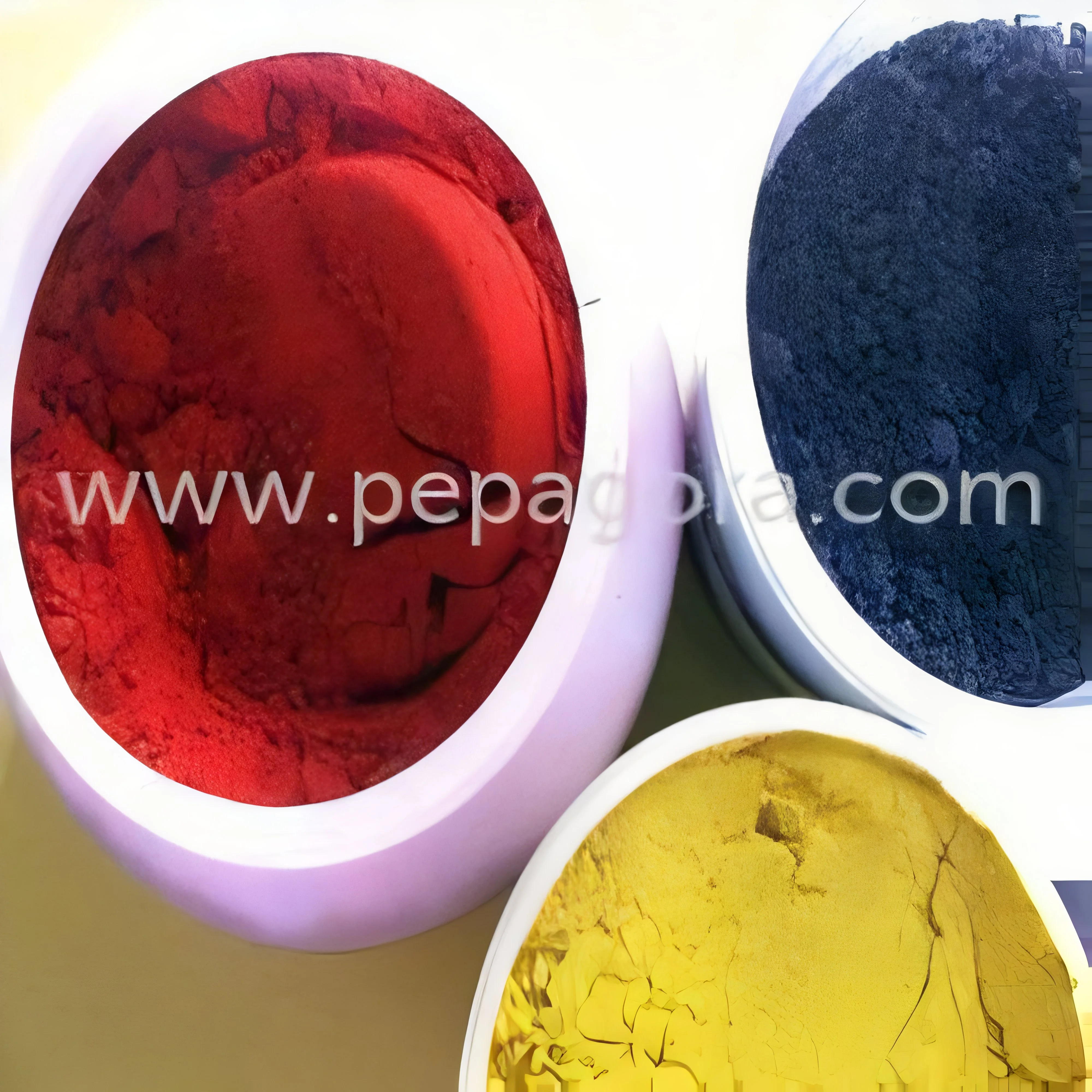
Dye inks are a type of liquid ink made from water-soluble dyes, which are used primarily in inkjet printing applications. Unlike pigment inks, dye inks produce vibrant colors and smooth gradients, making them ideal for high-quality photographic prints and colorful graphics. The dye particles are suspended in a liquid solution, allowing for easy flow through inkjet nozzles. This property enables dye inks to create sharp images with excellent color accuracy.
Dye inks are commonly used in various business applications, including photography, textile printing, and graphic design. They are favored by businesses that require high-quality image reproduction, such as print service providers and marketing agencies. The market for dye inks continues to grow as industries seek to enhance their visual communications through superior print quality. Moreover, advancements in ink technology have led to the development of dye inks that are more environmentally friendly, catering to the increasing demand for sustainable printing solutions.
Key Features and Specifications
Dye inks come with several key features that enhance their usability and performance in various applications. These features are essential for businesses looking to achieve specific printing results.
Key specifications include:
1. Color Vibrancy
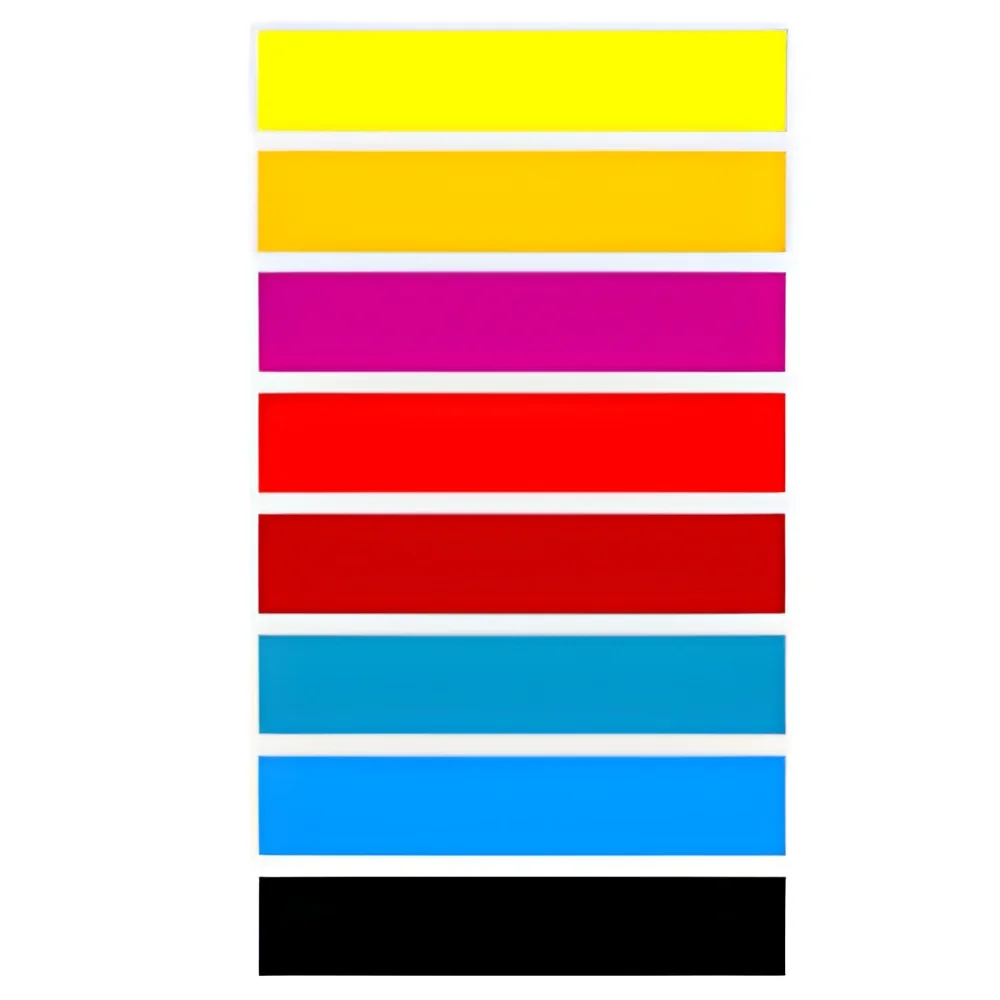
- Dye inks are known for their bright and vivid colors.
- They are ideal for applications requiring high color fidelity.
2. Print Longevity
- While dye inks provide stunning visuals, they may not be as fade-resistant as pigment inks.
- Companies should evaluate expected longevity based on usage.
3. Drying Time
- Dye inks typically have a quick drying time.
- This feature is beneficial for high-volume printing environments.
4. Compatibility
- Dye inks are compatible with a range of inkjet printers.
- Businesses should verify compatibility with their equipment.
5. Environmental Impact
- Many dye inks are formulated to be environmentally friendly.
- Companies may prefer inks with low VOC (volatile organic compounds) content.
6. Cost-Effectiveness
- Dye inks often come at a lower price point compared to pigment inks.
- This can result in reduced overall printing costs for businesses.
7. Customization Options
- Some manufacturers offer custom formulations of dye inks.
- This feature allows businesses to achieve specific color requirements.
8. Packaging Sizes
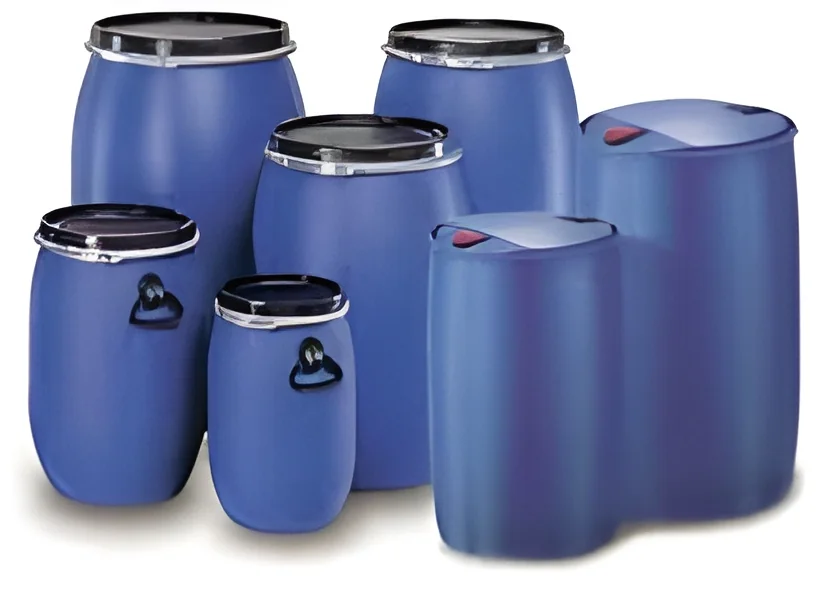
- Dye inks are available in various packaging sizes.
- Businesses can choose sizes that best fit their operational needs.
Dye inks offer a balance of vibrant colors and quick drying features, making them an ideal choice for many printing applications.
Common Applications and Use Cases
Dye inks serve various industries, enabling businesses to achieve high-quality prints across different applications.
1. Photography: Dye inks are extensively used in photo printing due to their ability to reproduce lifelike colors and smooth gradients, making them a popular choice for professional photographers.
2. Textile Printing: In the textile industry, dye inks are utilized for printing on fabrics, particularly for custom apparel and home textiles, allowing for vibrant designs and patterns.
3. Graphic Design: Graphic designers often prefer dye inks for producing colorful marketing materials, including posters, brochures, and banners due to their excellent color reproduction.
4. Fine Art Prints: Artists use dye inks to create fine art reproductions, as the inks can capture the nuances of original artwork with precision.
5. Packaging: Dye inks are used in packaging applications where vibrant colors are essential for branding and product visibility.
6. Labels and Stickers: Businesses use dye inks for printing labels and stickers that require bright colors and detailed graphics, enhancing product appeal.
7. Education and Training Materials: Dye inks are often used in educational materials, such as posters and handouts, where color clarity and visual engagement are crucial.
Product Variants and Subcategories
Dye inks come in various formulations designed to meet specific printing needs.
Standard Dye Inks
Standard dye inks are formulated for general-purpose printing tasks. They offer a wide color gamut and are compatible with many inkjet printers, making them versatile for everyday printing applications.
High-Performance Dye Inks
These inks are developed for specialized applications, providing enhanced color stability and durability. They are ideal for professional photography and fine art printing where top-quality output is essential.
UV-Resistant Dye Inks
UV-resistant dye inks are designed to withstand fading caused by exposure to sunlight. They are particularly suitable for outdoor signage and displays, ensuring that prints maintain their vibrancy over time.
Water-Soluble Dye Inks
These inks are formulated to dissolve easily in water, making them ideal for applications that require easy cleanup and application. They are often used in educational and craft projects.
Benefits and Advantages
Dye inks offer several advantages that make them appealing to businesses across various sectors.
Key benefits include:
1. Vibrant Colors: Dye inks are known for their brilliant colors, which enhance the visual appeal of printed materials.
2. Smooth Gradients: The ability to produce smooth color transitions makes dye inks ideal for photographic and artistic applications.
3. Quick Drying: Dye inks dry quickly, which is beneficial in high-volume printing environments where efficiency is essential.
4. Lower Cost: Compared to pigment inks, dye inks are generally more affordable, leading to cost savings for businesses.
5. Easy to Use: Dye inks are compatible with a wide range of inkjet printers, making them user-friendly for various printing setups.
6. Customization: Many manufacturers offer customization options, allowing businesses to create inks that meet specific color or performance needs.
Buying Guide for B2B Buyers
When sourcing dye inks, it is important for businesses to consider several key factors to ensure they make informed purchasing decisions.
1. Quality Assessment: Evaluate the quality of dye inks by checking for consistency in color and performance. Conduct tests to ensure they meet your specific printing requirements.
2. Supplier Verification: Vet suppliers thoroughly by reviewing their reputation, customer feedback, and certifications to ensure reliability and product quality.
3. Pricing and MOQ: Understand the pricing structure and minimum order quantities (MOQ) of dye inks. Compare offers from multiple suppliers to find the best value.
4. Delivery and Lead Times: Discuss delivery schedules and lead times with suppliers to avoid disruptions in your printing operations.
5. Compliance Requirements: Ensure that the dye inks comply with relevant industry standards and regulations to avoid potential legal issues and ensure safety.
Compliance and Certifications
Dye inks must adhere to several quality standards and certifications to ensure compliance and safety in their applications.
Relevant quality standards include ISO 9001, which outlines requirements for a quality management system, ensuring that products meet customer and regulatory requirements. HACCP (Hazard Analysis Critical Control Point) may also apply in certain industries where safety is a priority.
Industry certifications, such as CE marking, indicate that the product complies with European health, safety, and environmental protection standards.
Safety and testing requirements are essential to ensure that dye inks do not pose any health risks during use. Manufacturers typically conduct rigorous testing for toxicity and environmental impact.
Regional compliance considerations may vary, so businesses should verify that the dye inks meet local regulations in their specific markets.
Why Source Dye Inks from Pepagora?
Pepagora provides a trusted platform for sourcing dye inks, offering several key advantages to B2B buyers.
Verified Supplier Network: Pepagora features a network of verified suppliers, ensuring that buyers have access to quality products from reputable manufacturers. This reduces the risk of purchasing substandard inks.
Streamlined RFQ Process: The request for quotation (RFQ) process on Pepagora is user-friendly, allowing buyers to easily request quotes from multiple suppliers. This competitive environment helps buyers secure the best pricing and terms.
Trade Assurance and Support: Buyers benefit from trade assurance and support services offered by Pepagora, providing added protection and assistance throughout the purchasing process.
Regional Coverage: Pepagora's reach extends across India, the GCC, and Southeast Asia, enabling businesses in these regions to find reliable sources of dye inks tailored to their local needs.
By choosing Pepagora, businesses can simplify their sourcing process and ensure they receive high-quality dye inks that meet their specific requirements.

 IN
IN