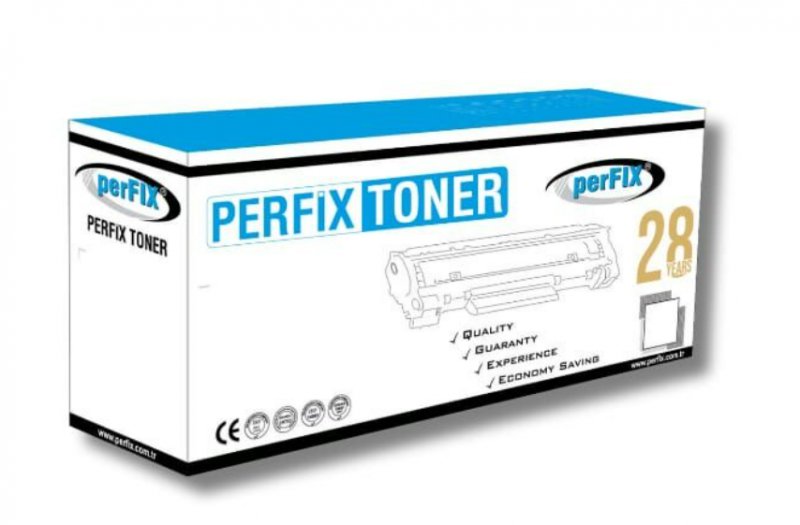
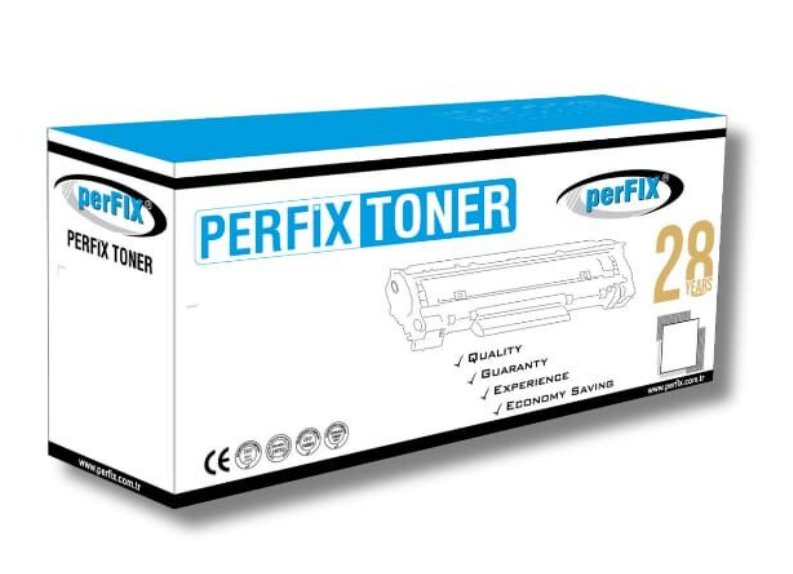
What are Toner Cartridges (OEM & Compatible)?
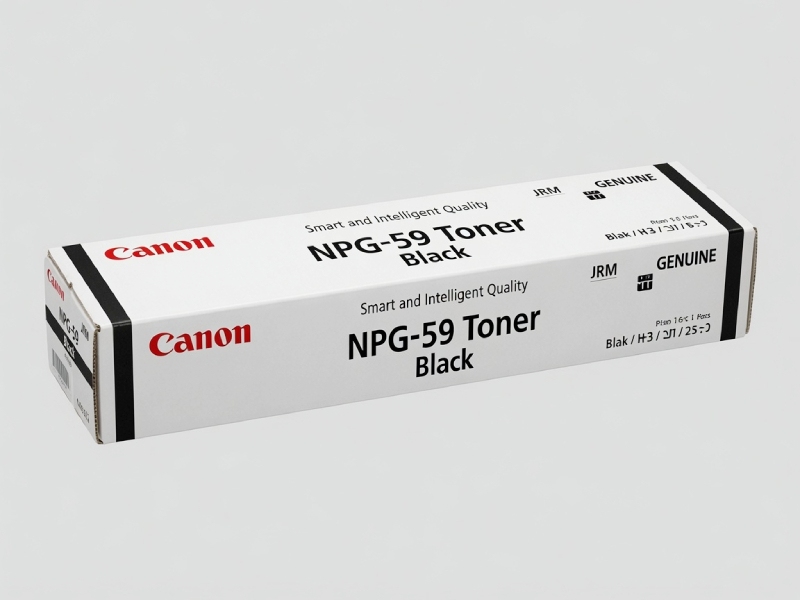
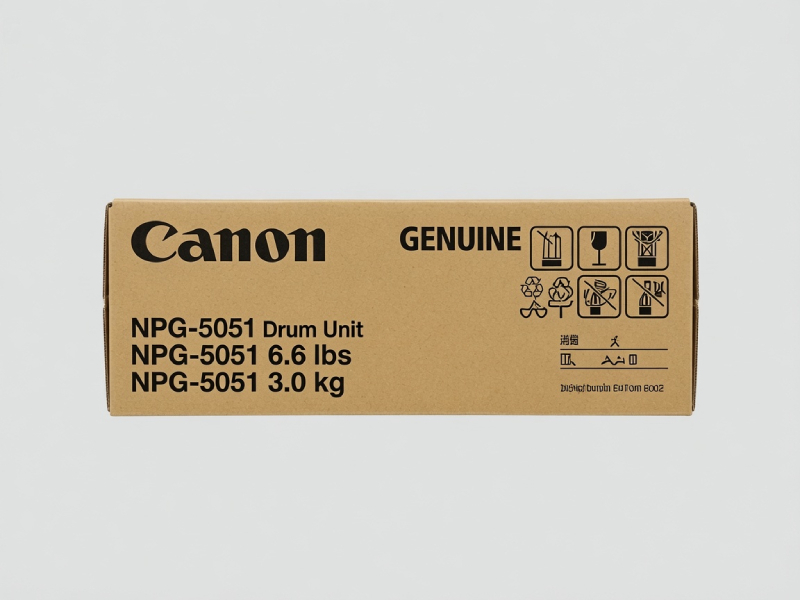
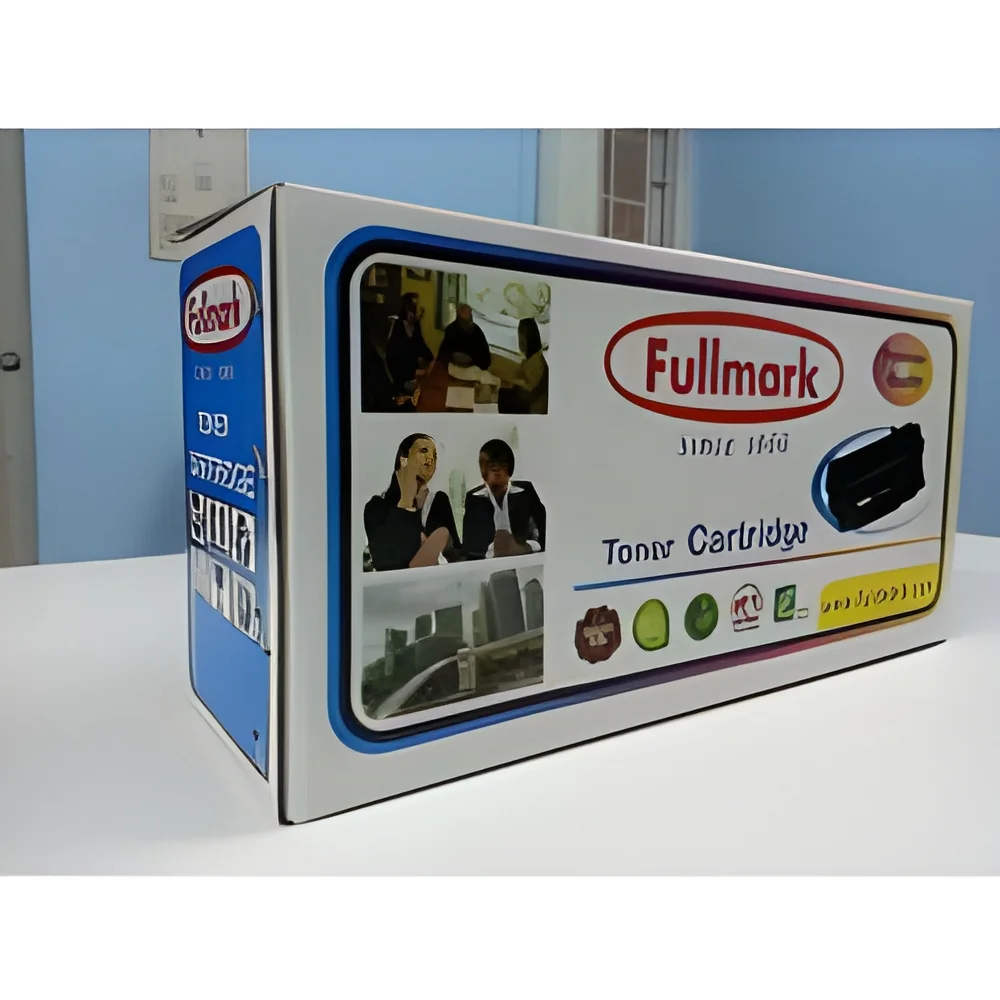
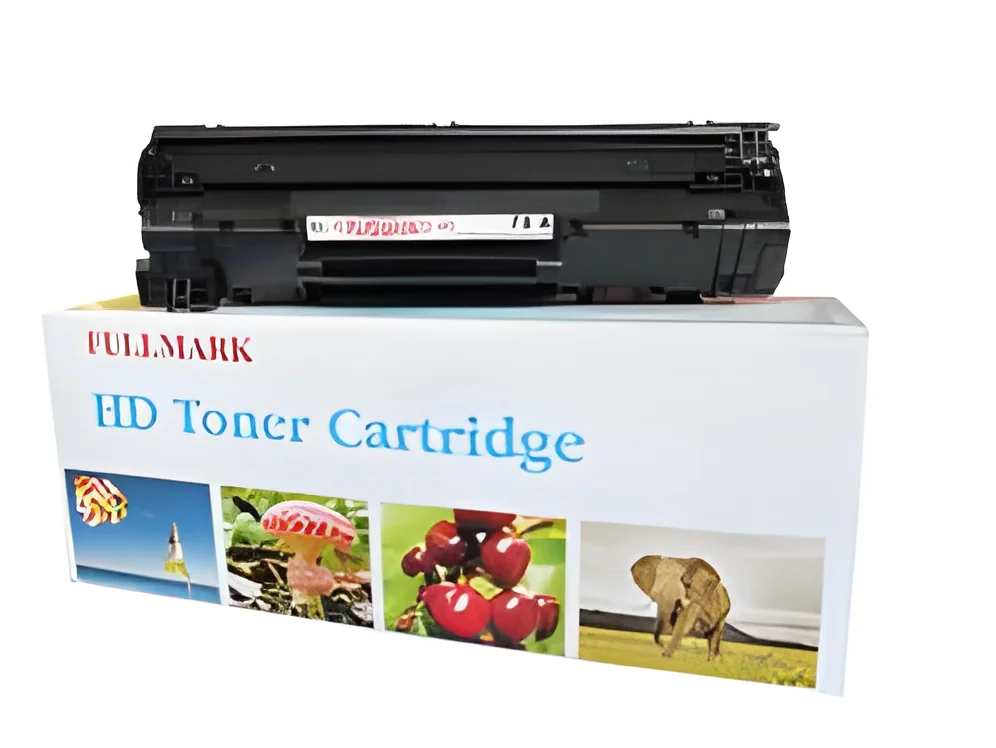
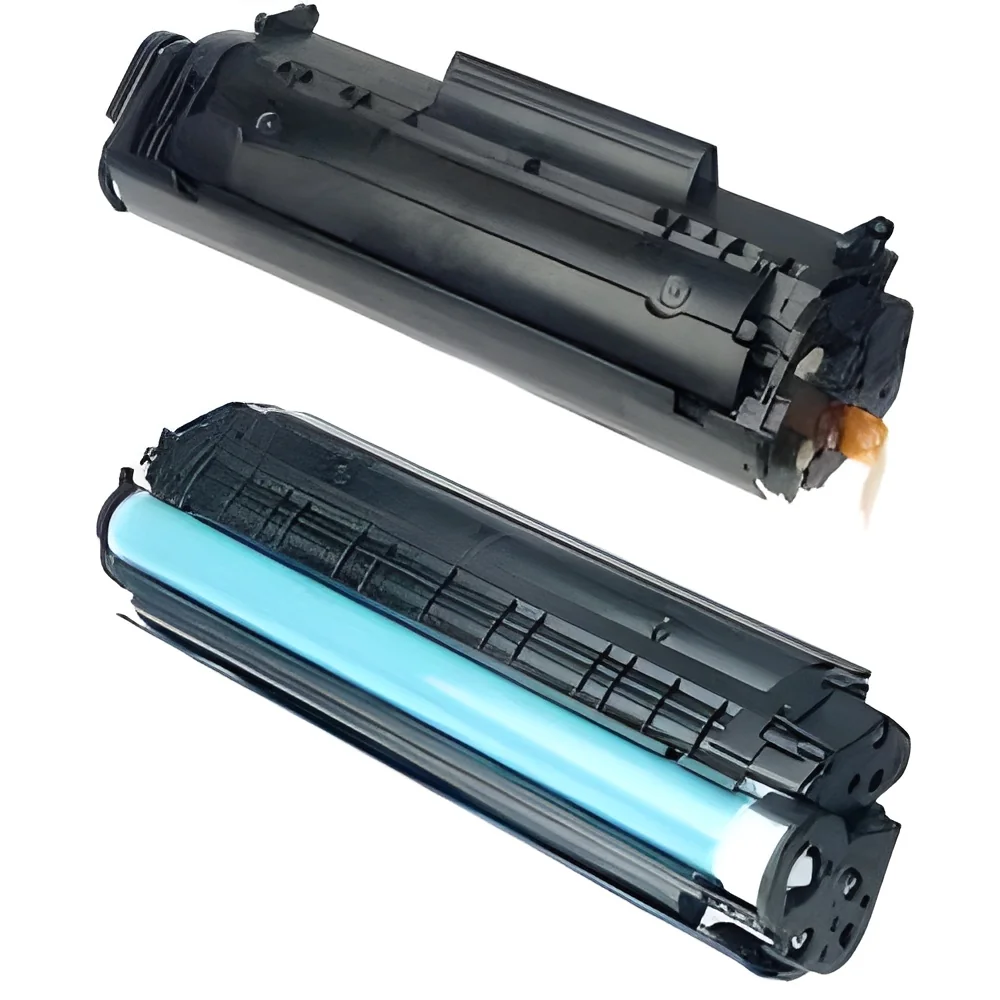
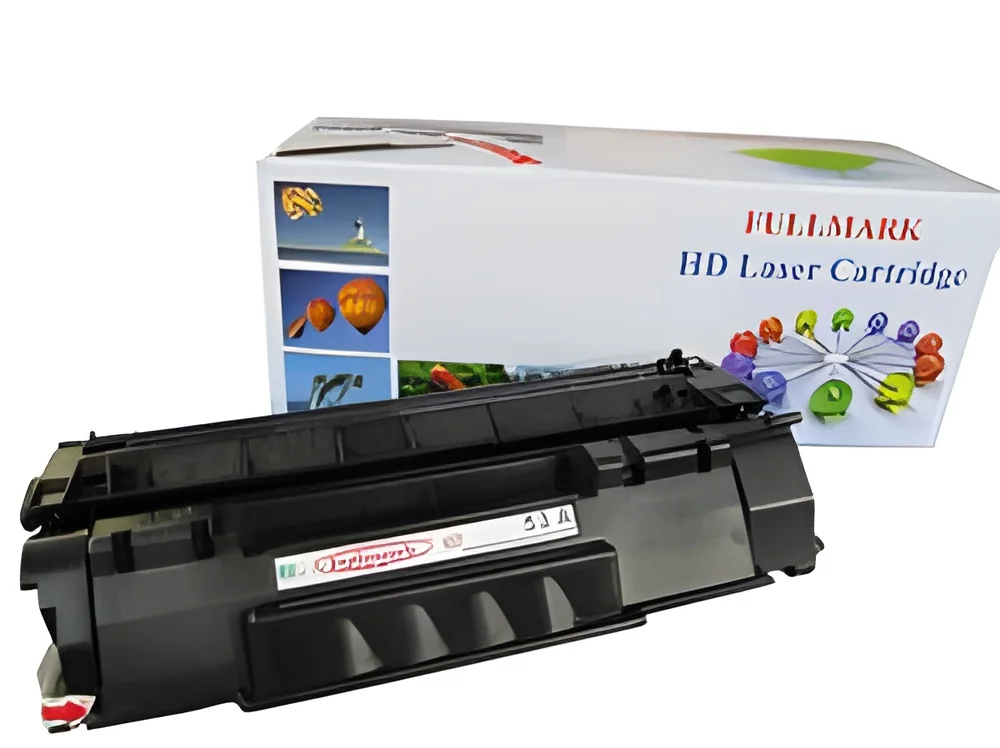
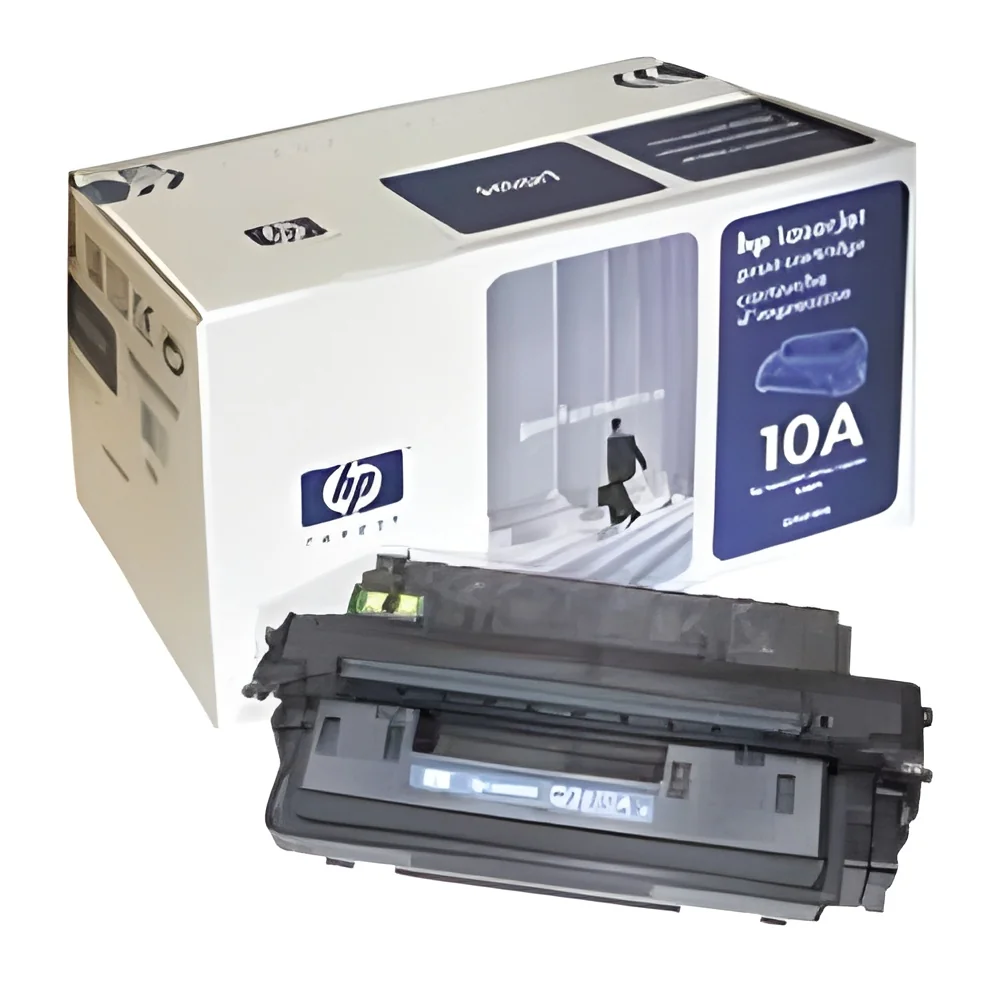
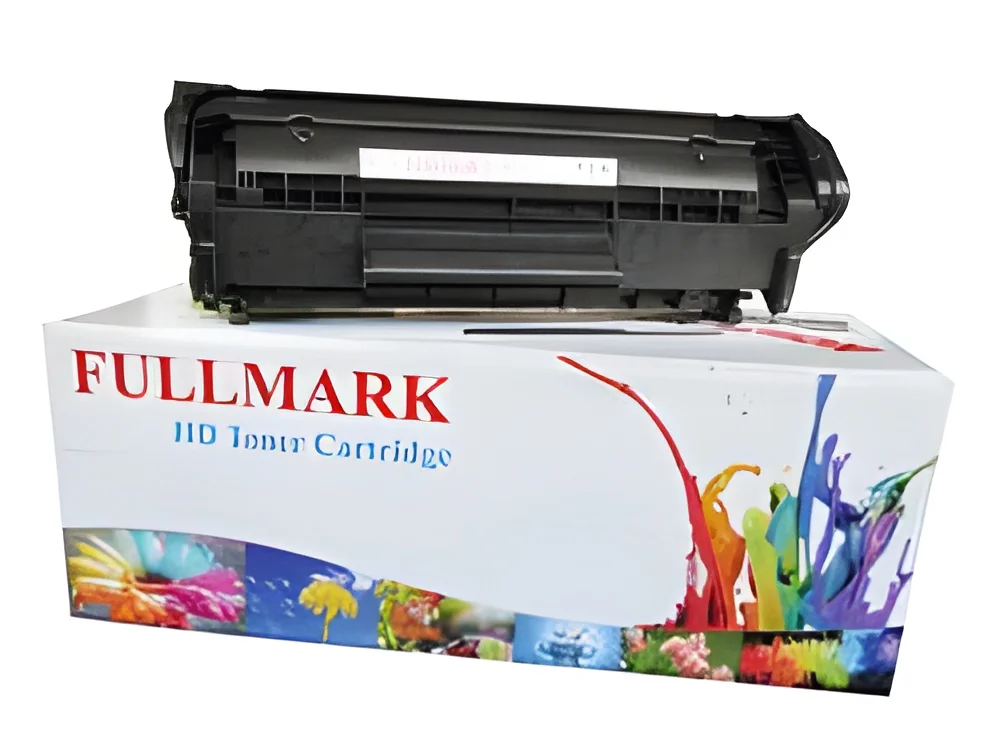
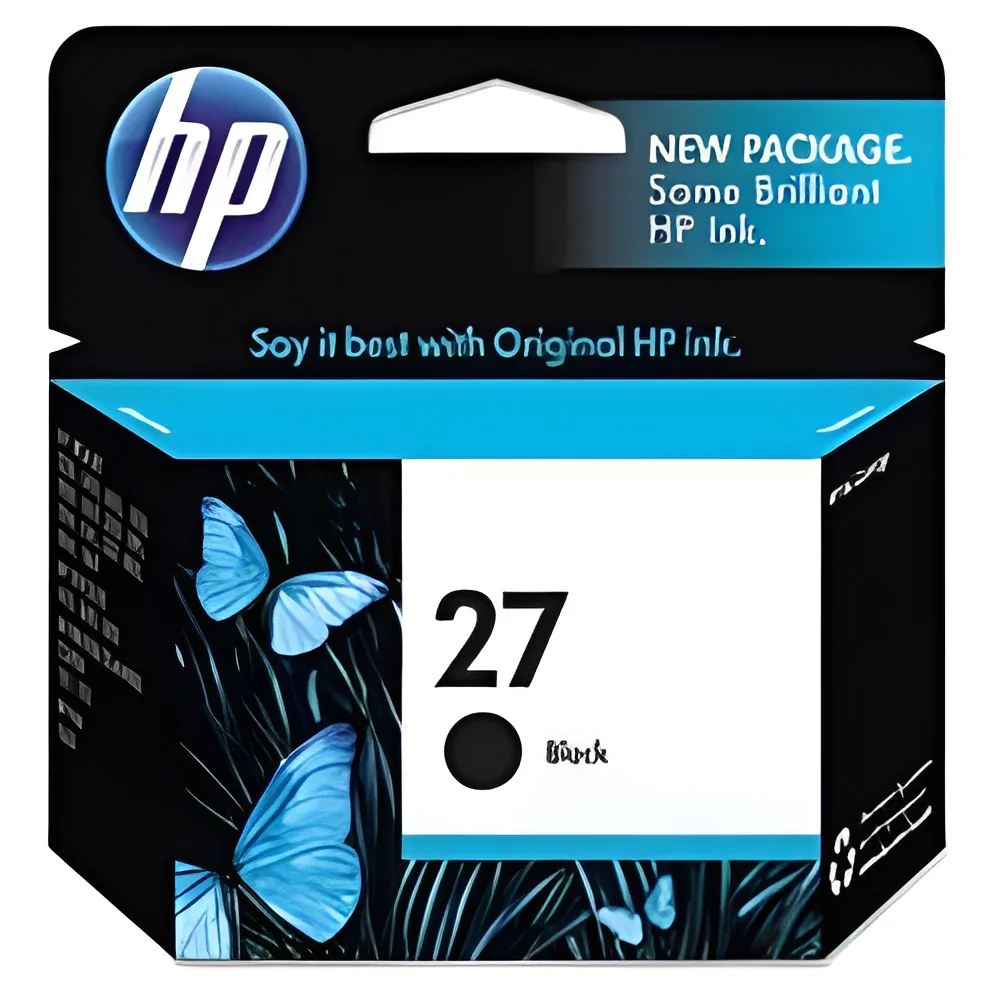
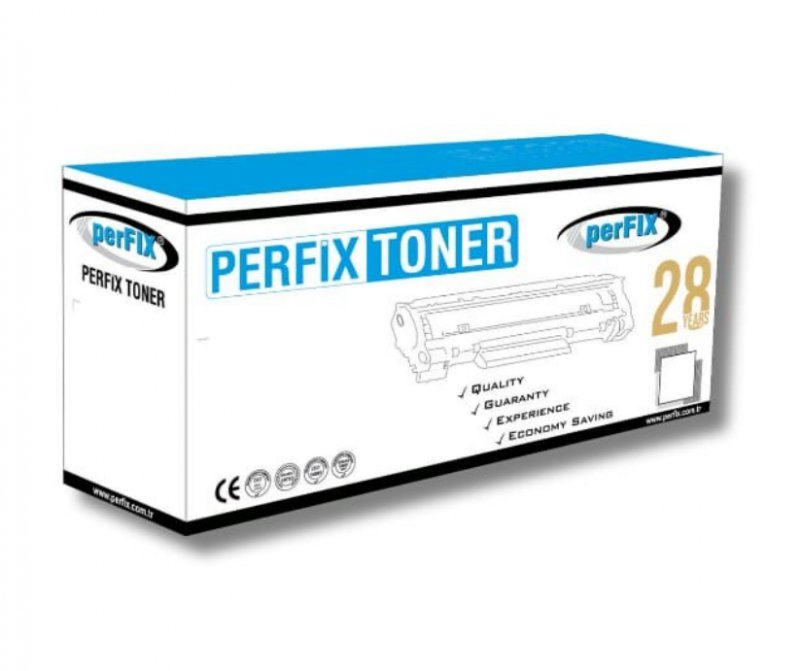
Toner cartridges are essential components in laser printing technology, containing the powdered ink used to produce high-quality prints. There are two main types of toner cartridges: Original Equipment Manufacturer (OEM) cartridges and compatible cartridges. OEM cartridges are produced by the printer manufacturers themselves, ensuring compatibility and optimal performance with their specific printer models. Compatible cartridges, on the other hand, are third-party products designed to work with various printer brands, often at a lower cost.
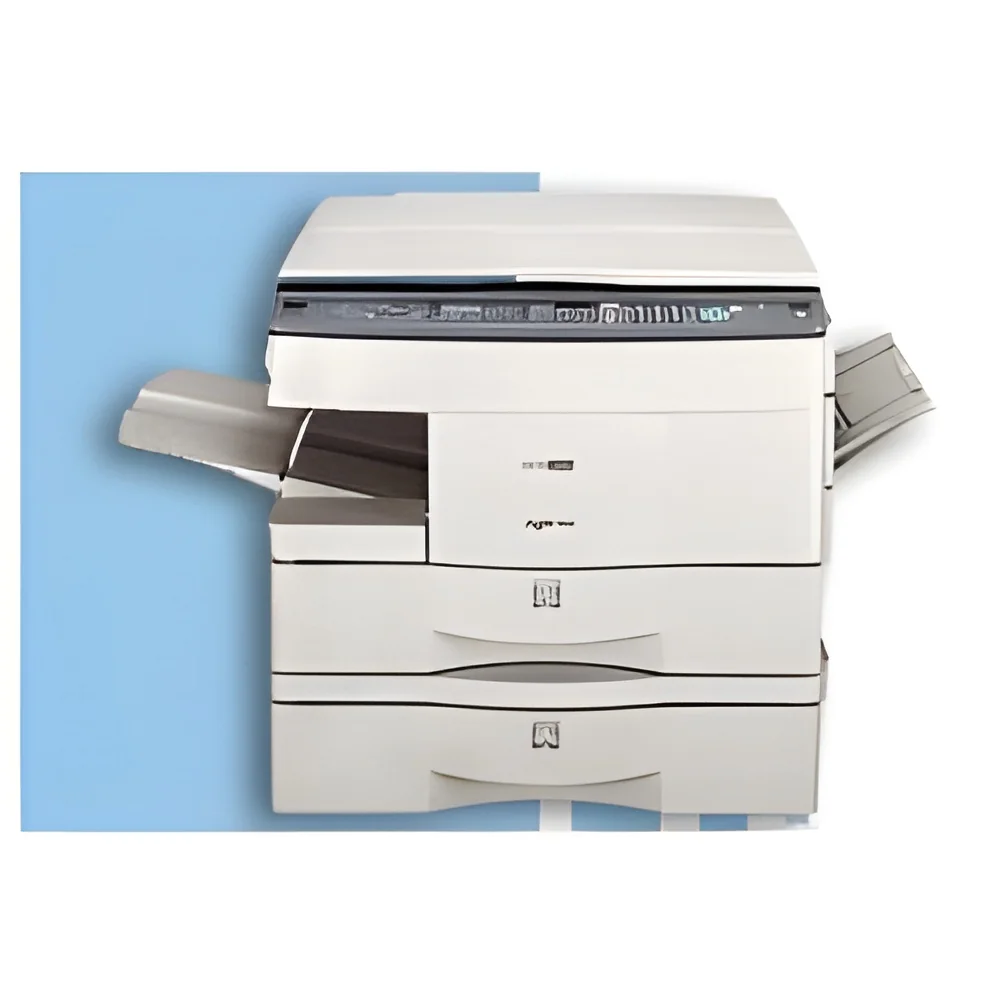
These cartridges play a vital role in business applications, being widely used in offices, print shops, and other commercial environments where high-volume printing is necessary. Companies rely on toner cartridges for producing documents, marketing materials, and other printed materials efficiently and economically. In today's market, the demand for both OEM and compatible toner cartridges is significant, with businesses seeking cost-effective solutions without compromising print quality.
𝗞𝗲𝘆 𝗙𝗲𝗮𝘁𝘂𝗿𝗲𝘀 𝗮𝗻𝗱 𝗦𝗽𝗲𝗰𝗶𝗳𝗶𝗰𝗮𝘁𝗶𝗼𝗻𝘀
Toner cartridges come with various features and specifications that determine their performance and compatibility with printers. Understanding these specifications is crucial for businesses looking to purchase toner cartridges.
Key specifications include:
1. Cartridge Type
- OEM or compatible
- Varies in quality and pricing
2. Page Yield
- Number of pages a cartridge can print
- Typically ranges from 1,000 to 10,000 pages
3. Print Quality
- Measured in dpi (dots per inch)
- Standard quality ranges from 600 dpi to 1200 dpi
4. Color Options
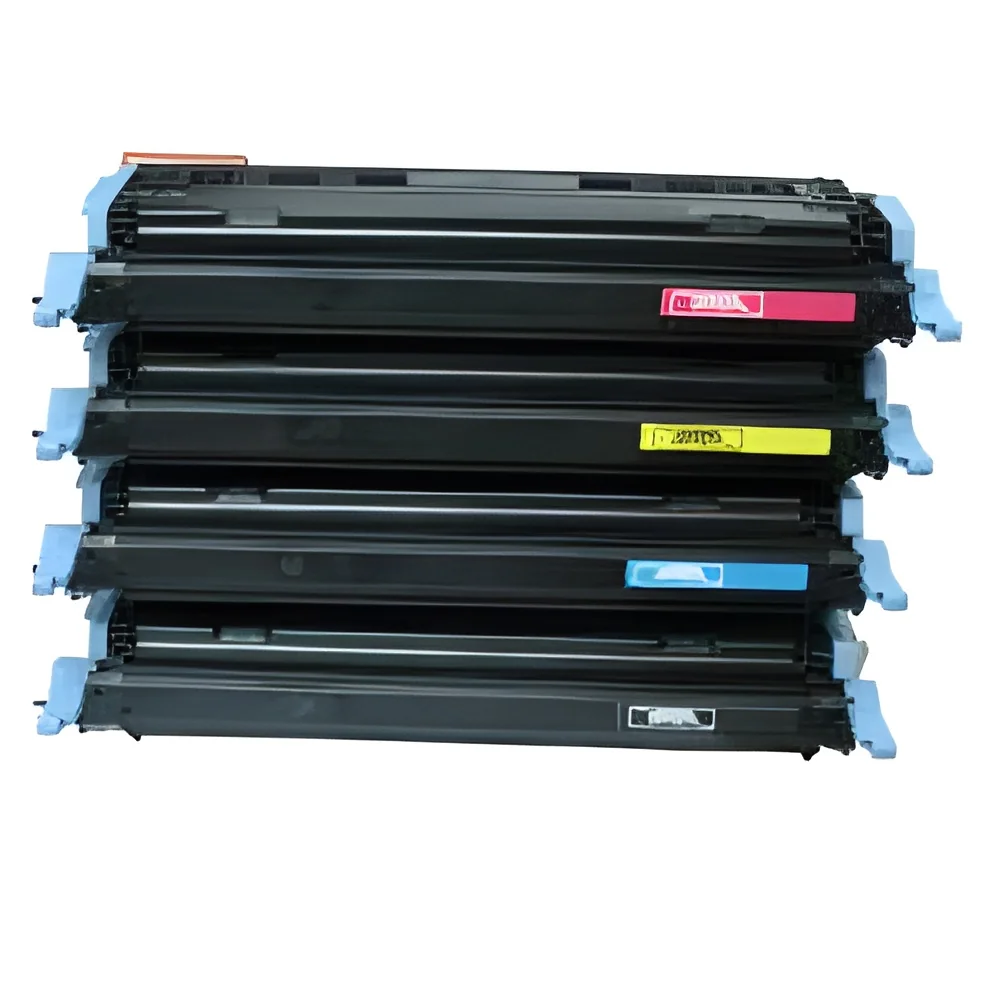
- Available in black, cyan, magenta, and yellow
- Specific colors required for color printers
5. Compatibility
- List of printer models compatible with the cartridge
- Essential for ensuring proper functionality
6. Environmental Certifications
- Compliance with recycling and waste management standards
- Certification like CE indicates adherence to safety standards
7. Warranty
- Length and coverage of warranty offered
- Varies by manufacturer
8. Price Range
- Cost per cartridge and bulk pricing options
- Important for budgeting and planning
In summary, businesses should evaluate these specifications closely to select the right toner cartridges for their printing needs.
𝗖𝗼𝗺𝗺𝗼𝗻 𝗔𝗽𝗽𝗹𝗶𝗰𝗮𝘁𝗶𝗼𝗻𝘀 𝗮𝗻𝗱 𝗨𝘀𝗲 𝗖𝗮𝘀𝗲𝘀
Toner cartridges serve a multitude of industries, offering tailored solutions for various printing requirements.
1. Education: Schools and universities utilize toner cartridges for printing educational materials, reports, and administrative documents.
2. Healthcare: Hospitals and clinics rely on toner cartridges for printing patient records, prescriptions, and informational brochures.
3. Legal: Law firms depend on high-quality prints for case documents, contracts, and legal filings, necessitating reliable toner cartridges.
4. Finance: Banks and financial institutions use toner cartridges for producing statements, reports, and marketing materials while maintaining confidentiality.
5. Retail: Retail businesses print promotional materials, labels, and receipts, making efficient use of toner cartridges for their daily operations.
6. Manufacturing: Factories print labels, safety data sheets, and operational guidelines, requiring durable and high-yield toner cartridges.
7. Government: Various government agencies utilize toner cartridges for official documentation, reports, and public notices, ensuring accuracy and professionalism.
𝗣𝗿𝗼𝗱𝘂𝗰𝘁 𝗩𝗮𝗿𝗶𝗮𝗻𝘁𝘀 𝗮𝗻𝗱 𝗦𝘂𝗯𝗰𝗮𝘁𝗲𝗴𝗼𝗿𝗶𝗲𝘀
Toner cartridges are available in several variants to cater to different printing needs and preferences.
OEM Toner Cartridges
These cartridges are manufactured by the printer's original manufacturer, ensuring compatibility and high-quality prints. They often come with a warranty and are preferred by businesses seeking reliability.
Compatible Toner Cartridges
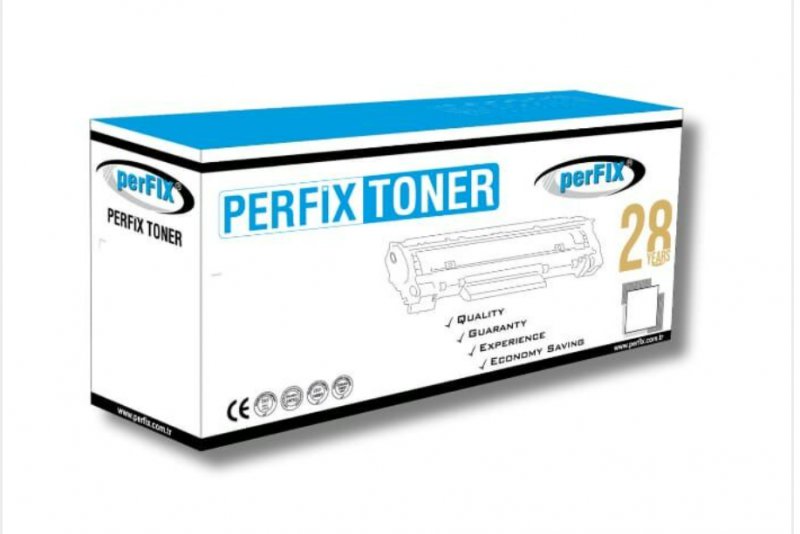
Designed by third-party manufacturers, these cartridges offer a cost-effective alternative to OEM options. They are compatible with a range of printer models and provide similar print quality at a lower price point.
𝗕𝗲𝗻𝗲𝗳𝗶𝘁𝘀 𝗮𝗻𝗱 𝗔𝗱𝘃𝗮𝗻𝘁𝗮𝗴𝗲𝘀
Toner cartridges provide numerous benefits that enhance printing efficiency and cost-effectiveness for businesses.
1. Cost Savings: Compatible toner cartridges are often available at lower prices, allowing businesses to reduce printing costs significantly.
2. High Print Quality: Both OEM and compatible cartridges can deliver high-quality prints, ensuring professional-looking documents.
3. Convenience: Easy installation and replacement processes make it simple for users to maintain their printers without technical assistance.
4. Versatility: A wide range of toner cartridges available for various printer models ensures that businesses can find suitable options for their specific needs.
5. Environmental Responsibility: Many manufacturers offer eco-friendly cartridges made from recycled materials, helping businesses reduce their environmental footprint.
6. Reliability: High page yield and consistent print quality minimize the frequency of cartridge replacements, ensuring uninterrupted workflow.
𝗕𝘂𝘆𝗶𝗻𝗴 𝗚𝘂𝗶𝗱𝗲 𝗳𝗼𝗿 𝗕𝟮𝗕 𝗕𝘂𝘆𝗲𝗿𝘀
When sourcing toner cartridges (OEM & Compatible), it is essential to consider several factors to ensure a successful purchase.
1. Quality Assessment: Businesses should evaluate the quality of toner cartridges by reviewing product specifications, user reviews, and performance metrics to ensure they meet their printing needs.
2. Supplier Verification: Vetting suppliers is crucial to ensure they provide high-quality products. Buyers should check for certifications, customer feedback, and the supplier's reputation in the market.
3. Pricing and MOQ: Understanding the pricing structure and minimum order quantities (MOQ) is vital for budgeting. Buyers should compare prices among different suppliers to find the best deal.
4. Delivery and Lead Times: Timely delivery is critical for maintaining business operations. Buyers should confirm lead times and shipping options before placing orders to avoid delays.
5. Compliance Requirements: Ensure that the toner cartridges comply with relevant industry standards and regulations, including safety and environmental criteria to avoid potential legal issues.
𝗖𝗼𝗺𝗽𝗹𝗶𝗮𝗻𝗰𝗲 𝗮𝗻𝗱 𝗖𝗲𝗿𝘁𝗶𝗳𝗶𝗰𝗮𝘁𝗶𝗼𝗻𝘀
Toner cartridges must adhere to specific quality standards and certifications to ensure safety and reliability. ISO 9001 is a widely recognized standard that focuses on quality management systems, ensuring consistent production and quality assurance.
Additionally, cartridges that carry the CE mark indicate compliance with European health, safety, and environmental protection standards. This certification assures buyers of the product's safety and reliability.
It is also essential to consider regional compliance, as different countries may have specific regulations governing the use and disposal of toner cartridges. Businesses should ensure that their suppliers provide cartridges that meet these local requirements to avoid penalties and promote environmental sustainability.
Why Source Toner Cartridges (OEM & Compatible) from Pepagora?
Pepagora provides a trusted platform for sourcing toner cartridges (OEM & Compatible) with several key advantages for B2B buyers.
Verified Supplier Network: Pepagora ensures that all suppliers in its network are thoroughly verified, providing buyers with confidence in the quality and reliability of the products they purchase.
Streamlined RFQ Process: The platform offers a user-friendly quotation system, allowing buyers to easily request and compare quotes from multiple suppliers, saving time and effort.
Trade Assurance and Support: Pepagora offers trade assurance, providing buyer protection and support throughout the purchasing process. This ensures that businesses can source toner cartridges with peace of mind.
Regional Coverage: With a broad geographic reach covering India, the GCC, and Southeast Asia, Pepagora connects buyers with suppliers across these regions, facilitating access to a diverse range of products and competitive pricing.