What are Offset Printing Inks?
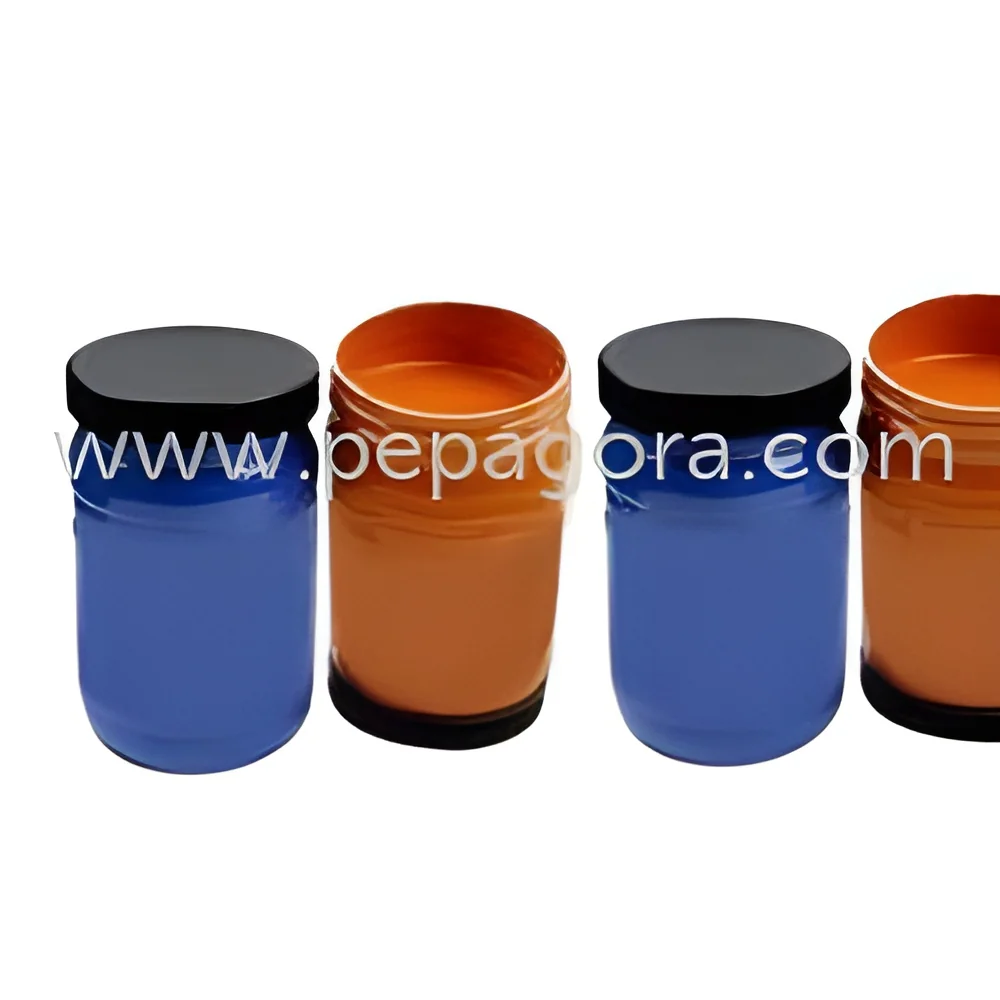
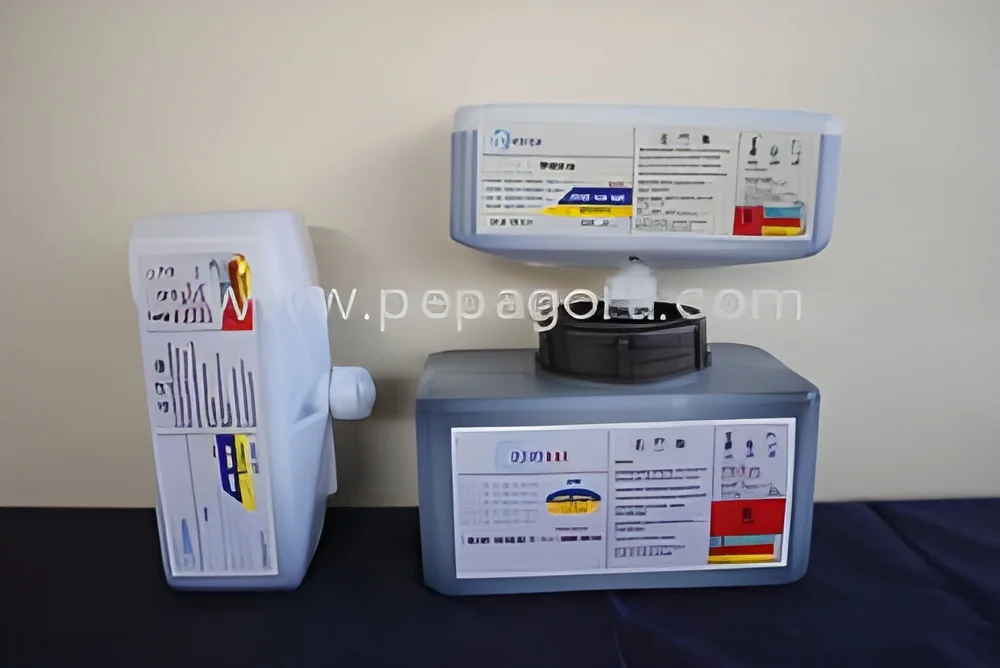
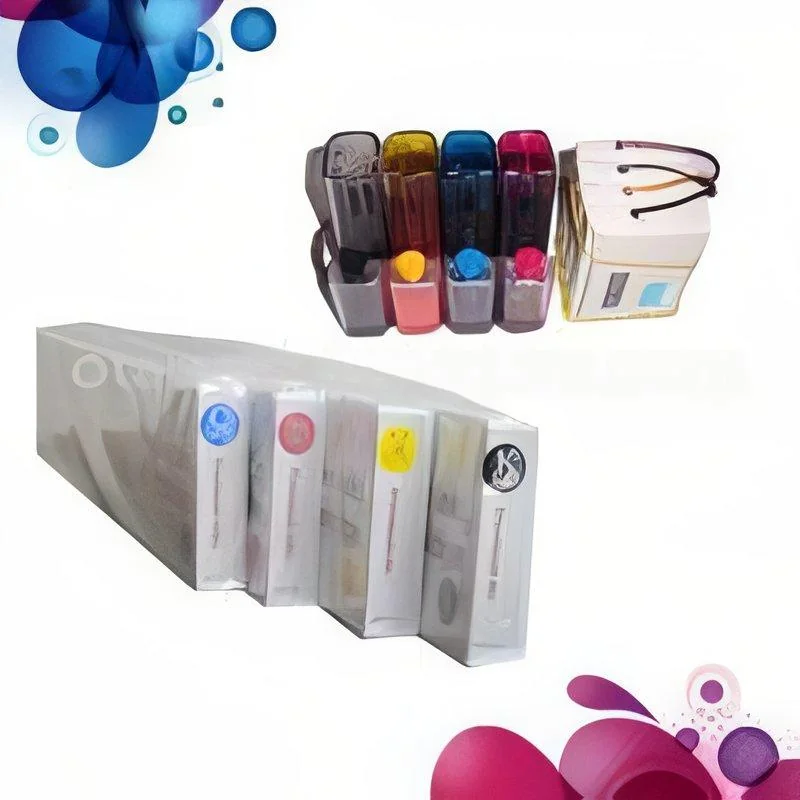
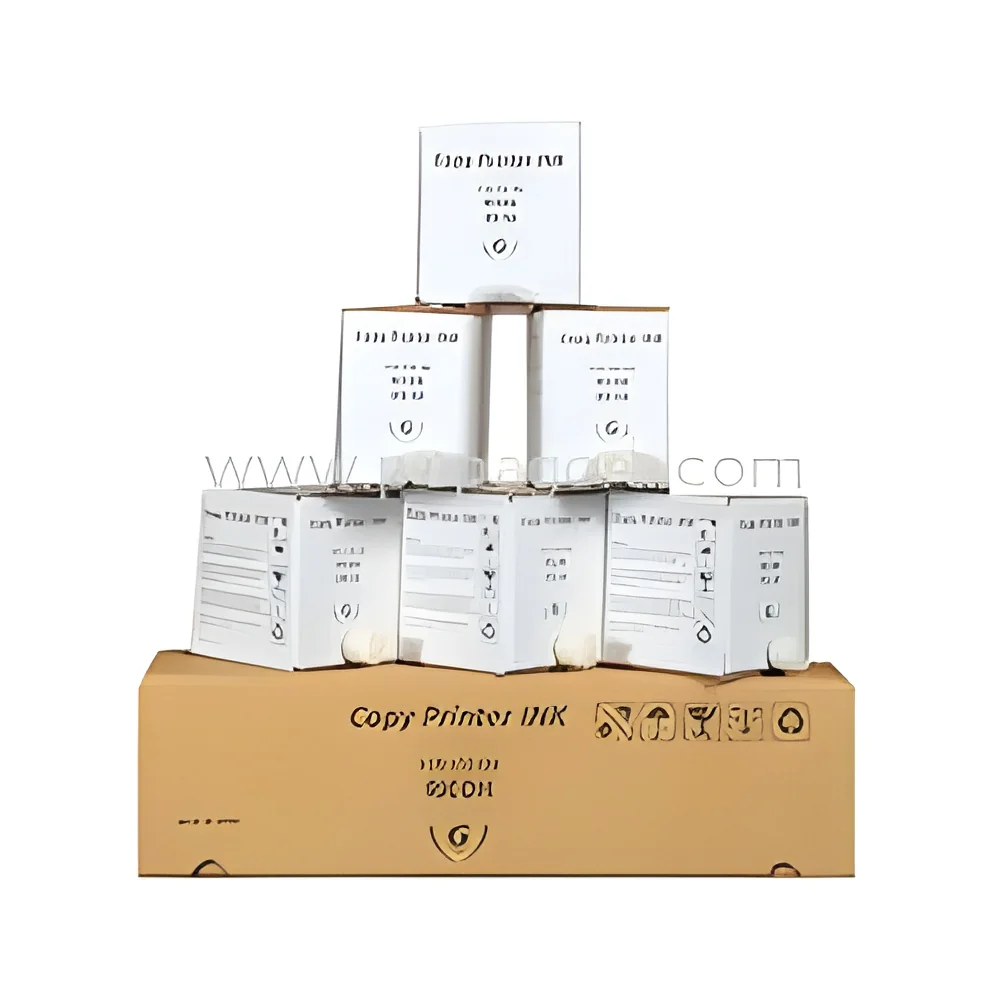
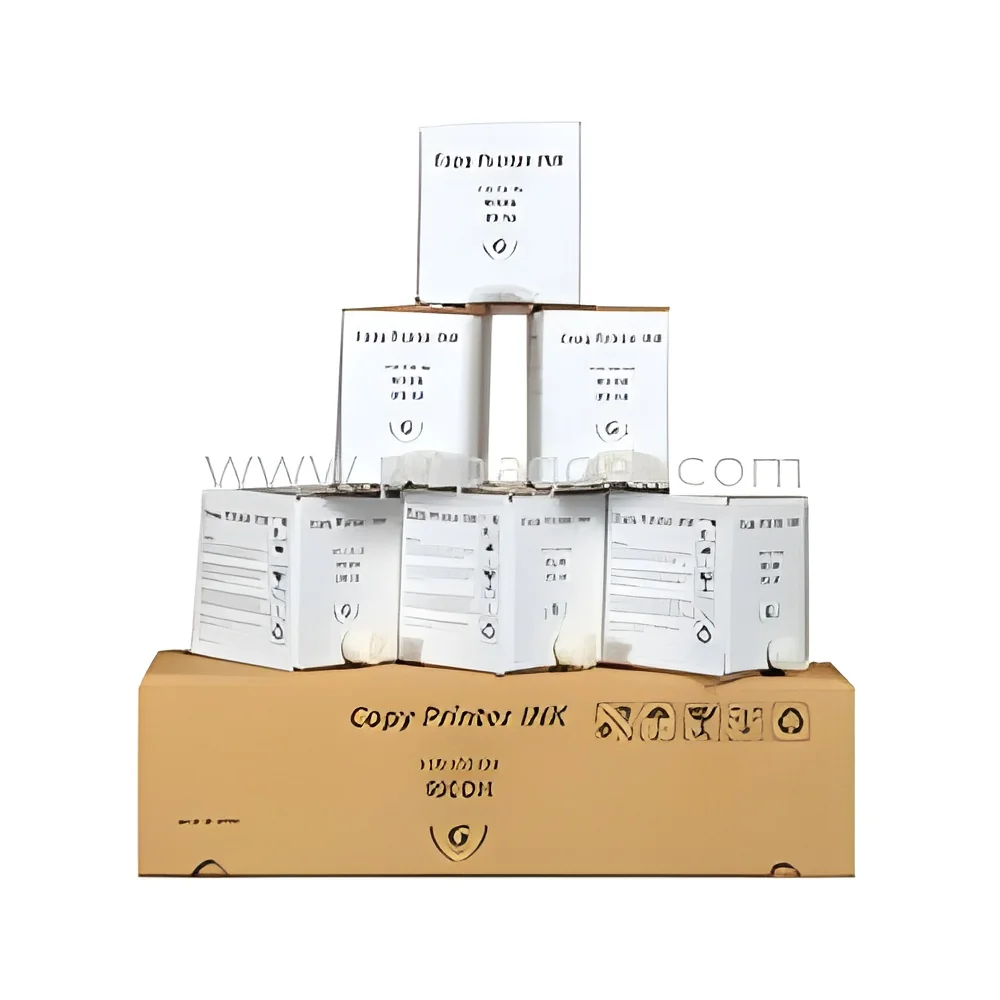
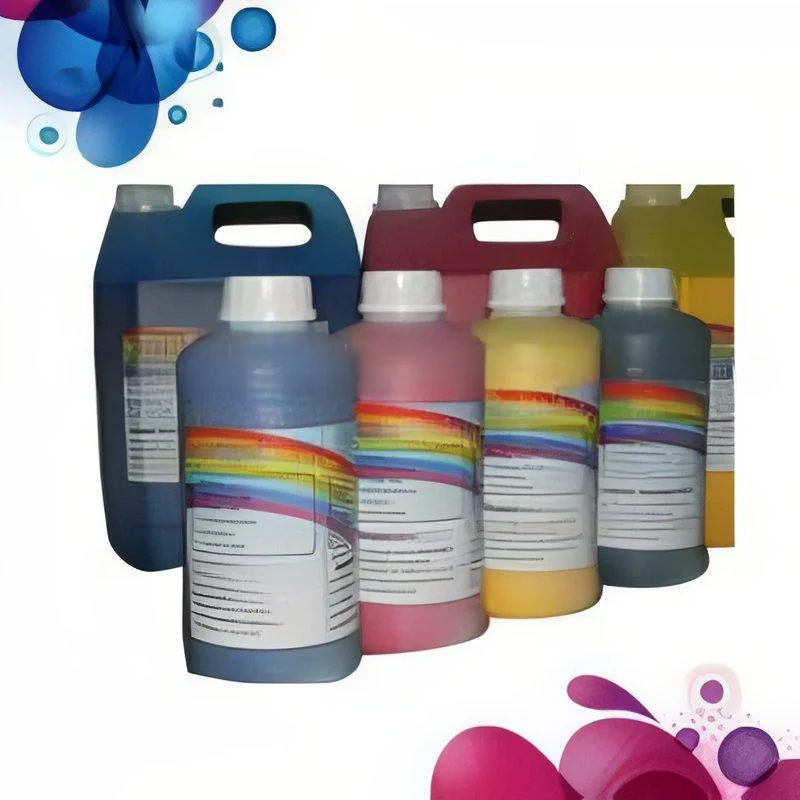
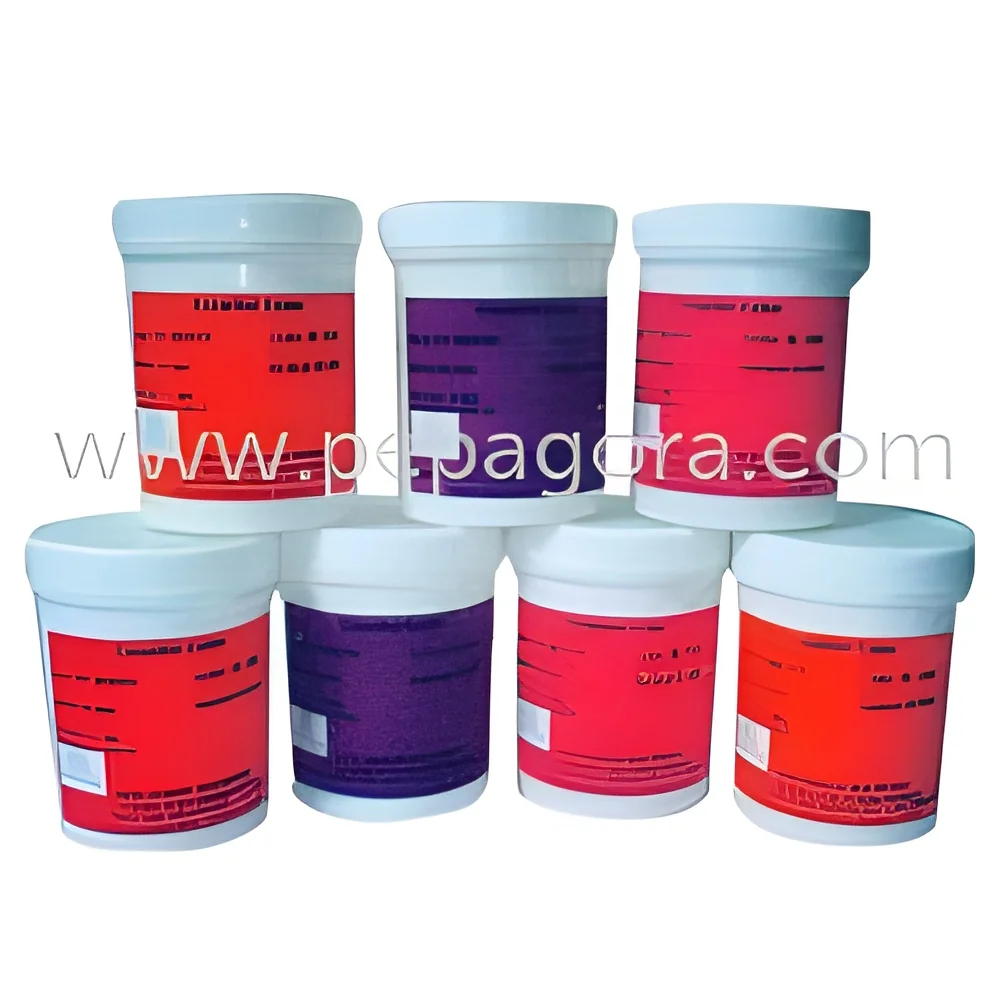
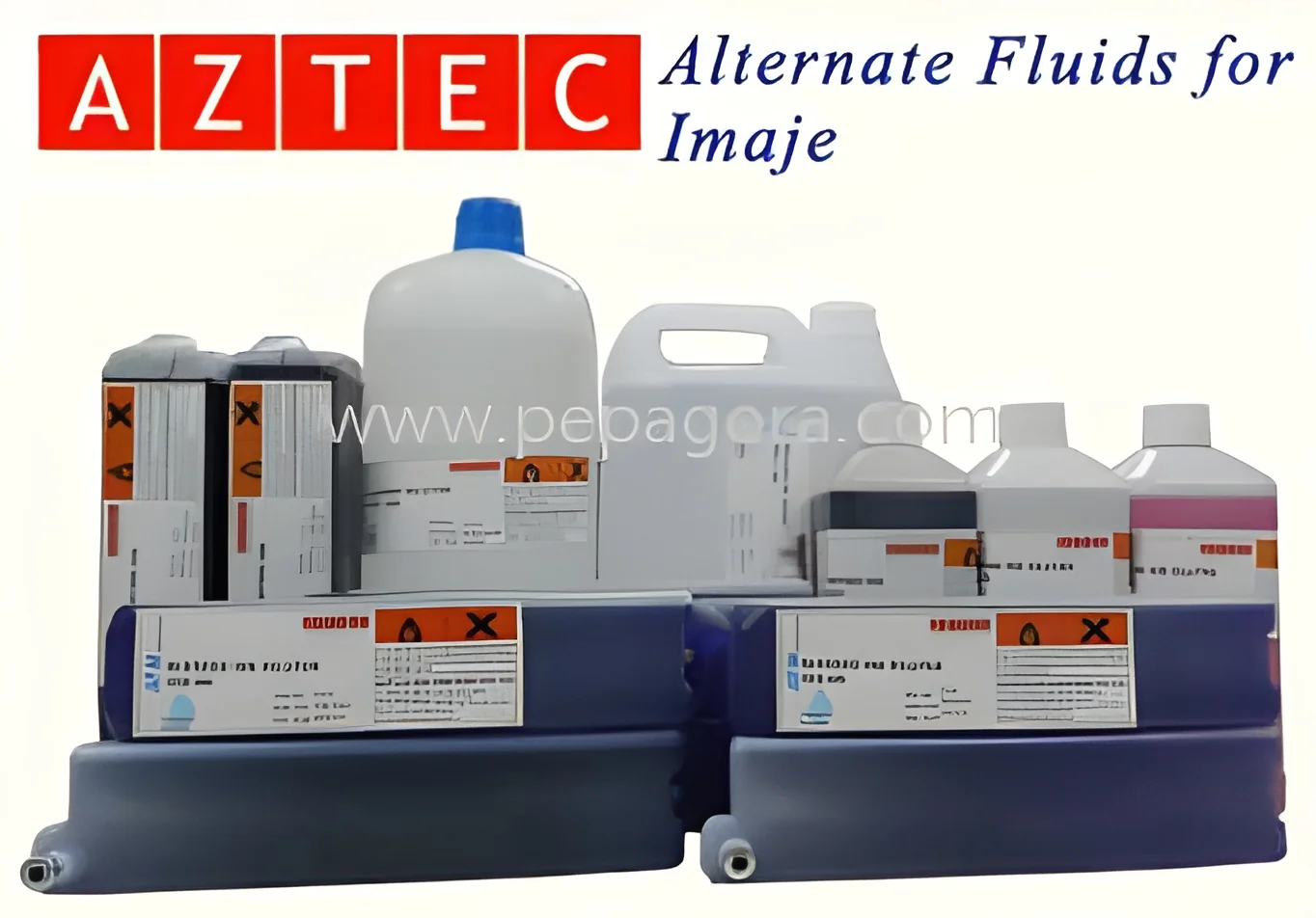
Offset printing inks are specially formulated inks used in the offset printing process, a widely utilized printing technique in commercial applications. These inks are designed to transfer ink from a printing plate to a rubber blanket and then onto the printing surface. This method allows for high-quality prints with sharp images and vibrant colors. Offset printing inks can be used on various substrates, including paper, cardboard, and plastic.
The primary uses of offset printing inks include producing books, magazines, brochures, and packaging materials. Businesses across different sectors, such as publishing, advertising, and packaging, rely on offset printing for its efficiency and cost-effectiveness. The market for these inks is significant, driven by the demand for printed materials and the ongoing evolution of printing technologies that enhance print quality and production speeds.
Key Features and Specifications
Offset printing inks are characterized by several key features that make them suitable for commercial printing applications. These inks are developed to meet specific technical requirements, ensuring optimal performance during the printing process.
Key specifications include:
1. Viscosity
- Inks are formulated with specific viscosity levels to ensure smooth flow during printing.
- Typical viscosity ranges are 20 to 35 seconds in a Ford cup.
2. Drying Time
- The drying time of offset inks is crucial for production efficiency.
- Inks typically dry within 5 to 15 minutes, depending on environmental conditions.
3. Color Gamut
- Offset printing inks are available in a wide range of colors, allowing for precise color matching.
- Standard color models include CMYK for full-color printing.
4. Lightfastness
- Inks are designed to resist fading when exposed to light, ensuring durability of printed materials.
- Lightfastness ratings usually range from 4 to 8, with 8 being the highest.
5. Adhesion Properties
- Inks must adhere well to various substrates to prevent smudging and ensure print quality.
- Adhesion tests are conducted to meet industry standards.
6. pH Levels
- Maintaining appropriate pH levels is essential for ink stability and performance.
- Ideal pH levels typically range from 7 to 9.
In summary, the specifications of offset printing inks are designed to ensure high-quality printing results, with features that cater to the specific needs of businesses in various industries.
Common Applications and Use Cases
Offset printing inks are versatile and serve multiple industries, each with unique applications.
1. Publishing Industry: Inks are extensively used for printing books, magazines, and newspapers, where high-quality images and text clarity are essential.
2. Packaging Industry: Offset inks are ideal for creating vibrant packaging materials, including boxes, labels, and flexible packaging, enhancing product appeal.
3. Advertising Sector: These inks are used for printing promotional materials such as brochures, flyers, and posters, allowing for striking visuals that capture customer attention.
4. Commercial Printing: Businesses utilize offset inks for various printed products, including business cards, stationery, and catalogs.
5. Textile Printing: Some offset inks are adapted for textile applications, providing colorful prints on fabrics and garments.
Product Variants and Subcategories
Offset printing inks come in various formulations to cater to specific printing needs.
Water-Based Inks: These inks are environmentally friendly and suitable for printing on absorbent substrates. They provide good adhesion and vibrant colors.
UV-Curable Inks: UV inks cure quickly when exposed to ultraviolet light, making them ideal for high-speed printing applications. They are known for their excellent durability and gloss finish.
Soy-Based Inks: These inks are made from renewable resources and are favored for their reduced environmental impact. They offer good print quality and are often used in packaging.
Solvent-Based Inks: These inks are used for printing on non-porous surfaces and provide excellent adhesion. They are commonly used in outdoor applications.
Benefits and Advantages
Offset printing inks offer numerous benefits that make them a preferred choice for many businesses.
1. High Quality: Offset inks produce sharp images and consistent color reproduction, meeting the quality demands of commercial printing.
2. Cost-Effective: The offset printing process is efficient, making it a cost-effective solution for large print runs.
3. Versatility: These inks can be used on a variety of substrates, providing flexibility for different printing applications.
4. Quick Drying: Many offset inks are designed to dry quickly, enhancing production speeds and reducing turnaround times.
5. Environmental Considerations: Several variants, such as soy-based inks, are formulated to be more environmentally friendly, appealing to eco-conscious businesses.
6. Wide Color Range: Offset printing inks are available in diverse color options, allowing for precise color matching in printed materials.
Buying Guide for B2B Buyers
When sourcing offset printing inks, several factors should be considered to ensure the right choice for your business needs.
1. Quality Assessment: Evaluate the quality of the inks based on viscosity, drying time, and adhesion properties. Request samples to test performance on your specific substrates.
2. Supplier Verification: Vet potential suppliers for reliability and reputation in the industry. Look for reviews and testimonials from other businesses.
3. Pricing and MOQ: Understand the pricing structure and minimum order quantities to ensure they align with your budget and production volume.
4. Delivery and Lead Times: Inquire about the supplier's logistics capabilities and typical lead times to ensure timely delivery for your projects.
5. Compliance Requirements: Ensure that the inks meet industry standards and regulations, including safety and environmental compliance.
Compliance and Certifications
Offset printing inks must adhere to various quality standards and certifications to ensure safety and performance in industrial applications. Relevant standards include ISO 9001, which focuses on quality management systems to enhance customer satisfaction, and HACCP, which addresses food safety management.
In addition, CE certification is important for products sold in the European market, ensuring they meet health and safety requirements. Safety and testing requirements are also critical, as they ensure that the inks do not pose health risks during use.
Regional compliance considerations may vary, so it is essential to understand local regulations regarding chemical safety and environmental impact, especially for businesses operating in multiple regions.
Why Source Offset Printing Inks from Pepagora?
Pepagora provides a trusted platform for sourcing offset printing inks, offering several key advantages to B2B buyers.
Verified Supplier Network: Pepagora connects businesses with verified suppliers who have a proven track record in the industry. This ensures quality and reliability in sourcing.
Streamlined RFQ Process: The request for quotation (RFQ) process on Pepagora is user-friendly and efficient, enabling businesses to receive competitive quotes quickly and easily.
Trade Assurance and Support: Pepagora offers trade assurance to protect buyers, ensuring that transactions are secure and that support is available throughout the procurement process.
Regional Coverage: With a focus on markets in India, the GCC, and Southeast Asia, Pepagora provides extensive geographic reach, facilitating easy access to offset printing inks across diverse regions.

 IN
IN