
 IN
Temperature & Humidity Monitors
2 products available
What are Temperature & Humidity Monitors?
Temperature and humidity monitors are essential devices designed to measure and track environmental conditions related to temperature and humidity levels. These instruments provide real-time data that helps businesses maintain optimal conditions in various settings. Typically, they consist of sensors that detect temperature and humidity changes, displaying this information on a digital or analog interface.
Businesses utilize these monitors for numerous applications, including climate control in warehouses, storage facilities, and production areas. Maintaining precise temperature and humidity levels is crucial in industries such as food and beverage, pharmaceuticals, and manufacturing, where product integrity is directly impacted by environmental conditions. As industries increasingly focus on quality assurance and compliance, the demand for reliable temperature and humidity monitoring solutions continues to grow.
In the current market landscape, temperature and humidity monitors are relevant across many sectors. The rise in automation and smart technologies has led to the integration of advanced monitoring systems that can provide alerts and data logging capabilities. These monitors are pivotal in ensuring compliance with industry regulations, making them a critical investment for businesses aiming to uphold product quality and operational efficiency.
Key Features and Specifications
Temperature and humidity monitors come equipped with various features that enhance their functionality and usability. Understanding these specifications is vital for businesses looking to invest in reliable monitoring solutions.
Key specifications include:
1. Measurement Range
- This specification indicates the range of temperatures and humidity levels the monitor can accurately measure.
- Typical ranges might be from -20°C to 50°C for temperature and 0% to 100% for humidity.
2. Accuracy
- Accuracy refers to how closely the monitor’s readings reflect actual environmental conditions.
- Common accuracy ratings include ±0.5°C for temperature and ±2% for humidity.
3. Display Type
- Displays can be digital or analog, impacting how data is presented.
- Digital displays often include backlighting for visibility in low-light conditions.
4. Data Logging
- Many monitors feature data logging capabilities, allowing businesses to record and analyze environmental data over time.
- This feature is essential for quality assurance and regulatory compliance.
5. Connectivity Options
- Some models offer wireless connectivity, enabling remote monitoring via mobile devices or computers.
- Connectivity enhances usability by allowing real-time data access from anywhere.
6. Alarm Functions
- Alarm functions alert users when conditions exceed predefined thresholds.
- This feature is critical for preventing damage to sensitive products.
7. Power Source
- Monitors can be battery-operated or powered through an AC outlet.
- The choice of power source can influence placement and portability.
8. Calibration
- Calibration refers to the process of adjusting the monitor for accuracy, which might be necessary over time.
- Regular calibration ensures reliable performance.
In summary, understanding the key features and specifications of temperature and humidity monitors helps businesses select the right solution for their specific needs.
Common Applications and Use Cases
Temperature and humidity monitors are versatile tools used across various industries to ensure optimal environmental conditions.
1. Food and Beverage Industry: These monitors are crucial for maintaining proper storage conditions for perishable goods. They help ensure that temperatures are within safe limits to prevent spoilage and comply with health regulations.
2. Pharmaceutical Sector: In pharmaceuticals, monitors are used to control the storage environment of medications and vaccines. Proper temperature and humidity levels are vital for maintaining product efficacy and safety.
3. Manufacturing: Many manufacturing processes require precise environmental conditions. Monitors help maintain these conditions, reducing the risk of defects and ensuring product quality.
4. Warehousing: In warehouses, temperature and humidity monitors protect stored goods from damage. They ensure that items such as electronics or textiles are kept in suitable environments.
5. Greenhouses: In agricultural settings, such as greenhouses, these monitors help optimize plant growth by ensuring ideal temperature and humidity levels, leading to better crop yields.
6. Data Centers: For data centers, maintaining temperature and humidity is critical for equipment longevity and performance. Monitors help prevent overheating and ensure efficient cooling.
7. Museums and Archives: These monitors are essential for preserving artifacts and documents, helping to maintain stable conditions that prevent deterioration.
Product Variants and Subcategories
Temperature and humidity monitors come in various forms to suit different applications and business needs.
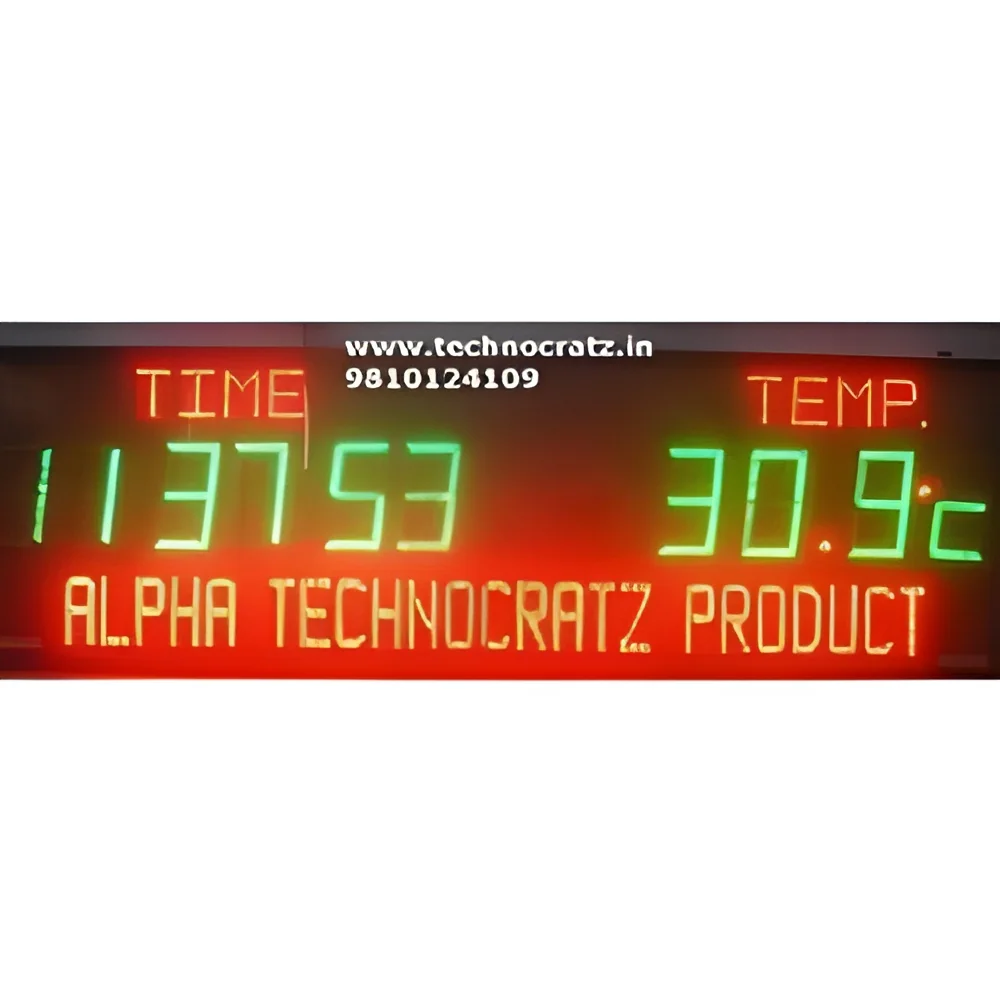
Digital Temperature and Humidity Monitors: These devices feature digital displays and often include advanced functionalities such as data logging and alarm alerts. They are suitable for environments where precise monitoring and immediate visibility are required.
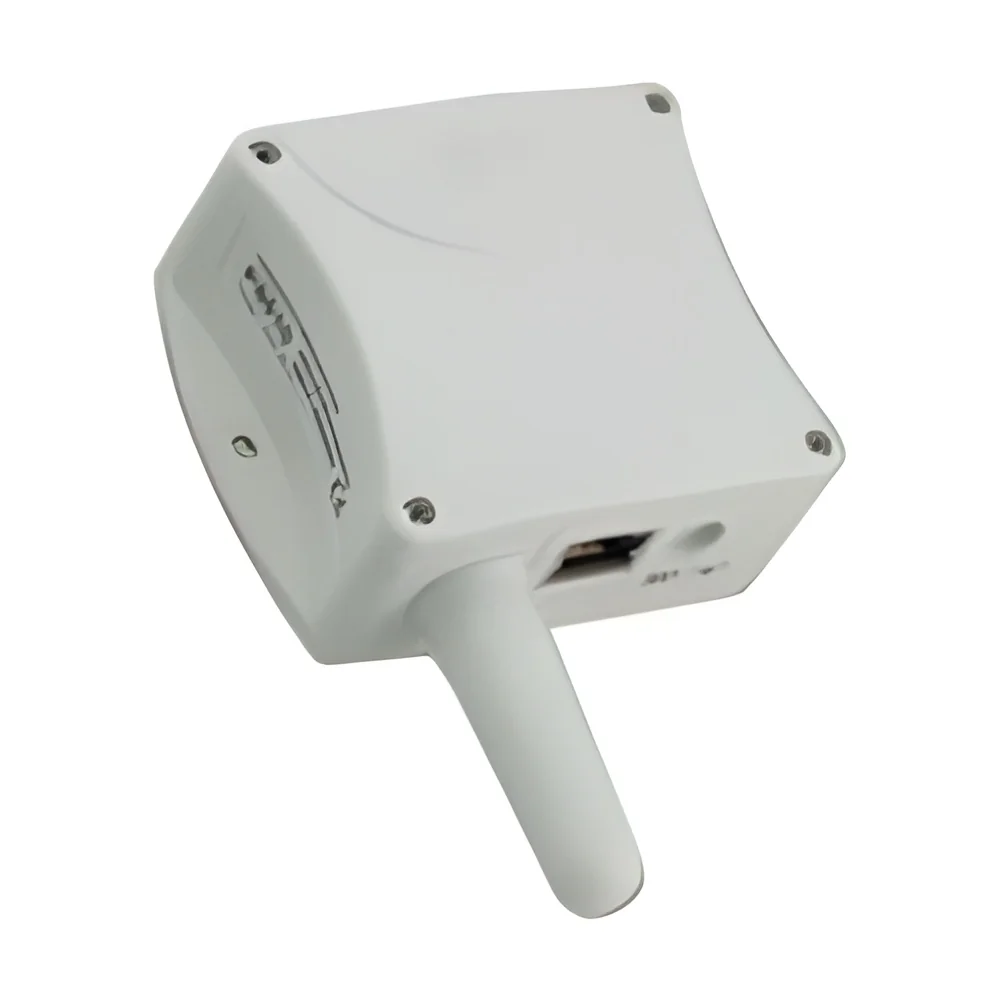
Wireless Temperature and Humidity Monitors: These variants allow for remote monitoring through wireless connectivity. They are ideal for businesses that need to track conditions across multiple locations without being physically present.
Portable Temperature and Humidity Monitors: Designed for mobility, these monitors are compact and battery-operated. They are perfect for businesses that require monitoring in various locations or during transport.
Benefits and Advantages
Investing in temperature and humidity monitors provides businesses with significant advantages that enhance operational efficiency.
1. Improved Product Quality: By maintaining optimal temperature and humidity levels, businesses can ensure the quality and integrity of their products, reducing waste and spoilage.
2. Regulatory Compliance: Many industries have strict regulations regarding environmental conditions. Monitors help businesses comply with these standards, avoiding potential fines or penalties.
3. Increased Efficiency: Real-time monitoring capabilities enable businesses to respond promptly to any deviations in environmental conditions, preventing costly downtime or product loss.
4. Enhanced Safety: Monitoring systems can alert businesses to unsafe conditions, thereby protecting both employees and products from damage or hazards.
5. Cost Savings: By preventing spoilage and ensuring compliance, temperature and humidity monitors contribute to overall cost savings, improving profit margins.
6. Data-driven Decisions: The ability to log and analyze environmental data allows businesses to make informed decisions about processes, leading to continuous improvement.
Buying Guide for B2B Buyers
When sourcing temperature and humidity monitors, it is essential for B2B buyers to consider several key factors to ensure they make informed purchasing decisions.
1. Quality Assessment: Look for monitors that meet industry standards for accuracy and durability. Checking for certifications can also help ensure quality.
2. Supplier Verification: Vet suppliers to ensure they have a good reputation and a history of reliability. This can include checking reviews and asking for references.
3. Pricing and MOQ: Understand the pricing structure and any minimum order quantities (MOQ) that may apply. This helps in budgeting and planning for purchases.
4. Delivery and Lead Times: Inquire about lead times for delivery to ensure that monitors can be obtained when needed. Timely delivery is crucial for operational efficiency.
5. Compliance Requirements: Ensure that the monitors comply with any relevant industry regulations or standards, which can vary by sector and region.
Compliance and Certifications
Compliance and certifications are critical factors when selecting temperature and humidity monitors.
Many monitors adhere to quality standards such as ISO 9001, which ensures consistent quality in manufacturing processes. Additionally, compliance with industry-specific standards like HACCP (Hazard Analysis Critical Control Points) is essential in sectors like food and pharmaceuticals, where environmental conditions directly impact safety.
Monitors that carry the CE mark indicate compliance with European health, safety, and environmental protection standards. This certification is essential for businesses operating in or exporting to European markets.
Safety and testing requirements also play a vital role; monitors should undergo rigorous testing to ensure they function correctly under various conditions. Furthermore, regional compliance considerations may apply, necessitating that monitors meet local regulatory requirements.
Why Source Temperature & Humidity Monitors from Pepagora?
Pepagora offers a trusted platform for sourcing temperature and humidity monitors, providing several key advantages for businesses.
Verified Supplier Network: Pepagora has established a robust network of verified suppliers, ensuring that buyers can access high-quality products from reputable manufacturers. This verification process helps mitigate risks associated with sourcing.
Streamlined RFQ Process: The request for quotation (RFQ) process on Pepagora is designed to be user-friendly. Buyers can easily submit requests and receive competitive quotes, saving time and effort in procurement.
Trade Assurance and Support: Pepagora provides trade assurance, protecting buyers throughout the purchasing process. This includes support for any issues that may arise, ensuring a smooth transaction.
Regional Coverage: With a strong presence in India, the GCC, and Southeast Asia, Pepagora offers extensive regional coverage. This geographical reach allows businesses to find suitable monitors tailored to their specific market needs while benefiting from local support.


 India
 India
Frequently Asked Questions
What are Temperature & Humidity Monitors?
Temperature & Humidity Monitors are devices used to measure and display the temperature and humidity levels in a given environment. They are essential tools in various industries, including pharmaceuticals, food storage, and HVAC, ensuring optimal conditions for products and processes.
What are the different types of Temperature & Humidity Monitors?
There are several types of Temperature & Humidity Monitors, including digital monitors, analog monitors, wireless monitors, and data loggers. Each type varies in features, such as connectivity options and data storage capabilities, catering to different monitoring needs.
How do I choose the right Temperature & Humidity Monitors?
Choosing the right Temperature & Humidity Monitor involves considering factors such as measurement range, accuracy, features, and ease of use. It's also important to assess the specific requirements of your application, including whether you need data logging or remote monitoring capabilities.
What are the standard specifications for Temperature & Humidity Monitors?
Standard specifications for Temperature & Humidity Monitors typically include measurement range (e.g., -20°C to 60°C for temperature), accuracy (often ±1°C for temperature), and humidity range (e.g., 0% to 100% RH). Additionally, features like response time and display type can also be considered.
What is the price range for Temperature & Humidity Monitors?
The price range for Temperature & Humidity Monitors can vary widely based on features and specifications. Basic models may start around INR 1,000, while advanced units with data logging and connectivity features can go up to INR 20,000 or more.
What quality standards apply to Temperature & Humidity Monitors?
Temperature & Humidity Monitors are often subject to quality standards such as ISO 9001 for quality management systems and IEC 61000 for electromagnetic compatibility. Compliance with these standards ensures reliability and accuracy in measurements.
Where can I find Temperature & Humidity Monitors suppliers in India?
You can find Temperature & Humidity Monitors suppliers in India through various online B2B marketplaces, industry trade shows, and local distributors. Websites like Pepagora.com can help connect you with reputable manufacturers and suppliers in the region.
Can Temperature & Humidity Monitors be customized?
Yes, many manufacturers offer customization options for Temperature & Humidity Monitors to meet specific requirements. Customizations may include unique features, branding, or adaptations for particular industries.
What is the typical minimum order quantity for Temperature & Humidity Monitors?
The typical minimum order quantity (MOQ) for Temperature & Humidity Monitors varies by supplier but often ranges from 10 to 50 units. It is advisable to check with individual manufacturers for their specific MOQ requirements.
What is the typical lead time for Temperature & Humidity Monitors?
The typical lead time for Temperature & Humidity Monitors can range from 2 to 6 weeks, depending on the supplier and whether the units are in stock or need to be manufactured. Factors such as order size and customization requirements can also affect lead time.
Why Businesses Trust Pepagora
Thousands of companies trust Pepagora to source smarter and sell faster
Expand Your Sales Globally

Source Smarter,Grow Faster
