
 IN
Motion Sensor Alarms
6 products available
What are Motion Sensor Alarms?
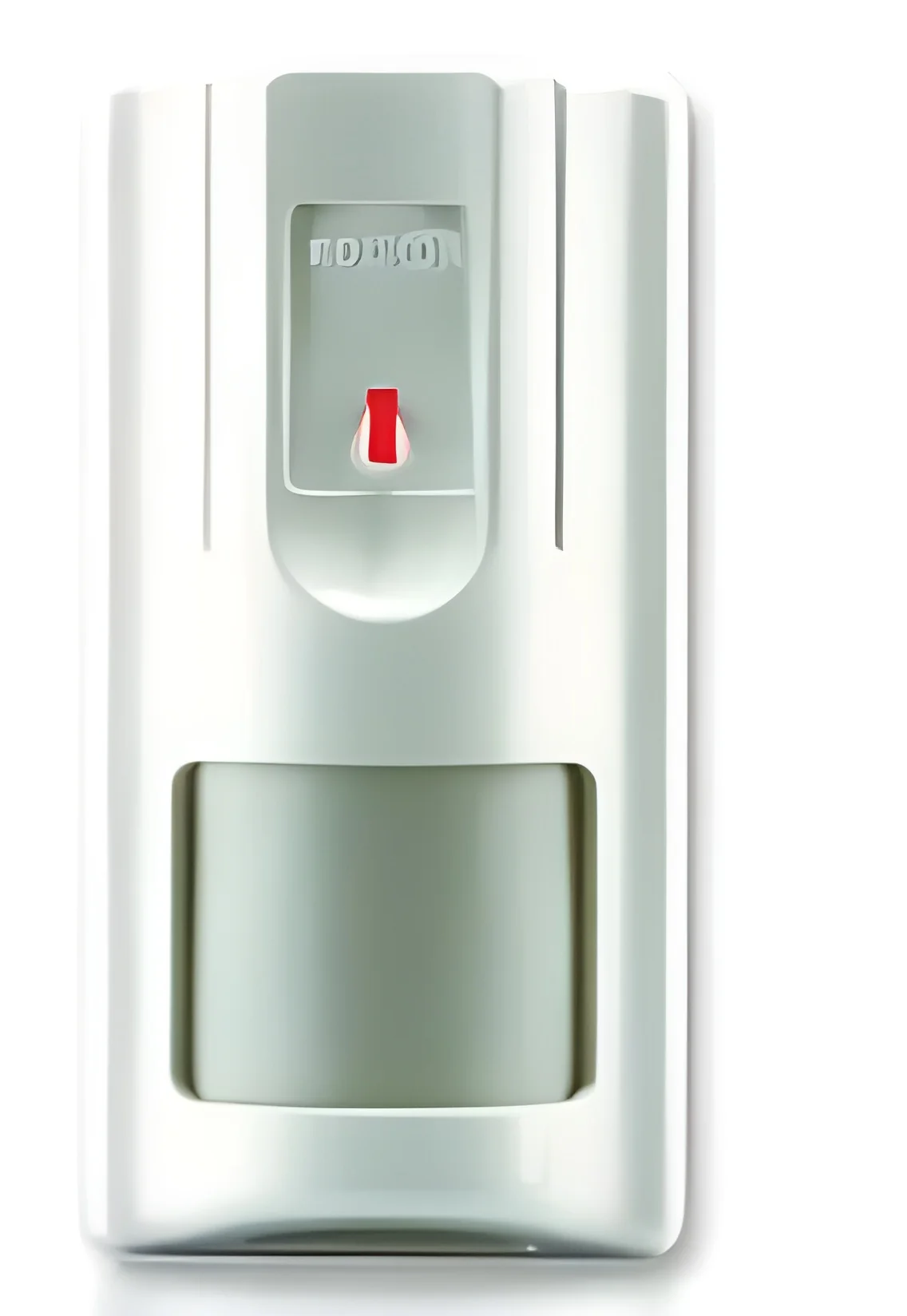
Motion sensor alarms are security devices designed to detect movement within a specific area and trigger an alert or alarm. These systems use various technologies, including passive infrared sensors, ultrasonic sensors, and microwave sensors, to sense movement and differentiate between human activity and other disturbances. The primary function of a motion sensor alarm is to enhance security by providing real-time monitoring and response capabilities.
These alarms find extensive applications in various business environments, including warehouses, retail stores, offices, and manufacturing facilities. They are crucial for preventing unauthorized access and protecting valuable assets. Beyond security, motion sensor alarms can also be integrated into smart building systems, allowing for automation of lighting and heating when areas are occupied. As security concerns continue to rise across industries, the demand for reliable motion sensor alarms is increasing, making them an essential component of modern security systems.
Key Features and Specifications
Motion sensor alarms come with a range of features designed to enhance security and usability. Understanding these specifications is critical for businesses looking to implement such systems effectively.
Key specifications include:
1. Detection Range
- The distance within which the sensor can effectively detect movement
- Typical ranges vary from 10 to 30 feet, depending on the model
2. Sensor Type
- Types include passive infrared (PIR), ultrasonic, and microwave sensors
- Each type has its unique detection mechanism and suitability for different environments
3. Alarm Output
- Options for alarm signaling, including audible alarms, emails, or mobile alerts
- Customizable settings to suit specific security needs
4. Power Supply
- Options include battery-operated and hardwired models
- Battery life can vary significantly based on usage and model specifications
5. Installation Type
- Wall-mounted, ceiling-mounted, or portable options available
- Considerations for installation height and angle for optimal coverage
6. Environmental Resistance
- Ratings for water and dust resistance, typically IP ratings
- Important for outdoor installations or harsh environments
7. Integration Capabilities
- Compatibility with other security systems, such as CCTV and alarms
- Essential for creating a comprehensive security network
8. User Interface
- Ease of use, including control panels or smartphone applications
- User-friendly interfaces can enhance operational efficiency
In summary, understanding the features and specifications of motion sensor alarms is crucial for making informed purchasing decisions. Proper selection can ensure the right fit for security needs and operational requirements.
Common Applications and Use Cases
Motion sensor alarms are versatile and can be utilized in various sectors. Each industry benefits from their unique capabilities.
1. Retail: In retail environments, motion sensor alarms help deter theft and unauthorized access after hours. They can trigger alerts when movement is detected, providing an immediate response to potential threats.
2. Warehousing: Warehouses often contain valuable inventory. Motion sensors can safeguard these spaces by alerting security personnel of any unauthorized movement, ensuring the safety of goods.
3. Offices: In office settings, these alarms can protect sensitive areas, such as server rooms and file storage. They enhance security by monitoring access and notifying management of any unusual activity.
4. Manufacturing: Manufacturing facilities can use motion sensor alarms to prevent unauthorized access to production areas. This is vital for safeguarding proprietary technology and maintaining workplace safety.
5. Residential: While primarily focused on B2B applications, motion sensor alarms are also popular in residential settings, providing security for homes and residential complexes.
Product Variants and Subcategories
Motion sensor alarms are available in various configurations to meet the specific needs of different environments.
Wall-Mounted Sensors
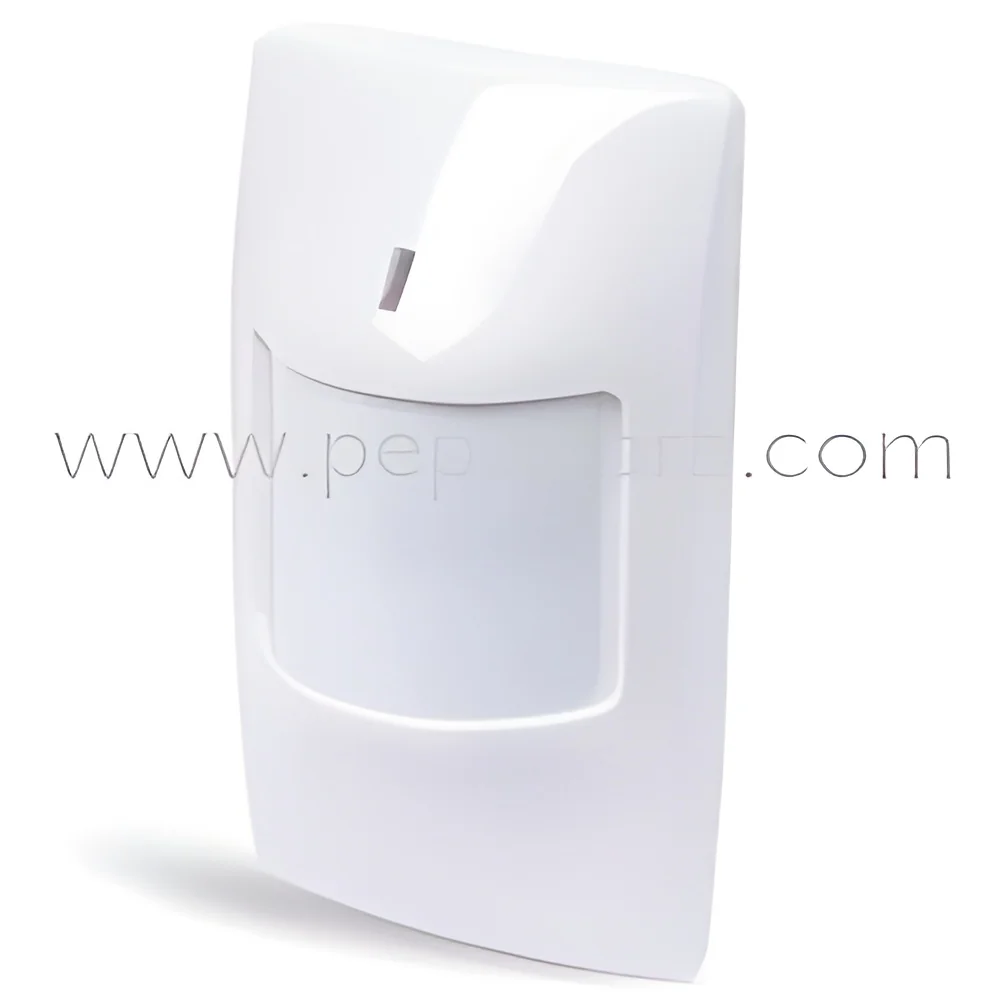
These sensors are designed to be installed on walls, providing a fixed detection area. They are suitable for both indoor and outdoor use, offering reliable coverage for larger spaces.
Ceiling-Mounted Sensors
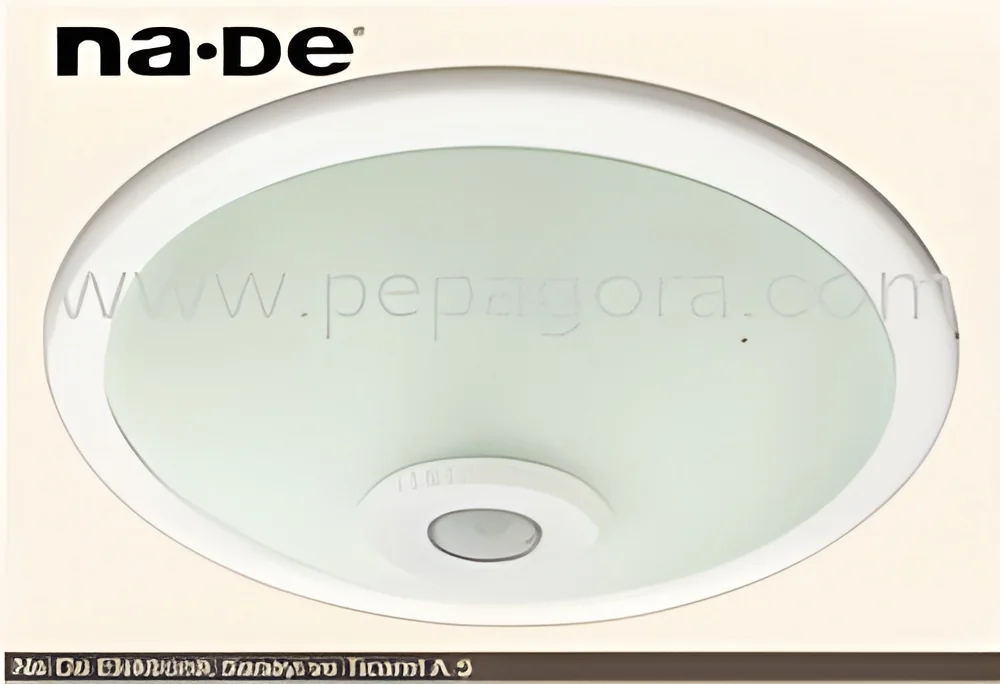
Ideal for areas requiring overhead coverage, ceiling-mounted sensors can monitor wide areas and are commonly used in retail and commercial settings.
Portable Sensors
These are flexible units that can be easily relocated to different areas as needed. They are perfect for temporary security installations or for monitoring events and gatherings.
Benefits and Advantages
Motion sensor alarms offer numerous benefits that enhance security and operational efficiency for businesses.
1. Enhanced Security: These alarms provide real-time monitoring and immediate alerts, helping to prevent unauthorized access and theft.
2. Cost-Effective: By reducing the need for constant human surveillance, motion sensor alarms can lower labor costs while still maintaining a high security level.
3. Automation: Many motion sensors can integrate with other systems, allowing for automation of lighting and HVAC when areas are occupied, further enhancing energy efficiency.
4. Customizable Alerts: Businesses can tailor alarm settings to meet their specific needs, ensuring relevant notifications when movement is detected.
5. Easy Installation: Motion sensor alarms are generally straightforward to install, reducing downtime and disruption during setup.
6. Scalability: These systems can be easily expanded or modified as a business grows or changes, making them a flexible security solution.
Buying Guide for B2B Buyers
When sourcing motion sensor alarms, businesses should consider several critical factors to ensure they make the right choice.
1. Quality Assessment: Evaluate the materials and manufacturing processes used in the alarms. Look for products that meet industry standards for durability and reliability.
2. Supplier Verification: Research potential suppliers to ensure they have a solid reputation and track record in providing quality security products. Check reviews and certifications.
3. Pricing and MOQ: Understand the pricing structure and minimum order quantities. This is essential for budgeting and ensuring that the purchase aligns with business needs.
4. Delivery and Lead Times: Consider logistics and the expected lead times for delivery. Ensure that the supplier can meet your schedule to avoid disruptions.
5. Compliance Requirements: Be aware of any regulatory requirements that apply to security devices in your industry. Ensure the chosen products comply with relevant standards and certifications.
Compliance and Certifications
Motion sensor alarms must adhere to various compliance and certification standards to ensure quality and safety. ISO 9001 is a widely recognized quality management standard that signifies a commitment to quality and continuous improvement in manufacturing processes.
Additionally, CE certification indicates compliance with European health, safety, and environmental protection standards. This is particularly important for businesses that operate in or export to regions requiring CE marking.
Safety and testing requirements are crucial in the manufacturing of motion sensor alarms. Devices should undergo rigorous testing to ensure they can operate reliably in different environmental conditions. Regional compliance considerations may vary, so it is essential for buyers to understand the specific requirements applicable to their location.
Why Source Motion Sensor Alarms from Pepagora?
Pepagora offers a reliable platform for sourcing motion sensor alarms with several key advantages for businesses.
Verified Supplier Network: Pepagora connects buyers with a network of verified suppliers. Each supplier is vetted to ensure they meet high standards of quality and reliability.
Streamlined RFQ Process: The platform simplifies the request for quotation process, enabling buyers to obtain competitive pricing and specifications quickly. This efficiency helps businesses make informed decisions in a timely manner.
Trade Assurance and Support: Buyers benefit from trade assurance, which provides protection for purchases. Pepagora offers support throughout the buying process, ensuring a smooth experience.
Regional Coverage: With a strong presence in India, the GCC, and Southeast Asia, Pepagora is well-positioned to meet the needs of businesses across these regions. This geographic reach enhances accessibility and responsiveness for buyers looking for motion sensor alarms.

Frequently Asked Questions
What are Motion Sensor Alarms?
Motion Sensor Alarms are security devices that detect movement and trigger an alarm when unauthorized motion is sensed. They are commonly used in residential and commercial properties to enhance security and provide alerts in case of a breach.
What are the different types of Motion Sensor Alarms?
There are several types of Motion Sensor Alarms, including passive infrared (PIR) sensors, microwave sensors, and dual-technology sensors. Each type uses different technologies to detect motion, with PIR sensors being the most common for indoor use.
How do I choose the right Motion Sensor Alarms?
Choosing the right Motion Sensor Alarms involves considering factors such as the area to be monitored, the type of environment, and specific security needs. It's important to evaluate the detection range, sensitivity, and compatibility with existing security systems.
What are the standard specifications for Motion Sensor Alarms?
Standard specifications for Motion Sensor Alarms typically include detection range, power supply options, alarm volume, and response time. Additional features may include wireless connectivity, adjustability, and integration with smart home systems.
What is the price range for Motion Sensor Alarms?
The price range for Motion Sensor Alarms can vary widely based on the type and features, generally falling between INR 1,500 to INR 10,000. Higher-end models with advanced technology and additional features may cost more.
What quality standards apply to Motion Sensor Alarms?
Quality standards for Motion Sensor Alarms may include compliance with ISO certifications and safety regulations such as CE or UL. These standards ensure that the alarms are reliable, safe to use, and effective in detecting motion.
Where can I find Motion Sensor Alarms suppliers in India?
You can find Motion Sensor Alarms suppliers in India through online B2B marketplaces like Pepagora, trade shows, and industry directories. It's advisable to compare several suppliers to evaluate their offerings and reliability.
Can Motion Sensor Alarms be customized?
Yes, many manufacturers offer customization options for Motion Sensor Alarms based on specific requirements such as size, features, and branding. It's important to discuss customization options with the supplier to meet your needs.
What is the typical minimum order quantity for Motion Sensor Alarms?
The typical minimum order quantity (MOQ) for Motion Sensor Alarms can vary by supplier but generally ranges from 10 to 50 units. Larger orders may qualify for discounts, so it's advisable to inquire about MOQs when sourcing.
What is the typical lead time for Motion Sensor Alarms?
The typical lead time for Motion Sensor Alarms can range from 1 to 4 weeks, depending on the supplier and whether the product is in stock or requires customization. It's best to confirm lead times with the supplier at the time of order.
Why Businesses Trust Pepagora
Thousands of companies trust Pepagora to source smarter and sell faster
Expand Your Sales Globally

Source Smarter,Grow Faster
