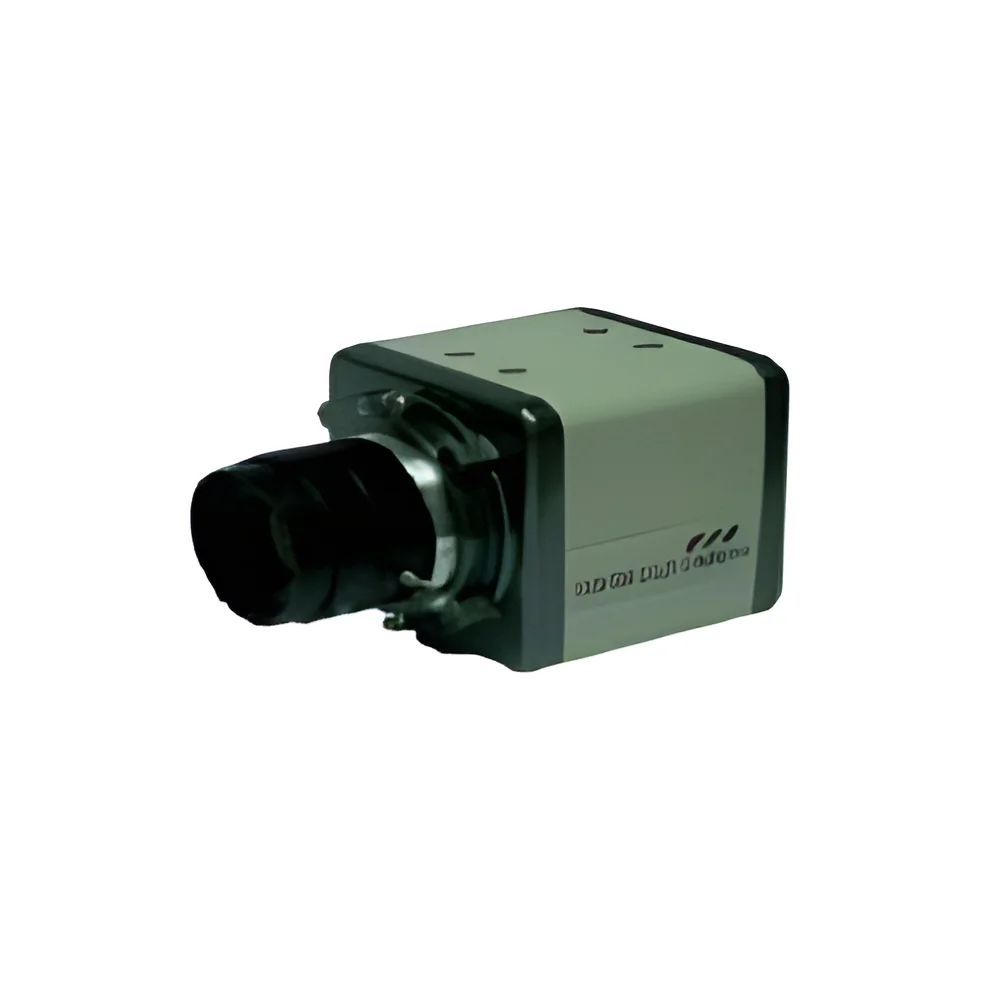
Key Features and Specifications
CCTV cameras come equipped with a range of features designed to enhance their functionality and user experience. When evaluating these cameras, it is essential to consider key specifications that define their performance and suitability for different applications.
Key specifications include:
1. Resolution
- This refers to the clarity of the image captured by the camera.
- Common resolutions include 720p, 1080p, and 4K.
2. Lens Type
- The lens type affects the field of view and zoom capabilities.
- Options typically include fixed, varifocal, and PTZ (pan-tilt-zoom).
3. Night Vision
- This feature allows cameras to capture clear images in low-light conditions.
- Technologies include infrared and low-light sensors.
4. Weather Resistance
- Outdoor cameras must withstand harsh conditions.
- Ratings such as IP66 or IP67 indicate their level of protection against dust and water.
5. Connectivity
- Cameras may offer wired or wireless connectivity options.
- Wireless options may include Wi-Fi and cellular connections.
6. Storage Options
- CCTV cameras can use cloud storage or local storage via SD cards.
- Considerations include storage capacity and data retrieval methods.
7. Motion Detection
- This feature helps reduce unnecessary recordings by activating the camera when motion is detected.
- Adjustable sensitivity settings can optimize performance.
8. Integration Capabilities
- CCTV systems can integrate with other security systems, such as alarms and access control.
- Compatibility with software systems enhances user control and monitoring.
In summary, understanding these features and specifications is vital for selecting the right CCTV cameras for your security needs.
Common Applications and Use Cases
CCTV cameras find applications across various industries, providing enhanced security and monitoring capabilities.
1. Retail: Retail businesses use CCTV cameras to deter theft, monitor customer behavior, and ensure employee safety. They can also analyze foot traffic patterns to improve store layouts.
2. Transportation: Airports, train stations, and bus terminals utilize CCTV for monitoring passenger flow, ensuring safety, and preventing vandalism. These systems help in real-time surveillance and incident management.
3. Healthcare: Hospitals and clinics install CCTV cameras to ensure patient safety, monitor staff activities, and prevent unauthorized access. They can also help in maintaining compliance with safety regulations.
4. Education: Schools and universities deploy CCTV cameras to enhance campus safety, monitor student activities, and protect property. They serve as a deterrent against bullying and vandalism.
5. Banking: Financial institutions use CCTV cameras to secure ATMs and branch locations. These systems help monitor transactions and prevent fraud.
6. Manufacturing: Factories leverage CCTV for monitoring production lines, ensuring workplace safety, and preventing theft. Real-time surveillance improves operational efficiency.
7. Hospitality: Hotels and resorts use CCTV cameras to ensure guest safety, monitor common areas, and enhance service quality. Security personnel can respond quickly to incidents.
Product Variants and Subcategories
CCTV cameras come in various types and models to meet diverse needs. This diversity allows businesses to choose the most suitable option for their specific applications.
Dome Cameras
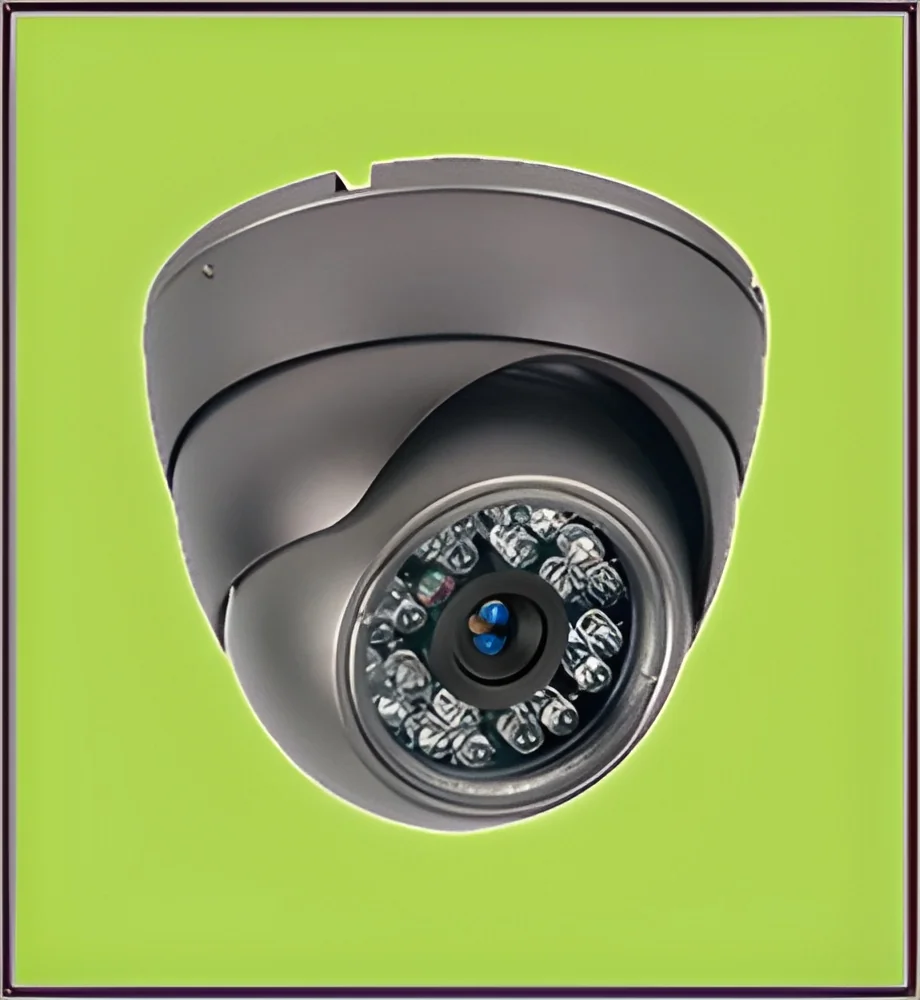
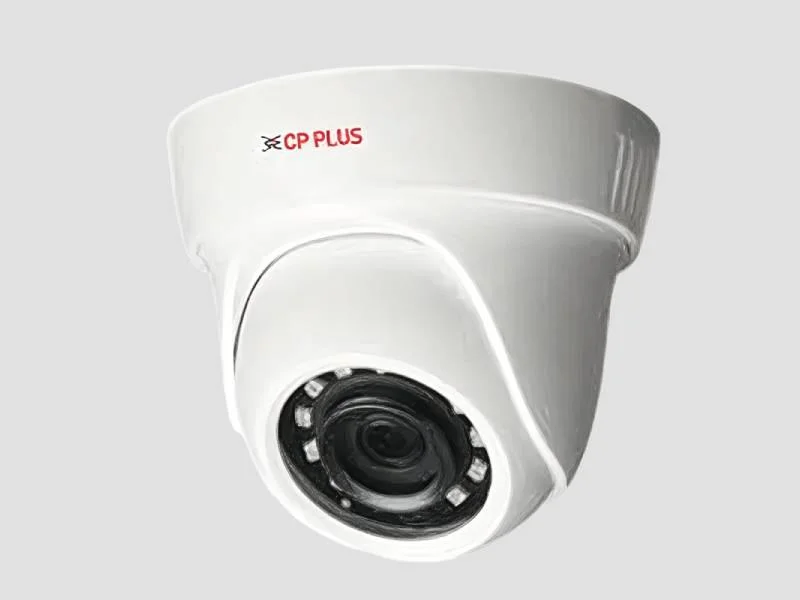
Dome cameras are commonly used in indoor and outdoor environments. They are discreet and can be mounted on ceilings or walls. Their design makes it difficult for individuals to determine the direction they are facing, enhancing surveillance effectiveness.
Bullet Cameras
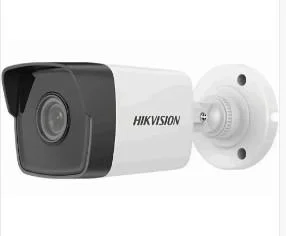
Bullet cameras are ideal for outdoor surveillance due to their weather-resistant design. They offer a long-range view and are typically easy to install. These cameras are often used in parking lots and building perimeters.
PTZ Cameras
PTZ (pan-tilt-zoom) cameras provide flexible monitoring options. Users can control the camera remotely to pan, tilt, or zoom in on specific areas. These cameras are effective in large spaces where comprehensive coverage is required.
Benefits and Advantages
CCTV cameras offer several advantages that enhance security and operational efficiency for businesses.
1. Enhanced Security: CCTV cameras act as a deterrent to criminal activities, reducing theft and vandalism risks. Their presence alone can discourage potential offenders.
2. Remote Monitoring: Many CCTV systems allow for remote access, enabling users to monitor their premises in real-time from anywhere. This feature is particularly valuable for business owners with multiple locations.
3. Evidence Collection: In the event of an incident, recorded footage can provide essential evidence for investigations and legal proceedings. This capability is crucial for ensuring accountability.
4. Increased Employee Safety: CCTV cameras help create a safer work environment by monitoring potential hazards and ensuring compliance with safety protocols. This leads to improved employee morale and productivity.
5. Operational Insights: Businesses can analyze footage to gain insights into customer behavior and employee performance. This data can inform decision-making and improve overall operations.
6. Cost-Effective Solutions: With advancements in technology, CCTV systems have become more affordable and accessible. The long-term benefits of enhanced security often outweigh the initial investment.
Buying Guide for B2B Buyers
When sourcing CCTV cameras (Indoor & Outdoor), it is essential for businesses to consider several factors to ensure they make informed purchasing decisions.
1. Quality Assessment: Evaluate the quality of the cameras by examining the manufacturer's reputation, customer reviews, and product specifications. High-quality cameras provide better image clarity and durability.
2. Supplier Verification: Vet suppliers to ensure they are reputable and reliable. Look for certifications and industry experience that indicate a trustworthy partnership.
3. Pricing and MOQ: Consider the price range of the cameras and the Minimum Order Quantity (MOQ). Compare pricing from different suppliers to ensure competitive rates without compromising quality.
4. Delivery and Lead Times: Understand the logistics involved in sourcing the cameras. Check lead times for delivery to ensure your timelines align with project requirements.
5. Compliance Requirements: Ensure that the cameras meet relevant regulatory and compliance standards specific to your industry. This might include safety certifications and quality standards.
Compliance and Certifications
Compliance and certifications are critical in ensuring the quality and safety of CCTV cameras. Manufacturers should adhere to relevant quality standards such as ISO 9001, which demonstrates a commitment to quality management systems.
CCTV cameras often require industry certifications like CE, indicating conformity with health, safety, and environmental protection standards. These certifications ensure that the products meet the necessary regulations for market entry.
Safety and testing requirements are also crucial. CCTV cameras must undergo rigorous testing to guarantee their reliability, especially in sensitive environments. Businesses should verify these compliance details before making a purchase.
Regional compliance considerations may vary, so it is essential to stay informed about local regulations that may affect the installation and operation of CCTV systems.
Why Source CCTV Cameras (Indoor & Outdoor) from Pepagora?
Pepagora offers a reliable platform for sourcing CCTV cameras (Indoor & Outdoor) with distinct advantages that support B2B buyers in their purchasing decisions.
Verified Supplier Network: Pepagora features a network of verified suppliers, ensuring that buyers can trust the quality and authenticity of the products they source. This reduces the risk of dealing with unreliable vendors.
Streamlined RFQ Process: The Request for Quotation (RFQ) system simplifies the procurement process. Buyers can easily request quotes from multiple suppliers, allowing for competitive pricing and informed decision-making.
Trade Assurance and Support: Pepagora provides trade assurance to protect buyers throughout the purchasing process. This support includes assistance with disputes and ensuring that suppliers meet their commitments.
Regional Coverage: With a strong presence in India, the GCC, and Southeast Asia, Pepagora caters to a wide geographic area. This regional coverage allows businesses to source CCTV cameras that meet their specific needs and preferences, regardless of location.

 IN
IN