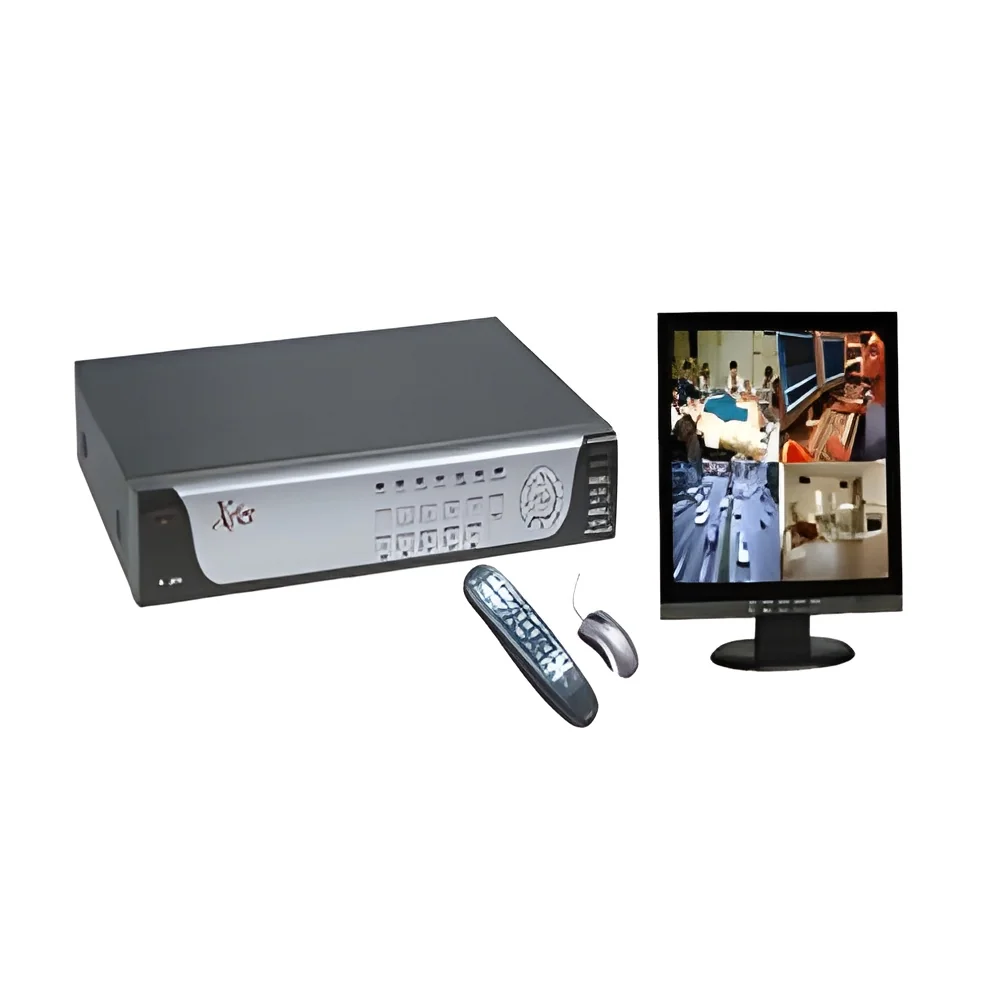
Key Features and Specifications
DVRs come equipped with a range of features and specifications that cater to diverse user needs. These capabilities ensure that businesses can select a DVR that aligns with their operational requirements. Understanding these specifications is crucial for making informed purchasing decisions.
Key specifications include:
1. Storage Capacity
- DVRs typically offer storage ranging from 500GB to several terabytes.
- This capacity determines how much video footage can be stored before automatic overwriting occurs.
2. Video Resolution
- Common resolutions include standard definition (SD), high definition (HD), and ultra-high definition (UHD).
- Higher resolutions provide clearer images, essential for detailed surveillance footage.
3. Recording Format
- DVRs may support various formats like MPEG-4, H.264, or proprietary formats.
- The recording format impacts the file size and quality of the stored video.
4. Number of Channels
- DVRs can support multiple channels, allowing simultaneous recording from various cameras.
- Typical channel counts range from 4 to 64, depending on the model.
5. Connectivity Options
- Features may include Ethernet ports, USB ports, and HDMI outputs.
- Connectivity options facilitate easy integration with existing systems.
6. Remote Access
- Many DVRs offer remote monitoring capabilities through mobile apps or web interfaces.
- This feature allows users to view live feeds and recorded footage from anywhere.
7. Backup Solutions
- DVRs may provide options for cloud backup or external storage support.
- Backup solutions enhance data security and prevent loss of critical footage.
8. User Interface
- A user-friendly interface simplifies navigation and operation.
- Features such as search functions and playback controls improve usability.
In summary, understanding the key features and specifications of DVRs allows businesses to select the right equipment for their specific needs, ensuring effective video management.
Common Applications and Use Cases
DVRs serve a wide array of industries, enhancing operational efficiencies and providing critical video management solutions.
1. Security: In the security sector, DVRs are essential for recording and storing surveillance footage. They allow businesses to monitor premises in real-time and access recorded data for investigations.
2. Broadcasting: Television networks utilize DVRs to enable viewers to record shows and watch them later. This capability enhances viewer satisfaction and increases audience engagement.
3. Education: Educational institutions employ DVRs to record lectures and presentations, allowing students to review material at their convenience. This application promotes better learning outcomes.
4. Healthcare: In healthcare settings, DVRs can record patient monitoring systems, ensuring that critical data is preserved for later analysis. This is vital for patient safety and compliance.
5. Retail: Retailers use DVRs to monitor customer behavior and enhance security. Recorded footage can be analyzed to improve store layouts and customer service.
6. Transportation: DVRs in transportation allow for the recording of video from vehicle cameras, providing insights into driver behavior and safety incidents. This data is crucial for fleet management.
7. Sports: Sports organizations use DVRs to record games and practices, enabling coaches to analyze performance and develop strategies. This application is vital for team improvement.
Product Variants and Subcategories
DVRs come in various configurations to meet different needs. While specific subcategories may not be available, understanding the general variants helps businesses choose the right solution.
Standalone DVRs: These units function independently, often used in security systems. They feature built-in storage and are easy to install, making them ideal for small businesses and home security.
Network DVRs: Network DVRs connect to IP cameras, allowing for remote monitoring and higher flexibility in system design. They are suitable for larger installations requiring extensive camera coverage.
Hybrid DVRs: These devices can integrate both analog and digital cameras, providing a versatile solution for businesses transitioning from older systems to modern technology.
Benefits and Advantages
DVRs offer numerous advantages that enhance their value for businesses across various industries.
1. Improved Video Quality: DVRs provide high-resolution recording capabilities, ensuring clear and detailed footage essential for security and analysis.
2. Flexible Storage Options: With substantial storage capacities, DVRs allow users to retain video data for extended periods, accommodating various compliance and operational needs.
3. Enhanced Accessibility: Remote access to recorded footage enables timely decision-making and responsiveness, critical in security and operational contexts.
4. Cost-Effective Solutions: DVRs reduce the need for physical storage media, lowering costs associated with tape management and maintenance.
5. User-Friendly Interfaces: Many DVRs come with intuitive interfaces, making it easy for users to navigate and manage recordings without extensive training.
6. Integration Capabilities: DVRs can often integrate with other security systems, providing a comprehensive solution for monitoring and data management.
Buying Guide for B2B Buyers
When sourcing DVRs, businesses should consider several key factors to ensure they select the right product for their needs.
1. Quality Assessment: Evaluate the build quality and durability of DVRs. Consider the manufacturer's reputation and reviews to ensure reliability.
2. Supplier Verification: Vet suppliers by checking references and ensuring they have a track record of delivering quality products. Certifications can also indicate reliability.
3. Pricing and MOQ: Understand the pricing structure and minimum order quantities (MOQ). This information helps in budgeting and planning for procurement.
4. Delivery and Lead Times: Inquire about delivery schedules and lead times to ensure timely receipt of equipment, especially for urgent projects.
5. Compliance Requirements: Ensure that the DVRs meet relevant industry standards and regulations. This may include compliance with safety and data protection laws.
Compliance and Certifications
Compliance and certifications play a crucial role in the reliability and safety of DVRs. Adhering to quality standards ensures that products meet industry expectations and regulatory requirements.
ISO 9001 is a widely recognized quality management standard that ensures consistent quality in manufacturing processes. Organizations that comply with this standard demonstrate a commitment to quality and continuous improvement.
The CE marking indicates conformity with health, safety, and environmental protection standards for products sold within the European Economic Area. This certification is important for businesses exporting DVRs to Europe.
Safety and testing requirements are essential to ensure that DVRs operate safely and do not pose risks to users. Compliance with these standards is vital for maintaining customer trust and meeting legal obligations.
Regional compliance considerations may vary depending on local regulations. Understanding these requirements ensures that businesses source DVRs that are compliant with regional laws and can be operated without legal issues.
Why Source DVR (Digital Video Recorders) from Pepagora?
Pepagora provides a trusted platform for sourcing DVRs, offering numerous advantages to B2B buyers seeking reliable products.
Verified Supplier Network: Pepagora has established a network of verified suppliers, ensuring that buyers can find quality DVRs from reputable manufacturers. This verification process builds trust and reduces procurement risks.
Streamlined RFQ Process: The request for quotation (RFQ) process on Pepagora is designed to be straightforward, allowing buyers to easily request quotes from multiple suppliers. This efficiency simplifies the decision-making process.
Trade Assurance and Support: Buyers benefit from trade assurance, providing protection during transactions. Pepagora offers support to help buyers resolve any issues, ensuring a smooth purchasing experience.
Regional Coverage: With a strong presence in India, the GCC, and Southeast Asia, Pepagora caters to a diverse range of customers. This geographic reach allows businesses to access a wide variety of DVR options tailored to their specific market needs.

 IN
IN