
 IN
Audio/Video Door Phones
3 products available
What are Audio/Video Door Phones?
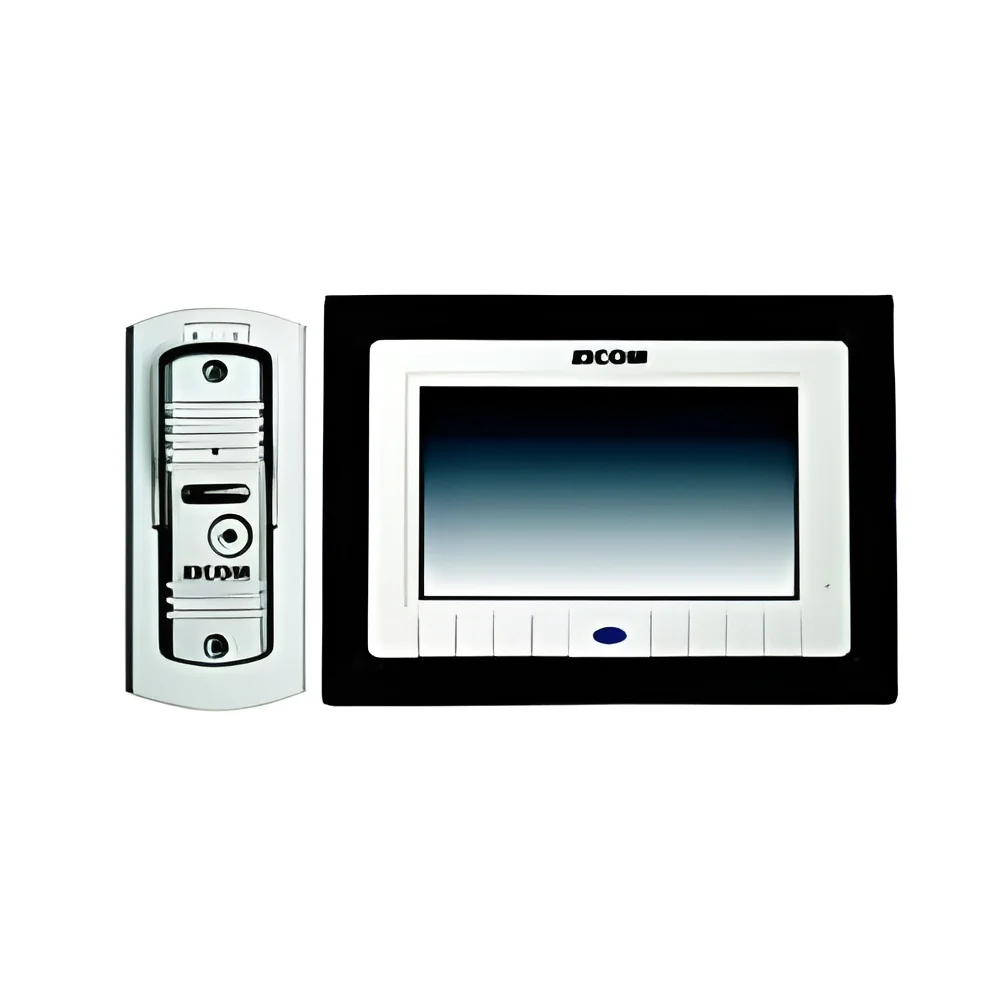
Audio/Video Door Phones are sophisticated communication devices that allow users to see and speak with visitors at their door before granting access. They integrate both audio and visual capabilities, providing a secure method for verifying a person's identity. These systems typically consist of an outdoor unit with a camera and microphone, and an indoor unit that displays video and allows for two-way communication.
The primary uses of Audio/Video Door Phones are found in residential and commercial properties, enhancing security and convenience. Businesses deploy these devices for visitor management, allowing employees to screen guests before allowing entry. They are especially valuable in environments that require high security, such as banks, corporate offices, and healthcare facilities. As the demand for security solutions grows, Audio/Video Door Phones have become an essential component in safeguarding properties across various industries.
In the current market context, the growth of smart home technology and increased awareness of security issues have driven the adoption of Audio/Video Door Phones. With advancements in technology, these devices now offer additional features such as remote access and smartphone integration, further boosting their relevance in modern security systems.
Key Features and Specifications
Audio/Video Door Phones come with a variety of features that enhance their functionality and usability. Understanding these specifications can help buyers select the right system for their needs.
Key specifications include:
1. Video Quality
- High-definition video capabilities, typically ranging from 720p to 1080p
- Night vision features for low-light conditions
2. Audio Quality
- Full-duplex communication for clear two-way conversations
- Noise cancellation technology to improve sound clarity
3. Connectivity Options
- Wired and wireless connection capabilities
- Integration with Wi-Fi networks for remote access
4. Display Size
- Indoor units typically feature screen sizes from 7 inches to 10 inches
- Touchscreen options for enhanced user interaction
5. Weather Resistance
- Outdoor units designed to withstand various weather conditions
- IP ratings, such as IP65, indicating dust and water resistance
6. Installation Type
- Surface-mounted or flush-mounted options available
- Compatibility with existing doorbell systems
7. Power Supply
- Options for battery-powered or hardwired systems
- Low power consumption for energy efficiency
8. Additional Features
- Motion detection with alerts sent to users
- Integration with smart home systems for enhanced control
In summary, the features and specifications of Audio/Video Door Phones play a crucial role in determining the right solution for any security needs, ensuring safe and efficient management of access control.
Common Applications and Use Cases
Audio/Video Door Phones serve a wide range of industries and applications, enhancing security and communication.
1. Residential Buildings: Homeowners use these systems to monitor visitors at their doorsteps, ensuring safety and convenience.
2. Corporate Offices: Businesses implement Audio/Video Door Phones for visitor management, allowing employees to verify guests before granting access.
3. Healthcare Facilities: Hospitals and clinics utilize these systems to enhance security and control access to sensitive areas.
4. Educational Institutions: Schools and universities deploy Audio/Video Door Phones to manage visitor access and improve safety on campus.
5. Retail Stores: Retailers use these systems to monitor entrances and deter theft, providing a secure environment for customers and staff.
6. Banks and Financial Institutions: High-security environments like banks rely on these devices for enhanced verification and security measures.
7. Hospitality: Hotels and resorts implement Audio/Video Door Phones to improve guest security and streamline check-in processes.
Product Variants and Subcategories
Audio/Video Door Phones come in various configurations to suit different needs and preferences. This diversity allows businesses and homeowners to choose a system that fits their specific requirements.
Variant 1: Wired Audio/Video Door Phones
These systems are hardwired to provide a stable connection. They typically offer superior video and audio quality and are ideal for permanent installations in high-traffic areas.
Variant 2: Wireless Audio/Video Door Phones
Wireless options offer more flexibility in installation. They can be easily relocated and are suitable for buildings where running cables is impractical.
Variant 3: Smart Audio/Video Door Phones
These systems integrate with smart home technology, allowing users to control the door phone via mobile devices. Features often include remote access and alerts.
Variant 4: Multi-Unit Systems
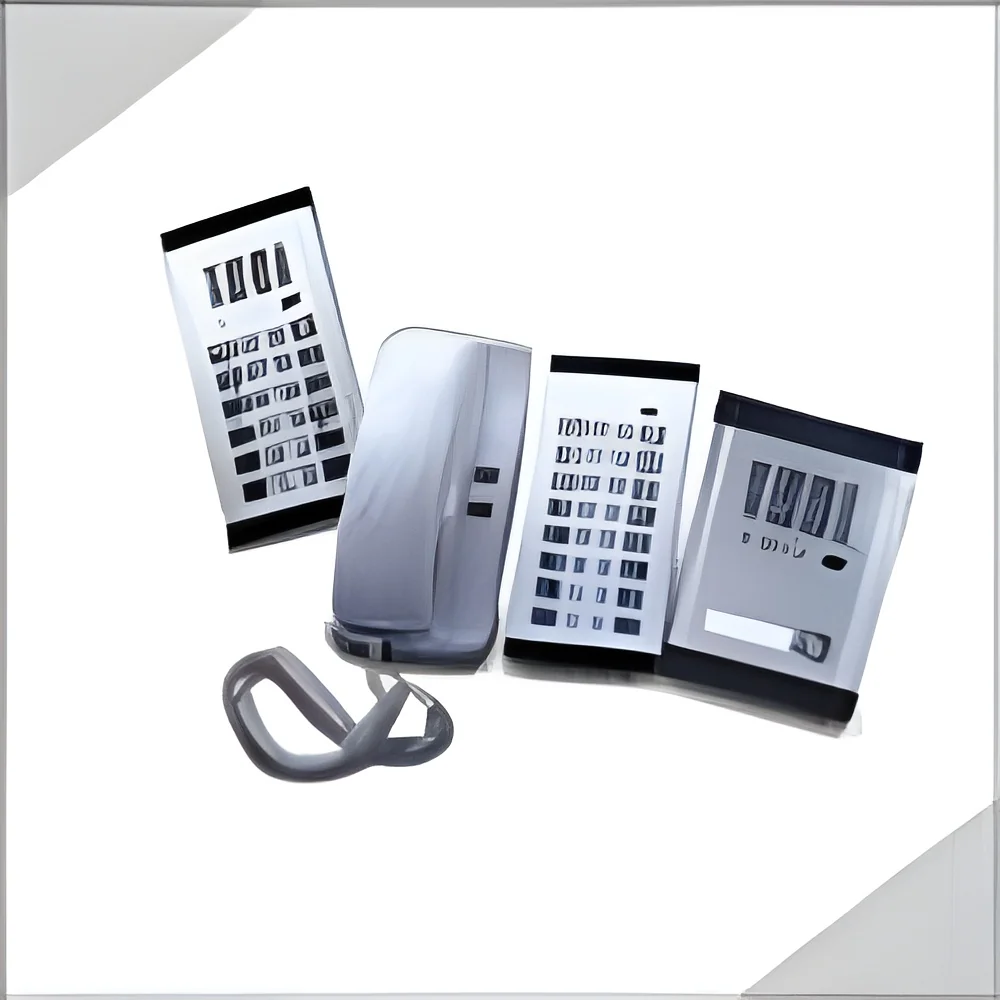
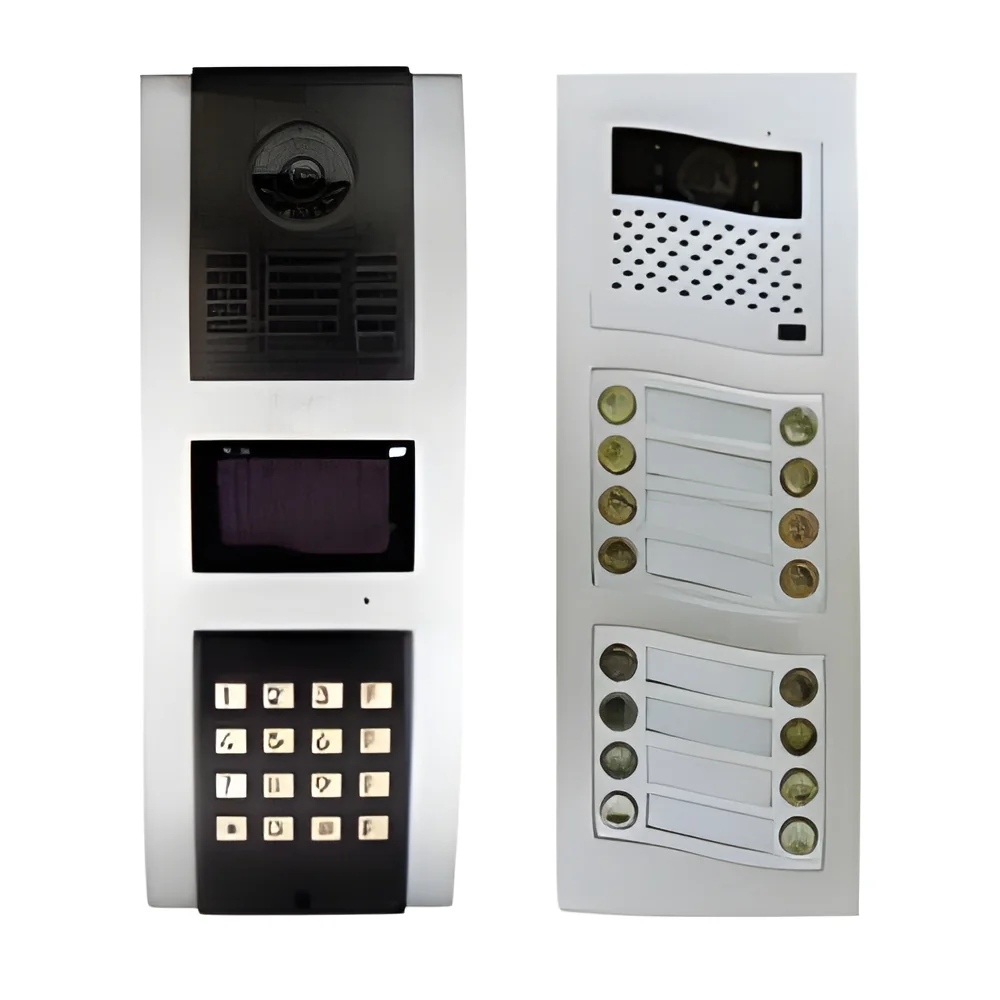
These are designed for larger buildings, allowing multiple indoor units to connect to a single outdoor unit. Ideal for apartment complexes or commercial buildings.
Benefits and Advantages
Investing in Audio/Video Door Phones provides numerous benefits for both residential and commercial users.
Key benefits include:
1. Enhanced Security: These systems allow users to screen visitors, reducing the risk of unauthorized access.
2. Improved Communication: Clear audio and video capabilities facilitate effective communication between visitors and residents or employees.
3. Remote Access: Many modern systems offer smartphone integration, enabling remote monitoring and control from anywhere.
4. Increased Convenience: Users can easily manage access to their property without needing to physically approach the door.
5. Peace of Mind: Knowing who is at the door before answering provides reassurance and enhances overall safety.
6. Cost-Effective Solution: While the initial investment may be significant, the long-term benefits in security and convenience outweigh the costs.
Buying Guide for B2B Buyers
When sourcing Audio/Video Door Phones for business needs, it is important to consider various factors that can influence the selection process.
1. Quality Assessment: Evaluate the build quality and performance of the devices. Look for systems with high-definition video and clear audio capabilities as key indicators of quality.
2. Supplier Verification: Vet potential suppliers to ensure they are reputable and offer reliable products. Check for reviews and testimonials from other buyers.
3. Pricing and MOQ: Understand the pricing structure and minimum order quantities. Compare prices across different suppliers while considering the overall value provided.
4. Delivery and Lead Times: Confirm lead times and delivery schedules to ensure timely installation and setup. This is especially important for businesses with tight timelines.
5. Compliance Requirements: Ensure the products meet relevant industry standards and regulations, such as safety certifications. Compliance with local laws can prevent future complications.
Compliance and Certifications
Audio/Video Door Phones must comply with various quality and safety standards to ensure reliability and performance. Key standards include ISO 9001, which focuses on quality management systems, ensuring that products meet customer requirements consistently.
In the European market, Audio/Video Door Phones should have CE certification, indicating conformity with health, safety, and environmental protection standards. This certification is crucial for ensuring that the products are safe for use.
Additionally, manufacturers should adhere to safety and testing requirements to ensure the devices function correctly under various conditions. Buyers should also be aware of regional compliance considerations, as these can vary significantly depending on the location.
Why Source Audio/Video Door Phones from Pepagora?
Pepagora provides a trusted platform for sourcing Audio/Video Door Phones, offering several key advantages for buyers.
Verified Supplier Network: Pepagora connects buyers with a network of verified suppliers, ensuring that all products meet quality and performance standards. This verification process helps buyers make informed purchasing decisions.
Streamlined RFQ Process: The request for quotation (RFQ) system simplifies the procurement process, allowing buyers to easily compare quotes from multiple suppliers. This efficiency saves time and resources.
Trade Assurance and Support: Pepagora offers trade assurance, providing buyers with protection against potential risks. Their support team is also available to assist with any queries during the buying process.
Regional Coverage: With a presence in India, the GCC, and Southeast Asia, Pepagora's geographic reach allows buyers to source products locally while benefiting from a diverse supplier network. This regional coverage enhances accessibility and responsiveness to market needs.

Frequently Asked Questions
What are Audio/Video Door Phones?
Audio/Video Door Phones are electronic devices that allow users to communicate with visitors at their door through audio and video transmission. These systems typically consist of an outdoor unit with a camera and microphone, and an indoor unit with a monitor and speaker.
What are the different types of Audio/Video Door Phones?
There are several types of Audio/Video Door Phones, including wired and wireless systems. Wired systems offer stable connections and are ideal for permanent installations, while wireless systems provide flexibility and easier installation.
How do I choose the right Audio/Video Door Phones?
To choose the right Audio/Video Door Phones, consider factors such as the installation environment, whether you prefer wired or wireless options, and the desired features like night vision or remote access. It's also important to evaluate the compatibility with your existing security systems.
What are the standard specifications for Audio/Video Door Phones?
Standard specifications for Audio/Video Door Phones typically include video resolution, microphone sensitivity, speaker output, and connectivity options. Additionally, features like motion detection, night vision, and weather resistance are also important specifications to consider.
What is the price range for Audio/Video Door Phones?
The price range for Audio/Video Door Phones varies widely based on features, brand, and technology. Generally, you can expect to pay anywhere from INR 3,000 to INR 25,000 or more for high-end models.
What quality standards apply to Audio/Video Door Phones?
Audio/Video Door Phones are subject to various quality standards, including ISO certifications and safety standards like CE and RoHS. These standards ensure that the devices are reliable, safe to use, and meet performance expectations.
Where can I find Audio/Video Door Phones suppliers in India?
You can find Audio/Video Door Phones suppliers in India through B2B marketplaces like Pepagora, trade shows, and industry directories. It is advisable to compare multiple suppliers to ensure you find the best products and services.
Can Audio/Video Door Phones be customized?
Yes, many manufacturers offer customization options for Audio/Video Door Phones, which can include branding, specific features, or tailored designs to meet client needs. It's best to discuss your requirements directly with suppliers to understand the available customization options.
What is the typical minimum order quantity for Audio/Video Door Phones?
The typical minimum order quantity (MOQ) for Audio/Video Door Phones can vary by supplier, but it generally ranges from 10 to 50 units. It's important to check with specific manufacturers for their MOQ policies.
What is the typical lead time for Audio/Video Door Phones?
The typical lead time for Audio/Video Door Phones can range from 2 to 6 weeks, depending on the supplier and whether the products are in stock or require customization. It's advisable to confirm lead times during the ordering process.
Why Businesses Trust Pepagora
Thousands of companies trust Pepagora to source smarter and sell faster
Expand Your Sales Globally

Source Smarter,Grow Faster
