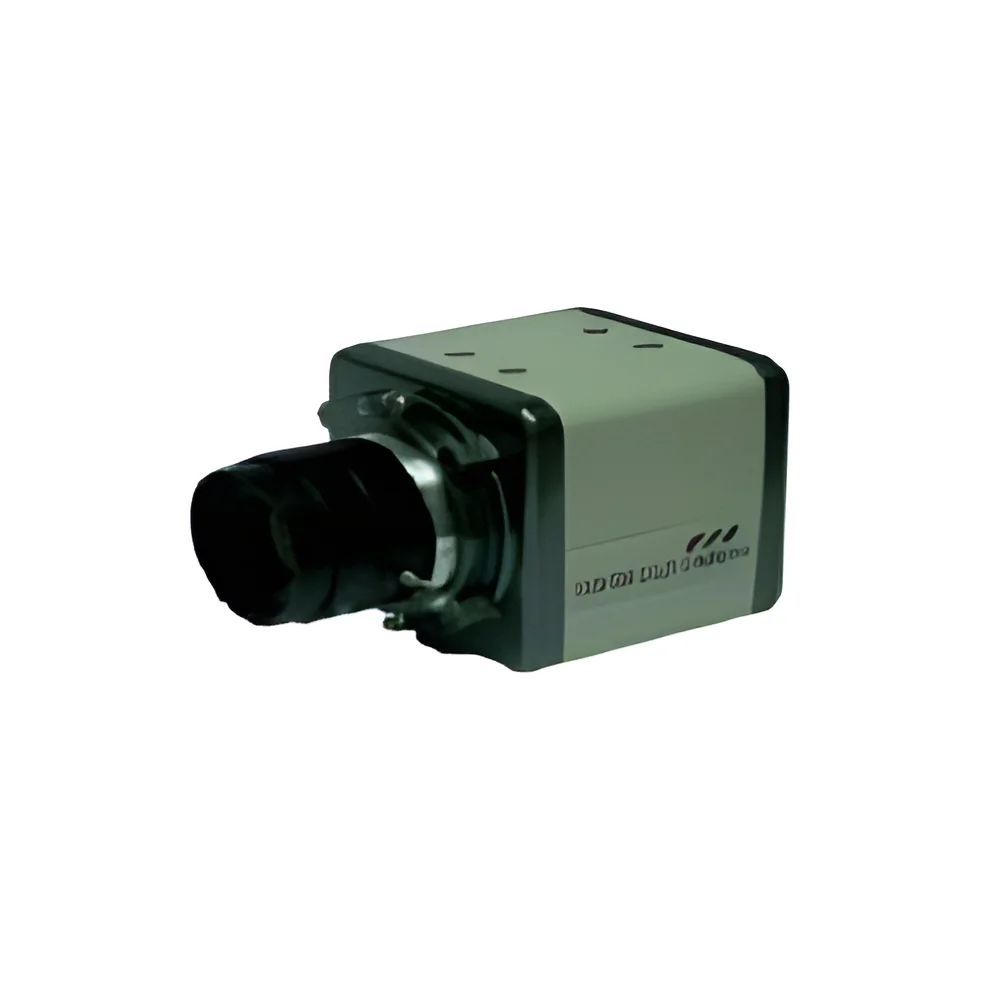
𝗪𝗵𝗮𝘁 𝗮𝗿𝗲 𝗛𝗼𝗺𝗲 𝗦𝗲𝗰𝘂𝗿𝗶𝘁𝘆 𝗦𝘆𝘀𝘁𝗲𝗺𝘀?
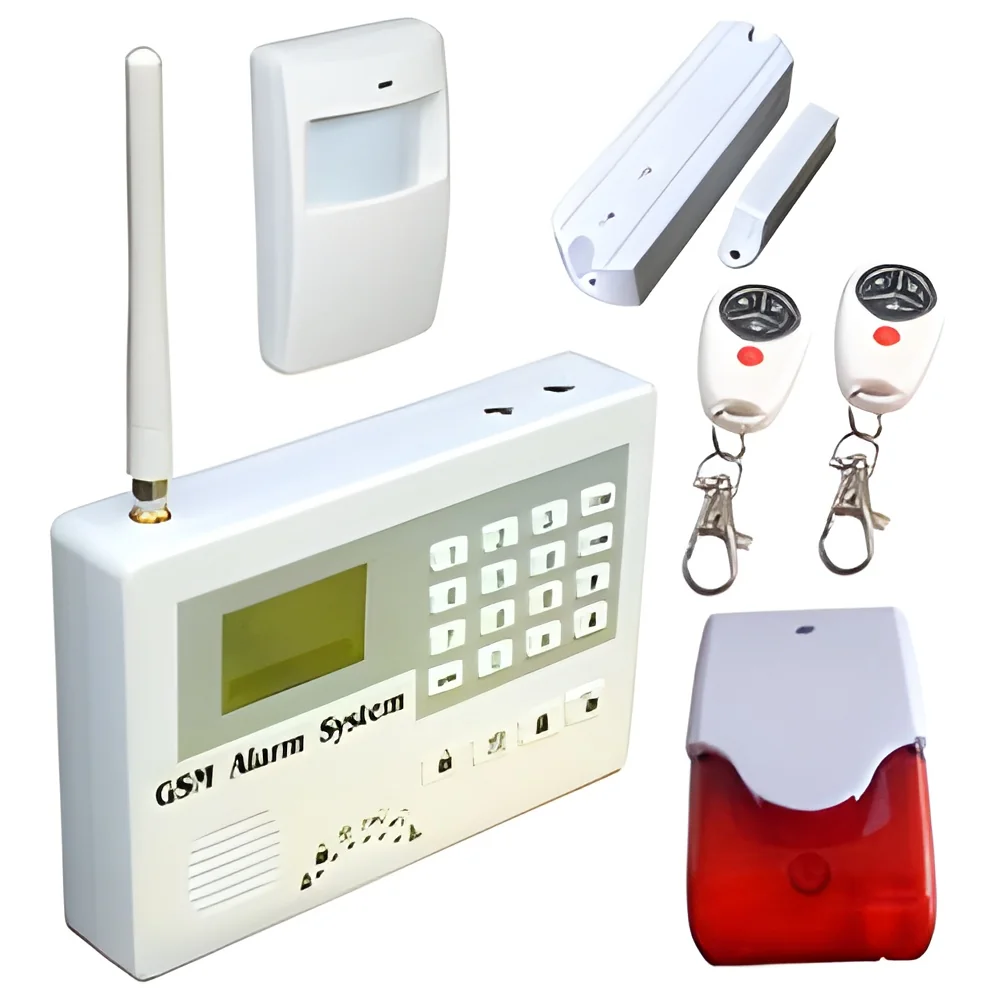
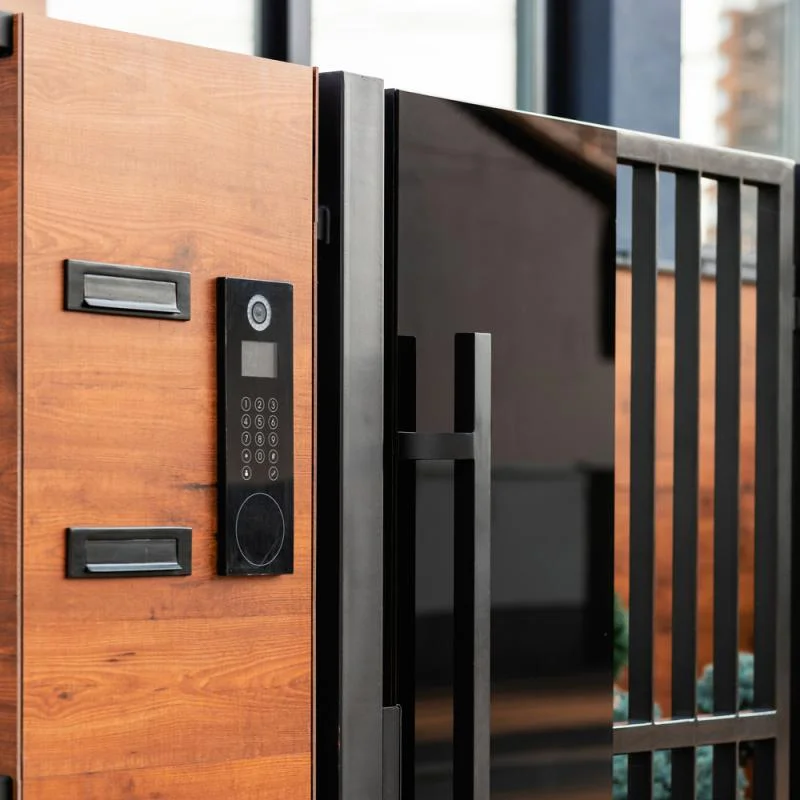
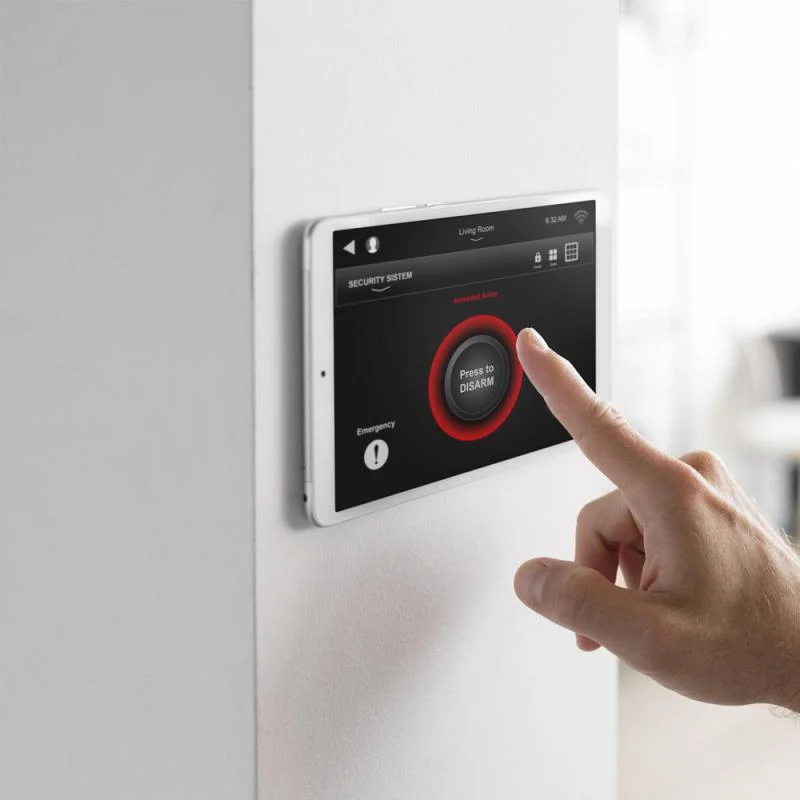
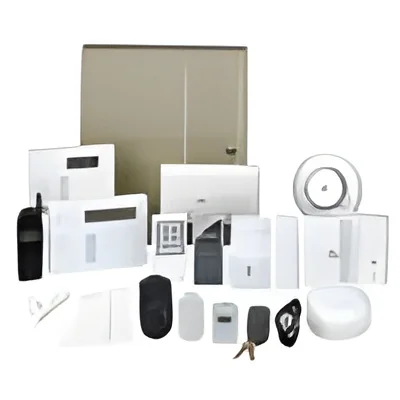
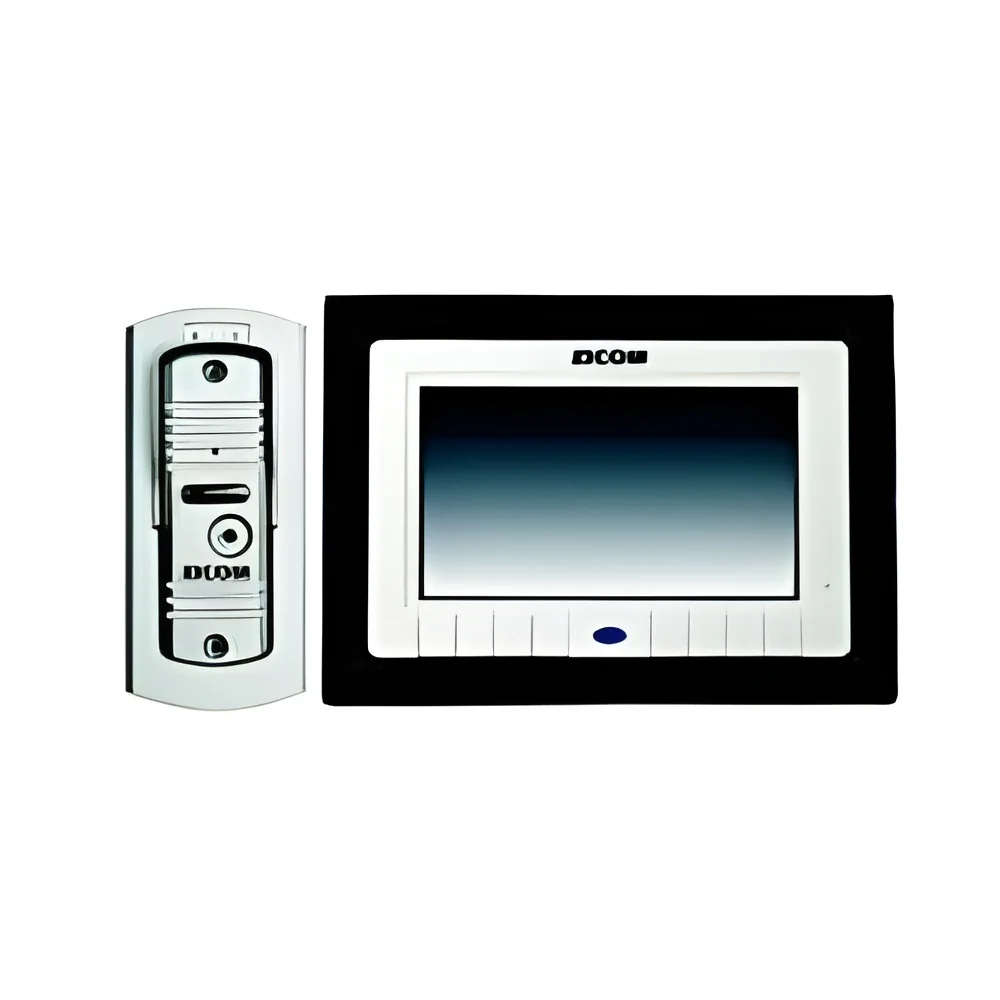
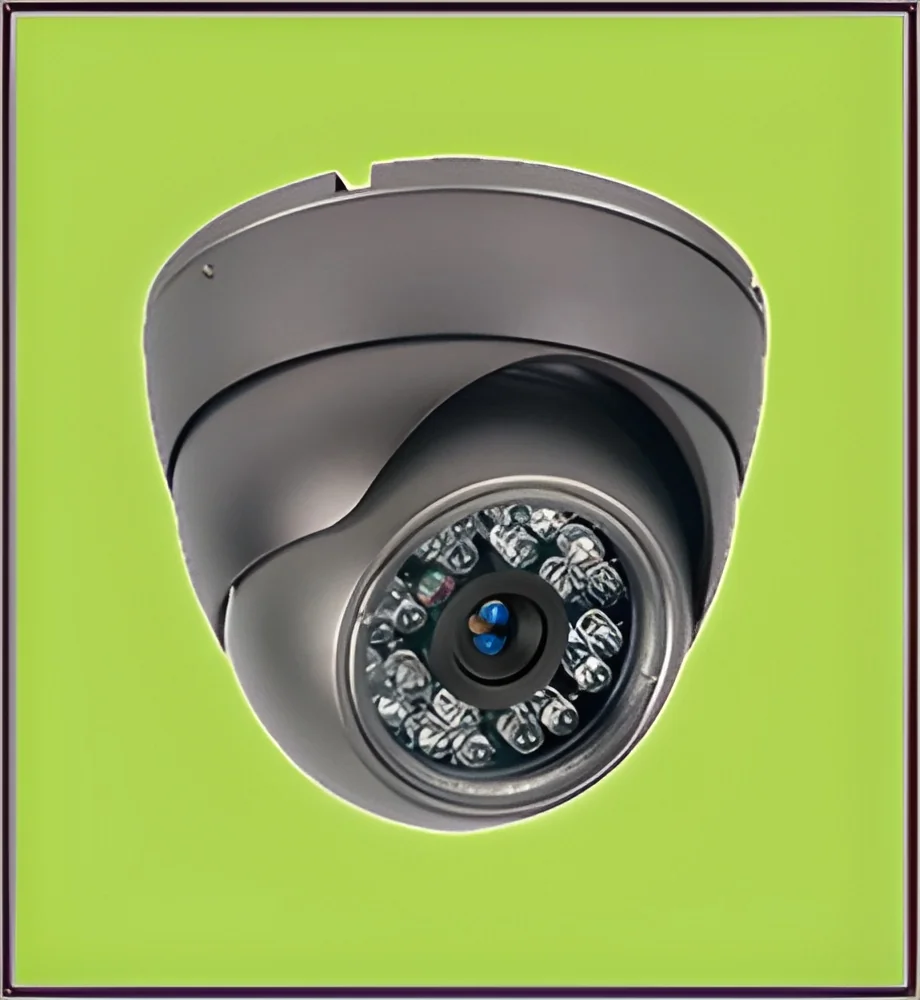
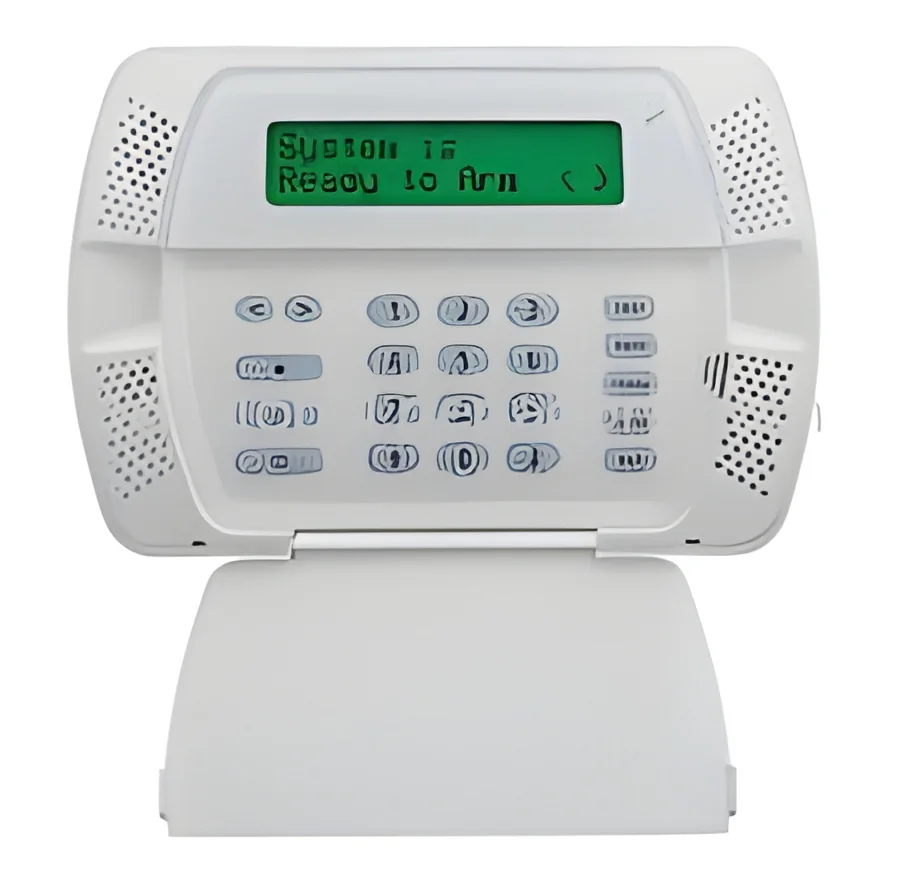
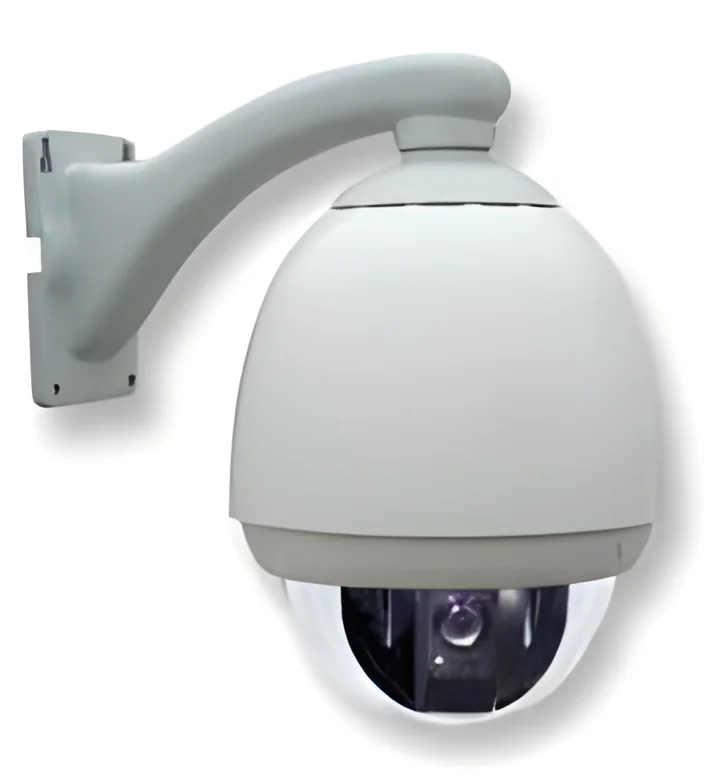
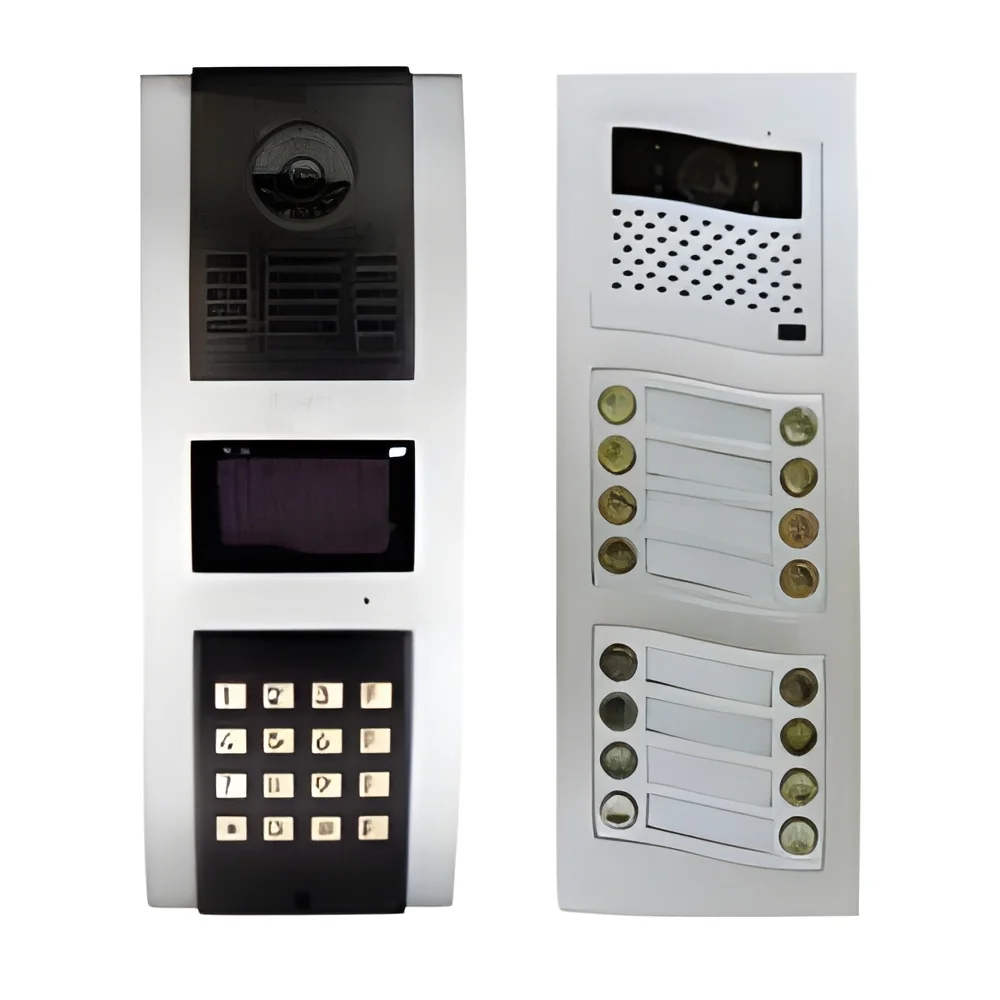
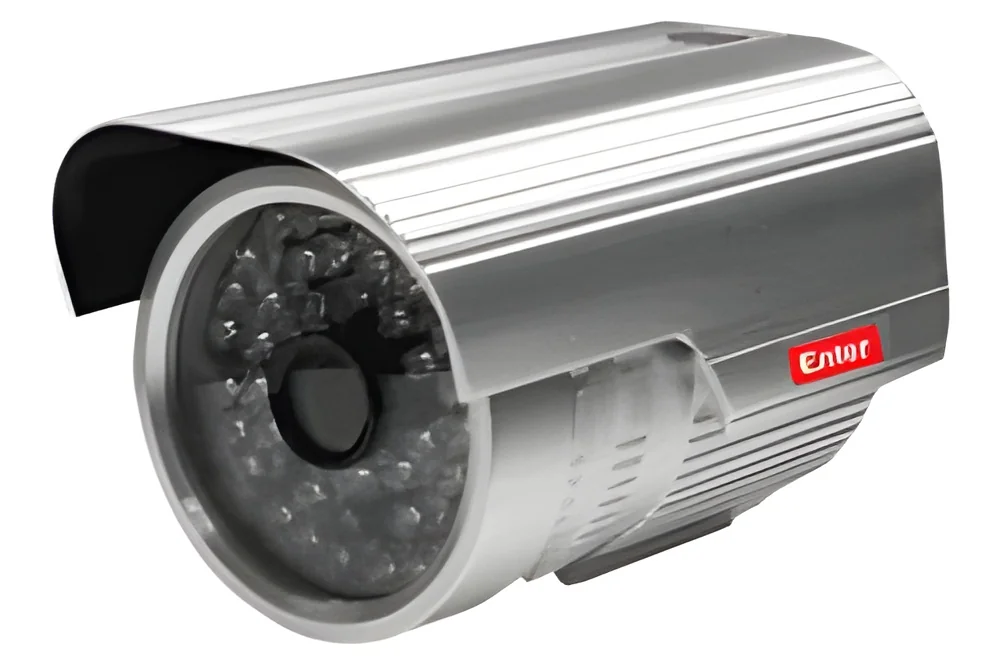
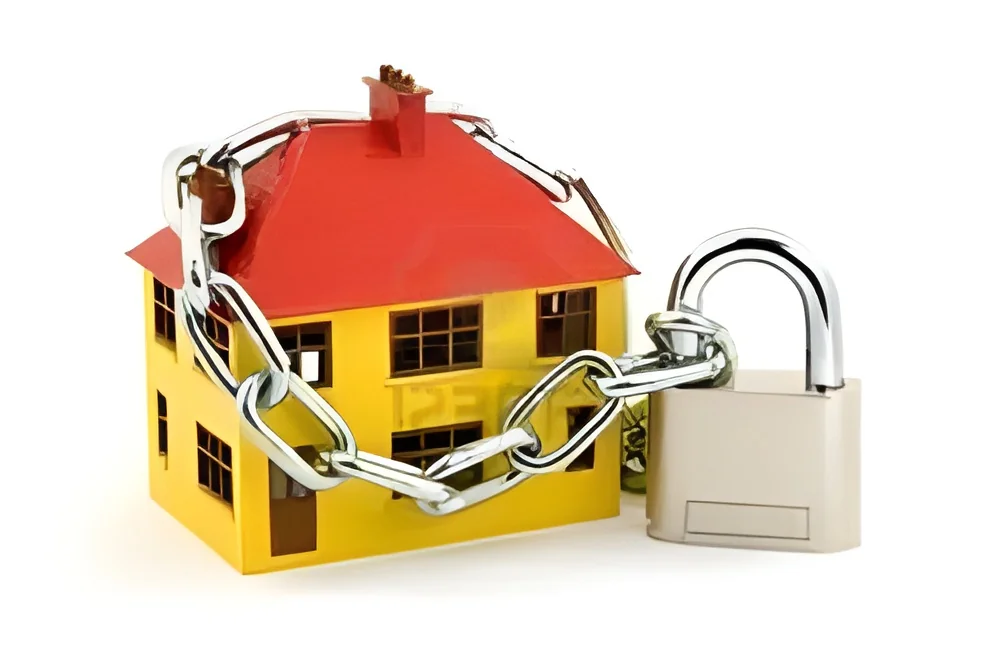
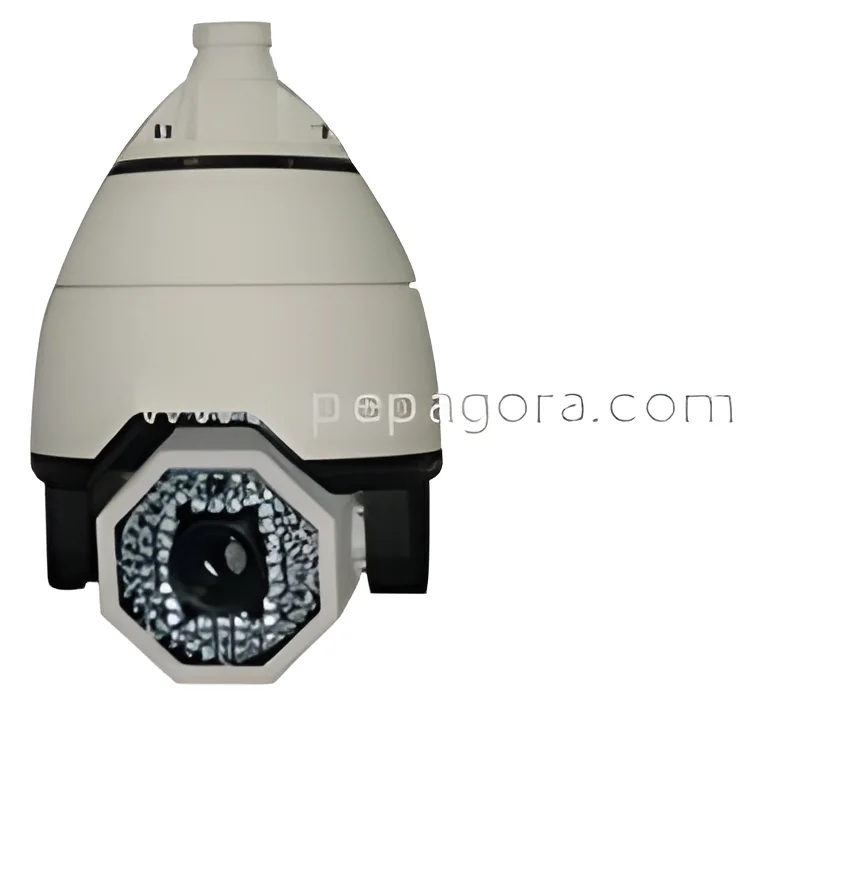
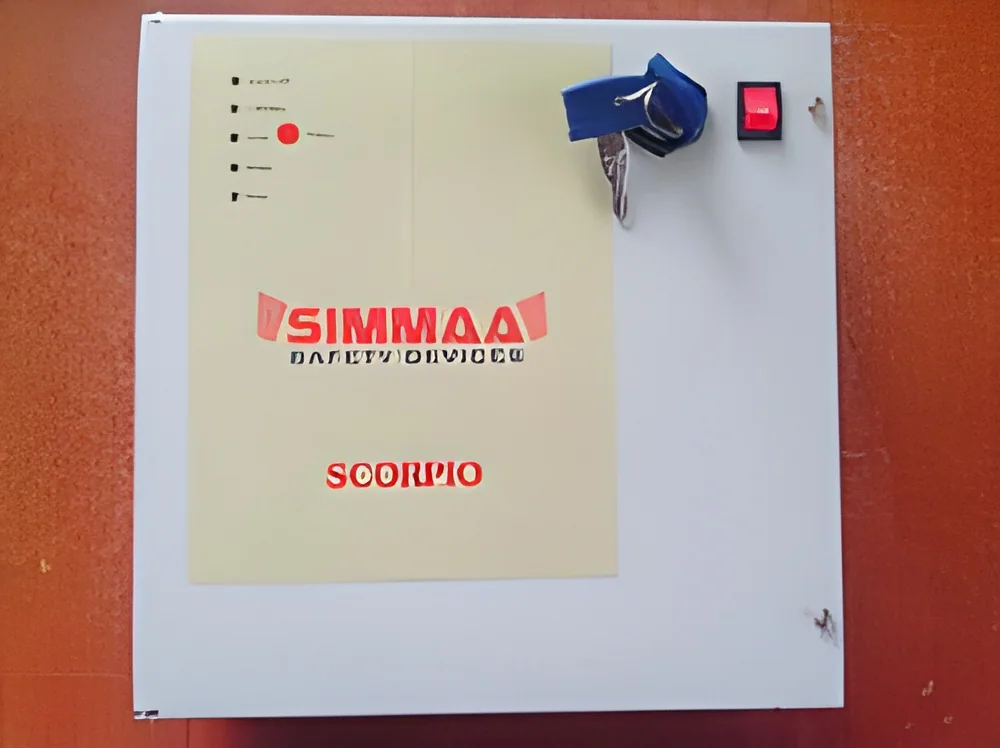
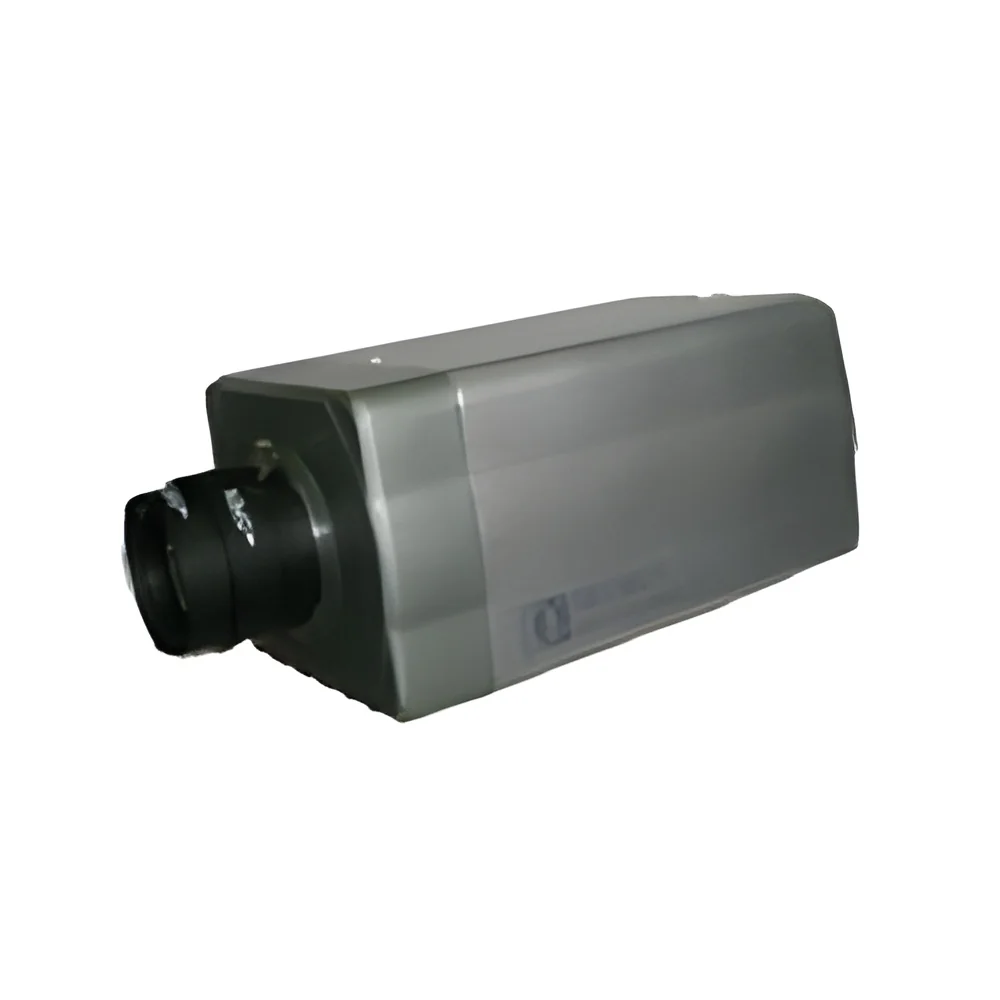
Home security systems are integrated setups designed to monitor and protect residential and commercial properties from unauthorized access, theft, and other security threats. These systems typically include a combination of hardware and software components such as cameras, alarms, sensors, and central control panels. They enable property owners to secure their premises through real-time monitoring and alerts, enhancing overall safety.
The primary uses of home security systems extend beyond mere theft prevention. They support business applications by safeguarding assets, ensuring employee safety, and maintaining operational integrity. Many businesses utilize these systems to comply with insurance requirements and to enhance their risk management strategies. The relevance of home security systems in the current market is underscored by the rising incidences of property crimes and the increasing demand for smart home technologies. As consumers become more aware of security risks, the industry is witnessing significant growth and innovation.
𝗞𝗲𝘆 𝗙𝗲𝗮𝘁𝘂𝗿𝗲𝘀 𝗮𝗻𝗱 𝗦𝗽𝗲𝗰𝗶𝗳𝗶𝗰𝗮𝘁𝗶𝗼𝗻𝘀
Home security systems come equipped with various key features that enhance usability and reliability. The specifications of these systems help businesses choose the right solution tailored to their needs.
Key specifications include:
1. Camera Resolution
- Essential for clear image capture
- Technical parameters typically range from 720p to 4K
2. Sensor Types
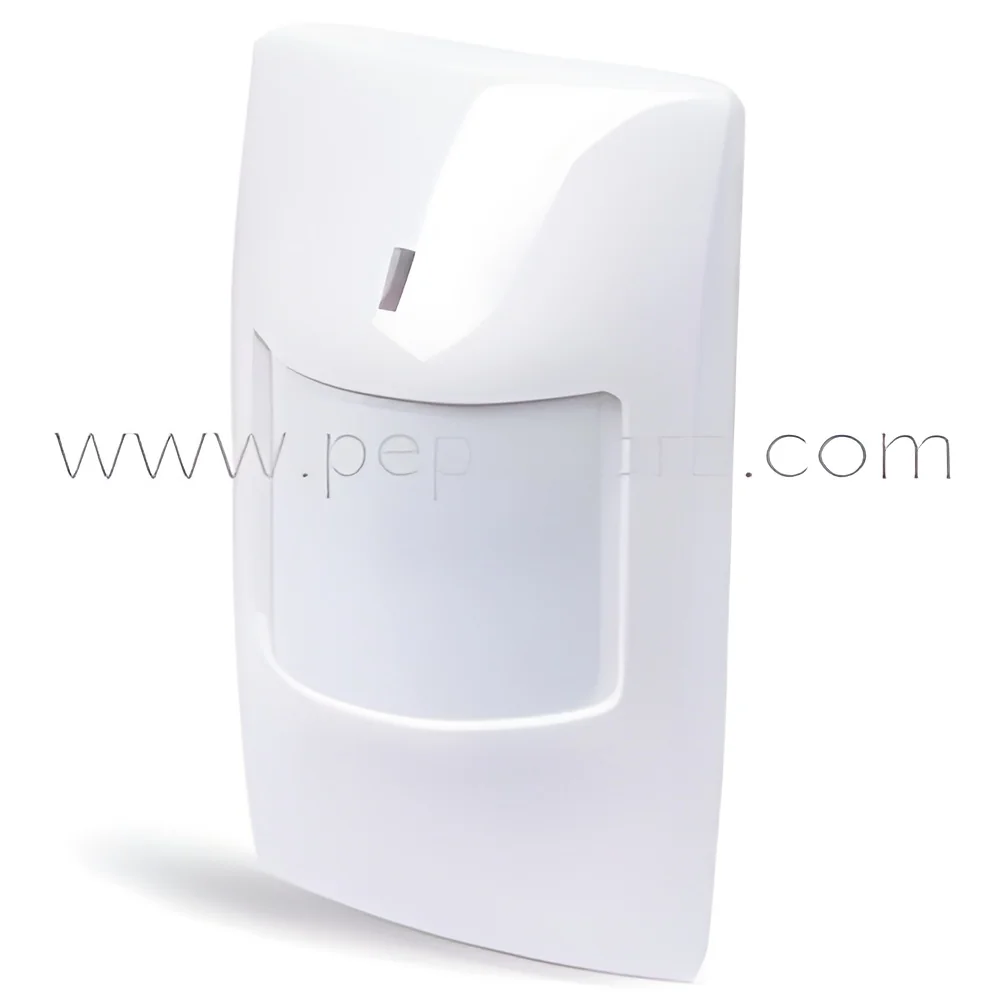
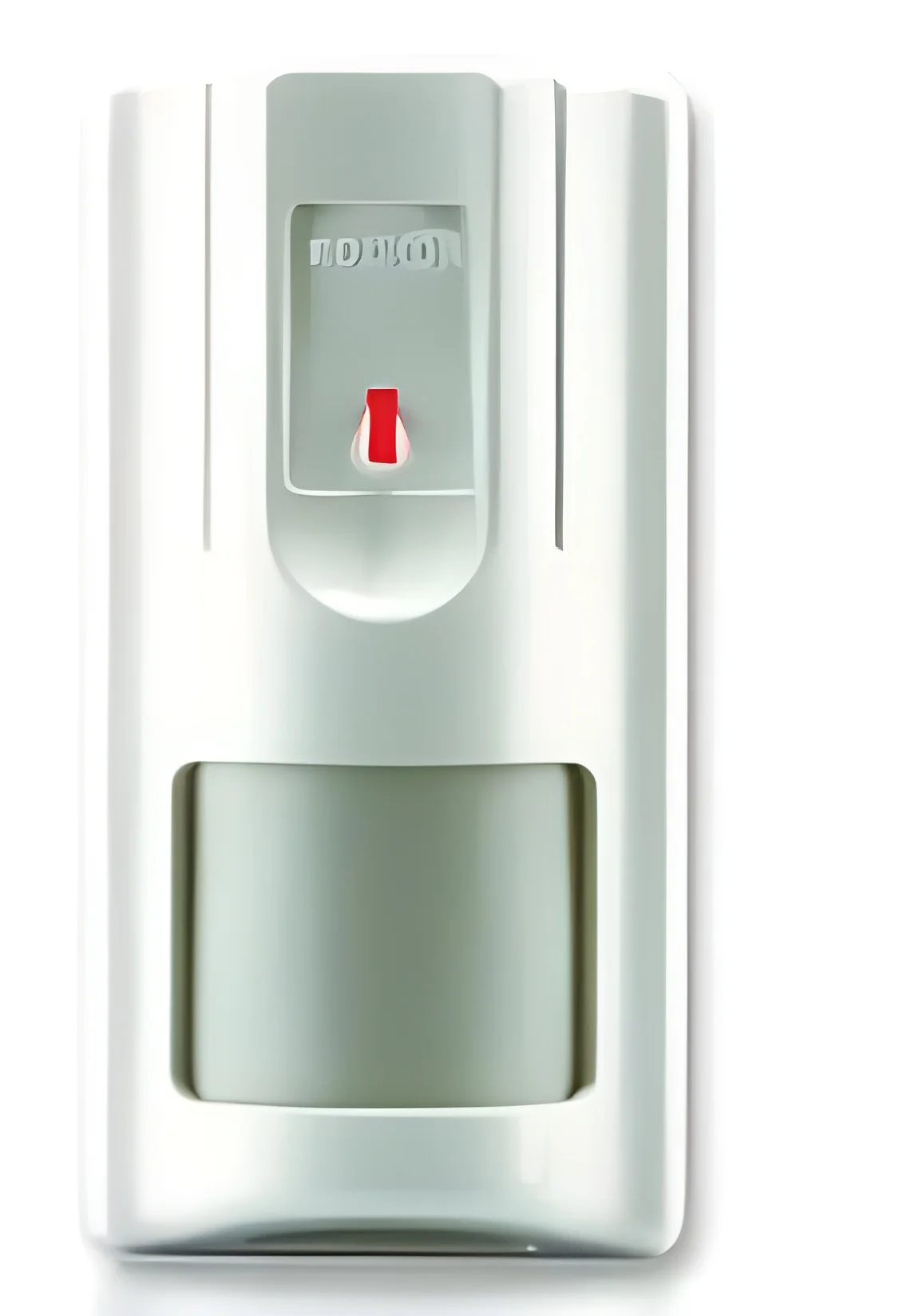
- Include motion detectors, door/window sensors, and glass break sensors
- Provide real-time alerts for any unauthorized access
3. Monitoring Options
- Can be monitored in-house or through a third-party service
- Options for 24/7 professional monitoring or self-monitoring via mobile apps
4. Connectivity
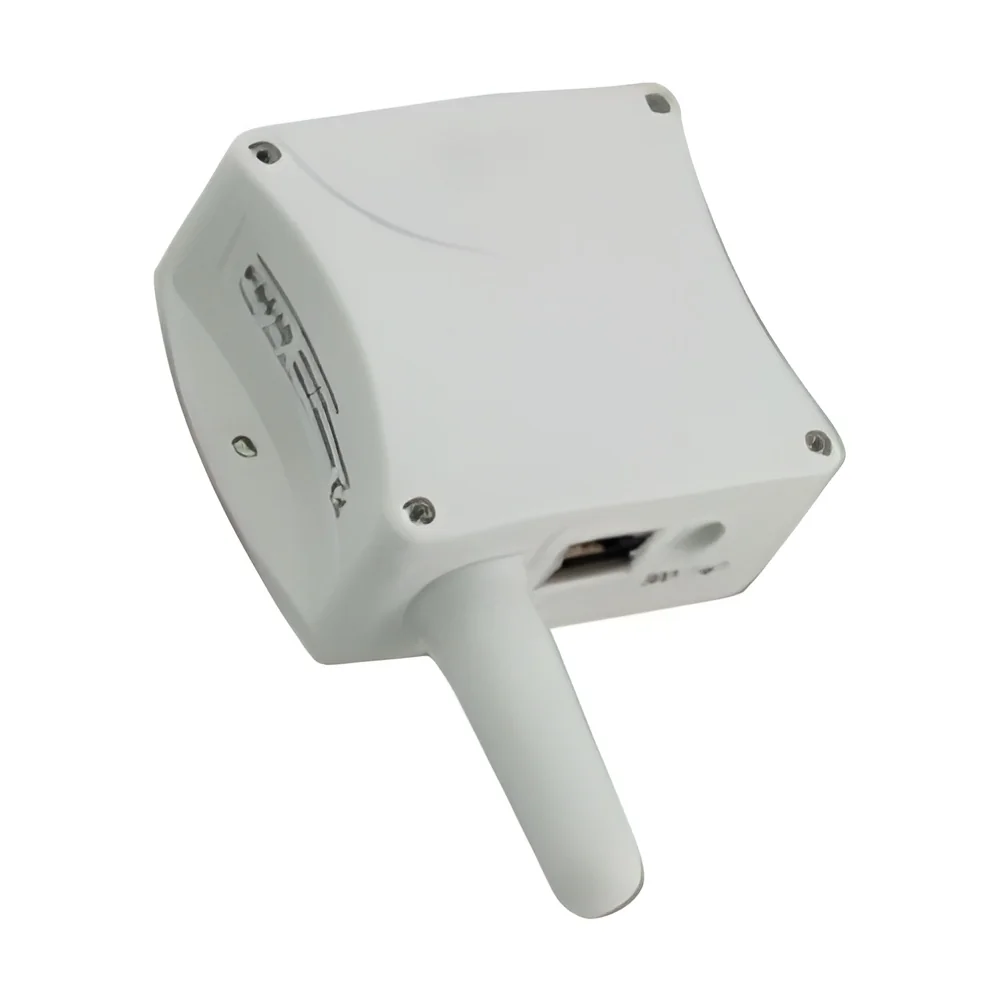
- Systems usually connect via Wi-Fi, Ethernet, or cellular networks
- Supports remote access and control through smartphones and computers
5. Alarm Systems
- Include audible alarms and silent alerts to local authorities
- Can be integrated with other security measures for comprehensive protection
6. Smart Home Integration
- Compatibility with smart home devices like lights and locks
- Allows automation and control through voice commands or apps
7. Power Backup
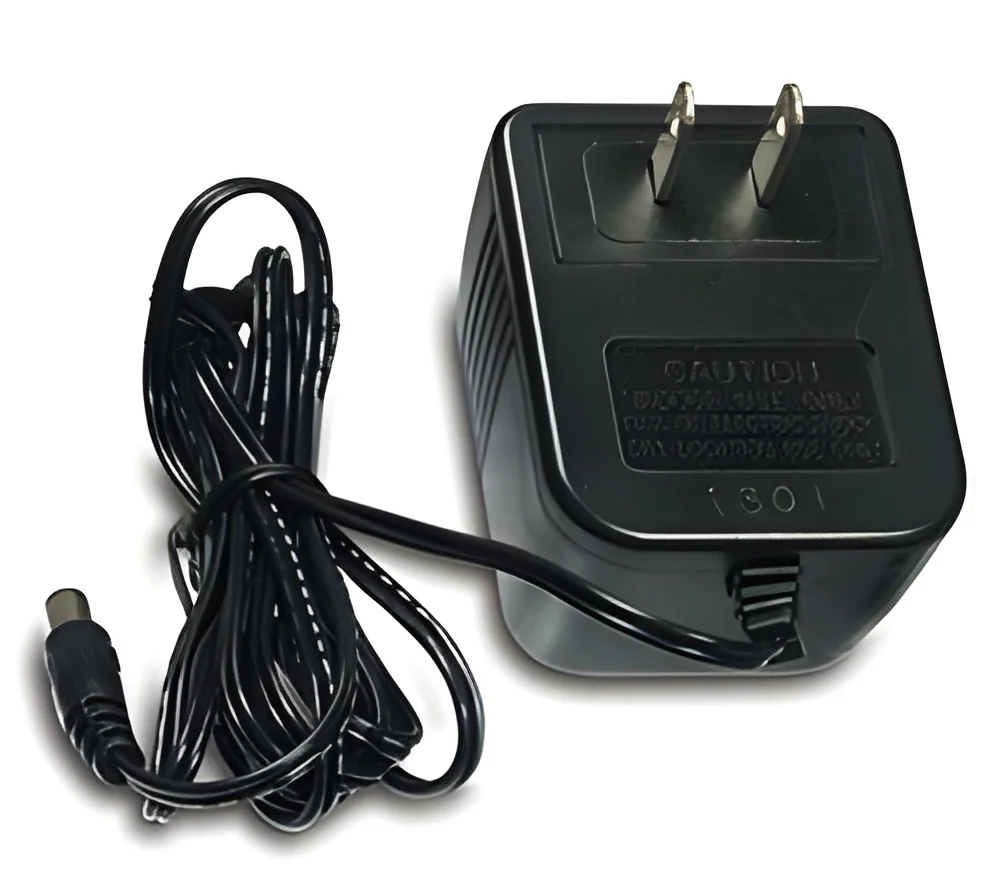
- Battery backup systems ensure operation during power outages
- Essential for maintaining security at all times
8. Compliance Features
- May include data encryption and privacy compliance measures
- Important for adhering to regulatory standards
In summary, understanding the key features and specifications of home security systems is crucial for businesses to make informed purchasing decisions that align with their security needs.
𝗖𝗼𝗺𝗺𝗼𝗻 𝗔𝗽𝗽𝗹𝗶𝗰𝗮𝘁𝗶𝗼𝗻𝘀 𝗮𝗻𝗱 𝗨𝘀𝗲 𝗖𝗮𝘀𝗲𝘀
Home security systems find applications across various industries, each benefitting from enhanced safety and protection measures.
1. Retail: Retailers use security systems to deter theft and monitor customer behavior, ensuring a safe shopping environment.
2. Hospitality: Hotels and resorts implement these systems to enhance guest security, protecting both property and patrons.
3. Warehousing: Warehouses deploy security systems to monitor large premises and prevent unauthorized access, safeguarding valuable inventory.
4. Healthcare: Hospitals utilize security systems to protect sensitive areas and maintain patient safety, ensuring compliance with health regulations.
5. Education: Schools and universities use security systems to monitor campuses and protect students and staff from potential threats.
6. Manufacturing: Factories implement security measures to monitor production areas and prevent industrial espionage, ensuring operational integrity.
7. Residential: Homeowners install security systems to protect their properties and enhance personal safety, fostering peace of mind.
𝗣𝗿𝗼𝗱𝘂𝗰𝘁 𝗩𝗮𝗿𝗶𝗮𝗻𝘁𝘀 𝗮𝗻𝗱 𝗦𝘂𝗯𝗰𝗮𝘁𝗲𝗴𝗼𝗿𝗶𝗲𝘀
Home security systems come in a variety of variants to meet different security needs and preferences.
Wired Systems
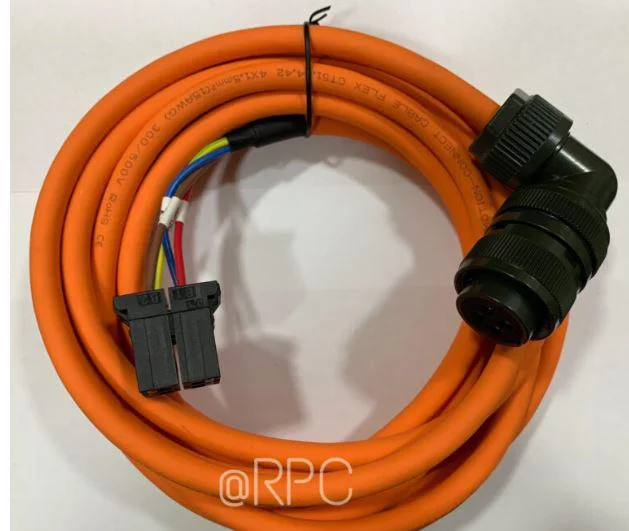
Wired security systems offer reliable connectivity and are less prone to interference. They are suitable for permanent installations in residential and commercial buildings.
Wireless Systems
Wireless systems provide flexibility in installation, allowing for easy relocation and expansion. They are ideal for renters or temporary setups.
DIY Systems
Do-it-yourself systems empower users to install and configure their security setups, often at a lower cost. They are popular among tech-savvy individuals.
Professional Monitoring Systems
These systems include a subscription service where trained professionals monitor alerts and respond to emergencies. They provide an added layer of security for businesses and homeowners.
𝗕𝗲𝗻𝗲𝗳𝗶𝘁𝘀 𝗮𝗻𝗱 𝗔𝗱𝘃𝗮𝗻𝘁𝗮𝗴𝗲𝘀
Implementing home security systems offers numerous benefits that enhance safety and efficiency.
1. Enhanced Security: These systems help deter crime and protect assets, providing a safer environment for both businesses and homes.
2. Real-Time Monitoring: Users can monitor their properties in real-time, receiving alerts and updates directly to their devices.
3. Insurance Benefits: Many insurance companies offer discounts for properties equipped with security systems, reducing overall costs.
4. Increased Property Value: A well-secured property can increase its market value, making it more attractive to potential buyers.
5. Peace of Mind: Knowing that a property is monitored and protected provides significant peace of mind for owners and occupants.
6. Remote Access: Users have the ability to control and monitor their systems remotely, enhancing convenience and flexibility.
𝗕𝘂𝘆𝗶𝗻𝗴 𝗚𝘂𝗶𝗱𝗲 𝗳𝗼𝗿 𝗕𝟮𝗕 𝗕𝘂𝘆𝗲𝗿𝘀
When sourcing home security systems, several factors must be considered to ensure the right choice for your business.
1. Quality Assessment: Evaluate the quality of components and technology used in the systems. Look for reliable brands and consider reviews and certifications.
2. Supplier Verification: Vet suppliers for reputation and reliability. Ensure they provide adequate support and have a history of customer satisfaction.
3. Pricing and MOQ: Understand the pricing structures and minimum order quantities. Compare costs across different suppliers to find the best value.
4. Delivery and Lead Times: Discuss logistics, including delivery times and installation support. Timely delivery is crucial for ensuring security systems are operational when needed.
5. Compliance Requirements: Ensure that the systems meet any regulatory compliance needed for your industry. Consider certifications such as CE for safety and quality assurance.
𝗖𝗼𝗺𝗽𝗹𝗶𝗮𝗻𝗰𝗲 𝗮𝗻𝗱 𝗖𝗲𝗿𝘁𝗶𝗳𝗶𝗰𝗮𝘁𝗶𝗼𝗻𝘀
Home security systems must adhere to relevant quality standards and certifications to ensure safety and reliability.
ISO 9001 is a standard that emphasizes quality management systems, ensuring that manufacturers meet customer and regulatory requirements consistently.
CE certification indicates that the product meets European safety, health, and environmental protection standards, ensuring that systems are safe for use.
Safety and testing requirements are critical for verifying that systems can withstand various conditions and operate effectively.
Regional compliance considerations may vary based on local laws and regulations, making it essential for businesses to be aware of their specific requirements when sourcing systems.
𝗪𝗵𝘆 𝗦𝗼𝘂𝗿𝗰𝗲 𝗛𝗼𝗺𝗲 𝗦𝗲𝗰𝘂𝗿𝗶𝘁𝘆 𝗦𝘆𝘀𝘁𝗲𝗺𝘀 𝗳𝗿𝗼𝗺 𝗣𝗲𝗽𝗮𝗴𝗼𝗿𝗮?
Pepagora offers a trusted platform for sourcing home security systems, providing several key advantages to buyers.
Verified Supplier Network: Pepagora ensures that all suppliers in its network are vetted and verified, allowing buyers to trust the quality of products and services offered.
Streamlined RFQ Process: The request for quotation process is simplified, enabling buyers to receive competitive offers quickly and efficiently.
Trade Assurance and Support: Pepagora provides buyer protection through trade assurance, ensuring that transactions are secure and supported throughout the purchasing process.
Regional Coverage: With a strong presence in India, the GCC, and Southeast Asia, Pepagora facilitates sourcing across regions, catering to a diverse range of business needs.
By choosing Pepagora, buyers can confidently navigate the sourcing process for home security systems, ensuring they meet their requirements effectively.

 IN
IN