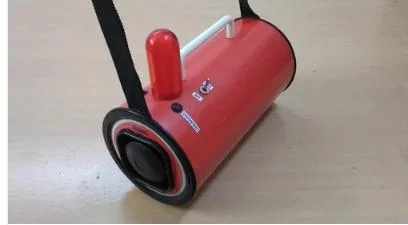
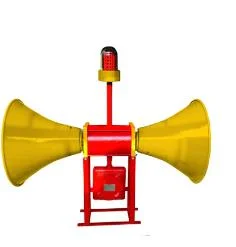
What are Siren and Strobe Light Systems?
Siren and Strobe Light Systems are essential safety and alerting devices used to signal emergencies and draw attention in various environments. These systems typically consist of loud sirens and bright strobe lights that work together to provide both auditory and visual warnings. Sirens emit high-decibel sounds, while strobe lights flash at high intensity, ensuring visibility even in bright conditions. This combination is vital for effective communication during critical situations.
The primary uses of Siren and Strobe Light Systems span numerous sectors, including industrial facilities, emergency response services, and transportation hubs. They are commonly deployed in settings where alerting personnel or the public to hazards, emergencies, or operational changes is crucial. Businesses rely on these systems for safety compliance, effective emergency response, and for maintaining operational efficiency.
In today's market, the relevance of Siren and Strobe Light Systems is underscored by increasing safety regulations and the need for reliable alert systems. Industries are investing in advanced technologies to enhance worker safety and improve response times during emergencies. As such, understanding the specifications and capabilities of these systems is vital for businesses that prioritize safety and compliance.
Key Features and Specifications
Siren and Strobe Light Systems come with various features designed to ensure effectiveness in emergency situations. These features can significantly impact the system's performance and suitability for specific applications.
Key specifications include:
1. Sound Output
- Measured in decibels (dB), indicating the loudness of the siren.
- Typical ranges are from 100 dB to 120 dB.
2. Strobe Light Intensity
- Measured in candela, indicating brightness.
- Common specifications range from 20 to 120 candela.
3. Power Supply
- Options include AC and DC power sources.
- Voltage ranges typically span from 12V to 240V.
4. Operating Temperature
- Systems may function effectively in various temperature ranges.
- Most products are rated between -20°C to +50°C.
5. Installation Type
- Options include surface-mounted or flush-mounted systems.
- Installation flexibility allows adaptation to different environments.
6. Flash Rate
- The frequency at which the strobe light flashes, typically measured in flashes per minute.
- Common rates range from 60 to 120 flashes per minute.
7. Durability Rating
- Systems may have an Ingress Protection (IP) rating indicating resistance to dust and moisture.
- Ratings can range from IP54 to IP68.
8. Certification Compliance
- Many products comply with industry standards such as CE certification.
- Compliance ensures adherence to safety and quality regulations.
In summary, understanding the features and specifications of Siren and Strobe Light Systems is crucial for selecting the right equipment to meet safety and operational needs.
Common Applications and Use Cases
Siren and Strobe Light Systems are versatile and find applications across multiple industries.
1. Manufacturing: In manufacturing plants, these systems alert workers to equipment malfunctions or safety hazards, ensuring a rapid response to potential dangers.
2. Fire Services: Emergency services utilize siren and strobe lights to signal their presence and direct traffic during fire emergencies, enhancing public safety.
3. Transportation: Airports and train stations implement these systems for crowd control and to signal emergency evacuations, ensuring passenger safety.
4. Construction: Construction sites rely on these systems to warn workers of hazards or equipment operation, maintaining a safe working environment.
5. Healthcare: Hospitals use sirens and strobe lights to signal emergencies, such as code alerts, ensuring prompt staff response.
6. Security: Security firms deploy these systems in alarm systems to deter intruders and alert personnel of unauthorized access.
7. Oil and Gas: In oil and gas facilities, siren and strobe light systems are vital for notifying staff of hazardous conditions, such as gas leaks.
Product Variants and Subcategories
Siren and Strobe Light Systems offer a range of variants to suit diverse applications and requirements.
Standard Siren Models
These models typically include loud sirens with varying sound outputs and can be tailored for different environments, such as industrial or outdoor settings.
Compact Strobe Lights
Designed for smaller spaces, these lights provide high-intensity flashes suitable for alerting in confined areas or when space is limited.
Dual Function Units
These units combine siren and strobe light functionalities into a single device, offering a space-saving solution for various applications.
Benefits and Advantages
Siren and Strobe Light Systems provide essential benefits that enhance safety and operational efficiency.
1. Enhanced Safety: The combination of sound and light alerts individuals to potential dangers, reducing the risk of accidents.
2. High Visibility: Strobe lights ensure that alerts are noticed even in bright conditions, making them effective in outdoor and well-lit environments.
3. Quick Response: Immediate alerts facilitate faster reactions during emergencies, potentially saving lives and minimizing damage.
4. Compliance Assurance: Many systems meet industry regulations, helping businesses comply with safety standards.
5. Versatile Applications: These systems can be used in various settings, from industrial sites to public spaces, making them adaptable to different needs.
6. Cost-Effective Solutions: Investing in reliable siren and strobe systems can reduce the long-term costs associated with workplace accidents and non-compliance fines.
Buying Guide for B2B Buyers
When sourcing Siren and Strobe Light Systems, businesses should consider several key factors to ensure they select the right equipment.
1. Quality Assessment: Evaluate the quality of the systems based on manufacturer reputation and product reviews. Look for systems that meet relevant safety standards.
2. Supplier Verification: Vet suppliers through background checks and by reviewing their certifications to ensure reliability and credibility in the market.
3. Pricing and MOQ: Consider the pricing structure and minimum order quantities, as these factors can significantly impact budgeting and procurement strategies.
4. Delivery and Lead Times: Assess the supplier's ability to meet delivery schedules and confirm lead times to ensure timely project completion.
5. Compliance Requirements: Understand local and regional compliance mandates related to safety equipment to ensure the selected systems meet all necessary regulations.
Compliance and Certifications
Siren and Strobe Light Systems must adhere to various quality and safety standards to ensure reliability and effectiveness. Relevant quality standards include ISO 9001, which focuses on maintaining quality management systems.
Additionally, many products hold industry certifications such as CE, indicating compliance with European safety requirements. These certifications assure businesses that the equipment has been tested and meets essential safety criteria.
Safety and testing requirements are crucial for these systems, ensuring they operate correctly under different conditions. Regional compliance considerations may vary, so it is essential for businesses to stay informed about specific regulations applicable to their industry and location.
Why Source Siren and Strobe Light Systems from Pepagora?
Pepagora offers a trusted platform for sourcing Siren and Strobe Light Systems, presenting several key advantages for business buyers.
The verified supplier network ensures that all listed suppliers undergo thorough vetting, providing peace of mind regarding the quality and reliability of products.
The streamlined RFQ process simplifies procurement, allowing buyers to easily request quotations from multiple suppliers, saving time and effort during the purchasing process.
Trade assurance and support add an extra layer of protection for buyers, ensuring that transactions are secure and that any issues can be quickly addressed.
Finally, Pepagora's regional coverage in areas like India, GCC, and Southeast Asia means businesses can find reliable suppliers in their locality, enhancing accessibility and reducing shipping times.

 IN
IN