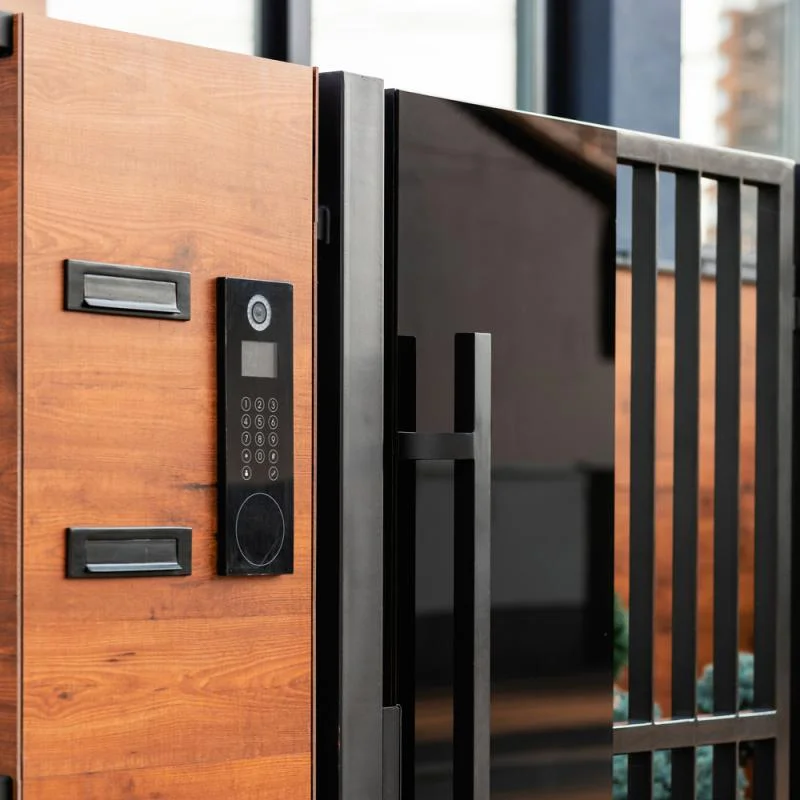
Key Features and Specifications
Smart door locks come equipped with various features that enhance their functionality and security. Understanding these specifications is crucial for B2B buyers looking to invest in reliable locking systems.
Key specifications include:
1. Locking Mechanism
- Options include biometric, PIN, and RFID systems
- Each mechanism offers unique access methods suited to different needs
2. Connectivity
- Many smart locks provide Bluetooth or Wi-Fi connectivity
- This allows remote access and control via smartphones or other devices
3. Battery Life
- Typically ranges from 6 months to 2 years, depending on usage
- Low battery alerts ensure timely replacement to maintain security
4. Access Logs
- Provides detailed records of who accessed the lock and when
- Helpful for monitoring and auditing access
5. Emergency Override
- Most locks include a mechanical key override for emergencies
- Ensures access in cases of power failure or battery depletion
6. Installation Type
- Options for surface-mounted or mortise installation
- Flexibility to fit various door types and configurations
7. User Capacity
- Supports multiple users and access levels
- Ideal for businesses with different employee access needs
8. Security Standards
- Compliance with industry standards such as CE certification
- Ensures product reliability and safety
The combination of these features makes smart door locks a versatile and essential addition to modern security systems.
Common Applications and Use Cases
Smart door locks are utilized across various industries, each benefiting from enhanced security and access control.
1. Hospitality: Hotels and resorts use smart locks for guest room access, offering a seamless check-in experience without physical keys.
2. Corporate Offices: Businesses use smart locks to restrict access to sensitive areas, allowing only authorized personnel to enter.
3. Warehousing and Logistics: Smart locks can secure inventory storage areas, ensuring that only designated employees have access.
4. Residential Properties: Homeowners are increasingly adopting smart locks for improved security and convenience, allowing remote access for visitors.
5. Healthcare Facilities: Hospitals and clinics utilize smart locks to protect sensitive areas, ensuring that only authorized medical staff can enter.
6. Educational Institutions: Schools and universities implement smart locks to enhance safety on campuses, providing controlled access to buildings.
7. Retail Stores: Smart locks help prevent unauthorized access to stockrooms while allowing easy entry for staff and delivery personnel.
Product Variants and Subcategories
Smart door locks are available in various types, each designed to cater to specific user needs and applications.
Biometric Smart Locks: These locks use fingerprint or facial recognition technology for secure access. They are ideal for high-security areas where unauthorized access must be prevented.
PIN Code Smart Locks: Users enter a numerical code to unlock the door. These locks are popular in office settings, allowing easy access for employees without the need for physical keys.
RFID Smart Locks: Utilizing contactless cards or fobs, RFID locks provide quick access without the hassle of remembering codes. They are commonly used in hotels and corporate offices.
Smart Lock with Remote Access: These variants offer remote control via smartphone apps, allowing users to manage access from anywhere. They are suitable for both residential and commercial applications.
Benefits and Advantages
Investing in smart door locks offers numerous benefits to businesses and individuals alike.
1. Enhanced Security: Smart locks provide advanced locking mechanisms that are harder to bypass than traditional locks, increasing overall security.
2. Convenience: Users can unlock doors without physical keys, simplifying access for multiple users, especially in busy environments.
3. Monitoring Capabilities: Access logs allow for detailed tracking of entries and exits, essential for security audits and safety compliance.
4. Remote Management: Many smart locks enable remote access and control, allowing users to manage security from anywhere.
5. Customizable Access: Businesses can set different access levels for various users, ensuring that sensitive areas are protected.
6. Cost-Effective: Reducing the need for key replacements and rekeying can lead to significant cost savings over time.
Buying Guide for B2B Buyers
When sourcing smart door locks, B2B buyers should consider several key factors to ensure they make informed decisions.
1. Quality Assessment: Evaluate the quality of the locks by checking for durability, material strength, and user reviews. A high-quality lock will withstand wear and tear, ensuring long-term security.
2. Supplier Verification: It is essential to thoroughly vet suppliers to ensure they provide reliable products and support. Look for established manufacturers with a proven track record.
3. Pricing and MOQ: Understand the pricing structure and minimum order quantities (MOQ) for bulk purchases. This will help in budgeting and planning for future needs.
4. Delivery and Lead Times: Inquire about delivery schedules and lead times to ensure that the locks can be installed within your desired timeframe.
5. Compliance Requirements: Ensure that the locks meet relevant regulatory standards and certifications, such as CE, to guarantee safety and reliability.
Compliance and Certifications
Smart door locks must adhere to various compliance and certification standards to ensure reliability and safety.
Quality standards such as ISO 9001 help ensure that manufacturing processes meet specific quality criteria. This standard focuses on maintaining a high level of customer satisfaction and continuous improvement.
Industry certifications, including CE certification, indicate that the product meets EU safety, health, and environmental protection requirements. This is crucial for products marketed in European markets.
Safety and testing requirements also play a significant role in the certification process. Smart door locks should undergo rigorous testing to ensure they function properly and resist tampering.
Finally, buyers should consider regional compliance requirements, which may vary based on local laws and regulations. Understanding these requirements is essential for ensuring that the installed locks meet all necessary standards.
Why Source Smart Door Locks (Biometric, PIN, RFID) from Pepagora?
Pepagora is a trusted platform for sourcing smart door locks, offering a variety of advantages to buyers.
Verified Supplier Network: Pepagora features a network of verified suppliers, ensuring that buyers have access to high-quality products and reliable service. This verification process builds trust and confidence in the sourcing process.
Streamlined RFQ Process: The platform simplifies the request for quotation (RFQ) process, making it easier for buyers to obtain pricing and product information quickly. This efficiency helps businesses make timely purchasing decisions.
Trade Assurance and Support: Pepagora provides trade assurance, protecting buyers against potential risks in their transactions. This support fosters a secure purchasing environment, encouraging businesses to invest in smart door locks confidently.
Regional Coverage: With a strong presence in India, the GCC region, and Southeast Asia, Pepagora ensures that customers from various geographic locations can find suitable smart door lock solutions tailored to their needs. This broad reach enhances accessibility for businesses in diverse markets.

 IN
IN