
 IN
Burglar Alarm Systems
6 products available
What are Burglar Alarm Systems?
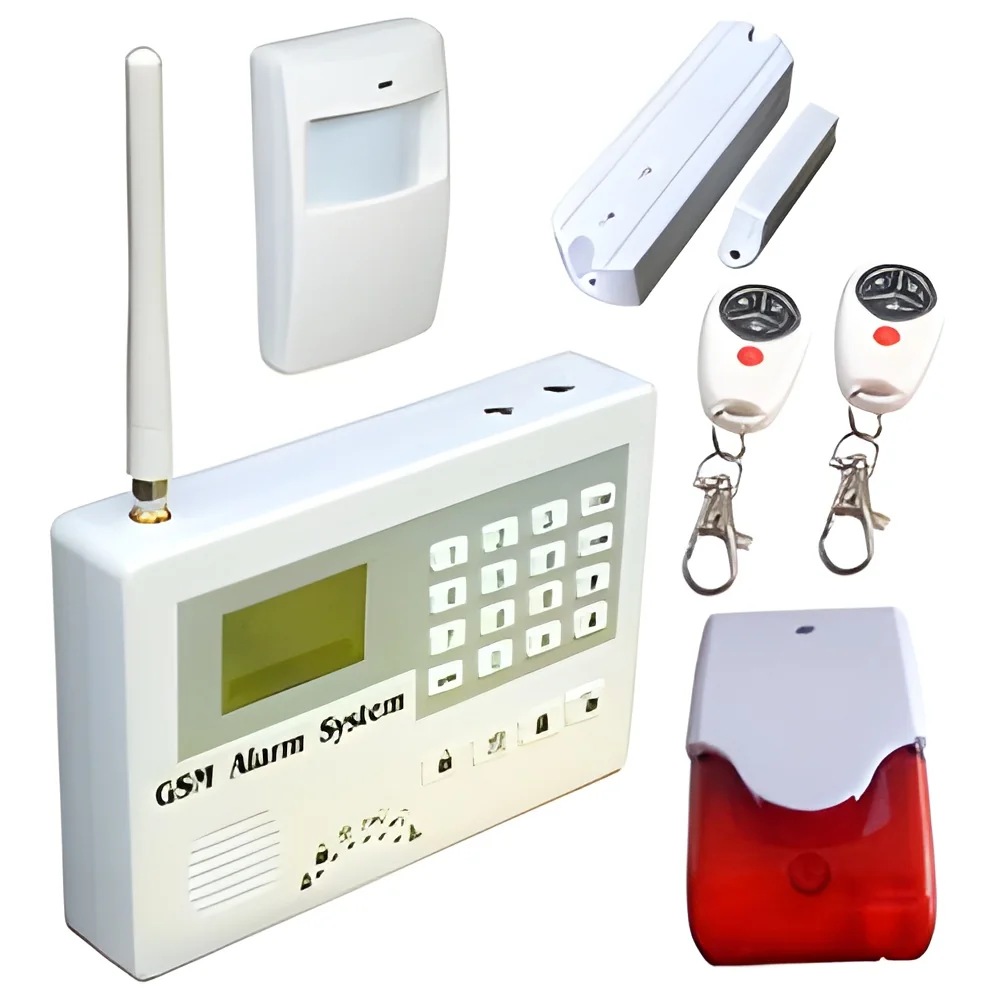
Burglar alarm systems are security devices designed to detect unauthorized entry into a building or premises. These systems can include a variety of components such as sensors, alarms, and monitoring equipment that work together to provide protection against theft and vandalism. When triggered, the alarm system alerts the property owner and can also notify local authorities, thereby enhancing security and response times.
In business applications, burglar alarm systems are primarily used to safeguard commercial properties, warehouses, and retail locations. They help deter potential intruders and provide peace of mind to business owners. The presence of a burglar alarm can significantly reduce the risk of break-ins and theft, making it a critical component of many companies' security strategies. In the current market, the demand for advanced burglar alarm systems is growing, driven by increasing security concerns and the rise of smart technologies.
Key Features and Specifications
Burglar alarm systems are equipped with various features and specifications that enhance their effectiveness and adaptability to different environments. Understanding these specifications is crucial for businesses seeking to implement a robust security solution.
Key specifications include:
1. Sensor Types
- Motion detectors, door/window sensors, and glass break sensors
- Range and sensitivity levels vary by model
2. Alarm Output
- Audible alerts and silent alarms
- Decibel levels and response time specifications
3. Monitoring Options
- On-site monitoring versus remote monitoring capabilities
- Compatibility with mobile applications and web interfaces
4. Power Supply
- Battery-operated systems versus hardwired options
- Back-up power features for reliability
5. Communication Protocols
- Wired versus wireless configurations
- Frequency ranges and security protocols
6. Installation Methods
- DIY installation kits or professional installation services
- Complexity and time required for setup
7. User Interface
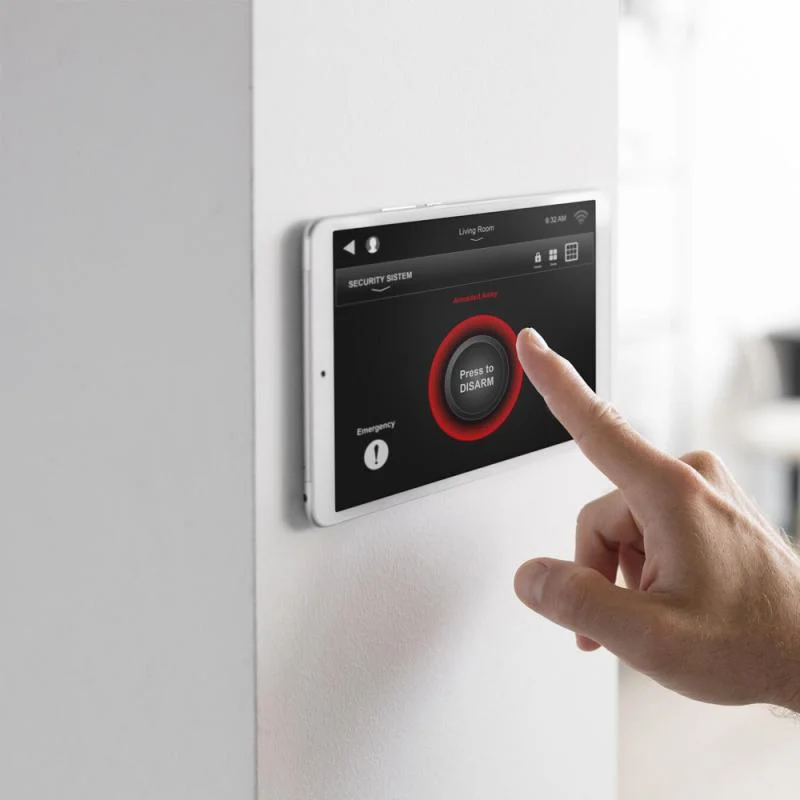
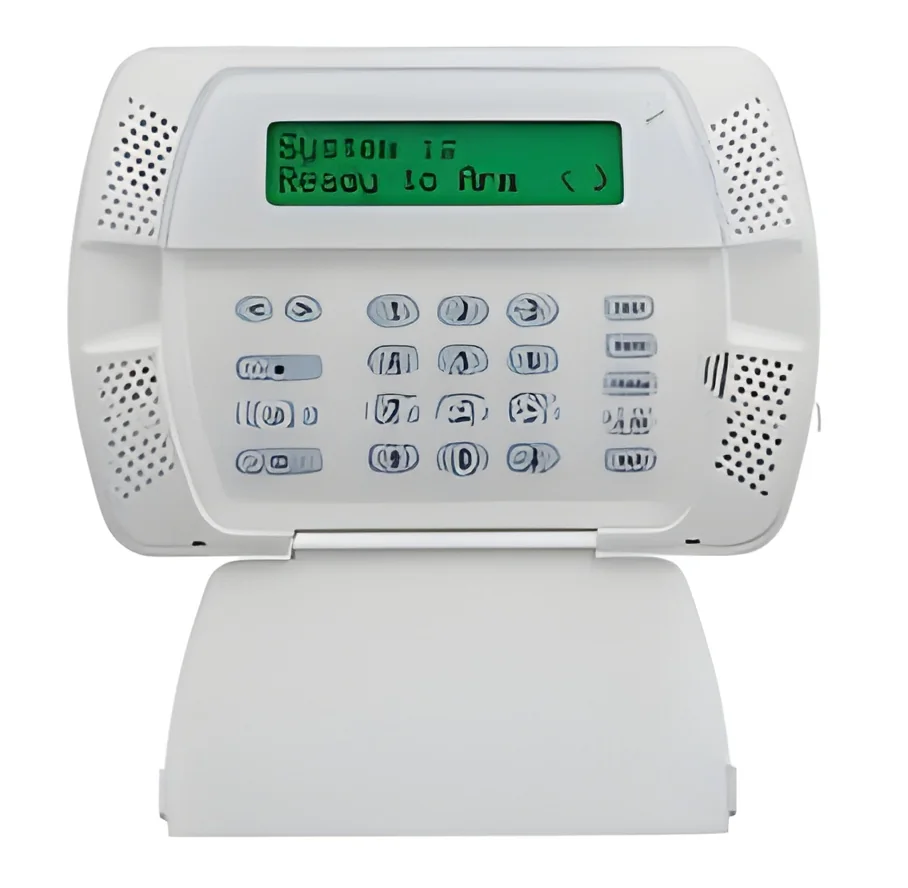
- Keypad access, mobile app controls, and voice activation
- User-friendly design and accessibility features
In summary, understanding these key specifications helps businesses choose the right burglar alarm system tailored to their specific security needs.
Common Applications and Use Cases
Burglar alarm systems find application across a range of industries, providing essential security solutions.
1. Retail: In retail environments, burglar alarm systems protect against shoplifting and break-ins. They help secure entrances and high-value areas, ensuring a safe shopping experience.
2. Warehousing: Warehouses benefit from alarm systems that monitor large spaces and control access points. This enhances security for valuable inventory and equipment.
3. Offices: In office settings, burglar alarms help safeguard sensitive information and assets. They provide an added layer of security during non-business hours.
4. Manufacturing: Manufacturing facilities utilize burglar alarms to protect machinery and raw materials. These systems prevent unauthorized access to operational areas.
5. Residential: Home burglar alarm systems are increasingly integrated into smart home technology, offering monitoring and control from mobile devices.
Product Variants and Subcategories
Burglar alarm systems are diverse, catering to various security needs and preferences.
Wireless Burglar Alarm Systems
These systems eliminate the need for extensive wiring, making installation simpler and more flexible. They are ideal for both residential and commercial applications, providing ease of use and scalability.
Hardwired Burglar Alarm Systems
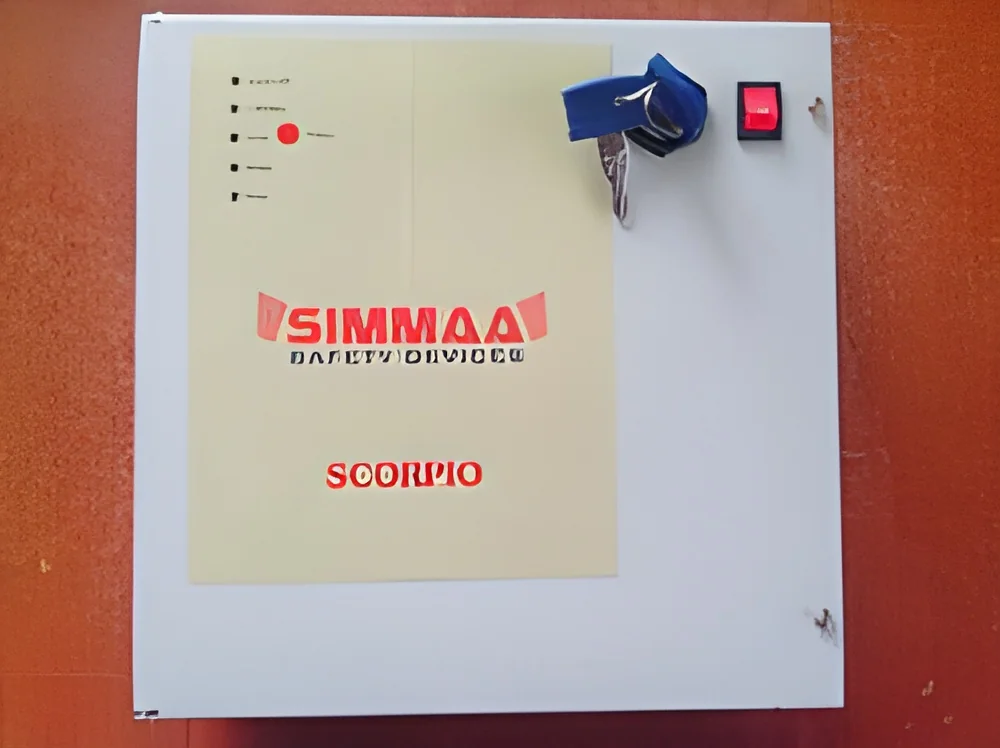
Hardwired options offer reliability and consistent performance, often preferred for larger installations. They typically require professional installation and are well-suited for permanent setups.
Smart Burglar Alarm Systems
These systems integrate with smart home technology, allowing users to control alarms through mobile apps. They often feature advanced monitoring capabilities, enhancing security through real-time notifications.
Benefits and Advantages
Burglar alarm systems offer numerous benefits that enhance security and operational efficiency for businesses.
1. Enhanced Security: The primary advantage of a burglar alarm system is the increased security it provides, deterring potential intruders and reducing the likelihood of theft.
2. Insurance Benefits: Many insurance providers offer discounts on premiums for properties with alarm systems, making them a cost-effective investment.
3. Remote Monitoring: Many modern systems allow for remote monitoring, enabling business owners to keep an eye on their property from anywhere.
4. Quick Response: Alarm systems can alert local authorities immediately, leading to faster response times during a security breach.
5. Peace of Mind: Knowing that a burglar alarm system is in place provides business owners and employees with peace of mind, allowing them to focus on their work.
Buying Guide for B2B Buyers
When sourcing burglar alarm systems, businesses must consider several critical factors to ensure they select the right solution.
1. Quality Assessment: Evaluate the quality of the alarm system by reviewing product specifications, customer reviews, and industry ratings. Consider systems that meet recognized quality standards.
2. Supplier Verification: Vet potential suppliers by checking their credentials, reputation, and previous customer feedback. Trusted suppliers will provide reliable products and support.
3. Pricing and MOQ: Understand the pricing structure and minimum order quantities (MOQ) to align with your budget and needs. Request quotes from multiple suppliers for comparison.
4. Delivery and Lead Times: Inquire about logistics, delivery times, and the supplier's ability to meet your schedule. Timely delivery is crucial for implementing security measures.
5. Compliance Requirements: Ensure the alarm system complies with relevant regulations and industry certifications, such as CE, to guarantee safety and reliability.
Compliance and Certifications
Burglar alarm systems must adhere to various quality standards and regulations to ensure their effectiveness and safety. Relevant quality standards include ISO 9001, which focuses on quality management systems, ensuring that manufacturers maintain high production standards.
Additionally, industry certifications such as CE signify compliance with European safety and health standards, ensuring that products meet rigorous guidelines. It is essential for businesses to understand safety and testing requirements relevant to their region, as these can vary significantly.
Compliance with local regulations is also crucial. Businesses should verify that the burglar alarm systems they choose meet regional requirements, which can include installation codes and operational guidelines. This diligence helps ensure that the systems are not only effective but also legally compliant.
Why Source Burglar Alarm Systems from Pepagora?
Pepagora provides a trusted platform for sourcing burglar alarm systems, offering several key advantages for businesses.
Verified Supplier Network: Pepagora features a network of verified suppliers, ensuring that buyers can trust the quality and reliability of the products they source. This verification process helps mitigate the risks associated with purchasing security equipment.
Streamlined RFQ Process: The request for quotation (RFQ) process on Pepagora is designed for efficiency, allowing businesses to easily obtain quotes from multiple suppliers. This simplifies the decision-making process and helps buyers secure competitive pricing.
Trade Assurance and Support: Pepagora offers trade assurance to protect buyers, ensuring that they receive quality products as promised. In addition, dedicated support is available to address any inquiries or concerns throughout the purchasing process.
Regional Coverage: Pepagora's geographic reach spans India, the GCC, and Southeast Asia, making it an ideal platform for businesses looking to source burglar alarm systems across diverse markets. This broad coverage ensures that buyers can access a wide range of products tailored to their specific needs.





Frequently Asked Questions
What are Burglar Alarm Systems?
Burglar Alarm Systems are security devices designed to detect unauthorized entry into a building or property. They consist of sensors, alarms, and monitoring components that work together to alert occupants or authorities when a breach occurs.
What are the different types of Burglar Alarm Systems?
There are several types of Burglar Alarm Systems, including wired, wireless, and hybrid systems. Wired systems connect directly to a control panel, while wireless systems use radio signals to communicate, allowing for easier installation. Hybrid systems combine both wired and wireless elements for enhanced flexibility.
How do I choose the right Burglar Alarm Systems?
Choosing the right Burglar Alarm System involves assessing your specific security needs, budget, and the size of the area to be protected. Consider factors such as the types of sensors required, ease of installation, and whether you need features like remote monitoring or smartphone integration.
What are the standard specifications for Burglar Alarm Systems?
Standard specifications for Burglar Alarm Systems often include sensor types, alarm volume, response time, and battery life. Additionally, systems may vary in terms of connectivity options, such as Wi-Fi or cellular, and compatibility with smart home devices.
What is the price range for Burglar Alarm Systems?
The price range for Burglar Alarm Systems can vary widely based on features, brand, and complexity. Basic systems may start around INR 5,000, while more advanced systems with comprehensive features can exceed INR 30,000.
What quality standards apply to Burglar Alarm Systems?
Burglar Alarm Systems should comply with relevant safety and performance standards, such as IS 13252 for electronic safety devices in India. Additionally, manufacturers may adhere to international standards like ISO certifications to ensure product reliability and quality.
Where can I find Burglar Alarm Systems suppliers in India?
You can find Burglar Alarm Systems suppliers in India through B2B marketplaces like Pepagora, trade shows, and industry directories. Online platforms often provide a comprehensive list of manufacturers and suppliers, allowing for easy comparison and selection.
Can Burglar Alarm Systems be customized?
Yes, many Burglar Alarm Systems can be customized to meet specific security needs. Customization options may include sensor types, alarm features, and integration with existing security systems.
What is the typical minimum order quantity for Burglar Alarm Systems?
The typical minimum order quantity (MOQ) for Burglar Alarm Systems varies by supplier. Generally, it can range from 5 to 50 units, depending on the manufacturer's policies and the type of system ordered.
What is the typical lead time for Burglar Alarm Systems?
The typical lead time for Burglar Alarm Systems can range from 1 to 4 weeks, depending on the supplier, order volume, and whether the systems are in stock. Custom orders may require additional time for production and assembly.
Why Businesses Trust Pepagora
Thousands of companies trust Pepagora to source smarter and sell faster
Expand Your Sales Globally

Source Smarter,Grow Faster
