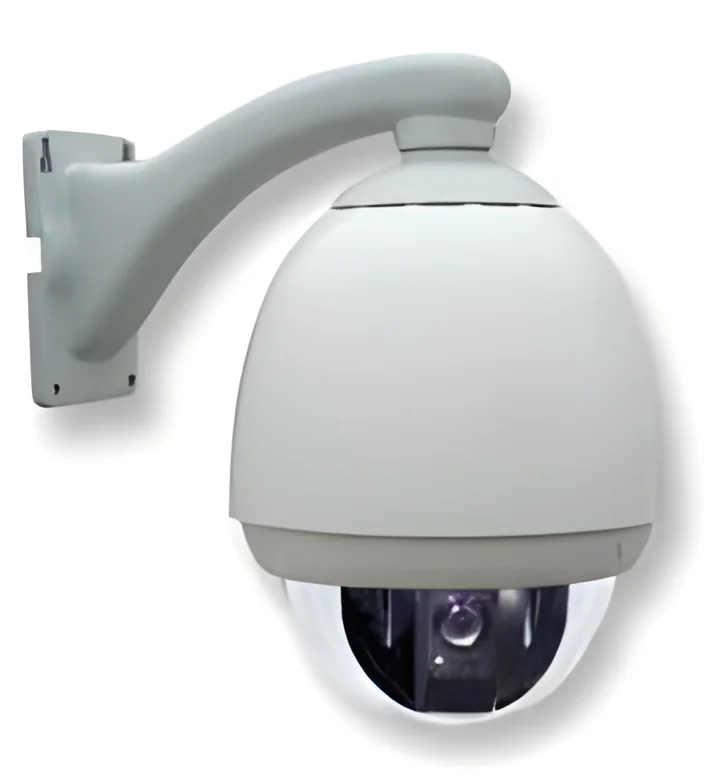
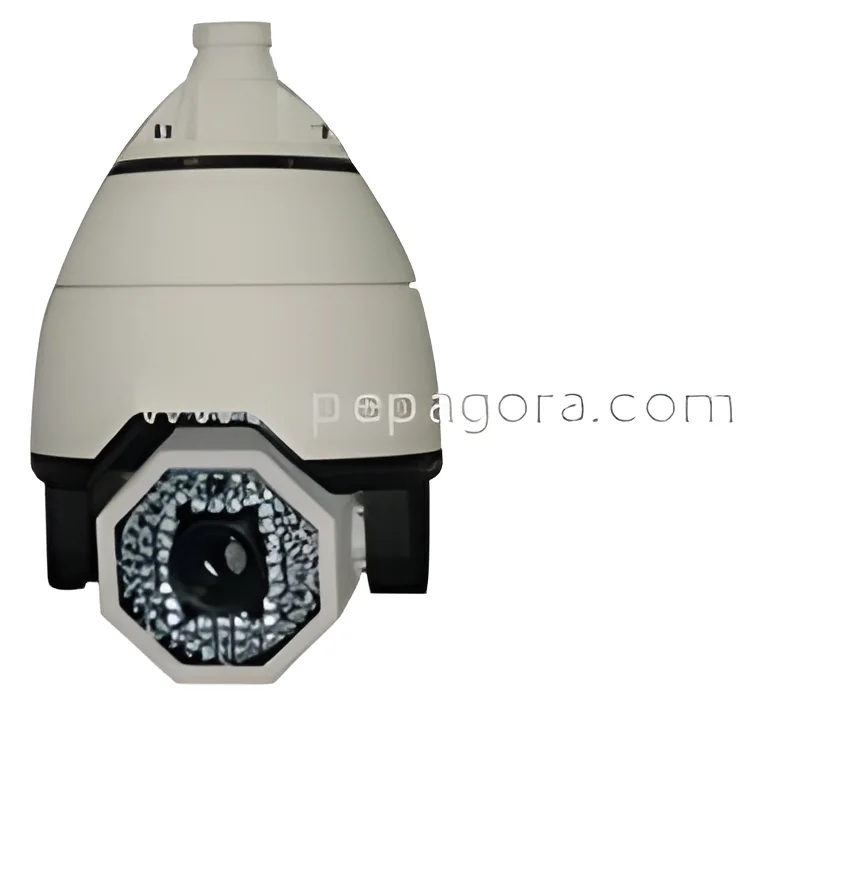
What are PTZ (Pan-Tilt-Zoom) Cameras?
PTZ (Pan-Tilt-Zoom) cameras are advanced surveillance devices that can be remotely controlled to pan (move horizontally), tilt (move vertically), and zoom in on specific areas. This flexibility allows users to monitor large spaces effectively without the need for multiple fixed cameras. PTZ cameras are equipped with motors that enable these movements, providing a comprehensive view of the monitored area.
These cameras are widely used in various business applications, including security monitoring, traffic surveillance, and event broadcasting. Businesses can deploy PTZ cameras in locations such as warehouses, retail stores, and public spaces to enhance security and operational efficiency. The ability to control the camera remotely allows operators to respond quickly to incidents and capture high-resolution footage of specific events as they unfold.
In today's market, PTZ cameras are essential tools for numerous industries, including retail, transportation, education, and public safety. Their versatility and advanced features make them a preferred choice for organizations looking to enhance their surveillance capabilities and ensure the safety of their assets and personnel.
๐๐ฒ๐ ๐๐ฒ๐ฎ๐๐๐ฟ๐ฒ๐ ๐ฎ๐ป๐ฑ ๐ฆ๐ฝ๐ฒ๐ฐ๐ถ๐ณ๐ถ๐ฐ๐ฎ๐๐ถ๐ผ๐ป๐
PTZ cameras offer a range of features designed to meet the diverse needs of businesses. These features enhance their functionality and adaptability in various environments. The following specifications highlight the key aspects of PTZ cameras:
1. Resolution
- High-definition output ranging from 720p to 4K, ensuring clear image quality.
2. Zoom Capability
- Optical zoom ranging from 10x to 30x, allowing detailed viewing of distant subjects.
3. Pan and Tilt Range
- Pan range typically from 0 to 360 degrees and tilt range from -15 to 90 degrees for extensive coverage.
4. Night Vision
- Infrared capabilities that allow monitoring in low light conditions, often up to 100 meters.
5. Connectivity
- Options for wired (Ethernet) and wireless (Wi-Fi) connections, facilitating easy installation.
6. Motion Detection
- Built-in motion sensors that trigger alerts and recording when movement is detected.
7. Remote Control
- User-friendly interfaces for remote operation via desktop or mobile applications.
8. Weather Resistance
- IP66 or IP67 ratings for outdoor models, ensuring durability against environmental elements.
These specifications make PTZ cameras versatile tools for various surveillance needs, providing users with advanced monitoring capabilities.
๐๐ผ๐บ๐บ๐ผ๐ป ๐๐ฝ๐ฝ๐น๐ถ๐ฐ๐ฎ๐๐ถ๐ผ๐ป๐ ๐ฎ๐ป๐ฑ ๐จ๐๐ฒ ๐๐ฎ๐๐ฒ๐
PTZ cameras are utilized across multiple industries, each benefiting from their unique features and capabilities.
1. Retail: PTZ cameras help in monitoring customer behavior, preventing theft, and improving store security. They can also be used for monitoring checkout areas and entrances.
2. Transportation: In traffic management, PTZ cameras are employed to monitor road conditions, manage traffic flow, and enhance safety at intersections.
3. Education: Schools and universities use PTZ cameras for campus security and to record lectures or events for later viewing.
4. Public Safety: Law enforcement agencies deploy PTZ cameras in public areas to deter crime and keep communities safe.
5. Event Management: Event organizers use PTZ cameras for live broadcasting, ensuring that both in-person and remote audiences can enjoy high-quality footage.
6. Industrial: In factories, PTZ cameras monitor equipment and personnel, contributing to safety and operational efficiency.
7. Hospitality: Hotels utilize PTZ cameras for security purposes, particularly around entrances, pools, and public areas.
๐ฃ๐ฟ๐ผ๐ฑ๐๐ฐ๐ ๐ฉ๐ฎ๐ฟ๐ถ๐ฎ๐ป๐๐ ๐ฎ๐ป๐ฑ ๐ฆ๐๐ฏ๐ฐ๐ฎ๐๐ฒ๐ด๐ผ๐ฟ๐ถ๐ฒ๐
PTZ cameras come in various forms to meet different operational needs.
Standard PTZ Cameras: These models offer basic pan, tilt, and zoom capabilities, suitable for general surveillance purposes in commercial and residential settings.
High-Speed PTZ Cameras: Designed for fast-moving environments, these cameras can track subjects in motion, making them ideal for outdoor surveillance and sports events.
Thermal PTZ Cameras: Equipped with thermal imaging technology, these cameras can detect heat signatures, making them useful for security in low-visibility conditions, such as fog or darkness.
๐๐ฒ๐ป๐ฒ๐ณ๐ถ๐๐ ๐ฎ๐ป๐ฑ ๐๐ฑ๐๐ฎ๐ป๐๐ฎ๐ด๐ฒ๐
PTZ cameras provide numerous advantages for businesses looking to enhance their security and monitoring capabilities.
1. Enhanced Coverage: The ability to pan, tilt, and zoom allows for extensive area coverage with fewer cameras.
2. Cost-Effectiveness: Businesses can save on installation costs by reducing the number of fixed cameras needed for comprehensive surveillance.
3. Remote Monitoring: Users can access live feeds and control the camera from remote locations, increasing flexibility in surveillance.
4. Improved Image Quality: High-resolution imaging ensures that details are captured clearly, aiding in incident investigation.
5. Flexible Deployment: PTZ cameras can be installed in various environments, from indoor locations to outdoor settings, adapting to specific business needs.
6. Advanced Features: Many PTZ cameras come equipped with features such as motion detection and night vision, enhancing their effectiveness for security applications.
๐๐๐๐ถ๐ป๐ด ๐๐๐ถ๐ฑ๐ฒ ๐ณ๐ผ๐ฟ ๐๐ฎ๐ ๐๐๐๐ฒ๐ฟ๐
When sourcing PTZ (Pan-Tilt-Zoom) Cameras, it is crucial to consider several key factors to ensure that the selected product meets your business needs.
1. Quality Assessment: Evaluate the resolution, build quality, and brand reputation to ensure you are investing in a reliable product. Look for user reviews and performance ratings.
2. Supplier Verification: Verify suppliers by checking their certifications, customer feedback, and track record to ensure they are reputable and trustworthy.
3. Pricing and MOQ: Understand the pricing structure and minimum order quantities (MOQ) set by suppliers to plan your budget effectively.
4. Delivery and Lead Times: Discuss logistics and expected lead times with suppliers to ensure that the cameras can be delivered within your required timeframe.
5. Compliance Requirements: Ensure that the cameras meet relevant industry standards and regulations, which may vary by region and application.
๐๐ผ๐บ๐ฝ๐น๐ถ๐ฎ๐ป๐ฐ๐ฒ ๐ฎ๐ป๐ฑ ๐๐ฒ๐ฟ๐๐ถ๐ณ๐ถ๐ฐ๐ฎ๐๐ถ๐ผ๐ป๐
PTZ cameras must adhere to various quality standards and certifications to ensure their reliability and safety in different environments. Common quality standards include ISO 9001, which focuses on quality management systems, ensuring consistent quality in products and services.
Industry certifications such as CE indicate compliance with European health, safety, and environmental protection standards. This is particularly important for businesses operating in regions where compliance is mandatory.
Safety and testing requirements must also be considered, particularly for outdoor models exposed to different environmental conditions. Regional compliance considerations may include additional certifications specific to local regulations, ensuring that the cameras can be used without legal issues.
Why Source PTZ (Pan-Tilt-Zoom) Cameras from Pepagora?
Pepagora offers a trusted platform for sourcing PTZ (Pan-Tilt-Zoom) Cameras, providing several key advantages to B2B buyers.
Verified Supplier Network: Pepagora connects buyers with a network of verified suppliers, ensuring that all products meet high-quality standards and that suppliers have a proven track record in the industry.
Streamlined RFQ Process: The platform features a user-friendly request for quotation (RFQ) system, allowing buyers to easily compare offerings from multiple suppliers and make informed decisions.
Trade Assurance and Support: Pepagora provides trade assurance, protecting buyers against potential issues with their orders and offering support throughout the purchasing process.
Regional Coverage: With a geographic reach that includes India, the GCC, and Southeast Asia, Pepagora ensures that businesses can find the right PTZ cameras to meet their local needs while benefiting from competitive pricing and reliable service.