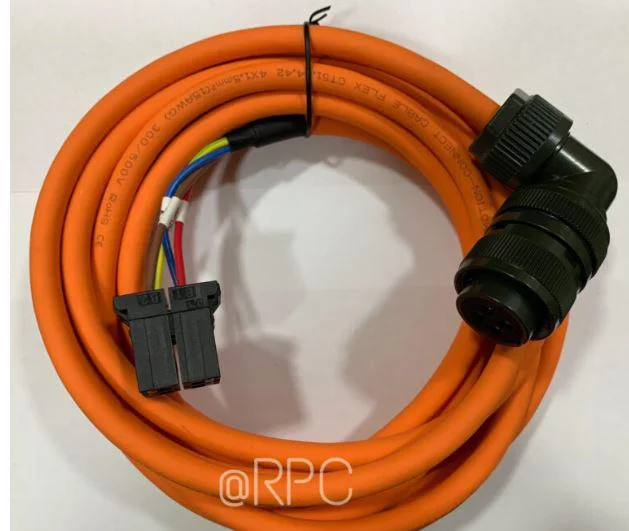
What are Cables, Connectors & BNC Kits?
Cables, connectors, and BNC kits are essential components used in various electronic and communication systems. Cables serve as the transmission medium, allowing data and power to flow between devices. Connectors are the interfaces that join these cables to equipment, facilitating connectivity and signal transfer. BNC kits typically include a combination of cables and connectors designed for specific applications, particularly in video and audio systems.
These products are widely used in many industries, including telecommunications, broadcasting, and security. They enable the seamless transfer of signals in applications such as video surveillance, broadcasting live events, and connecting various electronic devices in industrial settings. The reliability and quality of cables and connectors are paramount to ensure uninterrupted communication and performance.
In the current market, the demand for high-quality cables and connectors is growing due to the increasing reliance on digital communication and advanced technology. Businesses are looking for durable and efficient solutions that meet specific application requirements. As technology evolves, the relevance of these products in supporting connectivity and signal integrity remains critical across multiple sectors.
Key Features and Specifications
Cables, connectors, and BNC kits come with various features and specifications that define their performance and suitability for specific applications. Understanding these key specifications is essential for selecting the right products.
Key specifications include:
1. Cable Type
- Types include coaxial, fiber optic, and twisted pair.
- Each type has unique characteristics for different applications.
2. Connector Type
- Common types include BNC, RCA, and SMA connectors.
- Each connector type is designed for specific signal types and applications.
3. Impedance
- Standard impedance values include 50 Ohm and 75 Ohm.
- Impedance matching is crucial for minimizing signal loss.
4. Length
- Available lengths typically range from a few centimeters to several meters.
- The right length depends on the application and installation environment.
5. Material
- Common materials include copper, aluminum, and PVC.
- Material choice affects durability and signal quality.
6. Shielding
- Types of shielding include foil and braided.
- Shielding protects against interference and signal degradation.
7. Temperature Range
- Operating temperature ranges are often specified for environmental suitability.
- Ensures performance in various operational conditions.
8. Certification
- Compliance with standards such as CE ensures product reliability.
- Certifications indicate adherence to industry quality requirements.
In summary, understanding the key features and specifications is vital for selecting the appropriate cables, connectors, and BNC kits that meet the needs of specific applications.
Common Applications and Use Cases
Cables, connectors, and BNC kits serve a wide range of industries and applications. Their versatility makes them essential components in many systems.
1. Telecommunications: Cables and connectors are used to establish connections between telecommunication equipment, enabling voice and data transmission.
2. Broadcasting: BNC connectors are prevalent in video and audio broadcasting, ensuring reliable signal transfer in live events and studio environments.
3. Security Systems: In surveillance setups, these components connect cameras to recording devices, facilitating real-time monitoring and data storage.
4. Industrial Automation: Cables and connectors link sensors and controllers in automated systems, driving efficiency in manufacturing processes.
5. Audio/Visual Equipment: Cables are crucial for connecting various audio and visual devices, ensuring high-quality sound and image transmission.
6. Medical Equipment: These products are essential in connecting medical devices, allowing for accurate data transfer and communication in healthcare settings.
7. Networking: In data centers, cables and connectors form the backbone of network infrastructure, supporting high-speed data transfer.
Product Variants and Subcategories
Cables, connectors, and BNC kits come in various forms to cater to different needs and applications. Understanding the available variants can help in selecting the right products.
Coaxial Cables: These cables are designed for high-frequency signal transmission, often used in cable television and internet connections. They provide excellent shielding against interference.
Fiber Optic Cables: These cables use light to transmit data, offering high-speed and long-distance communication capabilities. They are ideal for telecommunications and networking applications.
BNC Connectors: BNC connectors are frequently used in video applications, providing a secure connection for coaxial cables in broadcasting and surveillance systems.
RCA Connectors: These connectors are commonly found in consumer audio and video equipment, enabling seamless connections for high-quality audio and visual signals.
HDMI Cables: High-Definition Multimedia Interface cables are designed for transmitting high-quality video and audio signals, widely used in home entertainment systems.
Benefits and Advantages
Investing in high-quality cables, connectors, and BNC kits offers several benefits that enhance performance and reliability.
1. Improved Signal Quality: High-quality materials and construction minimize signal loss and interference, ensuring clear communication.
2. Durability: Robust designs and materials lead to longer product life, reducing the need for frequent replacements.
3. Versatility: A wide range of types and specifications allows for use in various applications, making them suitable for diverse industries.
4. Ease of Installation: Many connectors and cables are designed for simple installation, reducing time and labor costs during setup.
5. Compliance Assurance: Certified products meet industry standards, ensuring reliability and safety in operation.
6. Cost-Effectiveness: Investing in high-quality products can lead to reduced maintenance costs and improved operational efficiency over time.
Buying Guide for B2B Buyers
When sourcing cables, connectors, and BNC kits, B2B buyers should consider several key factors to ensure they make informed decisions.
1. Quality Assessment: Evaluate the quality of materials and construction. Look for products that meet industry standards and certifications to ensure reliability.
2. Supplier Verification: Vet potential suppliers by checking their reputation, customer reviews, and certifications. A reliable supplier will provide consistent quality and support.
3. Pricing and MOQ: Consider the pricing structure and minimum order quantities. Assess whether the costs align with your budget and project needs.
4. Delivery and Lead Times: Understand the supplier's delivery capabilities and lead times. Timely delivery is crucial for maintaining project schedules.
5. Compliance Requirements: Ensure that the products comply with relevant regulations and standards. This is critical for safety and operational integrity.
Compliance and Certifications
Cables, connectors, and BNC kits must adhere to various compliance and certification standards to ensure safety and reliability.
One of the most recognized standards is ISO 9001, which outlines quality management systems. Compliance with ISO 9001 indicates that a manufacturer maintains consistent quality throughout their production processes.
Additionally, industry-specific certifications, such as CE marking, signify that products meet European safety, health, and environmental protection standards. This certification is vital for products sold within the European market.
Safety and testing requirements are also critical. Products must undergo rigorous testing to verify their performance under various conditions, ensuring they meet industry expectations.
In some regions, there may be additional compliance considerations based on local regulations. Understanding these requirements can help businesses avoid legal issues and ensure smooth operations.
Why Source Cables, Connectors & BNC Kits from Pepagora?
Pepagora offers a trusted platform for sourcing cables, connectors, and BNC kits, providing several key advantages for buyers.
Verified Supplier Network: Pepagora ensures that all suppliers on the platform undergo a thorough verification process. This helps buyers connect with reputable manufacturers who meet quality standards.
Streamlined RFQ Process: The request for quotation (RFQ) process is designed for ease of use. Buyers can quickly obtain quotes from multiple suppliers, facilitating comparison and selection.
Trade Assurance and Support: Pepagora provides trade assurance, protecting buyers throughout the purchasing process. This includes support for any issues that may arise post-purchase.
Regional Coverage: With a strong presence in India, the GCC, and Southeast Asia, Pepagora offers extensive geographic reach. This allows buyers to access a diverse range of suppliers and products to meet their specific needs.

 IN
IN