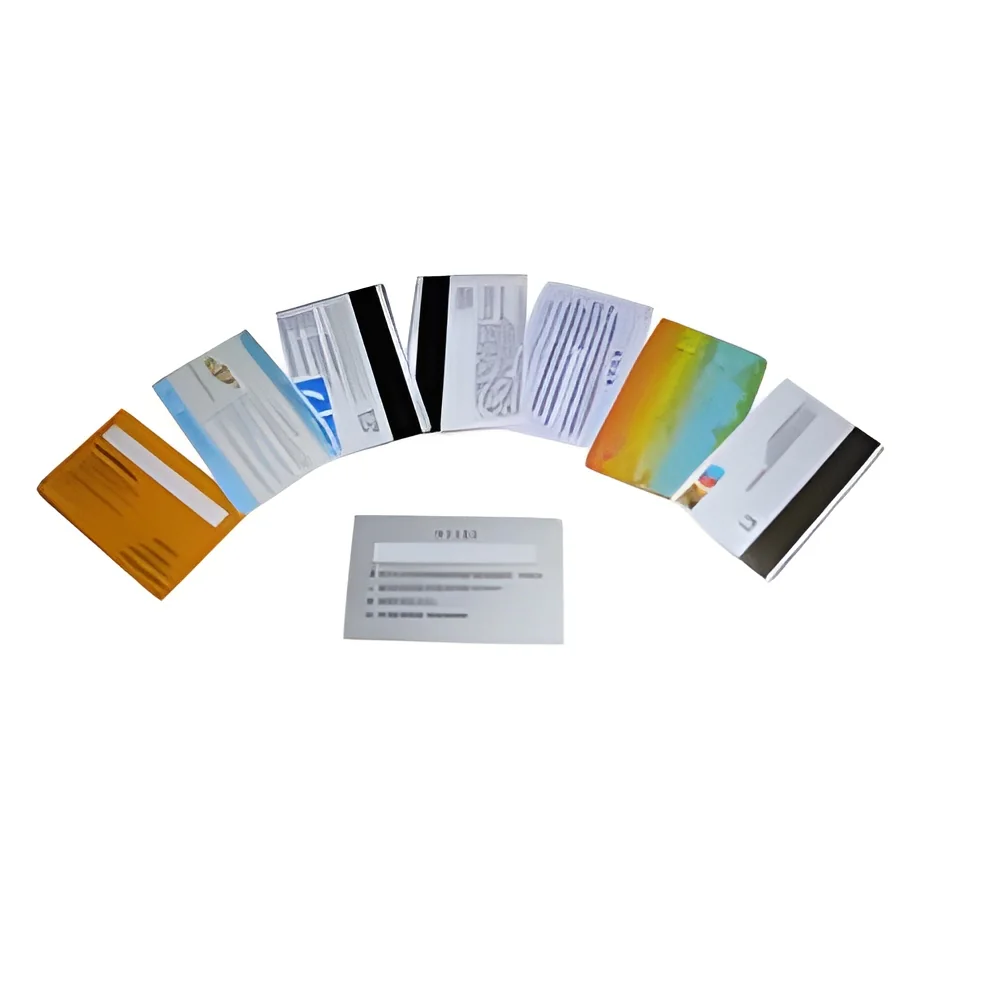
What are Card-Based Entry Devices?
Card-Based Entry Devices are electronic systems that utilize card technology for access control and security. These devices are designed to read and authenticate cards, allowing users to gain entry to restricted areas or systems. The technology behind these devices can vary, encompassing magnetic stripe cards, RFID cards, and smart cards, all of which store and transmit data securely.
In the business context, Card-Based Entry Devices are widely used in various sectors to enhance security measures. They are prevalent in corporate offices, educational institutions, healthcare facilities, and manufacturing plants. The primary function of these devices is to control access to physical spaces, ensuring that only authorized personnel can enter sensitive areas. This capability is essential for protecting assets and maintaining safety protocols.
The relevance of Card-Based Entry Devices in the market is significant as businesses increasingly prioritize security in their operations. As technology evolves, these devices are becoming more sophisticated, integrating features such as biometric authentication and mobile access. The demand for robust security solutions is growing, making Card-Based Entry Devices a critical component in the landscape of modern security systems.
Key Features and Specifications
Card-Based Entry Devices come equipped with various features that enhance functionality and security. Understanding these specifications is essential for making informed purchasing decisions.
Key specifications include:
1. Authentication Method
- Options include magnetic stripe, RFID, and smart card technology.
- Each method offers different levels of security and convenience.
2. Connectivity
- Devices may support various connectivity options, such as Wi-Fi, Ethernet, or Bluetooth.
- This flexibility enables integration with existing security systems.
3. User Capacity
- The number of cards a device can support varies by model.
- Typical capacities range from a few hundred to several thousand users.
4. Power Supply
- Options include battery-operated or hardwired systems.
- Battery life can vary, impacting maintenance needs.
5. Environmental Ratings
- Some devices are rated for specific temperature and humidity ranges.
- These ratings indicate suitability for different environments.
6. Installation Type
- Devices may be surface-mounted or recessed for aesthetic preferences.
- Installation methods can affect overall security and access control.
7. Security Features
- Advanced models include tamper alerts and encryption protocols.
- These features enhance data security and device integrity.
8. Compliance Standards
- Many devices adhere to industry standards such as CE certification.
- Compliance ensures reliability and safety in operation.
Overall, understanding these specifications helps businesses choose the right Card-Based Entry Devices for their needs.
Common Applications and Use Cases
Card-Based Entry Devices are versatile tools used across various industries to enhance security and streamline access control.
1. Corporate Offices: These devices are used to manage employee access to workspaces, ensuring only authorized personnel can enter secure areas.
2. Educational Institutions: Schools and universities use Card-Based Entry Devices to control access to buildings and facilities, enhancing student and staff safety.
3. Healthcare Facilities: Hospitals utilize these devices to restrict access to sensitive areas such as laboratories and patient records, maintaining confidentiality and safety.
4. Manufacturing Plants: In industrial settings, these devices help regulate access to production areas, preventing unauthorized entry and ensuring compliance with safety protocols.
5. Government Buildings: Card-Based Entry Devices are critical in managing access to secure government facilities, safeguarding sensitive information and operations.
6. Retail Environments: Some retail businesses implement these devices to control access to stock rooms and employee-only areas, enhancing inventory security.
7. Transportation Hubs: Airports and train stations use Card-Based Entry Devices for secure access to restricted zones, ensuring safety for travelers and staff.
Product Variants and Subcategories
Card-Based Entry Devices come in various variants, each designed to meet specific security needs and applications.
Standard Card Readers
These devices read magnetic stripe and RFID cards, providing basic access control. They are commonly used in offices and educational institutions.
Smart Card Readers
These advanced readers support smart cards with embedded chips, offering enhanced security features. They are ideal for environments requiring high-level security, such as government and healthcare facilities.
Mobile Access Readers
These devices allow users to access secure areas using mobile devices. They are becoming increasingly popular in modern workplaces that prioritize convenience and flexibility.
Multi-Technology Readers
These readers can authenticate multiple card types, providing versatility for organizations that utilize different card systems. They are suitable for businesses with evolving access control needs.
Benefits and Advantages
Card-Based Entry Devices offer numerous advantages that enhance security and operational efficiency.
Key benefits include:
1. Enhanced Security: These devices provide a reliable method to restrict access to authorized users, reducing the risk of unauthorized entry.
2. User-Friendly: The simplicity of card-based access makes it easy for employees and visitors to use, minimizing training requirements.
3. Scalability: Organizations can easily expand their access control systems by adding more devices or cards as their needs grow.
4. Integration Capabilities: Many Card-Based Entry Devices can integrate with existing security systems, providing a comprehensive security solution.
5. Audit Trails: These devices often maintain logs of access events, allowing businesses to monitor and review entry records for security and compliance purposes.
6. Cost-Effective: Over time, the use of Card-Based Entry Devices can reduce security personnel costs, as automated systems handle access control efficiently.
Buying Guide for B2B Buyers
When sourcing Card-Based Entry Devices, it is essential to consider various factors to ensure you choose the right product for your needs.
1. Quality Assessment: Evaluate the quality of the devices based on manufacturer reputation, customer reviews, and performance metrics. High-quality devices are crucial for reliable security.
2. Supplier Verification: Research potential suppliers to verify their credibility. Look for certifications, customer feedback, and their history in the industry to ensure you partner with a trustworthy vendor.
3. Pricing and MOQ: Understand the pricing structure and minimum order quantities. Compare quotes from different suppliers to find the best value without compromising quality.
4. Delivery and Lead Times: Inquire about delivery schedules and lead times. Timely delivery is critical to ensure your security needs are met promptly.
5. Compliance Requirements: Ensure that the devices meet any relevant compliance and regulatory standards for your industry. This consideration is vital for maintaining safety and operational integrity.
Compliance and Certifications
Compliance with industry standards and certifications is crucial for Card-Based Entry Devices to ensure their reliability and safety.
Key standards include ISO 9001, which sets quality management principles to guarantee a consistent level of quality in products. Many manufacturers strive to meet these standards to enhance their credibility.
CE certification is another important industry benchmark. It indicates that the device meets European safety, health, and environmental protection standards. This certification is essential for businesses operating in regions where CE marking is required.
Safety and testing requirements also play a critical role in the compliance landscape. Devices must undergo rigorous testing to ensure they function effectively under various conditions. Additionally, regional compliance considerations may vary, so it is vital to understand local regulations when sourcing these devices.
Why Source Card-Based Entry Devices from Pepagora?
Pepagora provides a trusted platform for sourcing Card-Based Entry Devices, offering several key advantages to B2B buyers.
Verified Supplier Network: Pepagora connects buyers with a network of verified suppliers, ensuring that you can source high-quality devices from reputable manufacturers. This network reduces the risk associated with purchasing security equipment.
Streamlined RFQ Process: The request for quotation system simplifies the procurement process. Buyers can easily compare quotes from multiple suppliers, making it easier to find the best deal that meets their requirements.
Trade Assurance and Support: Pepagora offers trade assurance, providing buyers with protection throughout the purchasing process. This support ensures that your investment is secure, and you receive the products as promised.
Regional Coverage: With a strong presence in India, the Gulf Cooperation Council (GCC), and Southeast Asia, Pepagora provides geographic reach that allows businesses to access a diverse range of Card-Based Entry Devices tailored to their specific needs.
By choosing Pepagora, buyers can confidently source Card-Based Entry Devices that enhance their security infrastructure while benefiting from a reliable and efficient procurement process.

 IN
IN