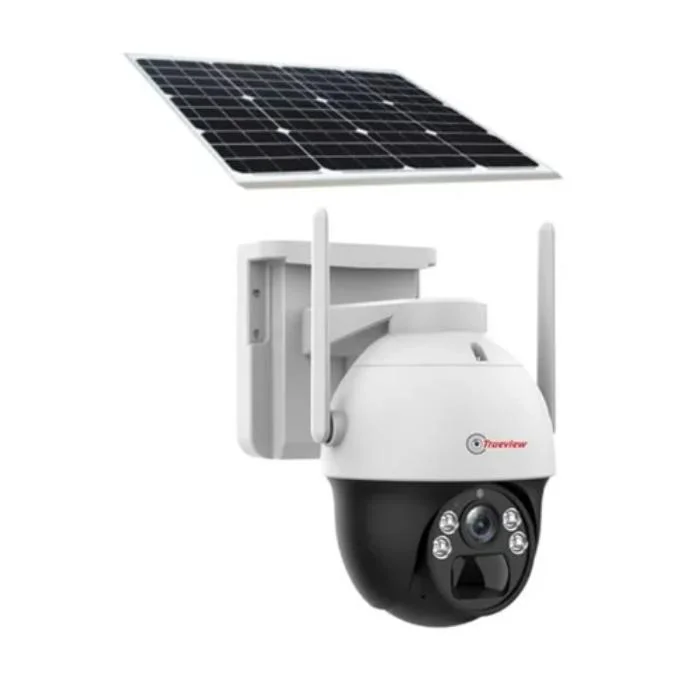
What are Wireless Security Cameras?
Wireless security cameras are advanced surveillance devices that transmit video and audio data over a wireless network. Unlike traditional wired cameras, these systems eliminate the need for extensive cabling, allowing for easier installation and flexibility in placement. They typically connect to a Wi-Fi network, enabling remote access and monitoring through smartphones or computers. Many models are designed to work seamlessly with various smart home or business automation systems.
These cameras are widely used across different sectors for security and monitoring purposes. Businesses utilize them to oversee property, deter theft, and ensure the safety of employees and customers. They are also commonly employed in residential settings for home security. The growing demand for effective surveillance solutions has led to significant advancements in wireless camera technology, making them an essential component in modern security systems.
As the market for wireless security cameras continues to grow, various industries are increasingly adopting these technologies. The rise in smart city initiatives and urbanization has further propelled the demand for enhanced surveillance systems. With an emphasis on safety and security, businesses are recognizing the importance of investing in reliable wireless security camera solutions.
Key Features and Specifications
Wireless security cameras come with a variety of features tailored to meet the unique needs of different users. When selecting a camera, it is crucial to understand these features and their specifications to ensure optimal performance.
Key specifications include:
1. Resolution
- The clarity of the image captured by the camera.
- Common resolutions include 720p, 1080p, and 4K.
2. Field of View
- The extent of the area visible through the camera lens.
- Typically ranges from 90 degrees to 180 degrees.
3. Night Vision
- The capability to capture clear images in low-light conditions.
- Often powered by infrared technology for enhanced visibility.
4. Motion Detection
- Technology that alerts users to movement within the camera's view.
- Adjustable sensitivity settings for personalized monitoring.
5. Storage Options
- Methods for saving video footage, such as cloud storage or local SD cards.
- Varies based on user preferences and requirements.
6. Connectivity
- The type of network connection available, such as Wi-Fi or Ethernet.
- Ensures compatibility with existing network infrastructure.
7. Weather Resistance
- The camera's ability to withstand environmental conditions.
- Rated with IP ratings for outdoor use, typically IP65 or higher.
8. Two-Way Audio
- Allows users to communicate through the camera via a built-in microphone and speaker.
- Enhances interaction and security monitoring.
These specifications play a critical role in determining the effectiveness of a wireless security camera system. By understanding their features, businesses can make informed purchasing decisions.
Common Applications and Use Cases
Wireless security cameras are versatile tools applicable across various industries.
1. Retail: In retail environments, these cameras help prevent theft and monitor customer behavior, enhancing security and sales strategies.
2. Healthcare: Hospitals and clinics use wireless cameras to ensure patient safety and monitor sensitive areas without compromising privacy.
3. Education: Schools and universities install these cameras for campus security, helping to deter vandalism and ensuring the safety of students and staff.
4. Warehousing: In large warehouses, wireless cameras improve inventory management and ensure the safety of assets.
5. Transportation: Airports and bus terminals utilize these cameras to monitor passenger safety and manage crowd control effectively.
6. Hospitality: Hotels and resorts deploy wireless security cameras to ensure the safety of guests and staff, enhancing overall service quality.
7. Construction: Construction sites use these cameras for monitoring work progress and securing valuable equipment against theft.
Product Variants and Subcategories
Wireless security cameras come in various types designed for specific needs and environments.
Bullet Cameras: These cameras have a cylindrical shape and are often used for outdoor surveillance. They are ideal for monitoring large areas due to their extended range and visibility.
Dome Cameras: Featuring a dome-shaped design, these cameras are suitable for indoor use. Their discreet appearance allows for surveillance without drawing attention.
PTZ Cameras: Pan-Tilt-Zoom (PTZ) cameras can be remotely controlled to move and zoom in on specific areas. They are ideal for large spaces needing dynamic monitoring.
Hidden Cameras: These cameras are designed to blend into the environment and are often used for covert surveillance. They are useful in security assessments and investigations.
Benefits and Advantages
Wireless security cameras offer numerous advantages for businesses looking to enhance their security frameworks.
1. Flexibility: Wireless cameras can be installed in various locations without the constraints of cabling, providing greater installation flexibility.
2. Remote Access: Users can monitor their premises in real-time from anywhere, using smartphones or computers, enhancing convenience and responsiveness.
3. Cost-Effective: With the elimination of extensive wiring and installation costs, wireless cameras can be a more cost-effective solution for businesses.
4. Easy Integration: These cameras can easily integrate with existing security systems and smart devices, allowing for comprehensive surveillance setups.
5. Enhanced Security Features: Many wireless cameras come equipped with advanced features such as motion detection and night vision, providing enhanced security capabilities.
6. Scalability: Businesses can easily expand their surveillance systems by adding more cameras as needed, ensuring ongoing adaptability to changing security needs.
Buying Guide for B2B Buyers
When sourcing wireless security cameras, it is essential to consider several factors to ensure the right fit for your business.
1. Quality Assessment: Evaluate the camera's build quality and performance metrics, including resolution and night vision capabilities. Look for reviews and testimonials from other users to gauge reliability.
2. Supplier Verification: Vet potential suppliers by checking their credentials, reputation, and customer service. Ensure they have a history of delivering quality products and support.
3. Pricing and MOQ: Compare pricing structures and minimum order quantities from different suppliers to find the best deal that aligns with your budget and needs.
4. Delivery and Lead Times: Confirm the expected delivery times and logistics capabilities of the supplier to ensure timely acquisition of the cameras.
5. Compliance Requirements: Research any industry-specific compliance regulations or standards that the cameras must meet to ensure they are suitable for your intended application.
Compliance and Certifications
Wireless security cameras must adhere to various compliance and certification standards to ensure safety and reliability.
Quality standards like ISO 9001 focus on ensuring consistent quality management systems. These standards are crucial for manufacturers to demonstrate their commitment to quality assurance.
Industry certifications such as CE indicate that the product meets European safety and environmental protection requirements. This certification is important for businesses operating within or exporting to the EU market.
Additionally, safety and testing requirements ensure that the cameras are safe for use in various environments. Businesses should also consider regional compliance factors, as different regions may impose specific regulations regarding the installation and use of surveillance equipment.
Why Source Wireless Security Cameras from Pepagora?
Pepagora is a trusted platform for sourcing wireless security cameras, offering several key advantages to B2B buyers.
Verified Supplier Network: Pepagora connects buyers with a network of verified suppliers, ensuring that each vendor meets strict quality and reliability standards. This verification process helps businesses make informed purchasing decisions.
Streamlined RFQ Process: The platform facilitates a straightforward Request for Quotation (RFQ) process, allowing buyers to quickly obtain quotes from multiple suppliers. This efficiency saves time and resources in the procurement process.
Trade Assurance and Support: Pepagora provides trade assurance, protecting buyers from potential disputes and ensuring their investments are safeguarded. The platform also offers customer support to address any concerns throughout the buying journey.
Regional Coverage: With a focus on regions such as India, the GCC, and Southeast Asia, Pepagora ensures that businesses can access a wide range of products suited to their local markets. This regional focus helps streamline logistics and compliance efforts for buyers.

 IN
IN