
 IN
Solar Mounting Structures
11 products available
What are Solar Mounting Structures?
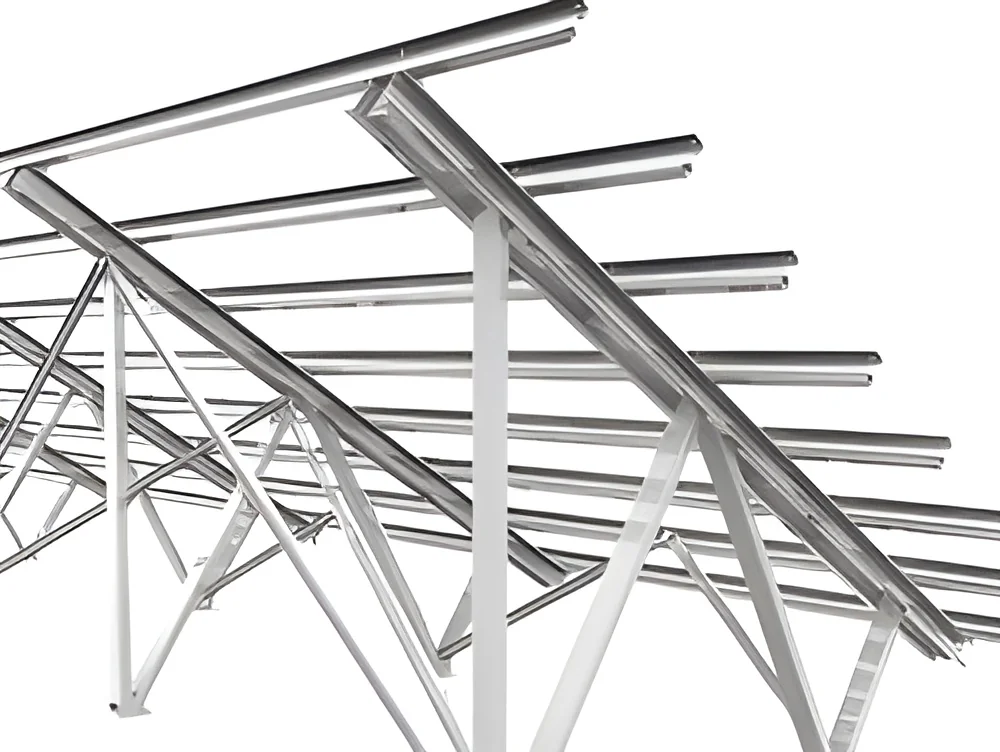
Solar mounting structures are essential components used to support solar panels in various installations. They provide the necessary framework to securely hold solar panels in place while maximizing their exposure to sunlight. These structures can be fixed or adjustable, depending on the design and the specific requirements of the installation.
The primary applications of solar mounting structures include residential, commercial, and industrial solar energy systems. They are used in ground-mounted, rooftop, and solar farm installations. Businesses utilize these structures to ensure energy efficiency and sustainability, contributing to an overall reduction in carbon footprint. The solar energy market is rapidly growing, with increasing demand for renewable energy sources driving innovation and investment in solar technologies.
As the global focus shifts towards sustainable energy solutions, solar mounting structures play a vital role. They not only facilitate the adoption of solar energy but also support the infrastructure needed for solar power generation in various industries.
Key Features and Specifications
Solar mounting structures are designed to provide stability and reliability for solar panel installations. They feature various specifications that ensure durability and performance.
Key specifications include:
1. Material Type
- Typically made from aluminum or galvanized steel.
- High corrosion resistance and structural integrity.
2. Load Capacity
- Designed to withstand specific weight limits based on the panel size and installation type.
- Load capacities can range from 1,000 to 10,000 pounds.
3. Installation Type
- Available in ground-mounted, rooftop, and pole-mounted variations.
- Each type is tailored for specific environments and applications.
4. Tilt Angle
- Adjustable tilt angles enhance solar energy absorption.
- Common tilt angles range from 15 to 40 degrees.
5. Wind Resistance
- Engineered to withstand high wind speeds.
- Wind resistance ratings are crucial for installations in exposed areas.
6. Compatibility
- Designed to accommodate various solar panel sizes and brands.
- Versatility in configuration allows for customized solutions.
7. Compliance Standards
- Must comply with industry standards such as CE certification.
- Adherence to local regulations ensures safety and efficiency.
8. Warranty Period
- Typically comes with a warranty period ranging from 5 to 25 years.
- Warranties cover structural integrity and material defects.
These specifications ensure that solar mounting structures provide long-lasting support and performance for solar energy systems.
Common Applications and Use Cases
Solar mounting structures are utilized across a variety of industries, making them versatile solutions for solar energy needs.
1. Residential: Homeowners use rooftop solar mounting structures to install solar panels on their roofs, maximizing energy efficiency and reducing utility costs.
2. Commercial: Businesses in sectors like retail and manufacturing employ solar mounting structures for large-scale rooftop installations, enhancing sustainability initiatives.
3. Agriculture: Farmers utilize ground-mounted solar structures to install solar panels on their land, providing renewable energy for operations and reducing reliance on fossil fuels.
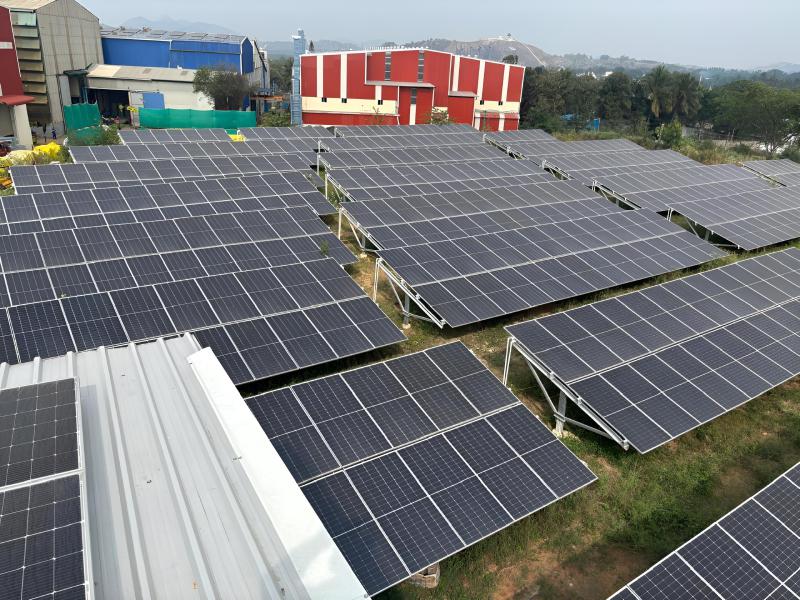
4. Utility-scale Solar Farms: Large scale solar installations use robust mounting structures to support extensive arrays of solar panels, contributing to grid power generation.
5. Government Buildings: Public sector facilities implement solar mounting structures to reduce energy costs and promote renewable energy use.
6. Educational Institutions: Schools and universities use solar structures for educational purposes and to decrease operational costs through solar energy.
7. Industrial Facilities: Factories and warehouses utilize solar mounting structures to harness solar energy, improving their energy efficiency and sustainability goals.
Product Variants and Subcategories
Solar mounting structures come in various configurations to meet diverse installation needs.
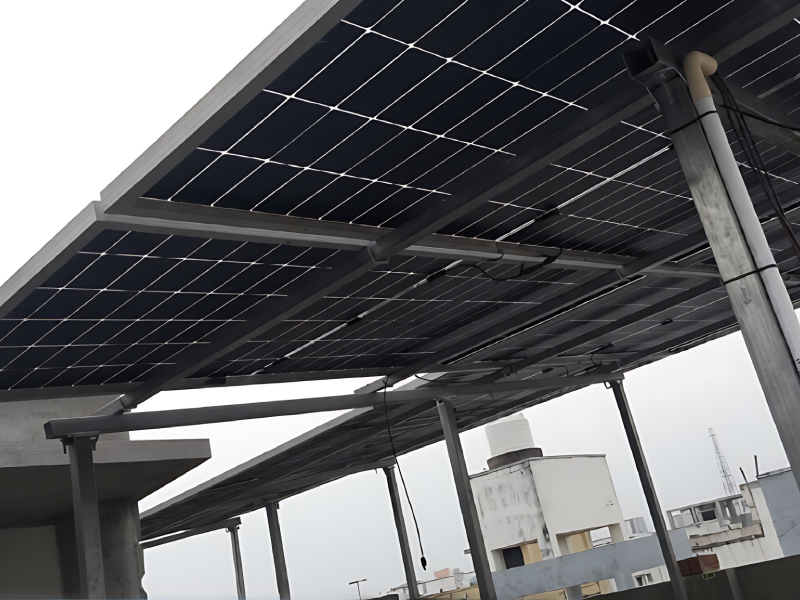
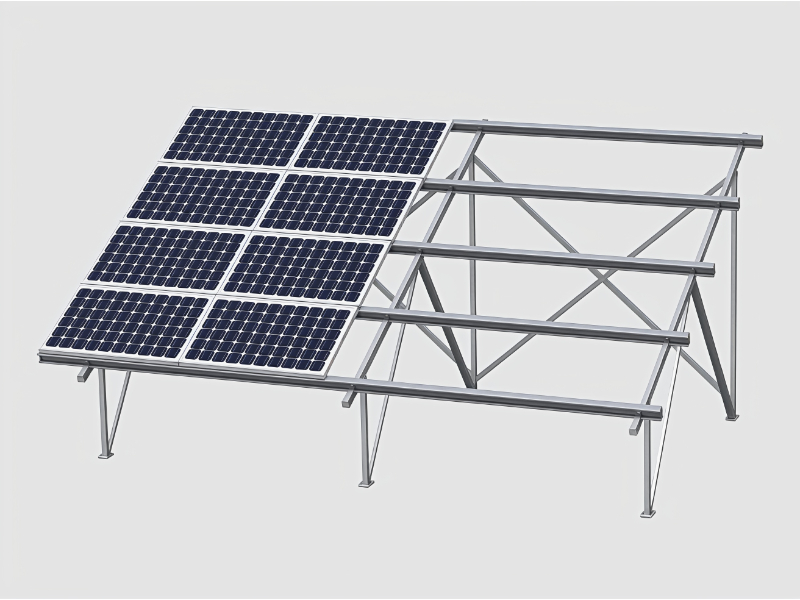
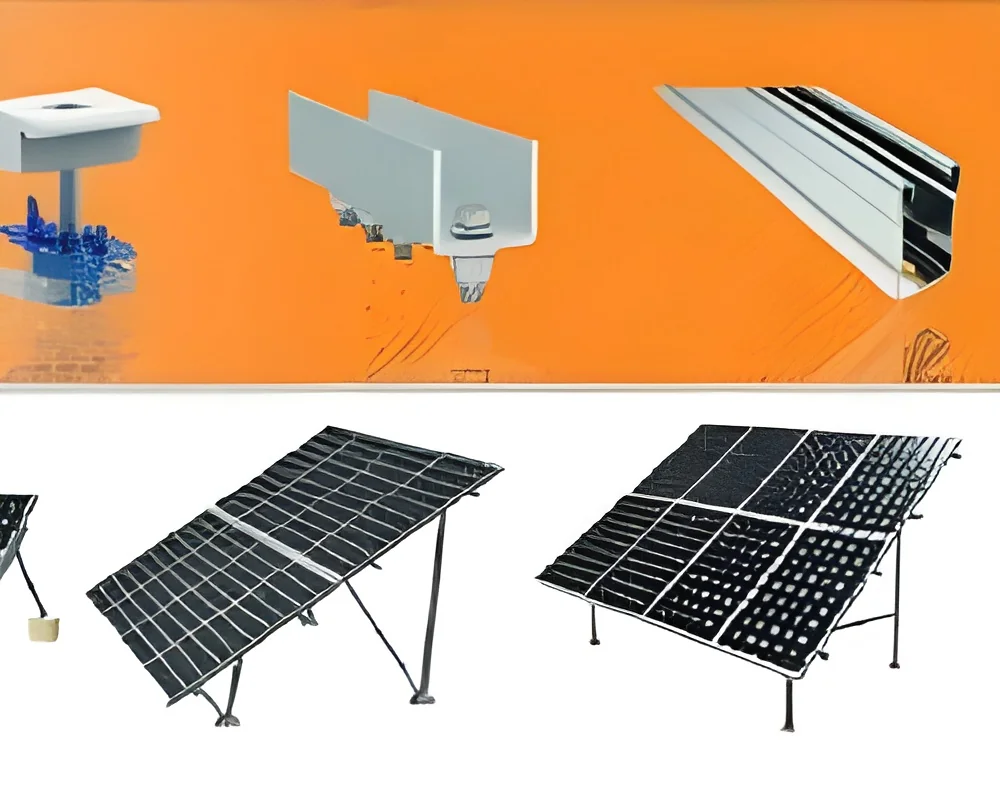
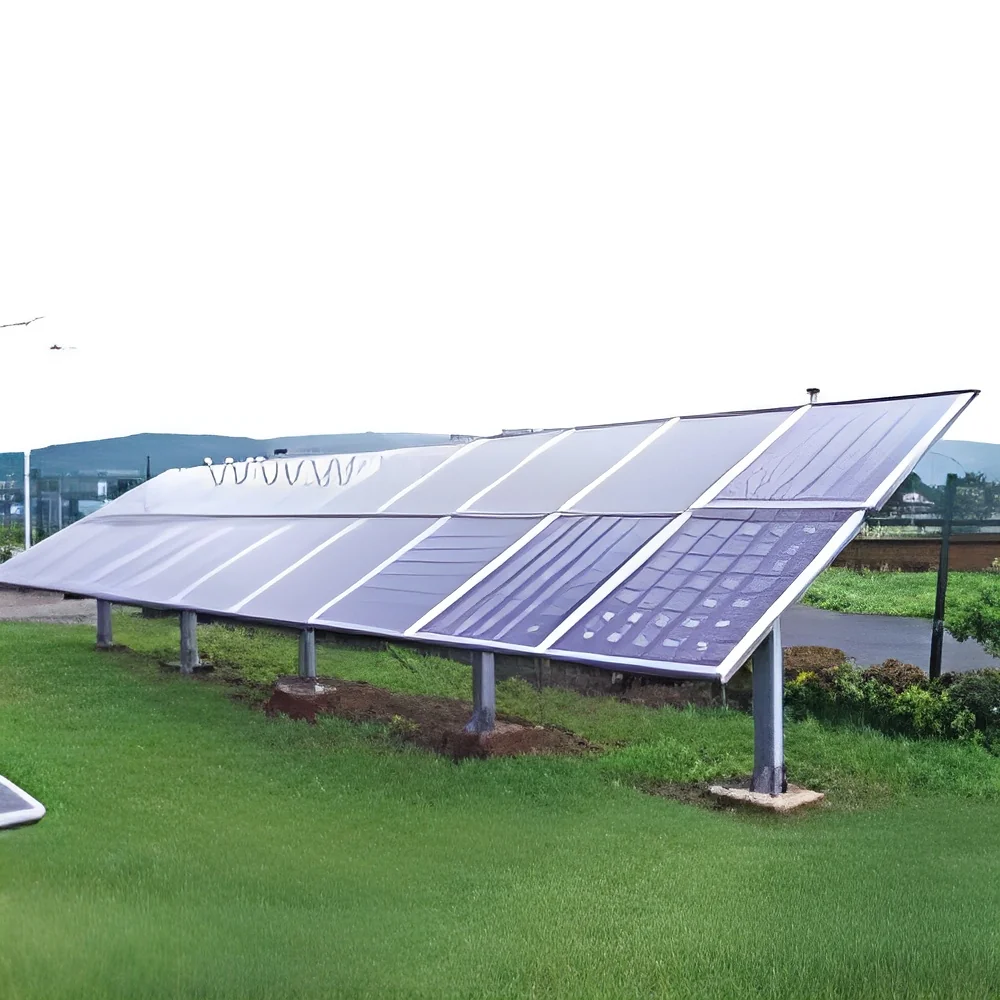
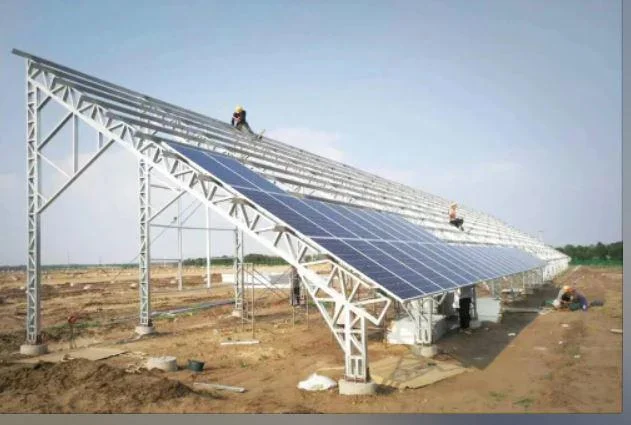
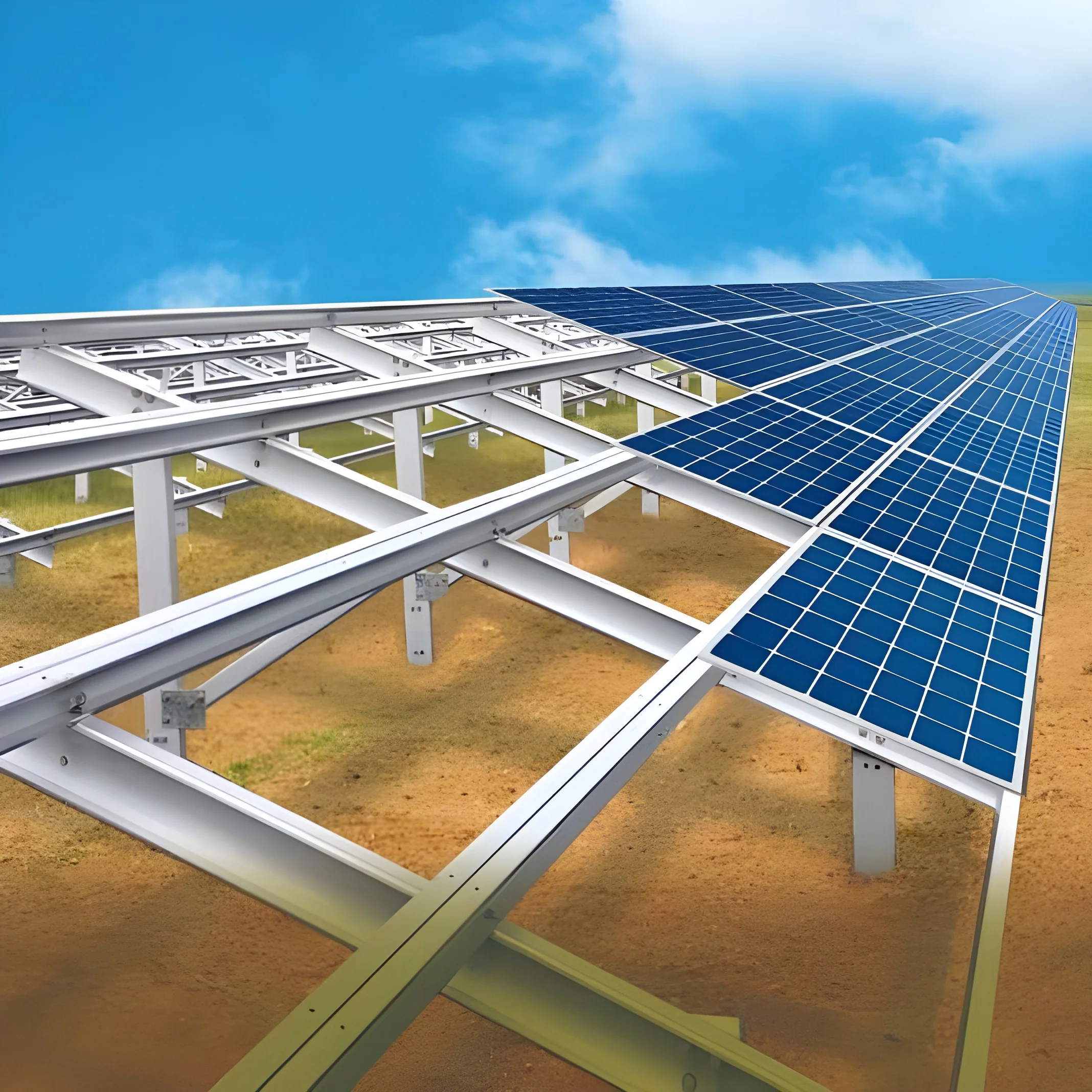
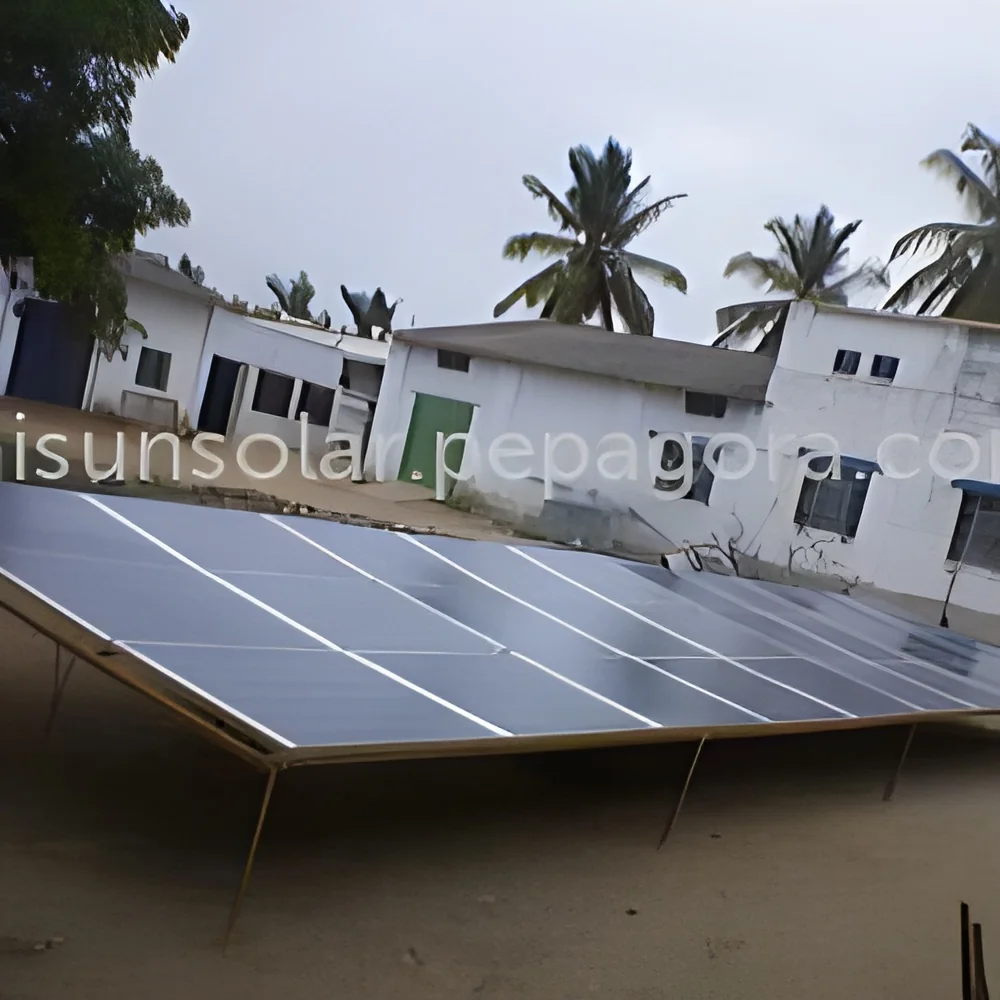
Ground-mounted Systems: These structures are installed directly on the ground, suitable for large solar farms or open land projects. They provide flexibility in design and orientation for optimal sun exposure.
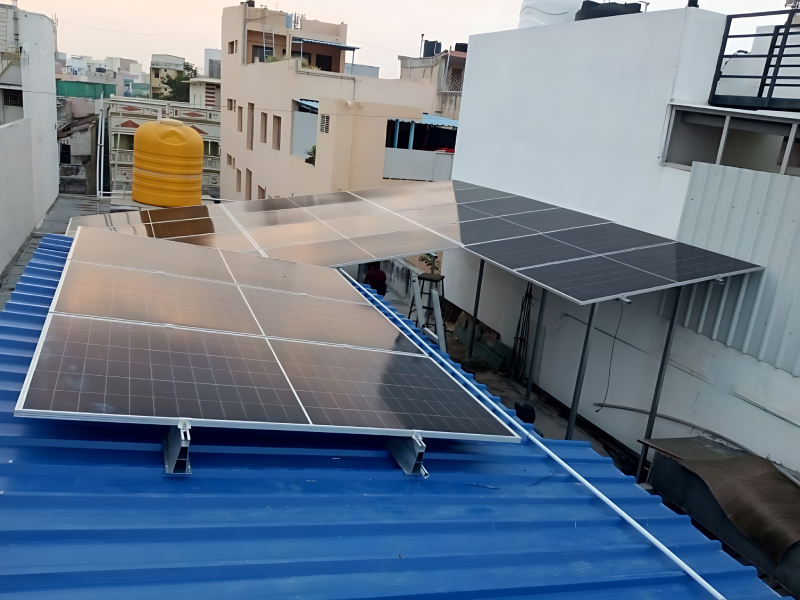
Rooftop Systems: Designed for residential and commercial buildings, rooftop solar mounting structures attach directly to roofs. They are engineered to minimize roof penetration and maximize panel stability.
Pole-mounted Systems: This variant allows for solar panels to be mounted on poles, providing elevation and often adjustable angles for better solar capture. Ideal for areas with limited ground space.
Benefits and Advantages
Solar mounting structures offer numerous benefits for businesses and organizations looking to invest in solar energy.
Key benefits include:
1. Enhanced Durability: Constructed from high-quality materials, these structures provide long-lasting support, ensuring the panels remain secure.
2. Increased Energy Efficiency: Proper mounting maximizes the angle of sunlight exposure, improving energy capture and overall efficiency.
3. Cost Savings: By reducing reliance on traditional energy sources, businesses can lower their operational costs significantly over time.
4. Environmental Impact: Utilizing solar energy contributes to sustainability goals, helping to reduce carbon footprints and promote renewable energy.
5. Flexibility: Various mounting options allow for customization based on specific site conditions and energy needs.
6. Low Maintenance: Once installed, solar mounting structures require minimal maintenance, making them a practical choice for organizations.
Buying Guide for B2B Buyers
When sourcing solar mounting structures, businesses should consider several critical factors to ensure they make informed decisions.
1. Quality Assessment: Evaluate the materials and construction quality. Look for structures that meet recognized standards to ensure longevity and reliability.
2. Supplier Verification: Vet potential suppliers by checking their credentials and past projects. Established suppliers often have a track record of reliability and quality.
3. Pricing and MOQ: Consider the cost of structures and the minimum order quantity. Compare prices across suppliers to find the best value for your investment.
4. Delivery and Lead Times: Assess logistical capabilities, including delivery times and shipping options. Timely delivery is crucial for project planning.
5. Compliance Requirements: Ensure that the structures meet local regulatory standards and certifications. Compliance is essential for safety and legal adherence.
Compliance and Certifications
Solar mounting structures must adhere to various quality standards and certifications to ensure safety and performance.
Relevant quality standards such as ISO 9001 guarantee that products meet international quality management principles. Certifications like CE indicate that the product complies with European health and safety regulations, ensuring the safety of installations.
Testing requirements often include assessments for structural integrity and resistance to environmental factors such as wind and snow loads. These tests ensure that the mounting systems can withstand the conditions they will face in real-world applications.
Regional compliance considerations may vary, and it is crucial for manufacturers and suppliers to be aware of local regulations that govern solar installations. Adhering to these standards helps mitigate risks and enhances the reliability of solar energy systems.
Why Source Solar Mounting Structures from Pepagora?
Pepagora offers a trusted platform for sourcing solar mounting structures, providing several key advantages for businesses.
The verified supplier network ensures that buyers have access to reputable manufacturers and suppliers. Each supplier undergoes meticulous vetting to guarantee quality and reliability in their products.
The streamlined RFQ process simplifies the quotation system, allowing buyers to receive competitive pricing and options tailored to their specific needs. This efficiency saves time and enhances decision-making.
Pepagora also emphasizes trade assurance and support, providing buyers with protection throughout the sourcing process. This includes assistance with negotiations and ensuring compliance with standards.
With regional coverage extending across India, the GCC, and Southeast Asia, Pepagora connects buyers with suppliers in key markets, making it easier to secure high-quality solar mounting structures.


 India


 India
 India
 India
 India
 India
 India
Frequently Asked Questions
What are Solar Mounting Structures?
Solar Mounting Structures are frameworks used to support solar panels on rooftops or the ground. They provide stability and ensure that solar panels are installed at the correct angle for optimal sunlight exposure.
What are the different types of Solar Mounting Structures?
The main types of Solar Mounting Structures include fixed tilt, adjustable tilt, and tracking systems. Fixed tilt structures are stationary, while adjustable tilt structures can be modified for seasonal changes, and tracking systems move to follow the sun throughout the day.
How do I choose the right Solar Mounting Structures?
Choosing the right Solar Mounting Structures depends on factors such as the type of installation (rooftop or ground), local weather conditions, and the specific requirements of your solar panel system. It's essential to consult with manufacturers or suppliers who can provide expert guidance tailored to your needs.
What are the standard specifications for Solar Mounting Structures?
Standard specifications for Solar Mounting Structures typically include material type (such as aluminum or galvanized steel), load-bearing capacity, corrosion resistance, and design to withstand specific wind and snow loads. Always verify that the structures meet local building codes and industry standards.
What is the price range for Solar Mounting Structures?
The price range for Solar Mounting Structures can vary significantly based on material, design complexity, and installation type. Generally, prices may range from INR 500 to INR 2000 per unit, but bulk orders may offer discounts.
What quality standards apply to Solar Mounting Structures?
Quality standards for Solar Mounting Structures often include international certifications such as ISO 9001 and specific guidelines from the International Electrotechnical Commission (IEC). It's important to ensure that the structures are tested for durability and safety.
Where can I find Solar Mounting Structures suppliers in India?
You can find Solar Mounting Structures suppliers in India through online B2B marketplaces like Pepagora.com, trade shows, and industry directories. It's advisable to check supplier reviews and product certifications before making a purchase.
Can Solar Mounting Structures be customized?
Yes, many manufacturers offer customization options for Solar Mounting Structures to fit specific project requirements. Customization can include adjustments in size, material, and design to meet unique installation challenges.
What is the typical minimum order quantity for Solar Mounting Structures?
The typical minimum order quantity (MOQ) for Solar Mounting Structures can vary by supplier, but it often ranges from 10 to 100 units. It's advisable to discuss MOQs directly with suppliers to understand their policies.
What is the typical lead time for Solar Mounting Structures?
The typical lead time for Solar Mounting Structures can vary based on the supplier and order size, generally ranging from 2 to 6 weeks. It's important to factor in additional time for customization or bulk orders.
Why Businesses Trust Pepagora
Thousands of companies trust Pepagora to source smarter and sell faster
Expand Your Sales Globally

Source Smarter,Grow Faster
