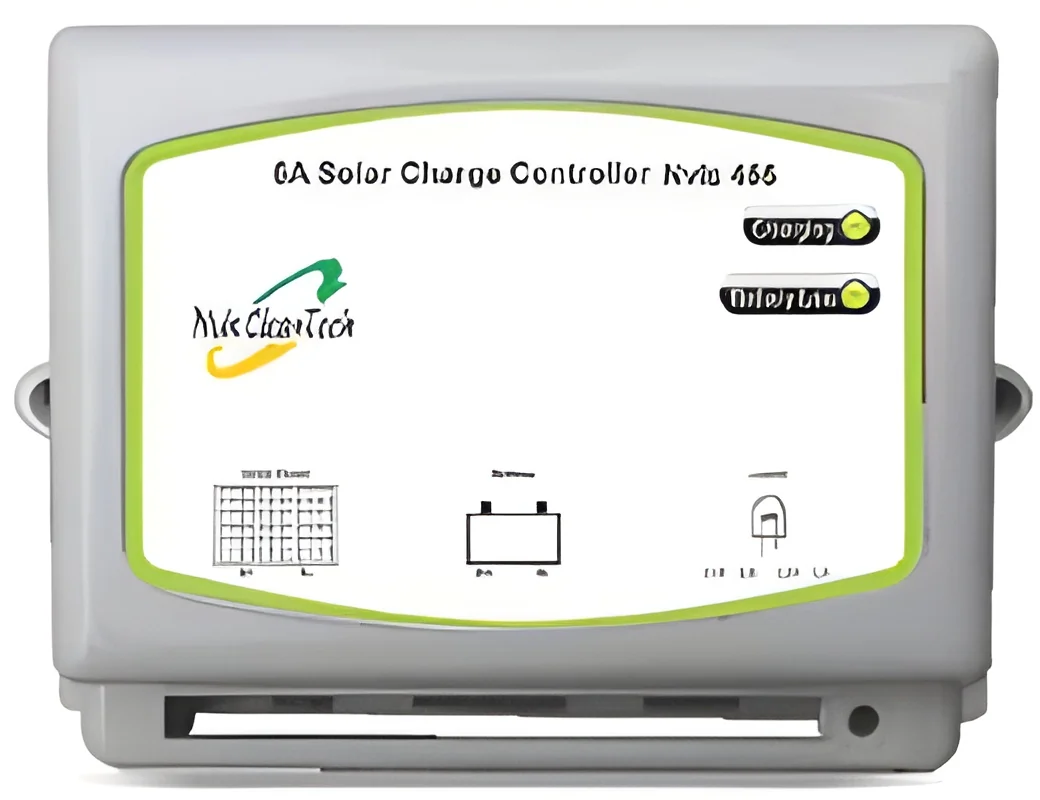
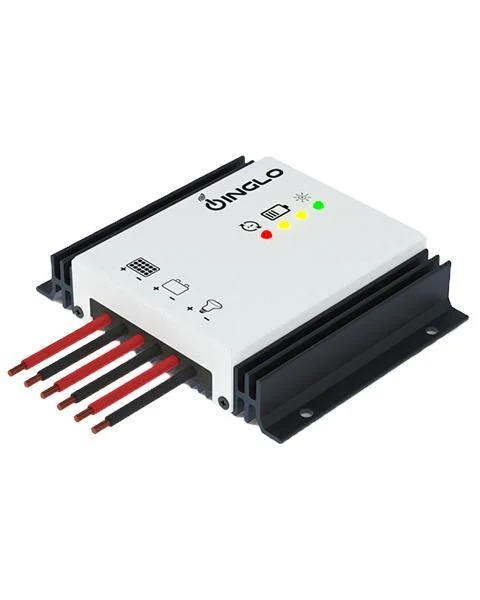
What are Solar Charge Controllers?
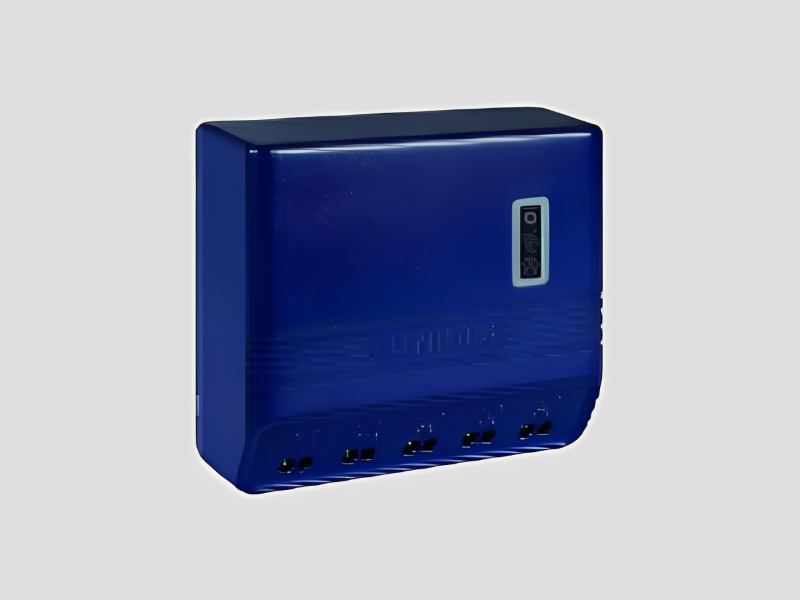
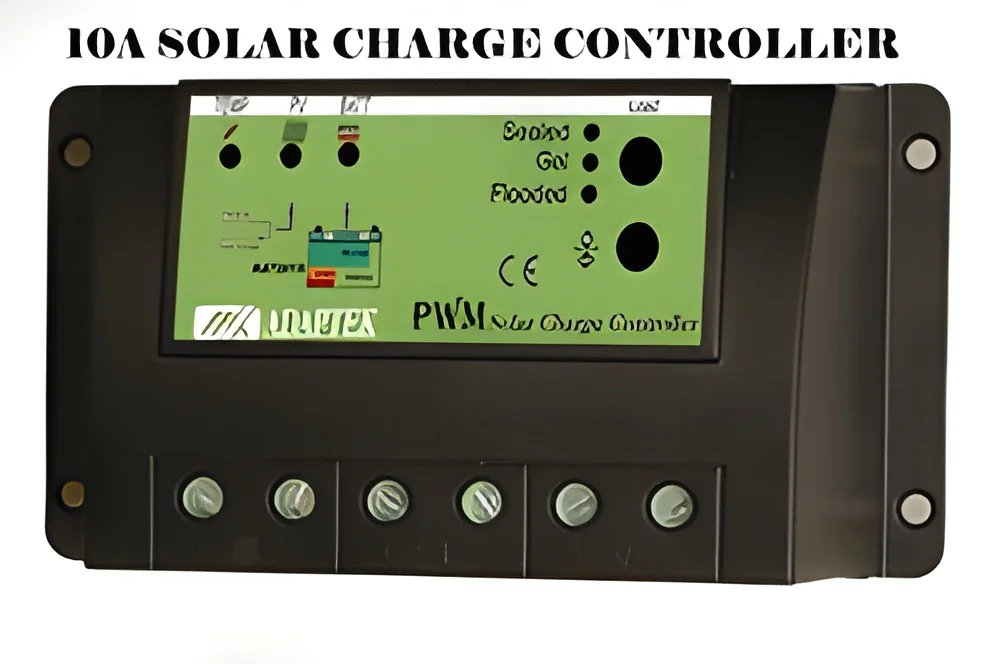
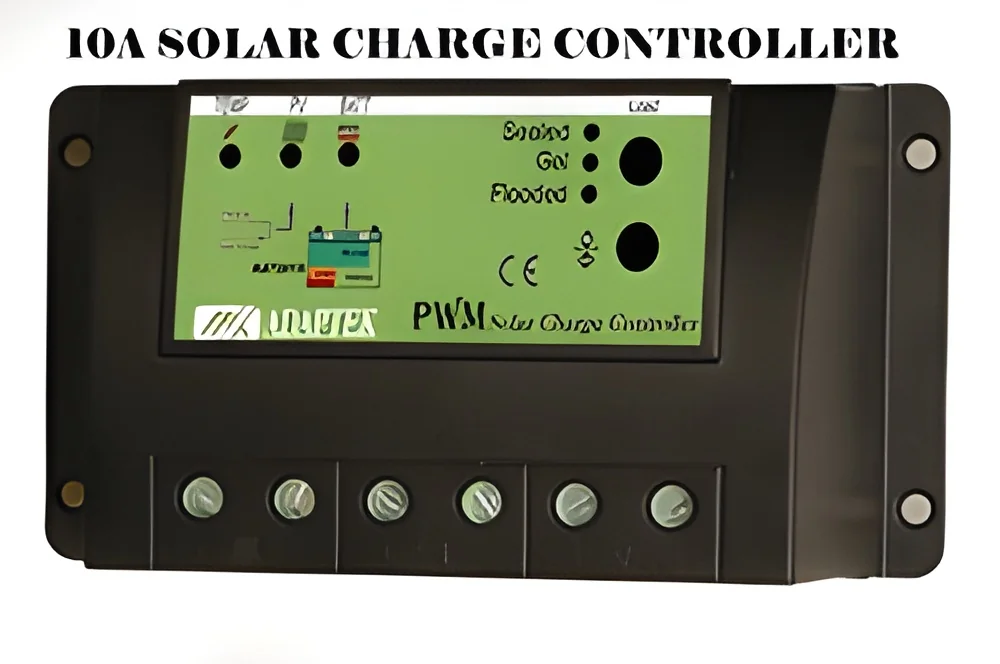
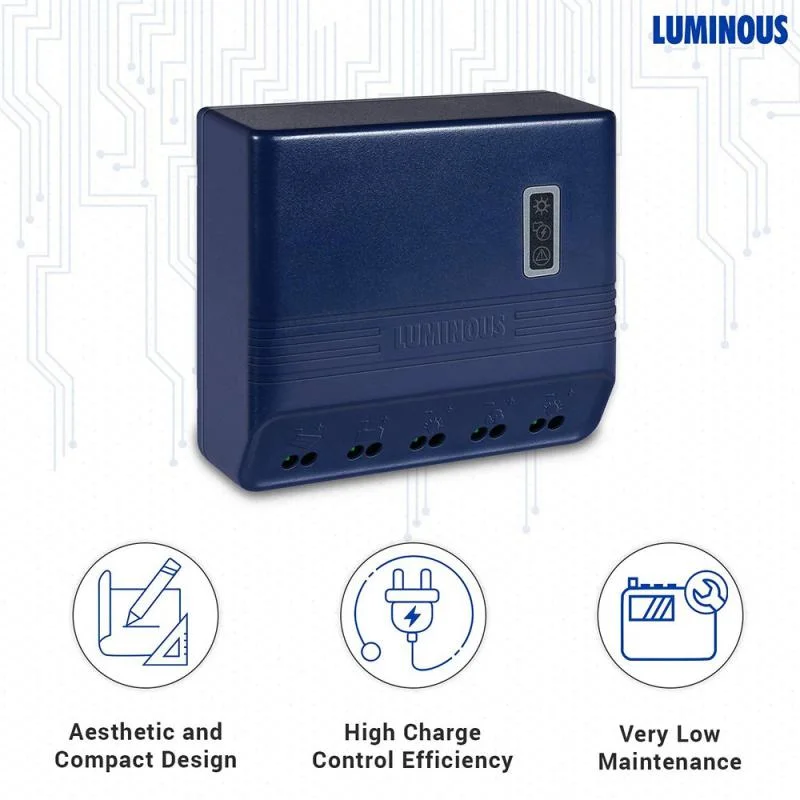
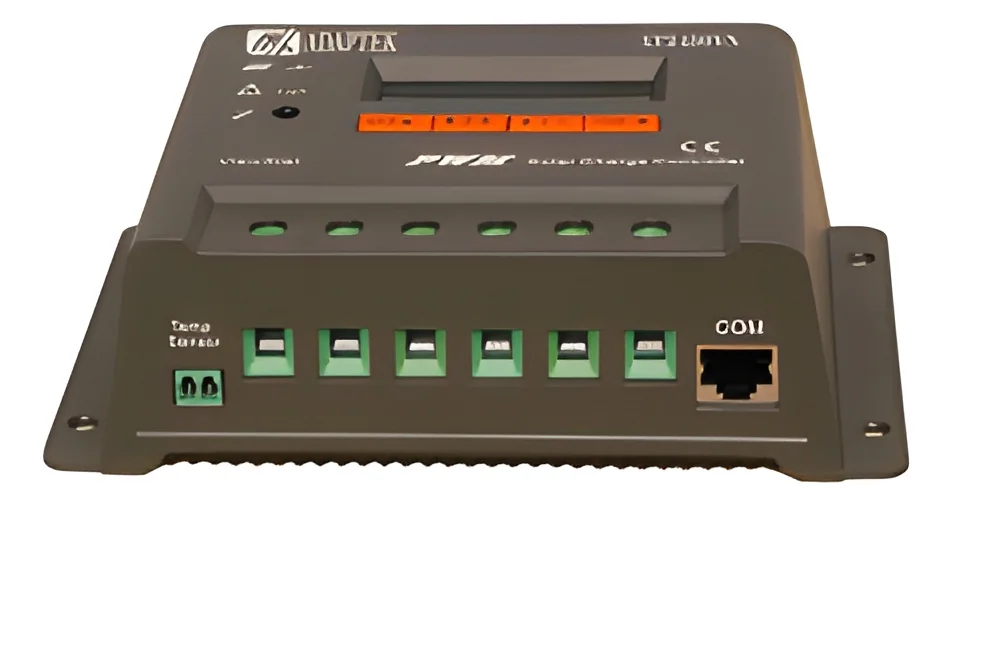
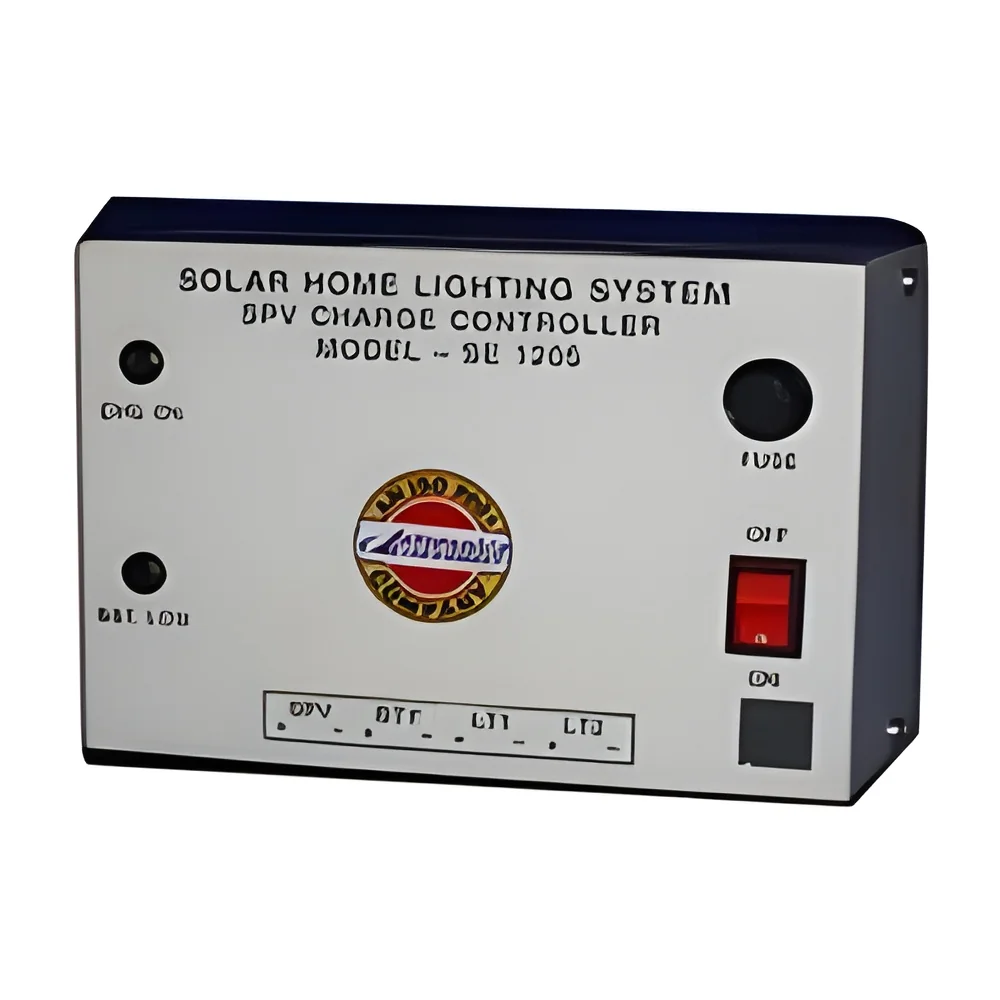
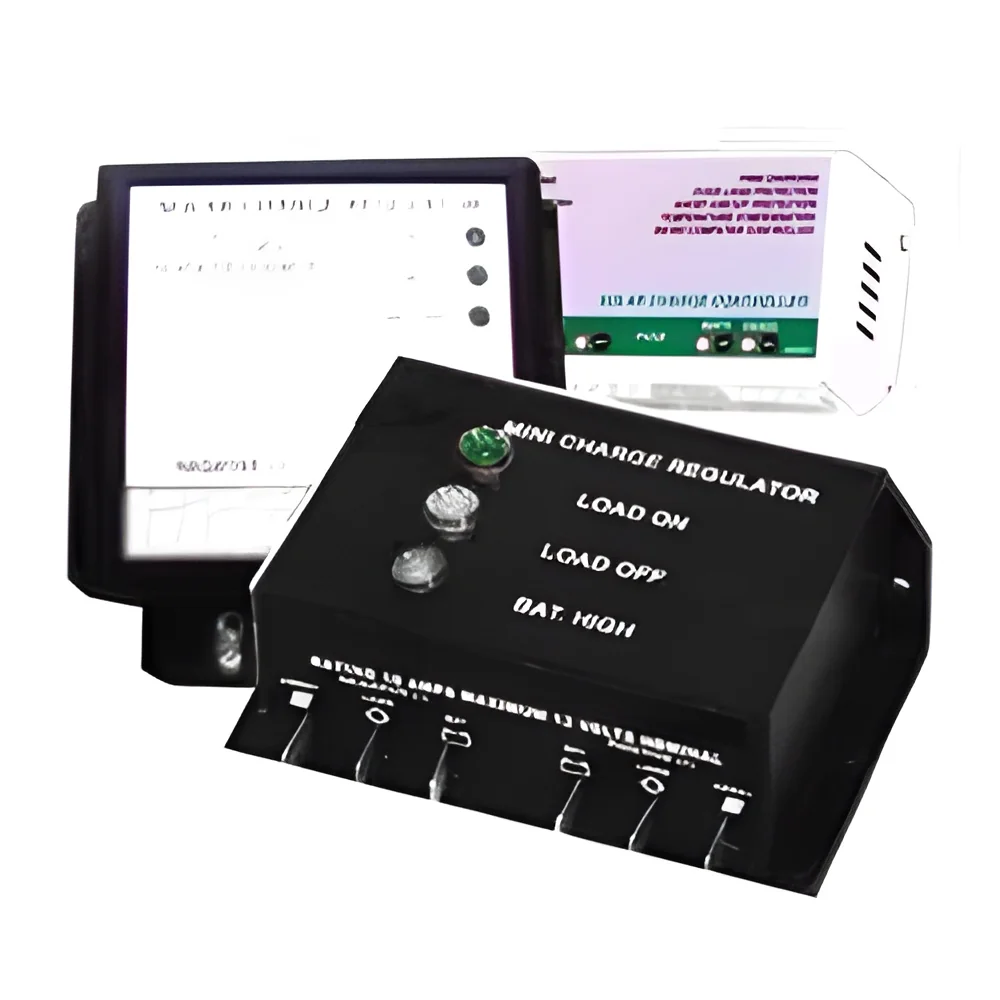
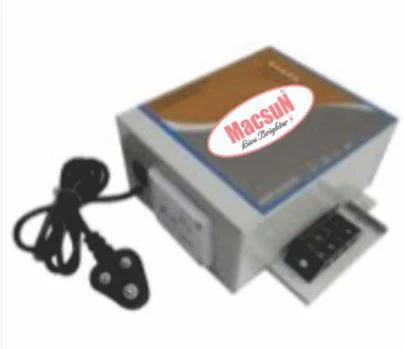
Solar charge controllers are devices that regulate the voltage and current coming from solar panels to batteries. They ensure that batteries are charged efficiently while preventing overcharging and excessive discharging, which can damage the batteries and reduce their lifespan. By controlling the flow of energy, solar charge controllers play a crucial role in maximizing the performance of solar power systems.
These controllers are widely used in various applications, from residential solar installations to large-scale solar farms. They are essential for maintaining battery health in off-grid solar energy systems, as well as in hybrid systems that combine solar energy with conventional power sources. As the demand for renewable energy solutions grows, the importance of solar charge controllers becomes increasingly significant in both commercial and industrial sectors.
In today's market, solar charge controllers are relevant across multiple industries, including renewable energy, telecommunications, agriculture, and transportation. As businesses look to adopt sustainable energy practices, understanding the functionality and benefits of solar charge controllers is essential for maximizing energy efficiency and reducing operational costs.
Key Features and Specifications
Solar charge controllers come equipped with a variety of features that enhance their functionality and efficiency. Understanding these specifications is essential for selecting the right controller for specific applications.
Key specifications include:
1. Maximum Current Rating
- Indicates the maximum current the controller can handle
- Typically ranges from 10A to over 100A
2. Voltage Compatibility
- Supports various battery voltages
- Common options include 12V, 24V, and 48V systems
3. Charge Algorithm
- Defines how the controller charges the batteries
- Includes Bulk, Absorption, and Float stages
4. Efficiency Rating
- Measures how effectively the controller converts energy
- Generally ranges from 90% to 98%
5. Protection Features
- Includes over-voltage, over-current, and short-circuit protection
- Essential for ensuring system safety
6. Communication Interfaces
- Allows for connectivity with monitoring systems
- Options may include Bluetooth, USB, or RS-232
7. Display Type
- Provides real-time data on system performance
- Can be LCD, LED, or app-based displays
8. Operating Temperature Range
- Specifies the temperature limits for optimal performance
- Commonly between -20°C to 60°C
These specifications are crucial for determining the suitability of a solar charge controller for specific applications and ensuring reliable performance in various conditions.
Common Applications and Use Cases
Solar charge controllers find applications across a wide range of industries, providing reliable energy management solutions.
1. Renewable Energy: In off-grid solar systems, charge controllers manage battery charging and discharging cycles to optimize energy use.
2. Telecommunications: Solar power systems in remote telecom towers utilize charge controllers to ensure consistent power supply and battery longevity.
3. Agriculture: In agricultural settings, solar charge controllers are used to power irrigation systems, ensuring efficient water management.
4. Transportation: Electric vehicles and hybrid setups rely on solar charge controllers to manage energy from solar panels effectively.
5. Emergency Backup Systems: Charge controllers are critical in backup power systems, ensuring that batteries remain charged during outages.
6. Marine Applications: Boats and ships equipped with solar panels use charge controllers to manage battery health and energy efficiency.
7. Recreational Vehicles: Solar charge controllers are commonly used in RVs to maintain battery health while utilizing solar energy.
Product Variants and Subcategories
Solar charge controllers come in various types to cater to different energy management needs.
PWM Charge Controllers
These controllers utilize Pulse Width Modulation technology to manage battery charging. They are typically cost-effective and ideal for smaller solar systems.
MPPT Charge Controllers
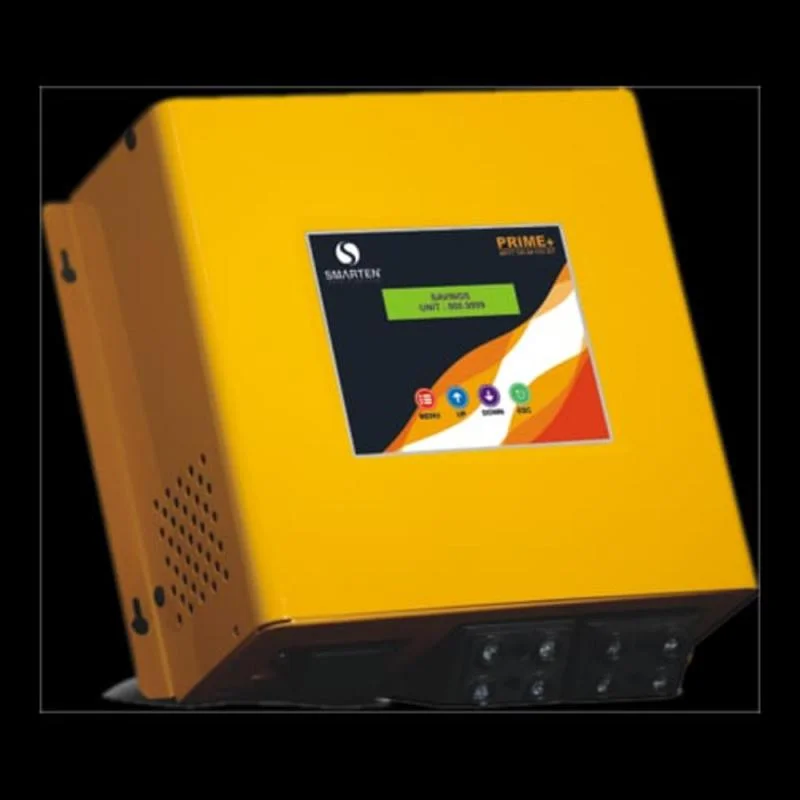
Maximum Power Point Tracking controllers are designed for larger setups. They optimize the energy harvested from solar panels, providing higher efficiency compared to PWM controllers.
Hybrid Charge Controllers
These controllers can integrate multiple power sources, such as solar and wind, making them versatile for various renewable energy systems.
Benefits and Advantages
Solar charge controllers offer numerous benefits that enhance energy management in various applications.
1. Enhanced Battery Life: By preventing overcharging and deep discharging, these controllers significantly extend battery life.
2. Improved Energy Efficiency: Solar charge controllers optimize the energy harvested from solar panels, ensuring maximum utilization.
3. Safety Protections: Built-in protections against voltage spikes and short circuits safeguard both the system and connected devices.
4. Real-Time Monitoring: Many controllers provide monitoring capabilities, allowing users to track system performance and make informed decisions.
5. Reduced Maintenance Costs: With efficient energy management, businesses can lower maintenance costs associated with battery replacements.
6. Versatile Applications: Their adaptability to various setups makes them suitable for multiple industries, enhancing their market relevance.
Buying Guide for B2B Buyers
When sourcing solar charge controllers, it is important to consider several key factors to ensure a suitable selection.
1. Quality Assessment: Verify the quality of the controllers by checking for industry certifications like CE and understanding the manufacturing standards used.
2. Supplier Verification: Evaluate potential suppliers based on their reliability, reputation, and previous customer feedback to ensure a trustworthy partnership.
3. Pricing and MOQ: Consider the overall cost, including any minimum order quantities (MOQ) that suppliers may require, to align with budget constraints.
4. Delivery and Lead Times: Assess logistics capabilities, including lead times for delivery, to ensure timely availability of products.
5. Compliance Requirements: Ensure that the selected controllers meet all relevant regulatory compliance standards to avoid any legal issues.
Compliance and Certifications
Solar charge controllers must adhere to several compliance and certification standards to ensure safety and efficiency.
ISO 9001 is a quality management standard that many manufacturers aim to achieve, indicating a commitment to consistent quality in production processes.
CE certification is crucial for products sold in European markets, ensuring they meet safety, health, and environmental protection standards.
Safety and testing requirements are essential for guaranteeing the reliability and performance of solar charge controllers under various conditions.
Regional compliance considerations may vary, so it is important to understand local regulations and standards applicable to solar energy products.
Why Source Solar Charge Controllers from Pepagora?
Pepagora provides a trusted platform for sourcing solar charge controllers, offering numerous advantages for B2B buyers.
Verified Supplier Network: Pepagora ensures that all suppliers in its network are thoroughly vetted. This process provides buyers with confidence in the quality and reliability of the products offered.
Streamlined RFQ Process: The platform features an efficient request for quotation (RFQ) system, allowing buyers to receive competitive quotes from multiple suppliers quickly and easily.
Trade Assurance and Support: Buyers benefit from trade assurance programs that protect their purchases and provide support throughout the sourcing process, ensuring a secure transaction.
Regional Coverage: With a broad geographic reach across India, the GCC, and Southeast Asia, Pepagora connects buyers with suppliers that can meet their specific needs, enhancing accessibility to solar charge controllers.

 IN
IN