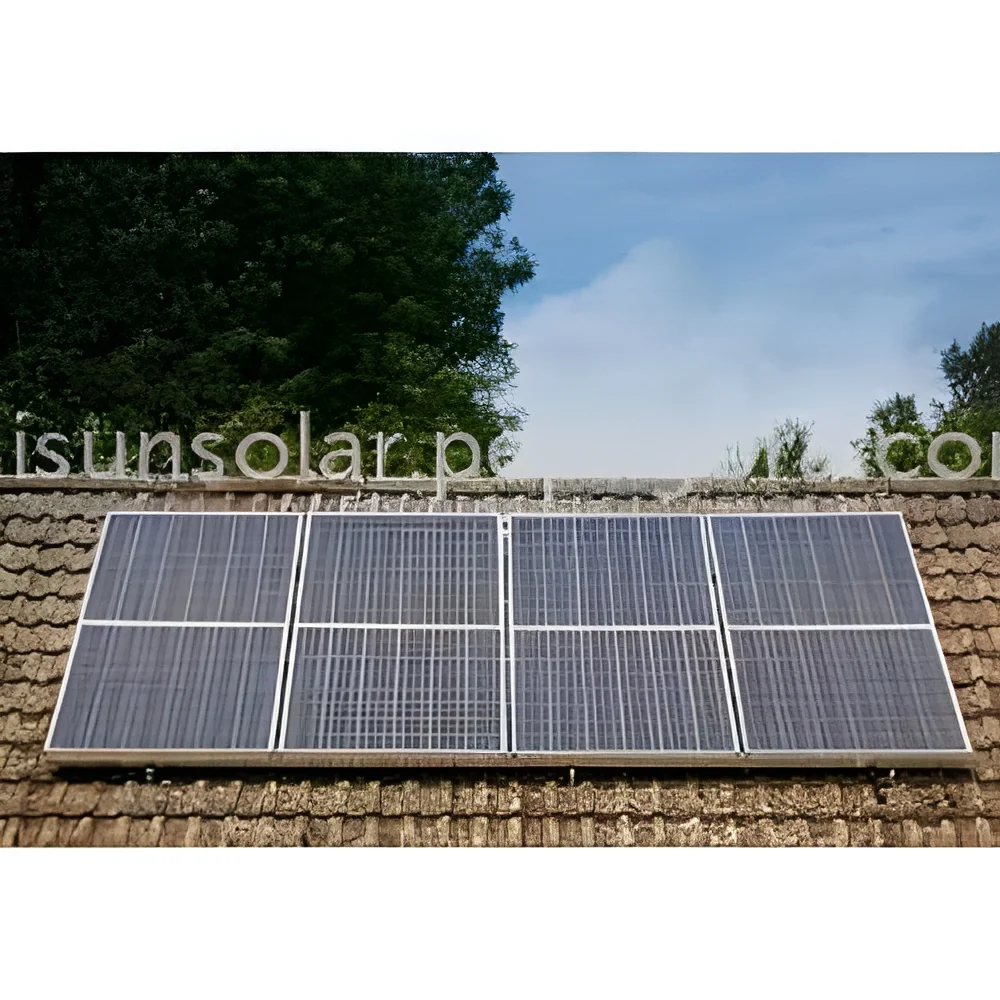
What are Polycrystalline Solar Panels?
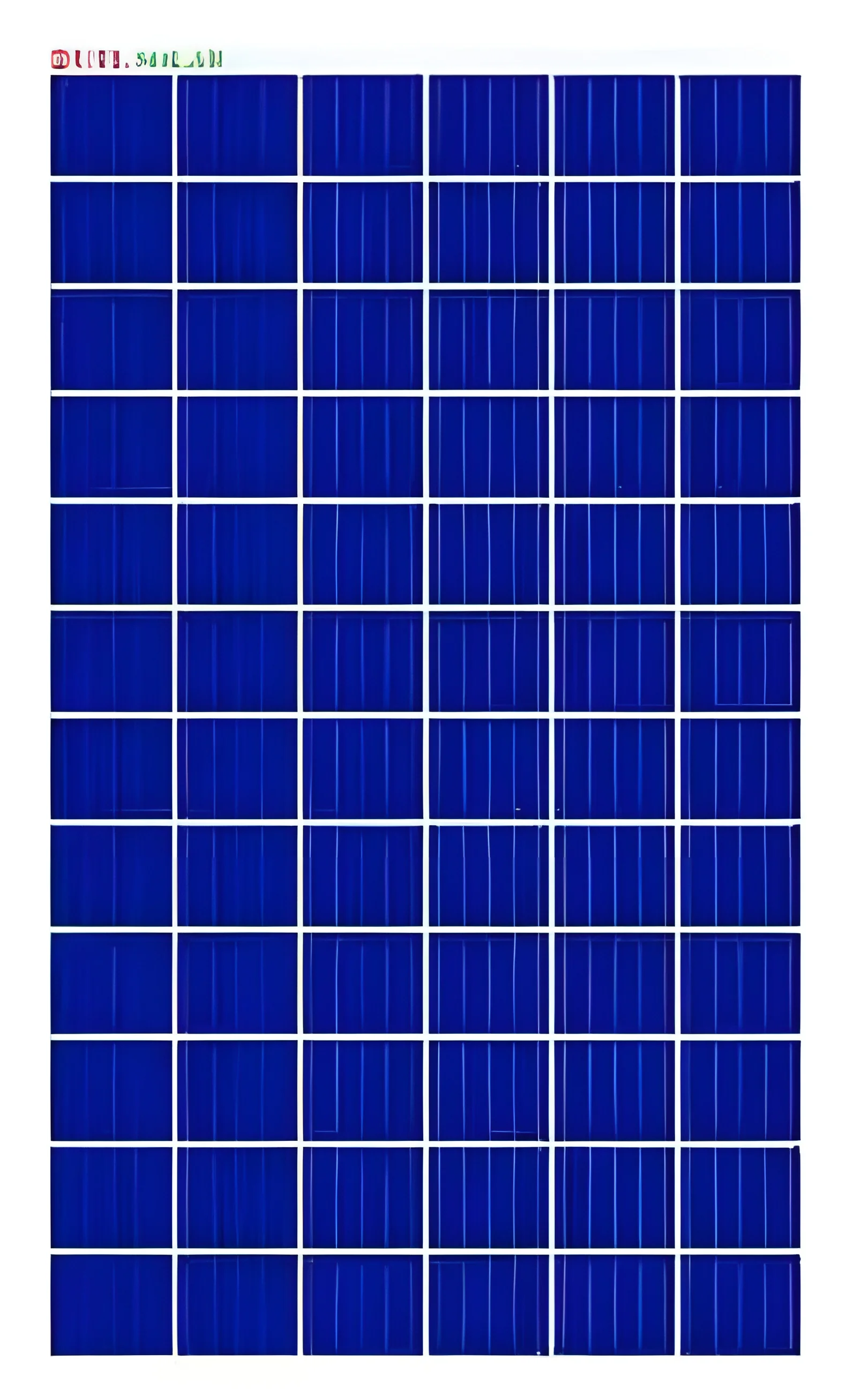
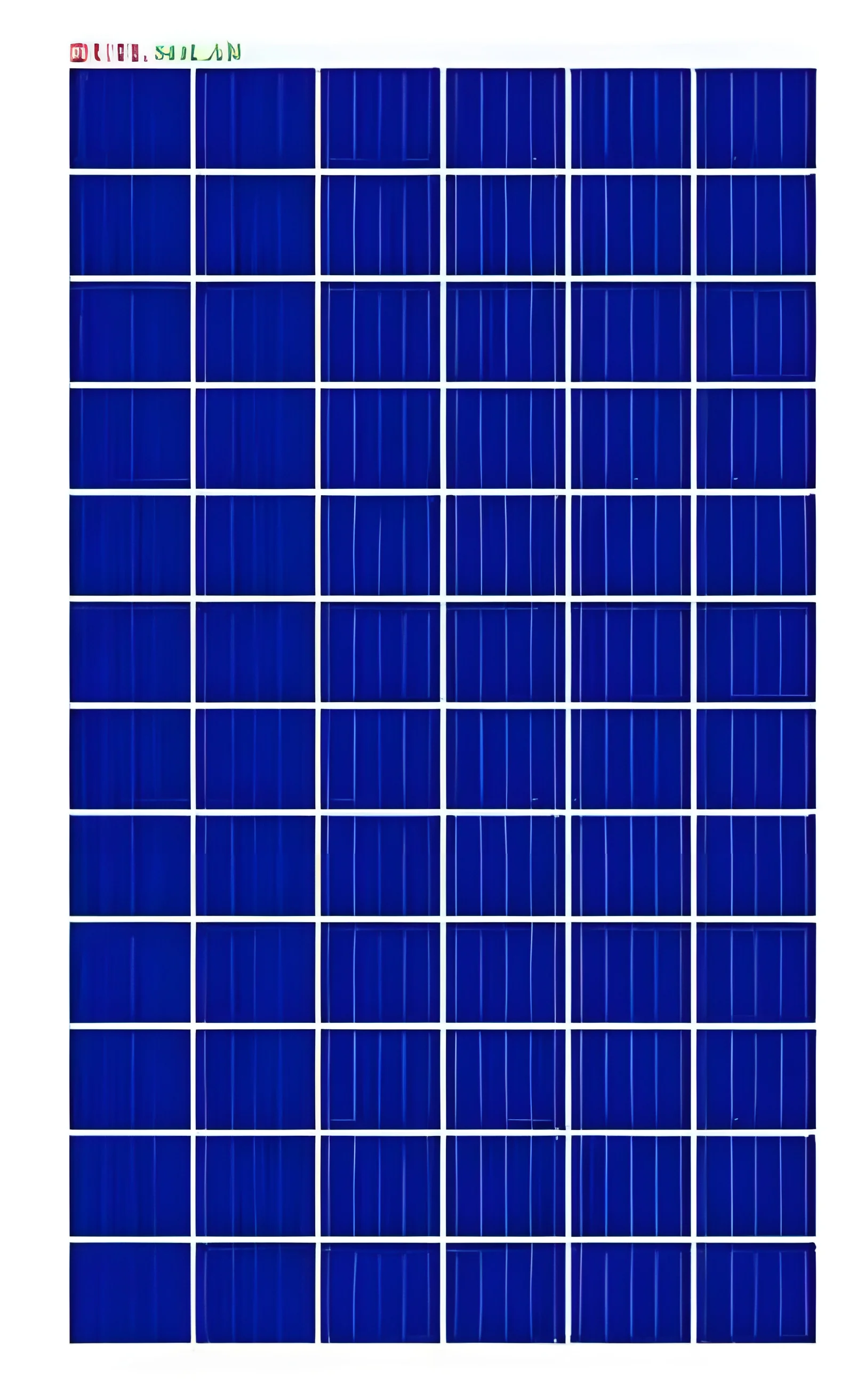
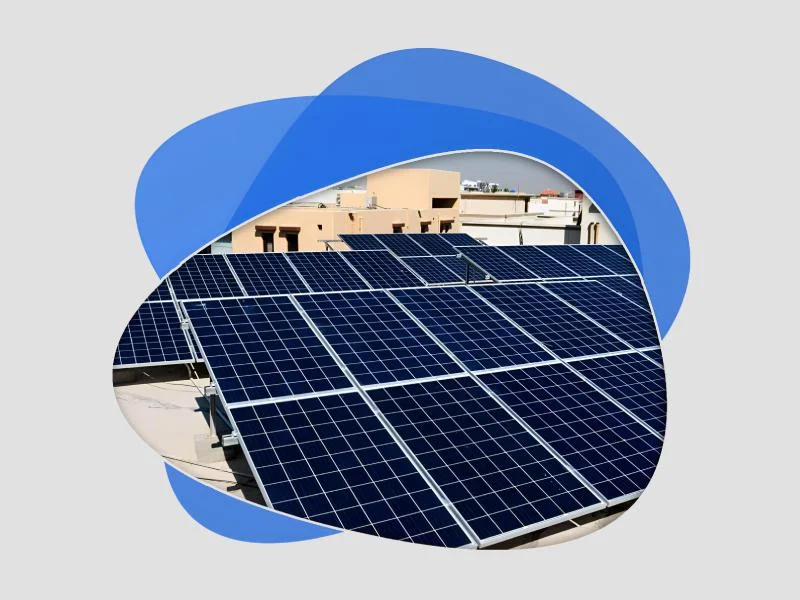
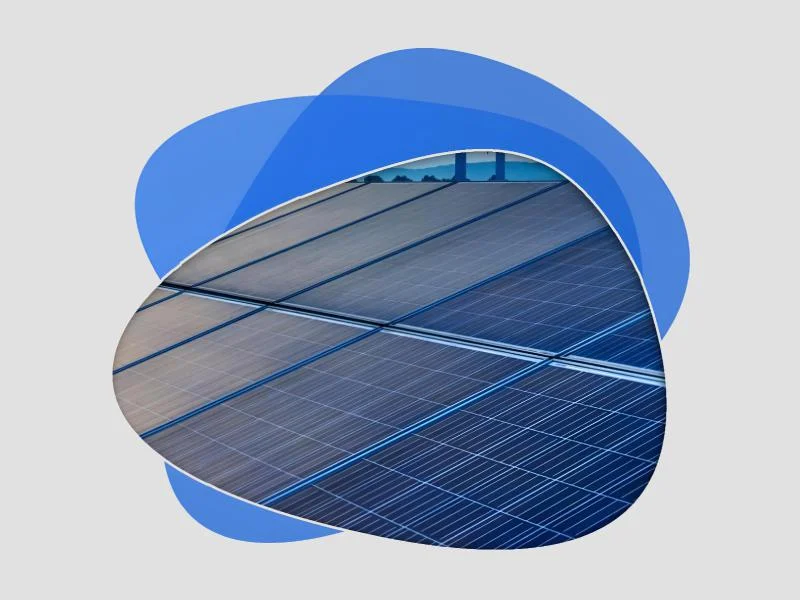
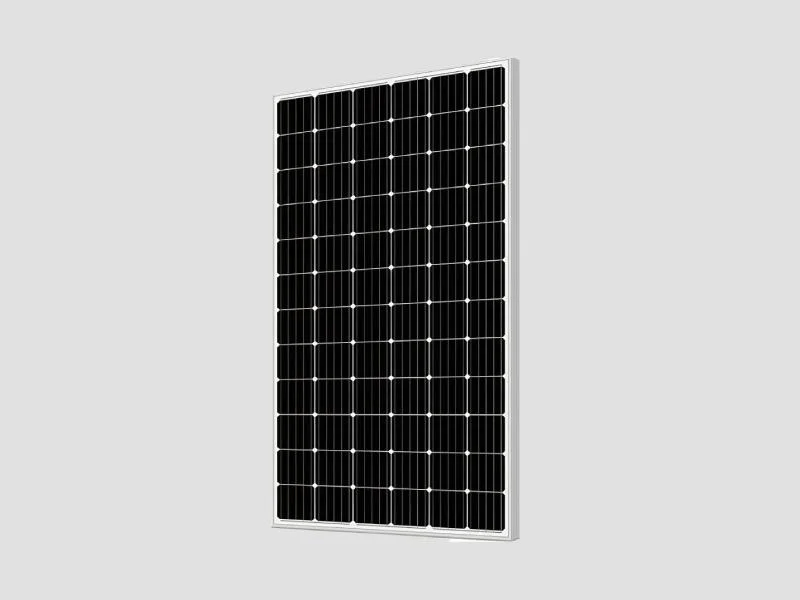
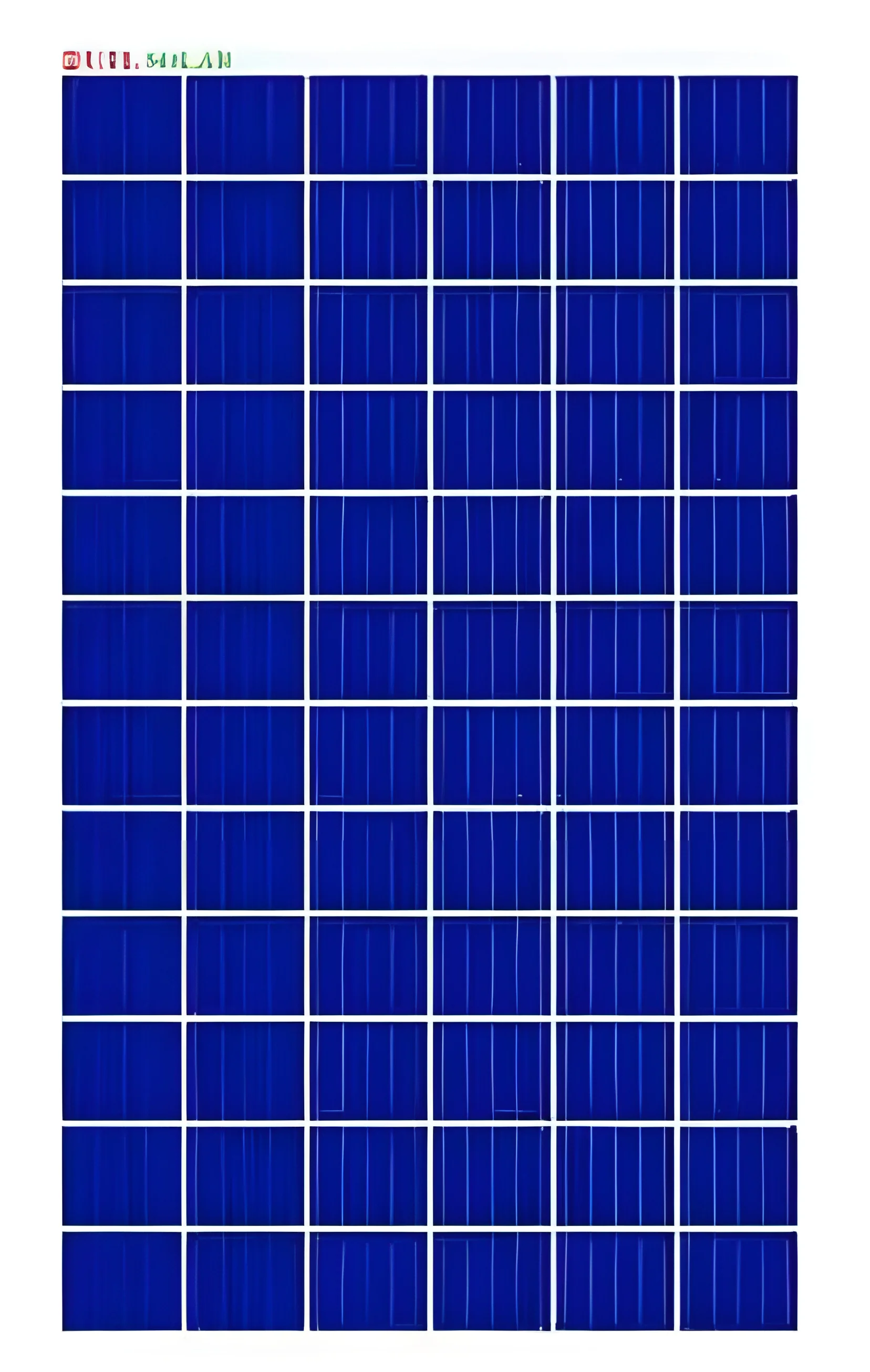
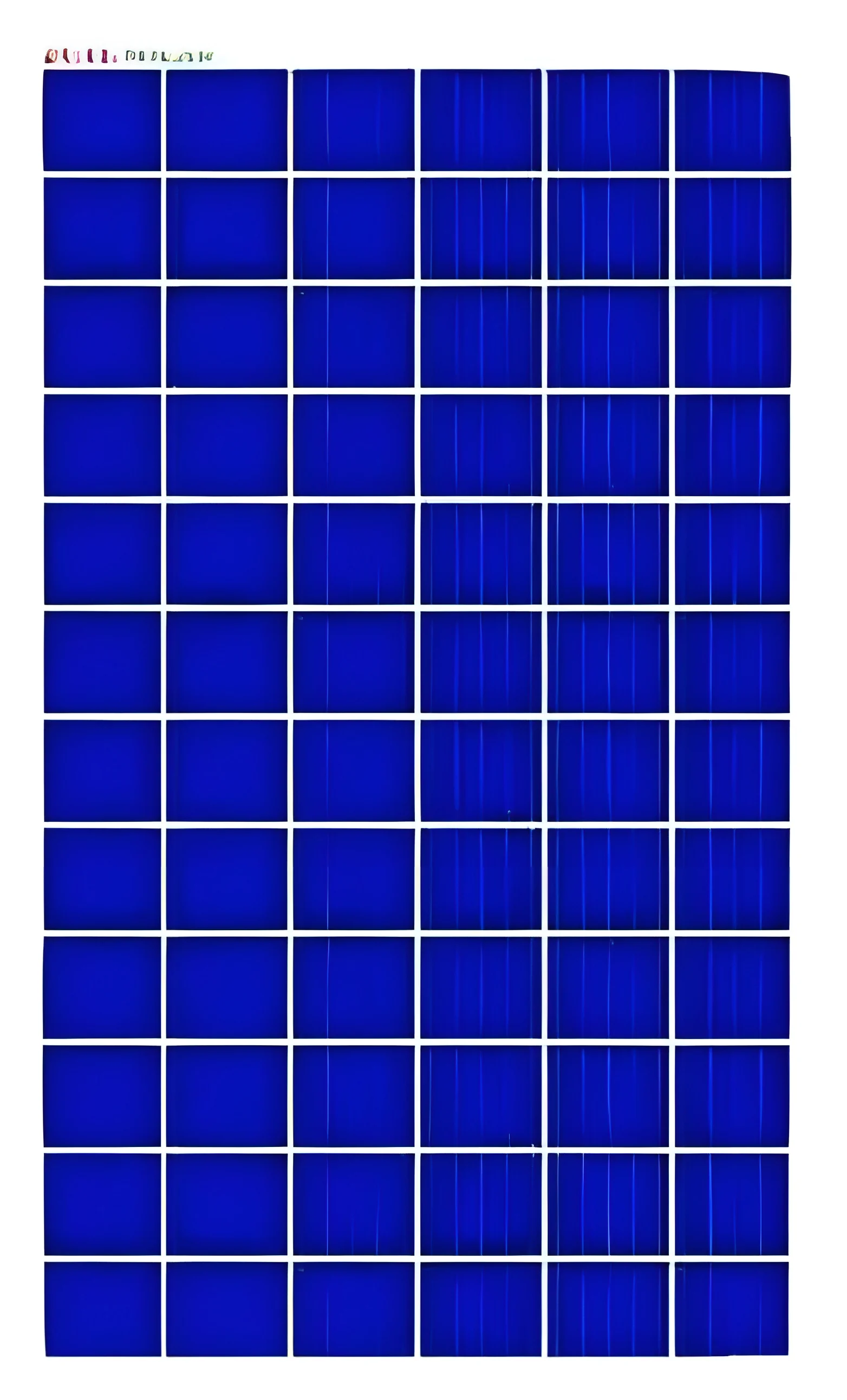
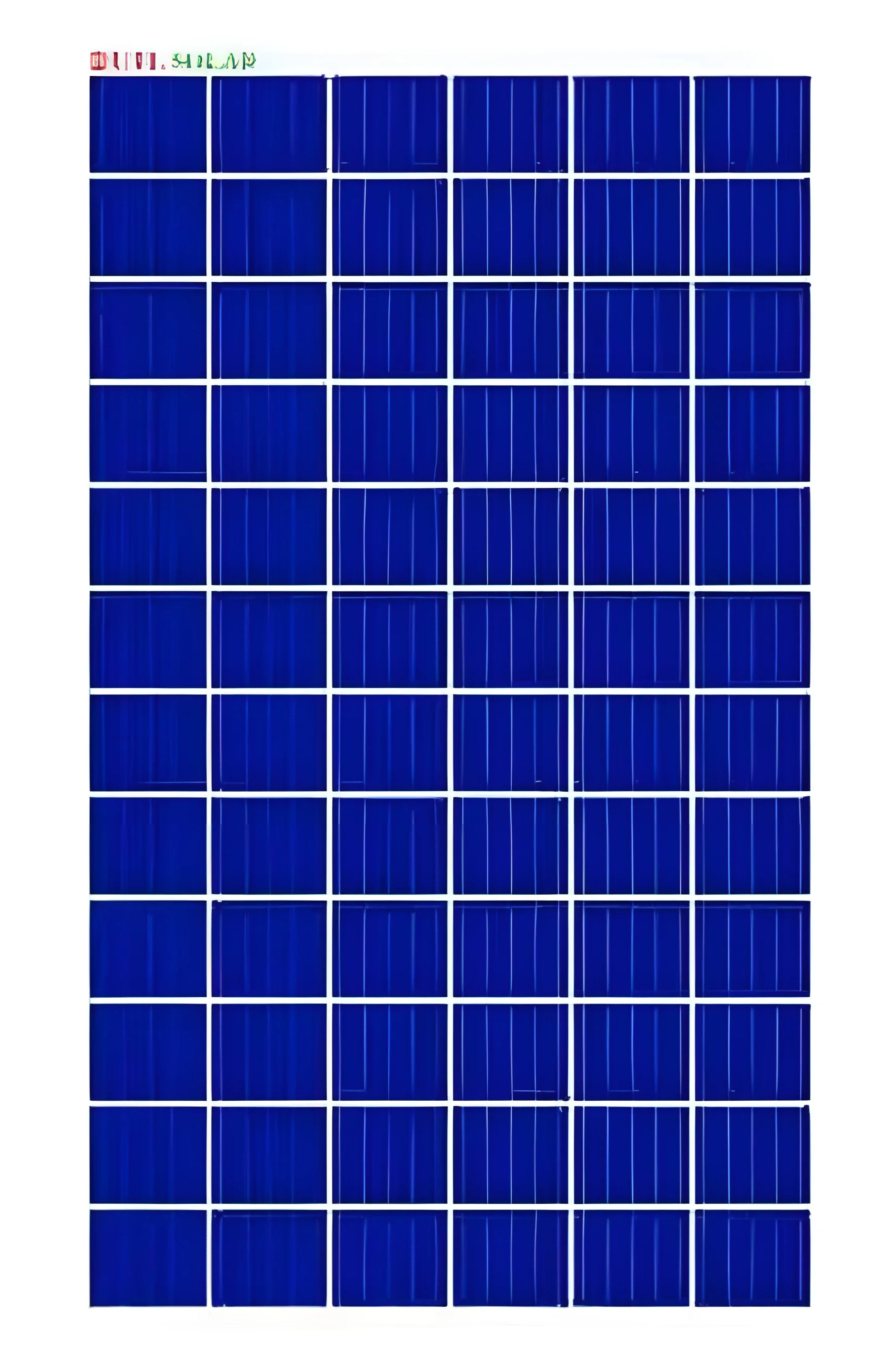
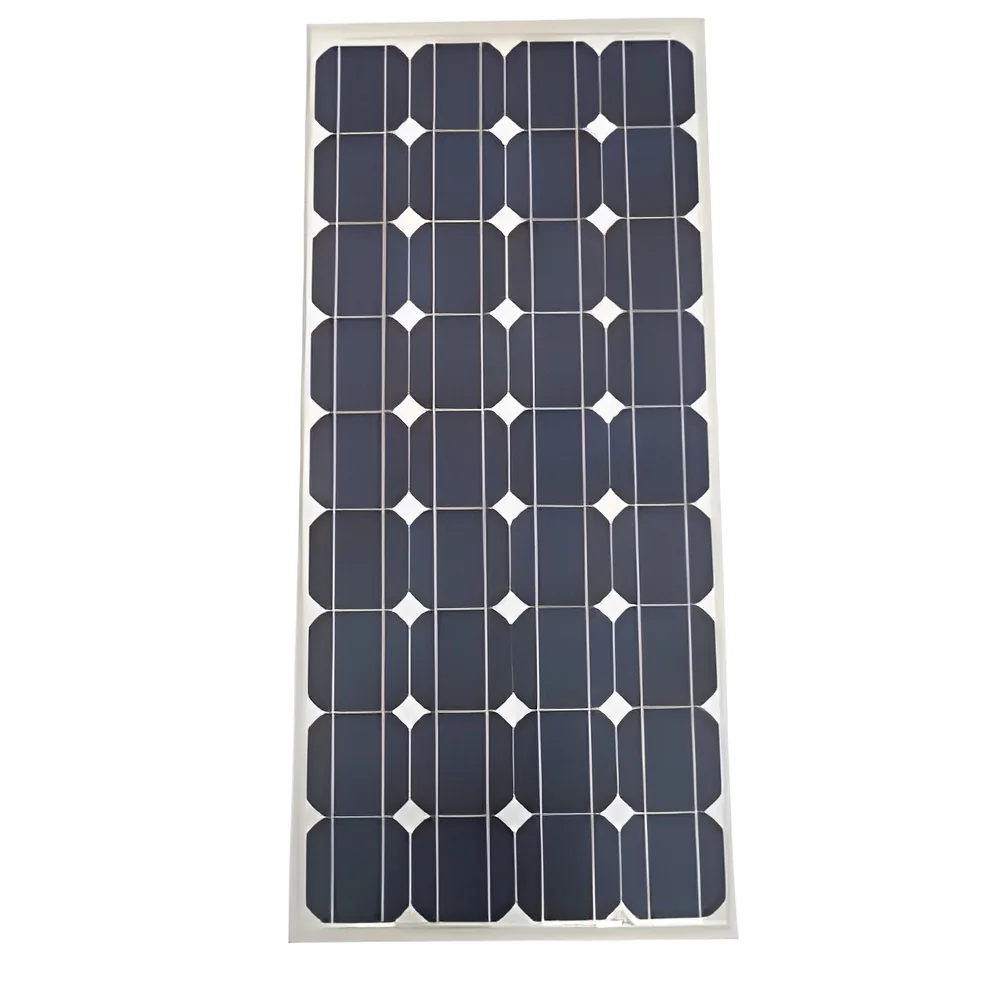
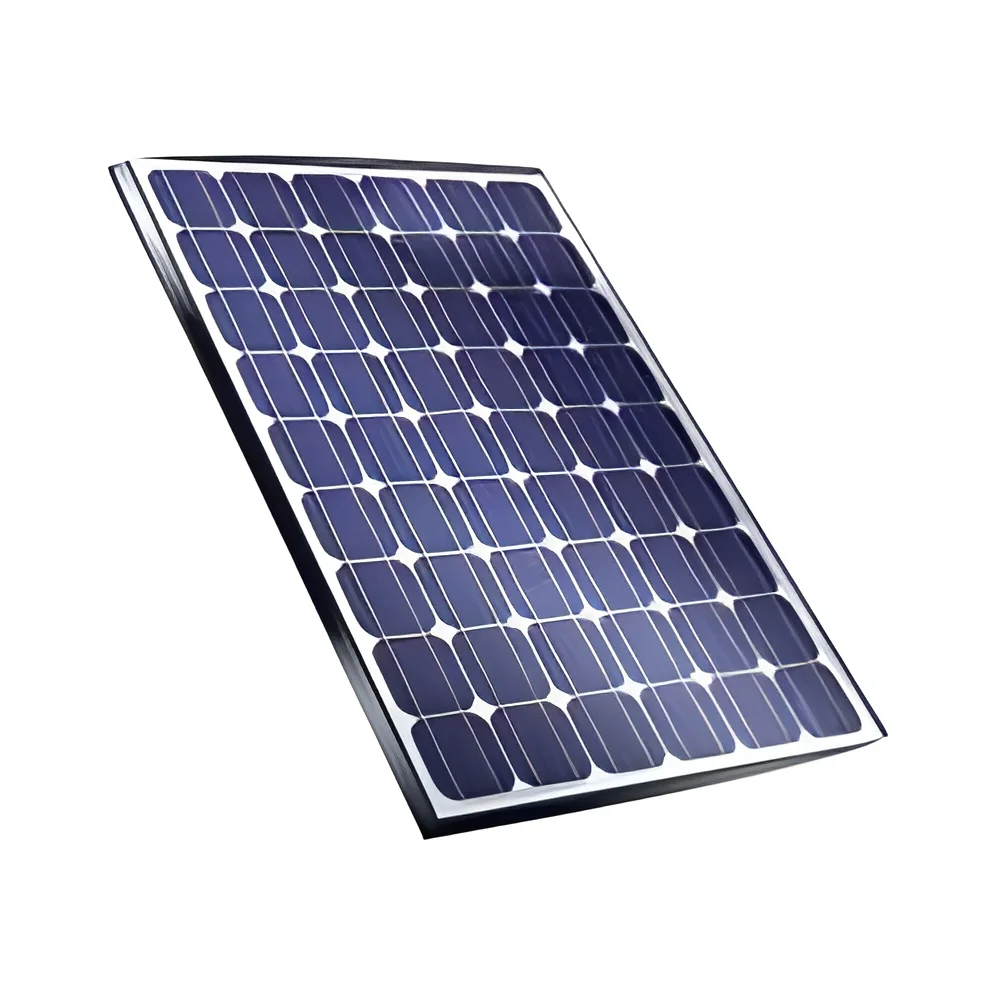
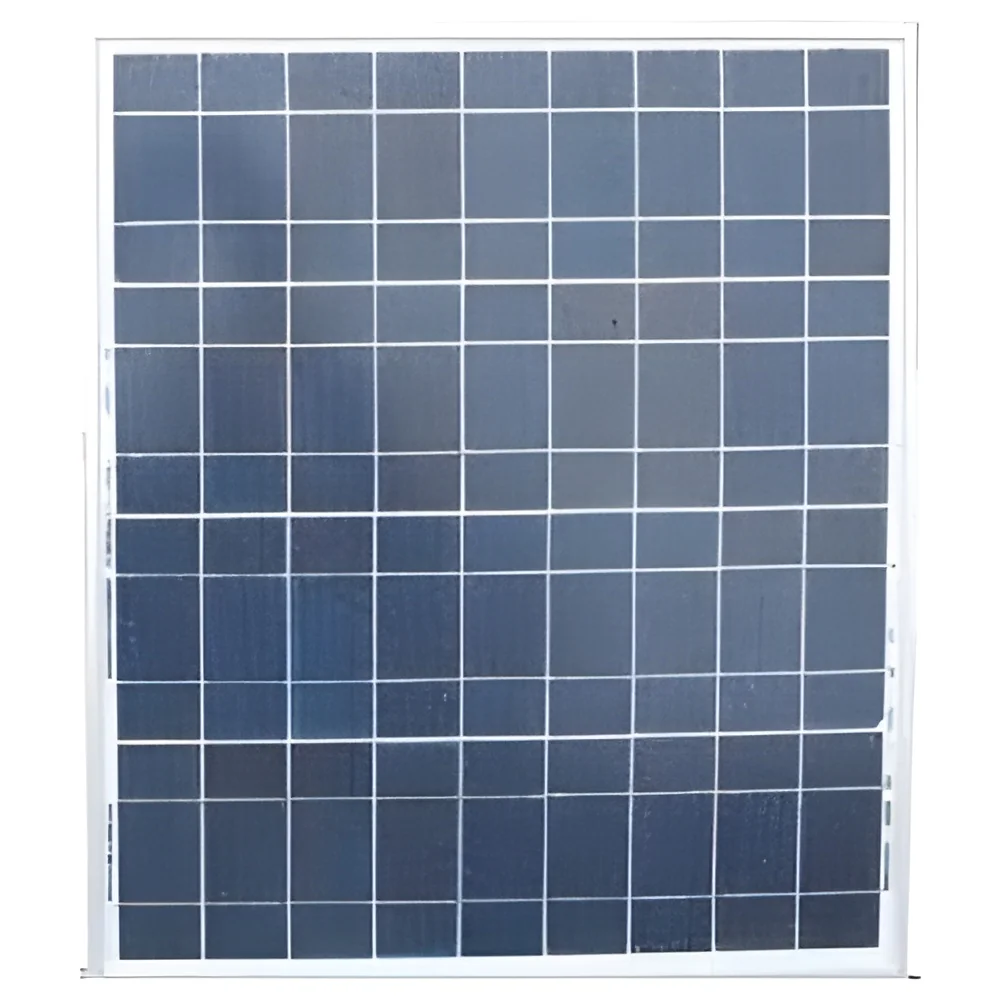
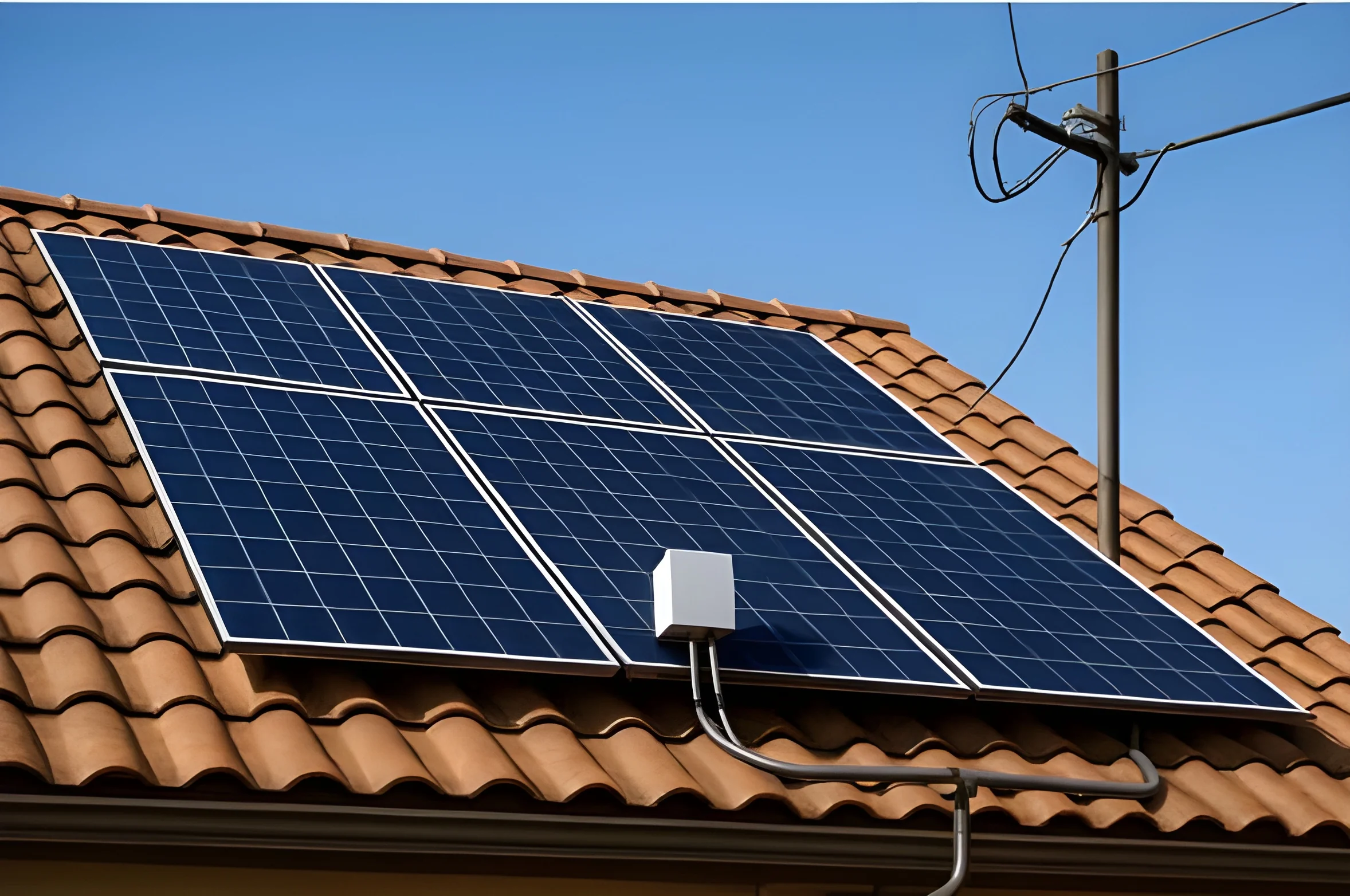
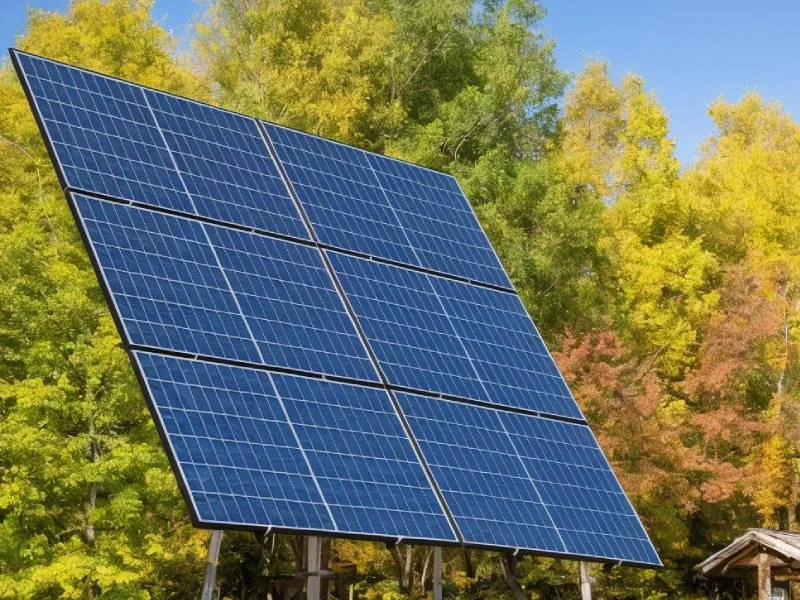
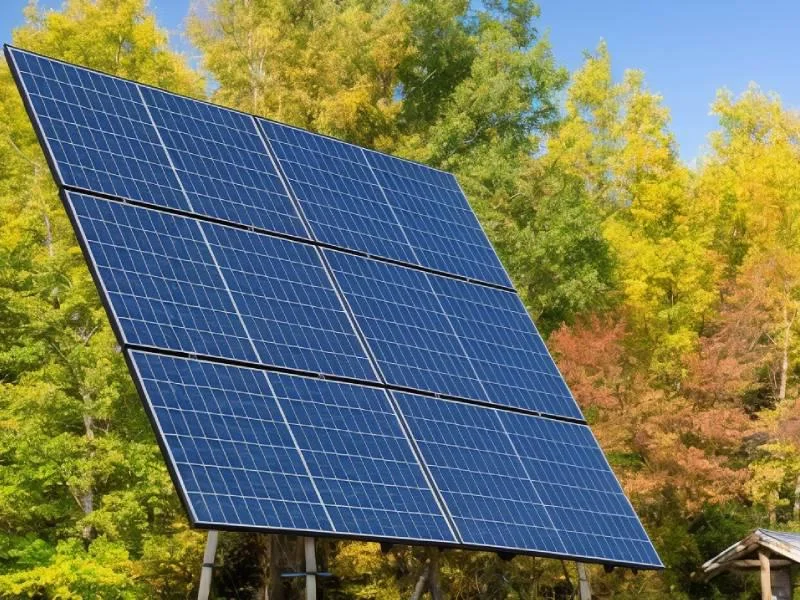
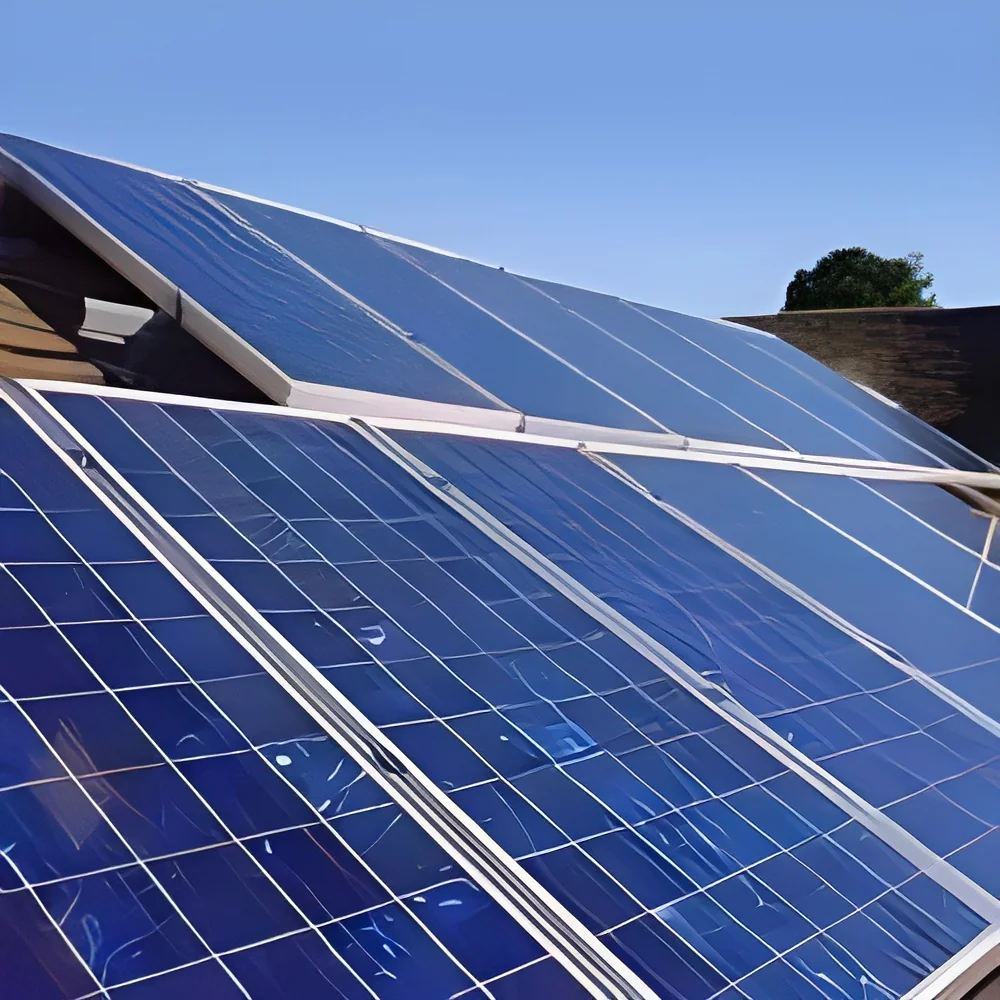
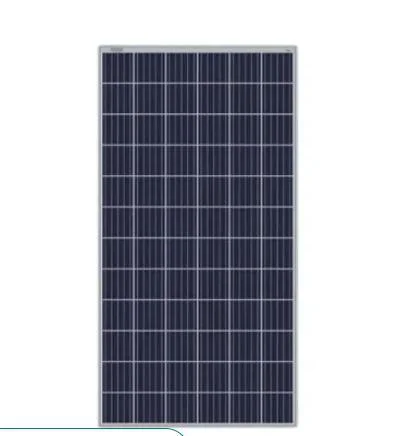
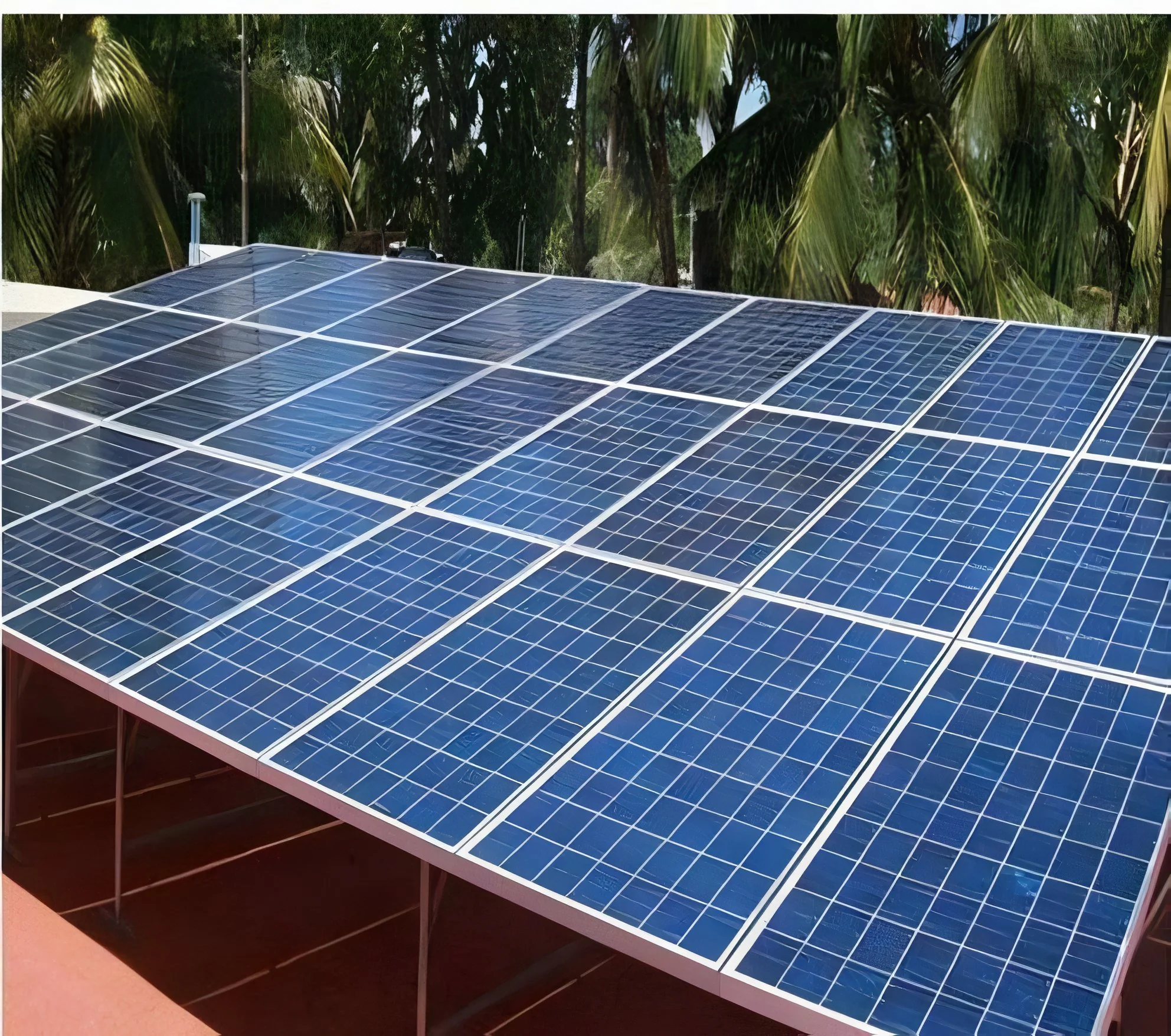
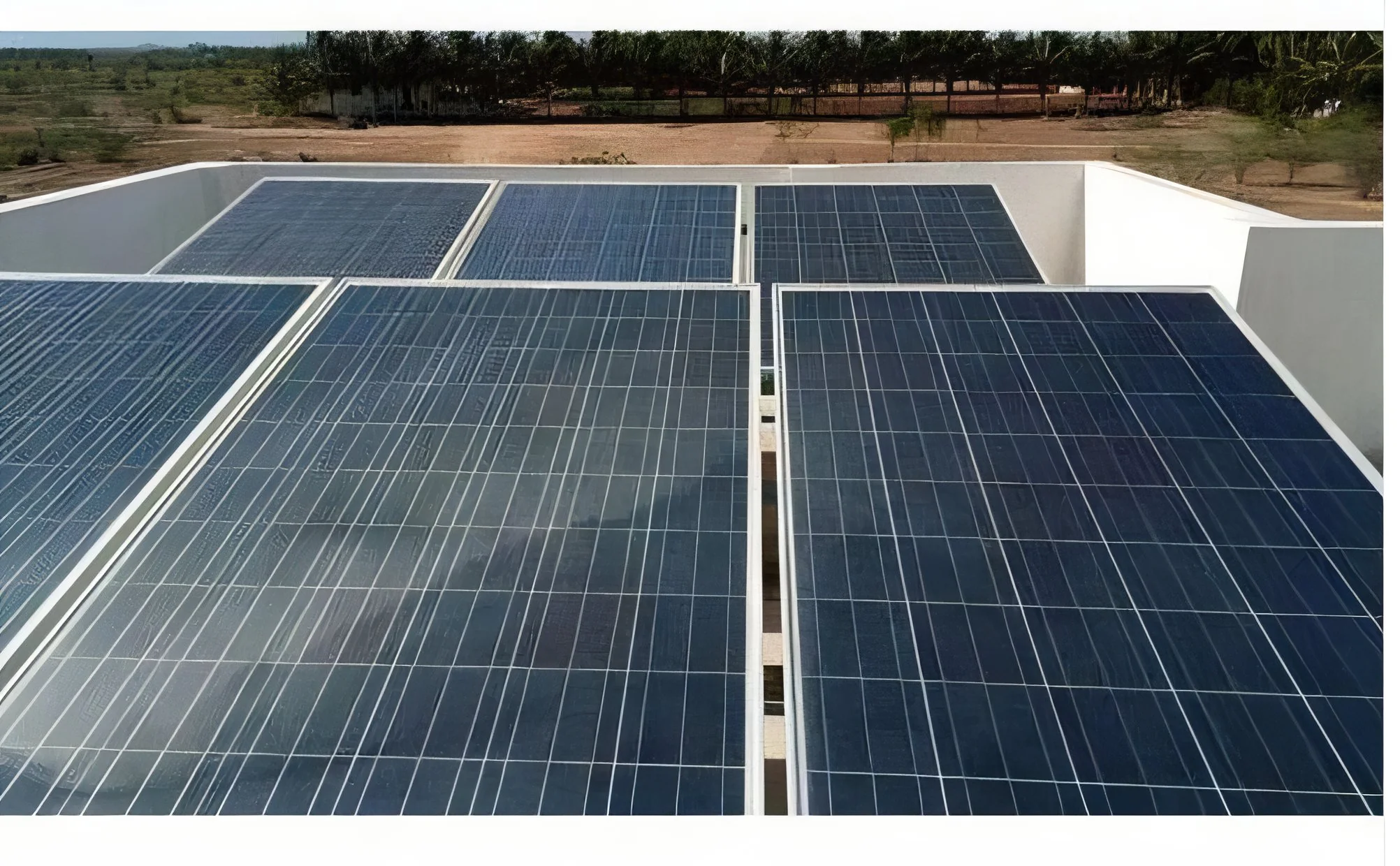
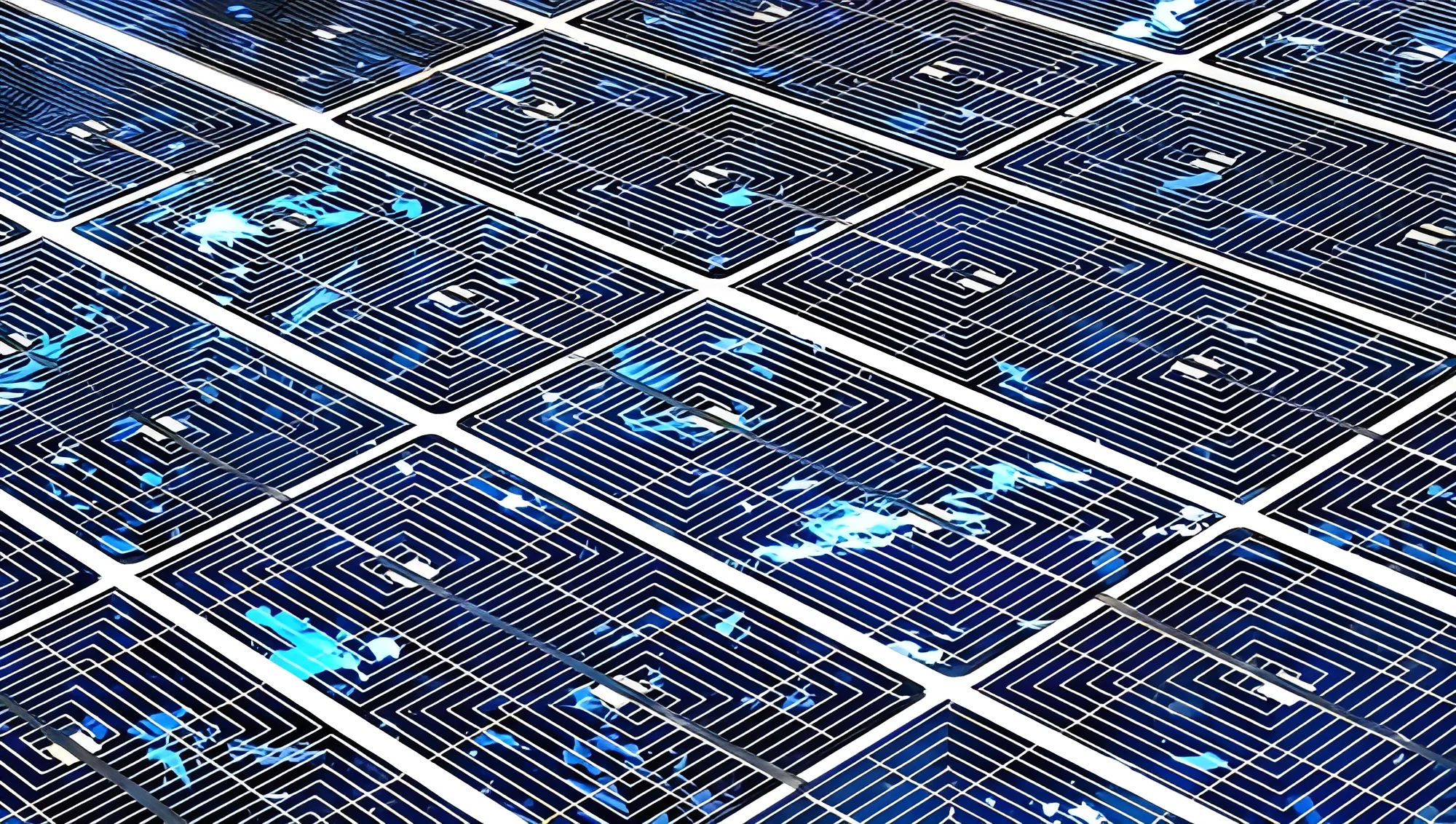
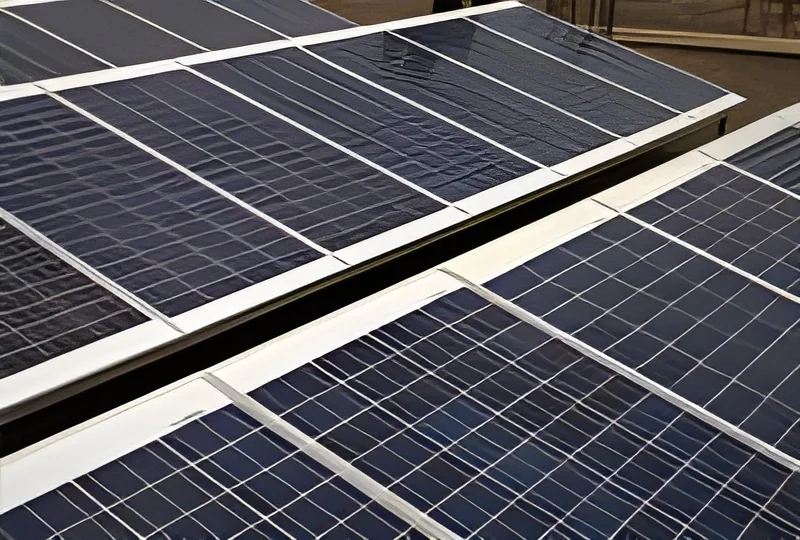
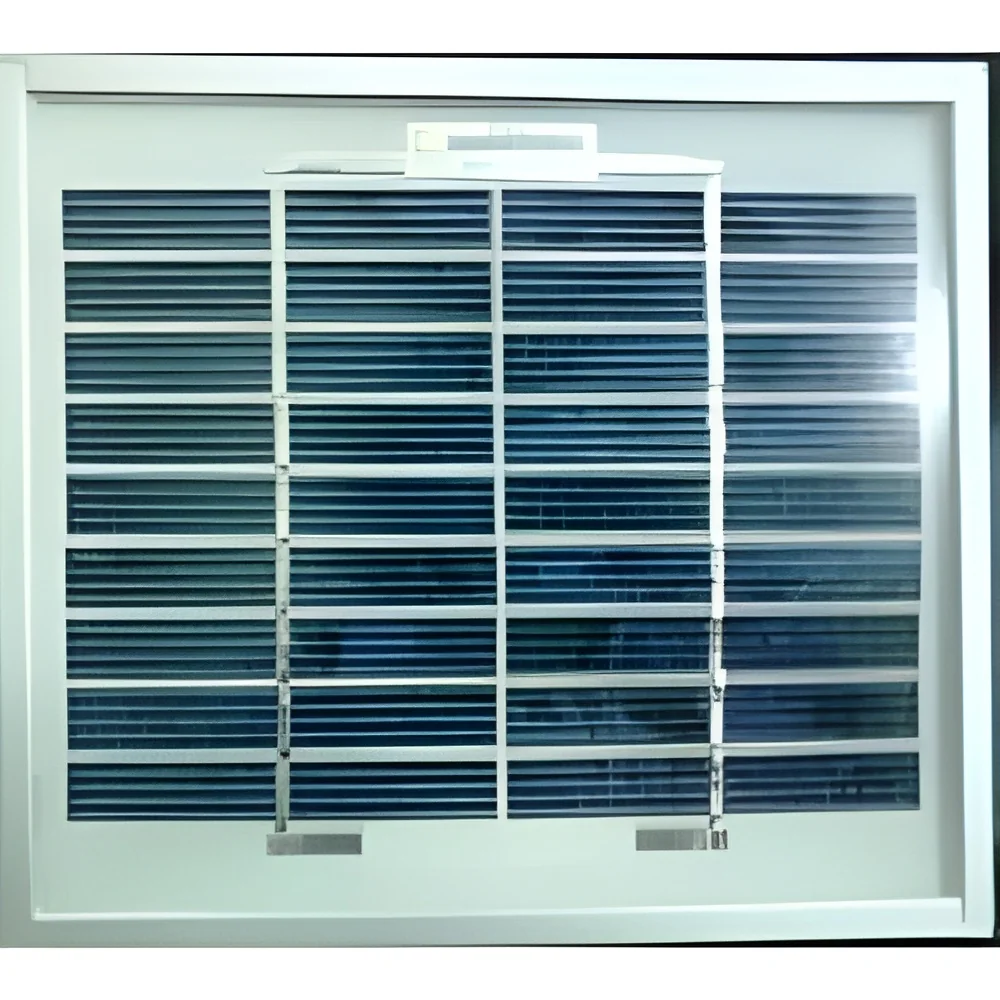
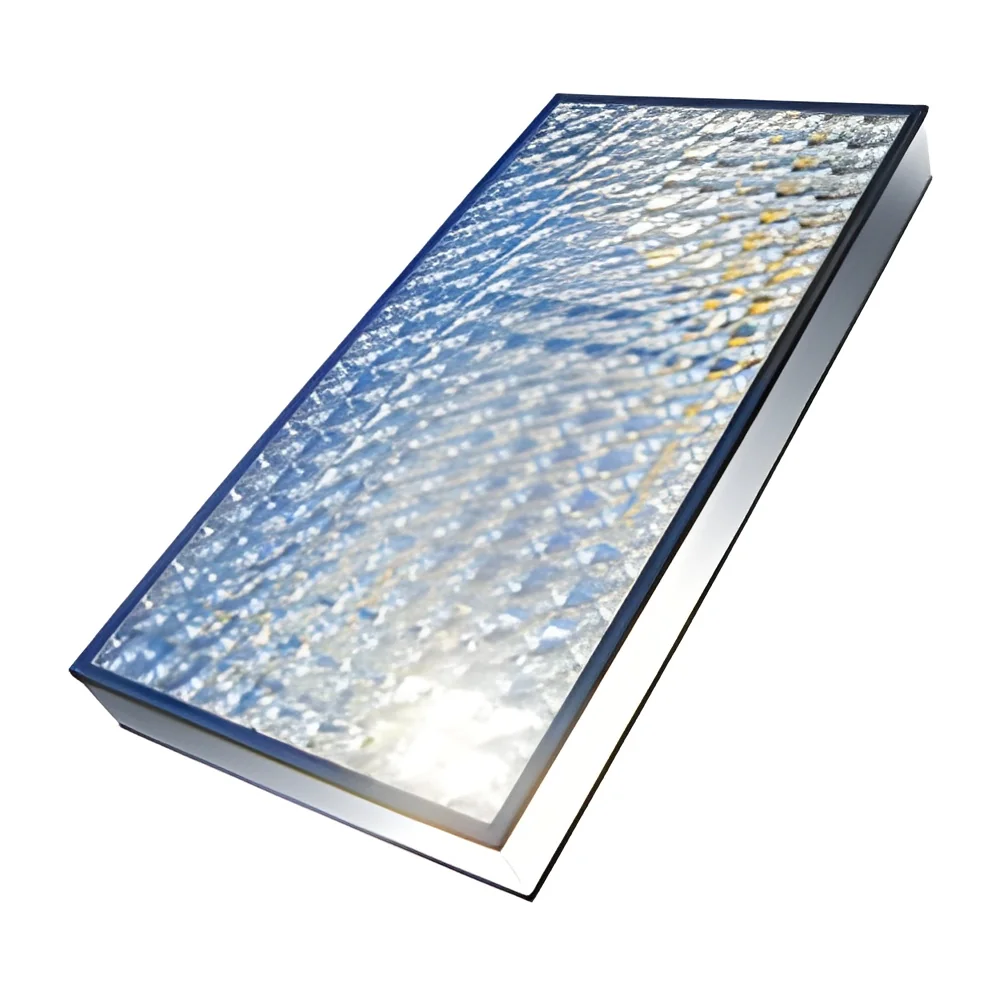
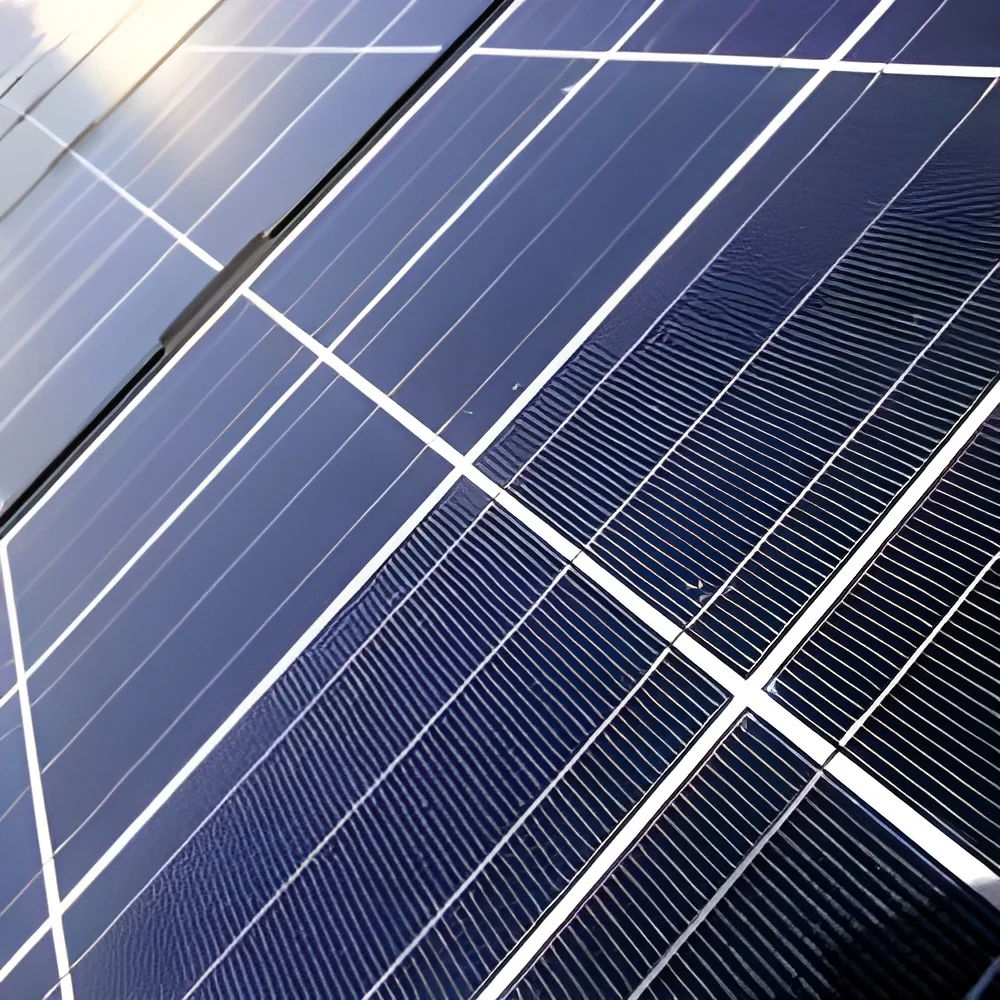
Polycrystalline solar panels are a type of photovoltaic solar panel made from silicon crystals. These panels are produced by melting multiple silicon crystals together and forming them into wafers. This method results in a mosaic of silicon crystals, giving polycrystalline panels their distinct bluish hue. They are known for their efficiency in converting sunlight into electricity, making them a popular choice for both residential and commercial applications.
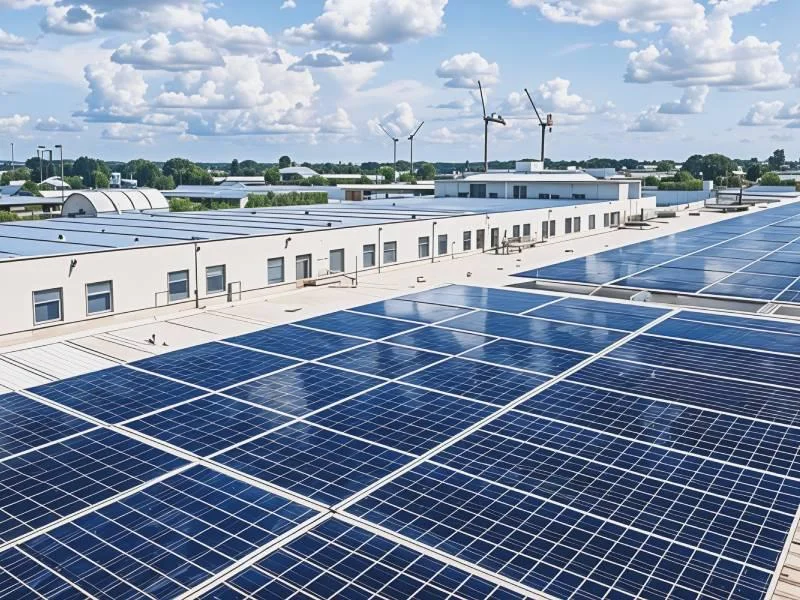
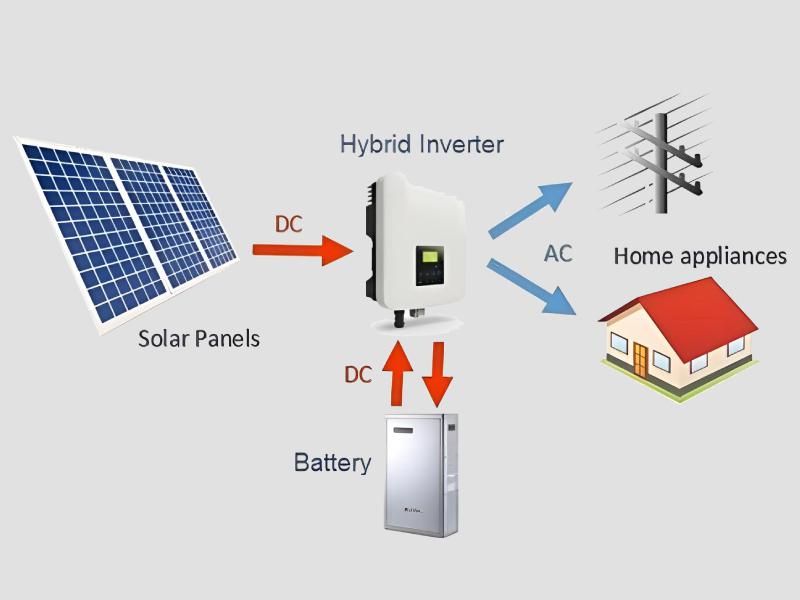
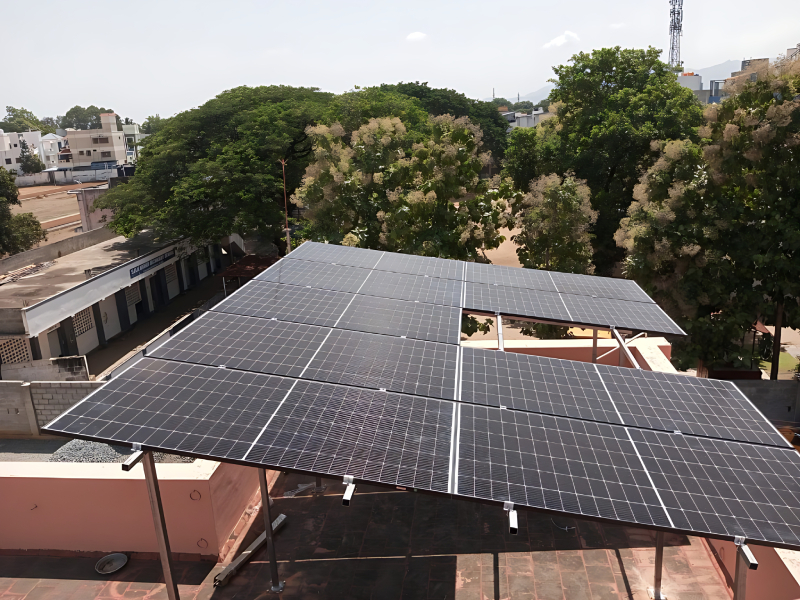
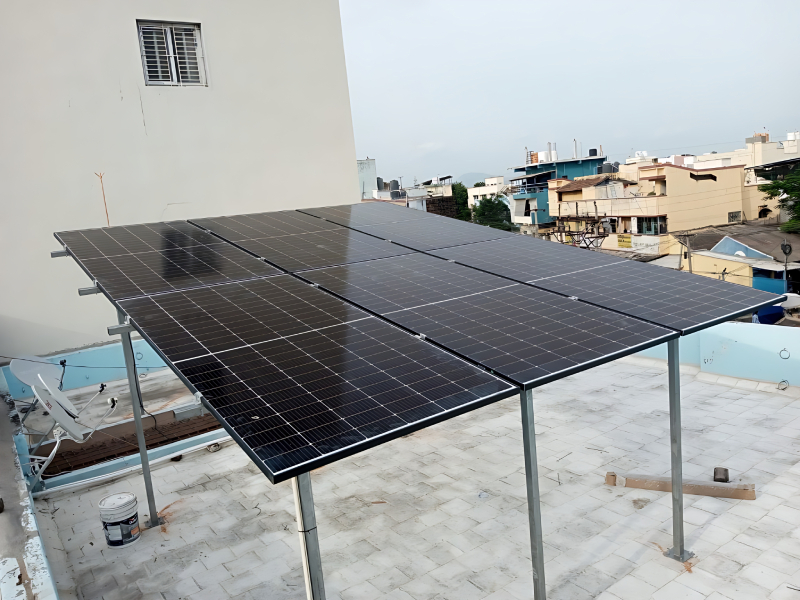
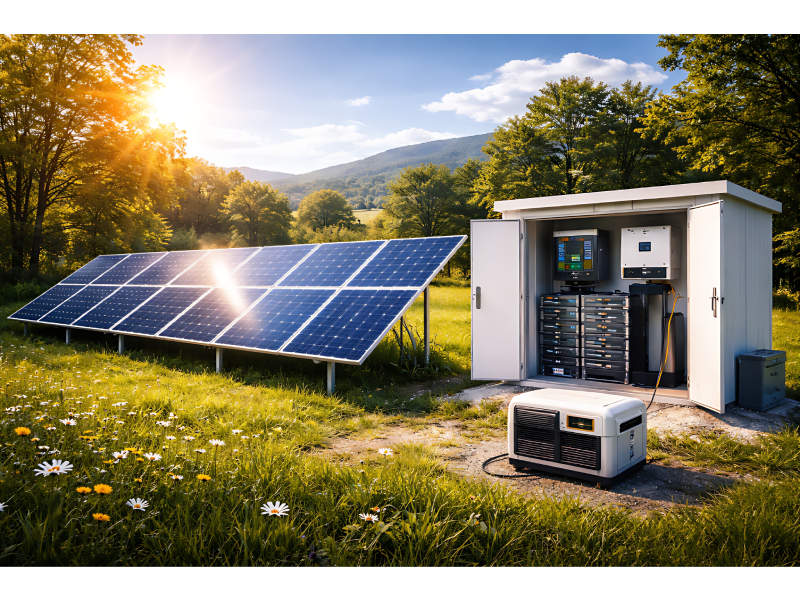
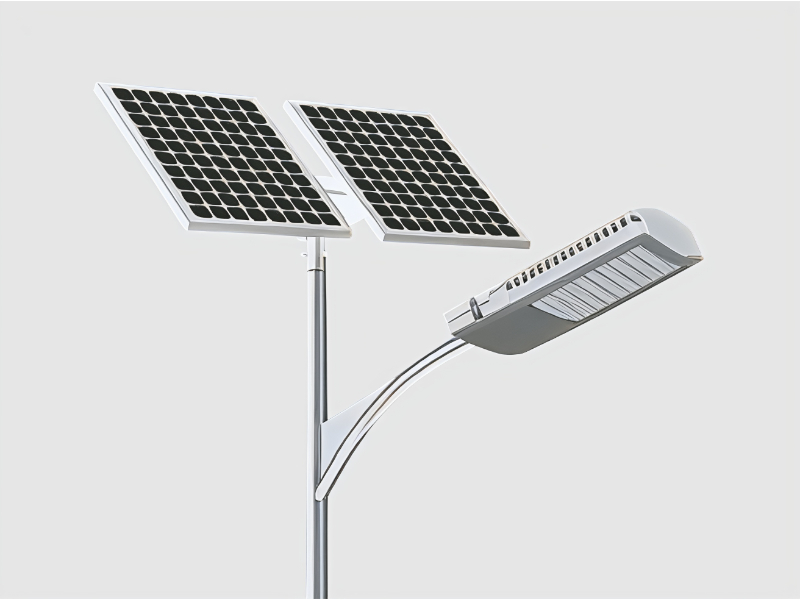
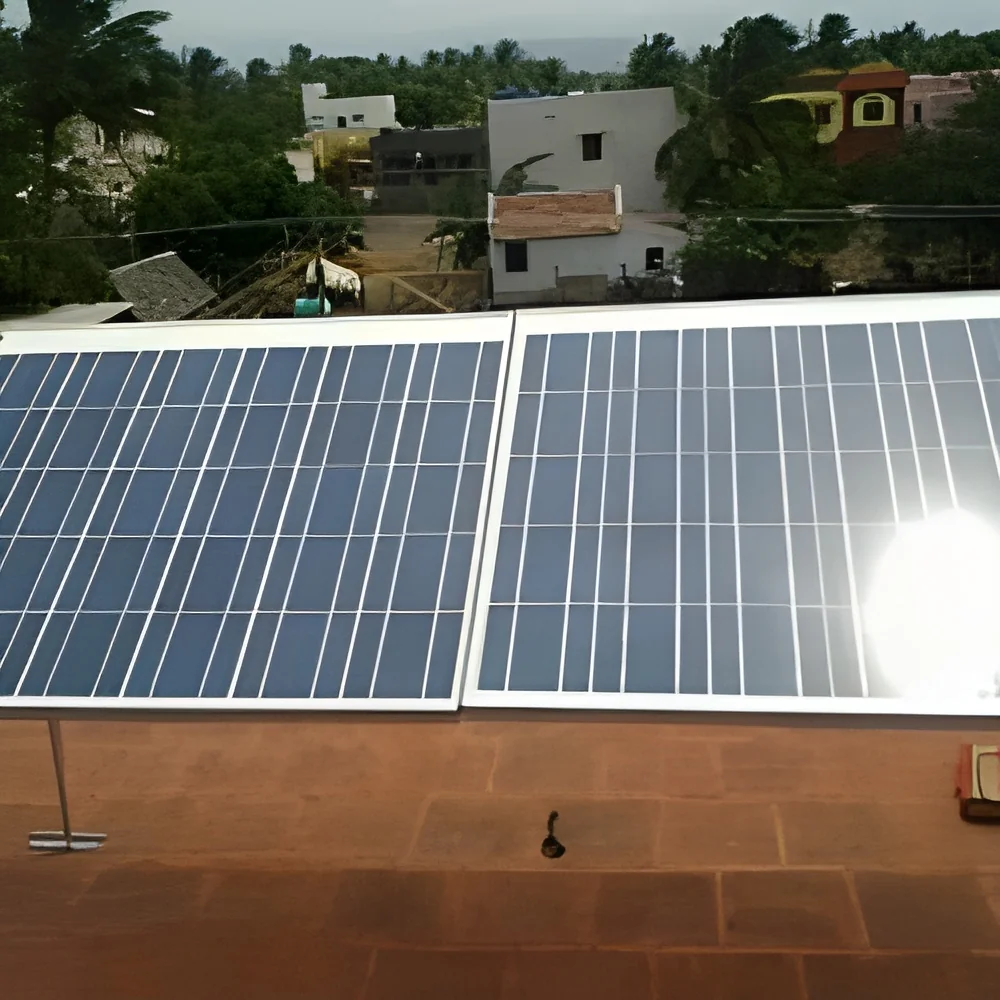
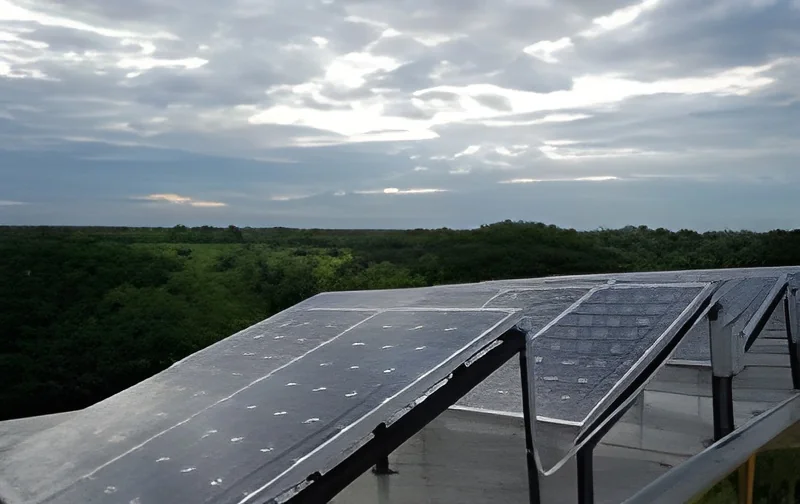
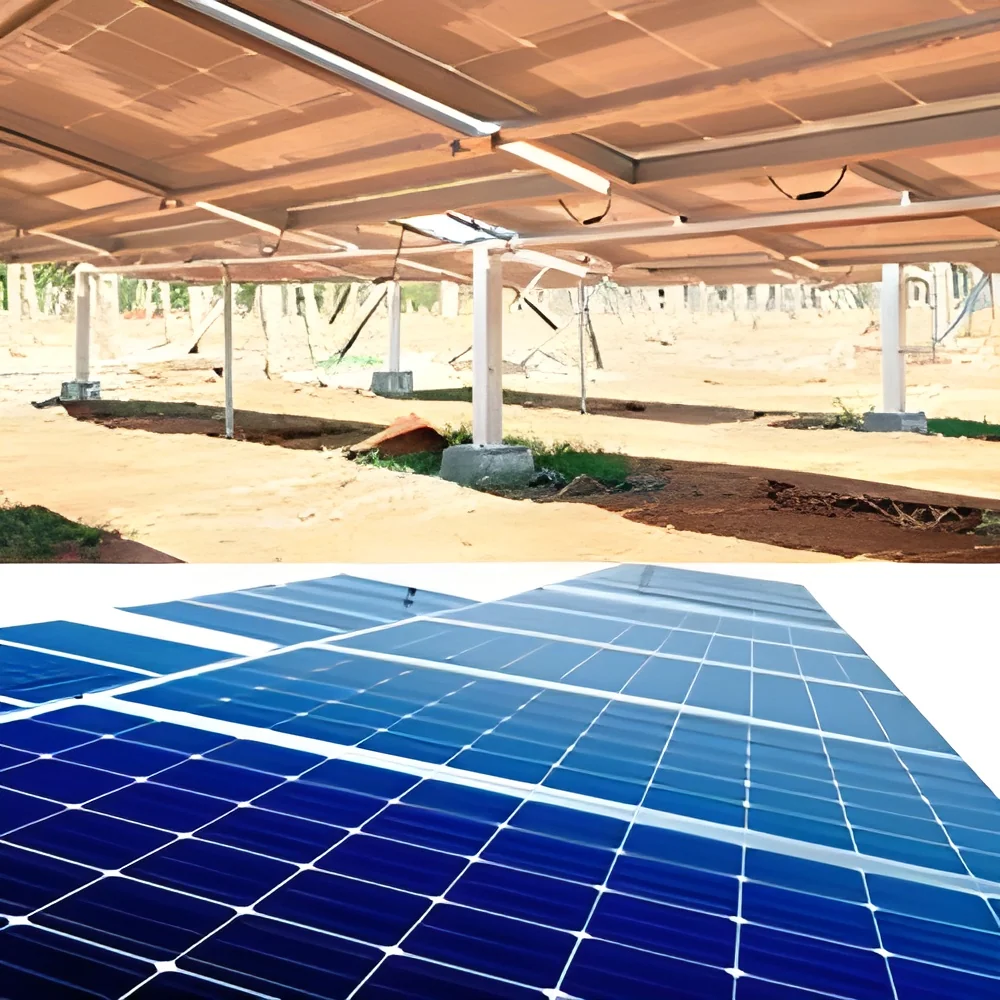
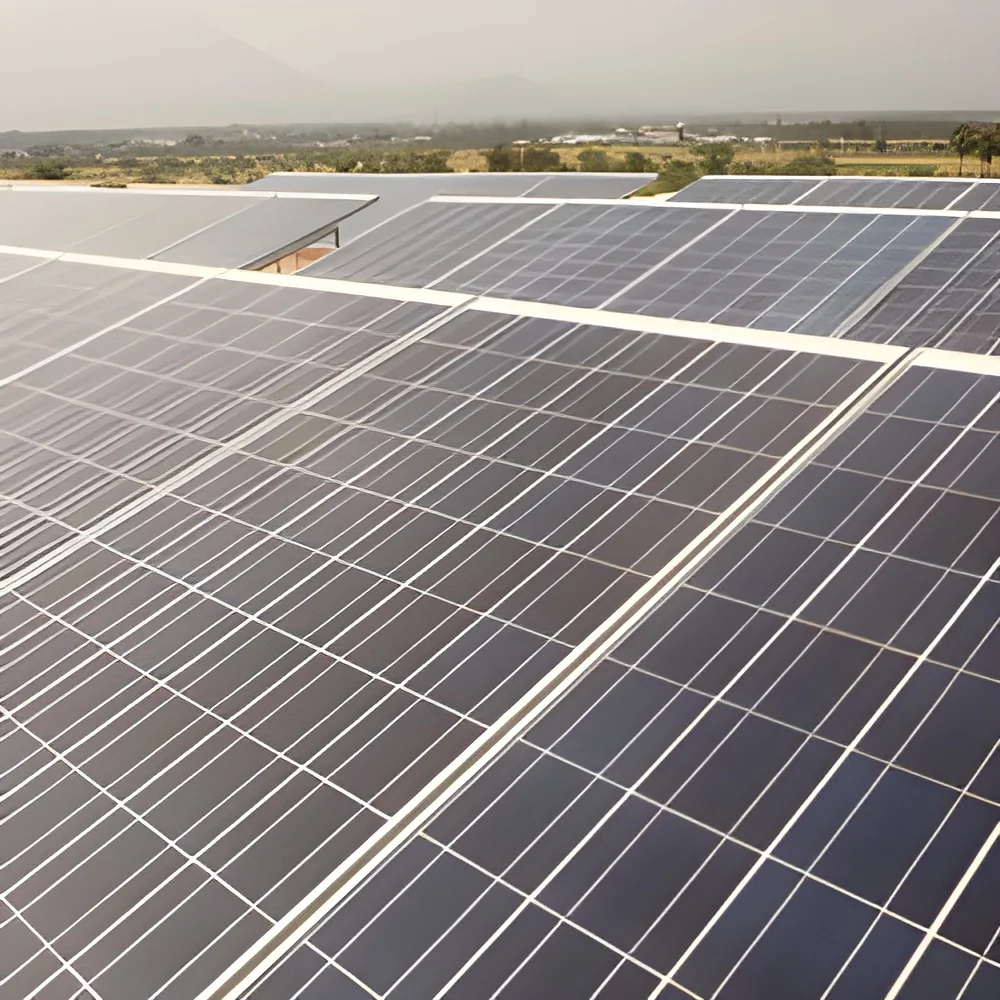
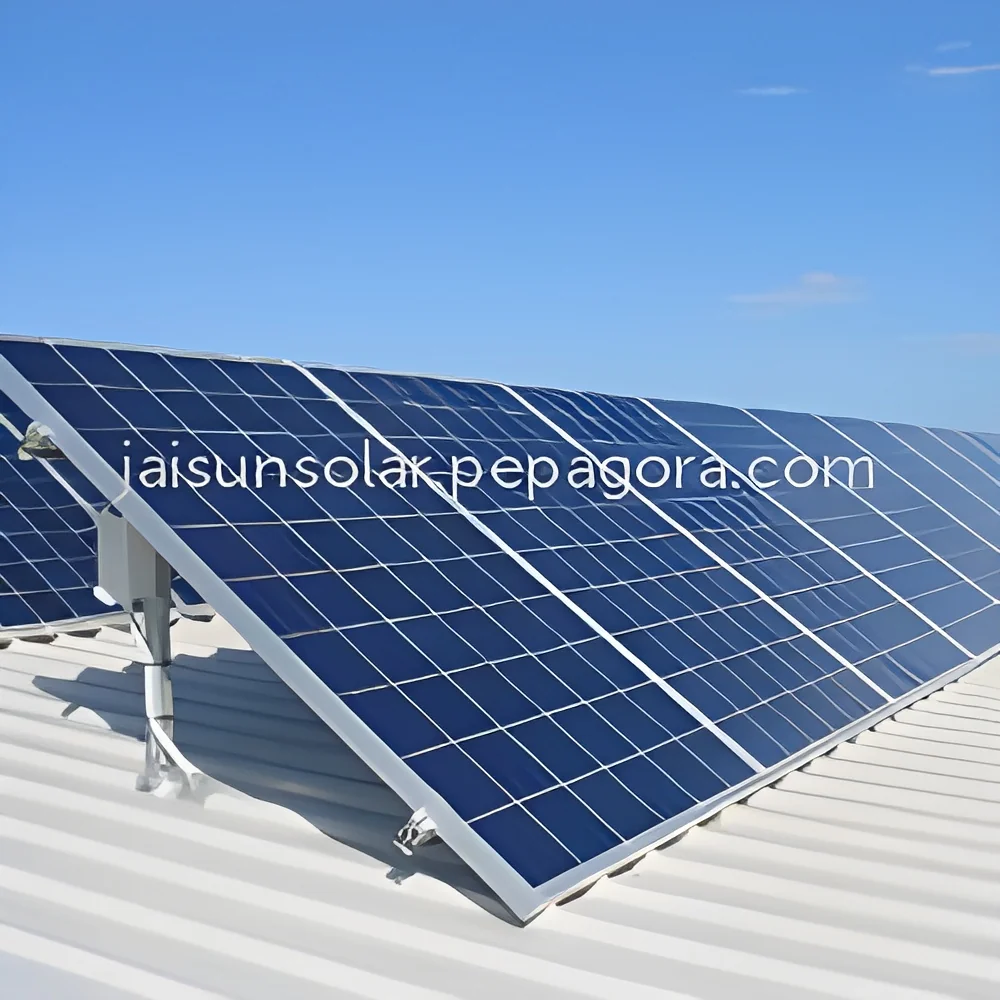
The primary uses of polycrystalline solar panels include solar farms, rooftop installations, and off-grid systems. Businesses often utilize these panels due to their cost-effectiveness and reliable performance. They are particularly well-suited for large-scale energy generation, where their efficiency can significantly reduce energy costs over time. In the growing renewable energy market, polycrystalline panels play a vital role in helping companies meet sustainability goals and reduce carbon footprints.
In terms of market context, polycrystalline solar panels are one of the most widely used types of solar technology. Their production costs have decreased over the years, making them accessible to a broader range of businesses and consumers. As the demand for renewable energy sources continues to rise, polycrystalline panels remain a key component in the transition to sustainable energy solutions.
Key Features and Specifications
Polycrystalline solar panels come with several features and specifications that make them an attractive option for businesses looking to invest in solar energy. Their structure allows for efficient energy conversion, making them a viable choice in various applications.
Key specifications include:
1. Efficiency Rating
- The efficiency of polycrystalline solar panels typically ranges between 15% and 20%.
- This rating indicates the percentage of sunlight converted into usable electricity.
2. Power Output
- Common power outputs range from 250 watts to 350 watts per panel.
- Higher output panels are ideal for maximizing energy production.
3. Size and Dimensions
- Standard dimensions are generally around 65 inches by 39 inches.
- Size may vary slightly based on the manufacturer.
4. Temperature Coefficient
- The temperature coefficient generally ranges from -0.4% to -0.5% per degree Celsius.
- This metric indicates how performance is affected by temperature changes.
5. Warranty
- Most polycrystalline panels come with a warranty of 25 years for performance.
- This warranty assures buyers of the longevity and reliability of the product.
6. Weight
- The average weight of polycrystalline solar panels is between 40 to 50 pounds.
- Consideration of weight is crucial for installation and structural integrity.
7. Frame Material
- Typically made of aluminum, providing durability and resistance to corrosion.
- The frame enhances the panel's lifespan and supports installation.
8. Certification
- Many panels are CE certified, ensuring compliance with European safety and performance standards.
- Certification is important for quality assurance and regulatory needs.
In summary, polycrystalline solar panels are characterized by their efficiency, power output, and durability, making them a reliable investment for businesses looking to transition to renewable energy sources.
Common Applications and Use Cases
Polycrystalline solar panels are utilized in a wide range of industries, proving their versatility and effectiveness.
1. Commercial Buildings: These panels are often installed on the rooftops of commercial buildings to reduce energy costs and promote sustainability.
2. Agricultural Sector: Farmers use polycrystalline panels to power irrigation systems and farm operations, reducing reliance on traditional energy sources.
3. Industrial Facilities: Many manufacturers have adopted solar energy solutions to lower operational costs and enhance sustainability practices.
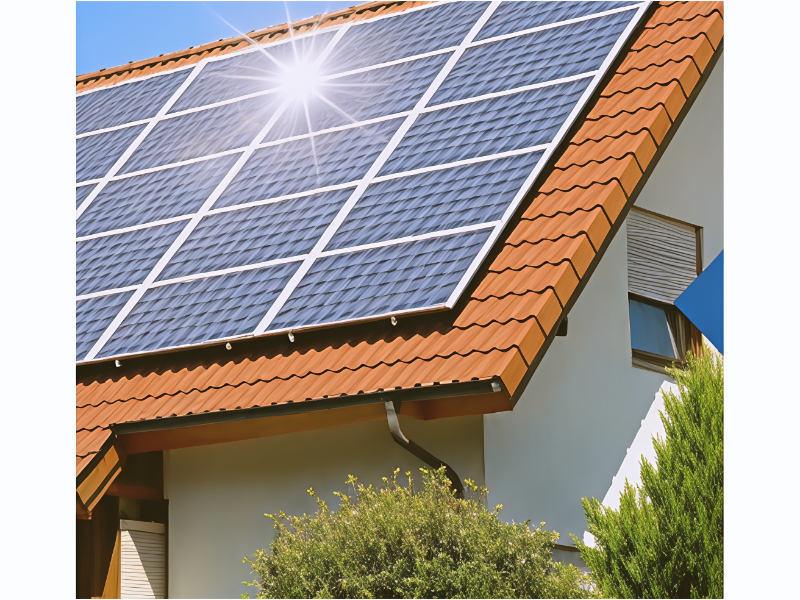
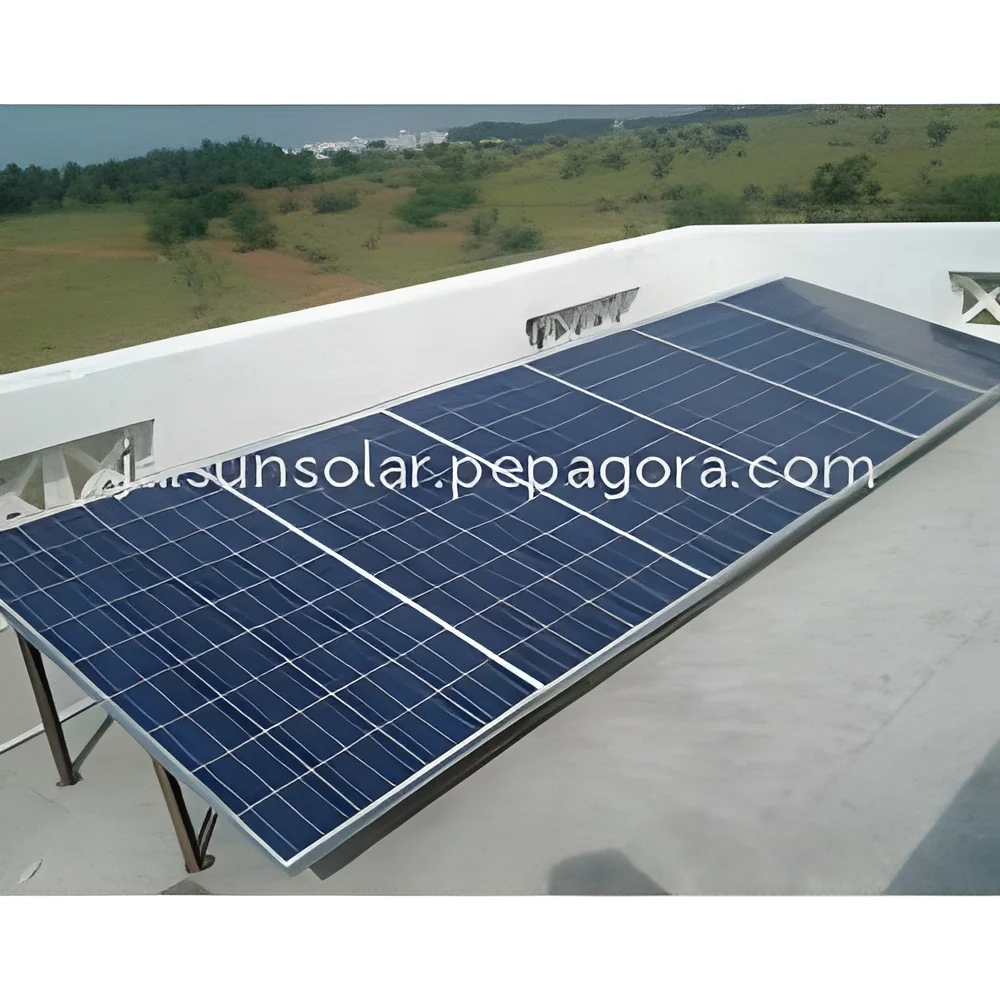
4. Residential Installations: Homeowners choose polycrystalline panels for rooftop installations to benefit from reduced electricity bills and eco-friendly energy sources.
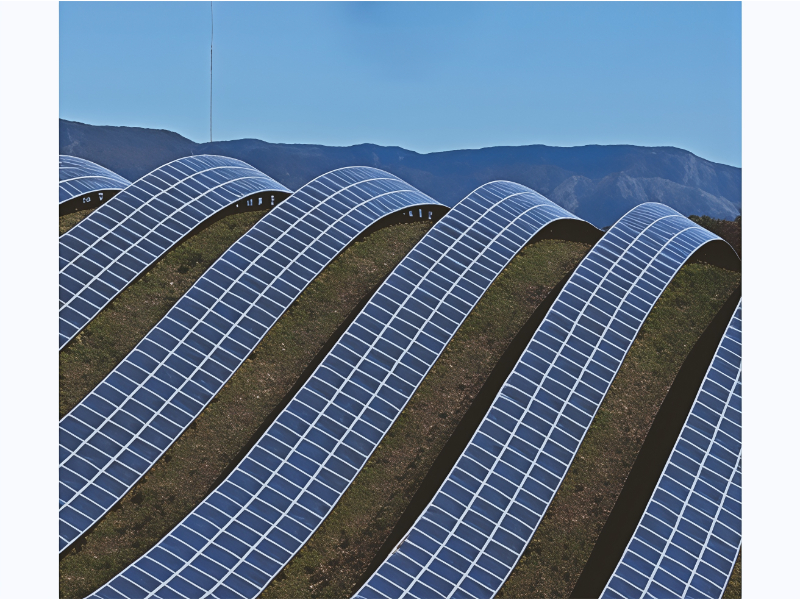
5. Solar Farms: Large-scale solar installations utilize these panels to generate significant amounts of electricity for local grids.
6. Remote Locations: Off-grid applications in remote areas use polycrystalline panels to provide essential energy without relying on conventional power sources.
7. Educational Institutions: Schools and universities implement solar panels to educate students about renewable energy while also saving on energy costs.
Product Variants and Subcategories
While there are no specific subcategories of polycrystalline solar panels, there are variations based on efficiency and power output that cater to different needs.
Standard Polycrystalline Panels
These are the most common type used in various applications. They offer reliable performance and efficiency, making them suitable for both residential and commercial projects.
High-Efficiency Polycrystalline Panels
Designed for applications where space is limited, these panels provide higher efficiency rates. They are ideal for urban settings or areas where maximizing energy production is crucial.
Benefits and Advantages
Investing in polycrystalline solar panels offers numerous advantages for businesses looking to optimize their energy use.
1. Cost-Effective: Polycrystalline panels are generally less expensive to manufacture, making them a budget-friendly choice for energy production.
2. Reliable Performance: These panels offer consistent energy output, even in less-than-ideal weather conditions, ensuring a steady power supply.
3. Environmentally Friendly: Utilizing solar panels helps reduce carbon emissions and reliance on fossil fuels, contributing to sustainability efforts.
4. Low Maintenance: Once installed, polycrystalline panels require minimal maintenance, reducing long-term operational costs.
5. Long Lifespan: With a typical warranty of 25 years, these panels are designed for durability and long-term performance.
6. Scalability: Polycrystalline panels can be easily scaled to meet growing energy demands, making them suitable for both small and large installations.
Buying Guide for B2B Buyers
When sourcing polycrystalline solar panels, businesses should consider several key factors to ensure a successful purchase.
1. Quality Assessment: Evaluate the quality of panels by reviewing performance ratings, warranties, and certifications to ensure they meet industry standards.
2. Supplier Verification: Vet suppliers thoroughly by checking for credible references, customer reviews, and certifications to ensure reliability.
3. Pricing and MOQ: Compare pricing across different suppliers and understand minimum order quantities to make informed purchasing decisions that fit budget constraints.
4. Delivery and Lead Times: Discuss logistics with suppliers, including delivery schedules and lead times, to ensure timely installation and project completion.
5. Compliance Requirements: Be aware of local and regional regulations regarding solar panel installation and ensure that the chosen panels comply with relevant standards.
Compliance and Certifications
Polycrystalline solar panels must meet various quality standards and certifications to ensure safety and performance.
Quality standards such as ISO 9001 are critical for manufacturers to maintain consistent quality in production. This standard focuses on quality management systems and customer satisfaction.
The CE certification is also essential as it indicates that the panels meet European health, safety, and environmental protection standards. This certification assures buyers of the product's compliance with necessary regulations.
Safety and testing requirements are vital to guarantee that the panels can withstand harsh environmental conditions and operate safely. This includes testing for durability, efficiency, and resistance to environmental factors.
Lastly, regional compliance considerations must be taken into account, as different areas may have specific regulations regarding solar energy systems. Businesses should ensure that their selected panels align with local laws and standards to avoid potential issues.
Why Source Polycrystalline Solar Panels from Pepagora?
Pepagora provides a trusted platform for sourcing polycrystalline solar panels with several key advantages.
The verified supplier network at Pepagora ensures that buyers can connect with reputable manufacturers and suppliers. Each supplier is vetted to meet strict quality and reliability standards, offering peace of mind for businesses making a significant investment.
The streamlined RFQ process allows buyers to submit requests for quotations easily, enabling quick comparisons of pricing and specifications. This efficiency helps businesses make informed decisions without unnecessary delays.
Trade assurance and support are other benefits offered by Pepagora. This feature protects buyers by providing financial security and support throughout the purchasing process, ensuring that they receive the products as described.
Pepagora's regional coverage extends across India, the GCC, and Southeast Asia, facilitating access to a wide range of solar panel options. This broad geographic reach allows businesses in various regions to find suitable solar solutions tailored to their local needs.

 IN
IN