
 IN
Monocrystalline Solar Panels
23 products available
What are Monocrystalline Solar Panels?
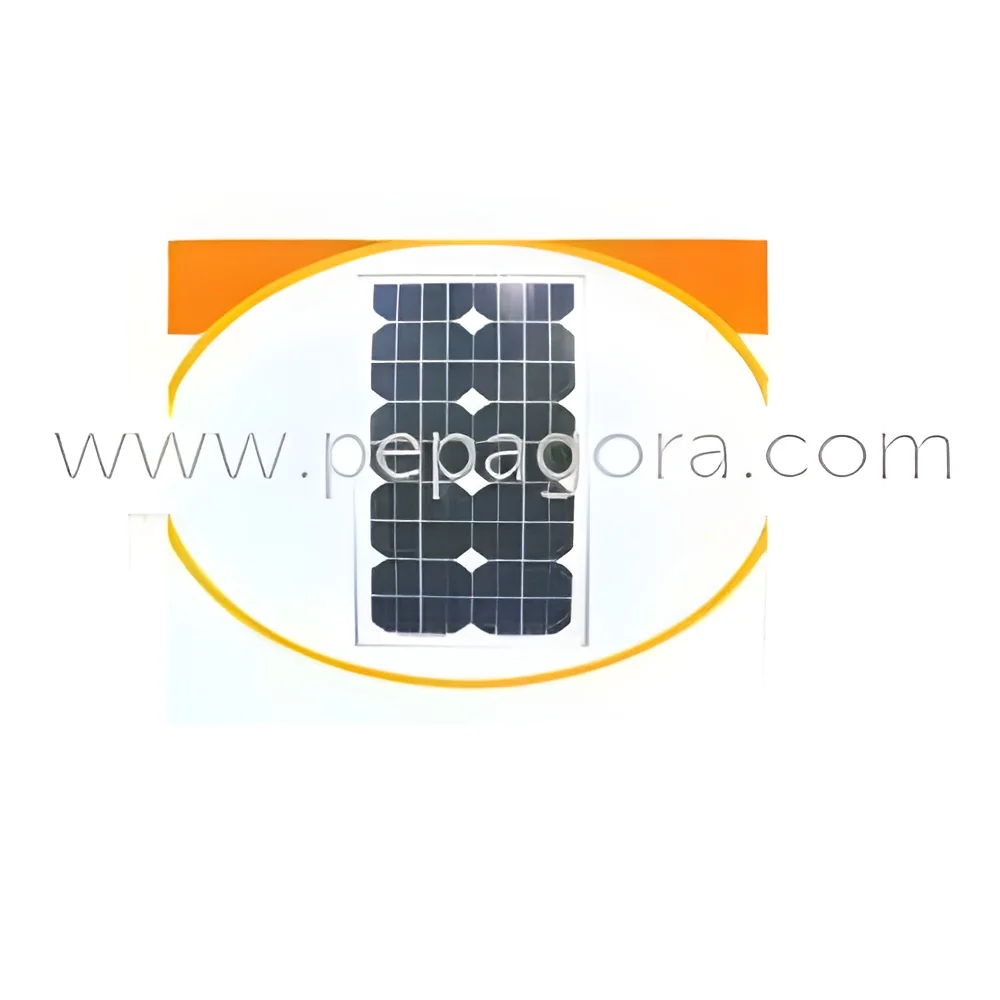
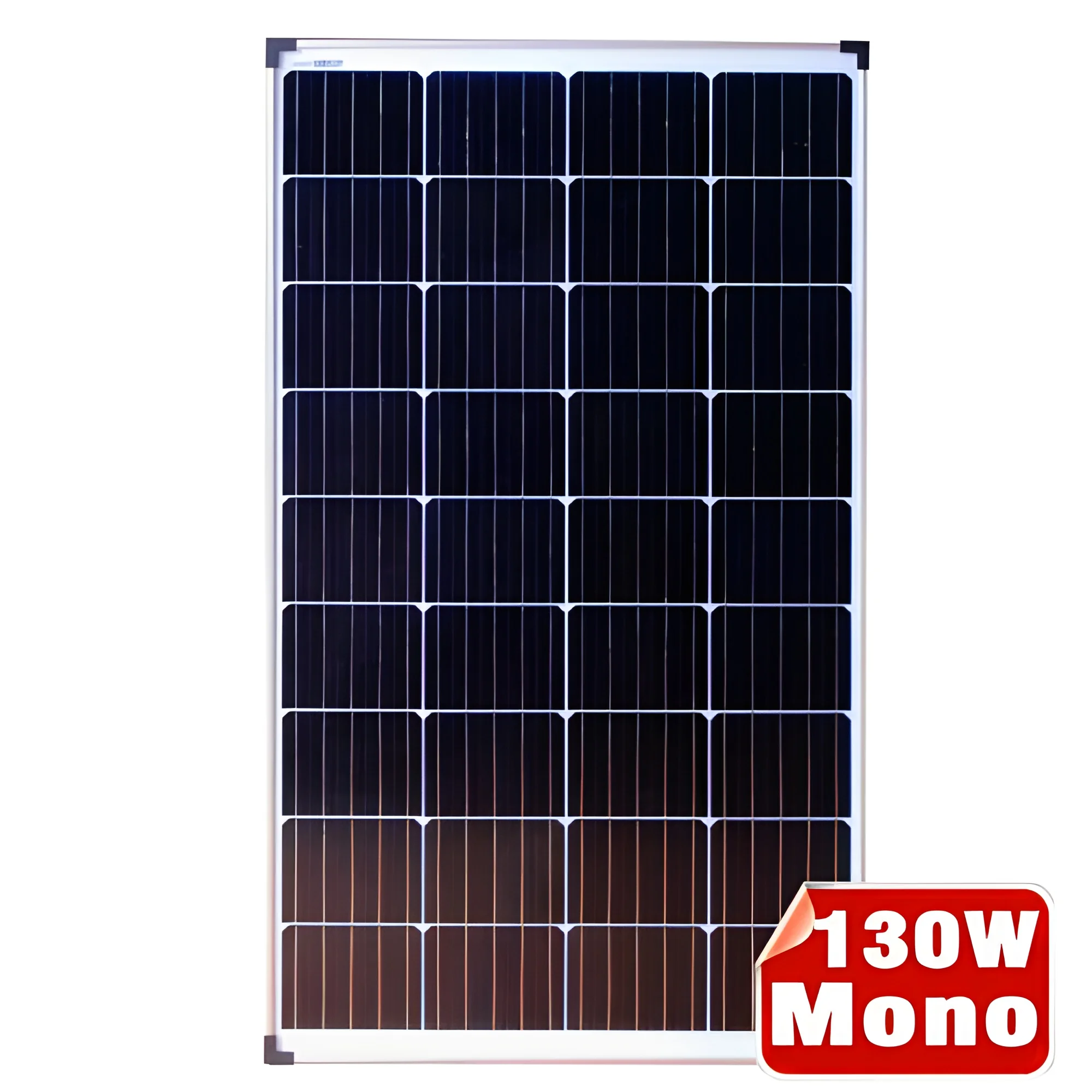
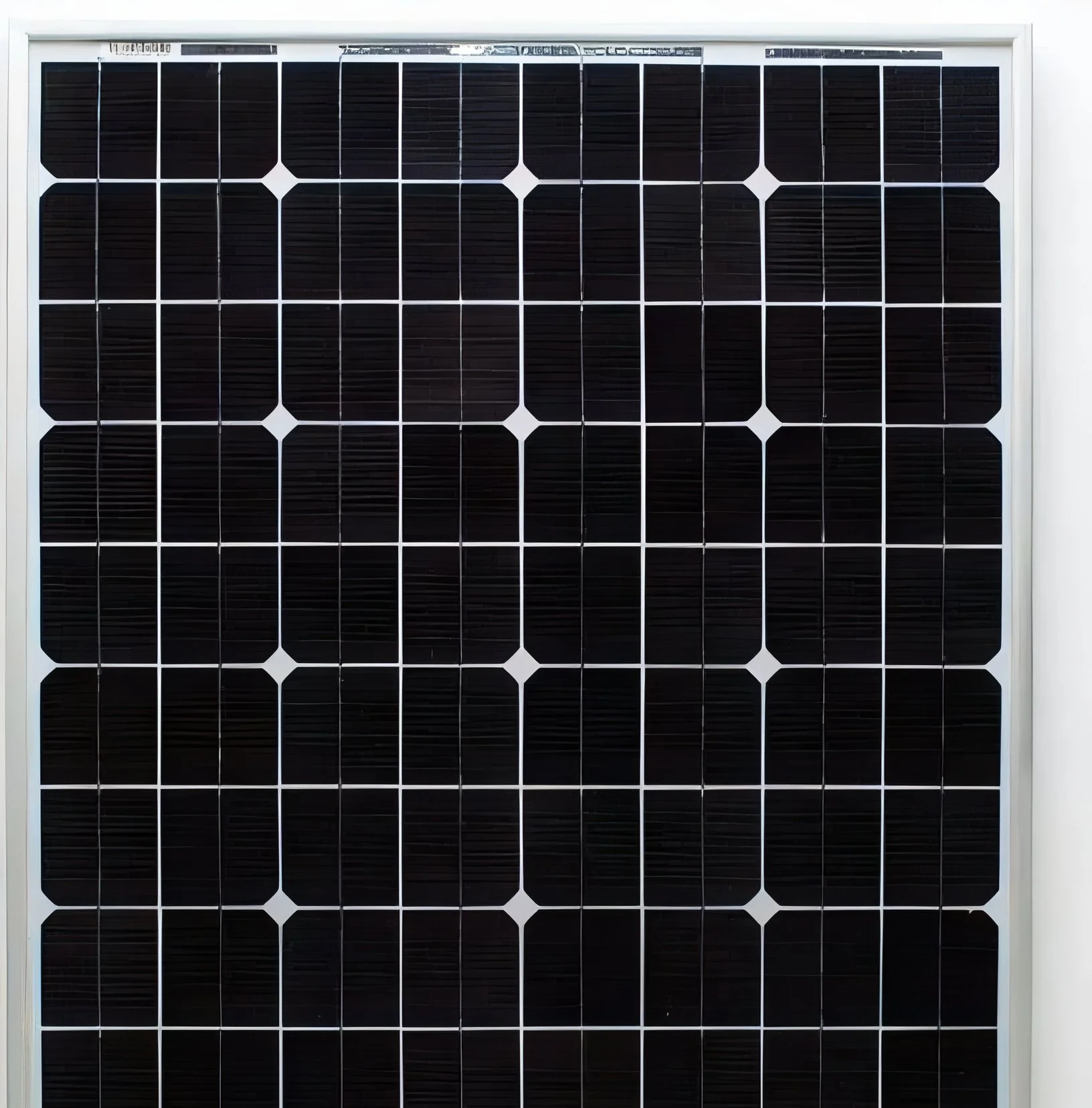
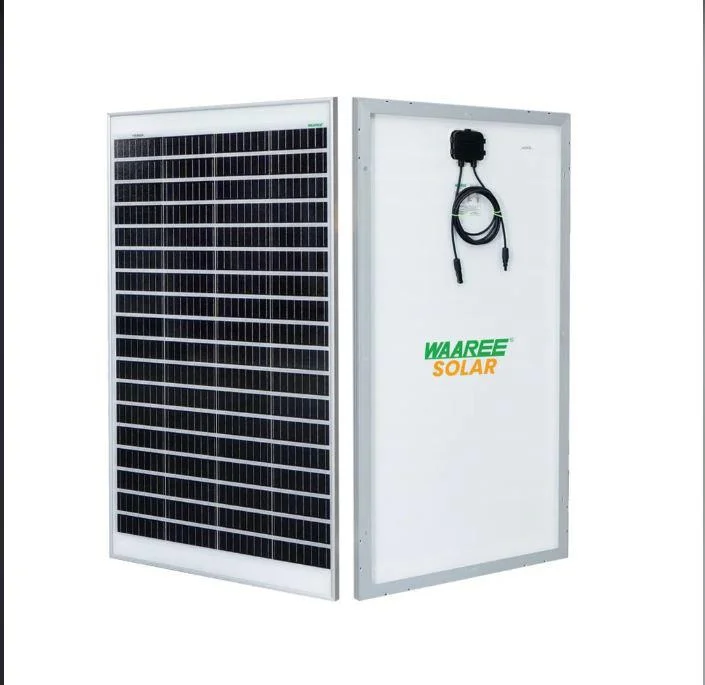
Monocrystalline solar panels are a type of photovoltaic solar panel made from a single continuous crystal structure. These panels are known for their high efficiency and longevity, often converting a significant percentage of sunlight into electricity. The manufacturing process involves slicing thin wafers from a single crystal of silicon, which results in a uniform appearance and exceptional performance.
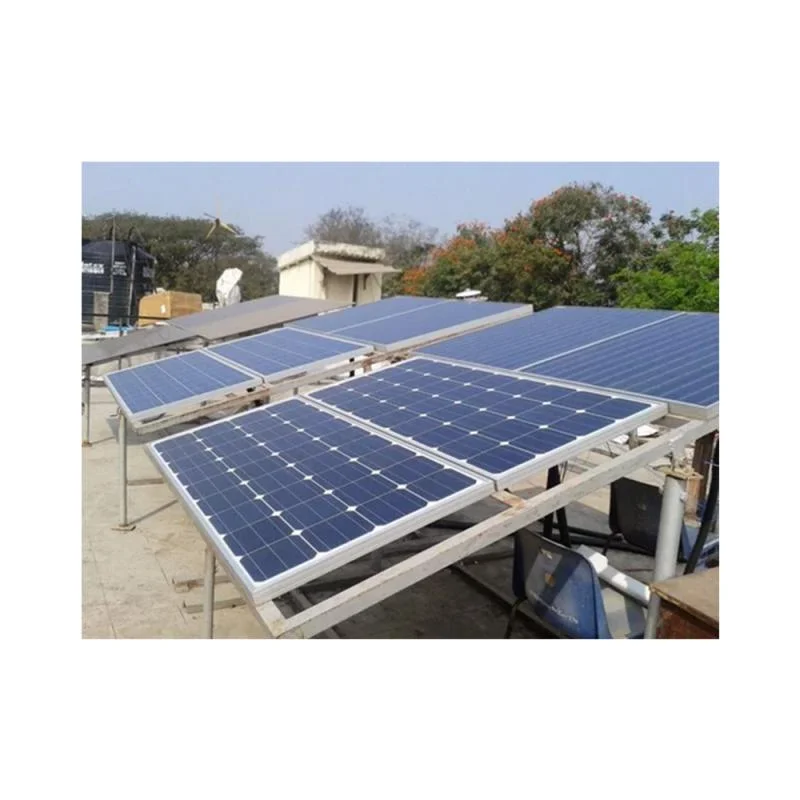
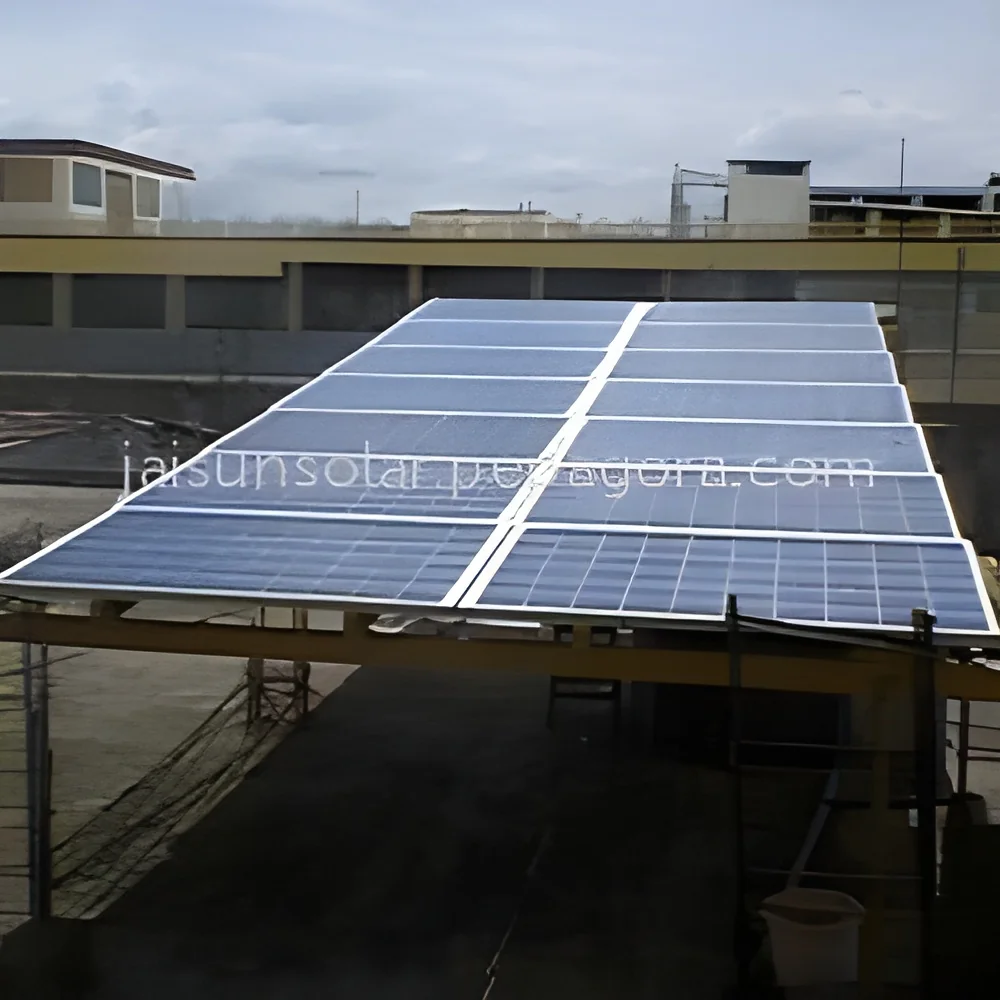
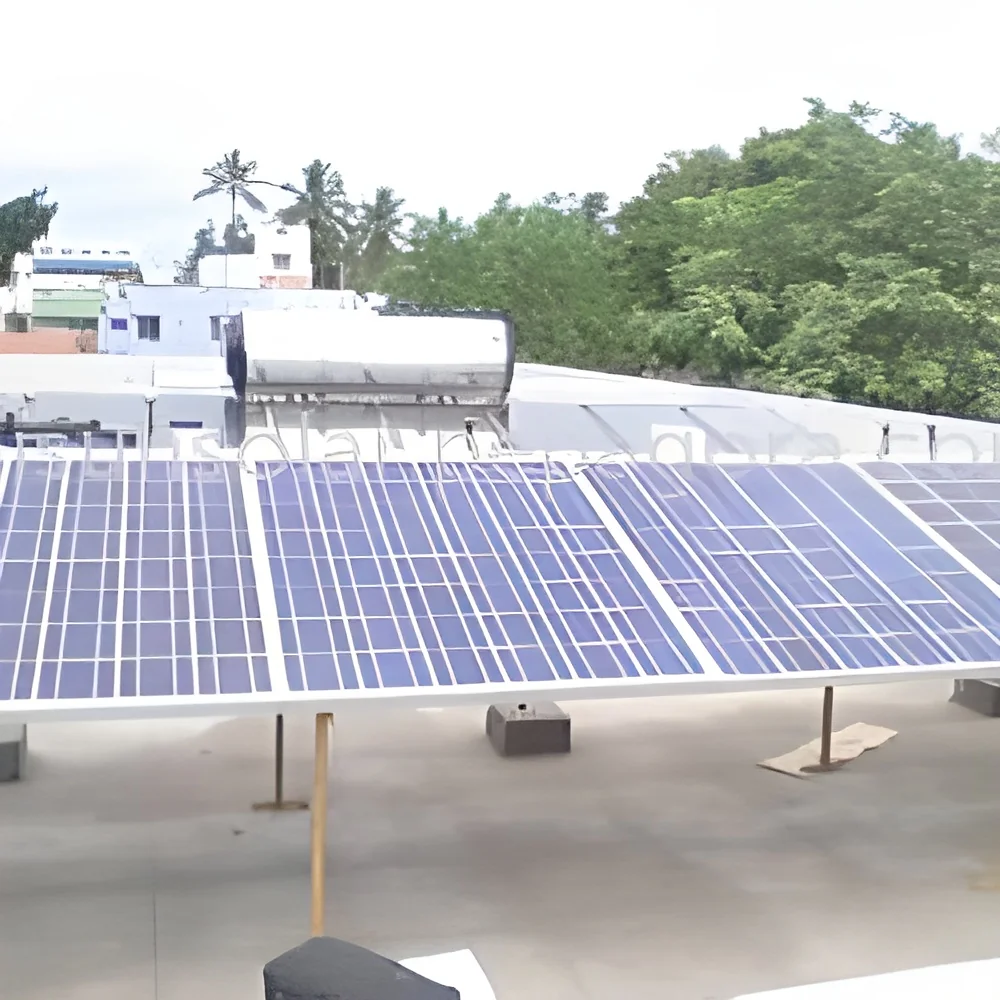
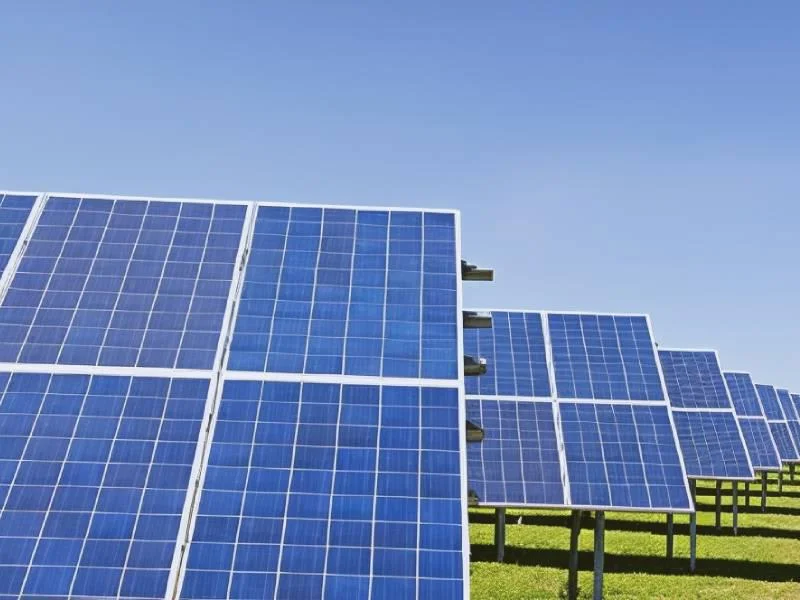
These solar panels are primarily used in various commercial and industrial applications, including large-scale solar farms, rooftop installations, and residential solar energy systems. Their efficiency makes them suitable for businesses looking to maximize energy output in limited space. The growing emphasis on renewable energy sources and sustainability has led to an increased market demand for monocrystalline solar panels, positioning them as a preferred choice in the solar energy industry.
Key Features and Specifications
Monocrystalline solar panels come with a range of features that enhance their efficiency and performance. Understanding these specifications is crucial for businesses considering their implementation.
Key specifications include:
1. Efficiency Rate
- Monocrystalline solar panels typically have efficiency rates between 15% and 22%.
- This high efficiency allows for more power generation in smaller areas.
2. Power Output
- The power output of these panels usually ranges from 250 watts to 400 watts.
- This output is essential for assessing the energy needs of various applications.
3. Temperature Coefficient
- The temperature coefficient for monocrystalline panels is generally around -0.3% to -0.5% per degree Celsius.
- This indicates how performance decreases as temperatures rise.
4. Lifespan
- Monocrystalline solar panels often have a lifespan of 25 years or more.
- This durability translates into long-term investment and reliability.
5. Aesthetic Appeal
- These panels have a sleek, uniform look that many find visually appealing.
- Their design can integrate well with modern architecture.
6. Warranty
- Most manufacturers offer warranties ranging from 10 to 25 years.
- A solid warranty ensures peace of mind for businesses investing in these systems.
In summary, monocrystalline solar panels offer high efficiency, excellent power output, and long-term reliability, making them a strong choice for various business applications.
Common Applications and Use Cases
Monocrystalline solar panels serve a wide array of industries, providing efficient energy solutions tailored to specific needs.
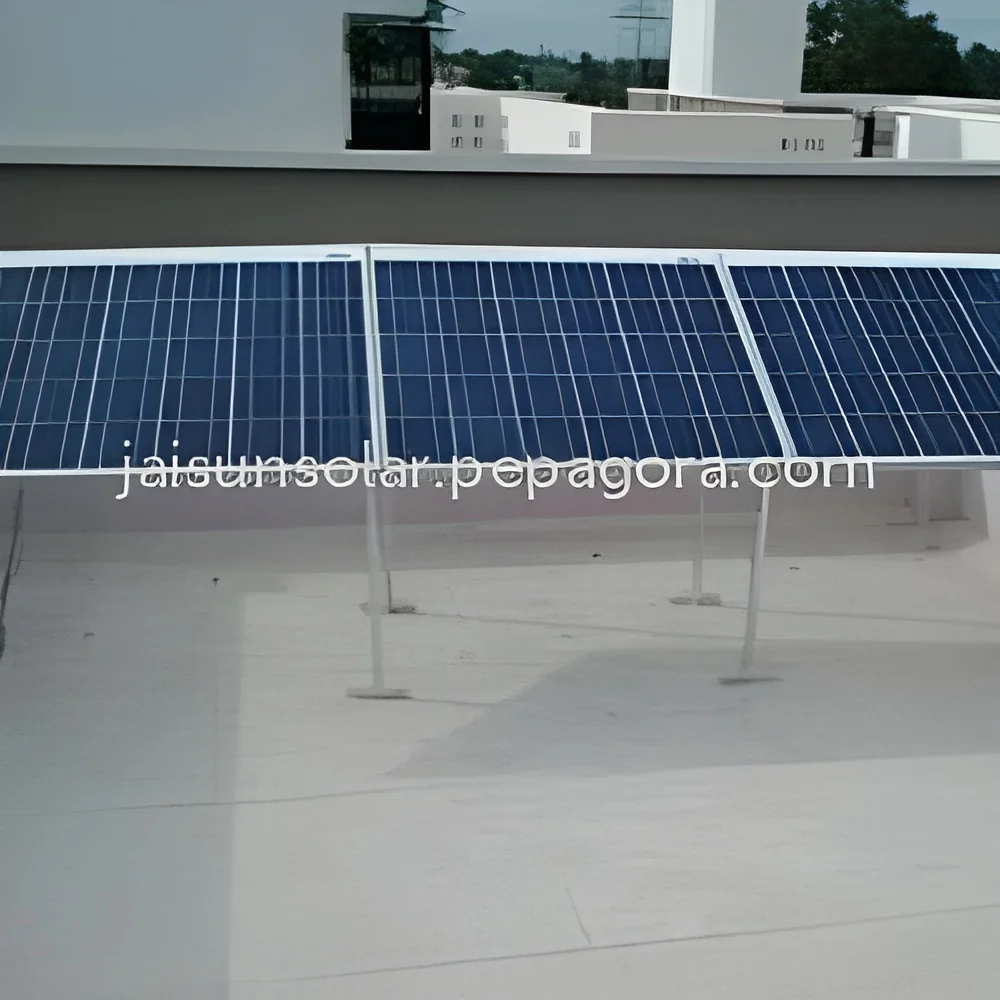
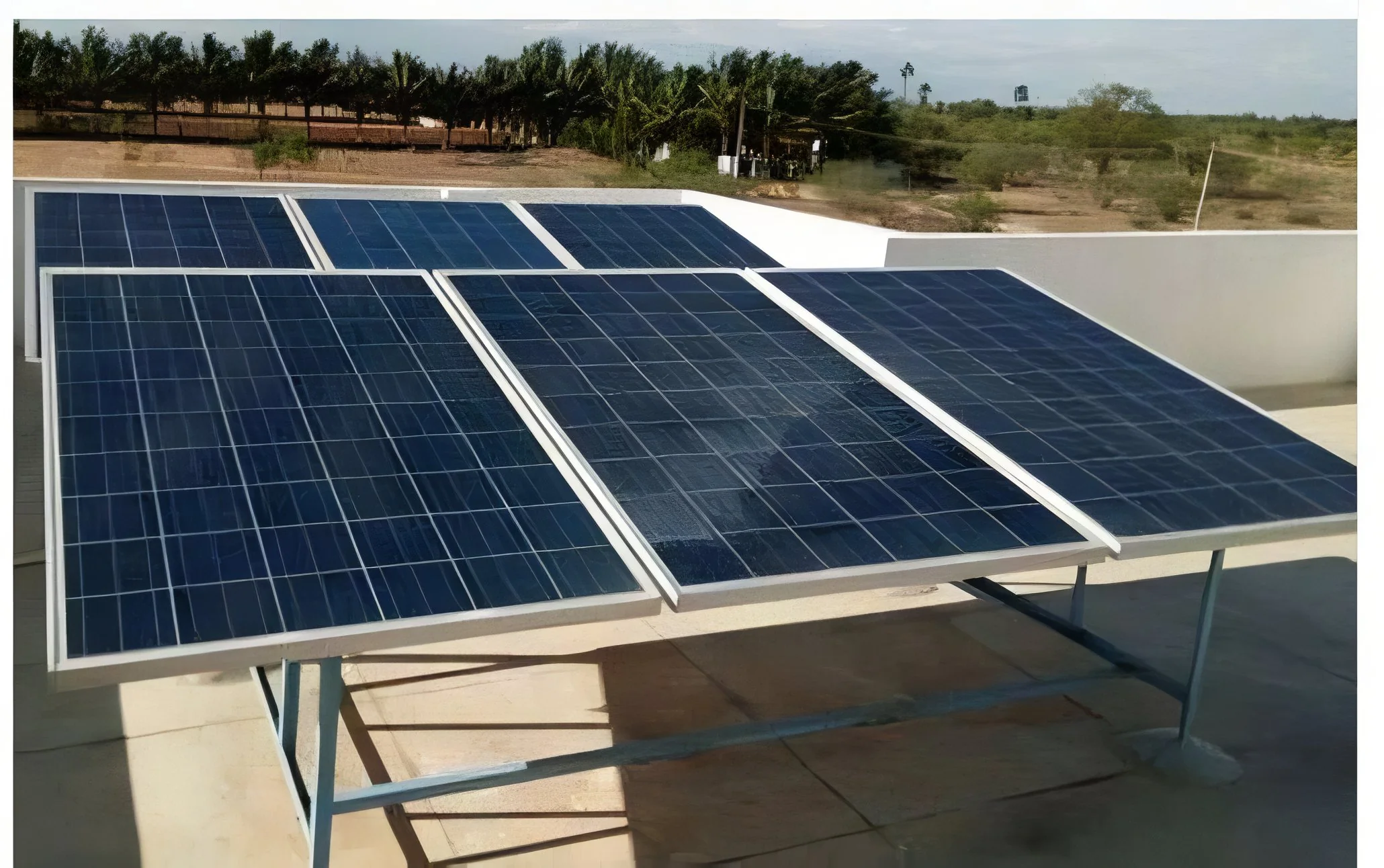
1. Commercial Buildings: These panels are commonly used on rooftops of office buildings to reduce energy costs and support sustainability initiatives.
2. Industrial Facilities: Factories and warehouses often install these panels to harness solar energy, lowering operational costs and enhancing energy independence.
3. Agricultural Sector: Farms utilize monocrystalline panels to power irrigation systems and machinery, promoting sustainable farming practices.
4. Retail Spaces: Shopping centers and retail outlets benefit from solar panel installations, which can cut utility costs and attract eco-conscious customers.
5. Remote Locations: Monocrystalline solar panels are ideal for off-grid applications, such as powering remote communication towers or rural electrification projects.
6. Residential Homes: Homeowners increasingly choose these panels for residential solar systems due to their high efficiency and space-saving capabilities.
Product Variants and Subcategories
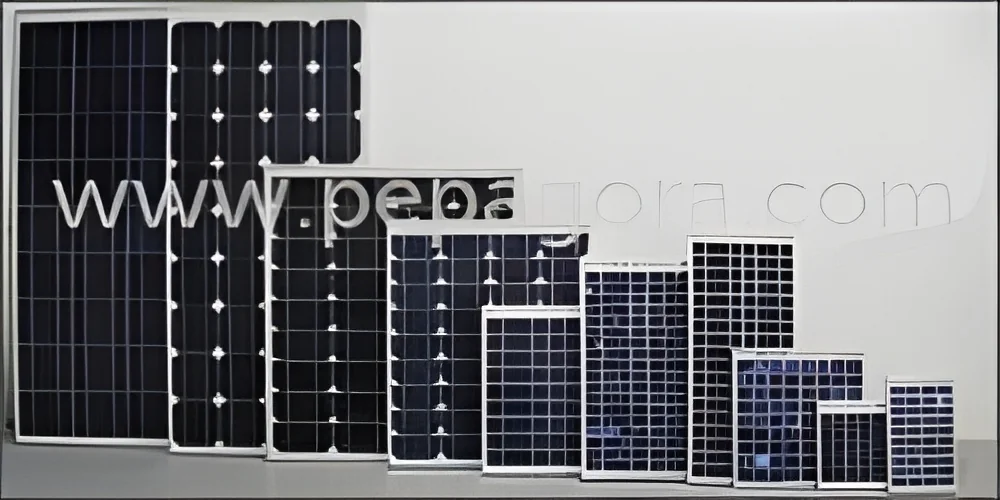
Monocrystalline solar panels come in various configurations to meet diverse energy needs.
Standard Monocrystalline Panels
These are the most common type, designed for general use in both residential and commercial applications. They provide high efficiency and durability, making them suitable for a wide range of installations.
High-Efficiency Monocrystalline Panels
These panels are optimized for maximum efficiency, often exceeding 20%. They are ideal for applications where space is limited and energy output is a priority, such as urban rooftops.
Flexible Monocrystalline Panels
These panels offer lightweight and flexible designs suitable for unconventional installations, including curved surfaces or portable setups. They are often used in recreational vehicles or temporary setups.
Benefits and Advantages
Monocrystalline solar panels offer several advantages that make them an attractive choice for businesses.
1. High Efficiency: These panels convert more sunlight into electricity compared to other types, maximizing energy output in limited space.
2. Space Saving: Given their high efficiency, fewer panels are needed to generate the same amount of power, making them ideal for locations with limited roof space.
3. Longevity: With lifespans often exceeding 25 years, they provide a reliable long-term energy solution.
4. Aesthetics: Their sleek design and uniform appearance make them visually appealing, enhancing property aesthetics.
5. Low Maintenance: Monocrystalline panels typically require minimal maintenance, reducing long-term operational costs.
6. Environmentally Friendly: By utilizing renewable energy, these panels contribute to reducing carbon footprints and promoting sustainable energy practices.
Buying Guide for B2B Buyers
When sourcing monocrystalline solar panels, businesses should consider several critical factors to ensure a successful purchase.
1. Quality Assessment: It is essential to evaluate the quality of the panels based on efficiency ratings, durability, and warranty offerings. High-quality panels will provide better performance and longer lifespans.
2. Supplier Verification: Vetting suppliers is crucial. Look for established manufacturers with a track record of reliability, customer service, and compliance with industry standards.
3. Pricing and MOQ: Understand the pricing structure and minimum order quantities (MOQ) to ensure the purchase aligns with budgetary constraints while meeting energy needs.
4. Delivery and Lead Times: Consider the logistics of delivery and the expected lead times for the panels. Timely delivery is vital for project planning and execution.
5. Compliance Requirements: Ensure that the panels meet local and regional regulatory requirements. Compliance with standards can affect installation and performance.
Compliance and Certifications
Monocrystalline solar panels must adhere to several quality standards and certifications to ensure their safety and effectiveness.
ISO 9001 is a widely recognized quality management standard that ensures products meet customer and regulatory requirements consistently. Manufacturers producing monocrystalline panels often seek this certification to demonstrate their commitment to quality.
The CE mark indicates that the product complies with European safety, health, and environmental protection standards. This certification is particularly important for businesses operating in or exporting to European markets.
Safety and testing requirements are crucial for ensuring that solar panels can withstand environmental factors and operate safely. Manufacturers often conduct rigorous testing to comply with these standards.
Regional compliance considerations may vary, so it is essential for buyers to understand the regulations in their specific area to avoid potential legal issues and ensure optimal performance.
Why Source Monocrystalline Solar Panels from Pepagora?
Pepagora provides a trusted platform for sourcing monocrystalline solar panels with several key advantages.
Verified Supplier Network: Pepagora connects buyers with a network of verified suppliers, ensuring that the products sourced meet high standards of quality and reliability.
Streamlined RFQ Process: The quotation system simplifies the procurement process, allowing businesses to request quotes from multiple suppliers quickly and efficiently.
Trade Assurance and Support: Buyers benefit from trade assurance programs that protect their investments and provide support throughout the purchasing process.
Regional Coverage: Pepagora offers extensive geographic reach across India, the GCC, and Southeast Asia, facilitating access to a wide market for businesses seeking solar panel solutions.
In conclusion, sourcing monocrystalline solar panels through Pepagora provides businesses with a reliable and efficient means to implement solar energy solutions, enhancing sustainability and operational efficiency.

Frequently Asked Questions
What are Monocrystalline Solar Panels?
Monocrystalline Solar Panels are a type of solar panel made from a single crystal structure of silicon. They are known for their high efficiency and longevity, making them a popular choice for both residential and commercial solar energy systems.
What are the different types of Monocrystalline Solar Panels?
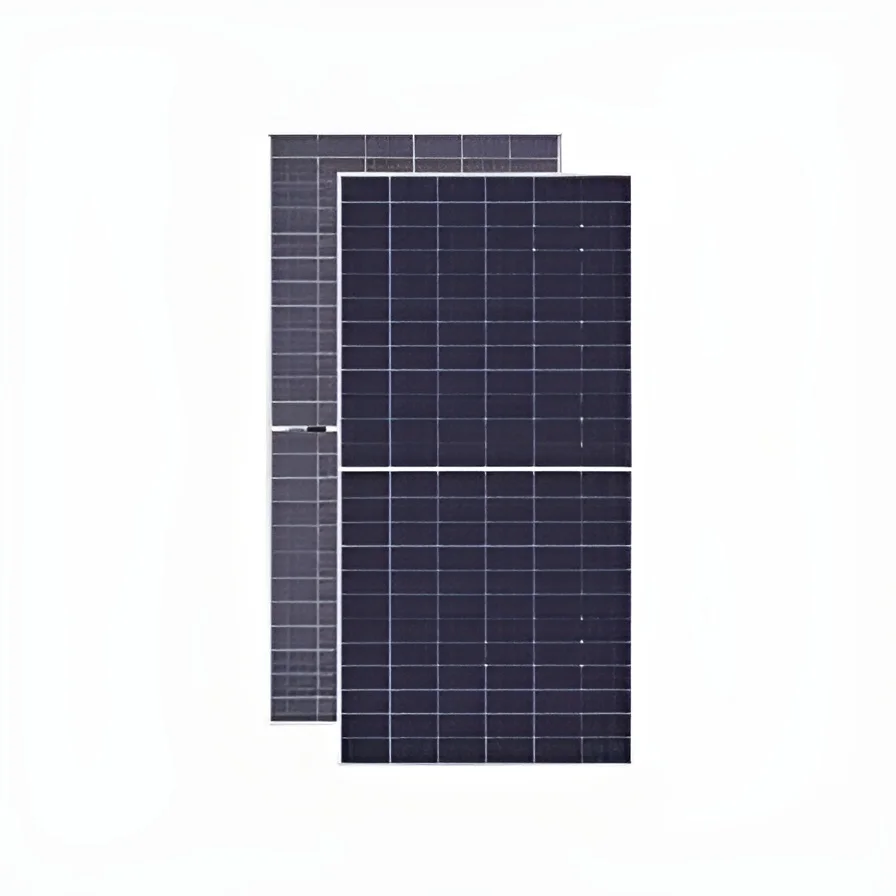
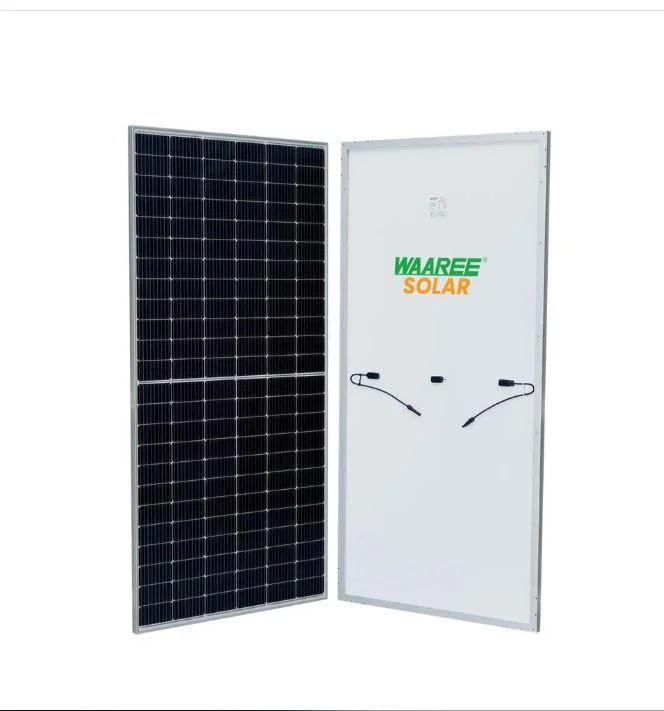
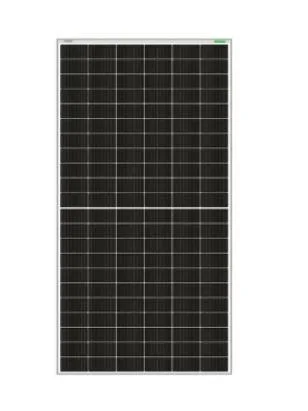
The main types of Monocrystalline Solar Panels include standard monocrystalline panels and half-cut monocrystalline panels. Half-cut panels are designed with smaller cells, which can improve efficiency and reduce shading losses compared to standard panels.
How do I choose the right Monocrystalline Solar Panels?
When selecting Monocrystalline Solar Panels, consider factors such as efficiency ratings, wattage, size, and warranty terms. Additionally, assess your energy needs and available installation space to ensure the panels you choose will meet your requirements.
What are the standard specifications for Monocrystalline Solar Panels?
Standard specifications for Monocrystalline Solar Panels typically include power output (measured in watts), efficiency percentage, and dimensions. Common power outputs range from 250W to 400W, with efficiencies usually between 15% and 22%.
What is the price range for Monocrystalline Solar Panels?
The price range for Monocrystalline Solar Panels can vary widely based on brand, efficiency, and technology. Generally, prices can range from INR 20,000 to INR 40,000 per panel, depending on the specifications and supplier.
What quality standards apply to Monocrystalline Solar Panels?
Monocrystalline Solar Panels are typically subject to quality standards such as IEC 61215 and IEC 61730, which assess performance and safety. Compliance with these standards ensures that the panels are reliable and suitable for long-term use.
Where can I find Monocrystalline Solar Panels suppliers in India?
You can find Monocrystalline Solar Panels suppliers in India through online B2B marketplaces like Pepagora.com, industry trade shows, and local solar energy exhibitions. It is advisable to compare suppliers based on their product offerings and customer reviews.
Can Monocrystalline Solar Panels be customized?
Yes, some manufacturers offer customization options for Monocrystalline Solar Panels, such as different sizes and power outputs. However, customization may affect pricing and lead times, so it is advisable to discuss requirements with the supplier.
What is the typical minimum order quantity for Monocrystalline Solar Panels?
The typical minimum order quantity (MOQ) for Monocrystalline Solar Panels varies by supplier but generally ranges from 10 to 50 panels. It is important to confirm MOQs with the supplier before placing an order.
What is the typical lead time for Monocrystalline Solar Panels?
The typical lead time for Monocrystalline Solar Panels can range from 2 to 6 weeks, depending on the supplier and availability of stock. Custom orders may require additional time for manufacturing and delivery.
Why Businesses Trust Pepagora
Thousands of companies trust Pepagora to source smarter and sell faster
Expand Your Sales Globally

Source Smarter,Grow Faster
