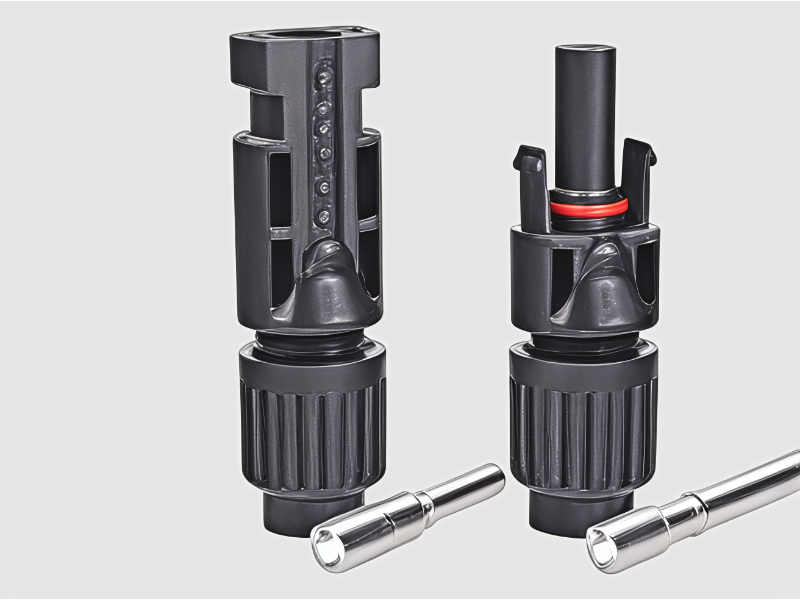
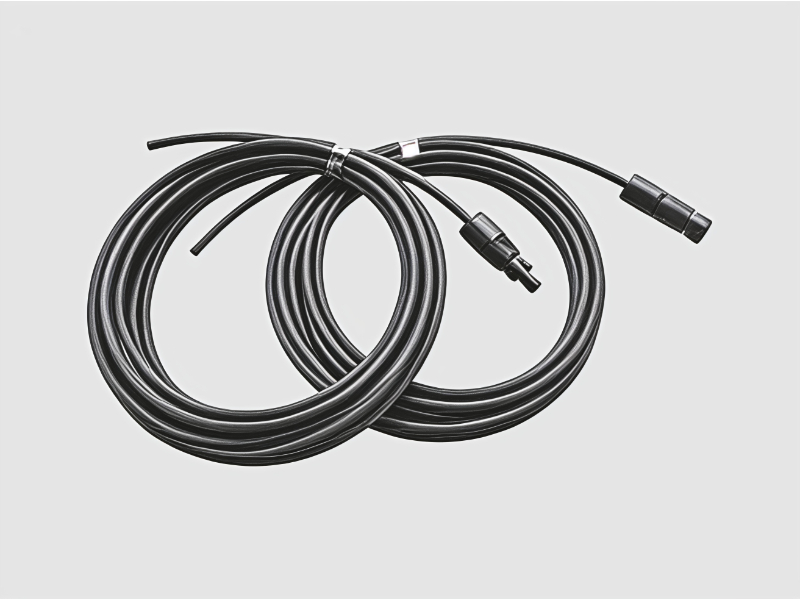
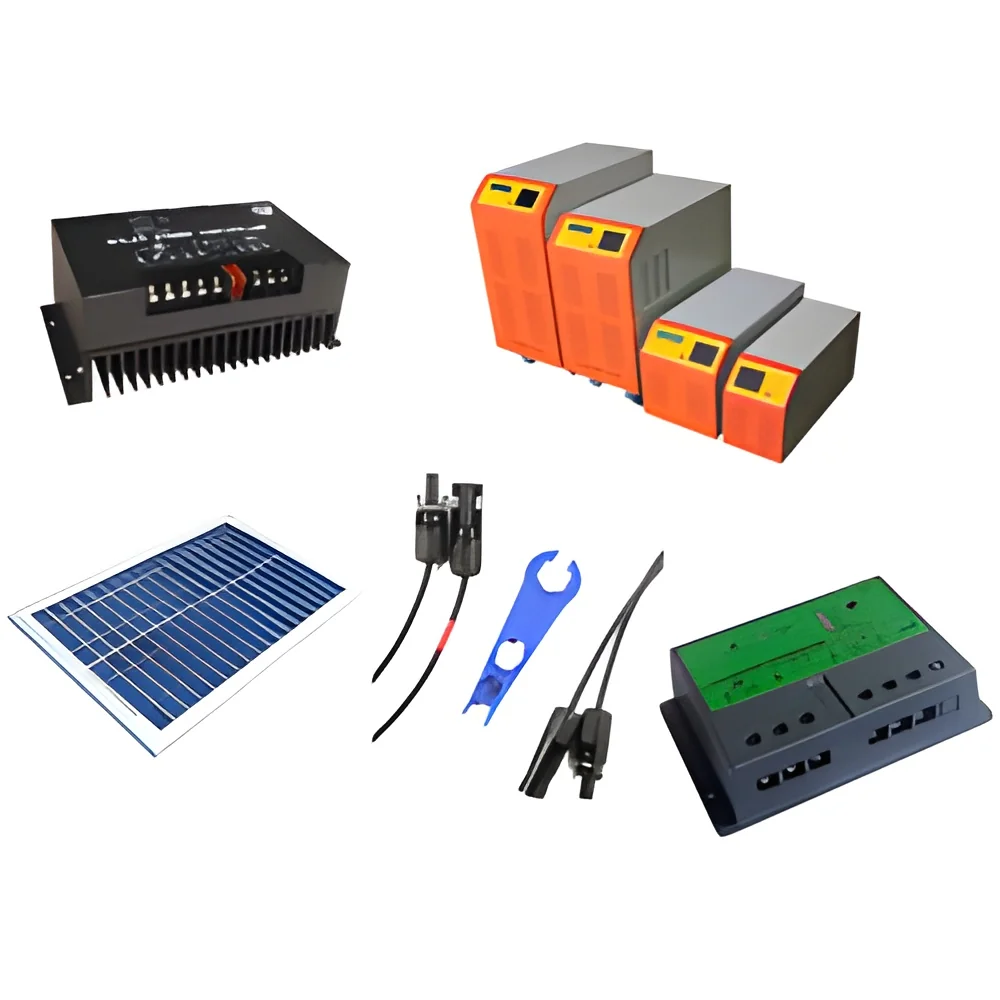
What are Solar Cable & Connectors?
Solar cables and connectors are essential components of solar power systems. They are specifically designed to connect photovoltaic (PV) panels to inverters and other electrical devices in a solar energy setup. Solar cables are insulated wires that carry the electrical current generated by solar panels, while connectors are the interfaces that allow for secure and reliable connections between these cables and other system components. The materials used in both cables and connectors are engineered to withstand outdoor conditions such as UV radiation, temperature fluctuations, and moisture.
In business applications, solar cables and connectors play a critical role in the installation and maintenance of solar energy systems. They are widely used in residential, commercial, and industrial settings to ensure the efficient transfer of electricity generated by solar panels. The growing demand for renewable energy solutions has led to an increase in the use of solar technology across various sectors, further emphasizing the importance of reliable solar cables and connectors in energy projects. As the market for solar energy continues to expand, these components remain pivotal in facilitating sustainable energy solutions.
Key Features and Specifications
Solar cables and connectors have specific features and specifications that ensure their effectiveness and reliability in solar energy systems. Understanding these characteristics is crucial for B2B buyers looking to invest in high-quality components.
Key specifications include:
1. Cable Type
- Typically available in single-core and multi-core varieties
- Designed for high flexibility and durability
2. Conductor Material
- Usually made from copper or aluminum
- Ensures optimal conductivity and performance
3. Voltage Rating
- Rated for standard voltages of up to 1500V DC
- Ensures compatibility with various solar energy systems
4. Temperature Range
- Operating temperatures generally range from -40°C to +90°C
- Ensures performance in extreme weather conditions
5. Insulation Material
- Often made from cross-linked polyethylene (XLPE) or thermoplastic elastomer (TPE)
- Provides UV resistance and excellent thermal stability
6. Connector Type
- Commonly used types include MC4 connectors and H4 connectors
- Designed for easy and secure connections
7. Ingress Protection Rating
- Typically rated IP67
- Provides protection against dust and water ingress
8. Certifications
- Must comply with international standards such as IEC 62930
- Ensures safety and quality assurance
These specifications are vital for ensuring that solar cables and connectors perform optimally and meet industry standards.
Common Applications and Use Cases
Solar cables and connectors find applications across a variety of industries, highlighting their versatility and importance.
1. Residential Solar Systems: Homeowners use solar cables and connectors to connect rooftop solar panels to inverters, enabling energy generation for personal use and grid-tied systems.
2. Commercial Solar Installations: Businesses utilize these components to integrate large solar arrays with energy management systems, reducing operational costs and enhancing sustainability.
3. Industrial Solar Projects: Factories and industrial facilities often deploy solar energy solutions, requiring robust cables and connectors for high-capacity installations and long-distance power transmission.
4. Agricultural Solutions: Farmers adopt solar energy systems for irrigation and other operations, relying on reliable cables and connectors for uninterrupted power supply.
5. Off-Grid Solar Systems: Remote locations utilize solar cables and connectors to establish independent energy sources, supporting a variety of applications without relying on traditional power grids.
6. Electric Vehicle Charging Stations: The growing demand for EV charging infrastructure involves solar energy solutions, where cables and connectors play a crucial role in powering charging units.
7. Solar-Powered Water Pumps: In areas with limited access to electricity, solar pumping systems depend on effective cables and connectors to operate efficiently.
Product Variants and Subcategories
Solar cables and connectors come in various configurations to meet different system requirements.
MC4 Connectors: These are among the most common types of solar connectors. They are designed for easy assembly and disassembly, providing secure connections that withstand environmental stresses. Ideal for residential and commercial solar systems.
H4 Connectors: H4 connectors are another variant commonly used in solar applications. They offer a robust connection and are suitable for both series and parallel configurations. Their design ensures high performance and reliability in diverse conditions.
Benefits and Advantages
Investing in high-quality solar cables and connectors offers numerous advantages for businesses.
1. Enhanced Reliability: Quality cables and connectors reduce the risk of connection failures, ensuring consistent energy transfer and system performance.
2. Improved Safety: Products that meet industry standards minimize the risk of electrical hazards, protecting both equipment and personnel.
3. Long-Term Cost Savings: Durable components reduce maintenance needs and replacement costs over time, leading to significant savings.
4. Environmentally Friendly: Using solar cables and connectors supports sustainable energy solutions, contributing to reduced carbon footprints.
5. Ease of Installation: Many solar cables and connectors are designed for straightforward installation, simplifying the setup process for contractors.
6. Versatility: The wide range of applications across different industries highlights the adaptability of solar cables and connectors.
Buying Guide for B2B Buyers
When sourcing solar cables and connectors, B2B buyers should consider several important factors to make informed decisions.
1. Quality Assessment: Look for products that comply with international quality standards. Review certifications and test results to ensure reliability.
2. Supplier Verification: Vet potential suppliers thoroughly by checking reviews, references, and their track record in the industry. A reliable supplier ensures better product quality and service.
3. Pricing and MOQ: Understand the price range for different types of cables and connectors. Inquire about minimum order quantities to ensure they align with your purchasing needs.
4. Delivery and Lead Times: Confirm delivery timelines and logistics to avoid project delays. Reliable suppliers should provide clear information on lead times.
5. Compliance Requirements: Ensure that the products meet local and international compliance regulations. This is critical for safety and project viability.
Compliance and Certifications
Solar cables and connectors must adhere to several quality and safety standards to ensure their reliability and performance.
ISO 9001 is a widely recognized quality management standard that ensures manufacturers have consistent processes for producing high-quality products. Compliance with this standard indicates a commitment to quality in design, production, and service.
CE marking is often required for products sold in European markets. It signifies that the product meets EU safety, health, and environmental protection standards.
Safety and testing requirements are critical for solar cables and connectors. They must undergo various tests to validate their performance under environmental conditions, including temperature extremes and exposure to UV radiation.
Additionally, regional compliance considerations may vary, so it is important to stay informed about specific regulations in your market area. This ensures that products are not only effective but also legally compliant.
Why Source Solar Cable & Connectors from Pepagora?
Pepagora provides a trusted platform for sourcing solar cables and connectors with several key advantages that streamline the purchasing process.
Verified Supplier Network: Pepagora has a robust network of verified suppliers, ensuring that buyers have access to high-quality products from credible sources. This network helps mitigate risks associated with sourcing components.
Streamlined RFQ Process: The platform offers a user-friendly Request for Quotation (RFQ) system, allowing buyers to easily compare prices and specifications from multiple suppliers. This efficiency leads to better purchasing decisions.
Trade Assurance and Support: Pepagora prioritizes buyer protection by offering trade assurance services. This protects transactions and provides support throughout the purchasing process, ensuring customer satisfaction.
Regional Coverage: With a strong presence in India, the GCC, and Southeast Asia, Pepagora is well-positioned to meet the needs of businesses across different regions. This geographic reach allows for localized support and faster service delivery.
In summary, sourcing solar cables and connectors through Pepagora not only ensures access to quality products but also provides a comprehensive support system tailored to the needs of B2B buyers.

 IN
IN