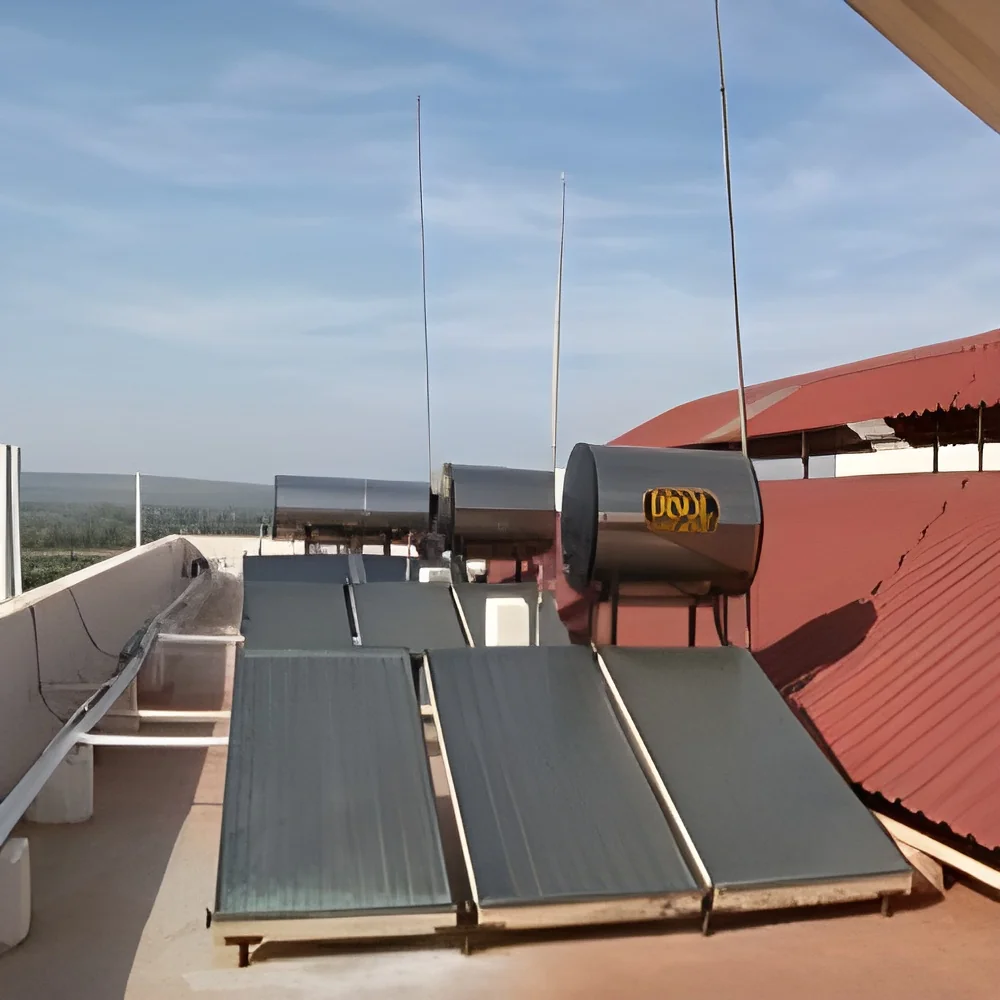
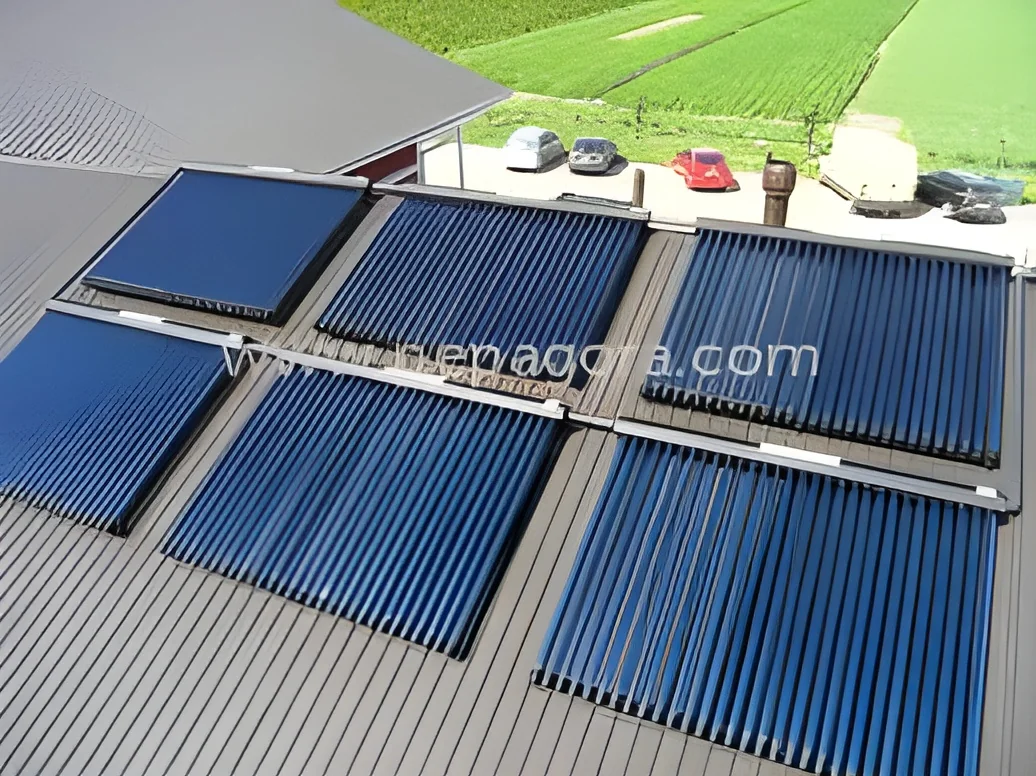
What are Solar Water Heaters?
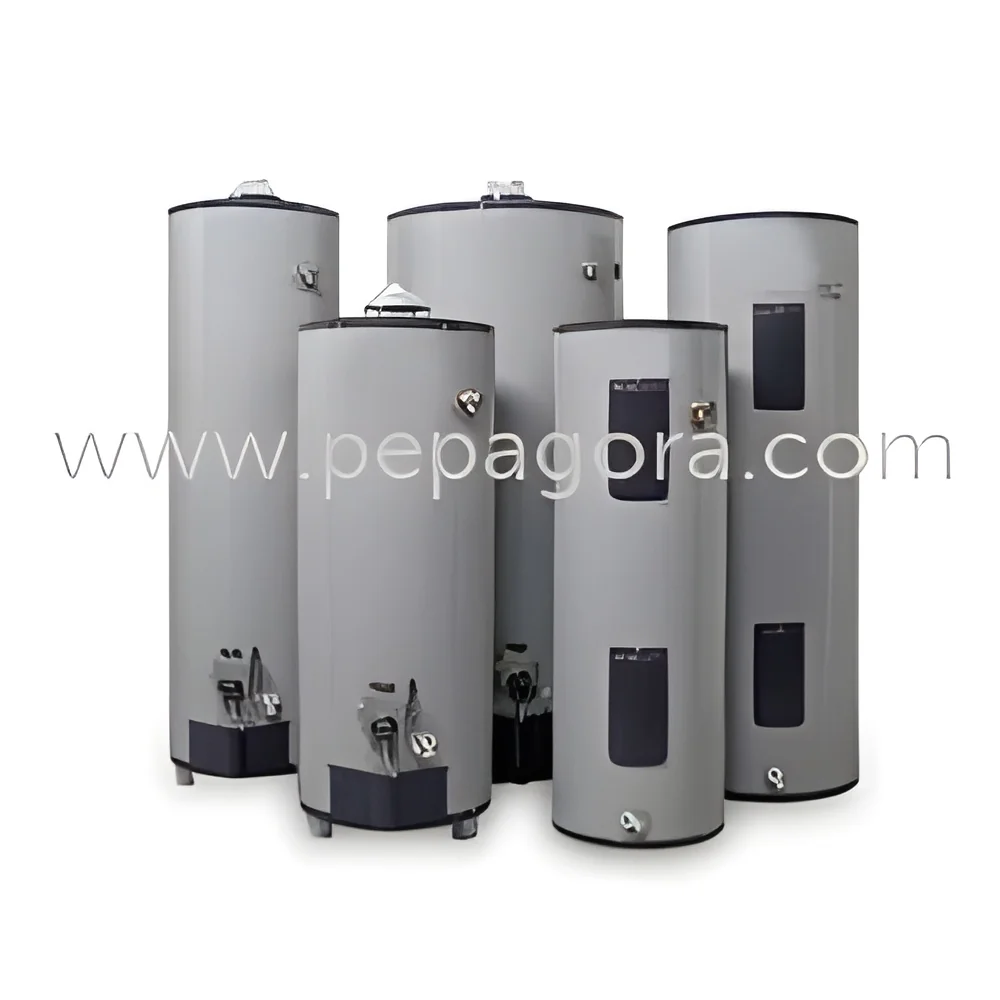
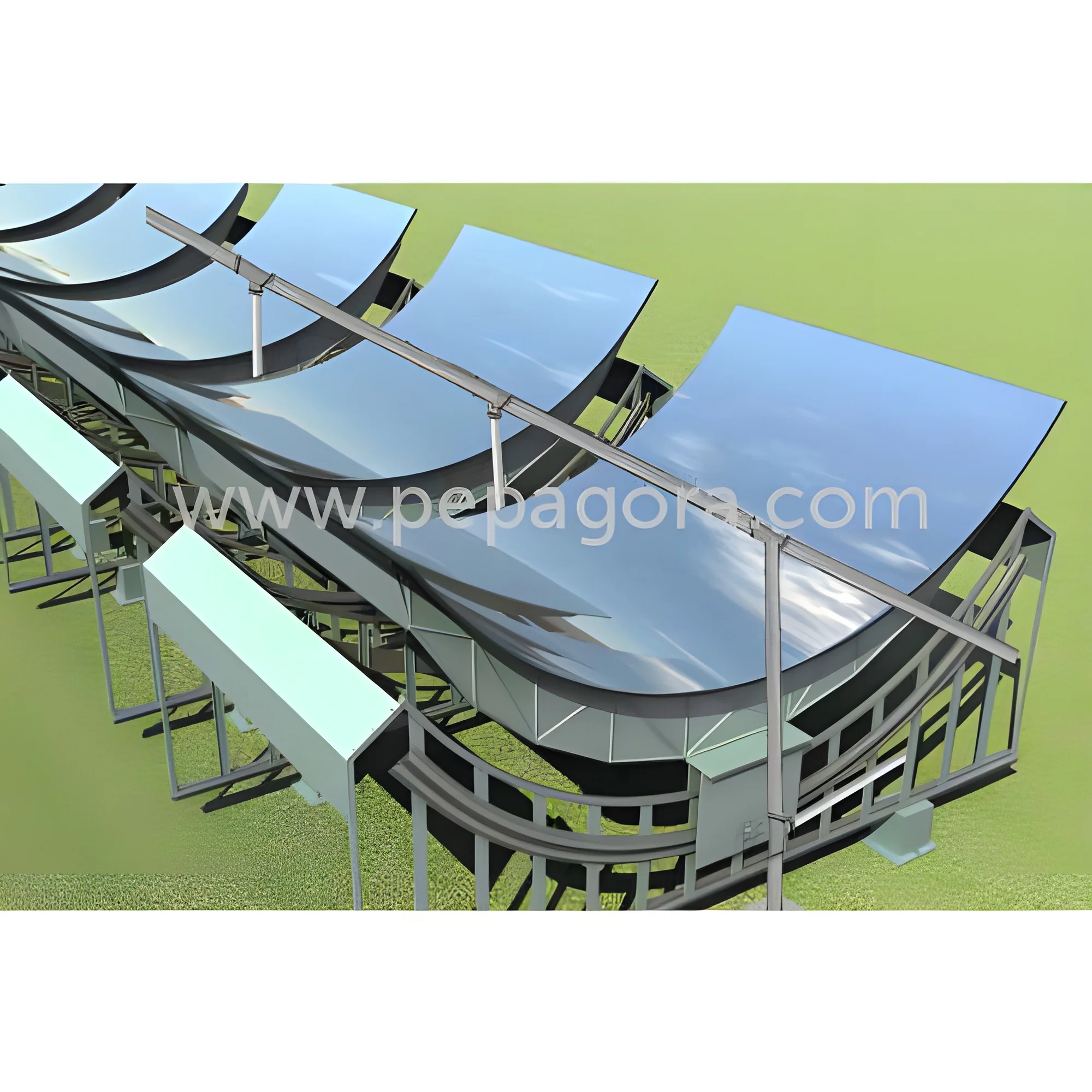
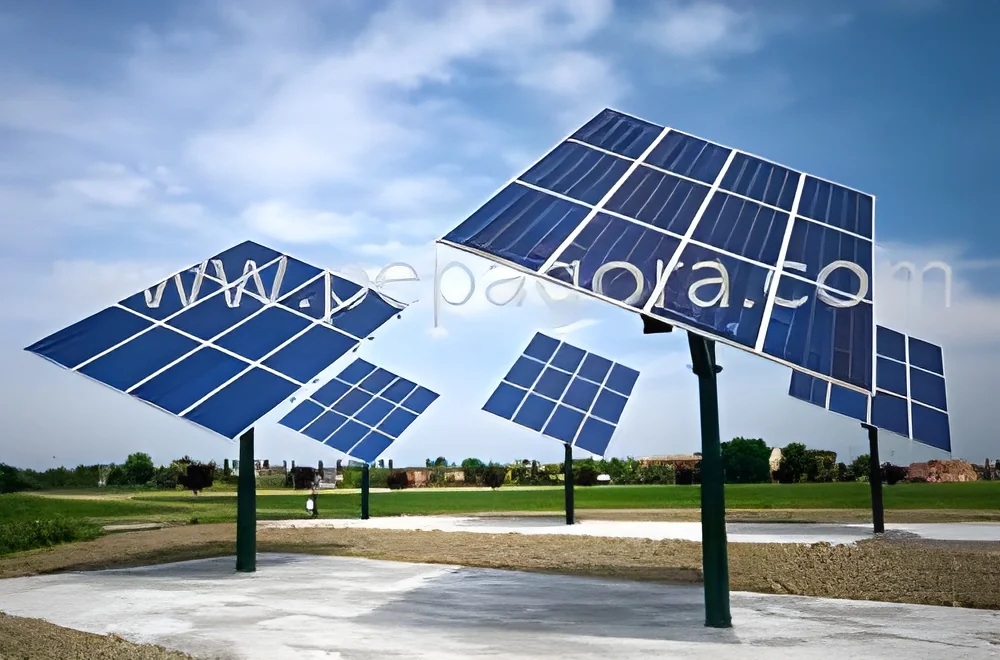
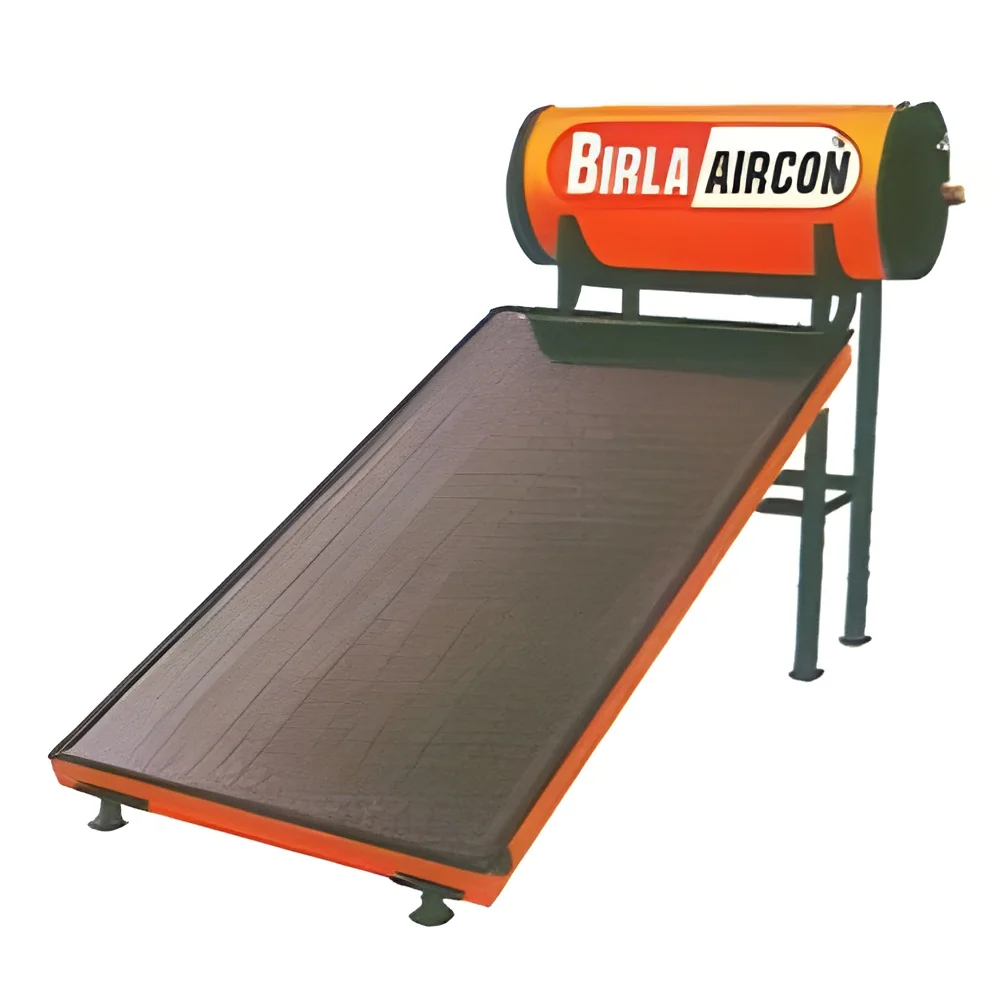
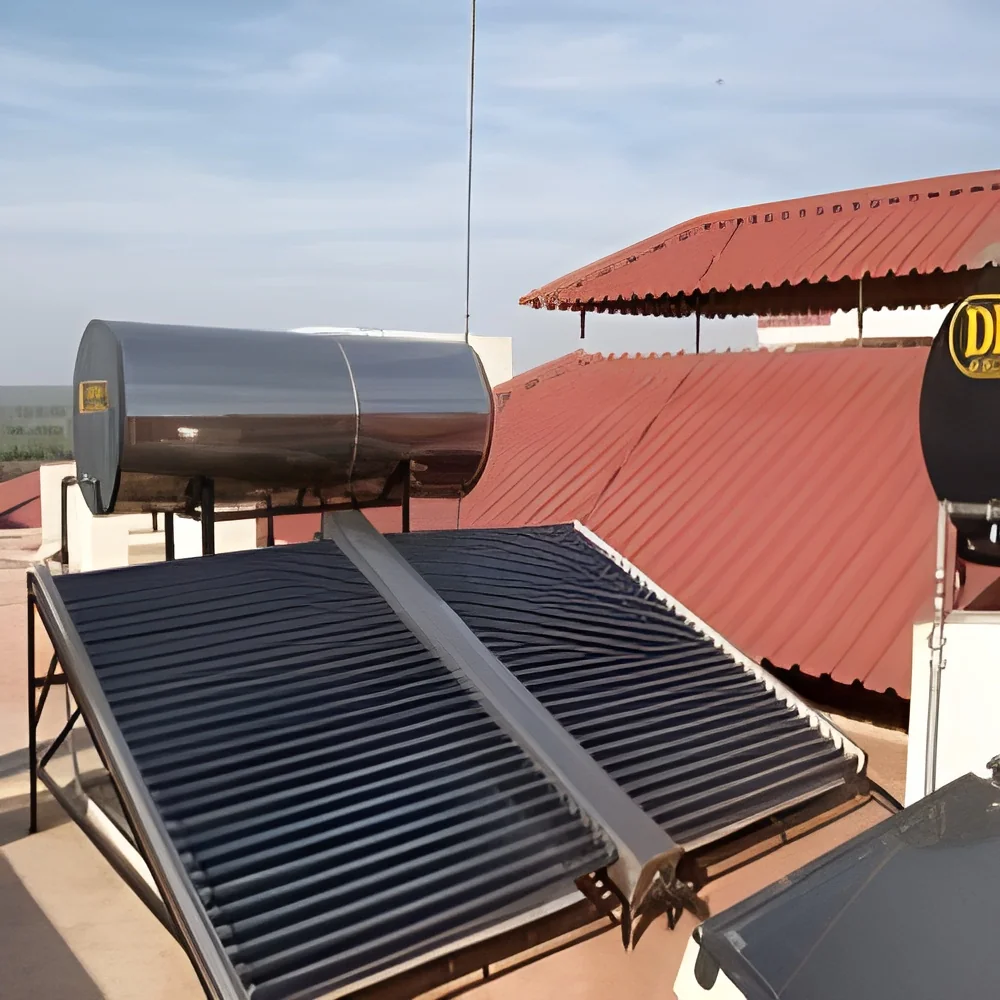
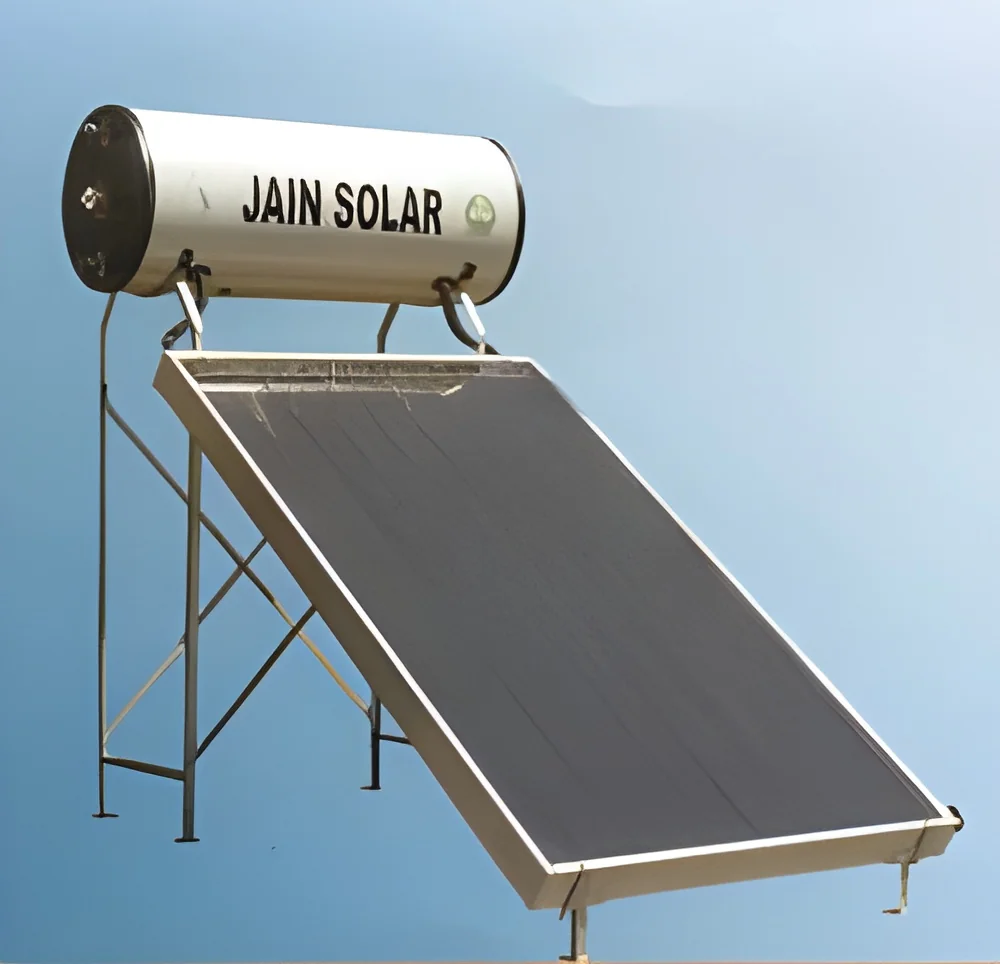
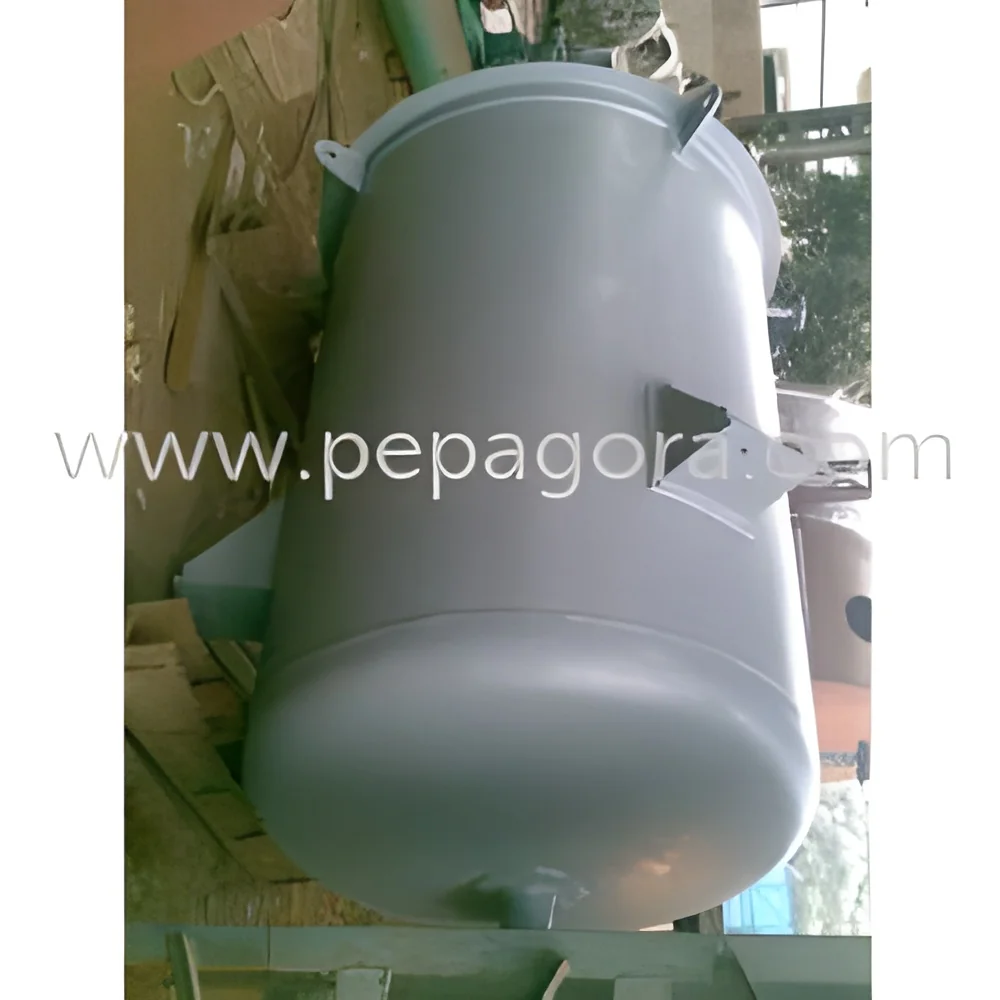
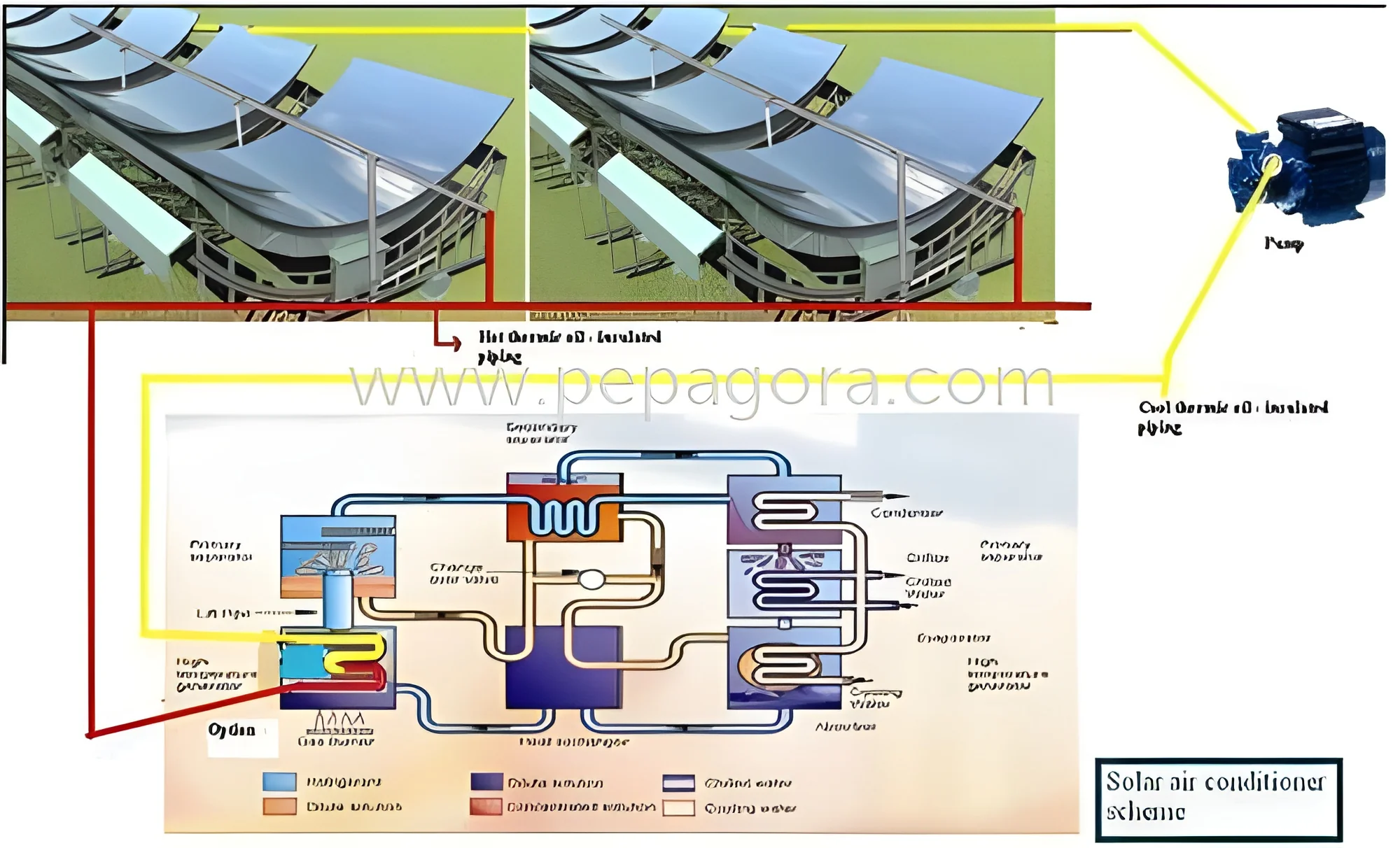
Solar water heaters are systems that utilize solar energy to heat water for residential and commercial use. They typically consist of a solar collector that absorbs sunlight, a storage tank to hold the heated water, and a pump to circulate the water through the system. By harnessing the sun's energy, these systems provide an energy-efficient alternative to conventional water heating methods, reducing reliance on fossil fuels and lowering energy costs.
Primary uses for solar water heaters include domestic hot water supply, swimming pool heating, and industrial process heating. Businesses in industries such as hospitality, healthcare, and food processing often depend on these systems to meet their hot water demands. With growing concerns about energy consumption and environmental sustainability, solar water heaters are becoming increasingly relevant in today's market, offering a compelling solution for energy savings and carbon footprint reduction.
In the context of the industrial and commercial sectors, solar water heaters are gaining traction as businesses seek to adopt renewable energy sources. The market for solar water heating is expanding, driven by advancements in technology, government incentives, and a shift toward sustainable practices.
Key Features and Specifications
Solar water heaters are characterized by several key features that enhance their performance and usability. Understanding these specifications is essential for businesses looking to invest in solar technology.
Key specifications include:
1. Collector Type
- Flat-plate collectors or evacuated tube collectors
- Efficiency ratings can vary depending on the type
2. Storage Capacity
- Available in various sizes, typically ranging from 100 to 300 liters
- Large systems can serve multiple applications simultaneously
3. Heating Efficiency
- Efficiency ratings generally between 30% to 70%
- Affects the amount of solar energy converted to usable heat
4. Temperature Range
- Typically, systems can heat water to temperatures between 40°C to 80°C
- Variations may depend on the collector design and climate conditions
5. Installation Type
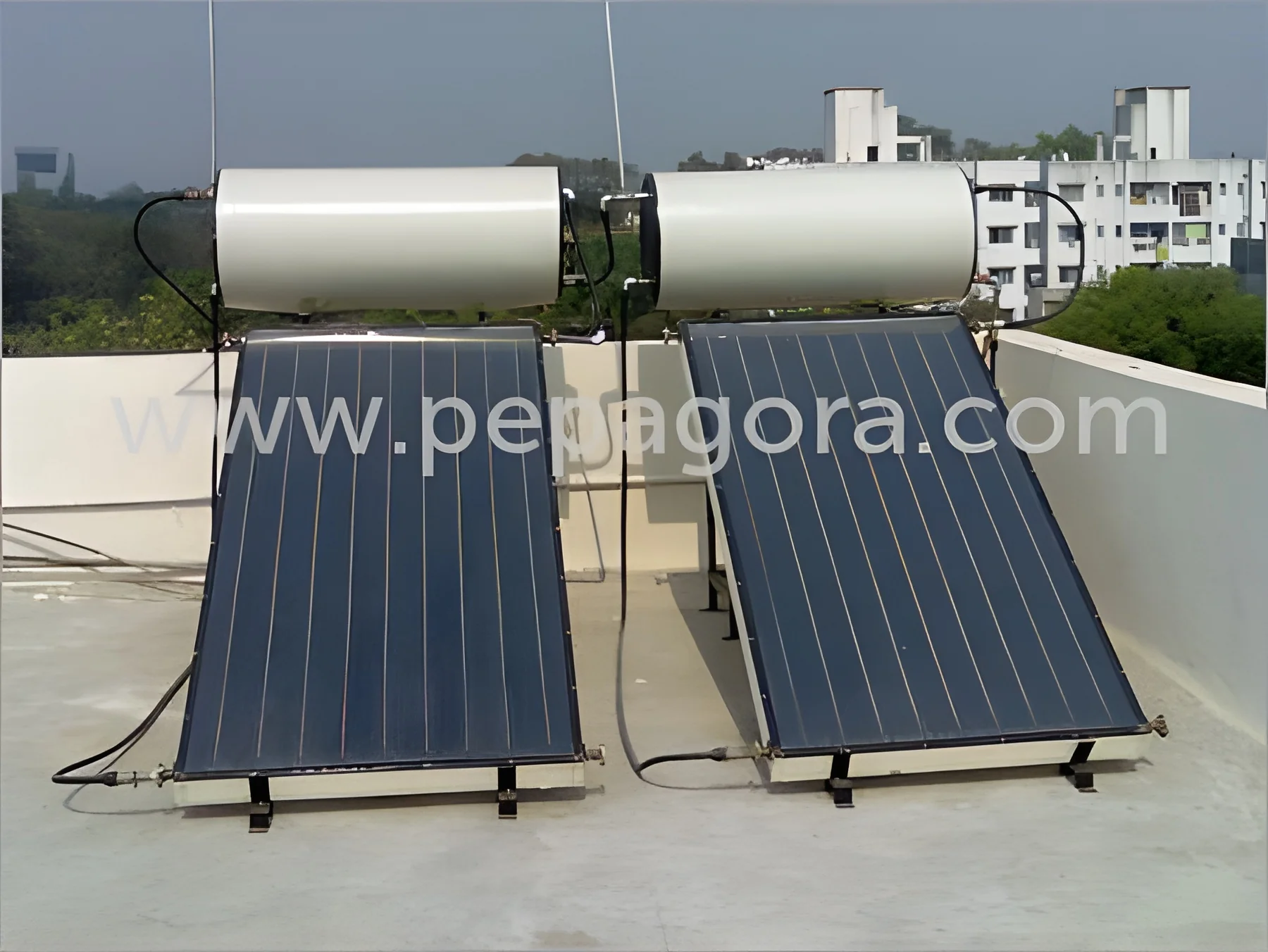
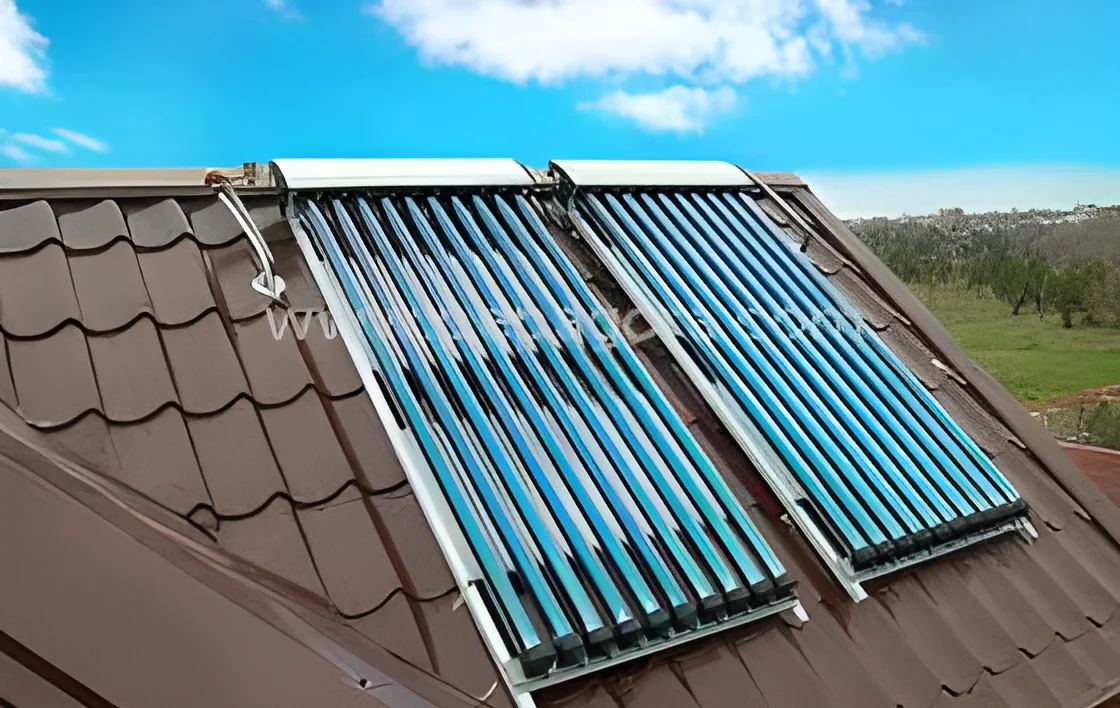
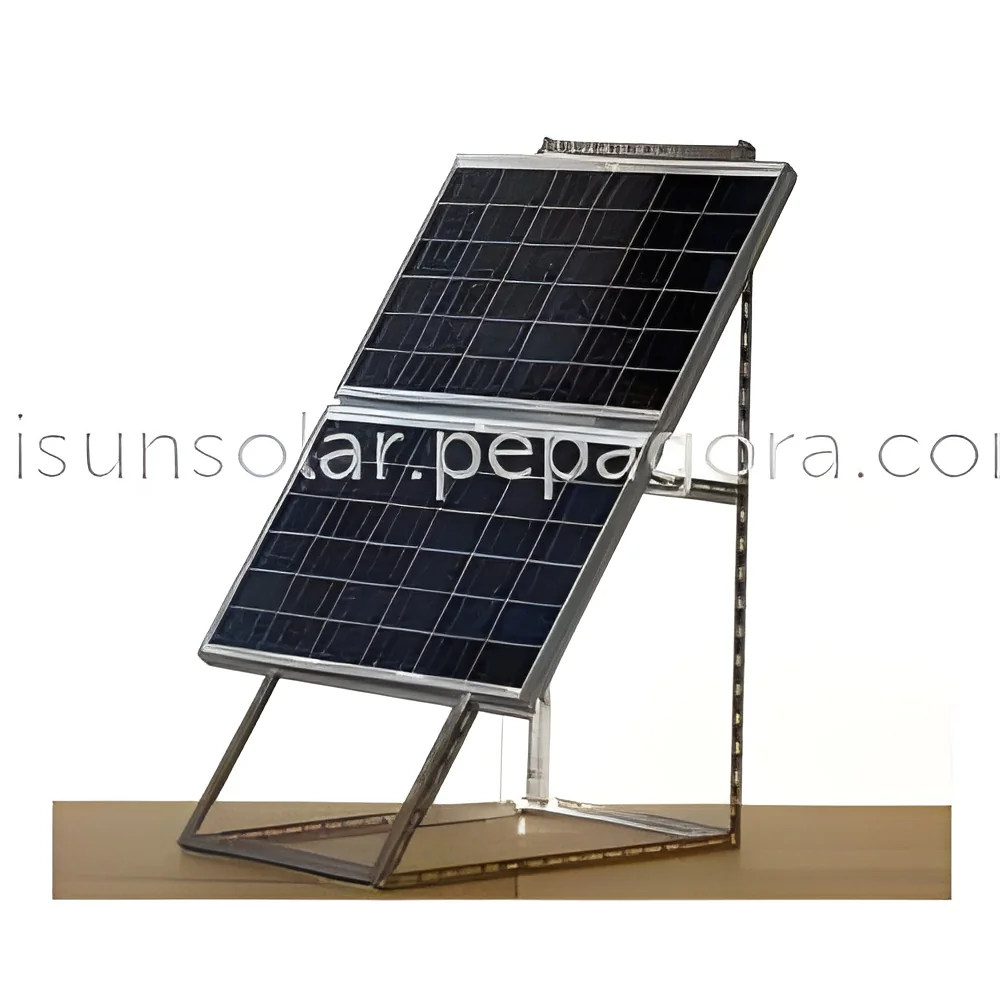
- Roof-mounted or ground-mounted options available
- Installation requirements can vary based on building structure
6. Durability and Maintenance
- Designed to withstand harsh weather conditions
- Requires minimal maintenance, usually once a year
7. Warranty Period
- Commonly offered warranties range from 5 to 10 years
- Ensures product reliability and longevity
These features collectively enhance the functionality of solar water heaters, making them a viable choice for diverse applications.
Common Applications and Use Cases
Solar water heaters are applicable across various industries, providing efficient heating solutions.
1. Hospitality: Hotels and resorts utilize solar water heaters to supply hot water for guest rooms and laundry services. This reduces energy costs and aligns with sustainability goals.
2. Healthcare: Hospitals and clinics require a constant supply of hot water for sanitation and sterilization processes. Solar water heaters can meet these demands while lowering operational costs.
3. Food Processing: Food manufacturers rely on hot water for cooking and cleaning. Solar water heaters can efficiently provide the necessary heat, improving energy efficiency and reducing waste.
4. Agriculture: Farms use solar water heaters for livestock watering and greenhouse heating, promoting sustainable agricultural practices.
5. Residential: Homeowners install solar water heaters to provide hot water for domestic use, significantly reducing utility bills.
6. Educational Institutions: Schools and universities implement solar water heating systems for dormitories and cafeteria services, supporting energy savings initiatives.
7. Industrial: Factories often need hot water for various processes. Solar water heaters can be integrated into these operations for cost-effective solutions.
Product Variants and Subcategories
Solar water heaters come in a variety of designs to suit different needs. This diversity allows businesses to select systems tailored to their specific applications.
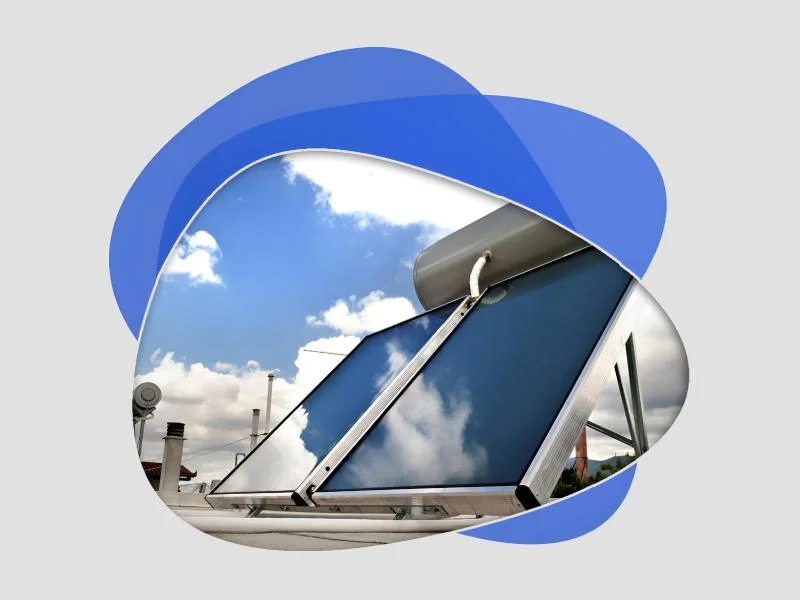
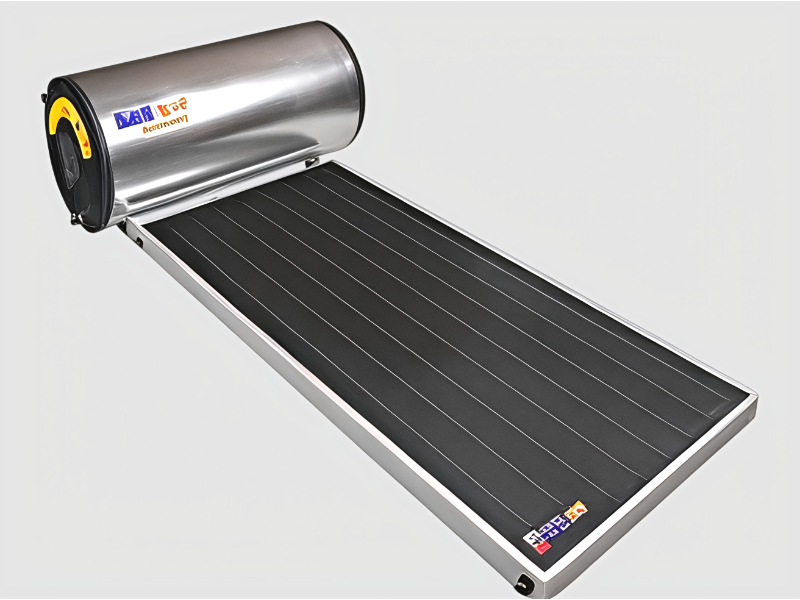
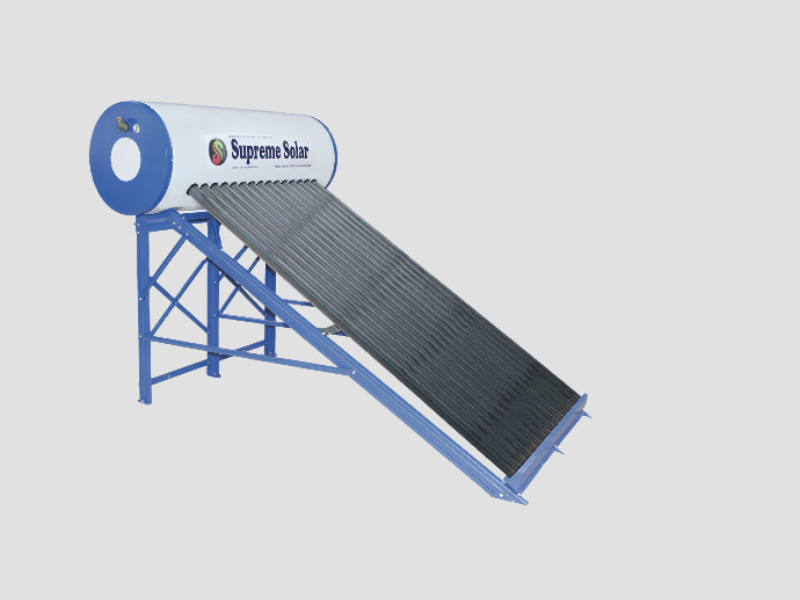
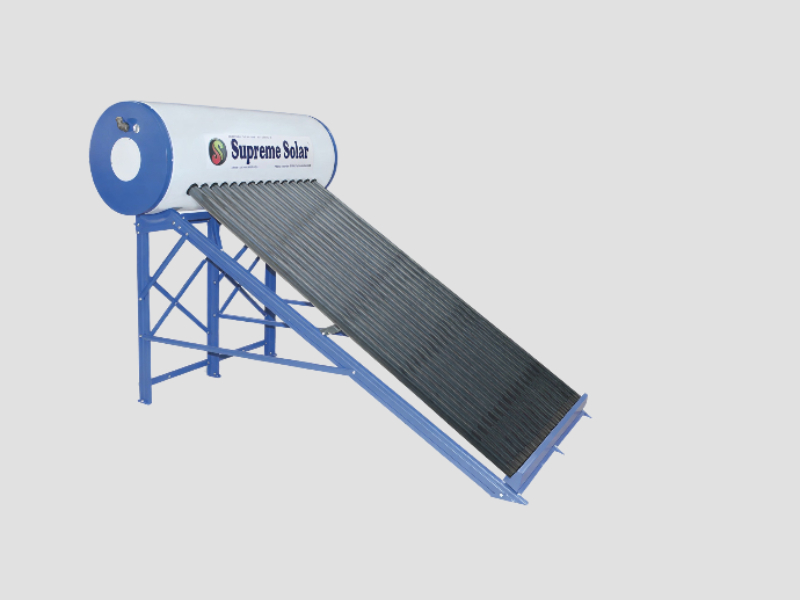
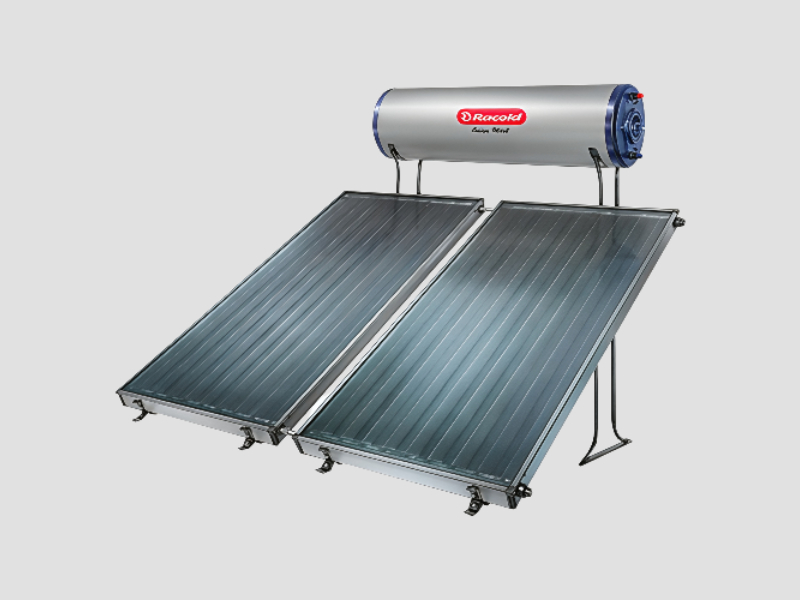
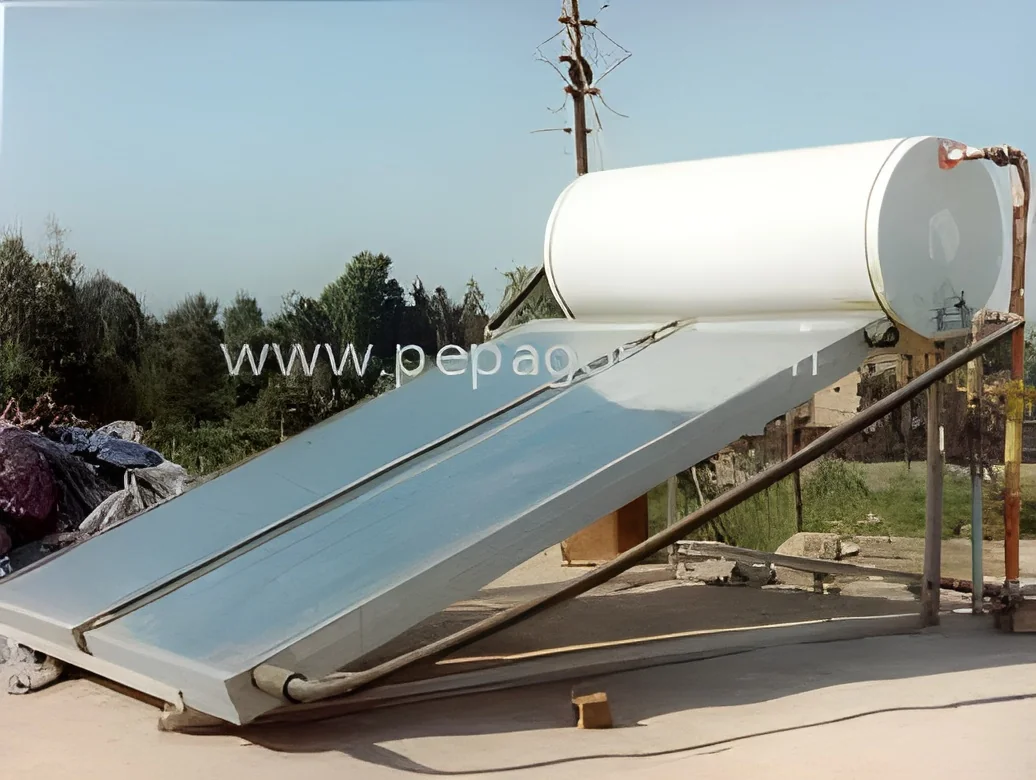
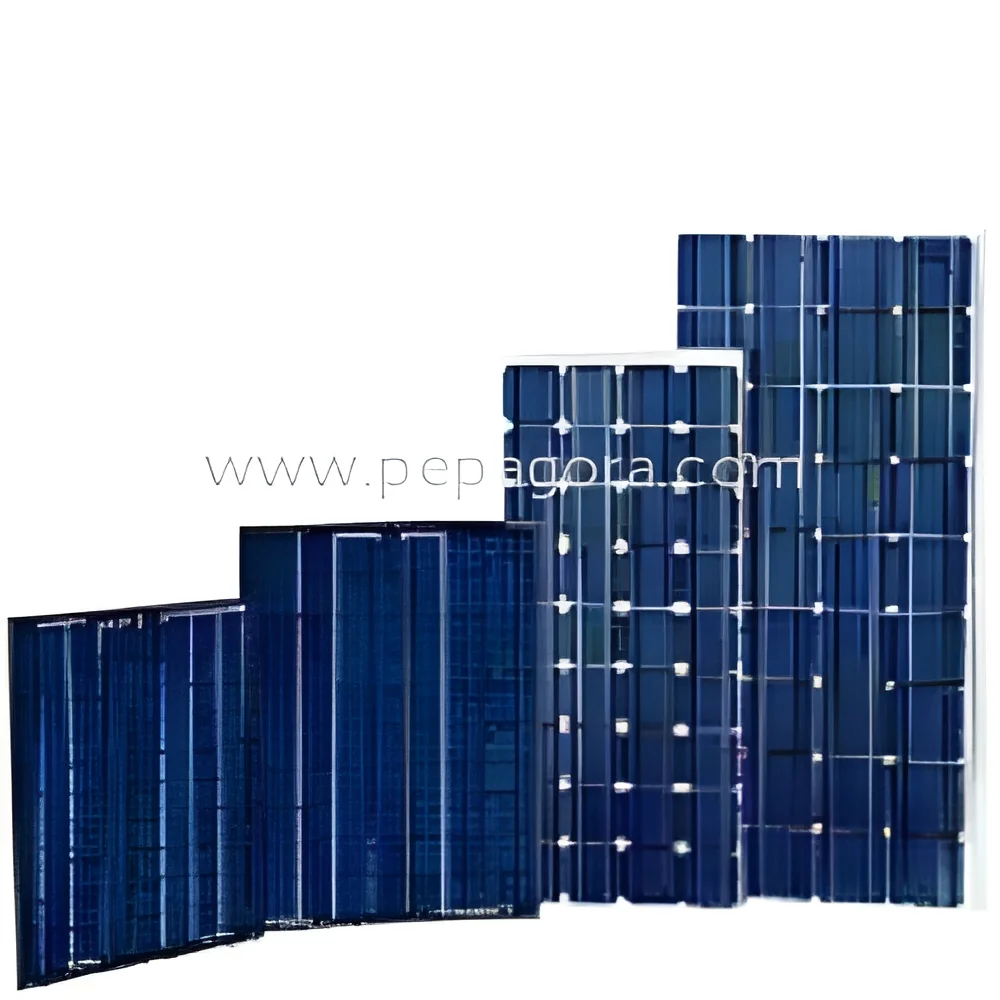
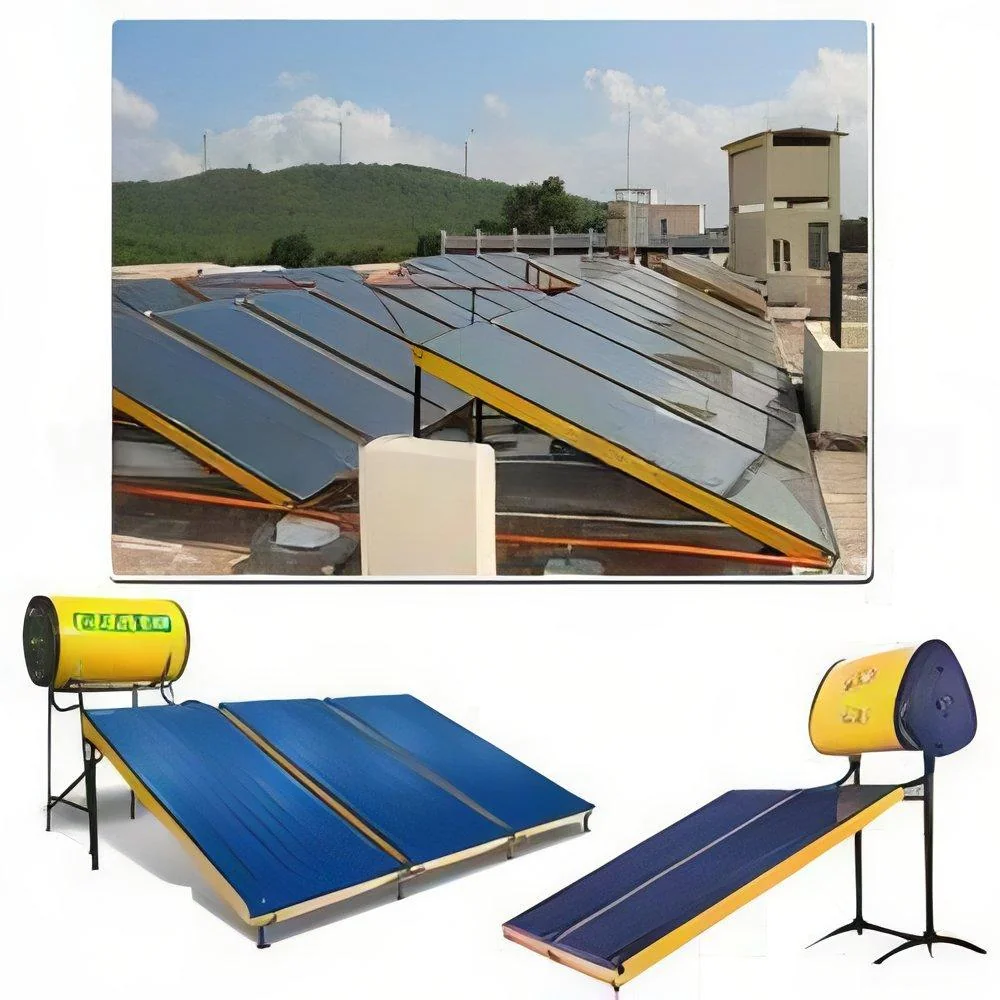
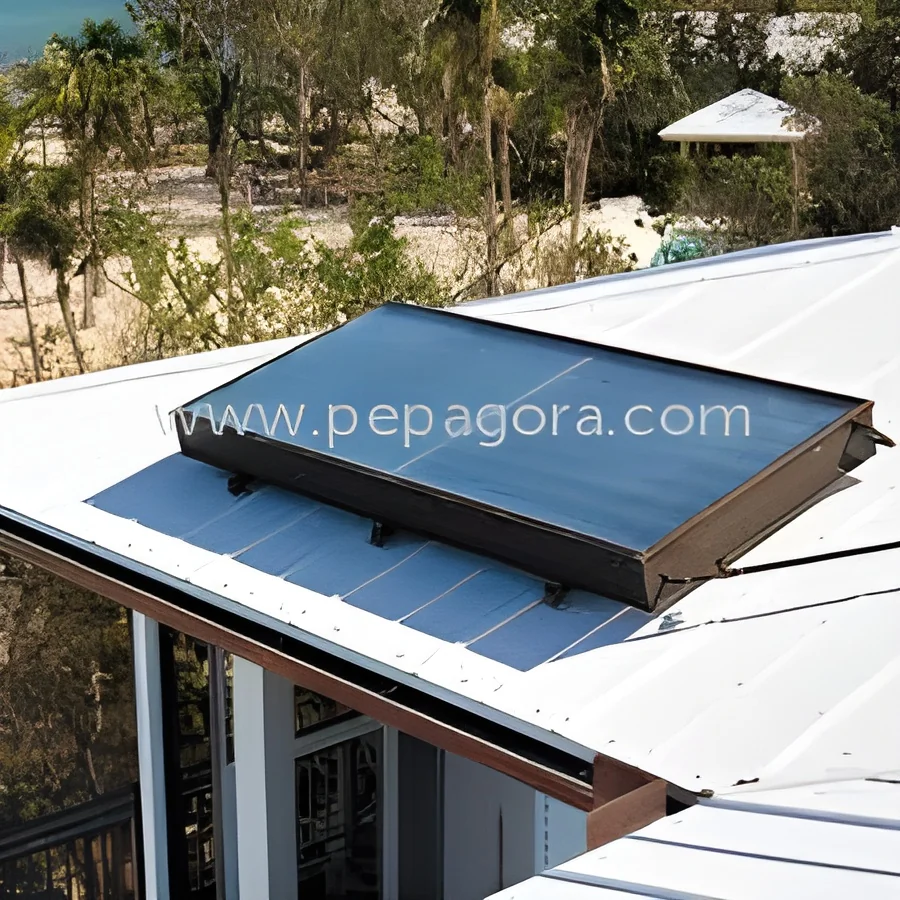
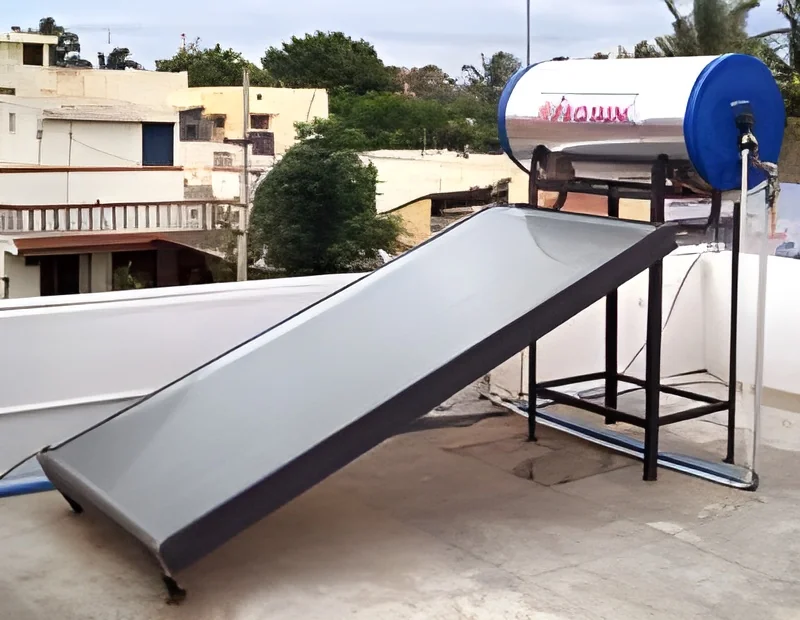
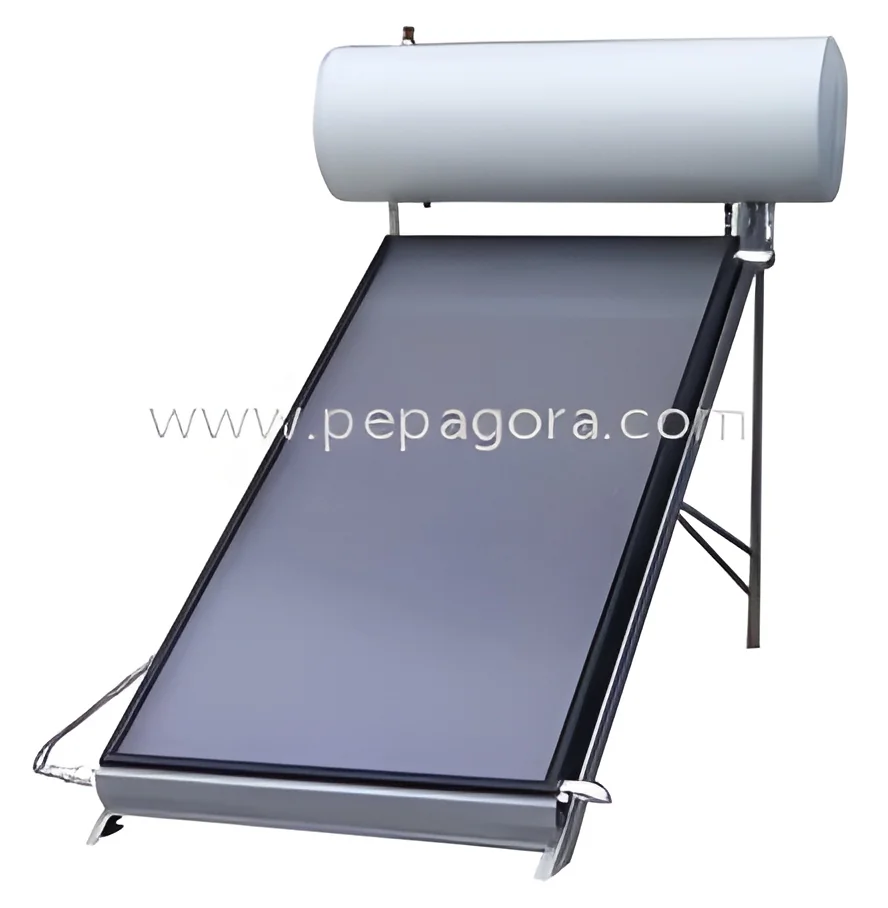
Flat-Plate Solar Water Heaters: These systems utilize a flat-plate collector to absorb sunlight. They are typically used in residential and small commercial applications due to their cost-effectiveness and ease of installation.
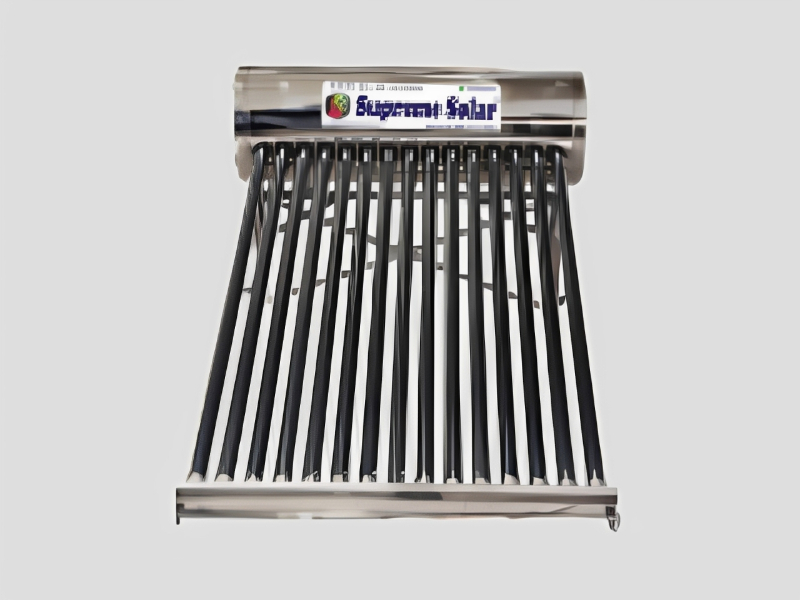
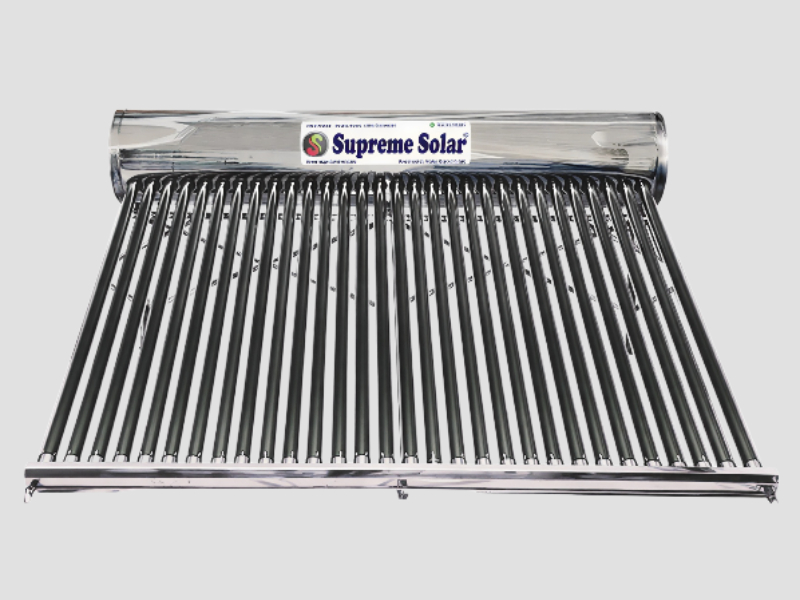
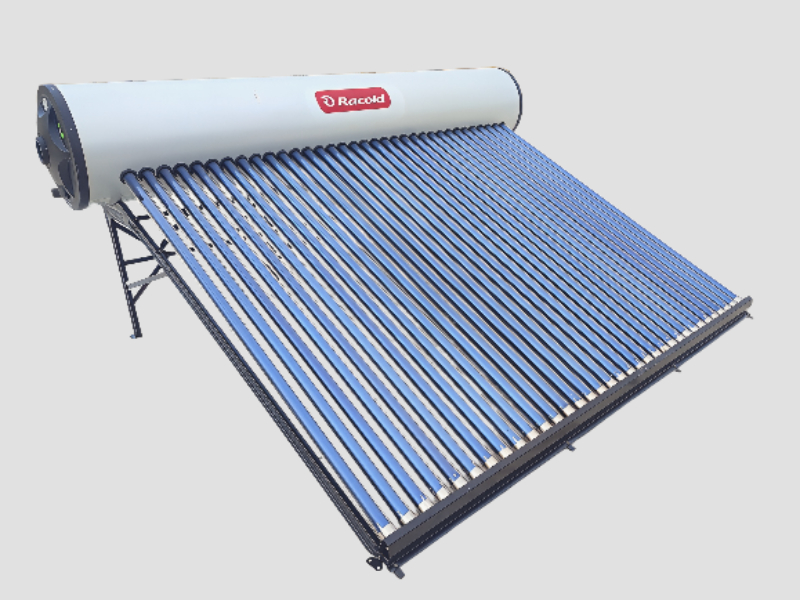
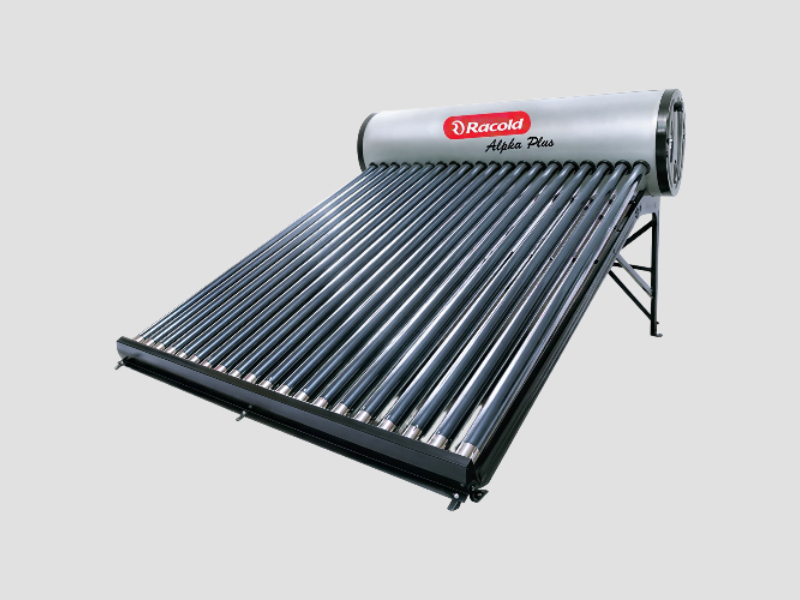
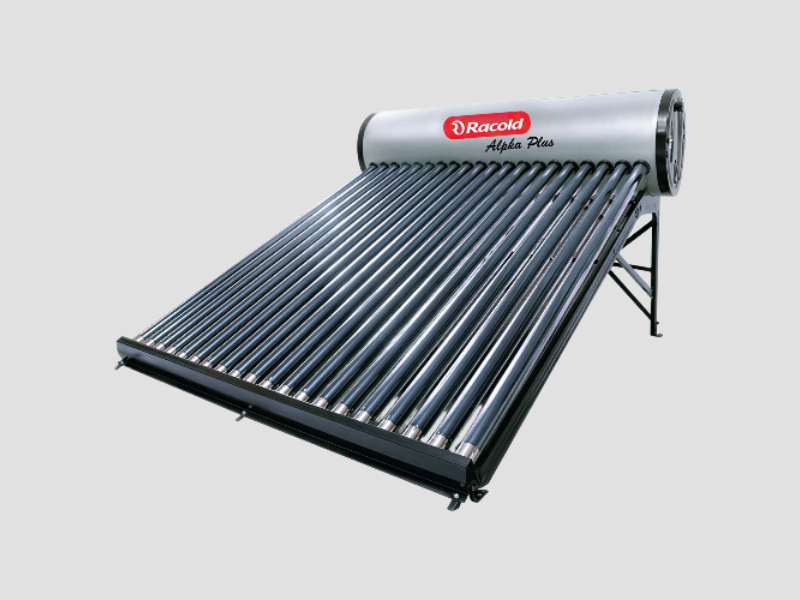
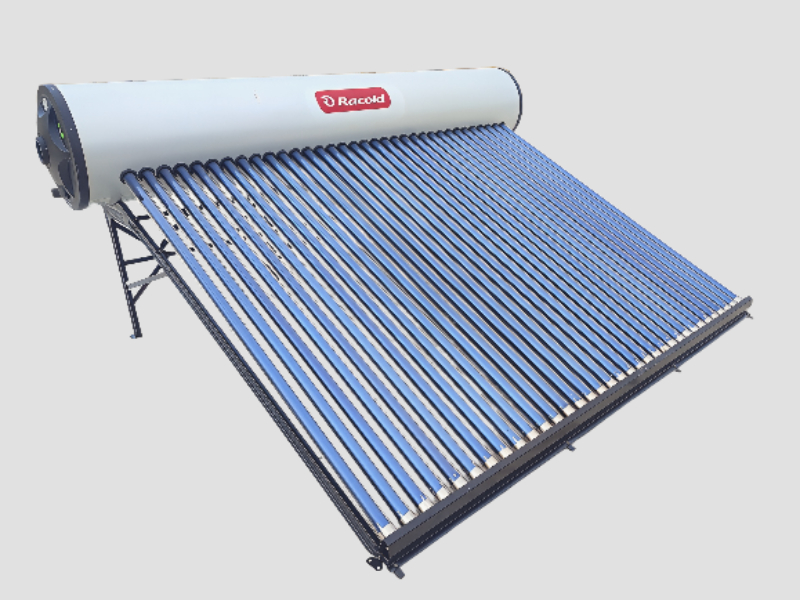
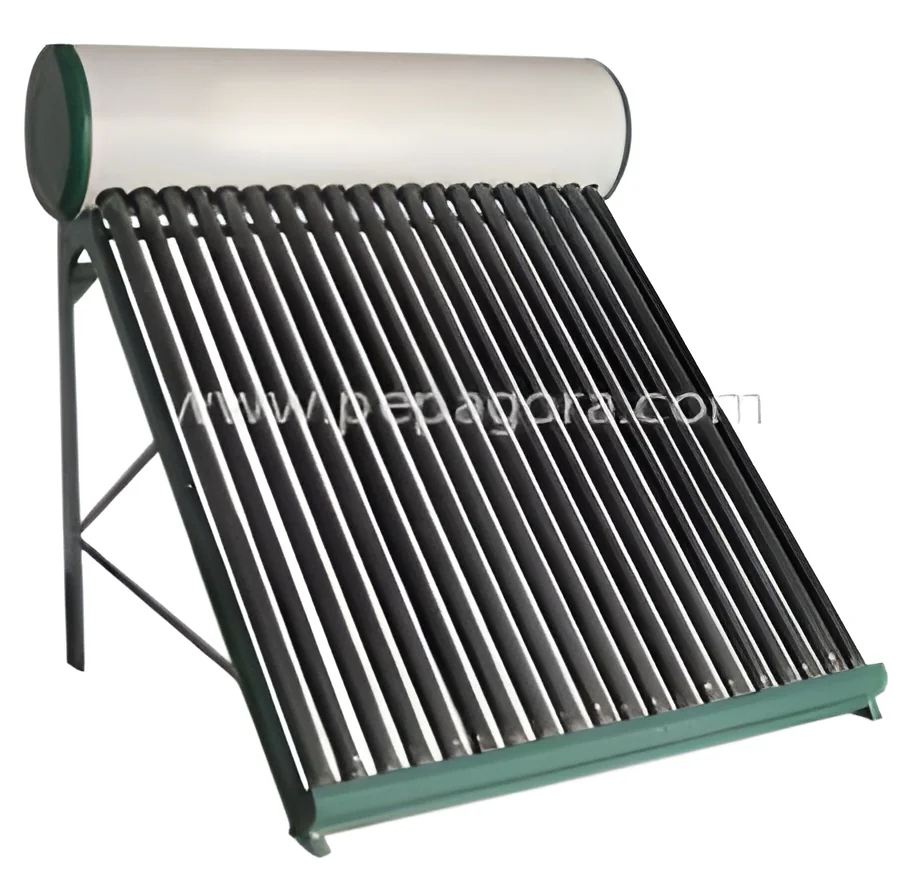
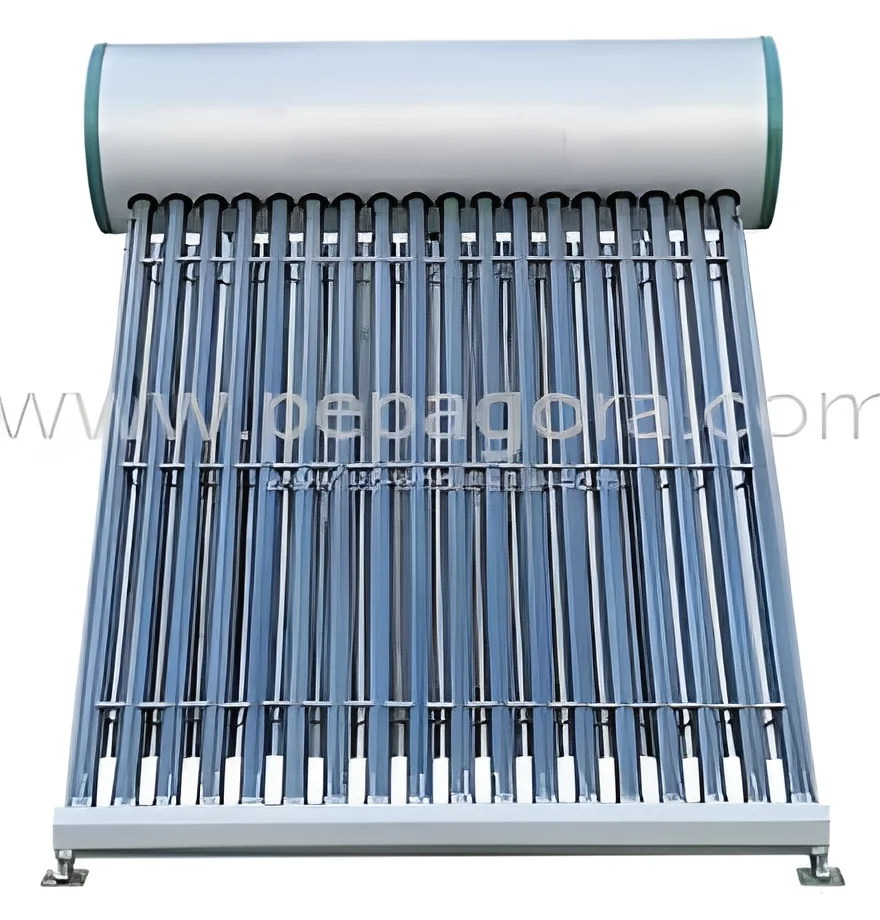
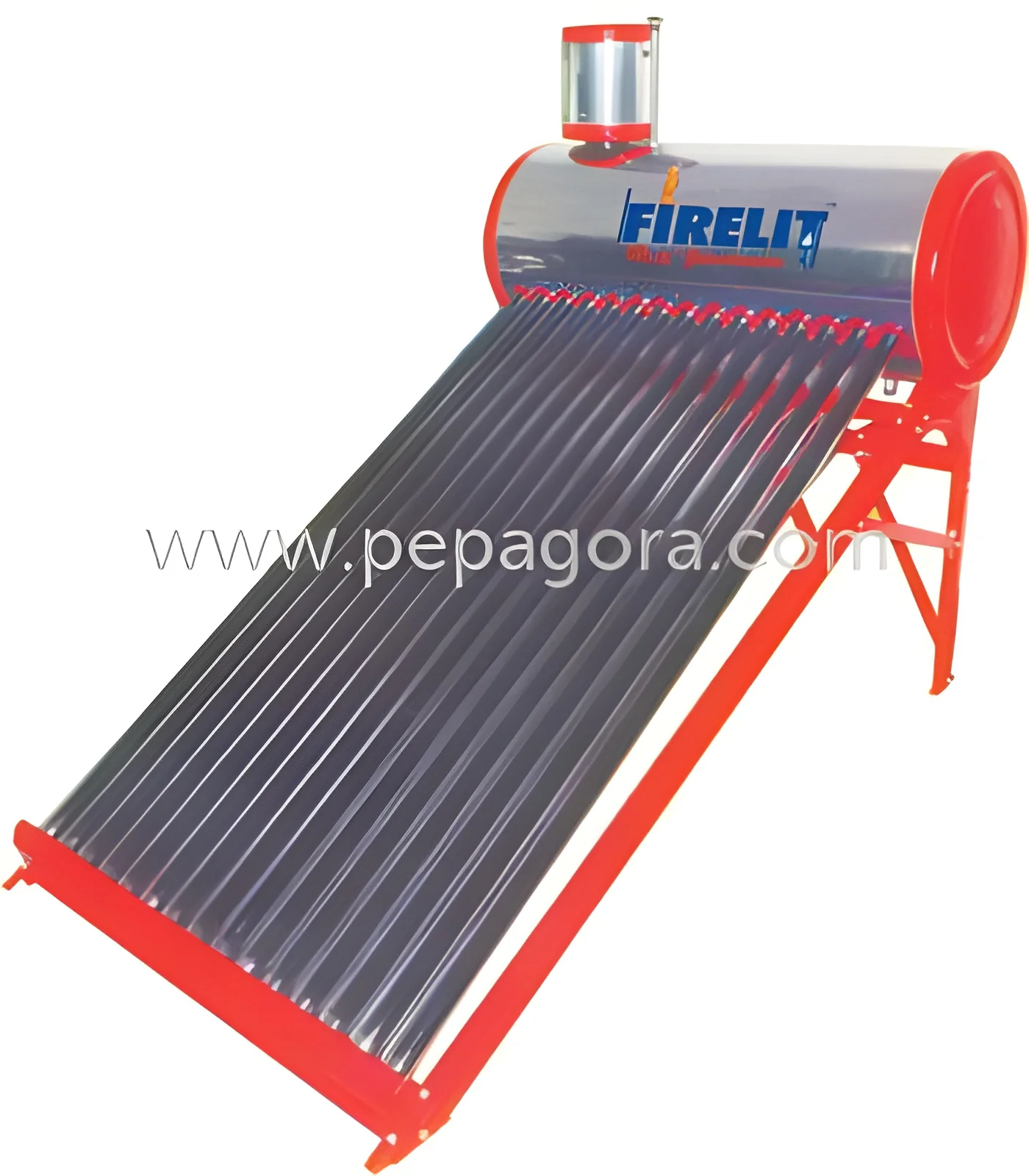
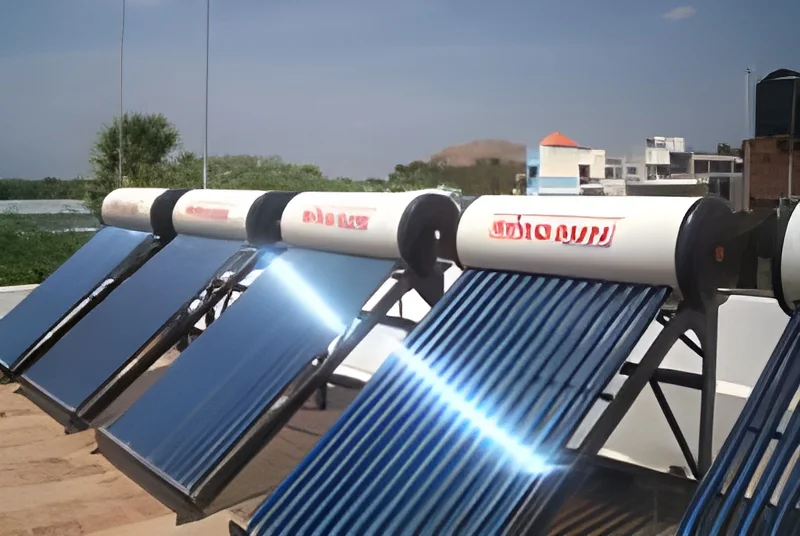
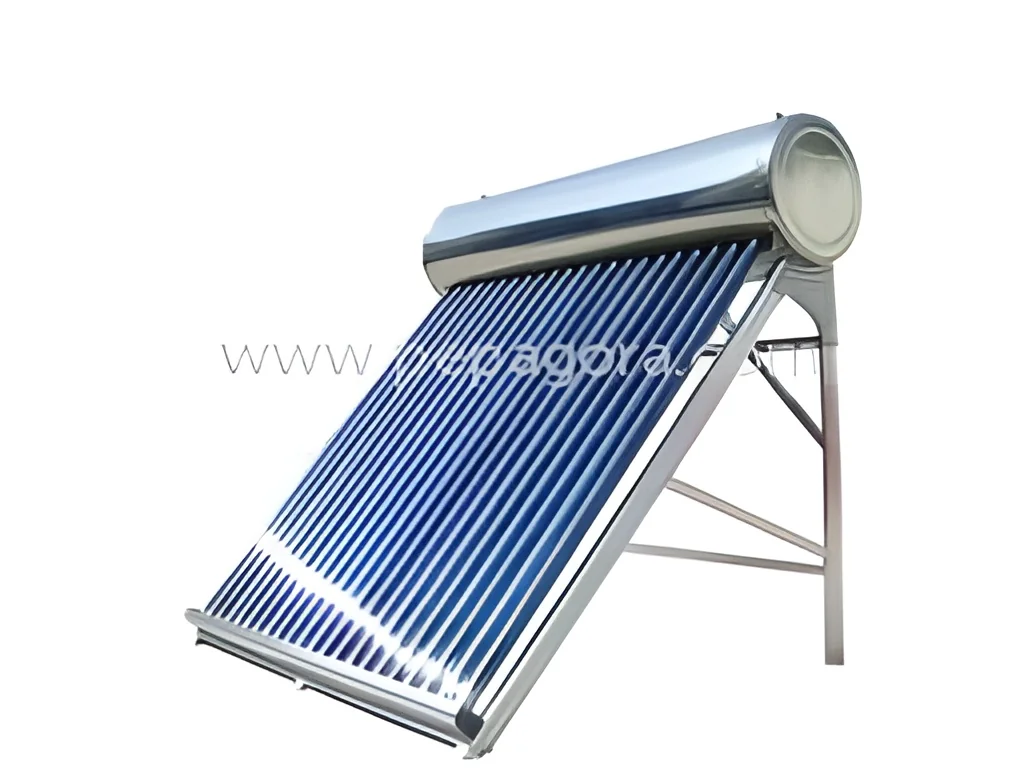
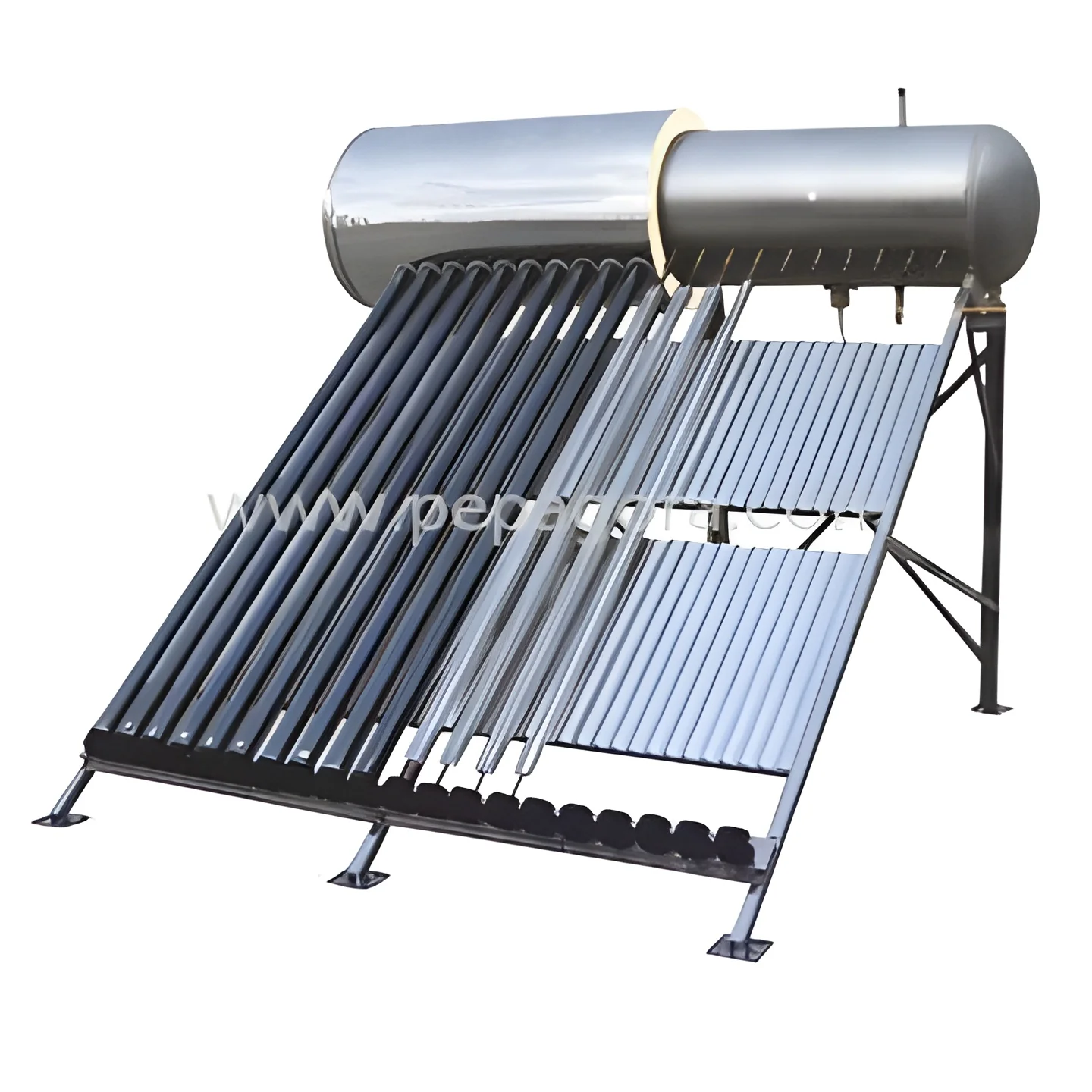
Evacuated Tube Solar Water Heaters: Featuring cylindrical tubes that minimize heat loss, these heaters are more efficient in colder climates. They are suitable for larger commercial applications, providing reliable hot water supply year-round.
Batch Solar Water Heaters: Also known as thermosiphon systems, these heaters store water in a tank located above the collector. They are simple in design and ideal for areas with ample sunlight.
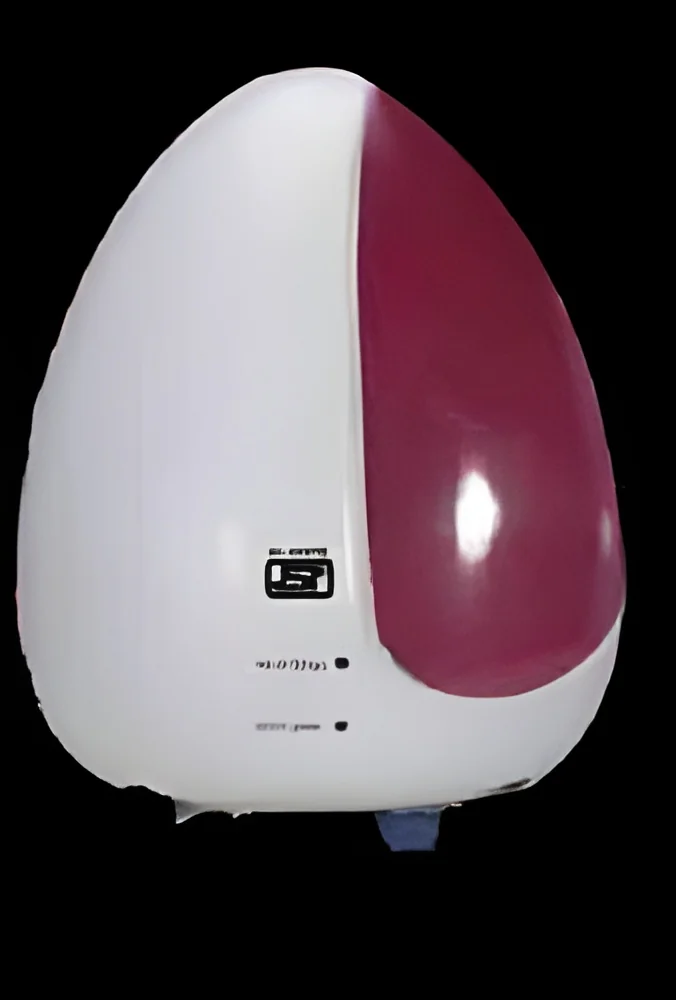
Integrated Solar Water Heaters: These systems combine the collector and storage tank into a single unit. They are compact and efficient, suitable for small spaces.
Benefits and Advantages
Solar water heaters offer numerous advantages for businesses looking to improve their energy efficiency and sustainability.
Key benefits include:
1. Cost Savings: By utilizing solar energy, businesses can significantly reduce their energy costs, leading to long-term financial savings.
2. Environmental Impact: Solar water heaters contribute to lower greenhouse gas emissions, promoting a cleaner environment and aligning with corporate social responsibility goals.
3. Energy Independence: Solar water heaters reduce reliance on conventional energy sources, increasing energy security for businesses.
4. Low Maintenance: These systems typically require minimal maintenance, reducing operational disruptions and costs.
5. Incentives and Rebates: Many regions offer financial incentives for adopting solar technology, making it a more attractive investment.
6. Enhanced Property Value: Installing solar water heaters can increase the value of a property, appealing to environmentally conscious buyers.
Buying Guide for B2B Buyers
When sourcing solar water heaters, businesses should consider several critical factors to ensure a successful purchase.
1. Quality Assessment: Evaluate the quality of materials and construction. Look for products that meet industry standards, ensuring durability and performance.
2. Supplier Verification: Vet suppliers to confirm their reputation and reliability. Check for certifications and customer reviews to ensure a trustworthy partnership.
3. Pricing and MOQ: Understand the pricing structure and minimum order quantities (MOQ). This information is crucial for budgeting and planning procurement.
4. Delivery and Lead Times: Discuss logistics and expected delivery times with suppliers to ensure timely installation and operation.
5. Compliance Requirements: Identify any regulatory compliance necessary for installation and operation in your region. This includes safety standards and certifications that may apply.
Compliance and Certifications
Solar water heaters are subject to various industry standards and certifications that ensure their quality and safety.
Relevant quality standards such as ISO 9001 ensure that manufacturers adhere to consistent quality management systems. This certification signifies that the production process meets international standards.
Additionally, compliance with CE certification is crucial for products marketed in Europe. This certification guarantees that the product meets health, safety, and environmental protection requirements.
Safety and testing requirements are also paramount. Solar water heaters undergo rigorous testing to validate their efficiency and reliability under various conditions.
Regional compliance considerations may vary, so it is essential for manufacturers and suppliers to stay updated on local regulations to ensure their products meet all necessary criteria.
Why Source Solar Water Heaters from Pepagora?
Pepagora offers a trusted platform for sourcing solar water heaters, providing numerous advantages for businesses.
Verified Supplier Network: Pepagora connects buyers with a network of verified suppliers, ensuring that businesses can trust the quality and reliability of their purchases.
Streamlined RFQ Process: The platform simplifies the request for quotation process, allowing buyers to efficiently compare offers and select the best options for their needs.
Trade Assurance and Support: Pepagora provides trade assurance, protecting buyers throughout the procurement process. This support fosters confidence in sourcing decisions.
Regional Coverage: With a focus on markets in India, the GCC, and Southeast Asia, Pepagora offers extensive geographic reach, making it easier for businesses to find suitable solar water heating solutions.

 IN
IN