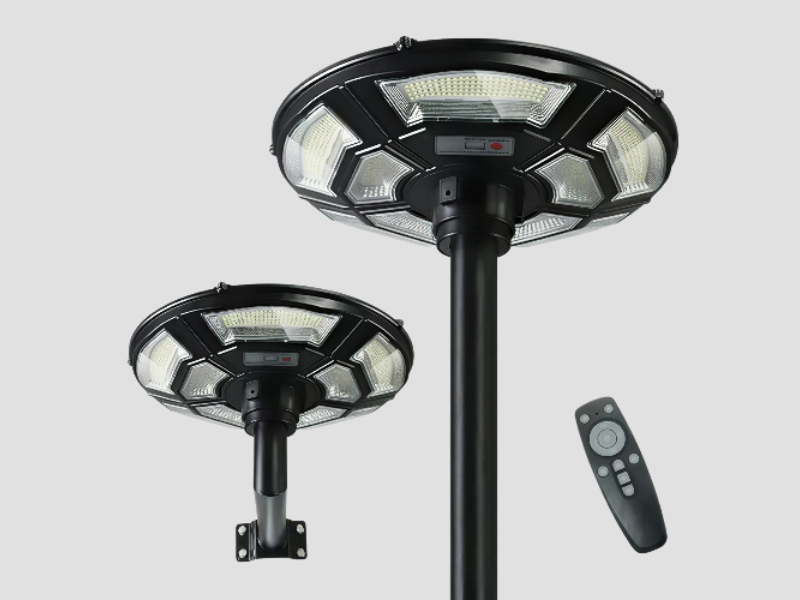
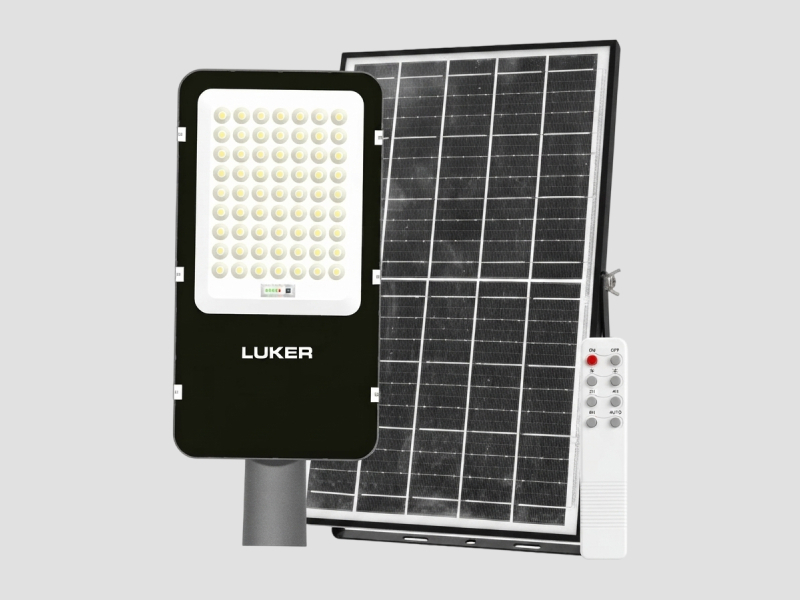
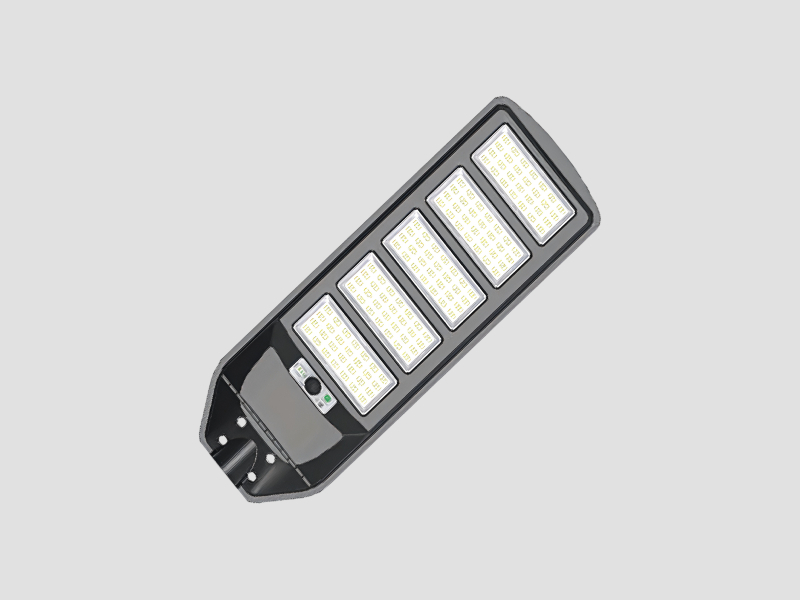
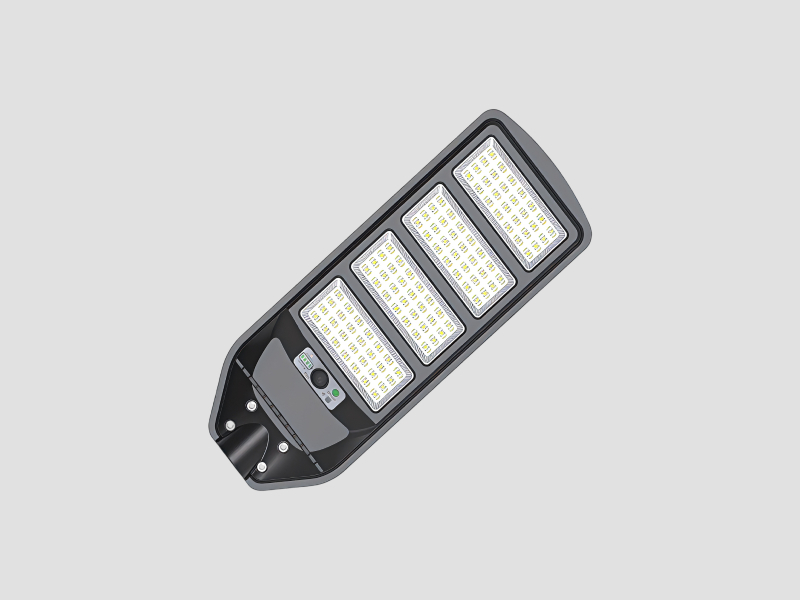
What are Solar Street Lights?
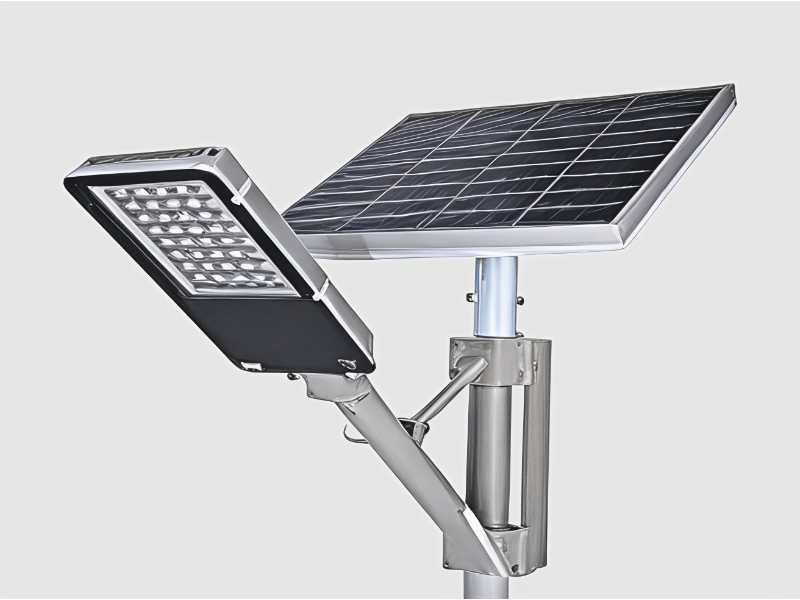
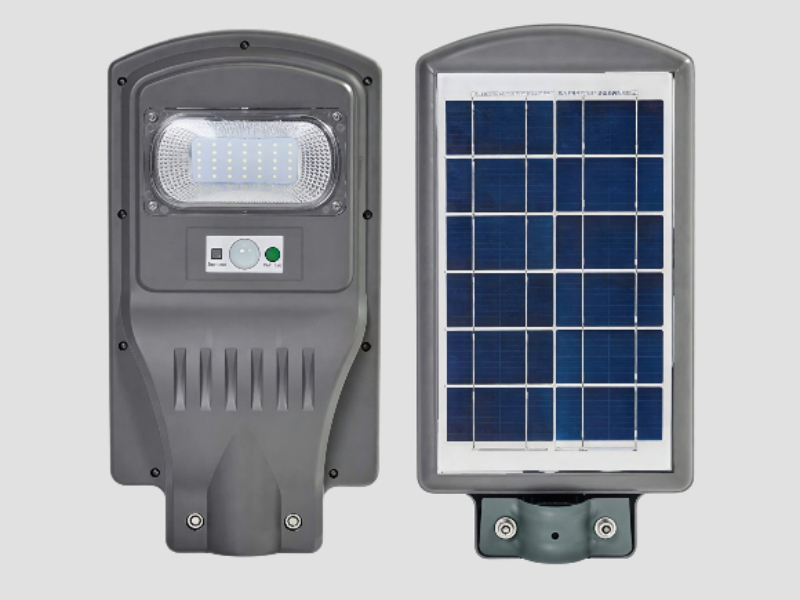
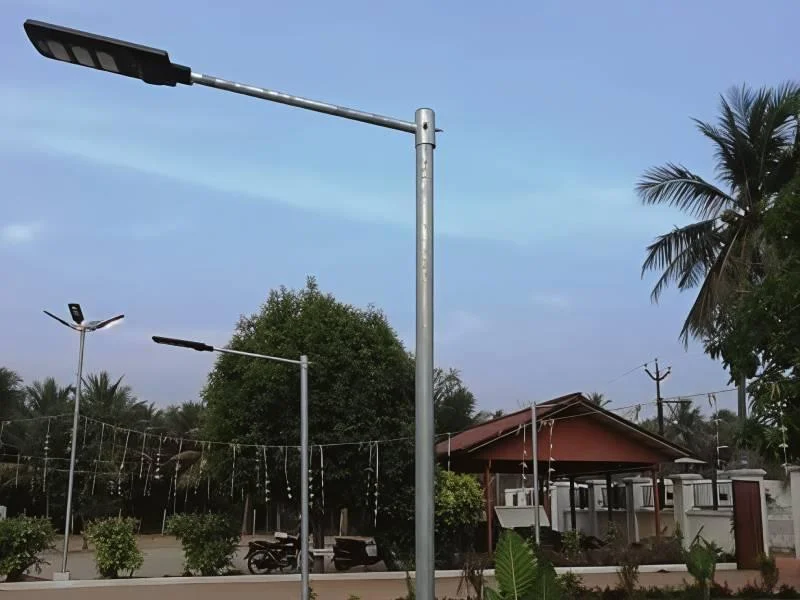
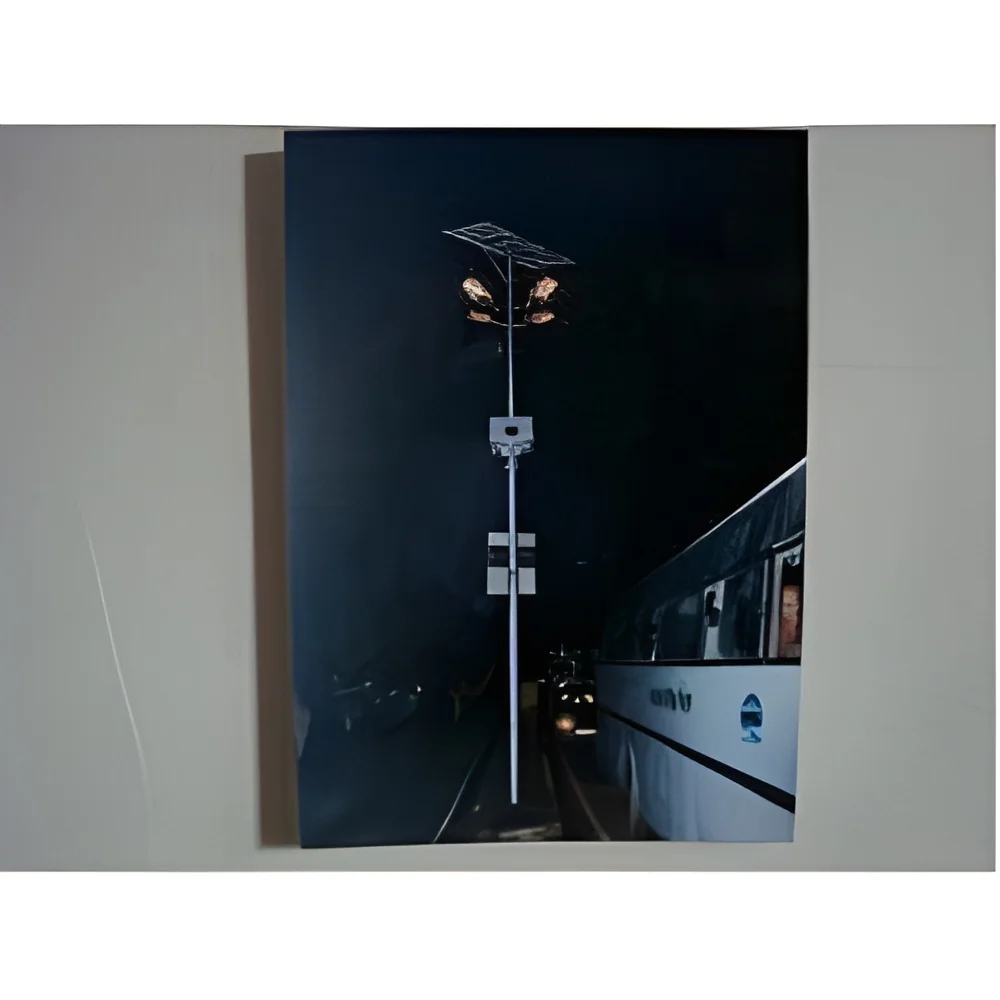
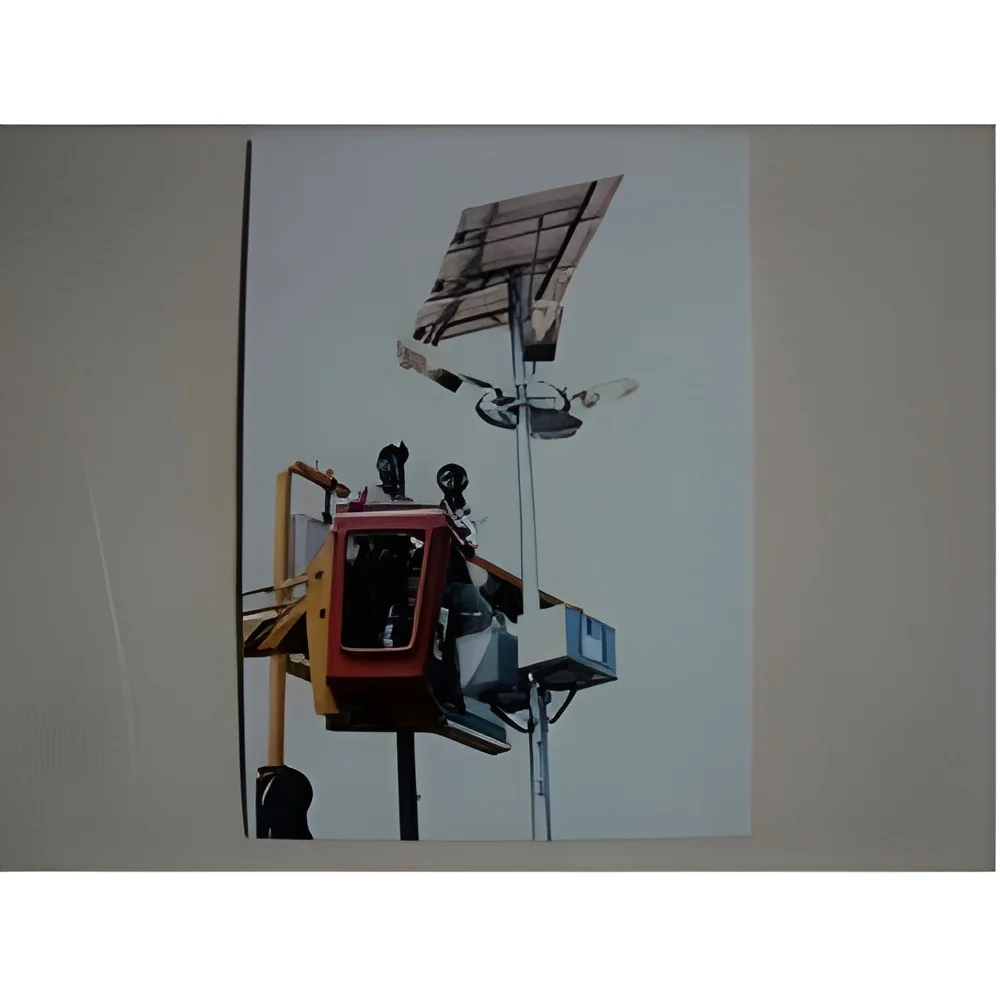
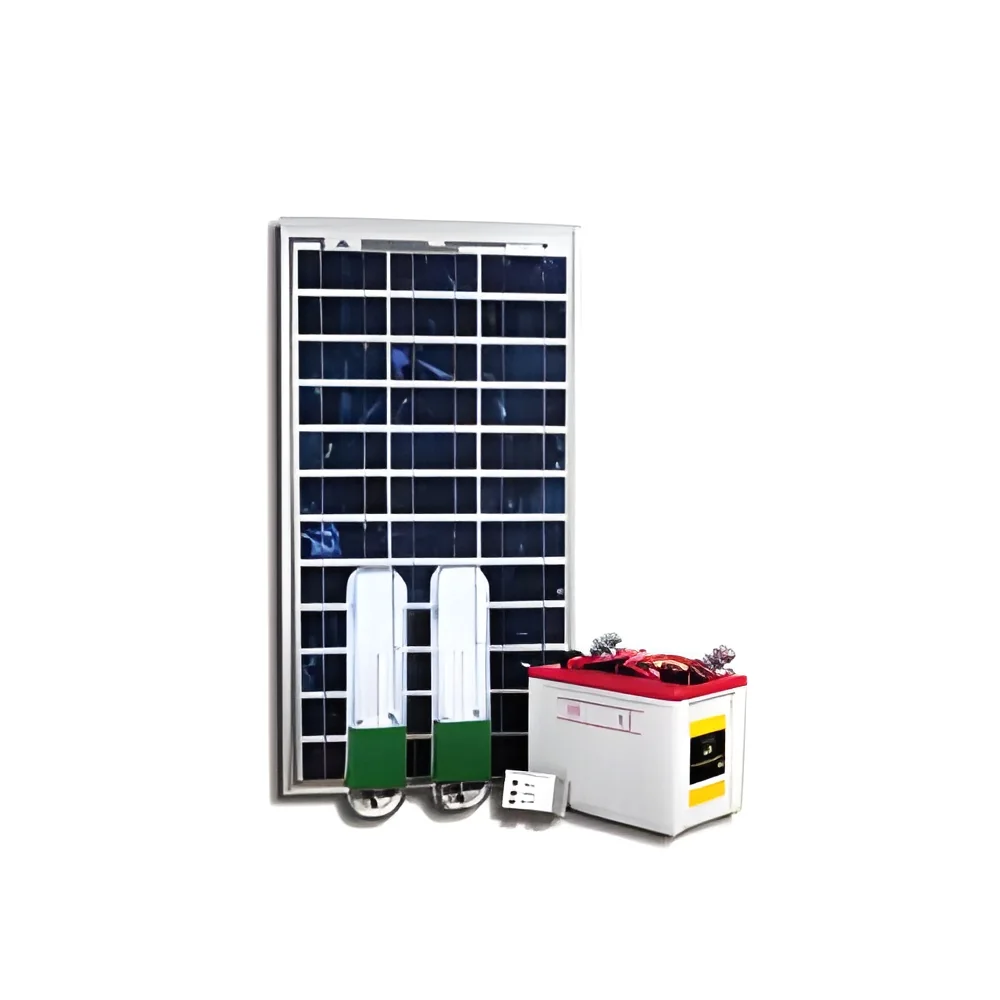
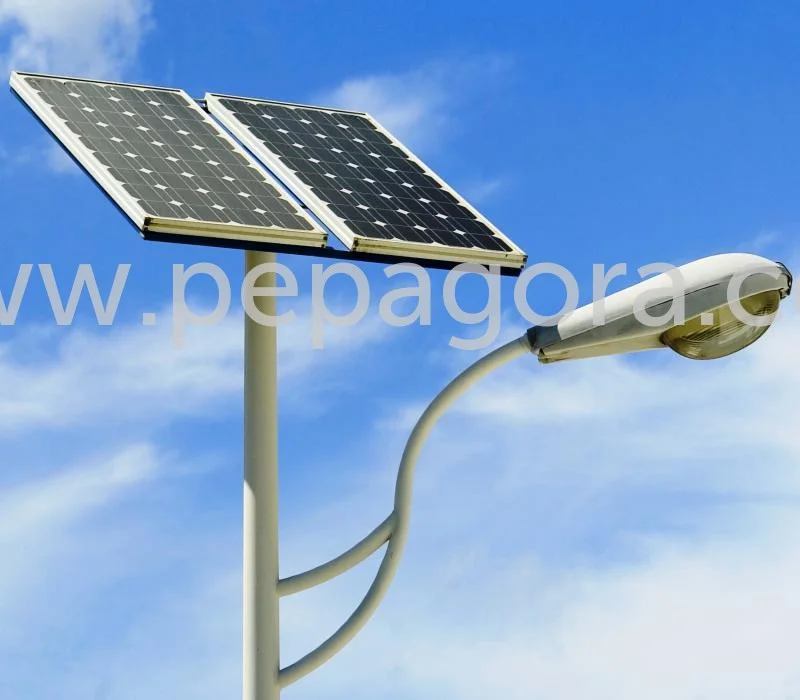
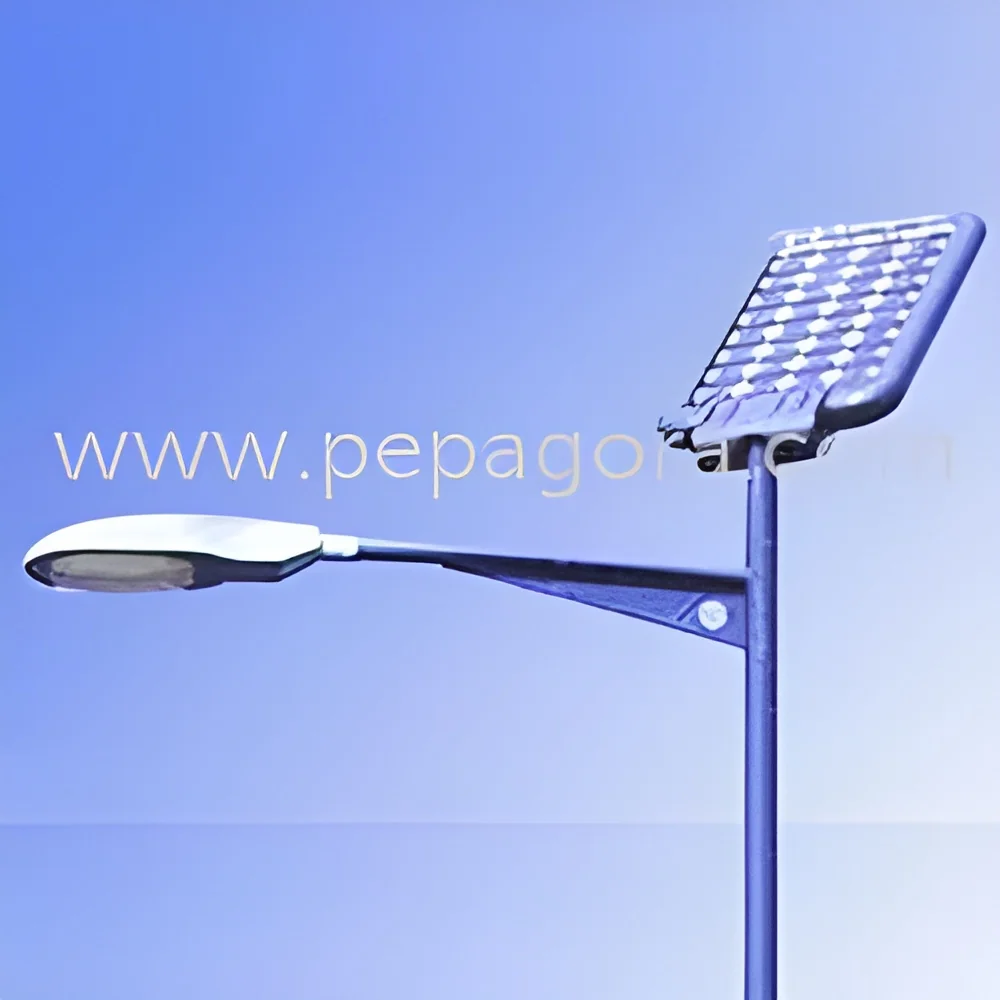
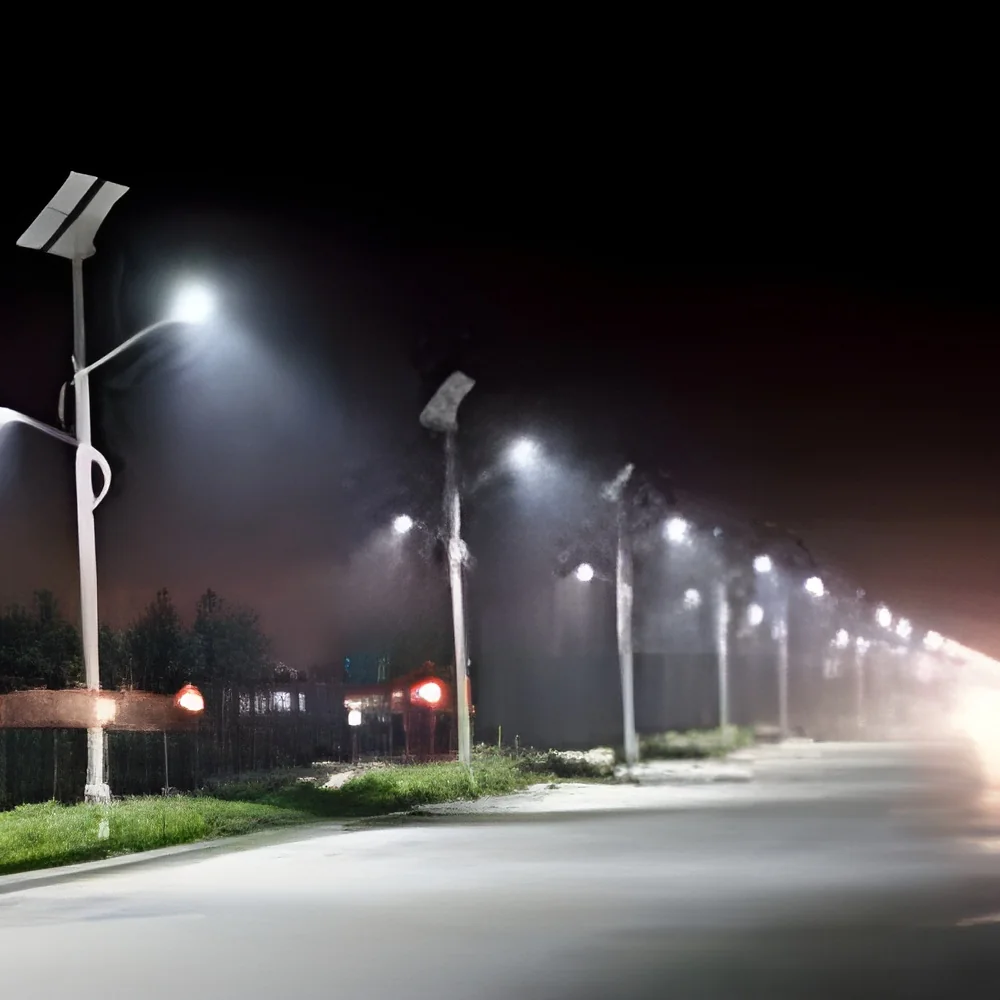
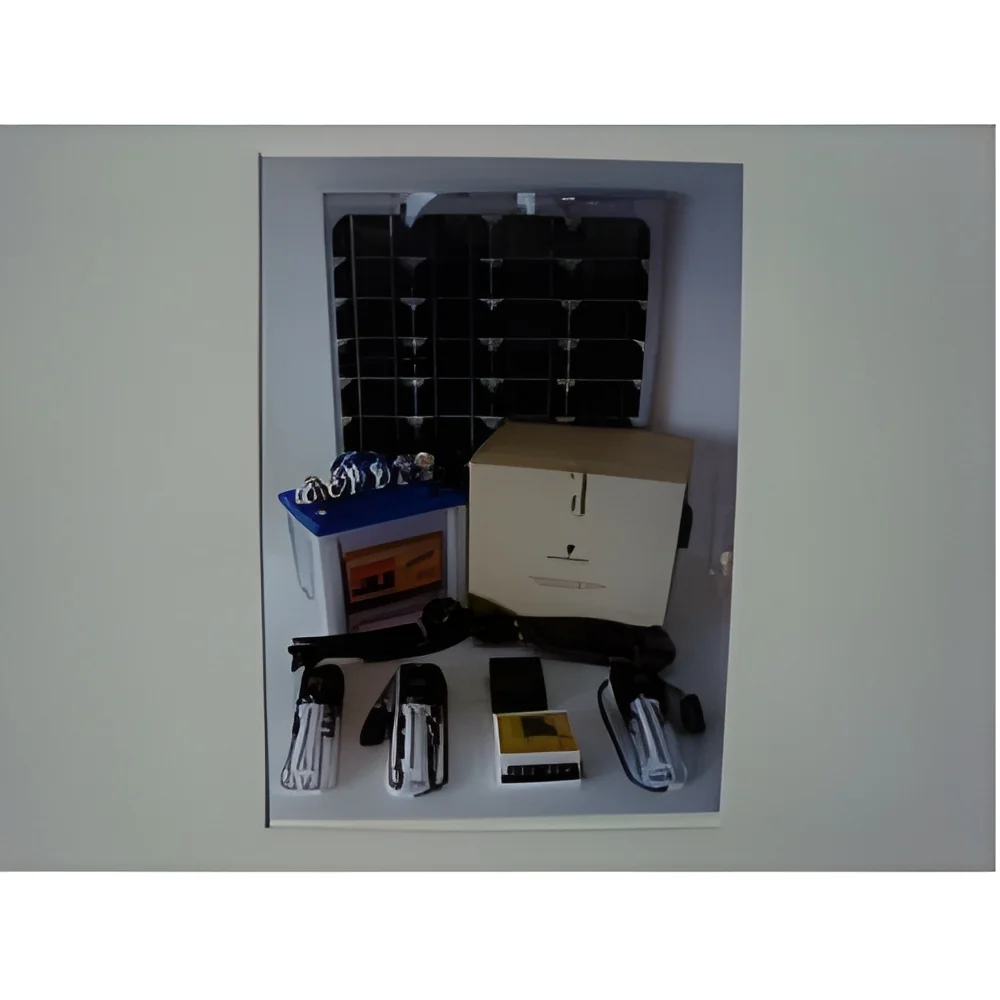
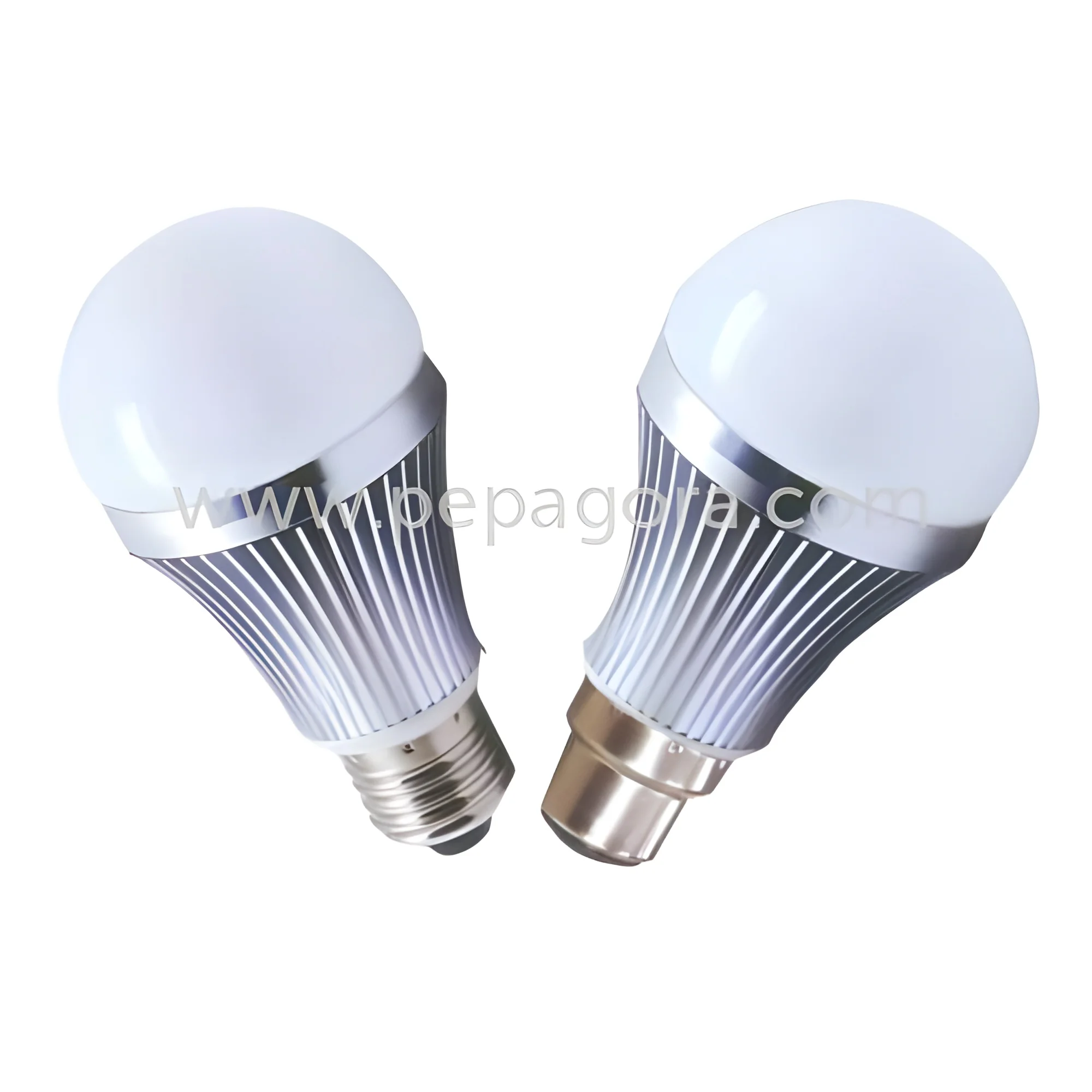
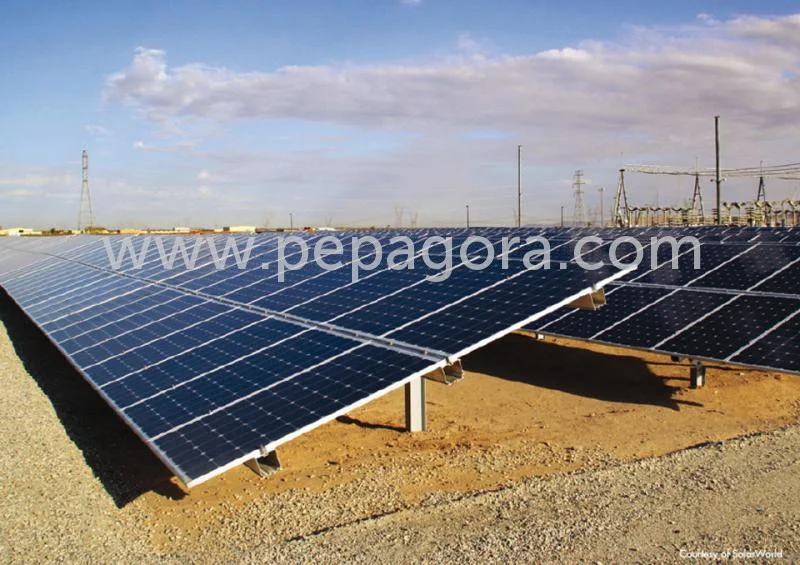
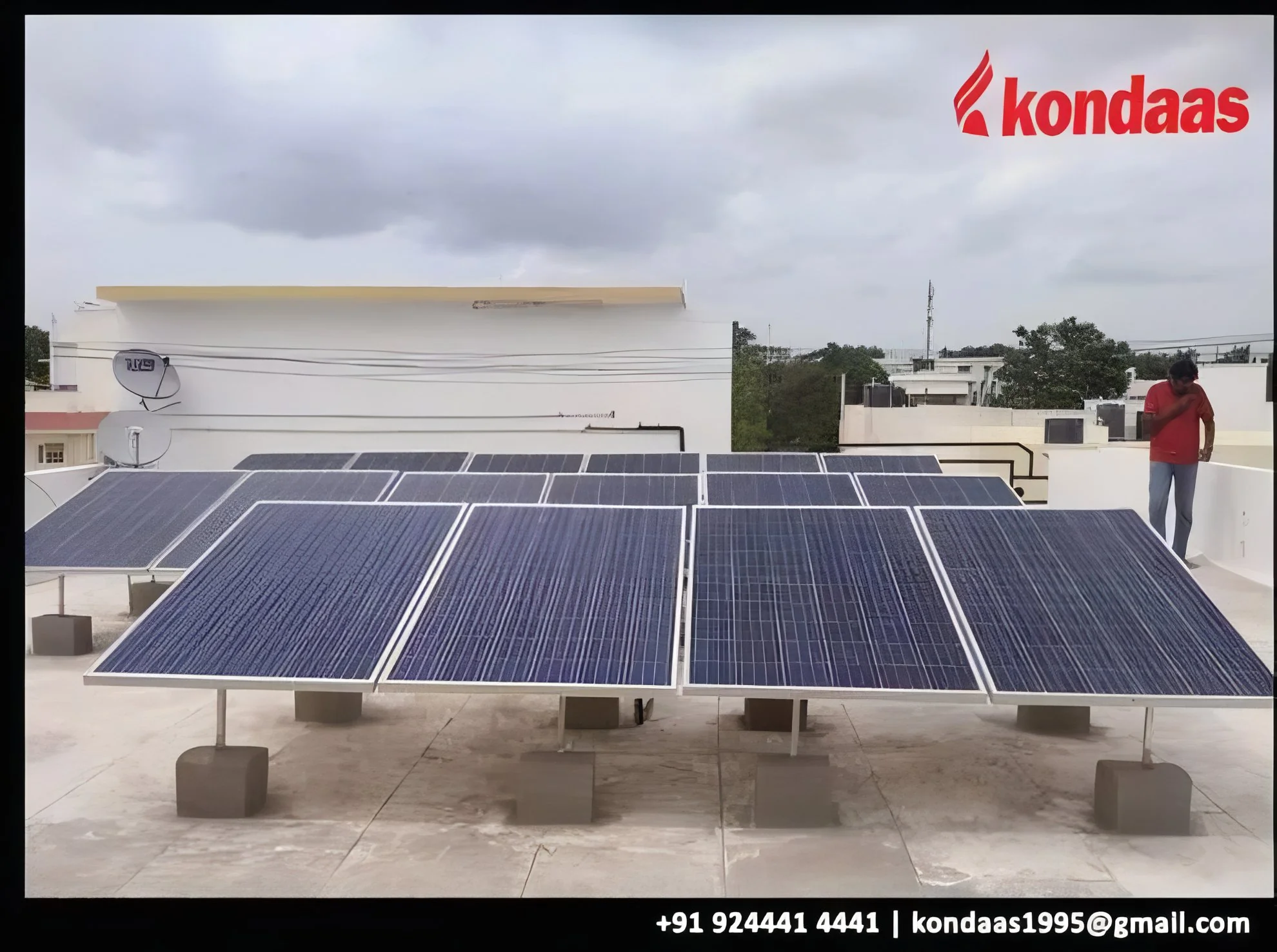
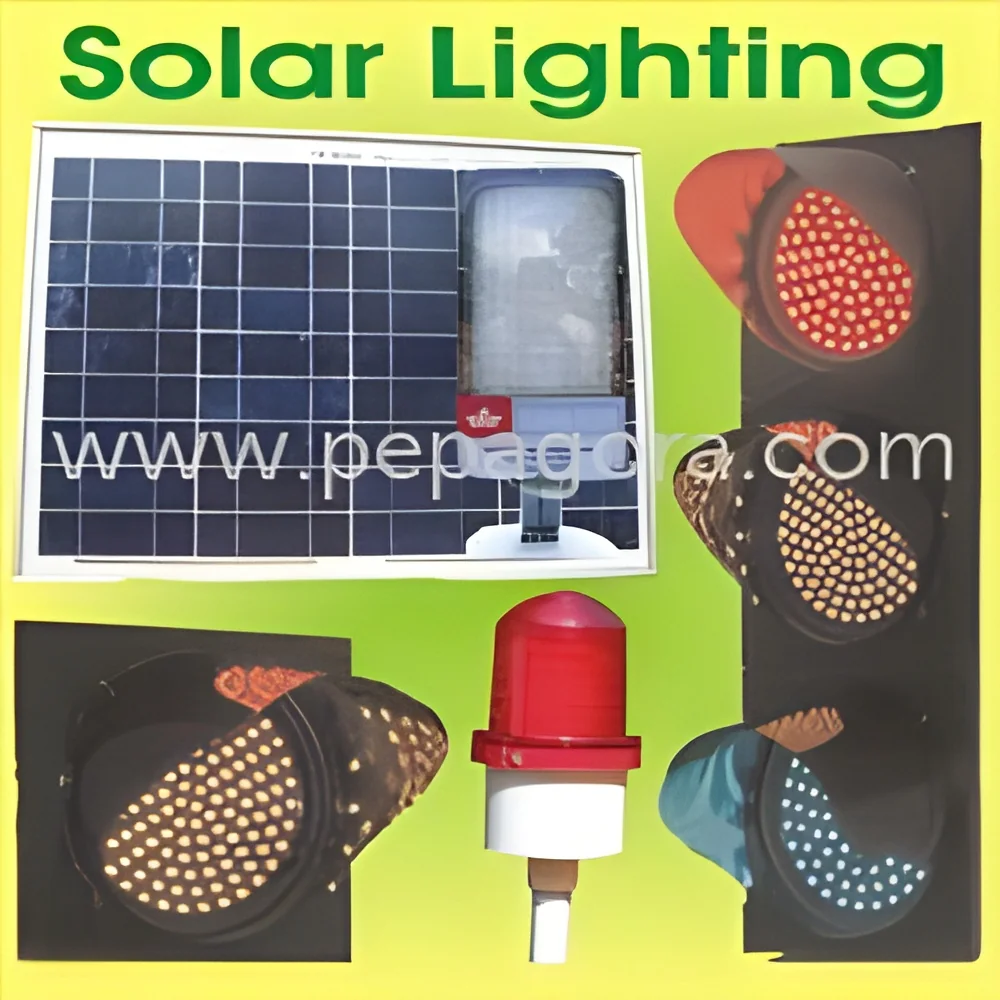
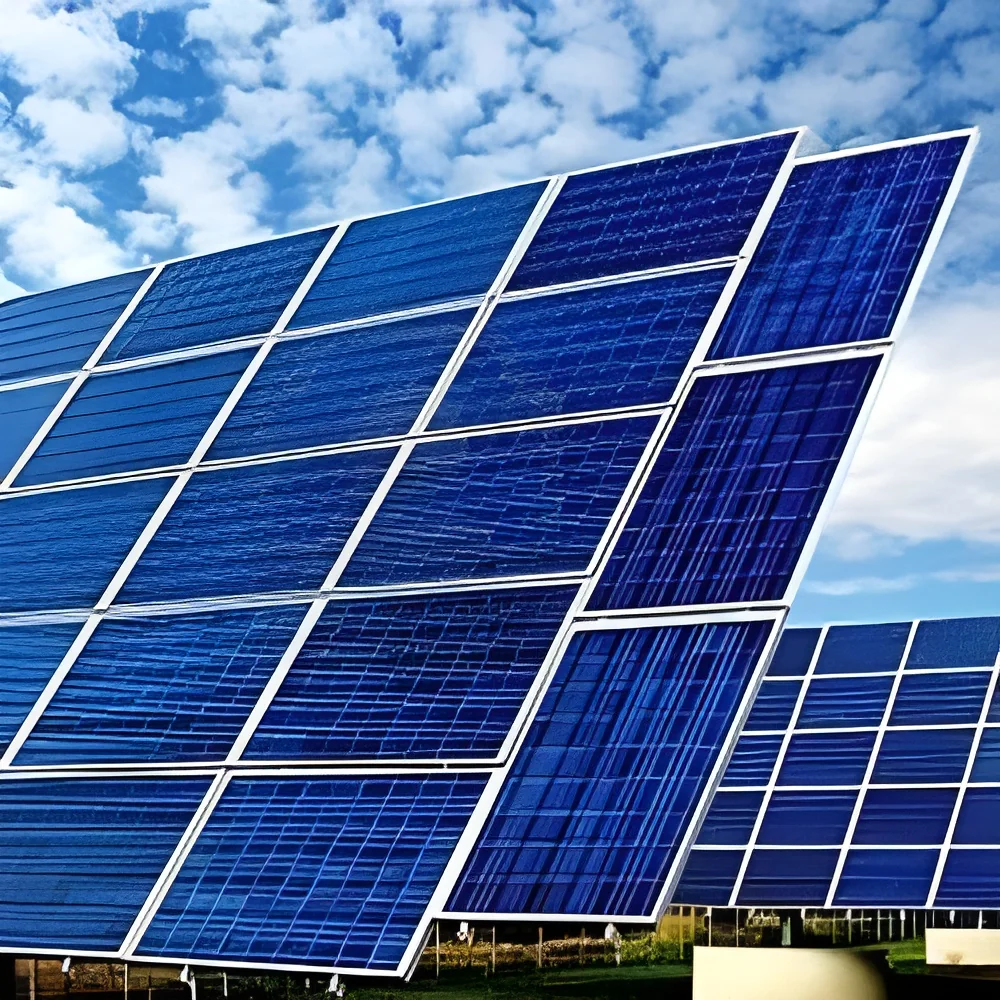
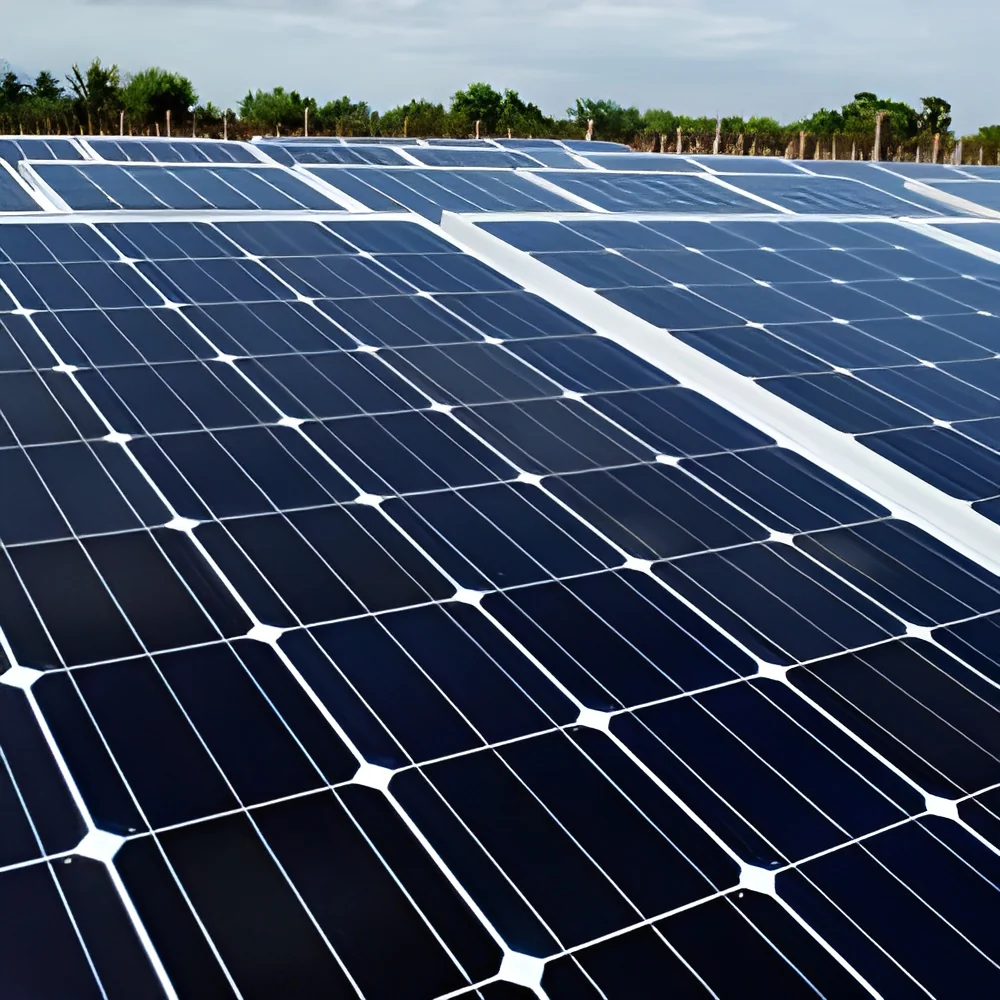
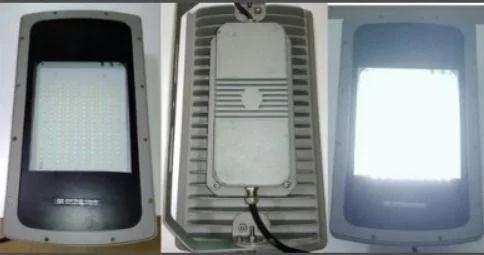
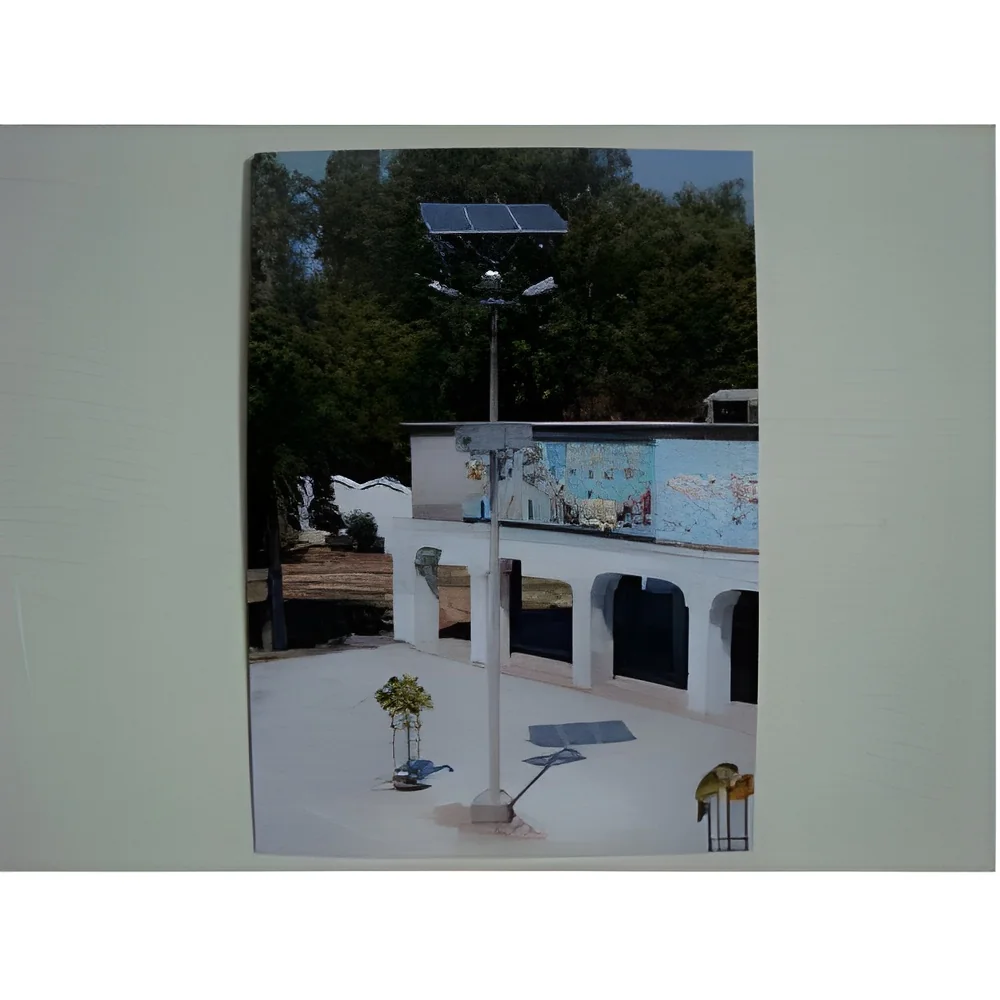
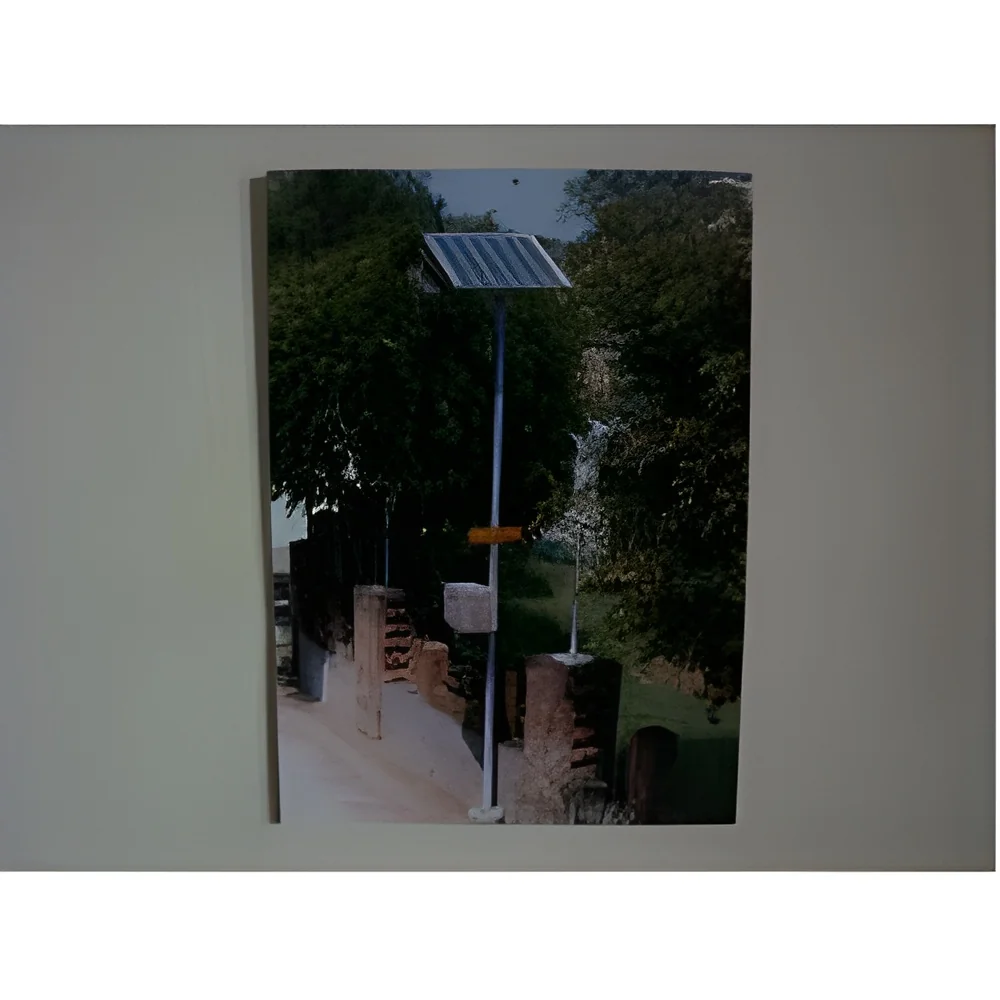
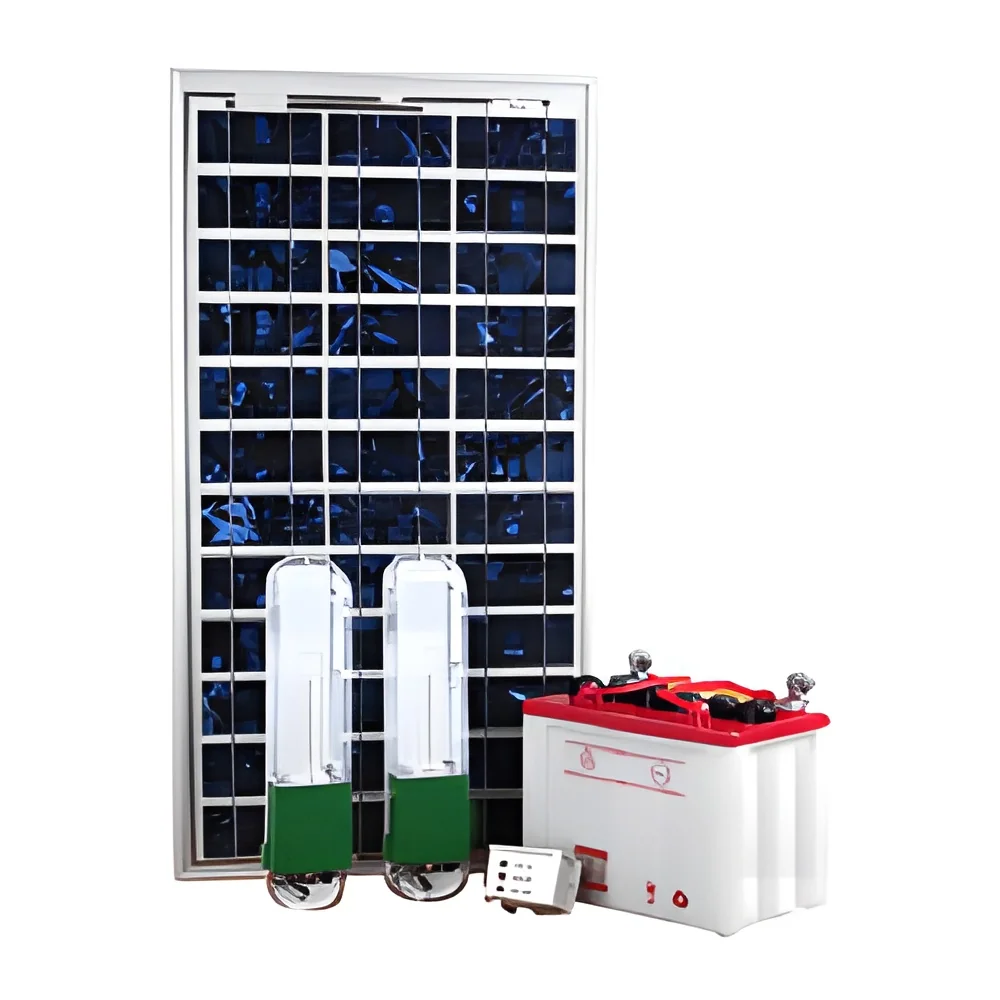
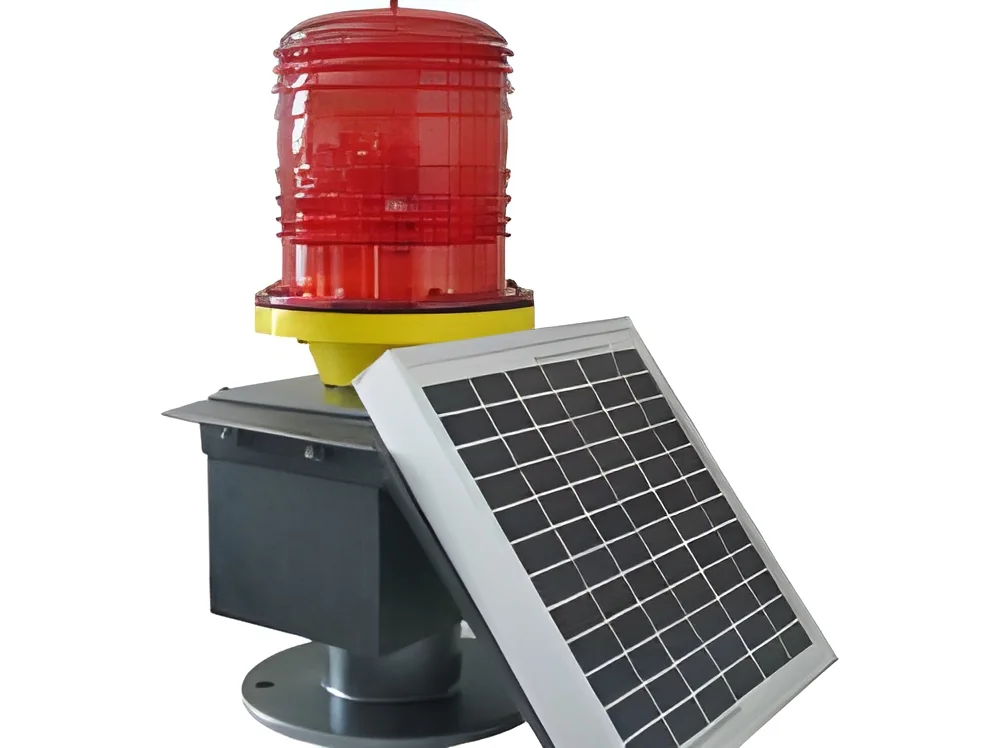
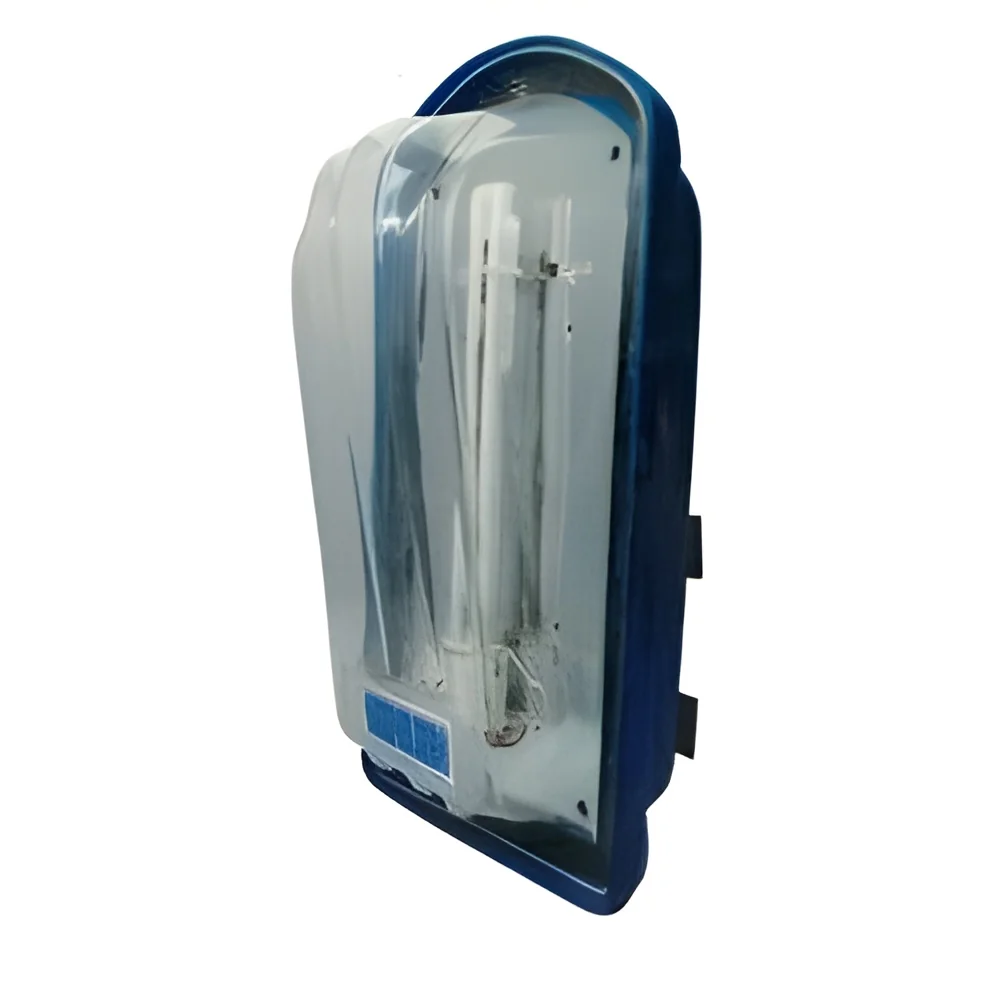
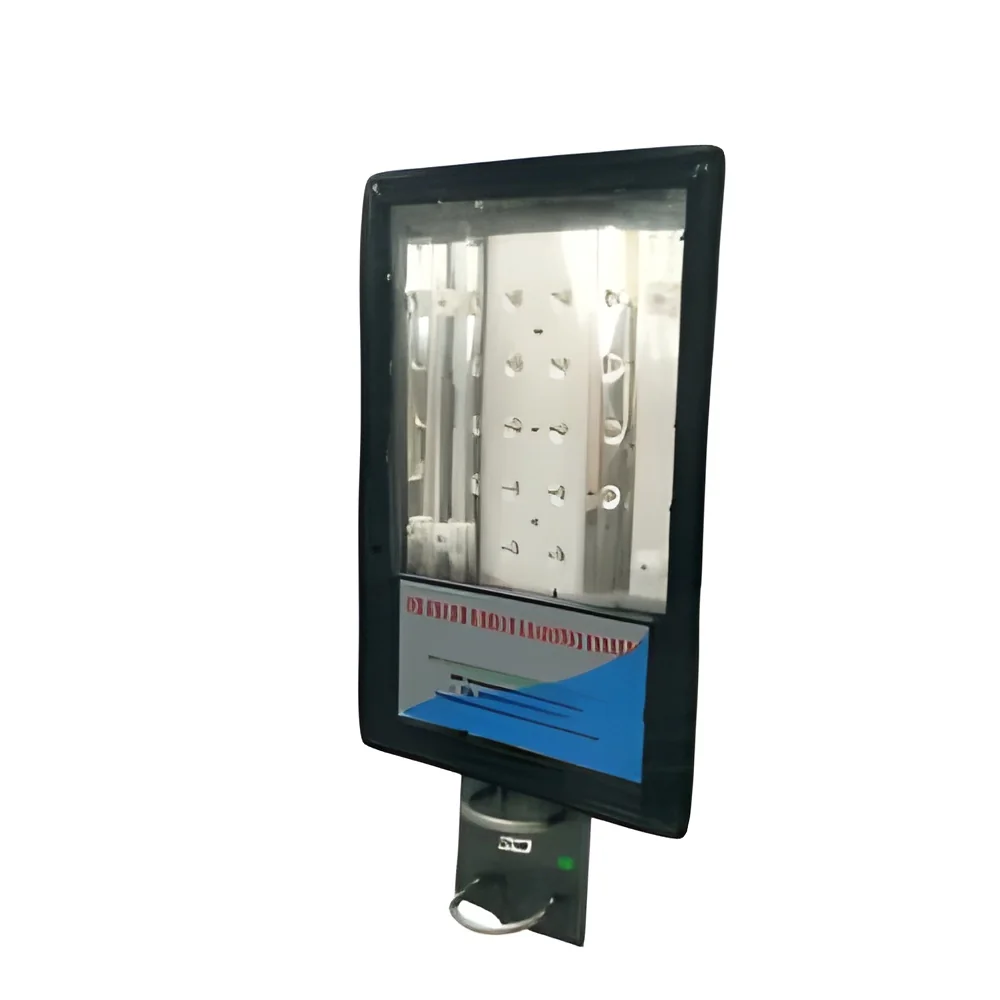
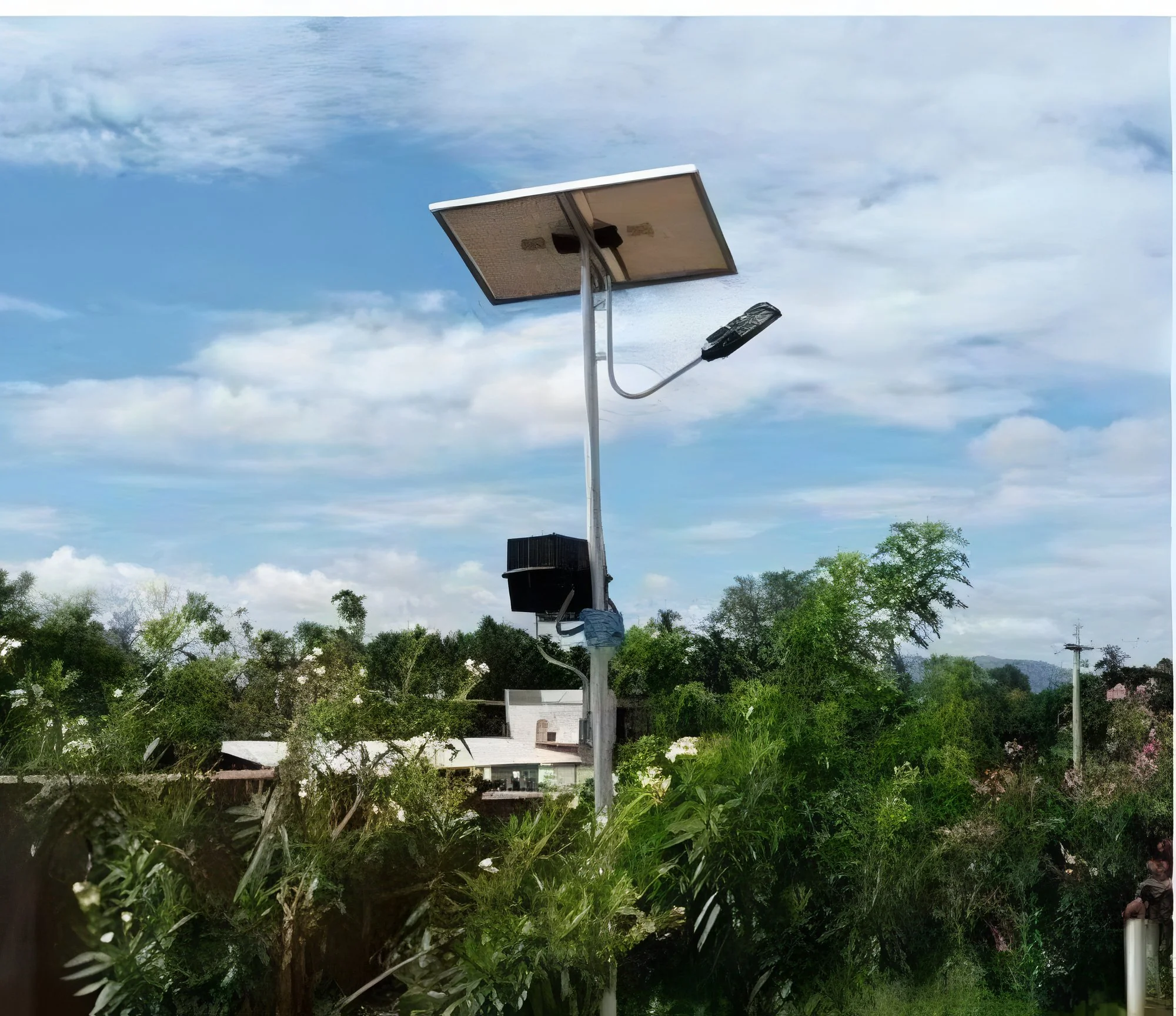
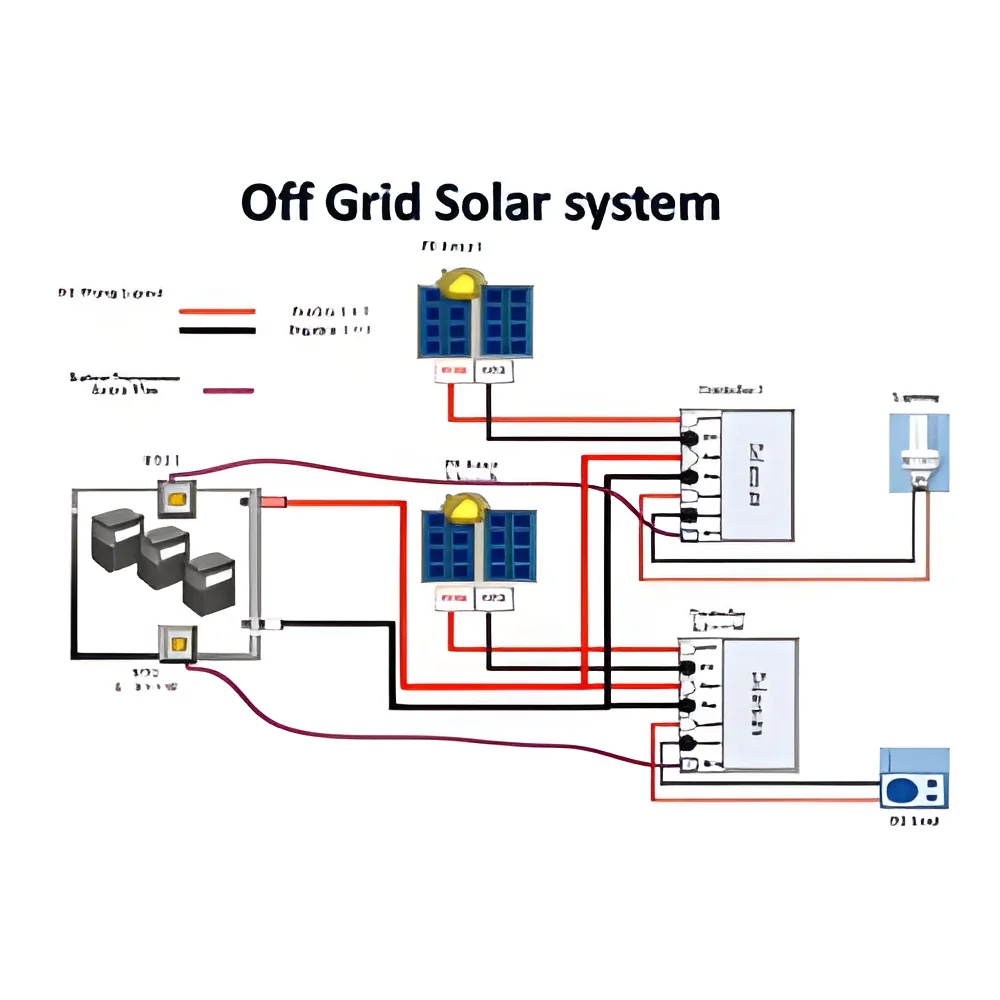
Solar street lights are outdoor lighting solutions powered by solar energy. They consist of solar panels, LED lights, a battery, and a controller, allowing them to operate independently without the need for external electricity sources. The solar panels capture sunlight during the day and convert it into electrical energy, which is stored in the battery for use during the night. This sustainable approach not only reduces energy costs but also minimizes carbon footprints.
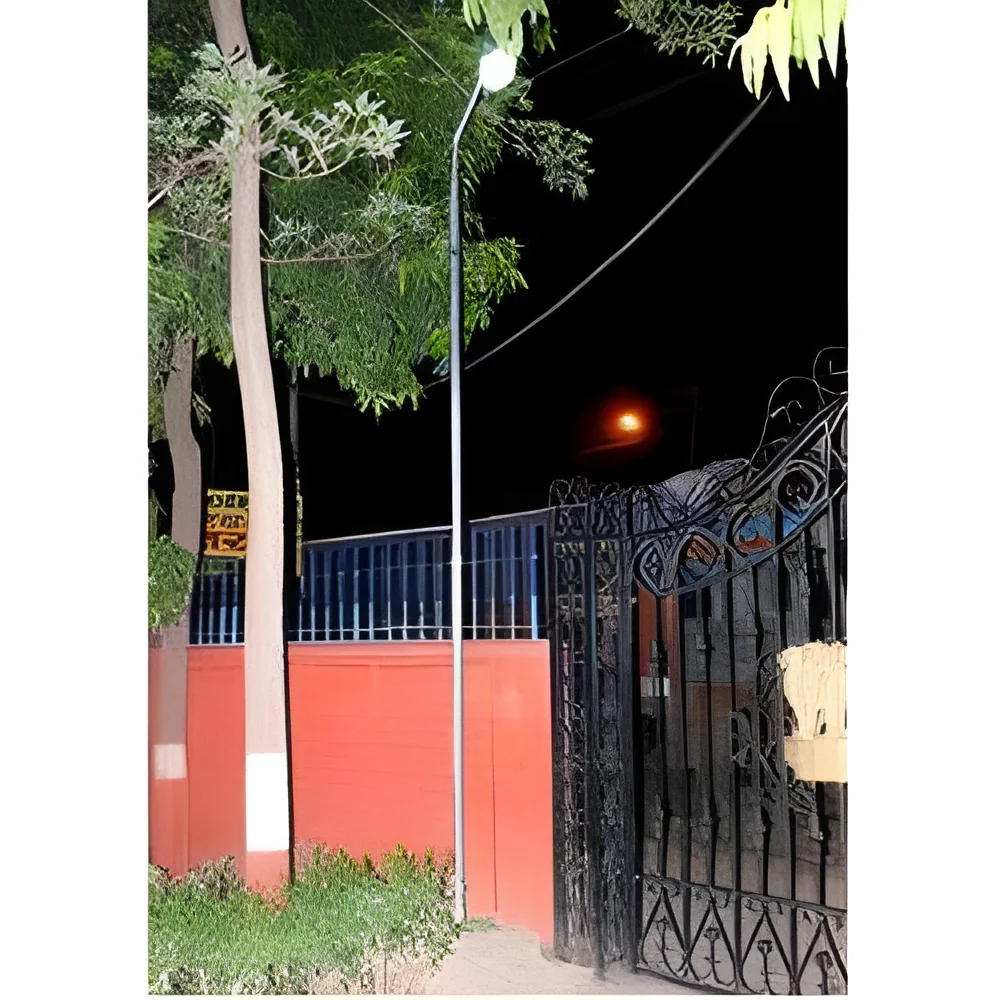
These lights are primarily used for illuminating streets, pathways, parks, and other public areas. Businesses and municipalities often install solar street lights to enhance safety and visibility while promoting eco-friendly practices. The growing demand for renewable energy sources has made solar street lights increasingly relevant in the modern market. As cities and towns look to reduce energy consumption and improve public safety, solar street lights serve as a practical solution that aligns with environmental goals.
Key Features and Specifications
Solar street lights are designed with various features that enhance their performance and usability. Understanding these specifications is crucial for selecting the right product.
Key specifications include:
1. Solar Panel Efficiency
- Determines how effectively the solar panel converts sunlight into energy.
- Typically ranges from 15% to 22%.
2. Battery Capacity
- Refers to the energy storage capacity of the battery, measured in amp-hours (Ah).
- Common capacities range from 40Ah to 100Ah.
3. LED Wattage
- Indicates the power consumption of the LED light, affecting brightness levels.
- Usually ranges from 30W to 120W.
4. Lumens Output
- Measures the total amount of visible light emitted by the LED.
- Outputs generally range from 3,000 to 15,000 lumens.
5. Motion Sensor Capabilities
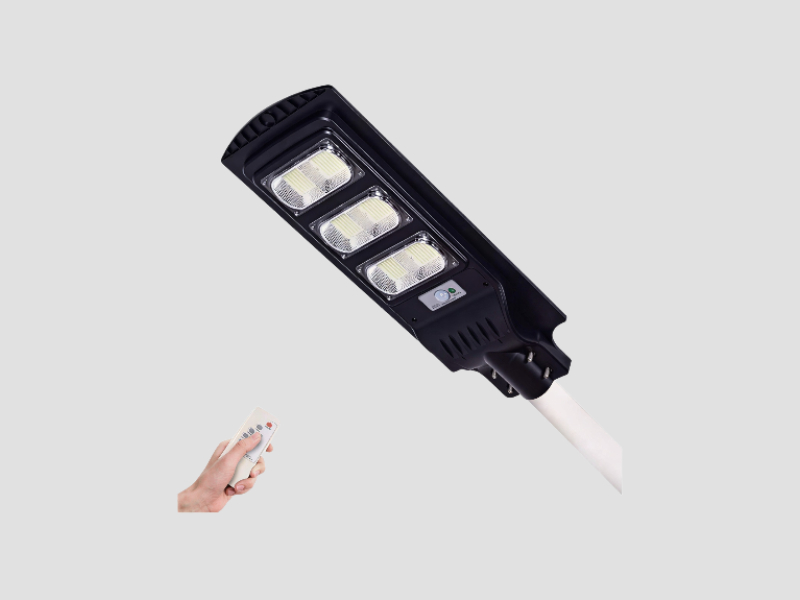
- Some models include motion sensors to enhance energy efficiency by dimming lights when no movement is detected.
- Detection ranges can vary from 5 meters to 20 meters.
6. Operating Time
- Refers to how long the lights can operate on a full charge.
- Typically ranges from 8 to 12 hours.
7. Material Durability
- Solar street lights are often made from corrosion-resistant materials to withstand weather conditions.
- Common materials include aluminum and polycarbonate.
8. Installation Type
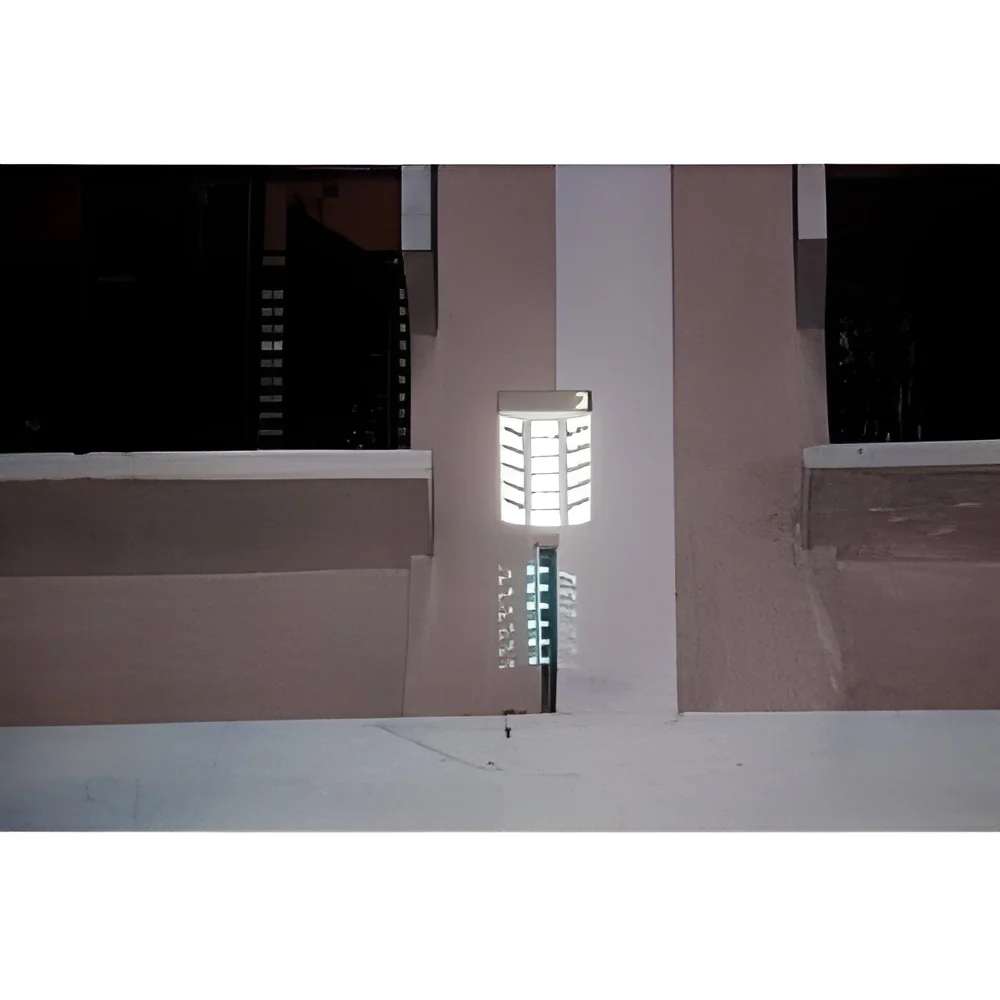
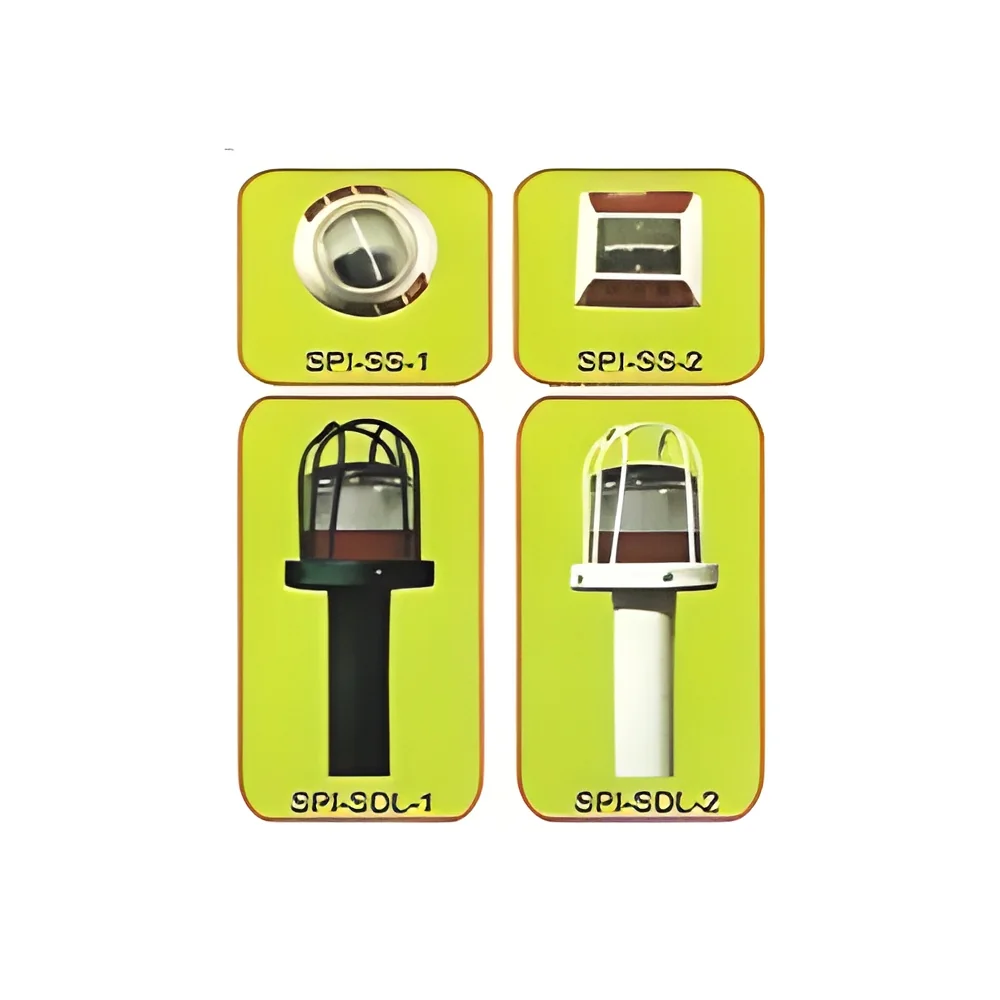
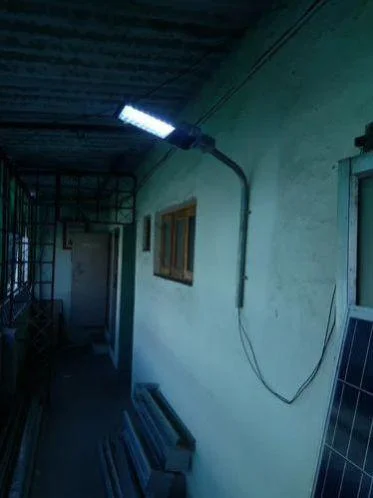
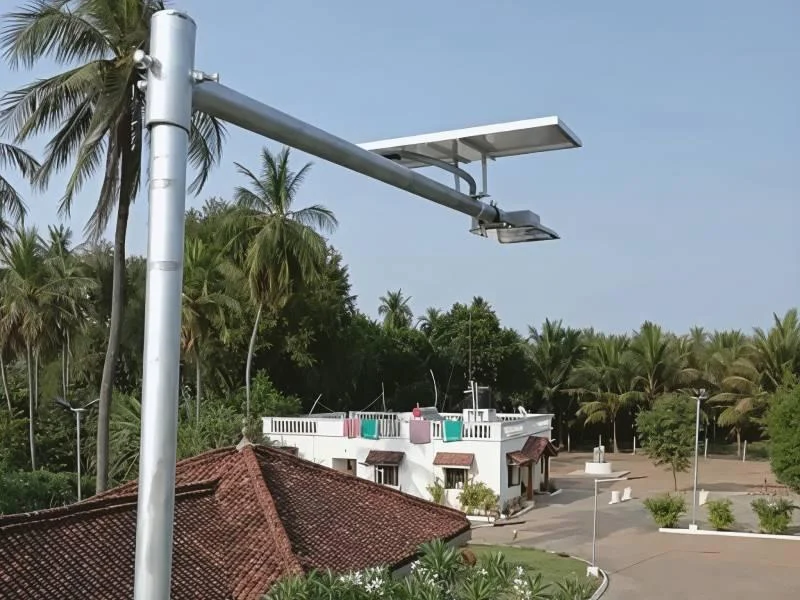
- Indicates whether the lights are pole-mounted or wall-mounted.
- Allows flexibility in installation based on the project's requirements.
In summary, understanding these key features and specifications will help buyers make informed decisions when selecting solar street lights that meet their needs.
Common Applications and Use Cases
Solar street lights are versatile and can be utilized in various settings.
1. Urban Areas: Municipalities install solar street lights to enhance nighttime visibility in parks, sidewalks, and busy streets, promoting safety for pedestrians and drivers alike.
2. Rural Communities: In remote areas lacking access to the power grid, solar street lights provide essential lighting solutions for local roads and public spaces.
3. Industrial Sites: Factories and warehouses often use solar street lights to illuminate loading docks, parking lots, and outdoor workspaces, ensuring a secure environment for employees.
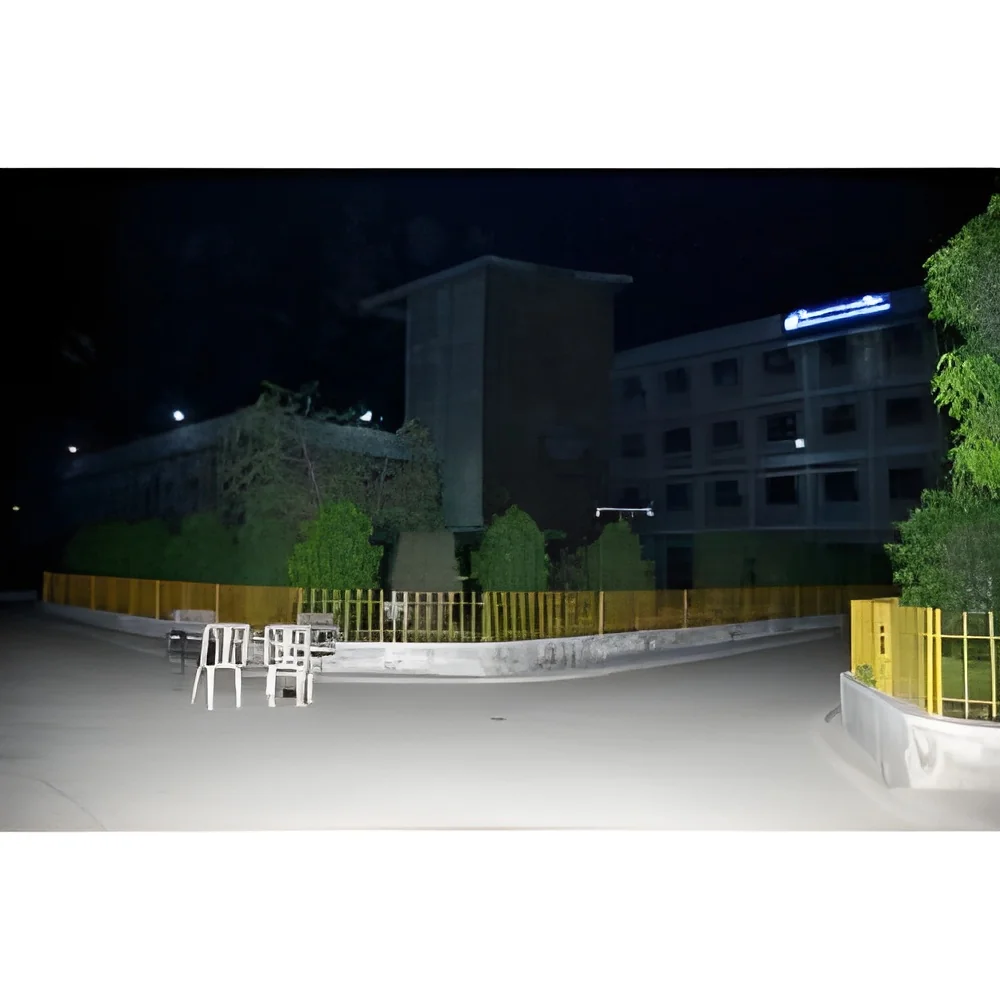
4. Educational Institutions: Schools and universities benefit from solar street lights to enhance campus safety by lighting walkways and recreational areas after dark.
5. Transportation Hubs: Airports and bus stations implement solar street lights to improve security and visibility in parking areas and waiting zones.
6. Recreational Areas: Parks and sports facilities use solar street lights to illuminate pathways and fields, allowing for extended use after sunset.
7. Event Venues: Outdoor event spaces can utilize solar street lights to provide temporary lighting solutions during festivals and gatherings.
Product Variants and Subcategories
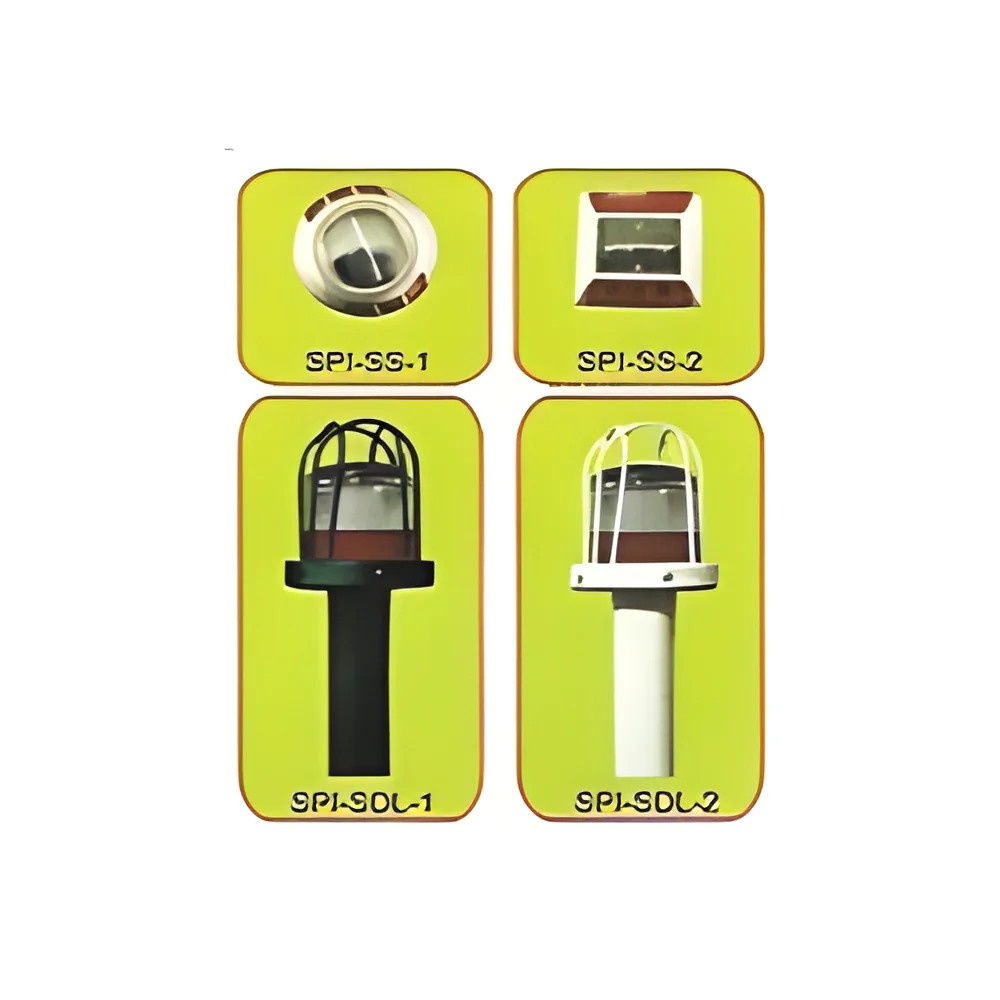
Solar street lights come in various configurations to meet different needs.
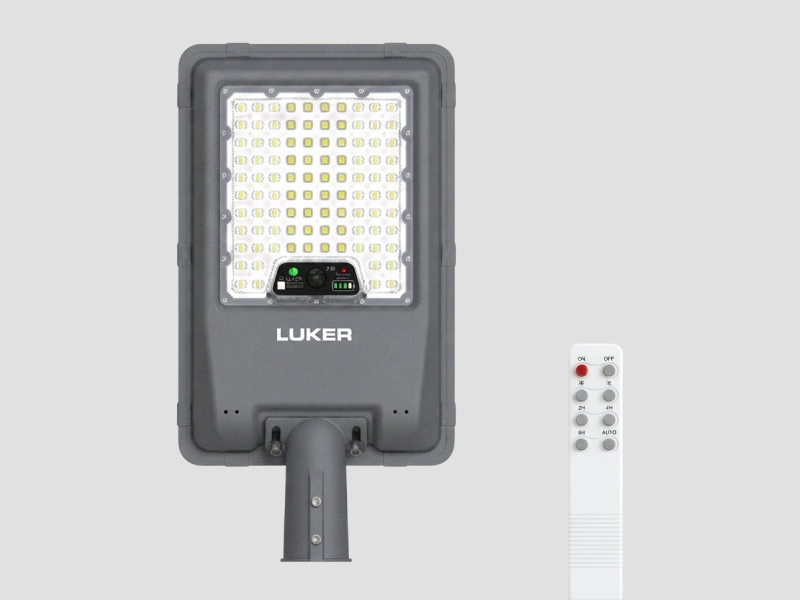
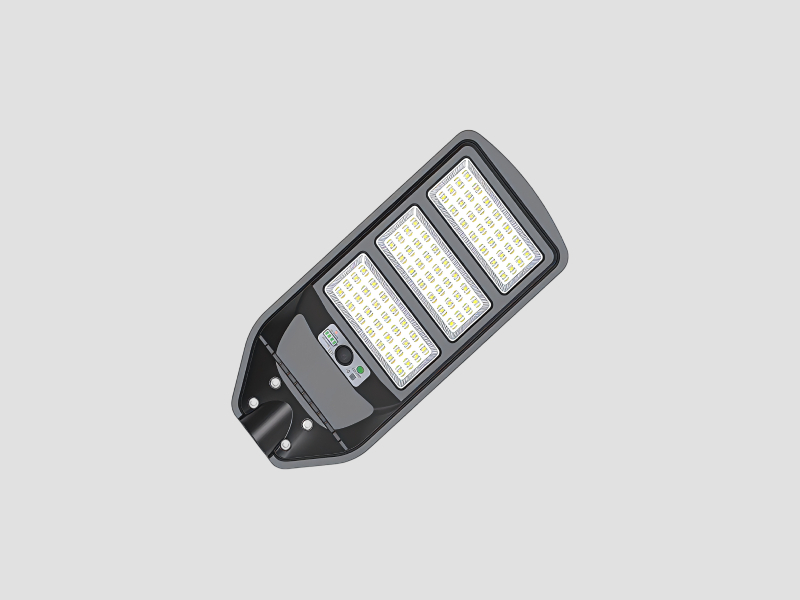
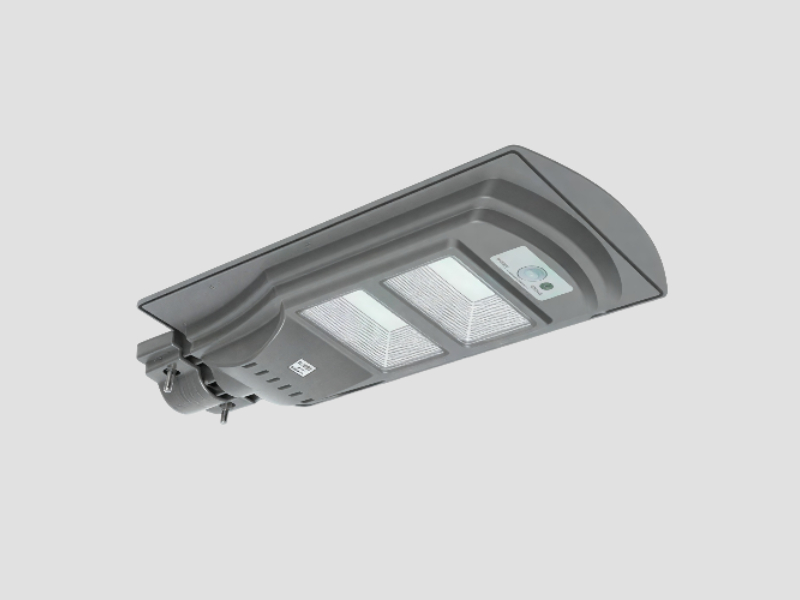
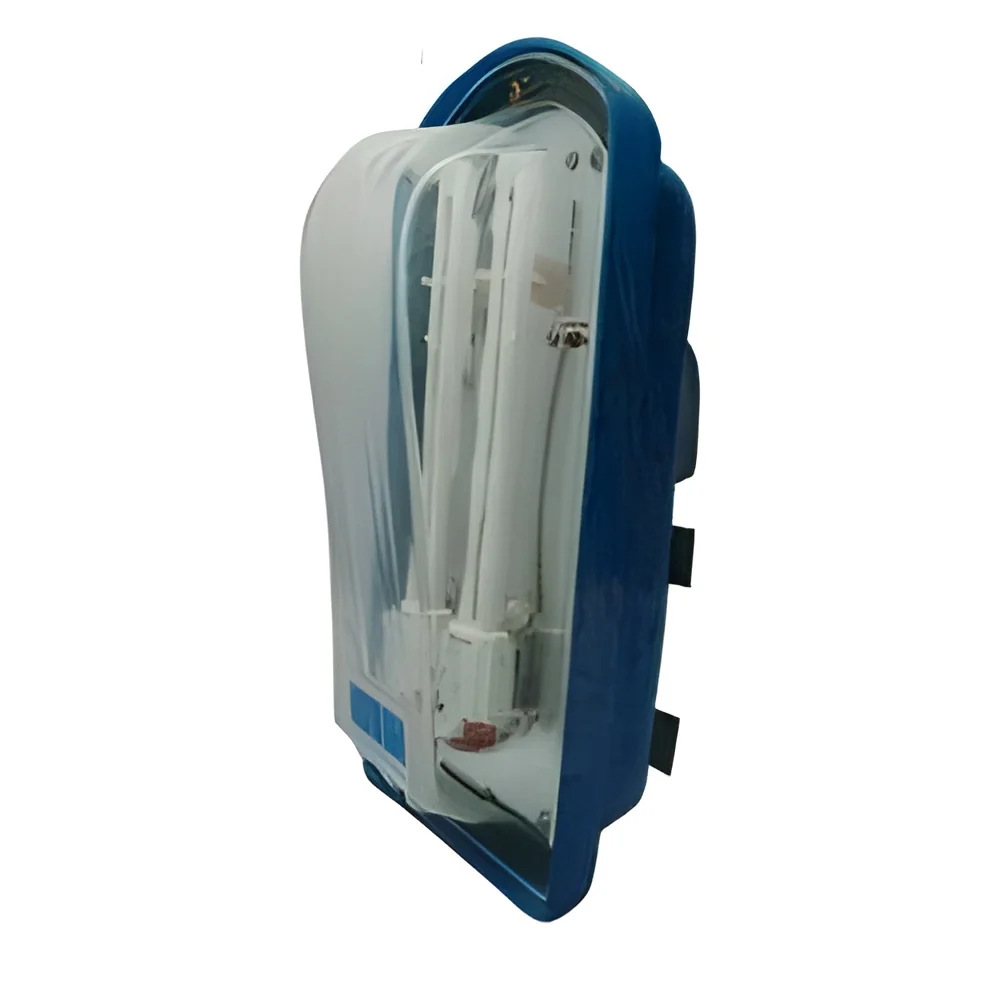
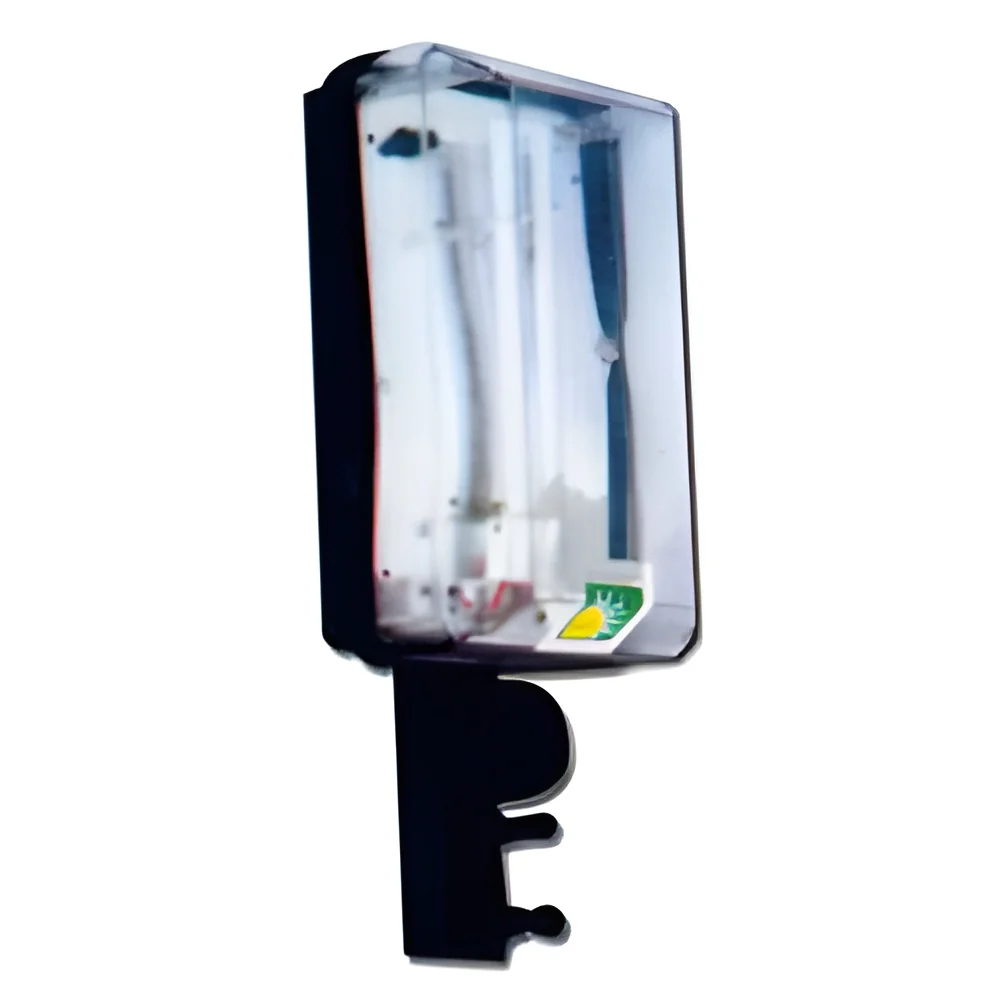
All-in-One Solar Street Lights: These compact units integrate solar panels, LED lights, and batteries into a single fixture. They are easy to install and ideal for small to medium-sized areas.
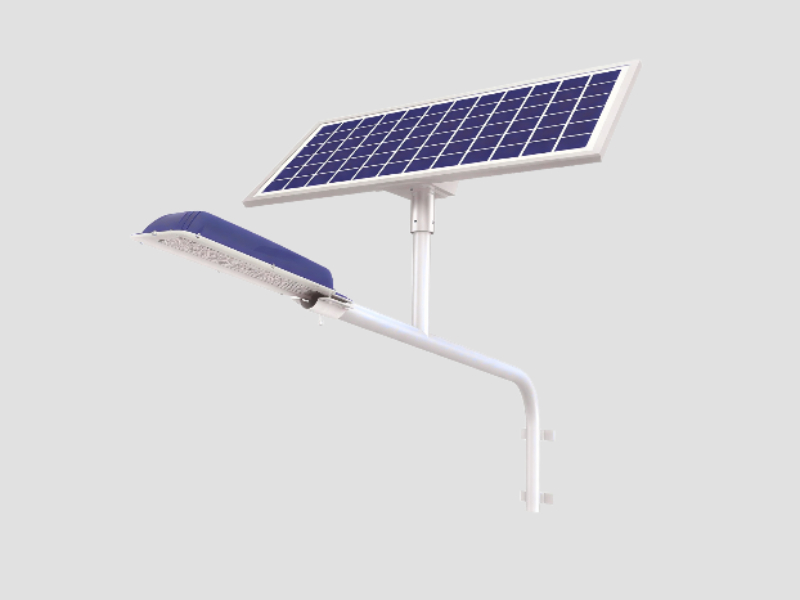
Modular Solar Street Lights: This variant consists of separate components, allowing for customization based on specific lighting requirements. They can be upgraded with additional solar panels or batteries as needed.
Smart Solar Street Lights: Equipped with IoT technology, these lights can be monitored and controlled remotely. They often feature adaptive lighting capabilities and energy management systems.
Portable Solar Street Lights: Designed for temporary setups, these lights are easy to transport and suitable for events, construction sites, or emergency lighting.
Benefits and Advantages
Solar street lights offer numerous advantages for businesses and municipalities.
1. Cost Savings: By utilizing solar energy, organizations can significantly reduce electricity bills associated with traditional street lighting.
2. Environmental Impact: Solar street lights contribute to sustainability efforts by harnessing renewable energy, reducing greenhouse gas emissions.
3. Low Maintenance: These lights generally require minimal maintenance due to their durable design and reliance on sunlight rather than electrical infrastructure.
4. Easy Installation: Solar street lights can be installed in remote areas without the need for extensive electrical work, making them a practical solution for diverse locations.
5. Enhanced Safety: Improved visibility in public areas leads to safer environments for pedestrians and drivers, reducing the risk of accidents.
6. Energy Independence: With no reliance on the grid, solar street lights provide reliable lighting even during power outages or in areas without electrical access.
Buying Guide for B2B Buyers
When sourcing solar street lights, it is essential to consider various factors to ensure a successful purchase.
1. Quality Assessment: Evaluate the quality of materials and components used in solar street lights. Look for reputable manufacturers that adhere to industry standards.
2. Supplier Verification: Conduct thorough research on potential suppliers. Check their credentials, customer reviews, and previous projects to ensure reliability.
3. Pricing and MOQ: Understand the market pricing for solar street lights and inquire about minimum order quantities. This will help in budgeting and planning procurement.
4. Delivery and Lead Times: Discuss logistics with suppliers to establish delivery schedules and lead times. Timely delivery is crucial for project planning.
5. Compliance Requirements: Ensure that the products meet relevant regulations and certifications, such as CE certification, to guarantee safety and quality standards.
Compliance and Certifications
Compliance with industry standards is vital for the performance and safety of solar street lights.
Manufacturers often adhere to quality standards such as ISO 9001, which emphasizes effective quality management systems. Compliance with safety standards ensures that the products are tested for reliability and durability.
CE certification indicates that the solar street lights meet European Union safety, health, and environmental protection requirements. This certification is critical for market acceptance in various regions.
In addition, manufacturers should consider regional compliance, as different countries may have specific regulations governing solar products. Adhering to these standards not only ensures product integrity but also builds trust with buyers.
Why Source Solar Street Lights from Pepagora?
Pepagora provides a trusted platform for sourcing solar street lights, offering several key advantages for businesses.
Verified Supplier Network: Pepagora connects buyers with a network of verified suppliers. This ensures that organizations can source high-quality products from reputable manufacturers.
Streamlined RFQ Process: The platform simplifies the request for quotation (RFQ) process, making it easy for buyers to compare prices and specifications. This efficiency saves time and enhances decision-making.
Trade Assurance and Support: Pepagora offers trade assurance features that protect buyers from potential risks during transactions. Dedicated support teams are available to assist throughout the purchasing process.
Regional Coverage: With a strong presence in India, the Gulf Cooperation Council (GCC) countries, and Southeast Asia, Pepagora ensures that buyers have access to solar street lights tailored to their regional needs and compliance standards. This geographic reach enhances the convenience of sourcing and procurement.

 IN
IN